In This Guide
- Can You Drive an RV in Paris? License & Age Rules
- Road Conditions & Terrain in Paris
- RV Size Limits, Bridges & Restricted Zones
- Fuel: Diesel vs. Petrol & Cost per 100 km
- Tolls, Vignettes & Border Rules
- Driving Tips for RV Rental Travelers
- Recommended RV Class for Paris Roads
- Should I Choose a Compact Van Instead of a Large RV in Paris?
- Can I Park Anywhere? Free & Wild Camping Rules in Paris
- Can I Drive an RV Into the City Center? Heights, Tunnels & Local Signage
- Do I need a Crit'Air sticker for my motorhome in France?
- Are D-roads in France suitable for motorhomes?
- Do I have to pay Paris low emission zone?
- Is France motorhome friendly?
- Can I drive in Paris with a US driver's license?
- Can you own an RV in Europe?
- What kind of license is required for an RV?
- How much is insurance on a $200,000 RV?
- Does France have public liability insurance?
Exploring Paris and its enchanting surroundings with a rented RV, especially with your beloved pet, offers an unparalleled sense of freedom. Imagine waking up to fresh croissants in a tranquil campsite outside the city, then taking a short ride into the heart of the City of Lights, all with your furry companion by your side. At Bandana RV, we understand the nuances of RV travel in France, and we're here to ensure your pet-friendly adventure is smooth, transparent, and unforgettable. For live availability and current prices, start with our RV Rental Paris - Complete Guide 2026 guide.
Can You Drive an RV in Paris? License & Age Rules
Driving an RV in Paris is permissible, with standard license requirements generally applying across France. A B-category license, equivalent to a standard car license in many countries, is sufficient for operating most rented RVs up to 3,500 kg Maximum Authorized Mass (MAM), which includes Class B Camper Vans and many Class SI Semi-integrated RVs. For larger Class C Alcove or Class A Integrated RVs exceeding 3,500 kg, a C1 or C category license may be required. The minimum driving age for RV rentals typically starts at 21, and thankfully, Bandana RV has no young driver surcharges or vehicle class restrictions based on age, making RV adventures more accessible. For non-EU travelers, a valid US driver's license is generally accepted for short visits to France (up to one year), but it must be accompanied by an International Driving Permit (IDP), which serves as an official translation and is legally required for clarity if you encounter law enforcement. Always carry both documents, along with your passport and rental agreement.
We pride ourselves on full transparency, so you'll never encounter hidden fees or surprises when it comes to licensing or age requirements. We help you compare final prices across 50+ suppliers so you don't have to worry about these details.
Road Conditions & Terrain in Paris
Road quality in and around Paris is generally excellent, consisting of well-maintained highways (autoroutes), national roads (routes nationales), and departmental roads (routes départementales). The terrain immediately around Paris is largely flat, making for relatively easy driving even with a larger motorhome. While the urban areas of Paris present denser traffic and narrower streets, requiring more careful attention, the surrounding regions like the picturesque Loire Valley or the historic battlefields of Normandy offer varied, gently rolling landscapes perfectly suitable for a slow, scenic RV exploration. Drive slowly and carefully, and you can drive almost anywhere without issues. No need to stress - just use common sense and pay attention. Many of our RV PLANET routes are specifically designed for enjoyable cruising through France's diverse scenery.
RV Size Limits, Bridges & Restricted Zones
While there are no universal size limits for RVs on French roads, drivers must always be aware of local signage indicating height, width, and weight restrictions, particularly in historic city centers and under bridges or through tunnels. Height restrictions for bridges and tunnels are clearly marked, and RV drivers should pay close attention to these signs to avoid incidents, especially with larger Class C Alcove RVs (averaging 7.5m in length) or Class A Integrated RVs (also averaging 7.5m in length). Paris enforces several restricted zones, including the Crit'Air Low Emission Zone (LEZ), which may limit access for older or less environmentally friendly RVs; these zones are clearly signposted, and adherence is mandatory to avoid fines. Always research the specific Crit'Air requirements for your rental motorhome and plan your routes accordingly.
Fuel: Diesel vs. Petrol & Cost per 100 km
Most RVs in Bandana's fleet are diesel-powered, which is widely available across France, alongside petrol (Essence SP95/SP98). Based on Bandana's global fleet averages, a Class SI Semi-integrated RV typically consumes 10-11 Liters/100 km, while a Class B Camper Van averages a more efficient 8-10 Liters/100 km. Factoring current average fuel prices (which fluctuate), an estimated cost per 100 km for a rented RV in France could range from €15-€20, depending on the vehicle's efficiency and fuel type. Remember that fuel is an ancillary cost of your trip; on RV PLANET routes, travelers can itemize and track every expense along the way for easy budgeting. Some rental companies may offer options to pre-purchase fuel packages, which can help manage costs and ensure a stress-free return. On the routes offered through RV PLANET routes, you can itemize and track every expense along the way for easy budgeting.
Tolls, Vignettes & Border Rules
France operates a comprehensive toll road (autoroute) system, where fees are typically paid upon exit, either manually or via electronic tag (télépéage). Vignettes, which are fixed-price road tax stickers common in some other European countries, are not used in France for general road access, but the Crit'Air sticker functions as a form of environmental vignette for Low Emission Zones (LEZs). While specific regional toll information for Paris is not provided here, drivers should budget for tolls when planning routes outside the immediate city, as major routes connecting to Paris are often tolled. Some Bandana partner suppliers may offer the option to pre-purchase or rent a télépéage badge, allowing for smoother travel through toll booths and potentially avoiding fines for non-payment. Be aware that most French rental contracts allow you to travel to neighboring European countries, but always confirm any cross-border restrictions or additional insurance requirements with your chosen supplier.
Driving Tips for RV Rental Travelers
Embarking on a motorhome adventure in Paris requires a bit of thoughtful preparation. First, plan your route carefully; utilize GPS systems that allow for RV-specific dimensions to avoid low bridges or narrow streets, especially when approaching urban centers like Paris. Second, take regular breaks; for families or longer journeys, plan stops every 2 hours at designated 'aires' (rest stops) or pet-friendly campsites to ensure driver alertness and passenger comfort, and to give your pet a chance to stretch its legs. Third, familiarize yourself with common French road signs, which include signs for tolls, speed limits, environmental zones (like Crit'Air), and specific RV parking/servicing areas (aires de services). Fourth, consider smart parking strategies for Paris: it's highly advisable to park your rented RV at designated campsites or park-and-ride facilities on the outskirts of Paris, such as Camping de Paris in the Bois de Boulogne, and use public transport to enter the city center. This approach minimizes stress from navigating and parking a large vehicle directly in the bustling city. Finally, budget for Crit'Air stickers and tolls, pre-ordering your Crit'Air sticker well in advance and factoring in toll costs for autoroutes to ensure a smooth trip without unexpected expenses or fines. Remember, slow travel is key - aim for max 100-150 km per day on average to truly soak in the culture, food, and scenery.
Recommended RV Class for Paris Roads
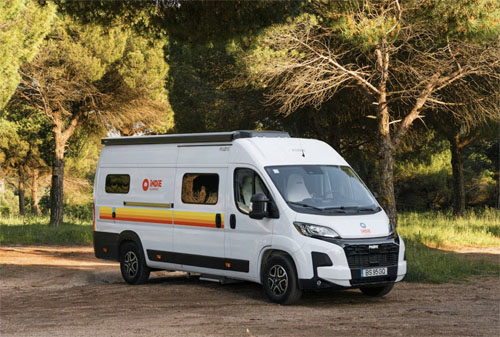
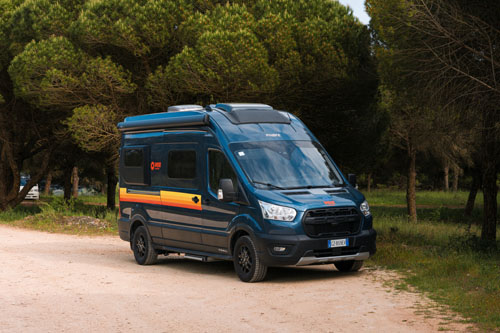
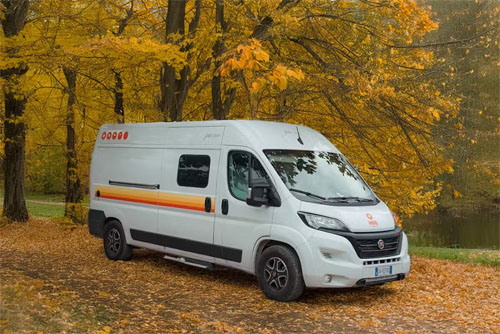
For navigating the roads around Paris and potentially venturing into its outskirts, Class B Camper Vans and Class SI Semi-integrated RVs are generally recommended due to their more manageable dimensions. Class B Camper Vans, like the "Category Van" or a "Patagonia Camper 4x4 double cab" models available through Bandana, with an average length of 5.8m, offer excellent maneuverability and are easier to park, making them ideal for exploring both urban peripheries and rural France. Class SI Semi-integrated RVs, such as the "2 Berth Rover" or "2 Berth Tamar" from our fleet, averaging 6.9m in length, provide a good balance of interior space and drivability, suitable for couples or small families who want more comfort without the challenge of a very large vehicle. These vehicles often include amenities like a stove and shower, making them perfect for preparing RV-friendly recipes playlist on the go. While larger RVs like Class C Alcoves (avg. 7.5m) and Class A Integrated models (avg. 7.5m) are certainly drivable in France, their size can make navigation and parking within Paris's denser areas more challenging.
Should I Choose a Compact Van Instead of a Large RV in Paris?
While compact campervans (Class B Camper Vans) offer superior maneuverability and easier parking, especially in tight historic centers and narrow streets, larger motorhomes (Class SI, Class C, Class A) can generally be driven in and around Paris without significant issues. The primary advantage of a compact van, like the "hire campervan example Paradise S/T" for Paris, is the reduced stress of urban driving and potentially easier access to smaller parking spots; however, they offer less indoor space, fewer amenities, and less overall comfort compared to larger RVs like the "rv rentals example Comfort Class" or "campervan hire new zealand example Euro Deluxe." For travelers prioritizing comfort, dedicated living areas, and self-sufficiency for longer trips through France, a larger RV often provides a better trade-off, with the understanding that for direct Paris city center access, 'park-and-ride' options are advisable regardless of RV size. The decision often comes down to personal priorities: extreme maneuverability for specific tight locations versus enhanced living comfort and amenities for the overall journey. Drive slowly and carefully, and you can drive almost anywhere without issues. No need to stress - just use common sense and pay attention.
Can I Park Anywhere? Free & Wild Camping Rules in Paris
Wild camping (free overnight parking outside designated areas) is generally not permitted in Paris or its immediate suburbs and is heavily restricted across France, particularly in urban, coastal, and protected natural areas. While specific Paris-centric wild camping rules beyond general French law are not provided in the current data, it is crucial to understand that parking a rented RV overnight outside a recognized campsite or designated 'aire de services' (service area) is often illegal and can result in fines. For RVers visiting Paris, the recommended approach is to utilize official campsites located on the outskirts of the city, or designated RV service areas, which provide necessary amenities and legal overnight parking, many of which are pet-friendly. Rules vary by region and municipality - always check local regulations and follow local law before parking overnight to avoid legal issues and ensure a respectful visit, especially when traveling with pets.
Can I Drive an RV Into the City Center? Heights, Tunnels & Local Signage
Driving a rented RV into the Paris city center is generally possible, but requires extreme caution and strict adherence to local signage regarding height, weight, and environmental restrictions. Pay particular attention to signs indicating low bridges, tunnel height limits (often found on older infrastructure), and restricted access zones (like pedestrianized areas or residents-only streets) that are common in historic European capitals. While specific Paris-centric height or tunnel restrictions for RVs are not provided in the current data, drivers should assume standard European urban cautions apply, always checking for prominent warning signs. Many Parisian streets, especially in the central districts, are narrow and busy, making navigation and parking challenging for larger RVs; utilizing park-and-ride options on the periphery and using public transport for city exploration is highly advisable. Drive slowly and carefully, and you can drive almost anywhere without issues. No need to stress - just use common sense and pay attention.
Do I need a Crit'Air sticker for my motorhome in France?
Yes, motorhomes operating in designated Low Emission Zones (ZFE-m) in France, including Paris, require a Crit'Air sticker, which categorizes vehicles based on their emissions. The Crit'Air vignette, a colored sticker displayed on your vehicle's windscreen, is mandatory for all vehicles, including foreign-registered motorhomes, to drive or park in restricted urban areas during specified hours. Failure to display the correct Crit'Air sticker in a ZFE-m can result in significant fines, so it is essential to apply for one well in advance of your trip through the official French government website.
Are D-roads in France suitable for motorhomes?
Yes, 'Routes Départementales' (D-roads) in France are generally very suitable for motorhomes, offering picturesque routes through towns and countryside, often bypassing major tolls. D-roads are typically well-maintained, providing a more scenic and relaxed driving experience compared to the faster autoroutes, making them popular among RV travelers. While suitable, drivers should be mindful that D-roads can sometimes be narrower or windier through villages, requiring careful navigation, especially with larger RVs.
Do I have to pay Paris low emission zone?
To drive or park a motorhome within the designated Paris Low Emission Zone (ZFE-m), you must display a valid Crit'Air sticker, which effectively determines if your vehicle is allowed based on its emissions class. There isn't a direct 'fee' to enter the LEZ in the traditional sense like a toll; rather, compliance is based on your vehicle's Crit'Air vignette, and non-compliant vehicles (or vehicles without a sticker) are prohibited during restricted hours. Vehicles with higher Crit'Air ratings (typically older or more polluting vehicles) may be entirely excluded from the Paris LEZ, particularly during weekdays and specific hours, making it crucial to check your rented RV's eligibility.
Is France motorhome friendly?
France is widely regarded as one of Europe's most motorhome-friendly countries, boasting an extensive network of 'aires de services' (dedicated RV service areas) and campsites. The country's excellent road infrastructure, cultural acceptance of RV travel, and diverse landscapes (from mountains to coastlines to historic villages) make it an ideal destination for motorhoming. While France is accommodating, it's essential to respect local regulations, especially regarding wild camping and urban parking, which are more restricted in popular areas like Paris. Many campsites and aires are also pet-friendly, making it easier to enjoy your trip with your animal companion.
Can I drive in Paris with a US driver's license?
Yes, a valid US driver's license is generally accepted for driving in Paris and throughout France for short visits, typically up to one year, but it must be accompanied by an International Driving Permit (IDP). The International Driving Permit (IDP) serves as an official translation of your US license into multiple languages and is a legal requirement in France for foreign drivers. Always carry both your physical US driver's license and your IDP, along with your passport and RV rental documents, as these may be requested by authorities during your pet-friendly RV trip.
Can you own an RV in Europe?
Yes, both European citizens and non-EU residents can own an RV in Europe, though the process for non-residents can be more complex due to registration, insurance, and residency requirements. For short-term travel, renting an RV from a trusted platform like Bandana RV is often the most practical and hassle-free option for non-EU visitors, avoiding the complexities of European vehicle ownership and import. We cater exclusively to RV rental travelers, ensuring a seamless vacation experience from start to finish.
What kind of license is required for an RV?
For most standard RV rentals in Europe, including those under 3,500 kg Maximum Authorized Mass (MAM), a regular Category B driving license (the equivalent of a standard car license in many countries) is sufficient. Larger or heavier RVs, particularly some large Class C Alcove or Class A Integrated models exceeding 3,500 kg MAM, may require a higher license category, such as C1 (up to 7,500 kg) or C (over 7,500 kg). Always check the specific Gross Vehicle Weight Rating (GVWR) of your chosen RV rental and confirm your national driving license entitlements match the requirements for driving in France before your trip.
How much is insurance on a $200,000 RV?
The cost of insurance for a $200,000 RV can vary significantly based on factors such as the driver's age and experience, driving history, coverage type, deductible, and the specific insurer. For RV rentals in France, comprehensive insurance is typically included in the rental price, often with a deductible (excess) that the renter is liable for in case of damage. Renters can usually purchase additional insurance or deductible reduction packages from the rental company or a third-party provider to lower their out-of-pocket risk. Remember, Bandana RV offers top-level deductible reimbursement as an optional upgrade for extra peace of mind, allowing you to travel with confidence and full transparency.
Does France have public liability insurance?
Yes, public liability insurance (assurance responsabilité civile) is mandatory for all vehicles driven in France, including rented RVs, and covers damages caused to third parties in an accident. When renting an RV in France, basic public liability insurance is inherently included as part of the vehicle's mandatory registration and insurance requirements. It's advisable to confirm the specifics of the public liability coverage with your RV rental provider, and consider if additional personal liability coverage might be beneficial for your trip.
What You Shouldn't Miss
- A Picnic by the Eiffel Tower: Find a grassy spot in Champ de Mars with your pet and a baguette, cheese, and wine for an iconic Parisian experience.
- Explore Versailles' Gardens: While pets aren't allowed inside the Palace, the sprawling gardens of Versailles are a magnificent place for a long, scenic walk with your leashed dog.
- Stroll Along the Seine: Enjoy a leisurely walk along the banks of the Seine, especially near Notre Dame, taking in the historic bridges and bustling atmosphere.
- Day Trip to Mont Saint-Michel: Drive your RV to this breathtaking island monastery in Normandy. Pets are generally welcome on the causeway and in some outdoor areas, but check specific rules before your visit.
- Discover the Loire Valley Châteaux: Take your RV on a route plan through the stunning Loire Valley, visiting charming towns and admiring the magnificent castles from outside with your pet. Many vineyards also welcome pets in their outdoor tasting areas.
- Avi Bandana's Top 5 Adventures: Looking for expert insights from Avi Bandana? Check out our Top 5 Adventures - recommendations from Avi Bandana for more unique travel experiences.
Final Thoughts
Embarking on a pet-friendly RV adventure through Paris and its enchanting regions promises a journey filled with discovery, freedom, and cherished moments. From navigating the well-maintained D-roads to finding the perfect pet-welcoming campsites, every aspect of your trip can be managed with confidence and ease. Remember to plan your routes, especially around Paris's Low Emission Zone, and always travel slowly to truly connect with the local culture and breathtaking scenery. We are here to support you every step of the way, from initial comparison to post-booking coordination.
So pack your bags, grab your pet's favorite leash, and get ready to experience the magic of France in a rented motorhome. Your ultimate pet-friendly road trip awaits!
Find Motorhome Rentals in Paris