In This Guide
- Can You Drive an RV in Morocco? License & Age Rules
- Road Conditions & Terrain in Morocco
- RV Size Limits, Bridges & Restricted Zones
- Fuel: Diesel vs. Petrol & Cost per 100 km
- Tolls, Vignettes & Border Rules
- Driving Tips for pet friendly rv rental Travelers
- Recommended RV Class for Morocco Roads
- Should I Choose a Compact Van Instead of a Large RV in Morocco?
- Can I Park Anywhere? Free & Wild Camping Rules in Morocco
- Can I Drive an RV Into the City Center? Heights, Tunnels & Local Signage
- Is Wild Camping Allowed in Morocco with an RV, and What's the Etiquette?
- What are the Steps for Border Crossing into Morocco with an RV?
- Do I Need a 4x4 RV for Driving in Morocco?
- What Should I Do in an RV Emergency in Morocco?
- Where Can I Find RV Services and Infrastructure in Morocco?
- How Can RV Travelers Respectfully Interact with Moroccan Culture?
- How to Travel Sustainably by RV in Morocco?
Can You Drive an RV in Morocco? License & Age Rules
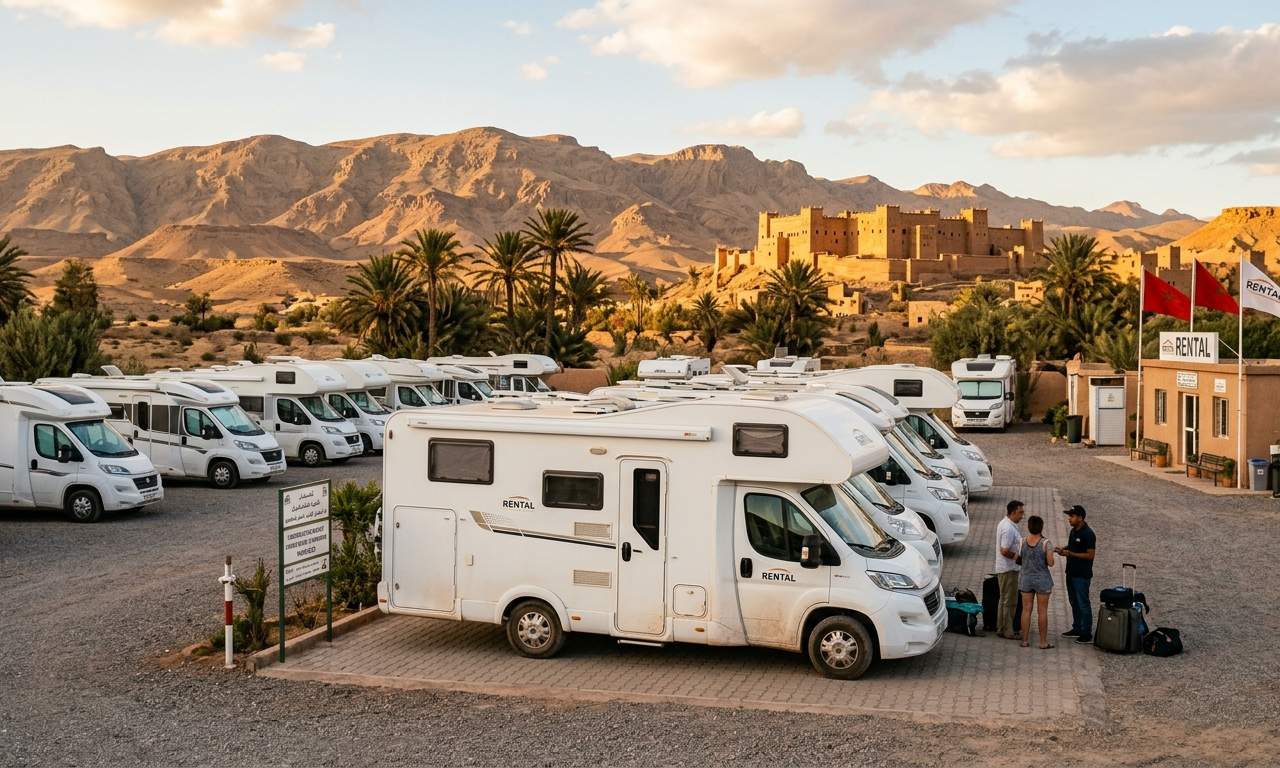
Yes, you can drive an RV in Morocco with a standard car driver's license (Category B) for vehicles up to 3,500 kg GVWR. For most international visitors, an International Driving Permit (IDP) is required alongside your national license. The minimum age to rent an RV is typically 21, though some rental companies may require drivers to be 25, particularly for larger Class A motorhomes. Always confirm the specific age and license requirements with your chosen rental provider before booking your pet friendly rv rental in Morocco.
Road Conditions & Terrain in Morocco
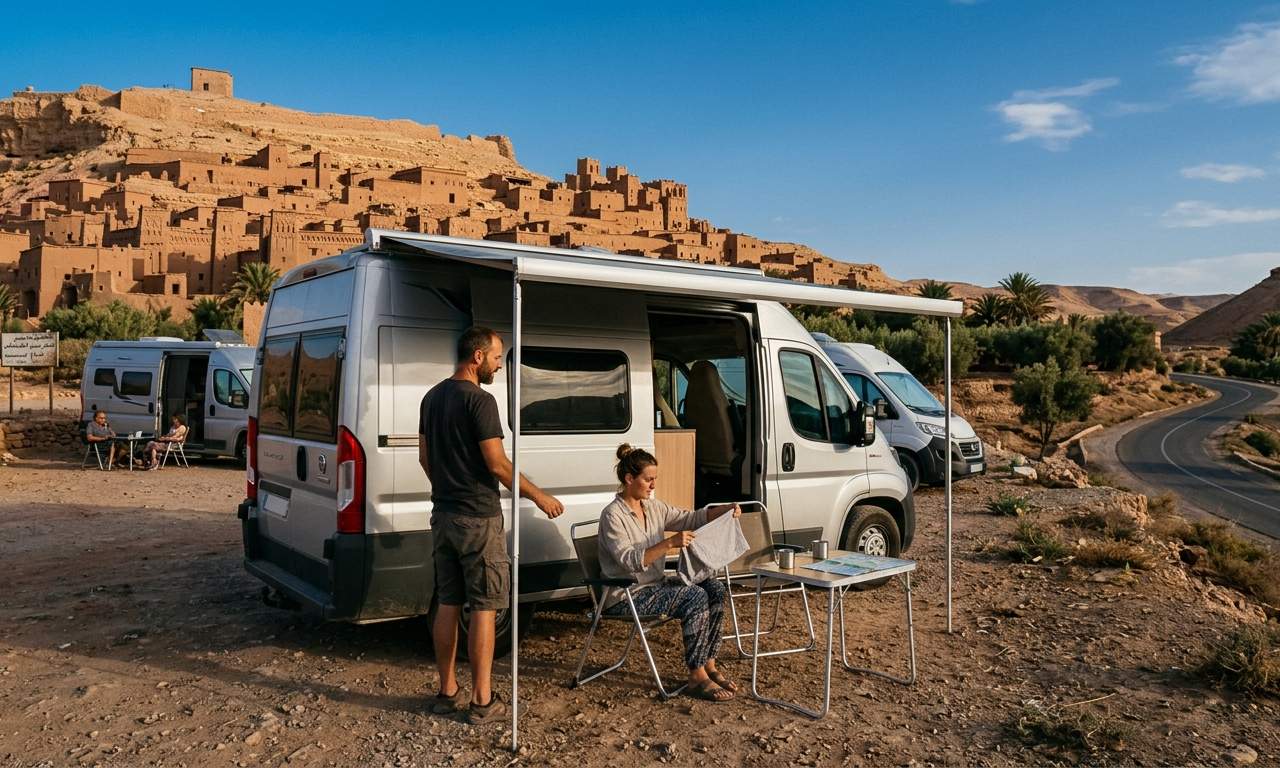
Morocco's road conditions present a varied landscape, from the excellent multi-lane autoroutes connecting major cities like Rabat, Casablanca, and Marrakech to the more challenging unpaved tracks found in the Atlas Mountains and desert regions. While main roads are generally well-maintained, secondary and rural roads can be narrower, prone to potholes, and may lack shoulders, necessitating slower and more cautious driving, especially in a pet friendly RV. Navigating these diverse terrains requires attentiveness to ensure both passenger and pet comfort and to prevent vehicle damage. Desert tracks can range from hard-packed earth to soft sand, making a sturdy, well-equipped RV essential for any extended exploration.
RV Size Limits, Bridges & Restricted Zones
While Morocco does not enforce widespread RV size limits on its main travel routes, awareness of potential height and width restrictions is crucial. These are most commonly encountered in older town centers (medinas), on certain bridges, and during ferry crossings from Europe. Ferry operators have specific categories for RVs based on length and height, which directly affect pricing and booking; always declare your RV's accurate dimensions. Be particularly vigilant for low-hanging wires, awnings, and narrow archways that are prevalent in historic districts, where parking larger RVs on the outskirts is generally advisable. Unlike some European cities, Morocco does not typically enforce environmental zones or require vignettes for RVs, but always pay attention to local signage regarding access.
Fuel: Diesel vs. Petrol & Cost per 100 km
Diesel, known locally as "Gasoil," is the standard and most readily available fuel for RVs in Morocco, generally proving more cost-effective than petrol. Bandana's fleet typically includes vehicles like the Class SI - Semi-integrated RVs, which consume around 10–11 Liters/100 km, and Class B - Camper Vans, averaging 8–10 Liters/100 km. Fuel prices in Morocco are regulated and tend to be lower than in many European countries, making RV travel economical. To estimate your cost per 100 km, simply multiply your rented RV's specific fuel consumption by the current local diesel price. Inquire with your rental provider about any potential fuel discount cards or perks that might be available.
Tolls, Vignettes & Border Rules
Morocco operates a system of toll roads, known as autoroutes, that efficiently connect major cities. Fees are typically paid upon exiting or entering these roads, and there is no national vignette system required for RVs. Entering Morocco with your RV, most commonly via ferry from Spain (e.g., from Algeciras or Tarifa to Tangier Med), requires meticulous documentation. Essential documents include valid passports with at least six months of validity, your national driver's license along with an International Driving Permit (IDP) if required, and proof of adequate insurance valid for Morocco. Upon arrival at the port, you'll need to complete an individual immigration card (Fiche d'Embarquement) and obtain a temporary vehicle import permit (D16ter or Carte Grise) for your RV, which must be kept safe for departure. Allow a significant amount of time, typically 2-4 hours, for customs and immigration procedures, especially during peak travel seasons. On the routes offered through RV PLANET routes, you can itemize and track every expense along the way for easy budgeting.
Driving Tips for pet friendly rv rental Travelers
When traveling with pets in your rented RV, plan for frequent stops every 2-3 hours to allow them to stretch, hydrate, and relieve themselves, prioritizing shaded and secure areas. Ensure pets are always safely restrained within their carriers or with appropriate harnesses while the RV is in motion to prevent distractions and ensure their safety. Carry ample water for both human and animal passengers, particularly in warmer regions, and utilize the RV's air conditioning to maintain a comfortable interior temperature for your furry companions. Drive defensively, remaining aware of diverse road users, including pedestrians, donkey carts, and scooters, especially in urban and rural areas. When parking overnight, choose well-lit, secure locations or designated campsites, always locking your RV and considering additional security measures, particularly with pets inside. Finally, carry sufficient pet waste bags and dispose of all waste responsibly in designated bins to maintain cleanliness and respect local environments.
Recommended RV Class for Morocco Roads
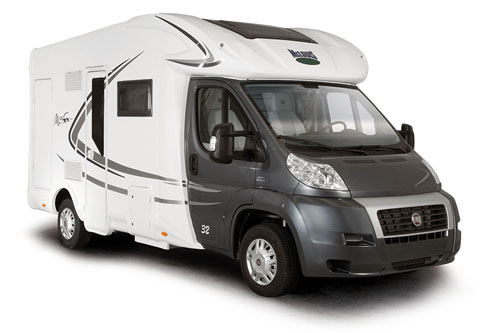
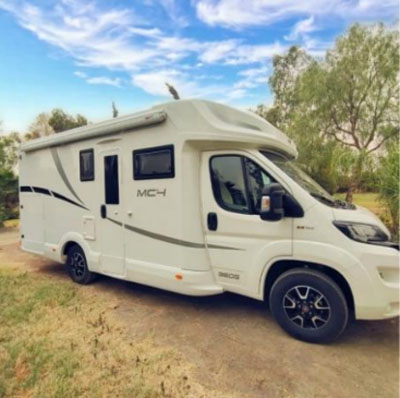
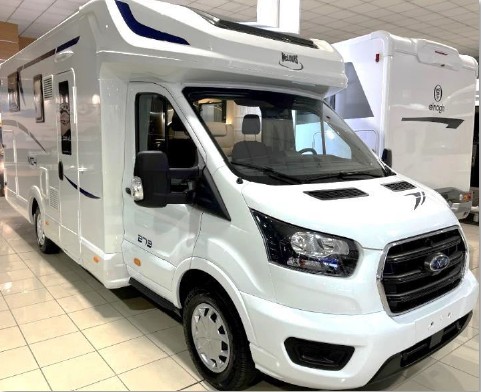
For a comfortable and manageable pet friendly RV adventure in Morocco, a **Class SI - Semi-integrated** or a **Class B - Camper Van** is highly recommended. These vehicles offer an excellent balance of maneuverability and essential amenities suitable for Morocco's varied terrains. A **Class B - Camper Van**, averaging around 5.8 meters in length and designed for 3-4 people, with fuel consumption typically between 8-10 Liters/100 Km, excels in navigating tight city streets and winding mountain roads, providing agility and easier parking for smaller groups or those with smaller pets. The **Class SI - Semi-integrated**, typically around 6.9 meters long and accommodating 4-5 people, with fuel consumption averaging 10-11 Liters/100 km, offers more interior living space for passengers and pets, while remaining manageable on most primary and secondary roads. Both classes generally provide adequate ground clearance for well-maintained paved roads and many unpaved tracks, though serious off-roading would necessitate a specialized 4x4 vehicle.
Should I Choose a Compact Van Instead of a Large RV in Morocco?
While a compact van, such as a Class B Camper Van, offers superior maneuverability for navigating Morocco's very tight urban centers and extremely narrow rural roads, a larger RV generally provides significantly more comfort and living space, which can be crucial for an extended pet friendly trip. Compact vans are ideal for solo travelers or couples with small pets who prioritize agility and easier parking in bustling areas like medinas. However, larger RVs, like Class SI or Class C motorhomes, offer more generous indoor space, larger kitchens, and distinct sleeping areas, which are invaluable for families or those with larger pets needing more room. Most primary and many secondary roads in Morocco are perfectly suitable for larger RVs up to 7.5 meters, often making the trade-off in space for perceived maneuverability unnecessary. The choice ultimately hinges on your specific itinerary, the number of travelers and pets, and whether your priority is nimble driving versus spacious comfort for your Moroccan journey.
Can I Park Anywhere? Free & Wild Camping Rules in Morocco
While explicit legal frameworks for wild camping with an RV are not widespread in Morocco, it is often tolerated in remote, rural areas, particularly if travelers seek permission from local landowners or authorities and adhere to strict ethical guidelines. Designated campsites and 'aires de camping-cars' (RV parking areas) are readily available throughout Morocco, offering secure parking, essential amenities, and peace of mind, especially when traveling with pets. When considering wild camping, always prioritize safety and discretion, adhering strictly to 'leave no trace' principles: pack out all rubbish, including pet waste, avoid disturbing local communities, and respect private property. Engaging with locals and politely asking for permission is highly recommended and often leads to positive interactions and guidance to safe, suitable spots. Always check local regulations and comply with local law before parking overnight, ensuring pets remain under control and do not cause disturbance.
Can I Drive an RV Into the City Center? Heights, Tunnels & Local Signage
Generally, yes, most RVs can be driven into Moroccan city centers via main arteries. However, it's imperative to pay close attention to local signage indicating height limits, narrow street restrictions, and pedestrian zones, particularly near historic medinas. While modern city sections usually feature wide roads, the ancient medinas are characterized by extremely narrow, winding alleys that are often inaccessible or restricted to smaller vehicles; larger RVs should ideally be parked on the outskirts. Be vigilant for low bridges, archways, and overhead wires, especially in older urban areas or on secondary roads leading into towns. Finding suitable RV parking within city centers can be challenging, making it more practical to park at designated lots on the periphery or at nearby campsites and then use public transport or taxis for city exploration. Always respect local traffic signs that may indicate restrictions on vehicle size, weight, or access during specific times to ensure a smooth and compliant journey with your pet.
Is Wild Camping Allowed in Morocco with an RV, and What's the Etiquette?
Wild camping, defined as random overnight parking for RVs, is not explicitly regulated or generally permitted by national law in Morocco. However, it is often tolerated in remote or rural areas, especially with the implied or explicit permission of local landowners. The most respectful approach involves seeking permission from a local farmer, villager, or the Gendarmerie if you plan to park overnight in an undesignated area, fostering positive interactions and often ensuring greater safety. Cultural etiquette advises against parking near religious sites, private homes, or sensitive ecological zones, and always practicing strict 'leave no trace' principles, including the proper disposal of all waste, particularly pet waste. For guaranteed facilities and security, utilizing Morocco's network of official campsites, which provide water, waste disposal, and electricity hook-ups, is the safest and most convenient option, especially for pet friendly RV travel. Prioritize personal safety by choosing visible, well-trafficked locations over isolated spots, and ensure pets remain contained and do not disturb local residents or livestock.
What are the Steps for Border Crossing into Morocco with an RV?
The primary method for RV entry into Morocco is via ferry from Spain, typically from ports like Algeciras or Tarifa to Tangier Med. This requires an advance ferry booking that accurately reflects your RV's dimensions. Essential documents for all passengers include valid passports with at least six months of validity remaining, an International Driving Permit (IDP) to accompany your national driving license, and any necessary visas. For your RV, you'll need its original registration document (V5C), a rental agreement from Bandana or your provider, and proof of adequate insurance coverage valid for Morocco. Upon arrival at the port, passengers must complete individual immigration landing cards (Fiche d'Embarquement) and obtain a crucial temporary vehicle import permit (D16ter or Carte Grise) for the RV, which must be retained for departure. Be prepared for potential vehicle inspections by Moroccan customs officials; maintaining patience, politeness, and having all pet documentation (passport, vaccination records, health certificate) readily accessible will greatly assist in a smooth process.
Do I Need a 4x4 RV for Driving in Morocco?
No, a 4x4 RV is generally not a requirement for navigating Morocco's main tourist routes, cities, and popular destinations, as standard 2WD RVs are perfectly capable on the extensive network of paved roads. A 4x4 RV becomes advantageous or necessary only if your itinerary specifically includes challenging off-road tracks, deep desert excursions involving soft sand, or very remote, unpaved mountain passes. Most Class SI - Semi-integrated and Class B - Camper Van RVs available from Bandana's fleet possess sufficient ground clearance for standard Moroccan roads, including many well-maintained unpaved sections. For those seeking serious off-road adventures, it's often more practical to leave your standard RV at a secure campsite and hire a local guide with a dedicated 4x4 vehicle, which can also enhance cultural immersion. Opting for a standard RV typically provides better fuel efficiency, more interior living space for pets, and greater overall comfort compared to the compromises often found in specialized 4x4 RV conversions.
What Should I Do in an RV Emergency in Morocco?
In the event of an RV emergency in Morocco, your first priority is to ensure the safety of all passengers and pets by pulling over to a safe location, activating hazard lights, and deploying a warning triangle. Contact local emergency services immediately: dial 190 for Police in urban areas, 150 for Ambulance/Fire, or 177 for the Royal Gendarmerie when outside urban areas; clearly state your location and the nature of the emergency. Notify your RV rental provider, such as Bandana, without delay, as they can offer crucial advice, coordinate roadside assistance, and guide you to approved repair facilities. Contact your travel and vehicle insurance providers to understand your coverage for breakdowns, medical emergencies, or theft, and follow their instructions for reporting claims. In remote areas, many Moroccans are highly hospitable and may offer assistance in contacting help; having a local SIM card and a fully charged phone is essential for communication. Always carry an emergency kit that includes a comprehensive first-aid kit (for both humans and pets), basic tools, water, non-perishable food, and extra pet supplies.
Where Can I Find RV Services and Infrastructure in Morocco?
The most reliable sources for RV services in Morocco are designated campsites ('camping' or 'aire de camping-cars'), which typically provide fresh water refill points, grey and black water dump stations, and electricity hook-ups. Dedicated dump stations and water refill points outside of official campsites are less common, often requiring travelers to plan their routes around campsite availability or to inquire locally at petrol stations or guesthouses. LPG (Autogas or GPL) for cooking and heating is available at some larger petrol stations, particularly those situated on major routes frequented by European RVers; carrying appropriate adapters is advisable. For mechanical issues, your RV rental company, such as Bandana, is your best first point of contact for recommended and trusted mechanics; many local garages in larger towns can handle basic repairs. Utilize RV-specific mobile applications like iOverlander or Campercontact for community-sourced information on service points, but always confirm details locally upon arrival. For ideas you can prep on the road, watch our RV-friendly recipes playlist on YouTube.
How Can RV Travelers Respectfully Interact with Moroccan Culture?
RV travelers can demonstrate respect in Morocco by adopting modest dress, particularly in rural areas and near religious sites, ensuring shoulders and knees are covered for all genders. Learning a few basic phrases in Moroccan Arabic (Darija) or French, such as 'Salam Alaikum' (hello) and 'Shukran' (thank you), will be greatly appreciated and facilitate positive local interactions. Engage positively with local communities by purchasing goods from local markets (souks), dining at small, family-run restaurants, and generally supporting local businesses to contribute directly to the economy. Always ask for permission before taking photographs of people, especially women and children, and gracefully accept a refusal. Be mindful of local customs, such as prayer times, and exercise discretion when eating or drinking in public during the holy month of Ramadan. Ensure pets are always leashed and under control in public spaces, and be aware that cultural perceptions of animals may differ from Western norms, maintaining a respectful distance when appropriate.
How to Travel Sustainably by RV in Morocco?
Practicing sustainable RV travel in Morocco involves minimizing environmental impact by rigorously managing waste, conserving water, and utilizing energy efficiently. Always adhere to 'leave no trace' principles: carry reusable water bottles, separate recycling where possible, and properly dispose of all trash, including pet waste, in designated bins or by packing it out. Given Morocco's water scarcity, be highly conservative with water usage for showering, dishwashing, and vehicle cleaning, opting for biodegradable soaps where possible. Maximize energy efficiency by using your RV's solar panels if equipped, turning off lights and appliances when not needed, and minimizing engine idling. Support local communities and economies directly by buying produce from local markets, opting for locally-owned accommodations or campsites, and engaging local guides for excursions. Show deep respect for Morocco's natural and cultural heritage: stay on marked roads, avoid disturbing wildlife or fragile ecosystems, and engage respectfully with local people and their traditions.
What You Shouldn't Miss
- Explore the Atlas Mountains: Drive your RV through scenic mountain passes like Tizi n'Tichka, stopping in Berber villages for an authentic cultural experience and enjoying breathtaking vistas.
- Discover the Sahara Desert: Experience a camel trek into the Erg Chebbi dunes near Merzouga, spend a night under the stars in a traditional desert camp, and marvel at the silence and vastness.
- Wander through Historic Medinas: Park your RV outside the ancient walled cities like Fes or Marrakech and immerse yourself in the vibrant souks, intricate architecture, and bustling atmosphere.
- Visit the Coastal Gems: Drive your pet friendly rv along the Atlantic coast, stopping in charming towns like Essaouira, known for its blue-and-white medina, fresh seafood, and laid-back vibe.
- Experience Imperial Cities: Explore the historical richness of cities like Meknes and Rabat, visiting palaces, mosques, and ancient ruins that offer a glimpse into Morocco's imperial past.
- Enjoy a Mountain Spa Town: Spend time in Ifrane, often called "Little Switzerland" for its European-style architecture and nearby cedar forests, a surprising contrast to the desert landscapes.
Final Thoughts
Embarking on an RV adventure in Morocco offers an unparalleled way to experience the country's diverse landscapes, rich culture, and warm hospitality. With a little planning and the right vehicle, you and your pets can navigate the roads with confidence, discovering hidden gems and creating unforgettable memories.
Remember that flexibility and a spirit of adventure are your best companions. By understanding the local driving conditions, respecting customs, and preparing adequately, your Moroccan RV journey will be as smooth as it is spectacular. We're here to help you find the perfect pet friendly rv for your dream trip.
Ready to start planning your Moroccan adventure? Explore our wide selection of pet friendly RV rentals and discover the freedom of the open road with your beloved companions by your side!