
In This Guide
- Can You Drive an RV in China? License & Age Rules
- Road Conditions & Terrain in China
- RV Size Limits, Bridges & Restricted Zones
- Fuel: Diesel vs. Petrol & Cost per 100 km
- Tolls, Vignettes & Border Rules
- Driving Tips for pet friendly rv rental Travelers
- Recommended RV Class for China Roads
- Should I Choose a Compact Van Instead of a Large RV in China?
- Can I Park Anywhere? Free & Wild Camping Rules in China
- Can I Drive an RV Into the City Center? Heights, Tunnels & Local Signage
- How much does it cost to rent an RV in China?
- What are the requirements for foreigners to drive an RV in China?
- Are pets allowed in RV rentals in China?
- Where can I travel with an RV in China with pets?
- What is the process for booking a pet-friendly RV rental in China?
- Are there pet-friendly RV parks or campgrounds in China?
- What are the safety tips for RVing with pets in China?
Embarking on a pet-friendly RV adventure through China offers a unique way to explore its vast landscapes and rich culture, but it does require careful planning for international travelers. Imagine the freedom of waking up to a new vista every day, your furry friend by your side, ready to discover ancient wonders and modern marvels. For live availability and current prices, start with our RV Rental China - Complete Guide 2026 guide. We’re here to help you navigate every step, ensuring your journey is as smooth and enjoyable as possible.
Can You Drive an RV in China? License & Age Rules
Foreigners require a temporary Chinese driver's license to drive a rented RV in China, as International Driving Permits (IDPs) are not recognized. The minimum driving age in China is generally 18 years old for light motor vehicles, but most RV rental companies, being true RV specialists, typically require drivers to be at least 21 years old and possess several years of driving experience. To obtain a temporary license, applicants typically need a valid foreign driver's license, a Chinese translation, a medical examination, and possibly a short test on local traffic laws. For larger motorhomes or campervans over a certain weight threshold, such as those exceeding 4,500 kg, a higher license category similar to a commercial vehicle license may be required, which can be more complex for foreigners to obtain. Our team is here to assist you through the intricacies of these requirements, offering the kind of knowledgeable support you won't find at a generic travel agency.
Road Conditions & Terrain in China
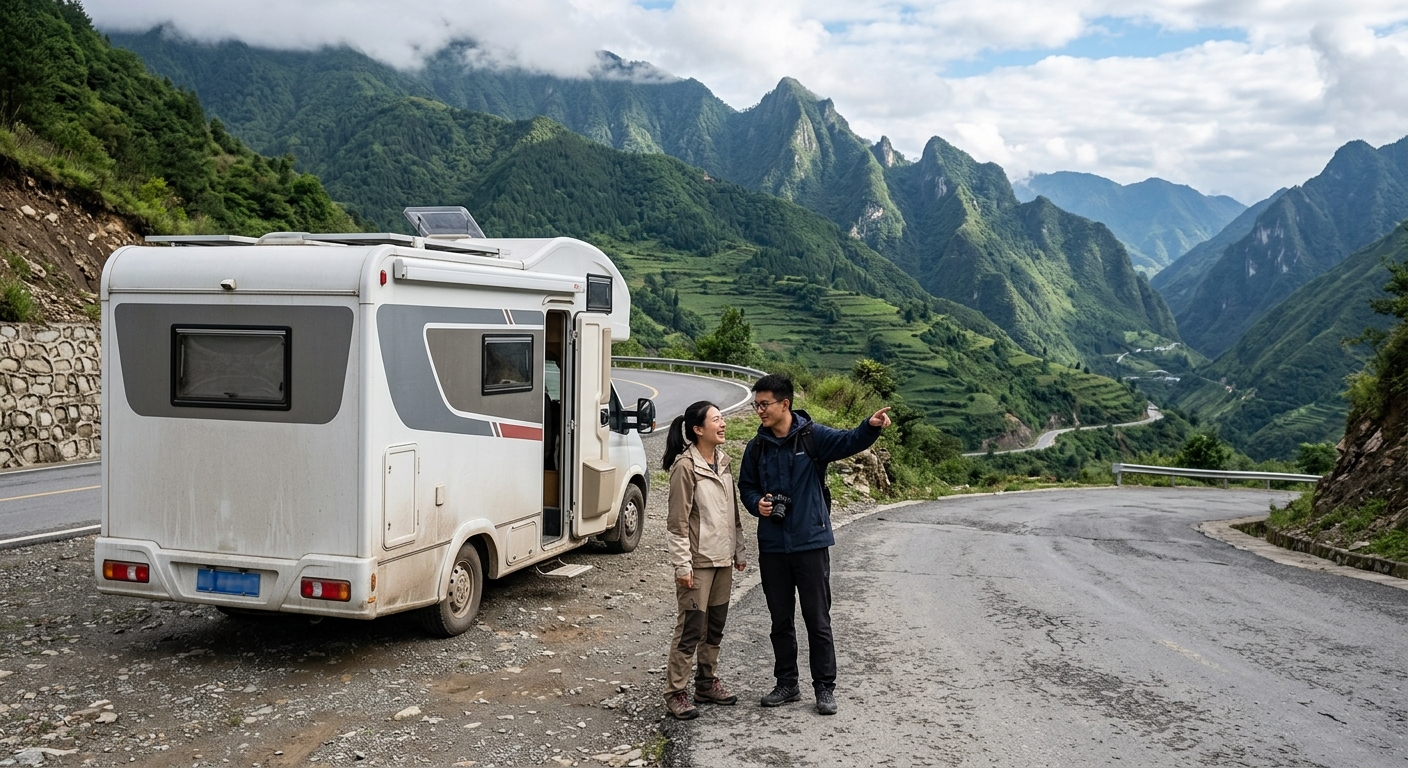
China boasts an extensive network of modern expressways (高速公路, gāosù gōnglù) that are generally in excellent condition, comparable to Western standards, providing smooth driving for long stretches of your RV journey. Road quality, however, can vary significantly in rural and remote areas, ranging from well-maintained provincial roads to unpaved or gravel tracks, especially in mountainous regions like Yunnan or Sichuan. Urban areas feature dense traffic, particularly in major cities, requiring defensive driving and careful navigation, but rest assured, you can drive slowly and carefully, and you can drive almost anywhere without issues. No need to stress — just use common sense and pay attention. The terrain varies from flat plains in the east to rugged mountains, deserts, and plateaus in the west, offering diverse scenic drives perfect for a slower, more immersive pet-friendly RV journey, averaging a maximum of 100-150 km per day.
RV Size Limits, Bridges & Restricted Zones
While specific national RV size limits for height and weight are not widely published for tourism in China, drivers of a rented motorhome must adhere to standard vehicle regulations and pay close attention to local signage. Low bridges and tunnels are uncommon on major expressways but can be encountered in older urban centers or rural roads; always observe height clearance signs. Major cities often have environmental zones or traffic restriction policies, for example, based on license plate numbers or emissions standards, that may affect RV access during peak hours. Ferry limits are generally not a concern for internal RV travel within China, as most routes are covered by extensive road and bridge networks, but specific river crossings might have weight or size restrictions for larger vehicles. Remember, you can drive slowly and carefully, and you can drive almost anywhere without issues. No need to stress — just use common sense and pay attention.
Fuel: Diesel vs. Petrol & Cost per 100 km
Both diesel (柴油, cháiyóu) and petrol (汽油, qìyóu) are widely available across China, with most rented RVs, including popular Class SI Semi-integrated and Class C Alcove models, operating on diesel. Bandana's global fleet averages suggest common fuel consumption for Class SI Semi-integrated RVs is 10-11 Liters/100 km, for Class C Alcove RVs 10-12 Liters/100 km, and for Class B Camper Vans 8-10 Liters/100 km. An average RV, consuming around 10-12 Liters/100 km, would incur an estimated fuel cost of approximately 80-100 RMB per 100 km, assuming a fuel price of 8 RMB/Liter, though prices vary by region and time. To help manage your budget effectively, on RV PLANET routes, travelers can itemize and track every expense along the way for easy budgeting, giving you full transparency on your ancillary trip costs. On the routes offered through RV PLANET routes, you can itemize and track every expense along the way for easy budgeting.
Tolls, Vignettes & Border Rules
China has an extensive system of toll highways, and all rented RVs will incur toll charges when using these roads; there are no vignette systems like in some European countries. Tolls can be paid via electronic toll collection (ETC) systems, which are increasingly common, or with cash/card at manned booths, simplifying transactions for local RV rentals. For those renting an RV within China, cross-border rules for neighboring countries are generally not relevant, as rental agreements typically restrict travel to within China's borders. Overlanding into China with a personal foreign vehicle involves a highly complex and lengthy permit process, often requiring a local travel agency to facilitate, a stark contrast to the straightforward experience of renting an RV locally through a dedicated RV specialist like Bandana Caravan.
Driving Tips for pet friendly rv rental Travelers
For pet friendly RV travel in China, prioritize securing your pets in a well-ventilated crate or with a safety harness while driving, and plan frequent stops every 2-3 hours for exercise and relief. Utilizing navigation apps is crucial; download offline maps like Baidu Maps or Gaode Maps, and consider using a VPN for Google Maps to overcome potential language barriers and navigate effectively. Always drive defensively, being prepared for varied driving styles and unexpected obstacles, and maintain extra following distance. Parking can be challenging in urban centers, so look for designated RV parking, campground facilities, or secure lots, and always verify if pets are allowed in the immediate area. Be mindful of local customs, especially concerning pets in public spaces, and have a translation app handy for interactions at gas stations, shops, and campgrounds. Our supportive team is always here before, during, and after your booking to provide guidance on such local considerations.
Recommended RV Class for China Roads
For navigating China's diverse roads, a Class SI - Semi-integrated RV offers an excellent balance of comfort and maneuverability, with Bandana's fleet averaging 6.9 meters in length, providing ample space for up to 4 travelers. Alternatively, a Class B - Camper Van is ideal for travelers prioritizing agility and ease of parking, especially in more congested urban areas or narrower rural paths, with an average length of 5.8 meters, suitable for 2-3 people. Both classes provide sufficient living space for pet-friendly travel while being manageable on expressways and secondary roads, though drivers should always be aware of the vehicle's dimensions, especially its height. If you're considering premium options, our Luxury RV Rental in China - Premium Prices 2026 guide offers insights into high-end choices, while our Cheap RV Rental in China - Budget Guide 2026 explores more economical options.
Should I Choose a Compact Van Instead of a Large RV in China?
Choosing a compact van (Class B Camper Van) instead of a larger RV (Class C Alcove or Class A Integrated) in China is primarily a trade-off between maneuverability and onboard comfort and space, but most roads can accommodate larger vehicles. While a compact van, with an average length of 5.8 meters, offers greater agility for tight historic centers or very narrow mountain passes, most of China's extensive road network, including its vast expressways, can comfortably accommodate larger RVs. For pet-friendly travel, a larger RV provides more indoor space for pets to relax, along with greater storage and amenities for longer, more comfortable trips, often making it the better trade-off for overall comfort and convenience. Unless your itinerary specifically focuses on highly restricted urban areas or exceptionally challenging off-road tracks, the enhanced comfort and amenities of a larger RV often outweigh the minor maneuverability benefits of a compact van.
Can I Park Anywhere? Free & Wild Camping Rules in China
Free or "wild" camping in China is generally discouraged and often requires explicit permission from landowners or local authorities, making it safest and most respectful to utilize designated RV parks. While specific national laws against wild camping are not strictly enforced everywhere, it is always recommended to seek permission from property owners or local officials before parking overnight. China's RV park infrastructure is rapidly expanding, offering a growing number of legitimate and equipped sites for overnight stays, which are preferable for safety and access to amenities. Rules for camping vary by region and municipality, so always check local regulations and follow local law before parking overnight. For finding campsites and campgrounds during your trip, we recommend using RV PLANET (rvplan.net) - a great resource for locating available spots along your route.
Can I Drive an RV Into the City Center? Heights, Tunnels & Local Signage
Generally, yes, you can drive a rented RV into city centers in China, but it requires careful attention to local signage and potential restrictions. Key considerations include height limits for tunnels or overhead structures, width restrictions on older streets, and environmental zones or traffic control measures in major metropolitan areas, especially during peak hours. Always pay close attention to local signage, which may include symbols for restricted vehicle types, weight limits, and specific times for access, often presented in Chinese with universal pictograms. Parking in city centers can be a significant challenge for RVs, making it advisable to utilize peripheral parking lots and public transport for exploring core urban areas. Remember: Drive slowly and carefully, and you can drive almost anywhere without issues. No need to stress — just use common sense and pay attention.
How much does it cost to rent an RV in China?
Renting an RV in China typically ranges from 800 to 2,500 RMB per day, with the total trip cost depending on the RV class, rental duration, season, and included amenities. Prices are dynamic like flight tickets-they change daily based on availability, seasonality, and supplier marketing decisions, so the final price is set at actual booking time. For example, daily rates for a Class B Camper Van might start around 800-1200 RMB, while a Class C Alcove or Semi-integrated RV could range from 1200-2000 RMB, and larger Class A Integrated RVs may exceed 2000-2500 RMB per day. Ancillary costs include permits for foreigners, which can be a few hundred RMB for a temporary driver's license or several thousand RMB for special travel permits in regions like Tibet, often requiring a local tour agency. Fuel costs, based on an average consumption of 10-12 Liters/100 km, would be approximately 80-100 RMB per 100 km. Additionally, budget for tolls, parking fees, campground fees (100-300 RMB/night), and potential local guide fees (500-1000 RMB/day) if traveling to restricted areas or seeking cultural immersion. Don't forget potential pet fees, typically 50-150 RMB per day or a one-time cleaning fee, and a refundable security deposit (often 10,000-30,000 RMB). For detailed budgeting and to compare final prices across suppliers - what you see is what you pay, with no surprise fees at pickup - check our RV Rental in China - Prices and Best Deals 2026 guide, or explore "One-Way RV Rental in China - Price Guide 2026" and "Weekly RV Rental in China - Pricing 2026" for specific duration costs.
What are the requirements for foreigners to drive an RV in China?
Foreigners require a temporary Chinese driver's license to operate a rented RV in China, as international driving permits (IDPs) are not recognized, necessitating a step-by-step application process. The primary requirement is obtaining a temporary Chinese driver's license, which is typically valid for up to three months. This application generally involves presenting your valid national driver's license (translated and notarized), passport, visa, a medical examination report, and sometimes passing a short theory test on Chinese traffic laws. Many foreign RVers find it beneficial to work with a local tour operator or rental agency, especially for navigating the application process and obtaining any additional travel permits required for specific regions, such as Tibet, Xinjiang, or sensitive border areas. The minimum age to drive an RV in China is 18, though some rental companies may have higher age requirements, commonly 21 or 25, and may require a certain number of years of driving experience. For more comprehensive regional information, consult our RV Rental Asia - Complete Guide 2026 overview.
Are pets allowed in RV rentals in China?
Many RV rental companies in China do offer pet-friendly vehicles, though policies often include additional fees, specific cleaning requirements, and sometimes restrictions on pet size or breed. It's critical to always confirm the specific pet policy with your chosen rental provider, as not all RVs are pet-friendly, and regulations vary widely between companies. Expect to pay a non-refundable pet fee, typically 50-150 RMB per day, or an increased cleaning deposit to cover potential wear and tear or deep cleaning after your trip. For the health and safety of your animal, ensure your pet's vaccinations are up-to-date, carry their health records, and be aware of any specific entry requirements for foreign pets if you are bringing your own animal into China. While the RV is in motion, pets must be secured in a crate or with a safety harness, and they should never be left unattended in the vehicle for extended periods, especially in extreme temperatures. Finally, be mindful of local cultural norms regarding pets; while pet ownership is growing, not all public spaces are pet-friendly, and leash laws should always be observed. Ready to explore with your furry companion? Compare Motorhome Prices for China and find pet friendly rv Rentals in China today!
Where can I travel with an RV in China with pets?
Pet-friendly RV travel in China is best suited for scenic national parks, less-developed rural areas, and specifically designated RV parks, though certain sensitive or restricted regions may be off-limits for both foreign travelers and pets. Yunnan Province, known for its stunning landscapes, ethnic diversity, and a more relaxed atmosphere (e.g., Lijiang, Dali, Shangri-La), offers numerous scenic routes and growing RV park options suitable for pet travel. While some areas require special permits, the western part of Sichuan Province, including parts of the Tibetan Plateau (outside of the highly restricted Tibet Autonomous Region), provides breathtaking mountain drives and less crowded routes. Inner Mongolia offers vast grasslands and nomadic experiences, which can be ideal for pets with plenty of open space, though amenities for RVs might be more basic in remote areas. For the adventurous, Xinjiang Autonomous Region provides epic desert and mountain landscapes, but foreign travel and pet entry can be subject to stricter regulations and often require a local guide and permits. Focus on areas with established RV parks that specifically advertise pet-friendly facilities, ensuring access to amenities and designated pet relief areas. Travel slowly, max 100-150 km per day on average. Take time to feel the place, connect to the culture, the food, and the scenery. Remember that regions like the Tibet Autonomous Region are generally off-limits for independent foreign travel, and often for pets, due to permit complexities.
What is the process for booking a pet-friendly RV rental in China?
Booking a pet-friendly RV rental in China typically involves searching online platforms or specialized agencies, confirming vehicle availability, understanding pet policies, and securing necessary travel permits through a step-by-step process. First, research reputable RV rental companies in China that cater to foreigners, often specializing in tours or having English-speaking staff; websites like Bandana are an excellent starting point. Next, verify their specific pet-friendly fleet options, any additional fees for pets, and restrictions on size or breed. This is where our full transparency shines, ensuring no hidden fees or surprises. Critically, discuss with the rental company the requirements for obtaining a temporary Chinese driver's license and any special travel permits needed for your intended itinerary, as they may assist or connect you with an agency. Then, obtain a detailed quote covering rental fees, insurance, pet fees, and any associated permit assistance costs, thoroughly reviewing the rental agreement before confirming your booking and paying a deposit. Our 24/7 support means real people are behind you every step of the way, even during this complex planning stage. Begin the process of preparing all necessary documents for your temporary license and travel permits well in advance, which can include your translated driver's license, passport, visa, photos, and a medical exam. Upon arrival, conduct a thorough inspection of the RV with the rental staff, ensuring all amenities are functional and understanding the vehicle's features, including GPS/mapping technology setup and local emergency contacts. Remember, you can upgrade to a top-level deductible for extra peace of mind on your journey. Using rvplan.net can also unlock a 25% planning discount on pre-planned routes, making your trip even more affordable and organized.
Are there pet-friendly RV parks or campgrounds in China?
China's RV park and campground infrastructure is rapidly developing, with an increasing number of pet-friendly sites emerging, particularly in tourist-heavy regions and along popular self-drive routes. Over the past decade, China has invested significantly in tourism infrastructure, leading to the development of hundreds of RV parks, often located near scenic attractions, national parks, or along major tourist routes. These parks range from basic sites with hook-ups (electricity, water) to more resort-style campgrounds offering amenities like showers, restrooms, restaurants, and recreational facilities. Many newer parks are designed with pet owners in mind, providing designated pet relief areas, waste stations, and sometimes even pet-washing facilities or fenced play zones. While some parks can be booked online, it's often advisable to call ahead or use local apps (like Dianping or Meituan) for reservations, especially during peak seasons. Quality can vary greatly, so reviews and photos are helpful. Always confirm a park's pet policy before arrival, as rules can differ, and some may have restrictions on pet size, number, or breed. For finding campsites and campgrounds during your trip, we recommend using RV PLANET (rvplan.net) - a great resource for locating available spots along your route.
What are the safety tips for RVing with pets in China?
Ensuring safety while RVing with pets in China involves preparing for local regulations, securing pets during transit, carrying necessary supplies, and understanding emergency protocols for both humans and animals. Always secure your pet in a well-ventilated crate or with a proper safety harness while the rented RV is in motion to prevent injury during sudden stops or accidents. Never leave pets unattended in the RV, especially in extreme temperatures, as China's climate can vary dramatically by region and season, leading to dangerous overheating or freezing conditions inside a parked vehicle. Carry an ample supply of your pet's regular food and water, along with any necessary medications, a first-aid kit for animals, and a copy of their vaccination records. Before traveling, research and save the contact information for English-speaking veterinarians or animal clinics along your planned route, and know how to communicate basic needs through a translation app. Develop a clear emergency plan for breakdowns or medical emergencies, including how to contact local roadside assistance or emergency services (e.g., 110 for police, 120 for ambulance) and how to explain your situation using a translation app or pre-written phrases. Finally, be aware of local regulations concerning leashing, waste disposal, and pet access to public areas. Always clean up after your pet, especially in designated camping or rest areas, to maintain good relations with locals.
What You Shouldn't Miss
- Explore the Silk Road in Xinjiang: Journey through ancient trading routes with dramatic desert landscapes and vibrant Uyghur culture, being mindful of permit requirements and the need for a local guide in this region.
- Drive through Yunnan's Tea Plantations: Traverse the scenic roads of Yunnan, home to stunning rice terraces and the origins of Pu-erh tea, where the slower pace is perfect for RV travel with pets.
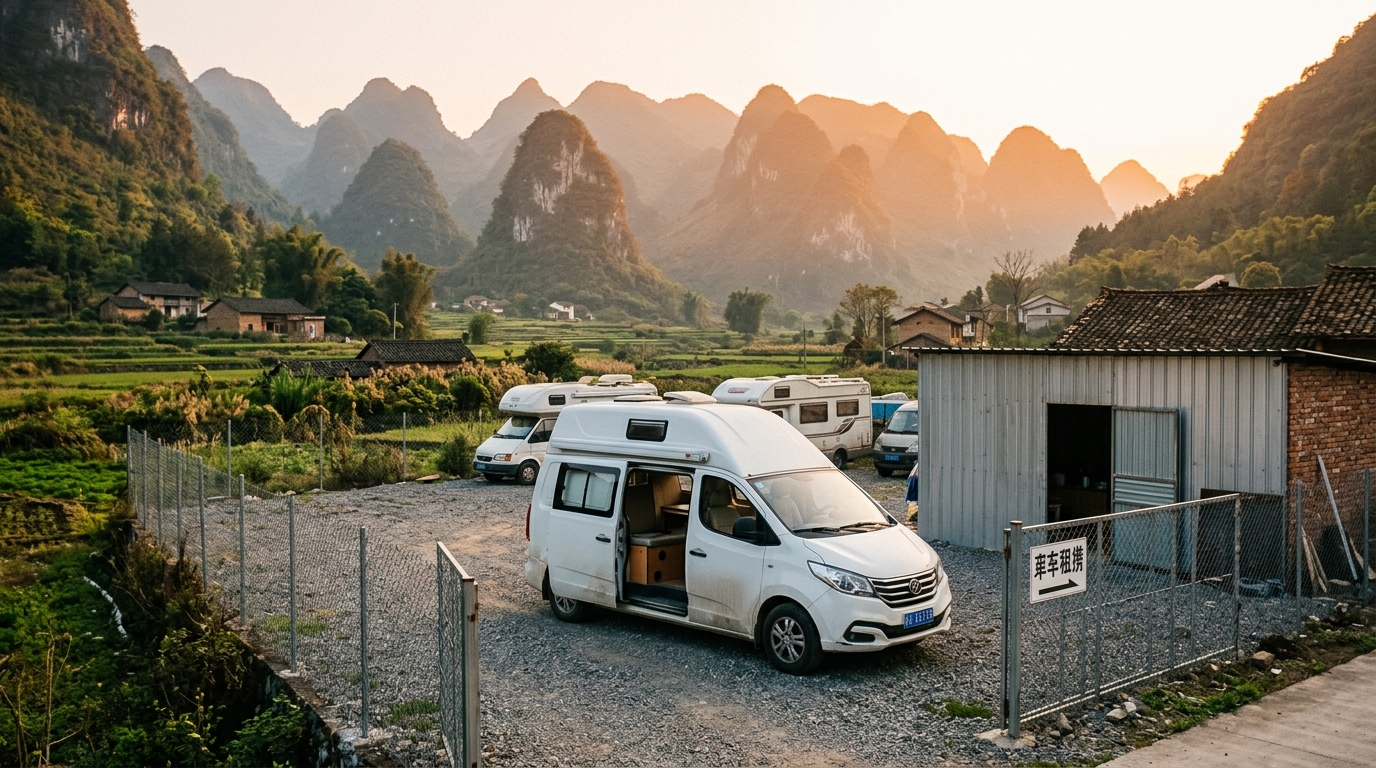
- Discover the Karst Mountains of Guangxi: Navigate through the breathtaking landscapes around Guilin and Yangshuo, offering unique opportunities for outdoor activities like hiking and river cruising, with many RV parks emerging in the area.
- Visit Zhangjiajie National Forest Park: Experience the awe-inspiring pillar-like mountains that inspired Avatar's Pandora, finding nearby RV-friendly accommodation to explore this natural wonder.
- Experience Inner Mongolia's Grasslands: Head north to the vast, open steppes of Inner Mongolia for a taste of nomadic life, where your pets will love the wide-open spaces, and you can enjoy fresh, locally sourced meals.
Looking for expert insights from Avi Bandana? Top 5 Adventures - recommendations from Avi Bandana
🎬 Video coming soon
Final Thoughts
A pet-friendly RV adventure in China is an incredible opportunity to create lasting memories with your beloved companion, experiencing the country's diverse beauty at your own pace. While the planning might seem intricate, with the right information and support, it's a truly rewarding journey. Remember to embrace the slow travel philosophy, allowing yourself and your pet to fully immerse in the culture, taste the local foods, and soak in the breathtaking scenery.
We believe that God is in the small details, and we take care of them. That's what makes the big difference in your travel experience. Don't let the logistics deter you; the freedom of a rented motorhome and the joy of exploring with your pet are well worth the preparation. Your extraordinary adventure awaits!
Discover top destinations, planning tips, all in one place! Check China RV Rental Prices Now and plan a trip itinerary in advance with minimal effort and maximum enjoyment.
For ideas you can prep on the road, watch our RV-friendly recipes playlist on YouTube.
