In This Guide
- Can You Drive an RV in Chile? License & Age Rules
- Road Conditions & Terrain in Chile
- RV Size Limits, Bridges & Restricted Zones
- Fuel: Diesel vs. Petrol & Cost per 100 km
- Tolls, Vignettes & Border Rules in Chile
- Driving Tips for Pet-Friendly RV Rental Travelers in Chile
- Recommended RV Class for Chile Roads
- Should I Choose a Compact Van Instead of a Large RV in Chile?
- Can I Park Anywhere? Free & Wild Camping Rules in Chile
- Can I Drive an RV Into the City Center in Chile? Heights, Tunnels & Local Signage
- What are the safety considerations for RV travel in Chile?
- How do I prepare my RV for diverse road conditions in Chile?
- What are the cultural etiquette and responsible travel guidelines for RVing in Chile?
- What are the best camping options and essential services for RVers in Chile?
- What are the border crossing procedures for RVs between Chile and neighboring countries?
- Are there special permits or requirements for RVing in Chile's national parks?
- How should I prepare for emergencies while RVing in Chile?
- How can I experience local cuisine while RVing in Chile?
- Top Cities for RV Rental in Chile
- Why Book with Bandana Caravan
- Final Thoughts
- Frequently Asked Questions
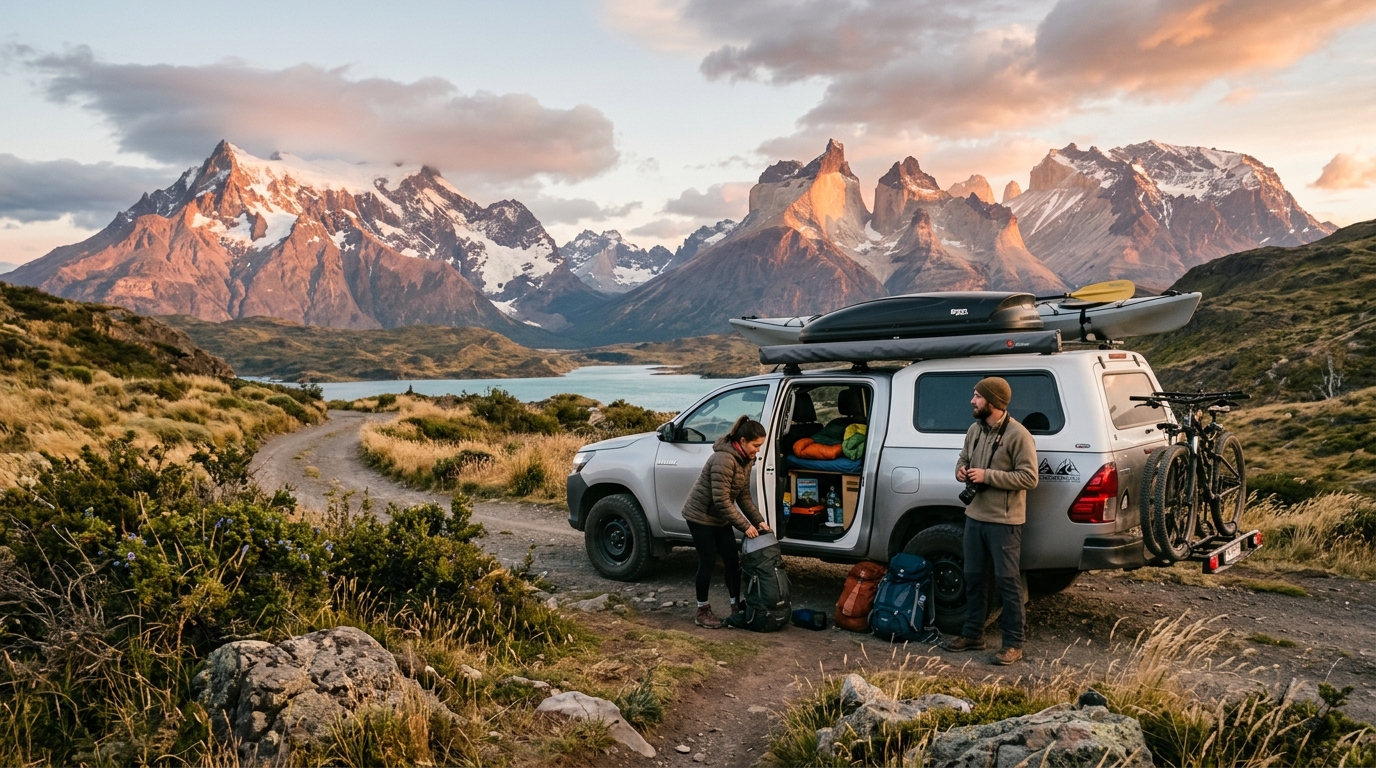
Embarking on a pet-friendly RV adventure in Chile offers an unparalleled opportunity to explore one of the world's most geographically diverse countries with your beloved companions. Imagine waking up to the majestic Andes, exploring the lunar landscapes of the Atacama Desert, or cruising along the wild coastlines of Patagonia, all from the comfort of your rented motorhome. At Bandana RV, we understand the unique joy of traveling with pets, and we're here to make your journey through Chile as smooth, transparent, and memorable as possible. For live availability and current prices, start with our RV Rental Chile - Complete Guide 2026.
Can You Drive an RV in Chile? License & Age Rules
Yes, you can absolutely drive an RV in Chile with a valid foreign driver's license, and an International Driving Permit (IDP) is highly recommended for non-Spanish speaking visitors to avoid potential communication issues with local authorities. Most RVs, including Class B campervans and Class C motorhomes, typically fall under the 3,500 kg (7,700 lbs) Gross Vehicle Weight Rating (GVWR) limit, meaning a standard car driver's license from your home country is usually sufficient. The minimum driver age for most pet friendly RV rentals in Chile is 21, and Bandana RV proudly offers rentals without any young driver surcharges or vehicle class restrictions based on age, ensuring more flexibility for younger adventurers.
Road Conditions & Terrain in Chile
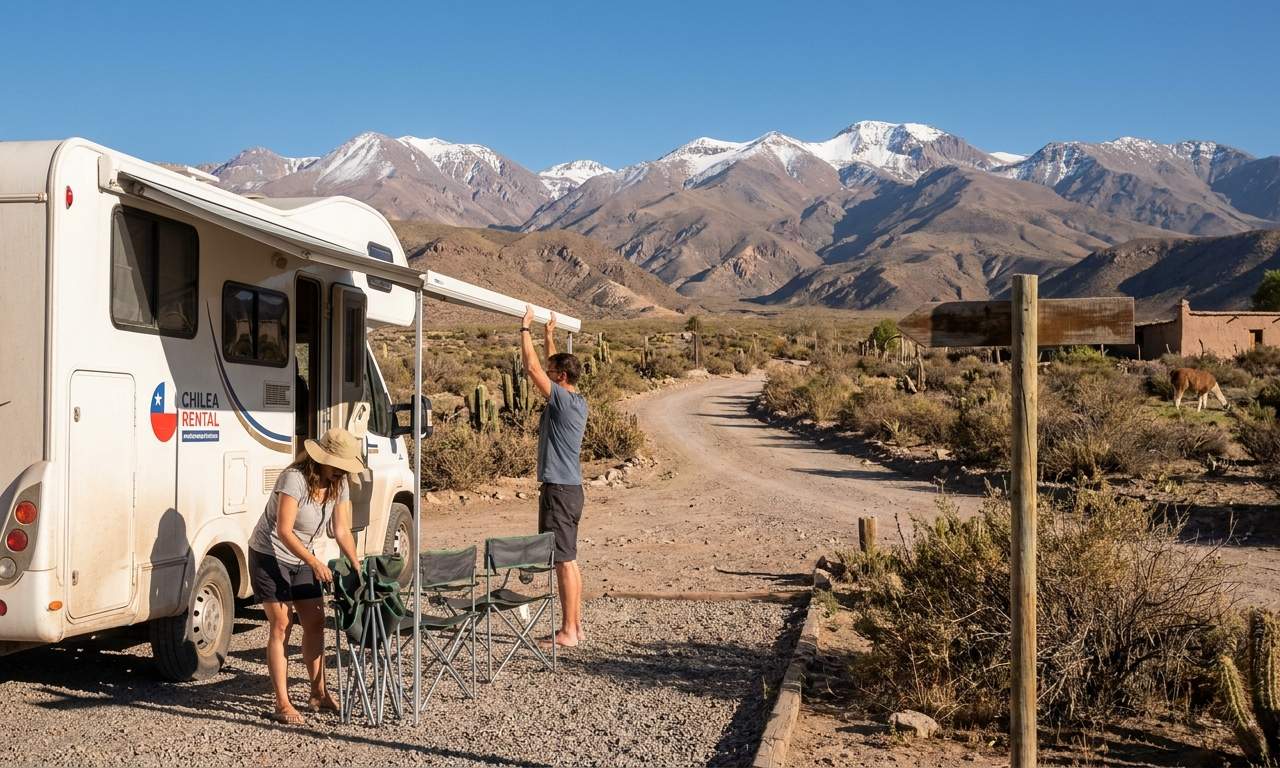
Chilean road conditions vary significantly across its vast and diverse landscapes, from well-maintained paved highways to challenging unpaved gravel roads, particularly in remote regions like Patagonia. The Pan-American Highway (Ruta 5) provides excellent paved access through much of the central and northern areas, while southern routes like the Carretera Austral (Ruta 7) involve extensive gravel sections and even ferry crossings. Mountainous regions demand cautious driving due to winding roads, steep inclines, and elevation changes, which can impact both vehicle performance and pet comfort. We strongly encourage slow, scenic driving, averaging no more than 100-150 km per day, allowing you and your pet to fully absorb the stunning scenery, connect with local culture, and adapt to the varied terrain. This mindful pace also minimizes stress on your rental motorhome and ensures a more relaxed journey.
RV Size Limits, Bridges & Restricted Zones
Drivers of a rented motorhome in Chile should be aware of local height and weight restrictions, particularly on older bridges, tunnels, and certain rural roads. While most standard rental RVs are designed for general road use, always pay attention to posted signage. Ferry services, especially crucial for traversing the fjords and lakes in southern Chile, often have specific length or weight limits and pricing structures for different vehicle categories; it is advisable to check these in advance for routes like the Carretera Austral. Urban centers, such as Santiago, might have specific environmental zones or restricted access areas during peak hours or for certain vehicle types. Vigilance with local signage is essential to avoid unexpected detours or fines while navigating your rented campervan through Chilean cities.
Fuel: Diesel vs. Petrol & Cost per 100 km
The majority of RVs in Bandana's fleet and across rental suppliers in Chile operate on diesel fuel, which is readily available at most service stations throughout the country. A typical Class SI Semi-integrated RV has an average fuel consumption of 10-11 Liters/100 km, while larger Class C motorhomes might consume more, and smaller campervans less. Fuel prices in Chile are dynamic and can fluctuate based on global market rates and regional taxes, often being slightly higher in more remote areas. Planning your fuel stops in larger towns and cities is a smart strategy for better availability and potentially more competitive pricing. When considering your total trip costs, remember that RV PLANET routes allow you to itemize and track every expense, including fuel, for easy budgeting. On the routes offered through RV PLANET routes, you can itemize and track every expense along the way for easy budgeting.
Tolls, Vignettes & Border Rules in Chile
Chile utilizes an efficient electronic toll system (TAG) on its major highways, especially around urban areas like Santiago, similar to many developed countries. Most rental companies will provide a TAG device with your rented RV, or explain how to acquire a temporary one or pay tolls post-trip, ensuring you can travel seamlessly without needing to stop at every toll booth. As a true RV specialist, Bandana ensures full transparency in pricing, so you'll know any toll-related arrangements or potential fees upfront, with no hidden surprises. If you plan to cross borders with your rented camper, particularly into neighboring Argentina, specific vehicle documentation and customs procedures apply. This includes your valid passport, driver's license, IDP, vehicle registration, and proof of international RV insurance; verifying these requirements with your rental supplier beforehand is critical.
Driving Tips for Pet-Friendly RV Rental Travelers in Chile
Driving a pet-friendly RV in Chile requires a blend of defensive driving, careful planning, and a keen awareness of local conditions to ensure comfort and safety for everyone onboard, including your furry friends. Maintain safe speeds, especially on winding mountain roads or unpaved sections, and be prepared for varying road surfaces. Planning frequent stops, ideally every 2-3 hours, allows both humans and pets to stretch, hydrate, and take necessary breaks. Familiarize yourself with Chilean traffic laws and road signs; driving is on the right side of the road. Always keep local emergency contacts accessible and understand basic troubleshooting for your rented motorhome. Your pet's well-being is paramount, so consider a comfortable crate or harness for travel, and never leave them unattended in the RV for extended periods, especially in varying climates.
Recommended RV Class for Chile Roads
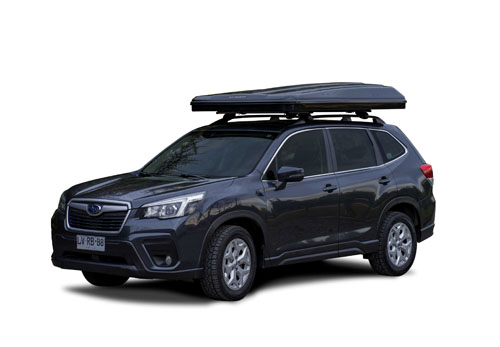
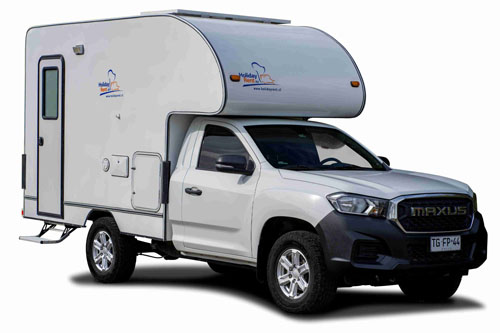
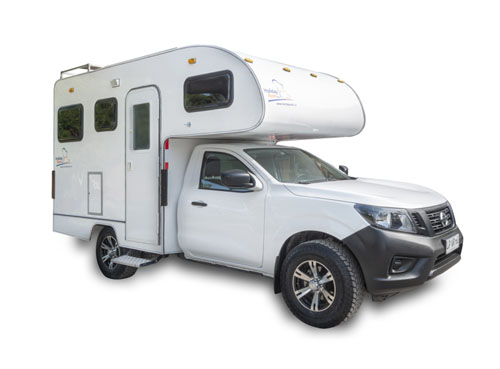
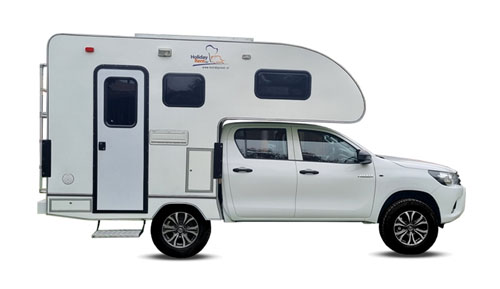
Choosing the right RV class for your Chilean adventure depends on your travel style, group size, and comfort preferences, but both Class B campervans and Class C motorhomes offer excellent versatility. A Class B Camper Van, averaging around 5.8m in length, provides exceptional agility for navigating narrower roads, accessing remote campsites, and finding parking in towns. Its compact size makes it a popular choice for couples or small families seeking maximum maneuverability and a closer connection to nature. For more living space and amenities, a Class SI Semi-integrated RV, typically around 6.9m in length, offers a comfortable balance. It provides extra room for families (e.g. "Category Family 5 AT" or "Class Family"), a more complete kitchen, and separate sleeping areas, while still being manageable on most Chilean routes. For those considering a slightly larger option like the "24' Class C Motorhome" with a length of 7.46m, they still handle beautifully, allowing travelers to reach almost any destination without stress, as long as they drive slowly and carefully.
Should I Choose a Compact Van Instead of a Large RV in Chile?
The choice between a compact van and a larger RV for your trip in Chile ultimately balances maneuverability with onboard comfort and amenities. Compact vans, such as the "Active Standard" or "Juliette 2-3" models, offer superior agility, making them ideal for navigating tight city streets, narrow mountain passes, and parking in crowded areas. This can be particularly appealing for travelers seeking maximum flexibility and ease of movement, especially when exploring bustling cities or more challenging unpaved tracks in remote regions. On the other hand, larger motorhomes like a Class C model (e.g., "29′ Class C Motorhome" or "32′ Class C Motorhome") provide significantly more living space, more extensive kitchen facilities, and greater overall comfort, which can be a game-changer for longer trips, families with children, or travelers with larger pets. While larger RVs require a bit more attention when driving, they can absolutely be driven in cities and on most main roads without issue; just remember to drive slowly and carefully, and pay attention to your surroundings.
Can I Park Anywhere? Free & Wild Camping Rules in Chile
While informal overnight parking spots may exist, it is generally recommended to seek out designated campgrounds or obtain explicit permission from landowners to ensure legal and safe overnight stays with your rented RV in Chile. Specific national regulations regarding free or "wild" RV camping in Chile are not as clearly defined as in some other countries, and rules can vary significantly by region or municipality. Many national and state parks only reserve 25-30% of their spots, leaving the rest available on a first-come, first-serve basis, which provides great flexibility for spontaneous travelers. Always call ahead before driving to a specific campground to check availability. If the first campground is full, you'll likely find a spot at the next one. For finding campsites and campgrounds during your trip, we recommend using RV PLANET (rvplan.net), a great resource for locating available spots along your route and even planning detailed itineraries, such as those found in our "RV Camping in Chile - Best Campgrounds 2026" guide.
Can I Drive an RV Into the City Center in Chile? Heights, Tunnels & Local Signage
Yes, you can generally drive a rented RV into Chilean city centers, including major cities like Santiago, without significant issues. The key is to drive slowly and carefully, using common sense and paying close attention to local signage. Be particularly vigilant for signs indicating height limits, especially for tunnels, low bridges, and underground parking garages, which are common in older urban areas. Some urban sectors might also have environmental zones or residents-only streets that could temporarily restrict access for larger vehicles; these will always be clearly marked. Remember that with a rented motorhome, you have the flexibility to park on the outskirts of bustling city centers and use public transport or taxis to explore, which can often be a more relaxed approach for longer visits. Many travelers also find it helpful to consult detailed route plans on rvplan.net to navigate cities efficiently.
🎬 Video coming soon
What are the safety considerations for RV travel in Chile?
RV travel in Chile offers incredible freedom, but awareness of specific safety considerations ensures a smoother trip. Be attentive to road hazards such as uneven pavement, unpaved gravel sections, and occasional potholes, especially on rural routes, and always maintain safe driving distances. To prevent crime, secure valuables, always lock your rented motorhome, use trusted campgrounds for overnight stays, and avoid isolated parking spots, especially in urban areas. For emergencies, Chile's national numbers are 131 for ambulance, 132 for fire, and 133 for police; keep these readily accessible. When venturing off-grid, ensure you have sufficient water and fuel, a reliable communication method like a satellite device in very remote areas, and always inform someone of your itinerary, aligning with Bandana’s commitment to supporting travelers before, during (through our advice), and after their booking.
How do I prepare my RV for diverse road conditions in Chile?
Preparing your rented RV for Chile's diverse road conditions is crucial for a comfortable and safe journey. Ensure your motorhome is in excellent mechanical condition before departure, with a recent service focusing on tires, brakes, and suspension, which are vital for navigating varied terrain. If your itinerary includes extensive travel on gravel roads, particularly in Patagonia, consider discussing with your rental supplier whether your chosen Class B campervan or Class C motorhome is equipped with appropriate tires for enhanced traction. Familiarize yourself with your specific RV's ground clearance to prevent damage on uneven or unpaved surfaces. Plan routes strategically using up-to-date road condition reports, matching the terrain with your RV's capabilities, especially if you're exploring the more challenging parts of the Carretera Austral.
What are the cultural etiquette and responsible travel guidelines for RVing in Chile?
Practicing cultural etiquette and responsible travel guidelines while RVing in Chile enhances your experience and respects local communities and the environment. Engage respectfully with Chileans by learning a few basic Spanish phrases, as this goes a long way in connecting with locals, and always ask permission before photographing individuals. When it comes to waste disposal, practice responsible habits by packing out all trash and utilizing designated dump stations at campgrounds, strictly avoiding littering, especially when wild camping. Support local economies by purchasing fresh produce from local markets ('ferias') and dining at small, authentic eateries known as 'picadas' along your route. You can find many local culinary gems this way. Minimize your environmental impact, particularly in sensitive national parks and natural areas, by sticking to marked trails, respecting wildlife from a distance, and leaving no trace of your visit.
What are the best camping options and essential services for RVers in Chile?
Chile offers a wide array of camping options for RVers, ranging from basic sites to well-equipped campgrounds with full hookups (water, electricity, dump stations). National parks throughout the country, like Torres del Paine or Conguillío, frequently provide designated campsites, though amenities can vary from primitive setups to more developed facilities. Booking in advance is highly recommended, especially if traveling during Chile's peak season from December to February, as popular spots fill up quickly; however, remember that many parks also offer first-come, first-serve sites for flexibility. The availability of essential services like reliable internet and potable water can be limited in remote areas, so planning to stock up on supplies and fill your fresh water tank in larger towns is advisable. For finding optimal campsites and services along your route, remember to use RV PLANET (rvplan.net), which is an invaluable resource for locating available spots and planning your journey.
What are the border crossing procedures for RVs between Chile and neighboring countries?
Crossing borders with a rented RV between Chile and neighboring countries, such as Argentina, requires careful preparation and adherence to specific procedures. Travelers need comprehensive documentation, including a valid passport, your home country's driver's license, an International Driving Permit (IDP), and the vehicle's registration papers provided by your rental company. Crucially, you must also have proof of international RV insurance that covers cross-border travel; confirm with your rental supplier that your agreement permits international journeys. Expect strict customs procedures, particularly regarding the declaration of food items, fresh fruits, vegetables, and animal products, which are often restricted to prevent biosecurity risks. Allow ample time for processing at border posts, as efficiency can vary, and vehicle inspections are common. To ensure you have the correct documentation for a One-Way RV Rental in Chile - Price Guide 2026 that crosses borders, always consult with your Bandana RV specialist.
Are there special permits or requirements for RVing in Chile's national parks?
Yes, most national parks in Chile require an entrance fee per person, which can typically be paid at the park entrance or sometimes reserved online in advance. Some parks may also have additional fees or specific permits required for vehicles, including rented motorhomes, to enter or utilize designated parking areas. For camping within national parks, specific permits are almost always needed, especially for popular designated campsites, and often require advance reservation during peak season (December-February). Pet access can be restricted or require specific conditions within certain national parks to protect local wildlife and ecosystems, such as requiring pets to be leashed or confined to your vehicle in specific areas. Always check the official website of any national park you plan to visit for the most current regulations, fees, and reservation requirements for your pet-friendly RV trip.
How should I prepare for emergencies while RVing in Chile?
Preparing for potential emergencies is a smart aspect of any RV trip in Chile, ensuring you're ready for unexpected situations. Assemble a comprehensive emergency kit in your rented campervan, including a well-stocked first-aid kit, basic tools for minor RV repairs, extra water (e.g., a 20-liter reserve), non-perishable food, and a satellite communicator or personal locator beacon for very remote areas where cell service is unreliable. Thoroughly understand your RV rental insurance coverage before your trip, including roadside assistance contact information and accident reporting procedures in Chile. Memorize or keep local emergency numbers readily accessible: 131 for Ambulance, 132 for Fire, and 133 for Police. Carrying spare parts like fuses, belts, and extra fluids, along with knowing how to perform basic mechanical checks, can help you address minor breakdowns yourself and maintain peace of mind throughout your adventure.
How can I experience local cuisine while RVing in Chile?
Experiencing local cuisine is an integral part of RVing in Chile, offering a delicious way to connect with the culture. Utilize your RV's kitchen by visiting vibrant local markets, known as 'ferias,' in towns and cities to source fresh, regional ingredients. You’ll find an abundance of fresh seafood in coastal areas, diverse fruits and vegetables, and high-quality meats perfect for cooking in your mobile home. Experiment with preparing traditional Chilean dishes like Pastel de Choclo (corn pie), Empanadas, or hearty seafood stews using your onboard stove and refrigerator. For those who enjoy cooking, check out our RV-friendly recipes playlist for inspiration. Don't miss the opportunity to seek out 'picadas'—small, often humble roadside eateries—for authentic and affordable local flavors away from the main tourist hubs, providing a true taste of Chile. Sample regional specialties like the wines from the central valleys or the comforting stews unique to the south.
Top Cities for RV Rental in Chile
Chile offers several excellent cities to begin or end your RV adventure, providing convenient access to diverse regions. Santiago, the capital, is the primary hub for international arrivals, offering the widest selection of rental motorhomes and campervans. From Santiago, you can easily head north to the Atacama Desert or south towards the Lakes District and Patagonia. Punta Arenas, located in the far south, is the gateway to Chilean Patagonia and Tierra del Fuego, perfect for travelers looking to explore the rugged wilderness and penguin colonies. Puerto Montt is another popular starting point for journeys into the Lakes District and the Carretera Austral, offering stunning scenery and numerous national parks. Calama, serving the nearby Calama - Airport, provides access to the unique landscapes of the Atacama Desert. For those exploring the northern reaches, Arica is a convenient pickup location. Each of these cities provides a unique starting point to discover Chile's breathtaking beauty with your rented RV.
Final Thoughts
Chile is an extraordinary destination for a pet-friendly RV adventure, offering landscapes from arid deserts to glacial fjords and vibrant cities. With a rented motorhome, you and your furry companions can experience the country's diverse beauty at your own pace, creating memories that will last a lifetime. Remember to plan your route, be aware of local driving conditions, and embrace slow travel to truly immerse yourselves in Chile's unique culture and breathtaking scenery.
Bandana RV is your trusted partner for this incredible journey, providing full transparency, dedicated support, and access to a wide range of pet-friendly rental options. We are committed to making your RV rental experience in Chile easy, safe, and affordable.
Get inspired for your next trip! Discover top destinations, planning tips, all in one place with Bandana RV. Plan a trip itinerary in advance with minimal effort and maximum enjoyment.
Your unforgettable pet-friendly journey through Chile awaits! Compare Pet Friendly RV Rental Prices for Chile now and embark on the adventure of a lifetime.