In This Guide
- Can You Drive an RV in Center Europe? License & Age Rules
- Road Conditions & Terrain in Center Europe
- RV Size Limits, Bridges & Restricted Zones
- Fuel: Diesel vs. Petrol & Cost per 100 km
- Tolls, Vignettes & Border Rules
- Driving Tips for Pet-Friendly RV Rental Travelers
- Recommended RV Class for Center Europe Roads
- Should I Choose a Compact Van Instead of a Large RV in Center Europe?
- Can I Park Anywhere? Free & Wild Camping Rules in Center Europe
- Can I Drive an RV Into the City Center? Heights, Tunnels & Local Signage
- What is the 3-3-3 rule for RV travel?
- Can you drive an RV in Europe?
- Does the Eurotunnel allow dogs?
- Can I take my dog to France in a motorhome?
- Can dogs stay in a camper while driving?
- Which country in Europe is most dog friendly?
- Can any vet issue an EU pet passport?
- How hard is it to get an EU pet passport?
- Top Cities for RV Rental in Center Europe
- Navigating Center Europe: Essential Road Rules & Local Etiquette
- Planning Your Pet-Friendly RV Trip to Center Europe: A First-Timer's Checklist
- Packing Essentials for Your Center Europe RV Adventure with Pets
- Common Mistakes to Avoid on Your Center Europe RV Trip
Exploring the heart of Europe with your furry companion in a rented motorhome offers unparalleled freedom and cherished memories. Center Europe, with its diverse landscapes from the majestic Alps to historic cities and serene lakes, is an incredible destination for pet-friendly RV travel. At Bandana RV, we understand that your pets are family, and we're dedicated to making your adventure seamless and enjoyable. For live availability and current prices, start with our RV Rental Center Europe - Complete Guide 2026 guide.
🎬 Video coming soon
Can You Drive an RV in Center Europe? License & Age Rules
You absolutely can drive a rented RV in Center Europe, and the process is surprisingly straightforward for most travelers. Most standard motorhomes up to 3,500 kg Maximum Authorized Mass (MAM) can be comfortably driven with a regular B driving license, which is the same license required for a passenger car. Drivers must typically be aged 21 or older, although some suppliers might have higher age requirements for specific vehicle classes, it's rare, and Bandana strives to connect you with the best options for your needs.
For those considering a larger RV exceeding 3,500 kg, such as some Class A or expansive Class C models, a C1 or C license might be required, though these are less common for rental fleets and generally unnecessary for most vacationers. For non-EU drivers, an International Driving Permit (IDP) is highly recommended in addition to your national license, especially for countries where English is not an official language. While not always strictly mandatory in all Central European countries for an English license, an IDP translates your license into multiple languages, easing interactions with local authorities and rental companies. We at Bandana have been helping tens of thousands of travelers since 2001, and we're true RV specialists who can guide you through these details, offering full transparency with no hidden fees or surprises.
Road Conditions & Terrain in Center Europe
Center Europe provides a diverse tapestry of road conditions and terrain, from efficient motorways to picturesque, winding country roads, perfect for exploring with a pet-friendly RV rental. You can anticipate excellent infrastructure, with Germany's famous Autobahns and Austria's well-maintained Autostradas offering smooth and rapid transit between regions. These major routes are generally wide and accommodate all RV sizes without issue.
Beyond the main highways, you'll encounter charming secondary roads that weave through idyllic villages, dense forests, and past sparkling lakes. When traveling through regions like the Austrian Alps, Southern Germany, or parts of Switzerland, expect mountainous terrain with rewarding, albeit sometimes challenging, passes. Driving slowly and carefully on these winding roads is key, especially with pets on board, to ensure comfort and safety. While most tourist routes are paved, be aware of potential gravel or unpaved sections on very rural routes, particularly when venturing to remote natural areas or seeking out secluded campsites for your rented caravan. Our team, with local expertise across 50+ countries, is here to support you before and after your booking, ensuring you're prepared for whatever roads you encounter.
RV Size Limits, Bridges & Restricted Zones
While most main routes in Center Europe are RV-friendly, being mindful of vehicle dimensions and restricted zones is essential for a smooth trip. Drivers must stay alert for height restrictions, which commonly range from 3.5m to 4.2m at tunnels, underpasses, and entrances to older, historic city centers. Always consult your rental motorhome's exact dimensions and pay close attention to roadside signage.
Many Central European cities, particularly in Germany (known for 'Umweltzones' or environmental zones), Austria, and France, have established environmental zones that restrict access for vehicles not meeting specific emissions standards. These zones often require a special emissions sticker, such as Germany's 'Umweltplakette,' which must be purchased in advance. It's crucial to check if your rented campervan is compliant and if the necessary sticker is provided by your supplier or needs to be acquired separately. Drive slowly and carefully, and you can drive almost anywhere without issues. No need to stress - just use common sense and pay attention. Ferry services, if you plan to cross major lakes or visit islands, will also have specific length, height, and weight limits, along with varying pricing structures for RVs, making prior booking and verification a wise step.
Fuel: Diesel vs. Petrol & Cost per 100 km
In Center Europe, the vast majority of rental motorhomes and campervans, including those within Bandana’s fleet, run on Diesel fuel. Diesel is readily available at nearly all service stations across the region. It's uncommon to find petrol-powered RVs in the rental market here, so you can generally expect to fill up with Diesel. Understanding your fuel consumption is key to budgeting for your pet-friendly RV rental in Center Europe. On the routes offered through RV PLANET routes, you can itemize and track every expense along the way for easy budgeting.
Based on our global fleet averages, a Class SI - Semi-integrated RV, like the "2 Berth Rover" or "Belle", typically consumes 10-11 Liters/100 km. Smaller Class B - Camper Vans, such as the "Active Bunk Auto" or "Aero", are more fuel-efficient, averaging 8-10 Liters/100 km. Fuel costs can fluctuate significantly by country, with countries like Germany and Austria often having more competitive diesel prices compared to Switzerland. For easy budgeting and tracking all ancillary trip costs like fuel, campground fees, and tolls, we recommend checking out RV PLANET routes, where you can itemize every expense along the way. Some RV rental agreements may even include a fuel discount card, so always inquire with your supplier.
Tolls, Vignettes & Border Rules
Navigating tolls and vignettes is a key aspect of RV travel in Center Europe. Many countries in the region utilize either vignettes (time-based permits) or electronic tolls for highway usage. For instance, countries such as Austria, Switzerland, the Czech Republic, Slovakia, and Slovenia all require vignettes, which are physical stickers or digital passes that must be purchased before entering or driving on their motorways. These can usually be bought at border crossings, petrol stations, or online before your journey, with prices varying based on validity period (e.g., 10-day, 1-month, 1-year).
Germany is a notable exception, as it generally has no tolls for passenger vehicles or RVs under 7.5 tonnes on its extensive Autobahn network, although specific tunnels or private scenic roads might be tolled. When traveling within the Schengen Area, border crossings between most EU countries are typically seamless, with no routine passport checks. However, it's imperative to always carry valid identification (passport or national ID), all vehicle documents, and your pet's passport and health certificates, as officials may conduct spot checks. Some Bandana RVs allow for pre-purchasing toll passes or vignettes, which can save valuable time and help you avoid unexpected fines on your pet-friendly trip.
Driving Tips for Pet-Friendly RV Rental Travelers
Successful pet-friendly RV travel in Center Europe hinges on mindful planning and careful execution to ensure comfort and safety for both you and your furry companions. Firstly, schedule frequent pet breaks every 2-3 hours. These stops are crucial to allow your pets to stretch their legs, drink water, and relieve themselves, which significantly reduces travel stress. Look for designated rest stops or pet-friendly parks along your route; RV PLANET (rvplan.net) routes can help you pinpoint these.
Secondly, always ensure pets are safely secured in a crash-tested crate, a pet harness, or a specialized seat belt system. This prevents injury during sudden stops or turns and complies with local regulations, which may vary by country. Thirdly, always keep local emergency numbers readily accessible, along with your rental company's 24/7 roadside assistance contact and a well-stocked pet first-aid kit. Finally, combine GPS navigation with careful attention to local road signs, especially those indicating low bridges, weight limits, environmental zones, or specific parking rules, to avoid unexpected detours. Remember, traveling slowly, ideally a maximum of 100-150 km per day on average, allows you and your pets to truly experience and connect with the culture, food, and scenery of Center Europe.
Recommended RV Class for Center Europe Roads
For an optimal and balanced pet-friendly experience navigating Center Europe's diverse roads, a Class SI - Semi-integrated motorhome or a Class B - Camper Van is frequently recommended. These vehicle types offer a superb blend of comfort, amenities, and maneuverability, making them ideal for both highways and charming, narrower country lanes.
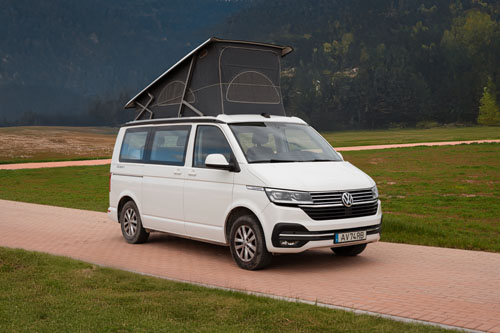
Class B Camper Vans, typically averaging around 5.8 meters in length, provide excellent agility for city driving and easier parking in historic towns. Examples like the "Active Pop Top Select" or "VW California Ocean" offer a compact yet functional space, with Bandana's fleet averaging 8-10 Liters/100 km in fuel consumption. For those desiring more living space and amenities for longer trips or traveling with a larger family, a Class SI - Semi-integrated RV, with an average length of 6.9 meters, like the "Nexus Triumph 24TS" or "K5Q", offers a comfortable solution while remaining manageable on most Central European roads. These models usually consume around 10-11 Liters/100 km. Both options allow for a relaxing trip, making cooking on board easy with fully equipped kitchens - consider exploring our RV-friendly recipes playlist for meal inspiration!
Should I Choose a Compact Van Instead of a Large RV in Center Europe?
The decision between a compact van (Class B Camper Van) and a larger RV (Class SI or Class C) for your Center Europe adventure often comes down to balancing desired comfort and amenities against extreme maneuverability. There's generally no inherent issue with driving most RV sizes in Central Europe, as main roads are well-suited for all motorhome types. However, a compact van, like an "Active Standard Auto" at approximately 5.99 meters in length, can indeed be genuinely advantageous for navigating extremely tight historic city centers, very narrow mountain passes, or when parking options are severely limited.
Conversely, a larger rented motorhome, such as a 6.82-meter "MID" Class C Alcove, provides significantly more indoor living space, better facilities, and greater overall comfort for both human travelers and pets. This often makes the trade-off in agility worthwhile for longer journeys or families with multiple members and pets. Ultimately, the choice depends on your travel style: if your itinerary prioritizes exploring small, ancient villages and requires maximum flexibility for parking in congested areas, a compact van might be preferable. But if comfort, space, and a more relaxed pace are paramount, a larger RV will serve you well. Remember, Bandana, with over two decades in the business, helps you compare final prices across suppliers, ensuring what you see is what you pay, with no surprise fees at pickup, no matter your choice.
Can I Park Anywhere? Free & Wild Camping Rules in Center Europe
Free or wild camping is largely restricted or outright illegal in most Central European countries, particularly within national parks, protected areas, and on private land without explicit permission. Attempting to wild camp can result in significant fines and is generally discouraged due to environmental concerns and local regulations. Adhering to local rules ensures a respectful and enjoyable trip for everyone.
Instead, designated 'Stellplätze' (in Germany and Austria) or 'Aire de services' (in France) are abundant and legal parking options for your rented campervan, offering practical solutions. These spots, often found in scenic locations or near towns, typically provide basic services like fresh water, waste disposal, and sometimes electricity, either for a small fee or occasionally free. Regulations for overnight parking can vary significantly by country and even by region or municipality, so it's always best practice to research specific local rules. Before parking overnight, always call ahead or consult local tourist information. While Bandana doesn't find campsites during your rental, we highly recommend using RV PLANET (rvplan.net) as a fantastic resource for locating available spots and planning your pet-friendly RV journey, ensuring you always find a legitimate place to stay. You'll find a spot. If not at the first campground, then the next one.
Can I Drive an RV Into the City Center? Heights, Tunnels & Local Signage
You can almost always drive a rented RV into Central European city centers, but it absolutely requires careful attention to local signage, height limits, and environmental restrictions. European cities, especially older ones, often have narrow streets, low bridges, and compact layouts that can be challenging for larger vehicles. Always keep your motorhome's exact height and width in mind and watch for signs indicating restrictions, like a height of 3.5 meters.
Many major cities across Center Europe, including places like Vienna or Berlin, have implemented low-emission zones, such as Germany's 'Umweltzonen,' which may require a specific vehicle badge or restrict access for older or certain RV types. The most effective strategy for exploring city centers with a rented RV is often to park on the outskirts in designated RV-friendly parking lots or campsites. From there, you can utilize efficient public transport networks to explore the historic and often pedestrianized central areas. This approach reduces stress, avoids potential fines, and allows you to enjoy the urban attractions without worrying about tight turns or parking. Drive slowly and carefully, and you can drive almost anywhere without issues. No need to stress - just use common sense and pay attention.
What is the 3-3-3 rule for RV travel?
The "3-3-3 rule" for RV travel is a widely adopted guideline designed to promote a relaxed and enjoyable pace, which is particularly beneficial for pet-friendly journeys in Center Europe. This rule advises that you drive no more than 300 miles (approximately 480 km) in a day, arrive at your chosen destination by 3 PM, and stay for a minimum of 3 nights. Adhering to this guideline encourages slow travel, aligning perfectly with Bandana’s philosophy: "Travel slowly - max 100-150 km per day. Take time to feel the place, connect to the culture, the food, and the scenery."
This rule significantly benefits pet-friendly RV travel in Center Europe by allowing ample time for pets to adjust to new surroundings, providing consistent routines, and offering opportunities for daily exercise and exploration. For humans, it helps prevent driver fatigue, reduces overall travel stress, and facilitates a deeper, more immersive experience of each location rather than merely passing through. It also gives you sufficient time to set up your rented mobile home, scout local areas, and ensure your pet is comfortable, whether you're staying at a 'Stellplatz' in Germany or a campground near the Alps.
Can you drive an RV in Europe?
Yes, driving a rented RV in Europe is not only entirely possible but also a highly popular and incredibly convenient way to explore the continent, offering immense flexibility, especially for travelers with pets. Europe boasts an extensive and generally well-maintained network of roads, including motorways, national routes, and scenic byways, that are well-suited for motorhomes and campervans. In Center Europe specifically, the infrastructure is robust and designed to accommodate various vehicle sizes, from compact campervans to larger Class C motorhomes, like the "29′ Class C Motorhome".
Across Europe, you'll find an abundance of dedicated RV parking areas and well-equipped campsites, many of which are pet-friendly. While specific regulations regarding vehicle dimensions, required licenses, and tolls or vignettes do vary by country, the fundamental ability to drive a rented RV across most of Europe is well-established. Ensuring you have all necessary documentation, such as your standard driver's license (and an International Driving Permit if applicable), vehicle registration, and pet passports, will guarantee a smooth journey. For an even more comprehensive planning experience, consider exploring our "RV Rental Europe - Complete Guide 2026" which covers broader continental tips.
Does the Eurotunnel allow dogs?
Yes, the Eurotunnel Le Shuttle service explicitly allows dogs and other pets to travel in the owner's vehicle, making it a highly convenient and less stressful option for those traveling from the UK to Europe with their furry friends. Unlike air travel or some ferry services where pets may need to be kenneled, on the Eurotunnel, your pets remain with you in your rented motorhome or campervan throughout the short 35-minute journey between Folkestone (UK) and Calais (France). This continuous proximity can significantly reduce anxiety for sensitive animals.
To travel with a pet on the Eurotunnel, several key requirements must be met: your pet must be microchipped, have a valid rabies vaccination (administered at least 21 days prior to travel), and possess either an EU Pet Passport or a valid Animal Health Certificate (AHC) for UK residents. It's essential to pre-book pet tickets, and there's a dedicated Pet Reception building at both terminals for necessary checks before boarding. Remember to allow ample time for these checks to ensure a smooth boarding process for your pet-friendly RV adventure.
Can I take my dog to France in a motorhome?
Taking your dog to France in a rented motorhome is certainly permissible, provided you adhere to specific pet import regulations, primarily centered around a valid EU pet passport. France, like many Central European nations, has clear guidelines to ensure the health and safety of traveling animals. Your dog must be microchipped with an ISO-compliant chip, have a current rabies vaccination (with at least 21 days passed since the primary vaccination), and possess an EU Pet Passport issued by an authorized veterinarian.
It's crucial to keep all necessary pet documentation, including the passport, readily accessible, as officials may request it at borders or during routine checks within France. Beyond entry requirements, France is generally a very pet-friendly country. Many campsites welcome well-behaved dogs, and you'll find numerous parks and hiking trails perfect for canine companions. Public transport rules, however, can vary significantly by city and region; in some cities, smaller dogs might be allowed on leads or in carriers, while larger dogs may have more restrictions. Always check local public transport websites or ask at tourist information offices for current pet policies. Consider our "Family RV Rental in Center Europe - Pricing Guide 2026" for rentals suited for all family members, including pets.
Can dogs stay in a camper while driving?
Yes, dogs are generally allowed to stay inside a rented campervan or motorhome while driving in most European countries, including those in Center Europe, provided they are properly restrained for safety. Securing your dog is paramount not only for their well-being in case of sudden braking or an accident but also to prevent them from distracting the driver. This is a critical safety measure for everyone on board.
Common methods for safe pet travel include using a crash-tested crate, a specialized pet seat belt harness that attaches to the vehicle's seat belt system, or a sturdy dog guard installed to separate them from the driver's area. Ensure that whichever method you choose, your pet has adequate ventilation, access to fresh water, and is not left unattended for extended periods while the vehicle is in motion. Prioritizing their comfort and safety helps make the journey enjoyable for the entire family. For longer trips, remember to "Travel slowly - max 100-150 km per day. Take time to feel the place, connect to the culture, the food, and the scenery," which also benefits your pet's travel experience.
Which country in Europe is most dog friendly?
While "most dog-friendly" can be subjective and depends on specific travel styles, Germany, Austria, and parts of France are widely considered among the most dog-friendly countries in Center Europe, offering a wealth of pet-welcoming amenities and policies. These nations often feature abundant dog parks, extensive pet-friendly hiking trails in picturesque natural areas, and a generally accepting cultural attitude towards dogs in public spaces.
Germany, in particular, stands out for its strong dog culture, where many shops, cafes (especially those with outdoor seating), and hotels warmly welcome pets. Their efficient public transport systems, especially trains, often allow dogs for a small fee or even free, provided they are on a leash and sometimes muzzled (check local regulations). Austria also offers numerous pet-friendly accommodations and activities, particularly in its scenic Alpine regions. When planning your pet-friendly RV itinerary, always research specific regional and local rules for public transport, beach access, and protected natural areas, as these can vary. For personalized route plans that include pet-friendly stops, consider using RV PLANET routes to map out your adventures.
Can any vet issue an EU pet passport?
No, an EU pet passport can only be issued by a veterinarian who is authorized by the competent authority in an EU member state, not just any practicing vet. This crucial distinction ensures the integrity and legal validity of the travel document across the European Union. The veterinarian must be officially recognized and certified to issue these passports, ensuring that all microchipping details, rabies vaccination records, and other health information are accurately recorded and fully compliant with EU regulations.
It is absolutely essential to confirm with your chosen veterinarian in advance that they are authorized to issue an EU pet passport before you begin the process. This step avoids any potential complications or delays with your travel plans, particularly if you are traveling from a non-EU country and require additional health certificates or blood tests before the passport can be issued upon your entry into the EU. Being prepared with the correct documentation is a cornerstone of transparent and stress-free pet travel, something Bandana, as true RV specialists, deeply values for our customers.
How hard is it to get an EU pet passport?
Acquiring an EU pet passport is a relatively straightforward procedure, provided your pet has an ISO-compliant microchip and a valid rabies vaccination administered by an authorized veterinarian. The process typically involves a few key steps that require some forward planning. First, ensure your pet is microchipped; if not, this is the initial step.
Next, your pet needs a current rabies vaccination. After the primary vaccination, a mandatory waiting period of 21 days is required before the passport becomes valid for travel. Once these prerequisites are met, you must visit a veterinarian authorized by an EU member state's competent authority to issue the passport. While the process itself isn't difficult, it demands careful planning to ensure all vaccinations are timely and the passport is correctly filled out. If you're traveling from a non-EU country, additional health certificates or even blood tests might be required before the EU pet passport can be issued upon entry, so always check specific country requirements well in advance of your trip.
Top Cities for RV Rental in Center Europe
Center Europe offers numerous fantastic cities from which to begin or explore during your pet-friendly RV adventure. These cities serve as excellent hubs, blending cultural attractions with accessibility for your rented motorhome or campervan. Picking up your rental in a major city like Berlin, Germany, provides easy access to the country's extensive Autobahn network and countless historical sites. Munich, Germany, is another popular choice, acting as a gateway to the Bavarian Alps and picturesque southern German landscapes. For those seeking routes through the Alps, Salzburg, Austria, offers a charming starting point with stunning mountain scenery just outside its historic center. Consider exploring "RV Rental in Center Europe - Prices and Best Deals 2026" to find the best starting locations.
Vienna, Austria, while a grand imperial city, is also well-connected for RV travelers, with campsites on its outskirts allowing easy access to public transport. Prague, Czech Republic, known for its fairytale architecture, is an increasingly popular RV destination, offering a unique blend of Eastern and Western European charm. Ljubljana, Slovenia, is a smaller, incredibly green capital that's perfect for exploring the country's natural beauty. Zurich, Switzerland, though pricier, offers access to breathtaking Alpine routes, but always remember to budget for higher costs and tolls when RVing in Switzerland. Finally, Budapest, Hungary, with its thermal baths and vibrant culture, is a fantastic option for a longer trip across the Pannonian basin. When comparing your options, remember Bandana helps you compare final prices across 50+ leading RV suppliers worldwide, ensuring full transparency with no hidden fees.
Navigating Center Europe: Essential Road Rules & Local Etiquette
Understanding Center Europe's road rules and local etiquette is essential for a smooth and enjoyable pet-friendly RV trip. Driving is on the right-hand side of the road, and speed limits are clearly signposted. While Germany's Autobahn has advisory speed limits, most RVs are restricted to 80 km/h (50 mph) or 100 km/h (62 mph). Other countries typically have maximum speeds of 100-130 km/h on motorways and 50-90 km/h on rural roads. Always carry your driver's license, vehicle registration, and pet passports; an International Driving Permit is recommended for non-EU licenses, although not strictly mandatory in all cases for English-speaking drivers.
Mandatory safety equipment often includes a reflective safety vest for all occupants, a warning triangle, and a first-aid kit. Winter tire laws are common in colder months (October to April) in countries like Austria and Germany, and some suppliers will include these automatically in winter rentals. Emergency numbers are generally 112 across the EU. For connectivity, consider purchasing a local SIM card or an eSIM upon arrival, as data roaming rules within the EU mean you can use data across member states without extra charges. When interacting with locals, a friendly "Guten Tag" (German) or "Dobrý den" (Czech) goes a long way. Always be mindful of noise levels, especially in residential areas or quiet campgrounds, and properly dispose of all waste, including pet waste. This ensures a respectful and positive experience for everyone.
Planning Your Pet-Friendly RV Trip to Center Europe: A First-Timer's Checklist
Planning your first pet-friendly RV adventure in Center Europe involves a few key steps to ensure a stress-free and memorable journey. Start by researching pet entry requirements for each country you plan to visit, focusing on microchipping, rabies vaccinations, and obtaining an EU Pet Passport well in advance. Next, choose the right rental motorhome; consider a Class B Camper Van like the "Active Pop Top Select" for agility or a Class SI - Semi-integrated for more space, ensuring it is explicitly pet-friendly as indicated by our suppliers like El Monte, Cruise America, Apollo, and Britz.
Secure your rental 3-6 months ahead, especially for peak season travel (June-August), as popular models and pet-friendly options book quickly, though last-minute availability is always a possibility. Plan your route, focusing on slow travel (max 100-150 km/day) to truly enjoy the scenery and allow your pet comfortable breaks. RV PLANET (rvplan.net) offers over 1,300 pre-planned routes that can simplify this. Budget for ancillary costs like fuel, tolls, campground fees (average €25-€50/night), and groceries. Familiarize yourself with driving rules, such as vignette requirements for Austria and Switzerland. Remember to pack pet essentials and always have local emergency contacts and your rental's roadside assistance readily available. Finally, consider upgrading to a top-level deductible for peace of mind - it's an optional enhancement for your financial security.
Packing Essentials for Your Center Europe RV Adventure with Pets
Packing smart is crucial for a comfortable pet-friendly RV rental trip through Center Europe. Beyond your personal clothing and toiletries, here's a checklist for you and your furry travel companion. For humans, consider layers, as Central European weather can be unpredictable, even in summer. Comfortable walking shoes are a must for exploring towns and hiking trails. Most rental motorhomes, such as a "Category Camp AT" or "EcoLine 2", come equipped with basic kitchenware (pots, pans, cutlery, plates), bedding, and often towels. Always confirm inclusions with your specific supplier through Bandana.
For your pet, essential items include their EU Pet Passport and health records, a comfortable and secure travel crate or harness, food and water bowls, ample supply of their regular food (specialized brands can be hard to find), favorite toys, a leash, and plenty of waste bags. Don't forget any necessary medications and a small pet first-aid kit. A travel bed or blanket from home can also provide a familiar scent, easing anxiety in new environments. Consider a portable water bottle for your pet during walks. Having these essentials ensures a smooth journey for everyone. With a well-equipped kitchen in your rental, preparing meals is a breeze; check out our RV-friendly recipes playlist for simple meal ideas.
Common Mistakes to Avoid on Your Center Europe RV Trip
First-time RV renters in Center Europe can easily avoid common pitfalls with a little foresight. A significant mistake is underestimating driving times due to speed limits, especially off motorways, and the desire to "see it all." Remember our advice: travel slowly, max 100-150 km per day. Another frequent error is neglecting pre-booking campsites in popular national parks or during peak season; while many parks reserve only 25-30% of spots for advance booking (the rest being first-come, first-served), it’s wise to call ahead before driving long distances. You'll find a spot. If not at the first campground, then the next one. Also, failing to research local regulations for tolls and environmental zones can lead to unexpected fines.
For pet owners, a common mistake is not ensuring all pet documentation (EU Pet Passport, vaccinations) is current and easily accessible. Another oversight is forgetting to secure pets properly while driving, which is crucial for their safety and preventing driver distraction. Lastly, many travelers overlook unexpected ancillary costs beyond the rental fee, such as fuel, campground fees, propane, and tolls. With RV PLANET routes, you can itemize and track every expense for better budgeting. Bandana aims for full transparency, so you'll never face hidden fees or surprises with us; what you see is what you pay, giving you confidence and peace of mind before, during, and after your booking.
What You Shouldn't Miss
- **Explore the Bavarian Alps in Germany:** Drive the German Alpine Road, visiting charming towns like Garmisch-Partenkirchen and the iconic Neuschwanstein Castle, offering breathtaking views and numerous hiking opportunities for you and your dog.
- **Cruise the Romantic Road (Germany):** This historic route, stretching 350 km, connects picturesque medieval towns such as Rothenburg ob der Tauber and Dinkelsbühl, perfect for slow travel and immersing yourselves in German history.
- **Hike the Julian Alps in Slovenia:** Discover stunning national parks like Triglav, with crystal-clear rivers, serene lakes, and a plethora of dog-friendly trails amidst dramatic mountain scenery.
- **Indulge in Hungarian Thermal Baths (Hungary):** Many thermal bath towns, such as Hévíz, have RV parks right next door, allowing you to relax in the healing waters while your pet rests comfortably in your rented campervan.
- **Witness the Grossglockner High Alpine Road (Austria):** Experience one of Europe's most spectacular panoramic roads. While a toll road, it offers incredible viewpoints, visitor centers, and the chance to see wildlife, with plenty of stops for pet breaks.
- **Wander through Wachau Valley Vineyards (Austria):** Explore this UNESCO World Heritage site, famous for its terraced vineyards and charming villages. Many wineries are pet-friendly, and you can find Stellplätze right among the vines.
Looking for expert insights from Avi Bandana? Top 5 Adventures - recommendations from Avi Bandana
Final Thoughts
A pet-friendly RV adventure through Center Europe is more than just a vacation; it's an opportunity to create lasting memories with your beloved companion against some of the most breathtaking backdrops on the continent. With careful planning, adherence to local rules, and the right support, your journey will be filled with discovery and joy.
Remember that the key to a truly fulfilling RV trip is to embrace the philosophy of slow travel. Take your time, enjoy the local culture, savor the food, and let your pet revel in the open spaces alongside you. Whether you're navigating the German Autobahns or the scenic routes of the Austrian Alps, Bandana is here to ensure your rental experience is as smooth and transparent as possible. We’re with you before, during, and after your booking, providing the confidence you need to hit the road.
Ready to embark on your unforgettable journey? Discover top destinations, planning tips, all in one place! Compare pet friendly rv Rentals in Center Europe now and start planning an itinerary in advance with minimal effort and maximum enjoyment for you and your furry family member.