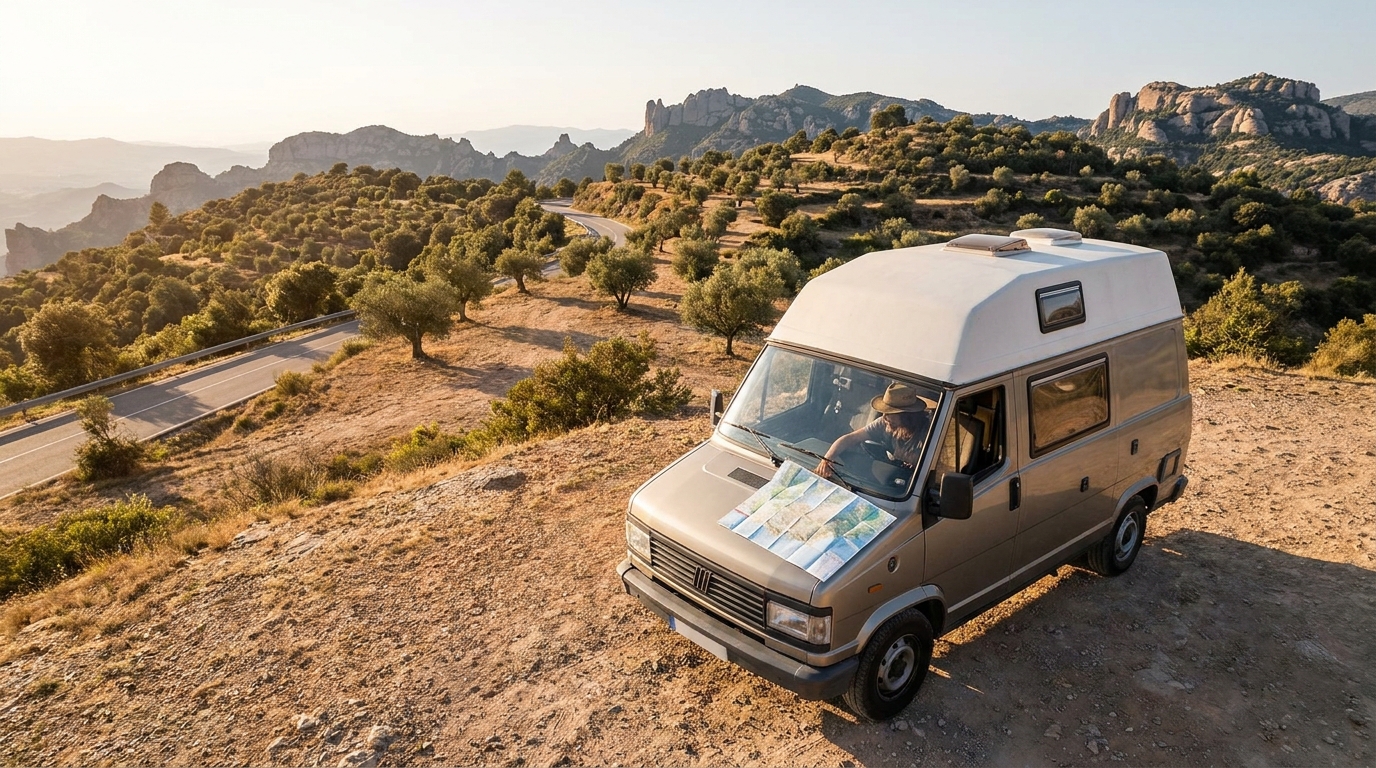
For live availability and current prices, start with our RV Rental Catalonia - Complete Guide 2026 guide.
In This Guide
- Can You Drive an RV in Catalonia? License & Age Rules
- Road Conditions & Terrain in Catalonia
- RV Size Limits, Bridges & Restricted Zones
- Fuel: Diesel vs. Petrol & Cost per 100 km
- Tolls, Vignettes & Border Rules
- Driving Tips for pet friendly rv rental Travelers
- Recommended RV Class for Catalonia Roads
- Should I Choose a Compact Van Instead of a Large RV in Catalonia?
- Can I Park Anywhere? Free & Wild Camping Rules in Catalonia
- Can I Drive an RV Into the City Center? Heights, Tunnels & Local Signage
- What are Essential Safety Tips for RV Travel in Catalonia?
- What are Catalonia's Specific RV Parking Regulations and Wild Camping Laws?
- What is the Average Cost of an RV Trip in Catalonia, Including Campsites and Tolls?
- When is the Best Time to RV in Catalonia, and What Seasonal Activities are Available?
- What are the Best Pet-Friendly RV Campsites and Routes in Catalonia?
- How Can I Navigate and Park an RV in Barcelona and Other Major Catalan Cities?
- Where are Catalonia's Best Off-the-Beaten-Path RV Destinations and Hidden Gems?
- What are the Best Cultural Experiences and Local Festivals for RV Travelers in Catalonia?
Can You Drive an RV in Catalonia? License & Age Rules
Yes, you can drive an RV in Catalonia with the correct documentation. A standard B category driving license, valid for vehicles up to 3,500 kg, is sufficient for most rental RVs in Catalonia. However, for RVs exceeding 3,500 kg, which typically include larger Class A or Class C models, a C1 license or equivalent is required by most rental providers. Most RV rental companies in Catalonia require drivers to be at least 21 years old and to have held their license for a minimum of 2 years. For international visitors, non-EU drivers must carry an International Driving Permit (IDP) alongside their valid national driver's license, as this is often requested by rental companies and local authorities.
Road Conditions & Terrain in Catalonia
Catalonia offers a diverse driving experience for RV travelers, from the well-maintained motorways along the coast to the winding, scenic routes through the Pyrenees mountains and the often narrower roads found in more rural areas. The road quality is generally high, contributing to comfortable RV travel, though the mountainous terrain necessitates cautious driving and can present challenges for larger vehicles. Expect heavy traffic when navigating urban centers like Barcelona, particularly during peak hours, which demands extra vigilance and careful planning for RVs. The varied landscape intrinsically encourages a slow, scenic driving pace, which is ideal for ensuring pet comfort and for fully enjoying the region's breathtaking beauty.
RV Size Limits, Bridges & Restricted Zones
While most RVs fit comfortably on Catalonia's main roads, drivers must be aware of potential height restrictions, often found between 3.5m to 4m, particularly in older town centers, tunnels, and underground parking facilities. Major cities like Barcelona enforce Low Emission Zones (ZBEs) that restrict access for vehicles based on their environmental classification; ensure your rental RV has the correct sticker for compliance to avoid fines. Narrow streets in historic villages can be challenging for larger RVs, making compact models or strategic parking outside centers a preferable option. If planning ferry travel, it's crucial to verify specific length and weight limits directly with the ferry operator, as these can vary significantly between companies.
Fuel: Diesel vs. Petrol & Cost per 100 km
Diesel is the predominant fuel type for RVs in Catalonia and is widely available at service stations across the region. Based on Bandana's fleet data, Class B - Camper Vans typically consume between 8-11 Liters/100 Km, equating to approximately €12.80 - €17.60 per 100 km (calculated at an estimated €1.60/liter). Larger RVs, such as Class SI - Semi-integrated and Class A - Integrated models, average 8-12 Liters/100 Km, with corresponding costs ranging from €12.80 - €19.20 per 100 km. Class C - Alcove RVs generally have a higher consumption rate of 11-13 Liters/100 km, costing roughly €17.60 - €20.80 per 100 km. Some rent-motorhome providers may offer fuel discount cards, which can help mitigate running costs during your trip.
Tolls, Vignettes & Border Rules
Many of Catalonia's major motorways, including the AP-7 and C-32, are toll roads, where tolls are typically paid per-use based on the distance traveled and vehicle category. Catalonia does not operate on a vignette system, unlike some other European countries. The `Via-T` electronic toll payment system is highly recommended for RV travelers in Catalonia, as it allows for automated payment and seamless passage through toll booths. When planning cross-border trips into neighboring countries like France or Andorra, it is essential to research their specific toll requirements, environmental zones, or road tax rules in advance to ensure compliance. On the routes offered through RV PLANET routes, you can itemize and track every expense along the way for easy budgeting.
Driving Tips for pet friendly rv rental Travelers
Prioritize pet safety during your travels by securing them in appropriate carriers or harnesses during transit and ensuring they have access to fresh water. Plan for frequent stops (every 2-3 hours) to allow your pet to stretch, relieve themselves, and get some fresh air. Always maintain a smooth, steady driving style, especially on winding roads, to prevent motion sickness and minimize stress for your animal companion. Keep your pet's vaccination records and any necessary health certificates easily accessible, particularly for cross-border travel or in case of emergency vet visits. Thoroughly research pet-friendly stops and destinations beforehand, including specific beaches, parks, or attractions that welcome dogs.
Recommended RV Class for Catalonia Roads
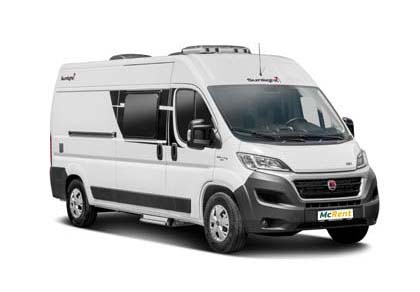
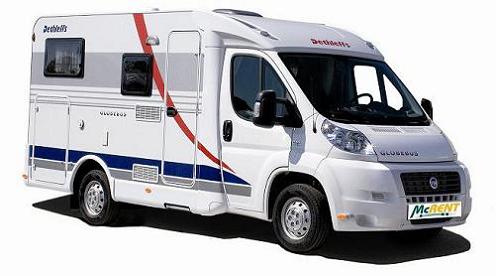
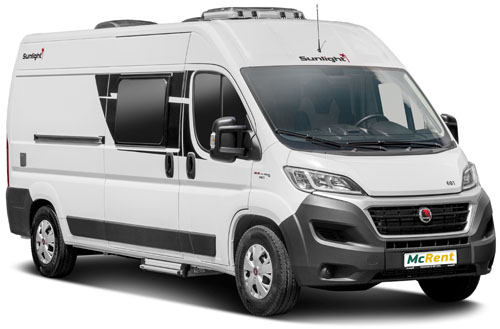
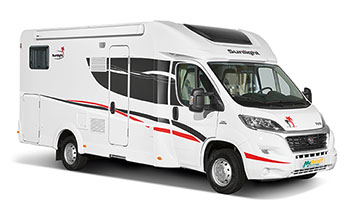
Class B - Camper Vans, averaging 6 meters in length, are highly recommended for their excellent maneuverability on Catalonia's diverse roads, including navigating narrow village streets and mountain passes. Class SI - Semi-integrated RVs, with an average length of 7.3 meters, offer a comfortable balance between living space and manageable size, making them suitable for families with pets on longer journeys. Both Class B and Class SI models provide sufficient amenities while remaining nimble enough to navigate both bustling coastal towns and tranquil inland routes with ease. Their more compact dimensions also simplify parking compared to larger RV classes, which is a significant advantage in popular tourist areas.
Should I Choose a Compact Van Instead of a Large RV in Catalonia?
While large RVs typically face no insurmountable issues on Catalonia's main arterial roads, a compact van (Class B) often provides superior maneuverability and ease of parking, especially in tight historic centers and narrow mountain passes. The decision largely hinges on your travel priorities: greater indoor comfort and amenities in a larger RV versus the agility and simpler parking of a compact van. Larger RVs (such as Class SI, Class A, or Class C) offer significantly more living space, which can be beneficial for families with pets needing extra room for crates or play. For extensive city exploration, parking a larger RV outside the city center and utilizing public transport is frequently the most practical approach, making the overall RV size less critical for the entire trip.
Can I Park Anywhere? Free & Wild Camping Rules in Catalonia
Wild camping and free camping are generally prohibited throughout Catalonia to protect natural areas and manage tourism, especially in popular coastal and natural park regions. Overnight parking in an RV is often permitted wherever a car can legally park, provided no 'camping behavior'—such as deploying awnings, setting out chairs or tables, or extending leveling jacks—is exhibited. Designated `áreas de autocaravanas` (RV stopover areas) and official campsites are the legal and recommended options for overnight stays that involve camping activities. Rules can vary by municipality and within natural parks; always check local regulations and follow local law before parking overnight, particularly when traveling with pets.
Can I Drive an RV Into the City Center? Heights, Tunnels & Local Signage
You can generally drive an RV into most city centers in Catalonia, but extreme caution is advised due to potential height limits, narrow streets, environmental zones, and challenging parking. Pay close attention to local signage, which will indicate height restrictions for tunnels, low bridges, and covered parking areas, as well as 'residents only' or restricted access zones. Barcelona has a Low Emission Zone (ZBE) that restricts access for older vehicles; ensure your rental RV complies to avoid fines, and consider parking outside the zone and using public transport. Parking for larger RVs within city centers can be very difficult and expensive; using park-and-ride facilities on the outskirts is often the most practical solution.
What are Essential Safety Tips for RV Travel in Catalonia?
Always secure your RV by locking doors and windows, even when present, and consider using additional locks or alarms for enhanced security, especially in popular tourist areas or remote overnight spots. Be vigilant for petty crime, particularly in crowded tourist attractions, beach car parks, and motorway rest areas; keep valuables out of sight and do not leave bags unattended. Familiarize yourself with local emergency contacts; the universal European emergency number is 112 for police, ambulance, or fire services. When driving, be mindful of road conditions, especially on winding mountain passes, and adapt your speed accordingly; always check weather forecasts for your planned route. Ensure your pets are securely contained while driving, never leave them unattended in a hot RV, and always keep them on a leash when outside.
What are Catalonia's Specific RV Parking Regulations and Wild Camping Laws?
Wild camping (sleeping overnight in a tent or setting up a full camp outside designated areas) is strictly prohibited across Catalonia to preserve natural environments and ensure public order. Overnight parking in an RV is generally permitted anywhere a standard vehicle can legally park, provided no 'camping activities' like deploying awnings, setting out tables, or leveling jacks are performed. Specific municipal ordinances and regulations within natural parks or coastal zones often impose stricter restrictions, including outright bans on overnight RV parking in certain areas. To ensure legality and access to amenities, always opt for official campsites or dedicated `áreas de autocaravanas` (motorhome service points) for overnight stays, which are plentiful throughout Catalonia.
What is the Average Cost of an RV Trip in Catalonia, Including Campsites and Tolls?
Campsite costs in Catalonia typically range from €25 to €50 per night for an RV pitch, varying by location, season, and the level of amenities offered; pet-friendly sites may incur a small additional fee. Toll expenses can significantly add to your budget; for example, a round trip from Barcelona to the Costa Brava might incur €10-€30 in tolls, while routes to the Pyrenees could be higher. Fuel costs, based on Bandana's fleet data, average between €12.80 and €20.80 per 100 km, so budget carefully according to your planned mileage and the specific RV class. Groceries sourced from local markets offer a cost-effective and culturally enriching alternative to supermarkets, impacting your overall food budget. A comprehensive daily budget for an RV trip in Catalonia, excluding rental costs, could range from €70-€150+, depending heavily on travel style, chosen activities, and dining preferences.
When is the Best Time to RV in Catalonia, and What Seasonal Activities are Available?
The optimal times for an RV trip to Catalonia are spring (April-June) and autumn (September-October), as these seasons offer pleasant weather, fewer crowds, and a range of vibrant seasonal activities. Spring is ideal for exploring the blooming Costa Brava, enjoying coastal walks with pets, and experiencing local festivals like Sant Jordi. Autumn is perfect for traversing the Catalan Pyrenees, with stunning fall foliage, excellent hiking opportunities, and local mushroom foraging events. Summer (July-August) can be hot and crowded, especially along the coast, necessitating early campsite bookings and careful planning for pet comfort, including shade and hydration. Winter provides unique experiences like skiing in the Pyrenees or enjoying quieter coastal towns, though some campsites and attractions may have reduced hours.
What are the Best Pet-Friendly RV Campsites and Routes in Catalonia?
Catalonia offers a wide selection of pet-friendly RV campsites, particularly along the Costa Brava (e.g., Camping Internacional de Calonge, Camping Begur) and inland near natural parks; many provide dedicated dog washes, exercise areas, and even pet-sitting services. The Costa Brava route is highly recommended, featuring picturesque villages like Cadaqués and Calella de Palafrugell, with some designated dog-friendly beaches and extensive walking paths. For nature lovers, the volcanic region of La Garrotxa and the Montseny Natural Park provide extensive hiking trails and natural beauty perfect for exploring with leashed pets. Before booking any campsite, always confirm the specific pet policy of individual locations, as rules regarding breed restrictions, leash requirements, or designated pet zones can vary significantly.
How Can I Navigate and Park an RV in Barcelona and Other Major Catalan Cities?
Navigating Barcelona with an RV requires careful planning due to its Low Emission Zone (ZBE) and the limited, often expensive, parking options available for larger vehicles. The most practical approach for major cities is to utilize park-and-ride facilities located on the city's outskirts, often strategically placed outside the ZBE, and then use the efficient public transport system for exploration. Specific parking apps and websites can assist in identifying RV-friendly parking garages or open-air parking areas, though these are rarely situated in the immediate city center. For smaller cities like Girona or Tarragona, parking may be slightly easier, but it is still advisable to avoid driving large RVs into their historic old towns, which often feature very narrow streets.
Where are Catalonia's Best Off-the-Beaten-Path RV Destinations and Hidden Gems?
For those seeking less-traveled paths, explore the tranquil Ebro Delta Natural Park, a vast wetland known for exceptional birdwatching, unique rice paddies, and secluded beaches, offering distinct RV experiences away from typical tourist crowds. Discover the less-visited wine regions of Priorat or Penedès, where you can find charming small towns, independent wineries offering tastings, and often RV-friendly parking options. Head to the rugged Terra Alta region, famed for its stunning natural landscapes, significant historical sites from the Spanish Civil War, and quieter, more authentic local experiences. Visit the Montsec region, designated an International Dark Sky Reserve, which is perfect for stargazing and offers opportunities for canyoning and kayaking in its majestic gorges, providing serene RV camping spots.
What are the Best Cultural Experiences and Local Festivals for RV Travelers in Catalonia?
Immerse yourself in unique Catalan culture by attending local festivals such as 'Castells' (human towers) or 'Correfocs' (fire runs), which are commonly found in smaller towns throughout the region and offer a genuine glimpse into vibrant traditions. Explore local culinary experiences by visiting municipal food markets, like Girona's Mercat del Lleó, to discover regional cheeses, cured meats, and incredibly fresh produce. Participate in wine or olive oil tours in the Priorat or Penedès regions, where many bodegas warmly welcome RVs, often providing both tastings and even overnight parking facilities. Engage with local communities by attending 'Festa Major' celebrations, trying traditional dishes in family-run 'masias' (farmhouses), and visiting artisan workshops in craft-focused villages.
What You Shouldn't Miss
- Drive the scenic coastal roads of the Costa Brava, stopping in charming villages like Cadaqués and exploring hidden coves.
- Hike through the otherworldly volcanic landscapes of the La Garrotxa Volcanic Zone Natural Park.
- Witness the spectacle of human towers (Castells) at a local festival if your timing aligns.
- Visit the historic city of Girona, with its well-preserved medieval quarter and vibrant riverside promenade.
- Explore the Penedès wine region, enjoying vineyard tours and tastings while traveling in your RV.
- Discover the serene beauty of the Ebro Delta Natural Park, ideal for birdwatching and a peaceful RV escape.
Final Thoughts
Embarking on an RV journey through Catalonia offers an unparalleled way to experience the region's diverse landscapes and rich culture. With careful planning and the right vehicle, your pet-friendly adventure can be both comfortable and unforgettable. Remember to embrace slow travel, allowing ample time to savor each destination and truly connect with the Catalan way of life.
Whether you're drawn to the rugged beauty of the Pyrenees or the sun-drenched charm of the Costa Brava, a rented motorhome provides the ultimate freedom and flexibility. Let Bandana Caravan help you find the perfect RV for your Catalan escapade, ensuring a seamless and enjoyable experience from start to finish.
Find Motorhome Rentals in Catalonia