For live availability and current prices, start with our RV Rental California - Complete Guide 2026 guide.
In This Guide
- Can You Drive an RV in California? License & Age Rules
- Road Conditions & Terrain in California
- RV Size Limits, Bridges & Restricted Zones
- Fuel: Diesel vs. Petrol & Cost per 100 km
- Tolls, Vignettes & Border Rules
- Driving Tips for rv rental Travelers
- Recommended RV Class for California Roads
- Should I Choose a Compact Van Instead of a Large RV in California?
- Can I Park Anywhere? Free & Wild Camping Rules in California
- Can I Drive an RV Into the City Center? Heights, Tunnels & Local Signage
- How Much Does an RV Rental Trip in California Cost?
- What is the Best Time to RV in California?
- Are There RV Size Restrictions on California's Scenic Routes (e.g., Big Sur)?
- Where Can I Boondock or Dispersed Camp in California?
- Can I Travel with Pets in an RV in California?
- How to Prepare for Emergencies While RVing in California?
California, often called the Golden State, offers an unparalleled adventure for those who choose to explore it with a rented RV. Imagine the freedom of driving from sun-kissed beaches to majestic redwood forests, from bustling cities to serene desert landscapes, all with your home on wheels and your beloved pets by your side. At Bandana RV, we specialize in helping travelers discover the magic of RV travel with full transparency and dedicated support. For live availability and current prices, start with our RV Rental California - Complete Guide 2024. Whether you're looking for an epic cross-country journey or a relaxing week-long trip, California provides an incredible backdrop for memorable pet-friendly RV routes.
Can You Drive an RV in California? License & Age Rules
Yes, most rental RVs in California can be driven with a standard Class C driver's license, provided they are under 26,000 pounds (11,793 kg). This covers the vast majority of rental motorhomes and campervans available through Bandana RV, including popular Class B Camper Vans and Class C Alcove RVs. For foreign drivers, a valid driver's license from your home country is generally accepted, though an International Driving Permit (IDP) is strongly recommended to provide a translation and avoid potential misunderstandings with law enforcement.
The minimum age for renting an RV in California is typically 21 years old, a point where many rental companies, including our partners, welcome drivers without imposing young driver surcharges or restricting vehicle classes. This inclusive approach ensures that more travelers can embark on their California adventure, whether they are young couples seeking a romantic getaway in a compact Class B campervan or families planning an extended road trip in a spacious Class C motorhome. We believe everyone should have the opportunity to experience the freedom of the open road.
🎬 Video coming soon
Road Conditions & Terrain in California
California's road conditions are generally excellent on major highways and interstates, but they vary dramatically across its diverse terrain, which includes urban, desert, mountain, and coastal environments. You'll navigate smoothly on well-maintained freeways, yet also encounter winding mountain passes that require careful, slow, and deliberate driving. For instance, traveling through Yosemite National Park or the Sierra Nevada range will involve steep grades and sharp turns, demanding your full attention and common sense.
Always check current road conditions before heading out, especially during winter for potential snow closures in mountain areas or during wildfire season (typically late summer and fall) for possible route impacts. The iconic Highway 1 along the Big Sur coast, while breathtaking, can present narrow sections and occasional closures due to mudslides, so always plan flexible alternatives. Using a reliable RV-specific navigation app can help you account for your vehicle's dimensions and avoid unsuitable roads, ensuring a smoother journey.
RV Size Limits, Bridges & Restricted Zones
California generally allows RVs up to 40 feet (approximately 12.2 meters) in length on its public roads, with most rental Class A, Class B, and Class C motorhomes fitting well within these limits. However, drivers must be vigilant for posted height and weight restrictions, particularly when approaching older bridges, parking structures in cities, or entering certain historic districts where infrastructure might be more constrained. Smaller Class B Camper Vans are especially convenient for such areas, offering flexibility.
Some state and national park roads or campgrounds may also have specific RV length or height restrictions, making prior research essential for larger vehicles. For example, a scenic route through a national park might have tighter turns or lower clearances. While no widespread environmental zones restrict RVs across California, local ordinances in highly urbanized areas may apply, so always observe local signage. Driving slowly and carefully, you can drive almost anywhere without issues. No need to stress - just use common sense and pay attention.
Fuel: Diesel vs. Petrol & Cost per 100 km
Most rental RVs available in Bandana's global fleet typically operate on diesel fuel, which is widely available at gas stations across California, though petrol (gasoline) models are also common for smaller units like some campervans. It's always wise to confirm the fuel type of your specific rental motorhome before your trip.
When it comes to fuel consumption, Bandana's Class SI - Semi-integrated RVs, such as the "2 Berth Tamar" or "2 Berth Rover", commonly report a fuel consumption of 10–11 Liters/100 km. Larger Class C - Alcove RVs, like the "24' Class C Motorhome" or "MH-B", typically consume 10–12 Liters/100 km, while more compact options like Class B - Camper Vans, such as the "2 Berth Hi Top" or "HiTop", usually achieve around 10 Liters/100 km. Renters should budget for significant fuel expenses on long trips, as costs can add up across California's vast distances. Keep your tank topped up, particularly in rural or desert areas where fuel stops can be infrequent. Some Bandana RV rentals may include fuel discount cards to help manage these costs, but it's essential to plan your route and monitor fuel levels diligently. For detailed expense tracking, especially for fuel and other trip costs, remember that RV PLANET routes allow you to itemize every expense along the way for easy budgeting. On the routes offered through RV PLANET routes, you can itemize and track every expense along the way for easy budgeting.
Tolls, Vignettes & Border Rules
California primarily uses electronic tolls, particularly on bridges (e.g., Golden Gate, Bay Bridge in the San Francisco Bay Area) and express lanes in urban areas. The state does not operate a statewide vignette system for RVs. Cash payment for tolls is often not an option, requiring drivers to use electronic passes (like FasTrak) or be billed by mail based on license plate recognition, which can incur higher administrative fees.
To simplify your journey, some Bandana RVs may offer pre-purchased toll passes or transponders as an optional add-on, which can save you money by avoiding those higher administrative fees. When planning a longer adventure, consider options like a "One-Way RV Rental in California - Price Guide 2024" if you intend to drop off your vehicle in a different city. Crossing borders into neighboring states like Oregon, Nevada, or Arizona by RV typically involves no official checkpoints, but different state-specific driving regulations and speed limits will apply.
Driving Tips for rv rental Travelers
Successful RV travel in California hinges on smart planning and mindful driving. Firstly, always plan ahead: utilize RV-specific navigation apps to account for your vehicle's dimensions and avoid unsuitable roads, especially in mountainous or historic areas. Secondly, pace yourself; California's vastness means long driving days, so incorporate frequent stops, especially with family and pets, to prevent fatigue and enjoy scenic viewpoints. Thirdly, master mountain driving by using lower gears on steep descents to control speed and prevent brake overheating, a critical skill for navigating California's numerous mountain passes.
When entering cities, stay alert: be extra vigilant for pedestrians, cyclists, and tight turns in urban centers, and plan parking in advance, as RV parking can be challenging. Drive slowly and carefully, and you can drive almost anywhere without issues. No need to stress - just use common sense and pay attention. Finally, fuel smart by keeping your tank topped up, particularly in rural or desert areas where fuel stops can be infrequent, and make good use of any provided fuel discount cards. For those exploring beyond California, our "RV Rental USA - Complete Guide 2024" provides broader insights for your continent-wide adventures.
Recommended RV Class for California Roads
For optimal navigation of California's varied landscapes, a Class SI - Semi-integrated RV or a Class B - Camper Van is often recommended, balancing comfort with maneuverability. Bandana's Class SI - Semi-integrated RVs, with an average length of 6.9 meters (around 22 feet) and accommodating 3-4 sleeping places, offer comfortable amenities while remaining agile enough for most scenic routes, including some tighter mountain roads.
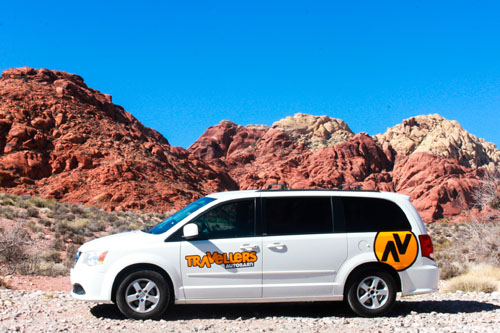
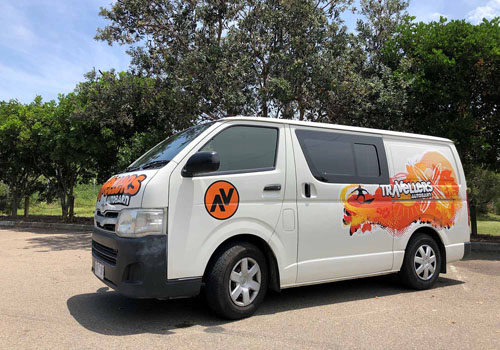
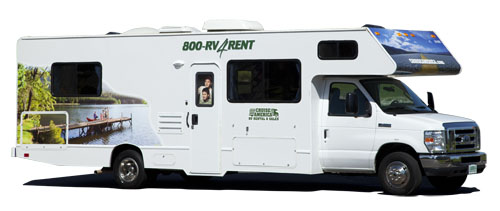
Class B - Camper Vans, averaging 5.8 meters (around 19 feet) in length, are highly versatile, providing excellent fuel efficiency (around 10 Liters/100 km for Bandana's fleet) and easy parking, making them ideal for exploring both cities and narrower park roads with your pets. While larger Class C - Alcove (avg. 7.5m or 25 feet) and Class A - Integrated (avg. 7.5m or 25 feet) RVs offer more spacious living, their size can be more restrictive on challenging mountain roads or in tight campgrounds. Consider "RV Rental in California - Prices and Best Deals 2024" to see options for different vehicle classes and find what suits your journey best.
Should I Choose a Compact Van Instead of a Large RV in California?
The choice between a compact van (Class B Camper Van) and a larger RV (Class C, SI, or A motorhome) in California ultimately depends on your travel priorities, as both can navigate the state effectively. A compact van offers significant advantages in maneuverability, fuel efficiency, and easier access to areas with tighter restrictions, such as some city centers or smaller state park roads. They are often ideal for couples or small families with a single pet looking for a more nimble adventure.
However, larger RVs provide enhanced comfort, more living space, better amenities (like full bathrooms and larger kitchens, perfect for preparing meals using our RV-friendly recipes playlist), and greater storage, which can be crucial for longer trips or larger groups traveling with multiple pets. While a compact van genuinely helps in very specific tight spots, the majority of California's popular RV destinations and campgrounds are well-equipped to accommodate larger RVs, making comfort and extended living space often a deciding factor. Remember, you can drive slowly and carefully in almost any RV size without issues.
Can I Park Anywhere? Free & Wild Camping Rules in California
In California, you cannot simply park a rented RV anywhere for overnight camping; free and wild camping are generally restricted to designated public lands. The best places for dispersed camping are usually found on Bureau of Land Management (BLM) and National Forest areas, which offer extensive opportunities for free camping across millions of acres. These areas often have specific regulations, including stay limits (typically 14 days in one spot), strict fire restrictions, and requirements to adhere to Leave No Trace principles to protect the environment.
Overnight parking in city limits, residential neighborhoods, or commercial parking lots (like Walmart) without explicit permission is usually prohibited and can lead to fines. Rules vary significantly by region and specific land management agency, so always check local regulations and follow local law before parking overnight, as the state actively enforces these restrictions. For finding campsites and campgrounds during your trip, we recommend using RV PLANET (rvplan.net) - a great resource for locating available spots along your route, including options for free camping.
Can I Drive an RV Into the City Center? Heights, Tunnels & Local Signage
Yes, you can generally drive a rented RV into most California city centers, but exercising caution and paying close attention to local signage is critical. Drivers must be especially vigilant for posted height limits on tunnels, parking garages, and low bridges, which can be common in older urban areas like San Francisco or downtown Los Angeles. Always verify your RV's height and width before attempting to navigate tight urban spaces.
Some cities may have specific environmental zones or vehicle size restrictions for certain streets or districts; always observe posted signs for such limitations. While driving into city centers is often possible, parking a large RV can be extremely difficult and expensive, making public transit from peripheral RV parks a more practical option for urban exploration. Remember: drive slowly and carefully, and you can drive almost anywhere without issues. No need to stress - just use common sense and pay attention.
How Much Does an RV Rental Trip in California Cost?
The cost of an RV rental trip in California varies widely based on RV class, rental duration, seasonality, fuel prices, campground fees, and chosen activities, ranging from budget-friendly to luxury experiences. Prices are dynamic, similar to flight tickets, changing daily based on availability and supplier decisions, with a week-long trip typically being the minimum rental duration.
Your budget should include the RV rental rate, estimated fuel costs (Bandana's fleet averages 10-17 Liters/100 km), campground fees (ranging from $20 for basic sites to $80+ per night for full hookups in popular parks), food, and any attraction entry fees. For instance, a "Luxury RV Rental in California - Premium Prices 2024" might have higher daily rates but offer more amenities. Hidden expenses might include insurance (you can upgrade to a top-level deductible for extra peace of mind), convenience fees, dumping fees, propane refills, and potential charges for exceeding mileage limits or late returns. For a budget-friendly trip, consider off-season travel, cooking most meals in your RV, utilizing free dispersed camping where allowed, and choosing smaller, fuel-efficient RV models like Class B Camper Vans. Always compare final prices across suppliers - what you see is what you pay, with no surprise fees at pickup.
What is the Best Time to RV in California?
The ideal time to RV in California depends significantly on your intended destinations, as the state offers incredibly diverse climates and experiences throughout the year. Winter (November-March) is best for exploring desert regions like Joshua Tree and Death Valley National Parks, as this avoids their extreme summer heat. During these months, coastal areas also offer milder temperatures and fewer crowds, perfect for a relaxing extended road trip.
Spring (April-May) and Fall (September-October) generally offer the most pleasant weather across much of the state, including coastal routes, wine regions like Napa Valley, and many state parks, making them excellent times for a comprehensive exploration. Summer (June-August) is perfect for mountain adventures in national parks like Yosemite and Sequoia, but be prepared for larger crowds and book campgrounds far in advance. Always be mindful of wildfire season, typically late summer and fall, which can lead to air quality issues and potential road closures, requiring checking local alerts and precautions.
Are There RV Size Restrictions on California's Scenic Routes (e.g., Big Sur)?
Yes, while California's standard RV length limit on most public roads is 40 feet, certain scenic routes, notably portions of Highway 1 through Big Sur, present significant challenges and de facto restrictions for larger RVs. The Big Sur section of Highway 1 is renowned for its narrow, winding roads, tight turns, and steep grades, which can be difficult and stressful for long RVs, such as larger Class A and Class C models.
Some state park campgrounds and specific overlooks along scenic byways may also have length restrictions for parking or access, necessitating prior research before your trip. Smaller RVs, such as Class B Camper Vans (averaging 5.8 meters or 19 feet) or Class SI Semi-integrated (averaging 6.9 meters or 22 feet), are generally more suitable and provide a more relaxed driving experience on these challenging routes. It’s always best to travel slowly, averaging a maximum of 100-150 km per day, allowing you to truly feel the place and navigate complex routes with ease.
Where Can I Boondock or Dispersed Camp in California?
Boondocking and dispersed camping in California are primarily permitted on Bureau of Land Management (BLM) and U.S. Forest Service (USFS) lands, offering extensive free camping opportunities for those seeking a more rugged experience. Popular regions for dispersed camping include large sections of the Mojave Desert, areas surrounding national parks like Joshua Tree (outside park boundaries), and numerous national forests such as Inyo, Lassen, and Sequoia.
Specific regulations, including stay limits (often 14 days in one spot), fire restrictions, and requirements for self-containment (like having your own water and waste tanks), vary by district and must be thoroughly researched for each intended location. Resources like iOverlander, Campendium, and official BLM/USFS websites provide valuable, up-to-date information on permissible sites, access routes, and Leave No Trace etiquette for responsible boondocking. Always practice common sense and pay attention to signage, and if you can't find a spot at the first campground, then the next one is probably just around the corner. Call ahead before driving.
Can I Travel with Pets in an RV in California?
Yes, traveling with pets in a rented RV is generally possible in California, making it an excellent destination for family adventures that include your furry friends. However, pet policies vary widely across campgrounds, parks, and attractions, requiring careful planning to ensure a smooth trip. Many private RV parks and some state park campgrounds are pet-friendly, typically requiring pets to be leashed, attended, and sometimes having breed or size restrictions.
National Parks often have stricter rules, generally allowing pets only in developed areas, on paved roads, and in campgrounds, but prohibiting them on most trails or in wilderness areas. Always confirm specific pet policies with each destination you plan to visit, including beaches, local parks, and businesses, as regulations vary significantly and can lead to fines if disregarded. With the "24' Class C Motorhome" and "29' Class C Motorhome" listed among our pet-friendly options, we ensure that your whole family, including your pets, can enjoy the Californian routes.
How to Prepare for Emergencies While RVing in California?
Emergency preparedness is crucial for RVers in California, given the potential for natural occurrences like earthquakes, wildfires, and occasional extreme weather events. Maintain a comprehensive emergency kit in your rented RV, including a well-stocked first-aid kit, ample fresh water, non-perishable food, flashlights, a NOAA weather radio, and a fire extinguisher. These items are necessities for peace of mind, not just luxuries.
During wildfire season (typically late summer and fall), stay informed via local news and fire agency alerts, have an evacuation route planned, and be ready to move your RV quickly if necessary. Familiarize yourself with earthquake safety: if driving, pull over safely; if parked, stay inside and secure loose items until the shaking stops, then inspect for damage and hazards. Being prepared helps ensure your week-long trip or extended road trip remains a fantastic adventure without undue stress.
What You Shouldn't Miss
- **Pacific Coast Highway (Highway 1) Drive**: Experience one of the most iconic drives in the world, stretching over 1,000 km along California's stunning coastline. Consider a smaller Class B Camper Van for sections like Big Sur, with its winding roads and dramatic cliffs.
- **Yosemite National Park**: Marvel at the towering granite cliffs of El Capitan and Half Dome, and the majestic Yosemite Falls. Book your RV campground well in advance during peak season, as spots are limited to 25-30% on a first-come, first-served basis for spontaneous travelers.
- **Explore the Southern California Deserts**: Visit Joshua Tree National Park in the cooler months (November-March) to witness its unique yucca trees and striking rock formations, offering excellent hiking and stargazing.
- **Redwood National and State Parks**: Drive among the world's tallest trees in Northern California. Find pet-friendly trails in designated areas and enjoy the awe-inspiring scale of these ancient giants.
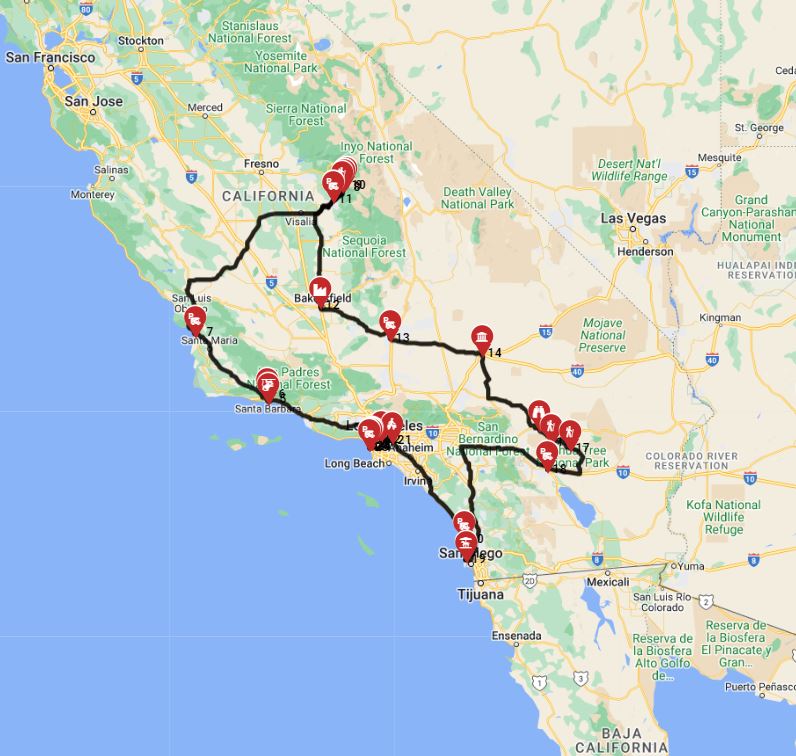
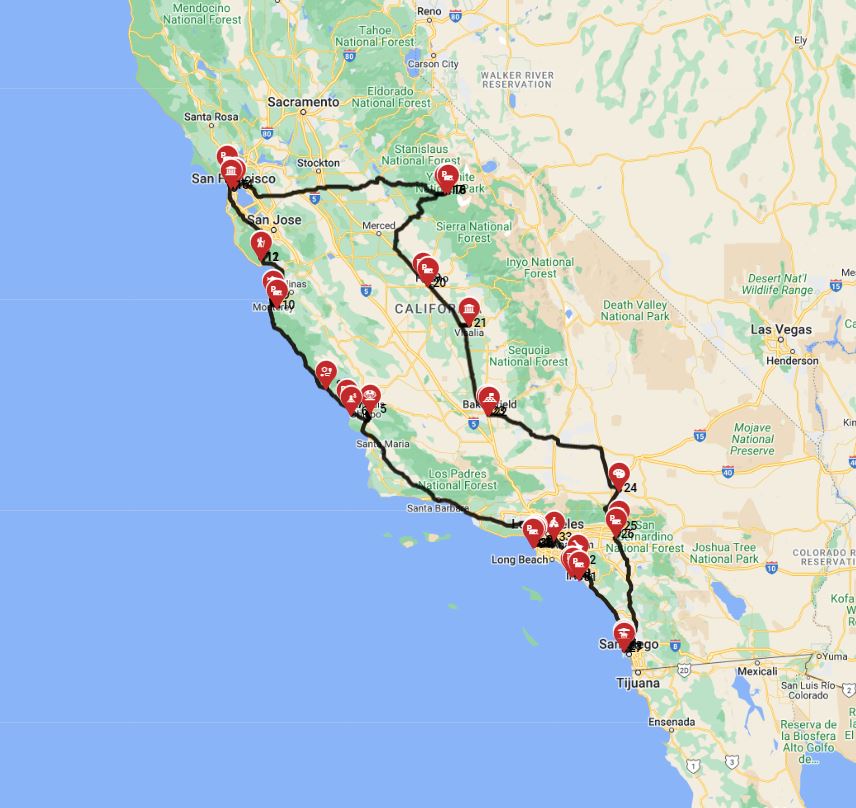
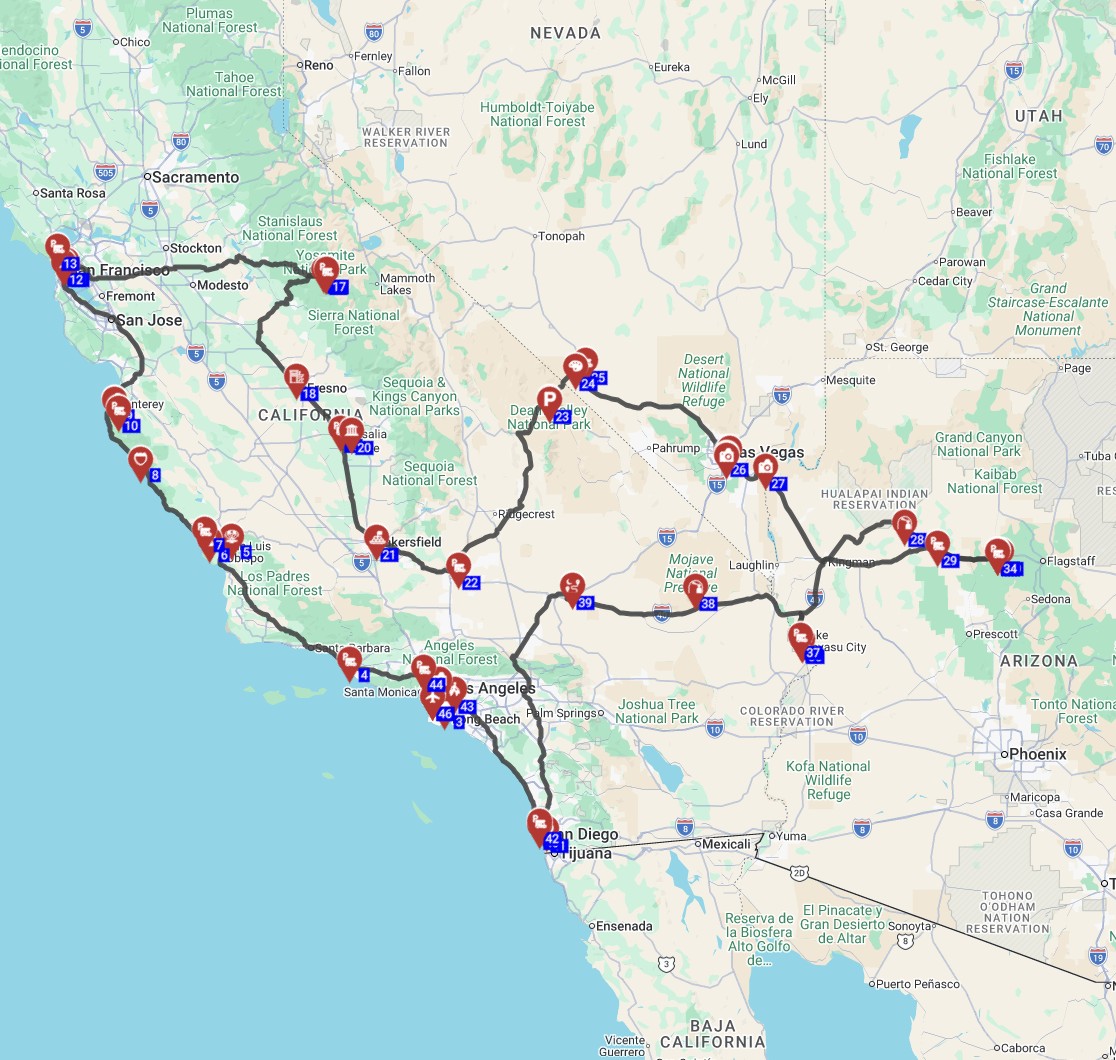
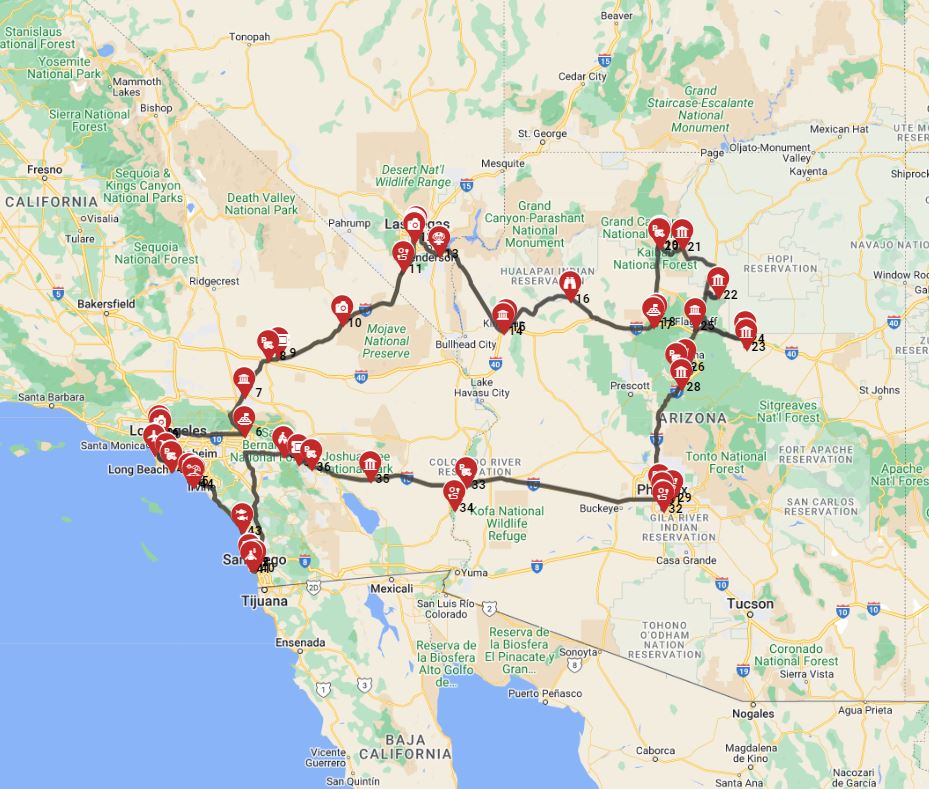
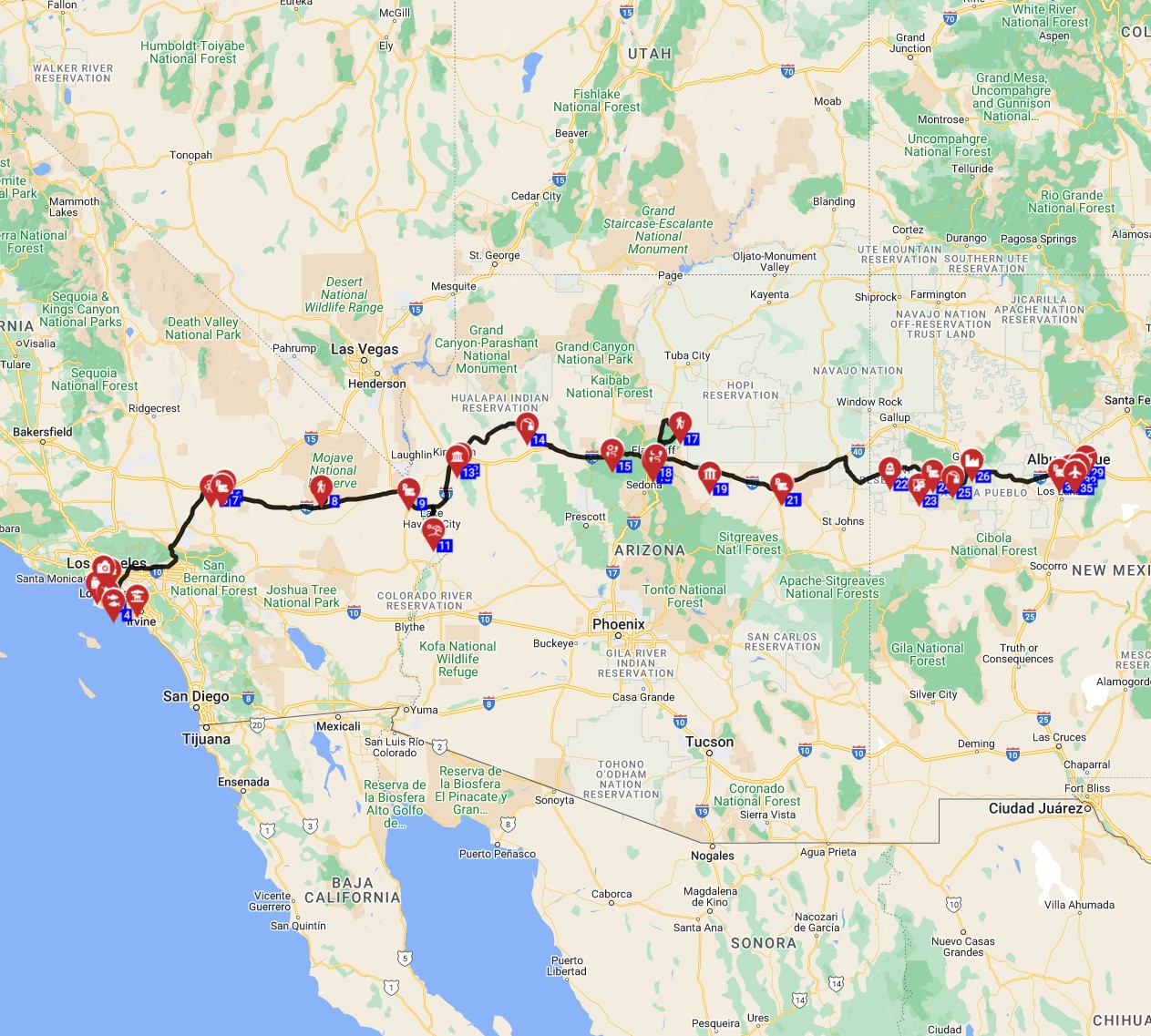
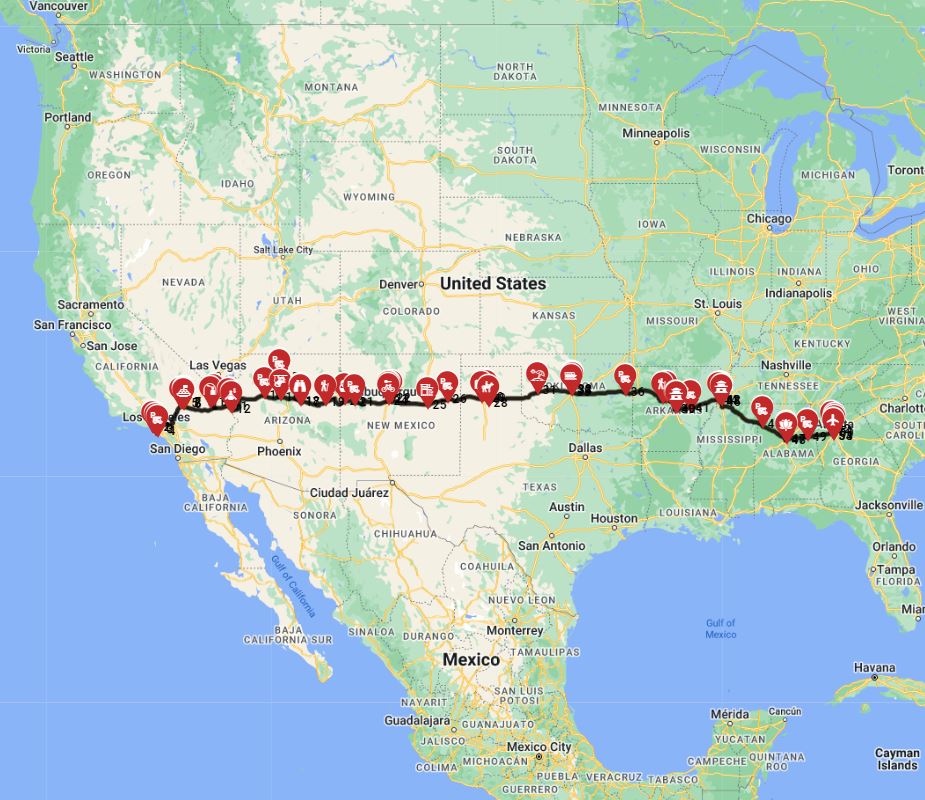
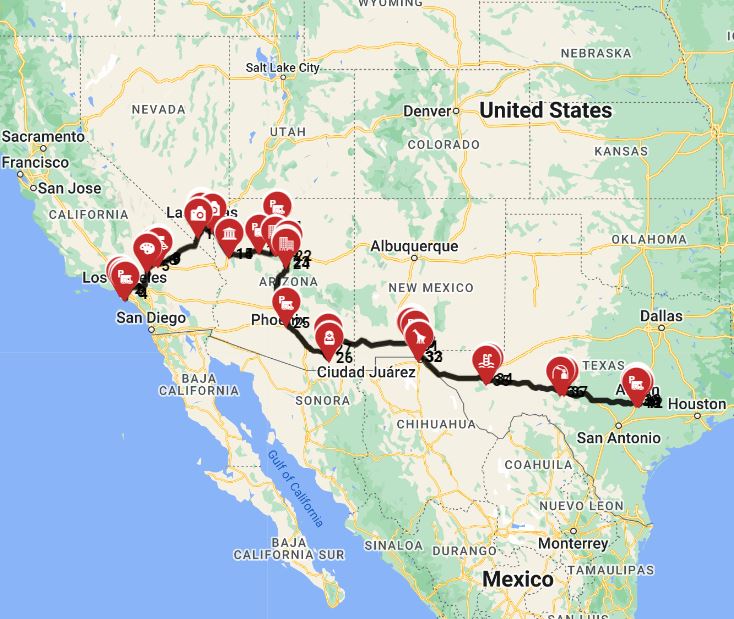
- **San Diego Beaches and Culture**: Enjoy the pet-friendly beaches and vibrant culture of San Diego. A "
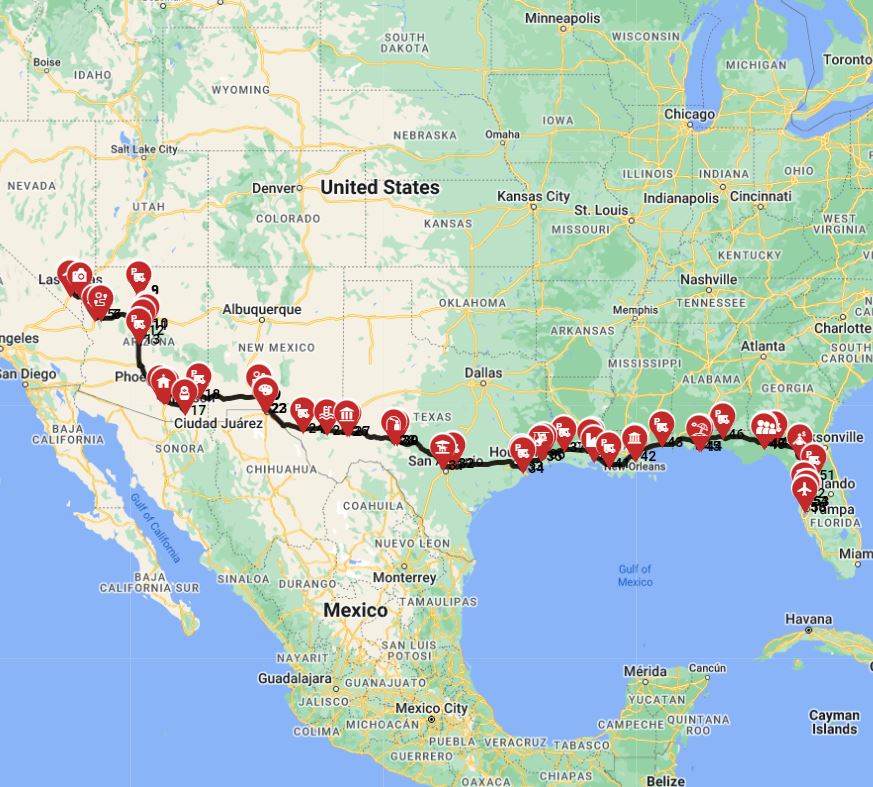
" route plan offers an 18-day, 3370.8 km journey that includes an aquarium, a zoo, and numerous hiking areas, making it perfect for families.
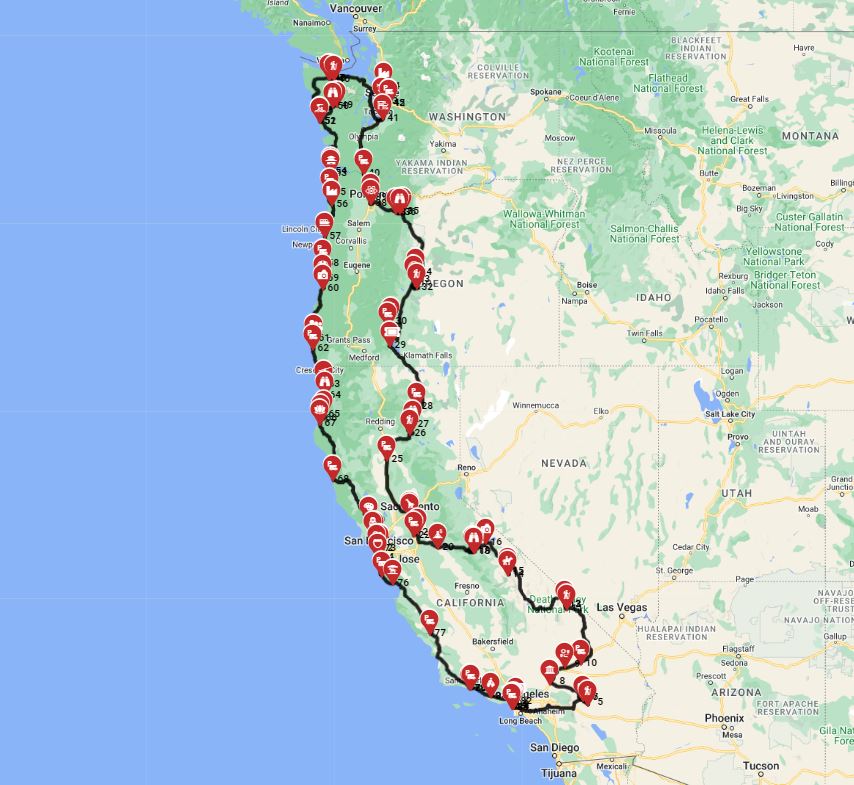
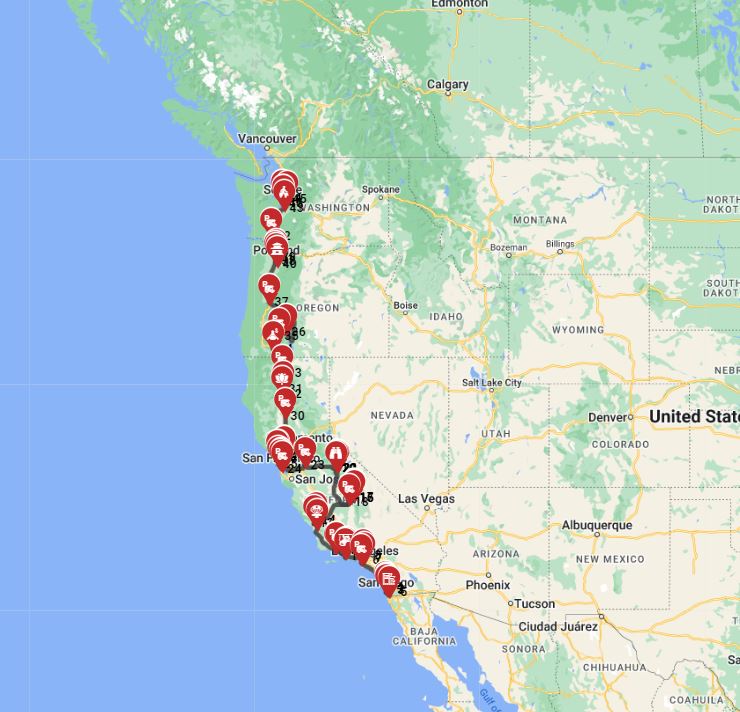 San diego to Seattle - California to the Pacific Northwest
 - **Wine Tasting in Napa and Sonoma**: Drive your RV through California's renowned wine country. Many vineyards offer RV parking, and some even welcome well-behaved pets in outdoor tasting areas.
Looking for expert insights from Avi Bandana? Top 5 Adventures - recommendations from Avi Bandana
Avi Bandana, our founder, personally recommends focusing on slow travel in California to truly soak in its diverse beauty. "Don't rush from one major city to the next," he advises. "Pick a region - be it the coast, the mountains, or the desert - and spend at least 4-5 days truly exploring it. Take time to feel the place, connect to the culture, the food, and the scenery. That's where the real magic of RV travel lies."
Final Thoughts
Exploring California with a rented RV, especially with your pets, promises an unforgettable journey filled with diverse landscapes and boundless freedom. From the towering redwoods to the vast deserts, and from vibrant cityscapes to serene coastal drives, the Golden State offers something for every type of traveler and their four-legged companions. Remember to plan your routes, especially considering RV size limits on scenic roads, and to always check local regulations regarding pet access and camping rules.
At Bandana RV, we're dedicated to making your adventure seamless and stress-free. With our full transparency, expert pre-planned routes from RV PLANET (rvplan.net), and commitment to supporting you before and during your booking, you can embark on your California road trip with confidence. So, gather your loved ones, pack your bags, and get ready to create lasting memories on the open road. The beauty of California awaits!