In This Guide
- Where to Camp in Zambia — Top Options
- Campground Types in Zambia (National, Private, Wild)
- Featured RV Park or Campground in Zambia
- Hookups & Amenities — What to Expect
- Booking Windows & Reservations in Zambia
- Nearby Supermarkets & Resupply Points
- Best RV Class for Camping in Zambia
- How to Save on Campgrounds in Zambia
- What is the best way to travel around Zambia?
- Is it safe to drive from South Africa to Zambia?
- Do you need a 4x4 for Zambia?
- What documents do I need to drive in Zambia?
- How much does it cost to rent a car in Zambia per day?
- What are the roads like in Zambia?
- How much is fuel in Zambia?
- Can you wild camp in Zambia?
- Is Zambia expensive for tourists?
- Can I drive from Zimbabwe to Zambia?
- Experiencing Local Culture and Off-the-Beaten-Path Destinations
- Comprehensive Emergency Preparedness for RVers in Zambia
Where to Camp in Zambia — Top Options
Zambia offers a diverse range of camping experiences, with most popular RV destinations located in or near its renowned national parks, such as South Luangwa and Lower Zambezi. Travelers can also explore private conservancies and picturesque spots along major river systems. While confirming specific pet-friendly campgrounds directly with operators is always best, many private campsites situated outside the immediate boundaries of national parks may accommodate pets. These often provide essential amenities like shaded areas and access to water, making them ideal for RV adventurers traveling with their furry companions. Key regions for RV exploration include the areas surrounding Livingstone, the gateway to Victoria Falls, the vast expanse of Kafue National Park, and the more accessible parts of the Luangwa Valley. It is crucial to always verify pet policies in advance, as national parks in Zambia typically enforce strict 'no pets' rules to protect the delicate wildlife ecosystems.
Campground Types in Zambia (National, Private, Wild)
Zambia offers three main categories of campgrounds for RV travelers: national park sites, private campgrounds, and, less commonly, opportunities for wild camping. National park campgrounds typically provide basic facilities and are geared towards maximizing wildlife viewing opportunities, but they almost universally prohibit pets to minimize disturbance to the sensitive ecosystem. Private campgrounds, often found just outside park gates or within conservancies, generally offer more developed amenities such as hot showers, on-site restaurants, and enhanced security. These are usually more accommodating of pets, provided arrangements are made in advance. Wild camping, or freedom camping, is largely discouraged and often illegal in Zambia due to significant safety concerns related to wildlife, land ownership complexities, and general safety, particularly when traveling with pets.
Featured RV Park or Campground in Zambia
While a specific featured RV park is not readily available, an ideal pet-friendly RV park in Zambia would boast features like secure, fenced areas to protect both travelers and pets from wildlife, especially in locations bordering national parks or wilderness areas. Essential amenities would include readily available, potable water sources and designated pet waste stations. For those seeking enhanced convenience, services such as on-site pet-sitting or clearly marked, safe pet walking trails would be a significant advantage. When selecting an RV park, prioritize locations that ensure reliable power, water, and fundamental sanitary facilities. Equally important is clear communication from the campground regarding local pet regulations and essential safety protocols for encountering wildlife. Good examples to look for would be private lodges or campsites situated just outside major towns like Livingstone or Lusaka, or those adjacent to national parks but explicitly permitting pets.
Hookups & Amenities — What to Expect
RV campsites in Zambia present a spectrum of hookups and amenities, ranging from very basic bush camps to more developed private lodges. Electricity, typically supplied at 220-240V with Type G or D sockets, is often available at private campsites, though availability might be restricted to specific hours or require adapters for European or US plugs. For RVs focused on boondocking, robust solar power systems are highly beneficial for remote areas. Water access for filling RV tanks is generally available at most established campsites, but it's crucial to confirm the water's potability and to carry personal purification solutions for any remote travel. Dump stations are less common than in more developed RV markets, so planning routes to include designated waste disposal sites or preparing for self-contained waste management is essential. Wi-Fi connectivity is typically limited to major towns and higher-end lodges; therefore, acquiring a local SIM card for mobile data is a practical solution for staying connected and navigating. Laundry services and hot showers are common amenities found in private campgrounds, significantly enhancing comfort during extended stays with pets. On the routes offered through RV PLANET routes, you can itemize and track every expense along the way for easy budgeting.
Booking Windows & Reservations in Zambia
For a pet-friendly RV rental trip to Zambia, booking accommodation in advance is highly recommended, particularly during the peak dry season, which runs from June to October, and for popular national park entry points. Travelers planning their trip should aim to reserve specific campsites several months ahead to guarantee availability. For those with more flexible schedules, spontaneous travelers can often find last-minute spots by calling ahead the same-day or the day before, especially in less-trafficked areas. It's important to note that many national park campgrounds release only about 25%–30% of their available spots for advance reservations, with the remainder allocated on a first-come, first-served basis. However, for pet-friendly travel, securing reservations at private camps often offers more flexibility and certainty. Always call ahead to confirm not only campsite availability but also the specific pet policy of the campground before embarking on your drive, as rules can vary significantly and are subject to change, ensuring a smooth and enjoyable journey with your canine companion.
Nearby Supermarkets & Resupply Points
Major towns in Zambia, such as Lusaka, Livingstone, and Kitwe, are home to well-stocked supermarkets, including popular chains like Shoprite and Pick n Pay. Here, RV travelers can find a wide variety of groceries and supplies to support their pet-friendly adventure. For those venturing into more remote areas, meticulous planning is crucial, as resupply points become considerably less frequent. This necessitates careful inventory management and a willingness to rely on smaller, local markets for essential items. When sourcing food, prioritize safely packaged items and always implement water purification methods, such as filters or chemical treatments, for any water obtained from non-municipal sources, especially during remote camping excursions. Local markets offer an excellent opportunity to acquire fresh produce and sample regional delicacies, but it’s advisable to practice good hygiene and inquire about local customs and food safety precautions.
Best RV Class for Camping in Zambia
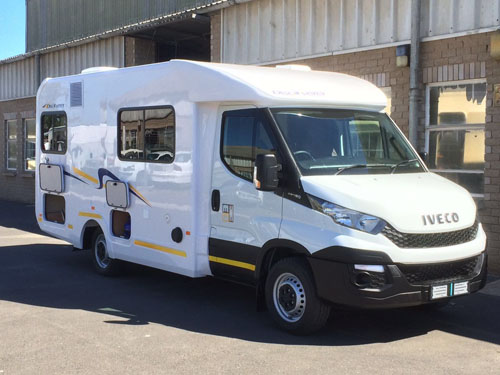
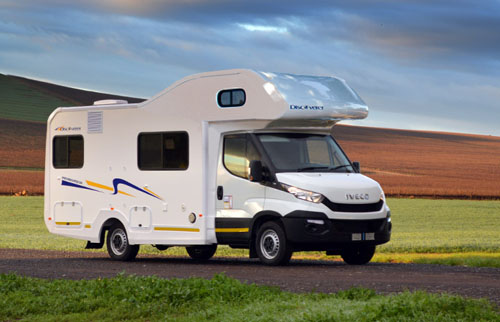
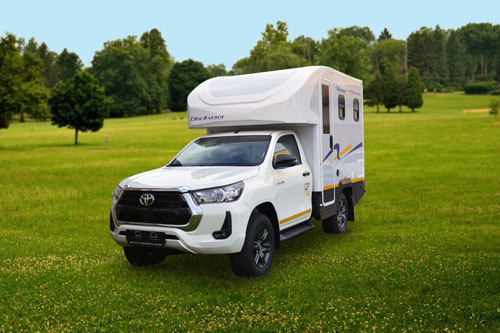
For those planning pet-friendly RV camping in Zambia, which frequently involves navigating varied terrain and potential off-grid stays, a Class TC - Truck Camper or a Class B - Camper Van are often the most suitable choices. Truck campers, typically averaging around 5.5 meters in length and designed to sleep 2.1 adults on a global fleet average, offer excellent off-road capability and maneuverability, making them ideal for adventurous couples or small groups traveling with pets. Camper vans, averaging approximately 5.8 meters in length and accommodating 2.7 adults, provide a good balance of comfort and agility, perfect for navigating narrower roads and offering a compact yet comfortable pet-friendly living space. While a Class SI - Semi-integrated RV, averaging 6.9 meters in length and accommodating 3.4 adults, can offer more interior space for longer trips or larger pets, their increased size might restrict access to very remote or challenging tracks, making them better suited for more established routes and managed campsites.
How to Save on Campgrounds in Zambia
To help manage costs for pet-friendly campgrounds in Zambia, consider utilizing any available campground discount cards, which can offer significant savings over the duration of your trip. Booking accommodations during the shoulder seasons, such as April-May or November, often results in lower rates and fewer crowds compared to the peak dry season, providing a more tranquil experience for both you and your pet. When possible, opt for municipal or regional campgrounds over private resorts, as they typically offer more basic facilities at a lower price point; however, always re-confirm their pet policies. Many campgrounds offer attractive weekly rates, so planning stays of three or more nights at a single location can lead to considerable cost savings. If traveling with companions, consider sharing hookup costs in a group, remembering that some campgrounds may implement additional charges for pets.
What is the best way to travel around Zambia?
An RV rental, particularly one equipped with 4x4 capabilities, offers the most flexible and immersive way to travel around Zambia, providing access to remote national parks and cultural sites while comfortably accommodating pets. RV travel grants the freedom to explore at your own pace, bypass rigid itineraries, and enable unique access to off-the-beaten-path destinations that typical tour groups often miss. Key considerations for this travel style include thoroughly understanding Zambia's varied road conditions and seasonal impacts on accessibility, and ensuring your RV is well-prepared for potential self-sufficiency, including robust navigation tools and reliable communication options. Packing specific RV/camping gear, such as essential recovery equipment, reliable water filters, and effective insect nets, is crucial for ensuring a comfortable and safe journey through the Zambian wilderness.
Is it safe to drive from South Africa to Zambia?
Driving an RV from South Africa to Zambia can be a safe and rewarding experience, provided you undertake thorough planning, ensure your vehicle is properly prepared, and maintain awareness of border procedures and the diverse road conditions you will encounter. The most common route involves crossing at the Kazungula Bridge, which generally offers efficient border procedures; however, a detailed understanding of required documents, fees (which are typically paid in local currency), and customs regulations for personal belongings and pet food is essential for RV travelers. Road conditions vary significantly, from well-maintained tarmac roads to challenging gravel and dirt tracks, necessitating preparation for potholes, frequent encounters with livestock, and the need to navigate police checkpoints with respect. Comprehensive emergency preparedness, including a well-stocked first-aid kit, knowledge of available medical services in remote areas, and clear protocols for roadside incidents or wildlife encounters, is paramount for a safe and enjoyable journey.
Do you need a 4x4 for Zambia?
For comprehensive exploration of Zambia, especially during the wet season or when aiming to access national parks and more remote areas, a 4x4 RV is highly recommended. While main roads connecting major cities are generally paved, routes leading to popular safari destinations like Kafue, South Luangwa, and many community-run campsites are unpaved, often rough, and can become impassable without 4x4 capabilities, particularly from November to April. A 4x4 RV significantly enhances safety and reliability, allowing you to confidently navigate sandy tracks, muddy sections, and rocky terrain, offering crucial peace of mind when venturing off the main arteries. Ensure your rented RV is equipped with essential recovery gear, such as a winch, sand ladders, and heavy-duty jacks, as these are particularly beneficial for tackling the challenging Zambian conditions.
What documents do I need to drive in Zambia?
To legally drive an RV in Zambia, visitors typically require a valid international driving permit (IDP) alongside their national driver's license. The vehicle's original registration documents and proof of comprehensive insurance are also essential. If your RV is rented, a letter of authorization from the rental company permitting cross-border travel is crucial, especially when entering Zambia from a neighboring country. For RVs imported into the country, a 'Carnet de Passage en Douane' (CPD) might be required for temporary admission of the vehicle, though rental companies usually handle this paperwork. Always ensure you have original copies of all necessary documents, including your passport and Zambian visa (if applicable), as border officials and police at checkpoints may request to see them.
How much does it cost to rent a car in Zambia per day?
While standard car rentals in Zambia can range from $50-$100+ USD per day depending on the vehicle type, an RV rental, particularly a 4x4-equipped one, typically incurs significantly higher costs. These prices reflect the RV's size, onboard amenities, and off-road capabilities. RV rental prices in Zambia fluctuate based on the class of vehicle, rental duration, season, and included features like camping gear or unlimited mileage packages, with daily rates generally starting from $150-$300+ USD. It’s important to factor in potential additional costs such as comprehensive insurance, border crossing fees if applicable, and the RV's fuel consumption (Bandana's global fleet average for a Class TC - Truck Camper is 12-17 Liters/100 km) into your overall travel budget. Be aware that some pet-friendly RV rentals or campgrounds may also levy an additional fee for bringing pets, so it's wise to inquire about these charges when comparing rental options.
What are the roads like in Zambia?
Zambia's road network is quite varied. Main arterial roads, such as the T1 and T2, are generally well-maintained and connect major cities. However, many routes leading to national parks and remote areas consist of gravel, dirt, or sand tracks, often presenting challenges, especially during the wet season from November to April. These secondary roads can be prone to deep potholes, corrugations, and erosion, requiring careful driving and a suitable vehicle. During the wet season, numerous unpaved roads can become muddy and entirely impassable, making a 4x4 vehicle and thorough planning absolutely essential; some park areas may also have seasonal closures. Drivers should always be prepared for encounters with livestock, pedestrians, and cyclists on all roads, exercising caution and defensive driving techniques, particularly outside of urban centers.
How much is fuel in Zambia?
Fuel prices in Zambia are generally comparable to or slightly higher than those in neighboring countries, making it crucial to budget for significant fuel consumption for an RV, especially for longer journeys. As of 2026, expect to pay approximately ZMW 25-30 per liter for both petrol and diesel, though these prices can fluctuate based on regional variations and international oil markets. Considering that Bandana's global fleet average fuel consumption for a Class SI - Semi-integrated RV is 10-11 Liters/100 km, and for a Class C - Alcove it's 10-12 Liters/100 km, distances covered quickly add up, so factoring this into your overall travel budget is key. Fuel stations are widely available in major towns and along main routes, but they become sparse in remote areas, so it's always advisable to top up your tank whenever possible and consider carrying extra fuel in jerry cans for extended bush travel.
Can you wild camp in Zambia?
While wild camping is not officially sanctioned in most areas of Zambia, it is generally discouraged due to significant safety concerns, the omnipresence of potentially dangerous wildlife, and varying land ownership laws. Consequently, opting for designated, established campgrounds or private conservancies is a safer and more responsible choice. Camping in undesignated areas can expose travelers and their pets to considerable risks from wildlife such as lions, elephants, and hippos, which roam freely beyond protected areas. Respecting private land or traditional tribal lands by avoiding unauthorized camping is also crucial to prevent legal issues or negative interactions with local communities.
Is Zambia expensive for tourists?
Zambia can be perceived as a moderately expensive destination, particularly for high-end safaris and luxury lodge accommodations. However, RV travel offers a distinctly more budget-friendly and immersive approach to exploring the country, effectively balancing comfort with significant cost savings on accommodation and meals. By renting an RV, travelers gain greater control over their food expenses through self-catering, often choosing local markets over dining out, and opting for more affordable campsites instead of costly lodges. RV travel also facilitates access to unique cultural sites and lesser-known national parks or community-run campsites that provide a deeper, more authentic Zambian experience away from the main tourist trails, frequently at a fraction of the conventional cost. While budgeting for activities such as national park entrance fees, guided safaris, and specific excursions remains essential, the inherent flexibility of an RV holiday allows for selective splurging while maintaining overall affordability. For ideas you can prep on the road, watch our RV-friendly recipes playlist on YouTube.
Can I drive from Zimbabwe to Zambia?
Driving an RV from Zimbabwe to Zambia is certainly feasible via established border crossings like Victoria Falls (connecting to Livingstone) or Chirundu. This journey requires thorough preparation of all vehicle documentation, necessary visas, and a clear understanding of customs procedures. Both border crossings are well-trafficked, but an in-depth understanding of the specific documents required for an RV (beyond standard vehicle paperwork), customs declarations for personal belongings and food, and the accepted currency for various fees is vital. Potential waiting times at borders can vary significantly, especially at Chirundu, so it's wise to allocate ample time for formalities and be prepared for thorough vehicle inspections. Crucially, ensure your RV rental agreement explicitly permits cross-border travel into Zambia and that all necessary permits and insurance extensions are in place before attempting the crossing with your pet.
Experiencing Local Culture and Off-the-Beaten-Path Destinations
RV travel in Zambia uniquely facilitates immersive local interactions and grants access to off-the-beaten-path cultural sites that lie beyond the typical tourist hubs. To truly enrich your experience, consider learning a few basic phrases in local languages like Bemba or Nyanja, observing cultural etiquette such as dressing respectfully (especially in rural areas), and understanding local customs, including appropriate tipping practices. Seeking out community-run campsites, visiting local villages (always with respect and prior permission), and exploring lesser-known national parks like Kasanka or Liuwa Plain can offer distinct cultural encounters and unique wildlife viewing opportunities. Your RV provides the independence needed to venture into areas where vibrant local markets thrive, allowing for authentic engagement and the chance to savor local produce and delicacies.
Comprehensive Emergency Preparedness for RVers in Zambia
Comprehensive emergency preparedness is absolutely vital for RVers venturing through Zambia, covering a range of scenarios from vehicle breakdowns to medical emergencies and unexpected wildlife encounters in remote areas. Your RV emergency kit should ideally include a robust first-aid kit, reliable satellite communication devices (particularly essential where mobile signal is absent), extra water, fuel, and non-perishable food supplies. It's important to understand the correct protocols for dealing with wildlife encounters near campsites, such as diligently securing all food, keeping pets leashed and supervised, and knowing how to react appropriately to potentially dangerous animals. Familiarizing yourself with the locations of the nearest medical facilities along your planned route and having a contingency plan for vehicle recovery or assistance in case of a breakdown, especially when venturing into very remote regions, are critical steps for a safe and secure journey.
What You Shouldn't Miss
- Victoria Falls (Mosi-oa-Tunya): Witnessing the sheer power and mist of one of the world's largest waterfalls from various viewpoints is essential. Consider a sunrise or sunset viewing for added magic.
- South Luangwa National Park: Renowned for its exceptional walking safaris and abundant wildlife, especially leopards. Explore its unfenced campsites for an immersive wilderness experience.
- Lower Zambezi National Park: Ideal for canoeing safaris on the Zambezi River, offering unique perspectives on wildlife and stunning scenery, often accessible by RV with careful planning.
- Kafue National Park: One of Africa's largest parks, offering diverse landscapes and excellent game viewing, including predators and large herds, accessible via varied road conditions.
- Lake Kariba: Explore the vast man-made lake, perhaps with a boat trip, and experience the unique atmosphere of its submerged forests, a stark reminder of human impact on nature.
- Cultural Village Visits: Beyond wildlife, engage with local communities by respectfully visiting villages to learn about traditions, daily life, and perhaps share a meal, enriching your understanding of Zambia.
Final Thoughts
Embarking on an RV adventure in Zambia offers an unparalleled opportunity to connect with nature, culture, and yourself. The freedom of the open road, coupled with the unique landscapes and wildlife of this incredible country, promises an unforgettable journey. Remember, thorough planning, flexibility, and a spirit of adventure are your best companions.
With Bandana Caravan, you're not just booking an RV; you're starting a well-supported journey. Our expertise ensures you have the right vehicle for Zambia's demands, whether you're navigating the scenic routes or settling into a remote campsite. Let us help you craft an itinerary that perfectly balances adventure with comfort, making your Zambian RV exploration a truly exceptional experience.
Discover the magic of Zambia from the comfort and convenience of a rented RV. Get inspired for your next trip and start planning your ultimate African adventure today!