In This Guide
- Where to Camp in North Canada - Top Options
- Campground Types in North Canada (National, Private, Wild)
- Featured RV Park or Campground in North Canada
- Hookups & Amenities - What to Expect
- Booking Windows & Reservations in North Canada
- Nearby Supermarkets & Resupply Points
- Best RV Class for Camping in North Canada
- How to Save on Campgrounds in North Canada
- Where can I park my RV for free in Canada?
- Can a US citizen take a dog into Canada?
- Can you park up anywhere in an RV in Canada?
- What is the 3-3-3 rule for RV camping?
- Can a US citizen go camping in Canada?
- How much does it cost to park an RV in Canada?
- Can you leave your dog unattended in an RV at a campground?
- Where can I camp with my dog in Canada?
- Do you need to book campsites in Canada?
- Safety Tips for Pet-Friendly RVing in Northern Canada
- Top Cities for RV Rental in North Canada
- Driving Your RV in North Canada - Local Tips
- RV Rental Licensing in North Canada - What You Need to Know
- What You Shouldn't Miss
- Why Book with Bandana Caravan
- Final Thoughts
- Frequently Asked Questions
Where to Camp in North Canada - Top Options
Kluane National Park and Reserve in Yukon offers stunning scenery, with numerous trails, many of which are pet-friendly when dogs are kept on a leash. Visitors can find several campgrounds within the park, such as Kathleen Lake or Pine Lake, providing a mix of services in a world-renowned wilderness setting where a rented campervan can feel right at home. Tombstone Territorial Park in Yukon, known for its dramatic peaks and vibrant fall colors, features basic campgrounds and extensive backcountry opportunities perfect for adventurous RVers and their pets, emphasizing Leave No Trace principles. Additionally, provincial parks in Northern BC and Alberta, like Stone Mountain Provincial Park (BC) or Kakwa Provincial Park (BC/AB border), provide access to beautiful landscapes and varying levels of RV amenities, often including designated pet areas. Finding your ideal pet friendly rv rental in North Canada can open up these stunning destinations.Campground Types in North Canada (National, Private, Wild)
Northern Canada presents a variety of camping experiences, each with distinct features suitable for your rented motorhome and pet. National and Territorial Parks offer designated campgrounds with amenities ranging from basic dry camping, where you're self-sufficient, to partial hookups, which can include power and water. Pets are generally allowed on leash in campgrounds and on many trails, but specific restrictions may apply in sensitive wildlife areas or inside buildings, so always check local signage. Provincial Parks across Northern British Columbia, Alberta, Saskatchewan, and Manitoba similarly provide structured camping, with strict rules regarding pets, fire pits, and quiet hours to ensure everyone's enjoyment. For those seeking more comfort, private campgrounds, often located in or near communities, typically offer the most amenities, including full hookups, Wi-Fi, laundry facilities, and hot showers, some even boasting specific pet policies like dog parks or designated walking areas, though breed restrictions may occasionally apply. Finally, boondocking or dispersed camping on Crown Land, which is public land available for recreational use, offers extensive opportunities for free camping in Northern Canada. However, specific regulations vary by province/territory and land designation, so always confirm local rules and watch for 'No Camping' signs; safety is paramount due to the remoteness and prevalent wildlife, like bears and wolves. Ensure you carry adequate supplies, including extra water, food, and fuel, and consider a satellite communication device due to limited cell service, especially when venturing off main routes. For finding campsites and campgrounds during your trip, we recommend using RV PLANET (rvplan.net) - a great resource for locating available spots along your route.Featured RV Park or Campground in North Canada
When selecting a featured RV park or campground in Northern Canada, prioritize locations that are specifically pet-friendly, offering designated walking areas, waste stations, and proximity to trails where dogs are permitted. For example, a campground near Whitehorse, Yukon, or Yellowknife, NWT, might offer a desirable balance of accessibility to town services and direct access to natural landscapes, ensuring both human and furry adventurers are catered for. A good featured park will also provide up-to-date information on local wildlife safety, weather conditions, and road conditions, which are critical considerations for Northern travel. Knowledgeable staff at such locations can offer valuable insights into the unique challenges and opportunities of the region, enhancing your experience with a rented mobile home. Remember to pack any essential pet supplies, such as pet food, a leash, and bowls, as specialty items might be harder to find in remote Northern Canada.Hookups & Amenities - What to Expect
When renting an RV for your North Canada adventure, understanding available hookups and amenities is key to a comfortable trip. Most serviced sites in Northern Canadian campgrounds offer 15, 30, or occasionally 50-amp electrical hookups (120V standard) for your rented camper, though more remote territorial parks may only provide unserviced or partial hookup options. Always ensure your RV has the correct adapters for various amp services. Potable water hookups are common in private campgrounds and many provincial and national park sites. Dump stations are typically available at serviced campgrounds and some rest stops, but planning your route carefully is essential, as long stretches between services are common in the North. Wi-Fi is generally limited to private campgrounds, hotels, or specific community hotspots, and cell service is often sparse outside of major towns and along primary highways; therefore, considering a satellite communication device for remote areas is highly recommended. Other amenities like laundry facilities and hot showers are frequently found in private campgrounds and larger provincial/national parks, but their availability decreases significantly as you venture into more remote regions, necessitating self-sufficiency. Prepare your rented RV for potential cold weather camping, as temperatures can drop unexpectedly even in summer.Booking Windows & Reservations in North Canada
Booking campsites in popular national and territorial parks in Northern Canada is highly recommended for those who like to plan everything in advance, especially for peak summer months like July and August. Reservation windows typically open several months ahead, often in the spring. However, many national park campgrounds only release about 25%-30% of their spots for advance reservations, leaving the majority available on a first-come, first-served basis, which offers considerable flexibility for more spontaneous travelers. You will almost certainly find a spot during your trip, even if not at the first campground, then the next one, particularly in less populated Northern regions. For peace of mind, especially when traveling with pets in a rented motorhome, calling ahead before driving long distances to a campground is always advisable to confirm availability. Private campgrounds generally have more open spots, but it's still prudent to book a few days ahead during high season. Embrace the spontaneity of Northern travel, but always have a backup plan for your overnight stays. Our 25% Planning Discount on RV PLANET (rvplan.net) can help you create and manage your route plans with ease.Nearby Supermarkets & Resupply Points
In North Canada, major resupply points for your pet-friendly RV trip are typically concentrated in larger communities like Whitehorse (Yukon), Yellowknife (Northwest Territories), or Dawson Creek (Northern BC), where you'll find chain supermarkets such as Real Canadian Superstore, Co-op, or Independent Grocer. Smaller communities often feature general stores or "Northern stores" with more limited selections and higher prices, which is a crucial consideration for budgeting. It is vital to stock up on all your essentials, including pet food, groceries, and especially fuel, in these larger centers before embarking on remote legs of your journey. Fuel availability can be sparse between towns, so always top up your rented motorhome's tank whenever possible, and consider carrying extra fuel if venturing off main routes. Being prepared with all your provisions, including an ample supply of fresh water and food for you and your pet (perhaps even trying some new RV-friendly recipes playlist), will make your adventure smoother and more enjoyable. Remember that on RV PLANET routes, travelers can itemize and track every expense along the way for easy budgeting.Best RV Class for Camping in North Canada
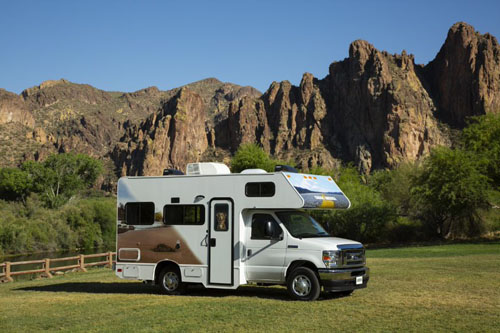
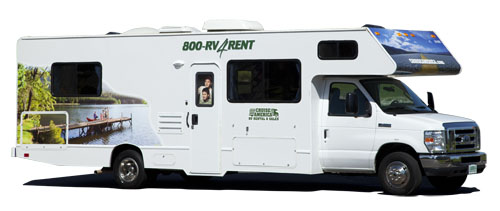
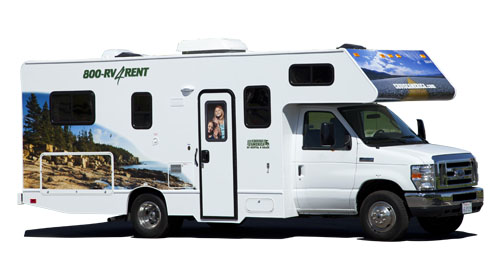
For pet-friendly RV camping in the diverse and often rugged terrains of Northern Canada, the Class B - Camper Van and Class C - Alcove motorhomes offer excellent versatility. Class B - Camper Vans, like Bandana's "Active Original" or "Juliette 2-3" models, which average 5.8m in length and sleep 2-3 people with common fuel consumption around 10 Liters/100 km, are ideal for navigating narrower roads and accessing more remote boondocking sites. Their compact size makes them easier to drive and park, which is particularly beneficial on Northern gravel roads and in smaller communities. A "Combi Van" also fits this class, offering sleeping for 4 in 5m length. Class C - Alcove motorhomes, such as Bandana's "24' Class C Motorhome" (7.46m length, sleeps 5-6), or a "Comfort Family" model, provide a comfortable balance of space and maneuverability. These Class C motorhomes, often around 7.0-9.0m in length and sleeping 4-7, offer more living area for pets and passengers, making them suitable for longer trips. Their increased storage capacity is also a significant plus for carrying the extra supplies needed for remote Northern travel. For example, a "29′ Class C Motorhome" offers a fresh water tank of 158 Liters and a waste water tank of 113 Liters, providing extended self-sufficiency. Drive slowly and carefully, and you can drive almost anywhere without issues. No need to stress - just use common sense and pay attention.How to Save on Campgrounds in North Canada
One of the most effective ways to save on campground fees in Northern Canada is by utilizing campground discount cards, which can offer significant savings on nightly rates at many participating parks. Another smart strategy is to book your rented RV trip during the shoulder season, typically May-June or September-October. During these months, you'll often find lower rates and fewer crowds compared to peak summer (July-August), though some services might be reduced and weather can be more unpredictable. Choosing municipal or regional campgrounds over private resorts frequently provides a more budget-friendly option, with many still offering essential amenities like water access and dump stations. If your itinerary allows, staying 3 or more nights at a single location can unlock weekly rates, which are typically more cost-effective than daily rates. Additionally, if traveling with another RV group and permitted by the campground, consider sharing hookups at "buddy sites" to split costs. Full transparency in pricing means you always know what you're paying for when you book your pet friendly rv rental in North Canada through Bandana.Where can I park my RV for free in Canada?
In Canada, RVers can primarily park for free on Crown Land, which is public land managed by provincial or territorial governments and is particularly abundant in Northern regions. This is permitted as long as there are no explicit 'No Camping' signs and you adhere to local regulations and Leave No Trace principles, which prioritize environmental preservation. Designated rest stops and some large retail parking lots, like Walmart, may also allow overnight RV parking, though this is less common or regulated in remote Northern areas compared to busier southern regions. Always research specific provincial or territorial rules regarding Crown Land camping, as regulations can vary significantly (e.g., length of stay limits, fire restrictions, or permits required in certain areas) to ensure compliance and avoid fines while enjoying your rented motorhome.Can a US citizen take a dog into Canada?
Yes, a US citizen can take a dog into Canada for an RV trip, provided they meet specific import requirements set by the Canadian Food Inspection Agency (CFIA), which primarily focus on rabies vaccination. The dog must be at least three months old and possess a valid rabies vaccination certificate. This certificate, signed by a licensed veterinarian, must clearly identify the animal and state the vaccine's date and duration of immunity, typically 1-3 years. While generally not required for personal pets from the US, an international health certificate from a vet issued within 48 hours of travel is advisable for extra peace of mind and can help expedite border crossings when entering North Canada with your rented RV.Can you park up anywhere in an RV in Canada?
No, you cannot generally park up anywhere in an RV in Canada; free parking and overnight stays are restricted and subject to specific land-use rules, especially in populated or protected areas. While boondocking on Crown Land is a legal option in many remote Northern areas for your rented RV, private property, municipal parks, and clearly marked 'No Overnight Parking' zones are strictly off-limits without explicit permission. Always verify local regulations, particularly when considering roadside stops or urban parking in North Canada, as violations can result in fines or towing. Drive slowly and carefully, and you can drive almost anywhere without issues. No need to stress - just use common sense and pay attention.What is the 3-3-3 rule for RV camping?
The '3-3-3 rule' for RV camping is a popular guideline designed to promote safe and enjoyable travel by suggesting you travel no more than 300 miles (approximately 480 km) per day, arrive at your destination by 3 PM, and stay for at least 3 nights. This rule helps prevent driver fatigue, allows ample time for setup and relaxation at each campground, and provides a deeper experience of each location, rather than rushing through your trip in North Canada. Adhering to this rule is particularly beneficial in Northern Canada, where distances between services are vast, and unexpected road conditions like gravel sections or frost heaves can significantly slow travel. For optimal enjoyment and a deeper connection to the local culture and scenery, we always recommend slow travel, aiming for a maximum of 100-150 km per day on average in your rented motorhome.Can a US citizen go camping in Canada?
Yes, US citizens are most welcome to go camping in Canada, provided they meet standard Canadian entry requirements, including a valid passport and any necessary travel authorizations. Campers must also adhere to all Canadian federal, provincial, and territorial park regulations, which include rules on campfires, wildlife interaction (especially important in North Canada), waste disposal, and pet policies. It's advisable to check the latest travel advisories and border crossing information from the Canadian Border Services Agency (CBSA) before planning your trip, particularly for any changes in entry protocols, ensuring a smooth entry for your pet friendly rv rental in North Canada.How much does it cost to park an RV in Canada?
The cost to park a rented RV in Canada varies widely, ranging from free for dispersed camping on Crown Land to $20-70+ CAD per night for serviced sites in private or national/provincial park campgrounds. Factors influencing the cost include the level of hookups (power, water, sewer), amenities offered (showers, laundry, Wi-Fi), location (urban versus remote), and seasonality (peak summer rates are generally higher). In remote Northern Canada, while some basic territorial campgrounds might be more affordable or even free, fuel and other supplies can be significantly more expensive, impacting overall trip costs. Comparing final prices across suppliers with Bandana ensures you always see what you pay, with no surprise fees at pickup for your pet-friendly RV.Can you leave your dog unattended in an RV at a campground?
Campground rules on leaving dogs unattended in an RV vary significantly across North Canada, with many discouraging or explicitly prohibiting it, especially if the dog barks excessively, becomes distressed, or if outdoor temperatures pose a risk to the animal's health. Always check specific campground policies upon arrival, as some may have quiet hours rules or require you to be within a certain distance of your rented RV at all times. In Northern Canada, leaving a dog unattended can also pose significant safety risks, as tempting wildlife like bears or foxes with smells or attracting them with noise could lead to dangerous encounters for your pet and other campers. It's always best to keep your pet close and supervised, especially in wilderness areas.Where can I camp with my dog in Canada?
Most national and provincial parks in Canada, including those in North Canada, allow dogs on leashes in designated campgrounds and on many trails, making them excellent choices for pet-friendly camping. Always adhere to leash laws, which typically stipulate a 2-meter maximum length, and conscientiously pack out all pet waste to maintain the pristine environment. Look for specific pet-friendly trails or off-leash areas if available, as some sensitive ecological zones or shared facilities, such as visitor centers, may restrict pets. Private RV parks and campgrounds frequently cater to pets, often offering specific amenities like dog parks or waste stations, though they may have breed or size restrictions, so it's always best to call ahead to confirm their policies before you arrive with your rented motorhome. Consider exploring the "Family RV Rental in North Canada - Pricing Guide 2026" for options suitable for your entire family, including pets.Do you need to book campsites in Canada?
While spontaneous camping is certainly possible, especially in the vast and less populated regions of Northern Canada, it is highly recommended to book campsites in advance for popular national or provincial parks during peak season, typically July and August. Booking is often essential for guaranteed spots in high-demand areas, where sites can fill up minutes after reservation systems open. For more remote Northern campgrounds or during shoulder seasons (May-June, September-October), first-come, first-served sites are often available, offering flexibility for your pet-friendly RV adventure. However, calling ahead to confirm availability is always a good practice, particularly when traveling with a pet, to avoid disappointment after a long drive. You will find a spot. If not at the first campground, then the next one.Safety Tips for Pet-Friendly RVing in Northern Canada
RVing in North Canada with your pet requires thoughtful preparation due to the remote nature of the region. Wildlife preparedness is crucial, as Northern Canada is bear country. Store all food and scented items in bear-proof containers, carry bear spray (and know how to use it), and always keep your dog on a leash to prevent unintended wildlife encounters. Never let your pet chase or approach any wild animals. Expect vast areas with limited or no cell service, making it essential to invest in a satellite communication device, such as an InReach or Spot device, for emergencies and check-ins. Vehicle preparedness is also paramount: Northern roads can be challenging, featuring long stretches of gravel, dust, and frost heaves, so ensure your rented RV is in excellent condition, carry spare tires, a comprehensive repair kit, extra fuel, and coolant. Familiarize yourself with basic maintenance tasks before you depart. Always pack a comprehensive emergency kit, including first-aid supplies for both humans and pets, extra food and water for several days, blankets, warm clothing, a powerful flashlight, and a fire starter. Lastly, prioritize your pet's safety by protecting their paws from rough terrain or hot surfaces, ensuring they have access to fresh water and shade, and keeping them cool inside the RV, especially during warmer days.Top Cities for RV Rental in North Canada
For those looking to explore North Canada with a rented motorhome or campervan, several cities serve as excellent starting points, offering convenient pick-up locations and access to essential services before heading into the wilderness. These hubs are also often featured in "RV Rental Deals in North Canada - Latest Offers 2026".- **Whitehorse, Yukon:** As the capital of Yukon, Whitehorse is the largest city in Northern Canada and a primary gateway for adventurers. It offers numerous RV rental options and is perfectly situated for trips into Kluane National Park or up the Dempster Highway.
- **Yellowknife, Northwest Territories:** Located on the Great Slave Lake, Yellowknife is the capital of the NWT and provides access to vast northern landscapes, including opportunities for Aurora Borealis viewing during the right seasons. It's an ideal base for exploring the unique ecosystem of the sub-Arctic.
- **Dawson City, Yukon:** Rich in Klondike Gold Rush history, Dawson City is a vibrant, pet-friendly town offering a fascinating blend of historical attractions and access to remote routes. It's a popular stop for RVers traveling the Top of the World Highway.
- **Fort St. John, British Columbia:** Situated in the Peace River region of Northern BC, Fort St. John is a significant service center along the Alaska Highway. It's a great spot to stock up your rented caravan before venturing further north into more remote areas.
- **Grande Prairie, Alberta:** As a major city in northwestern Alberta, Grande Prairie offers comprehensive services and is a gateway to the northern Rockies and provincial parks like Kakwa, making it a good starting point for exploring the less-traveled parts of Alberta and BC.
- **Prince George, British Columbia:** Positioned in the geographical center of BC, Prince George is a large city that acts as a northern hub, providing access to routes leading into both the interior and northern parts of the province.
Driving Your RV in North Canada - Local Tips
Driving a rented RV in North Canada offers a unique experience, but it comes with specific considerations. Canada drives on the right side of the road, and speed limits are posted in kilometers per hour, typically ranging from 50 km/h in urban areas to 90-100 km/h on highways. When it comes to navigating cities, drive slowly and carefully, and you can drive almost anywhere without issues. No need to stress - just use common sense and pay attention. Remote stretches mean fuel stations can be few and far between, so always fill up your tank whenever possible, especially before embarking on long distances. Parking your rented motorhome is generally easier outside major towns; in smaller communities or national/provincial parks, designated RV parking is usually available. For international visitors, while a standard driver's license from your home country is sufficient, an International Driving Permit (IDP) is recommended for easier identification in non-English-speaking situations, though it is not strictly mandatory. Always be prepared for wildlife crossings, as animals like moose, bears, and caribou are common on Northern roads. For a deeper dive into the region's attractions, check out "RV Travel Guide to North Canada - Tips and Top Spots 2026".RV Rental Licensing in North Canada - What You Need to Know
For a pet-friendly RV rental in North Canada, the licensing requirements are straightforward: a standard car driver's license is sufficient for driving all motorhome classes, including Class A, Class B, and Class C. You will not need a special commercial driver's license (CDL) or any additional permits. For visitors from non-English-speaking countries, an International Driving Permit (IDP) is highly recommended. While it's not mandatory in most cases, an IDP, which translates your existing license into multiple languages, can greatly simplify interactions with local authorities and rental agencies, making your journey smoother. The minimum rental age for a motorhome in North Canada is 21 years old, and there are no young driver surcharges or vehicle class restrictions based on age, ensuring accessibility for a wide range of travelers.What You Shouldn't Miss
- **Explore Kluane National Park and Reserve (Yukon):** Hike scenic trails like the King's Throne or Soldier's Summit with your leashed pet, marvel at vast glaciers, and spot incredible wildlife such as Dall sheep and grizzly bears.
- **Drive the Dempster Highway to Tuktoyaktuk:** Conquer Canada's only public road that crosses the Arctic Circle, leading you all the way to the Arctic Ocean, an epic journey best experienced with a well-prepared rented motorhome.
- **Relax at Liard River Hot Springs Provincial Park (BC):** Unwind in natural, rustic hot springs nestled in a beautiful boreal forest, a truly unique and rejuvenating stop along the Alaska Highway.
- **Pan for Gold in Dawson City (Yukon):** Immerse yourself in Klondike Gold Rush history by trying your hand at gold panning in local creeks or designated areas, perhaps even striking it rich near your RV park.
- **Witness the Aurora Borealis:** Visit during the shoulder seasons (late August to early April) in the Yukon or Northwest Territories for the best chances to witness the mesmerizing Northern Lights dancing across the Arctic sky.
🎬 Video coming soon
Looking for expert insights from Avi Bandana? Top 5 Adventures - recommendations from Avi Bandana
Final Thoughts
Traveling North Canada with a pet-friendly RV is an adventure unlike any other, offering a unique blend of wild landscapes and incredible freedom. With careful planning and the right information, you and your furry companion can create cherished memories that will last a lifetime. From exploring vast national parks to chasing the Northern Lights, a rented motorhome provides the perfect mobile base for your journey. Remember, Bandana RV is here to support you every step of the way, from comparing final prices across suppliers to offering robust pre-planned route plans with RVPLAN.NET. We handle the details, so you can focus on living the journey and discovering the majestic beauty of North Canada with your best friend. Ready to start your pet-friendly RV adventure in North Canada? Discover top destinations, planning tips, all in one place! Find the perfect motorhome for your family and canine companion today.On the routes offered through RV PLANET routes, you can itemize and track every expense along the way for easy budgeting.