In This Guide
- Where to Camp in Japan - Top Options
- Campground Types in Japan (National, Private, Wild)
- Featured RV Park or Campground in Japan
- Hookups & Amenities - What to Expect
- Booking Windows & Reservations in Japan
- Nearby Supermarkets & Resupply Points
- Best RV Class for Camping in Japan
- How to Save on Campgrounds in Japan
- Can I sleep in my car anywhere in Japan?
- Is it easy to drive an RV in Japan?
- Do I need an international driving permit to drive in Japan?
- How much does it cost to rent a campervan in Japan?
- Is Japan RV friendly?
- Are pets allowed in RV rentals in Japan?
- What should I pack for an RV trip in Japan?
- What are Michi-no-Eki?
Where to Camp in Japan - Top Options
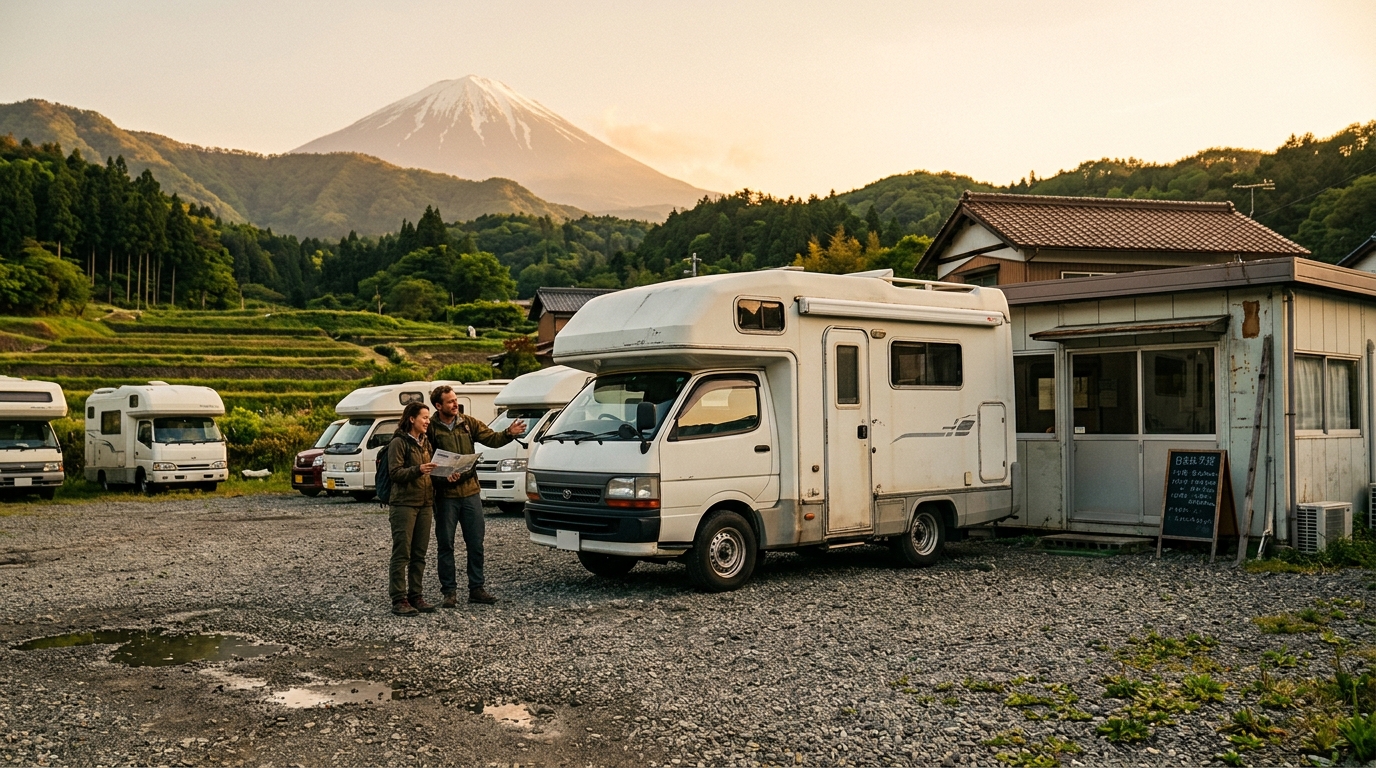
Japan offers a diverse range of camping experiences for RVers, from the serene natural beauty of national park campgrounds to the convenience of private facilities and the unique utility of Michi-no-Eki (roadside stations). National Parks, such as those found in Hokkaido or the Fuji Five Lakes region, provide picturesque settings with essential, often basic, amenities, perfect for immersing yourself in nature. Private campgrounds, on the other hand, are generally more amenity-rich, catering to RV needs with features like electrical hookups, showers, and sometimes even dedicated pet-friendly zones. These often come with a higher price point but offer greater comfort and convenience. The Michi-no-Eki network is particularly valuable; while not official campgrounds, these roadside rest stops are a common and accepted overnight parking option for many RVers looking for a safe place to rest, often offering clean restrooms and opportunities to purchase local produce and snacks. For those planning a broader trip, our guide RV Rental Japan - Complete Guide 2026 can help you map out these varied options. Remember to always check specific pet policies, as regulations can vary significantly between different types of camping locations.
Campground Types in Japan (National, Private, Wild)
When planning your RV adventure in Japan, understanding the different types of overnight accommodations is key, especially when traveling with pets. You'll primarily find national park campgrounds, private campgrounds, and the unique Michi-no-Eki system. National park campgrounds are celebrated for their stunning natural settings and often provide more basic facilities, so it's essential to verify their specific pet-friendly policies before arriving. Private campgrounds typically offer a more comprehensive suite of amenities, including Wi-Fi, showers, laundry facilities, and dedicated pet-friendly areas, often with a daily fee. It is crucial to note that the concept of wild camping or boondocking, common in some Western countries, is generally illegal and culturally discouraged in Japan. While Michi-no-Eki are invaluable for overnight rest, they are strictly for parking and resting, not for setting up camp with awnings or extensive outdoor cooking. Always prioritize designated campgrounds or RV parks to ensure compliance with local regulations and cultural norms. If you're considering a longer stay, exploring options detailed in our Weekly RV Rental in Japan - Pricing 2026 can offer insights into managing your trip effectively. For ideas you can prep on the road, watch our RV-friendly recipes playlist on YouTube.
Featured RV Park or Campground in Japan
Selecting the right RV park or campground in Japan, especially one that warmly welcomes pets, requires attention to detail. Prioritize locations that clearly state their pet-friendly policies and offer essential services like 100V electrical hookups, potable water, and waste disposal (dump) stations. Designated pet-walking areas and positive reviews from other pet owners are also excellent indicators of a welcoming environment. For instance, campgrounds in national parks like the Fuji Five Lakes region often provide a serene natural backdrop, but it's vital to confirm their specific pet regulations. Convenience is also key; consider parks that offer proximity to supermarkets or Michi-no-Eki for easy resupply runs, ensuring you have access to groceries, fuel, and pet supplies. For more options, refer to curated routes on RV PLANET (rvplan.net) which often highlight suitable stops. On the routes offered through RV PLANET routes, you can itemize and track every expense along the way for easy budgeting.
Hookups & Amenities - What to Expect
Navigating the world of RV hookups and amenities in Japan requires understanding some key differences from Western standards. While the RV infrastructure is growing, it's important to be prepared. Electricity is typically provided at 100V, using Type A/B outlets, with frequency varying between 50Hz (east Japan) and 60Hz (west Japan); adapters are often necessary for your devices. Potable water access is generally available at campgrounds, usually via shared spigots. Dump stations for grey and black water are less common, typically found at larger, more established RV parks, some Michi-no-Eki, or specialized service stations. Beyond these basics, many private campgrounds offer additional amenities such as clean showers, laundry facilities, restrooms, and Wi-Fi. For those seeking a quintessentially Japanese experience, proximity to onsen (hot springs) is a bonus many campgrounds offer, providing a perfect way to relax after a day of driving. When comparing RVs, many Bandana partner rentals, like the Explorer, offer standard amenities suitable for Japanese travel.
Booking Windows & Reservations in Japan
For pet-friendly RV camping in Japan, proactive planning is highly recommended, especially if you're traveling during peak seasons like spring cherry blossom viewing or autumn foliage. Booking campgrounds several months in advance, ideally 3-6 months for prime pet-friendly sites during peak times, is a wise strategy. For shoulder seasons (May, early June, late October), you might find more flexibility, allowing for bookings just 1-2 months ahead or even shorter notice by calling ahead. It's important to know that many national park campgrounds only release about 25%-30% of their spots for reservations, with the remainder available on a first-come, first-served basis. This means calling ahead or arriving early can still secure a spot, but having backup options is always a good idea. Rest assured, you will almost certainly find a place to stay—if not at your first choice, then at the next campground along your route—but securing specific pet-friendly sites may require more diligence. For assistance with planning routes and identifying suitable campgrounds, check out the RV Rental Japan - Prices and Best Deals 2026 guide.
Nearby Supermarkets & Resupply Points
Keeping your RV stocked with essentials during your Japanese road trip is conveniently manageable thanks to the country's extensive retail network. Major supermarket chains like Aeon, Ito-Yokado, and Seiyu are your go-to for comprehensive grocery runs, offering a wide array of fresh produce, pantry staples, and household items. Ubiquitous convenience stores, known as konbini, such as 7-Eleven, FamilyMart, and Lawson, are particularly useful for quick essentials, snacks, beverages, and even ATMs, providing a reliable resupply option at almost any hour. Furthermore, the Michi-no-Eki (roadside stations) are excellent for picking up fresh, local produce and unique regional specialty items, adding a culinary adventure to your travel. For pet owners, pet food and essential supplies can typically be found at larger supermarkets or dedicated pet specialty stores, ensuring your furry companions are well taken care of throughout your journey.
Best RV Class for Camping in Japan
When selecting an RV for your Japanese adventure, prioritizing maneuverability is key. Due to the country's narrower roads, especially in rural areas and historic towns, and the challenges of urban parking, smaller RV classes are generally recommended. Bandana's global fleet data indicates that Class B camper vans typically average around 5.8 meters in length, offering excellent agility for navigating Japan's tighter roads and parking spaces, and usually sleeping around 3.2 people. Similarly, Class TC (Truck Campers), averaging about 5.5 meters, also provide good maneuverability and a compact footprint, suitable for around 2.4 people. While larger RVs like Class C alcove (average 7.5m) or semi-integrated models (average 6.9m) are available, they can present more significant challenges in terms of driving and parking. For example, the Explorer, a popular Class C motorhome, while comfortable, might be more suited to wider roads and larger campgrounds. Considering a more compact option like the Patagonia Camper 4x4, a Truck Camper, could be an excellent choice for exploring Japan with ease, especially with pets.
How to Save on Campgrounds in Japan
Saving money on campground fees in Japan is achievable through a few strategic approaches. Firstly, inquire with your RV rental provider about any available campground discount cards or membership programs they might offer, which can sometimes provide savings at affiliated sites. Traveling during the shoulder seasons, such as May, early June, or late October, is another excellent way to reduce costs; you'll often find lower rates, fewer crowds, and still enjoy beautiful weather. Opting for municipal or regional campgrounds is generally more budget-friendly than choosing private resorts, though these sites may offer more basic amenities. Many campgrounds also provide discounts for longer stays; consider booking for three nights or more, as weekly rates can significantly reduce your average daily cost. For more tips on budget-friendly travel, explore our guide Cheap RV Rental in Japan - Budget Guide 2026 for valuable insights.
Can I sleep in my car anywhere in Japan?
No, the answer to whether you can sleep in your car anywhere in Japan is generally no. Wild camping or parking overnight outside of designated areas is typically prohibited by law and is culturally discouraged. Japanese society places a high value on cleanliness, order, and respect for private property, making unauthorized overnight stays in public spaces or private land highly frowned upon. While Michi-no-Eki (roadside stations) are widely used by RVers for overnight resting, it's crucial to remember they are intended for drivers needing to recuperate, not for setting up camp. This means avoiding the use of awnings, outdoor cooking equipment, or any activity that implies establishing a temporary residence. Always ensure you leave no trace and maintain quietude. The only legal and culturally accepted options for overnight RV stays are at designated campgrounds or RV parks, making thorough planning essential for a smooth trip.
Is it easy to drive an RV in Japan?
Driving an RV in Japan presents a unique set of challenges that, while manageable, require proper preparation and awareness. Roads, particularly in smaller towns and rural areas, are often significantly narrower than what drivers from Western countries might be accustomed to, making smaller, more maneuverable RVs a better choice. Remember that Japan drives on the left side of the road, with the steering wheel on the right, which requires an adjustment for many visitors. A significant aspect of driving in Japan is the extensive network of toll roads, which can add considerable expense to your journey. Using an ETC (Electronic Toll Collection) card, usually available through your rental company, is highly recommended for convenience and potential savings. Urban parking can be particularly challenging due to limited space and high costs; planning ahead by identifying dedicated RV parking areas is advisable. Selecting a smaller RV class, such as a Class B camper van (Bandana's global fleet averages 5.8m in length), can greatly ease navigation and parking throughout the country.
Do I need an international driving permit to drive in Japan?
Yes, an International Driving Permit (IDP) is an absolute legal requirement for foreigners to drive any vehicle, including an RV, in Japan. It must be obtained in your home country from your national automobile association and specifically issued under the 1949 Geneva Convention; other conventions are not recognized for driving private vehicles. Your valid national driving license must always be presented alongside your IDP. Failure to have both will prevent you from legally driving in Japan, and critically, will void any insurance coverage. Ensure your IDP is valid for the duration of your rental and covers the class of vehicle you intend to drive. Obtaining your IDP before your trip is a crucial step for a smooth and legal driving experience.
How much does it cost to rent a campervan in Japan?
The overall cost for a pet-friendly campervan trip in Japan can typically range from ¥15,000 to ¥40,000+ (approximately $100-$270 USD) per day. This estimate encompasses not only the rental fees but also essential expenses like fuel, highway tolls, campground fees, and daily living costs. Rental fees for a pet-friendly campervan generally fall between ¥10,000 to ¥30,000+ per day, with variations influenced by the RV class, season, rental duration, and any additional pet cleaning fees that may apply. Fuel costs are a significant factor; Bandana's global fleet data suggests common RV classes consume around 10-12 liters per 100 km. Japan's extensive highway toll system can also add substantially to your daily budget, making an ETC card highly advisable. Campground fees typically range from ¥2,000 to ¥6,000 per night, with potential extra charges for pets. Always budget for daily expenses, including groceries, activities, and comprehensive insurance for peace of mind. For insights into finding the cheapest options, consult our guide Cheap RV Rental in Japan - Budget Guide 2026.
Is Japan RV friendly?
Japan is increasingly becoming an RV-friendly destination, particularly with its well-developed network of Michi-no-Eki (roadside stations) and a growing number of dedicated campgrounds. However, travelers should be mindful of specific cultural and infrastructural nuances that differ from other countries. The extensive network of over 1,000 Michi-no-Eki provides invaluable rest stops with amenities like clean restrooms and local shops, often tolerating overnight parking for RVs. Dedicated campgrounds are available across scenic regions, and their numbers are steadily increasing. RVers must adhere to strict cultural etiquette, focusing on maintaining cleanliness, proper waste disposal, and minimizing noise to ensure positive interactions. While pet-friendly options are expanding, it's always essential to verify specific rules regarding leash use, designated areas, and waste disposal at each facility. Challenges remain, such as narrower roads and limited dedicated RV services outside major parks, which necessitate careful planning and a preference for smaller, more maneuverable RVs.
Are pets allowed in RV rentals in Japan?
Yes, many RV rental companies in Japan, including those within Bandana's global fleet, offer pet-friendly vehicles. However, it is crucial to explicitly confirm the pet policies of your chosen rental provider and vehicle, as rules and fees can vary significantly. When booking, always declare your intention to travel with a pet. Expect potential additional cleaning fees, and sometimes daily surcharges, to cover any pet-related wear or necessary deep cleaning. Be aware that some rental companies may have restrictions on pet type, size, or breed. Ensure your pet has all required vaccinations and health certificates, especially if traveling internationally. Most importantly, always adhere to onboard rules, such as securing pets while driving and protecting furniture, and consistently carry waste bags for proper disposal to maintain good relations with both rental companies and local communities. For a smooth experience, consider models like the 4x4 Truck Camper Bronze, often available as a pet-friendly option.
What should I pack for an RV trip in Japan?
For a comfortable and well-prepared RV trip in Japan, several key items are essential, particularly if you're traveling with pets. Crucially, your International Driving Permit (IDP) and your national driving license are non-negotiable documents. Carrying sufficient Japanese Yen in cash is advisable for tolls and at smaller vendors or rural establishments where card payments may not be accepted. For your electronics, ensure you have suitable adapters for Japan's 100V electrical outlets (Type A/B), and consider a portable Wi-Fi device or local SIM card for navigation and communication. Pack comfortable walking shoes, as exploring Japan often involves a lot of walking, along with seasonal clothing layers. A small first-aid kit, insect repellent, and a reusable water bottle are also highly recommended. For traveling companions, ensure you pack sufficient pet food, water bowls, a reliable leash and harness, ample waste bags, a familiar pet bed or blanket, and any necessary medications. For a comprehensive packing list, consult resources like our RV Rental Japan - Complete Guide 2026.
What are Michi-no-Eki?
Michi-no-Eki, translating to 'Roadside Stations,' are a unique and invaluable network of government-designated rest areas found throughout Japan, offering a vital resource for RVers. Their primary purpose is to provide safe and convenient rest stops for drivers, promoting local tourism and the sale of regional produce and specialty goods. Typical facilities include immaculately clean restrooms, open 24 hours in many cases, tourist information centers, souvenir shops, and restaurants serving local cuisine. While overnight parking for RVs is generally tolerated and widely utilized for resting, it's essential to understand that Michi-no-Eki are not official campgrounds. Setting up camp, such as deploying awnings or engaging in extensive outdoor cooking, is considered inappropriate. RVers are expected to be discreet, quiet, leave no trace, and ideally support the local economy through purchases. A select few Michi-no-Eki offer dedicated RV services like water refills or dump stations, adding to their appeal as essential stops on any Japanese RV itinerary.
What You Shouldn't Miss
- Experience a traditional Japanese Onsen: Many campgrounds and Michi-no-Eki are located near hot springs, offering a perfect opportunity to relax and immerse yourself in local culture after a day of driving.
- Explore the Fuji Five Lakes by RV: Renting an RV provides unparalleled freedom to explore this stunning region, offering breathtaking views of Mount Fuji and access to numerous natural attractions and campgrounds.
- Navigate Japan's Scenic Routes: Whether it's the coastal drives of Hokkaido or the mountain passes of the Japanese Alps, driving an RV allows you to discover Japan's diverse and beautiful landscapes at your own pace. Consider a smaller campervan for easier access to more remote, scenic spots.
- Savor Local Cuisine via Michi-no-Eki: Make stops at Michi-no-Eki not just for rest, but to sample regional delicacies and purchase fresh local produce, turning your RV journey into a culinary exploration.
- Discover the Charm of Kei Campers: If you opt for a compact RV, explore the unique advantages of 'Kei Campers' for navigating Japan's charming, narrow streets and finding convenient parking.
Final Thoughts
Embarking on an RV adventure in Japan offers a unique and rewarding way to experience the country's blend of tradition and modernity. By choosing the right vehicle, understanding the local camping culture, and planning your stops, you can create an unforgettable journey that caters to both your wanderlust and your furry companions' needs. Remember to embrace the slower pace of travel, savor the local flavors discovered at Michi-no-Eki, and enjoy the convenience of having your mobile home as you explore Japan's diverse landscapes.
From the bustling cities to the serene national parks, a rented RV opens up a world of possibilities. Bandana Caravan is here to support you every step of the way, from comparing vehicles and prices to providing the insights you need for a successful trip. So, start planning, pack your bags (and your dog's!), and get ready for an incredible Japanese road trip!
Ready to start planning your Japanese RV adventure? Explore options and compare prices to find the perfect pet-friendly motorhome for your journey. Discover top destinations, planning tips, all in one place! Get inspired for your next trip!