In This Guide
- Where to Camp in Germany - Top Options
- Campground Types in Germany (National, Private, Wild)
- Featured RV Park or Campground in Germany
- Hookups & Amenities - What to Expect
- Booking Windows & Reservations in Germany
- Nearby Supermarkets & Resupply Points
- Best RV Class for Camping in Germany
- How to Save on Campgrounds in Germany
- How much does it cost to rent a campervan in Germany
- Is Germany pet friendly
- What documents do I need to travel to Germany with a dog
- What are the rules for driving an RV in Germany
- How do you dispose of gray water in Germany
- What is a Stellplatz in Germany
- What is the best time of year to RV in Germany
- Is there wild camping in Germany
- What are the typical fuel costs for an RV in Germany
Embarking on a pet-friendly RV adventure in Germany opens up a world of scenic beauty, historical charm, and welcoming communities, making it an ideal destination for travelers with their beloved companions. Traveling with a rented motorhome offers unparalleled freedom to explore diverse landscapes, from the majestic Bavarian Alps to the tranquil Baltic Sea coast, all while keeping your furry friend by your side. For live availability and current prices, start with our RV Rental Germany - Complete Guide 2026 guide, where you'll find comprehensive information to plan your journey. We are true RV specialists, dedicated to making your pet-friendly RV trip to Germany as smooth and enjoyable as possible, offering full transparency with no hidden fees and real people providing 24/7 support throughout your booking process and coordination.
Where to Camp in Germany - Top Options
Germany offers diverse pet-friendly camping experiences, from the mountainous south to the Baltic Sea coast, ensuring every RV traveler and their dog can find their perfect spot. Consider regions like the Bavarian Alps for scenic hikes with your dog, exploring trails around serene lakes and picturesque villages. The Black Forest (Schwarzwald) provides forested trails and traditional villages, many of which welcome dogs on leashes, making it a fantastic region for longer, immersive trips. The Baltic Sea coast also boasts dog-friendly beaches and seaside campgrounds, perfect for a relaxed RV holiday with pets, allowing for refreshing walks along the shore. Remember to travel slowly, enjoying the journey and aiming for no more than 100-150 km per day on average, to truly connect with the local culture and scenery.
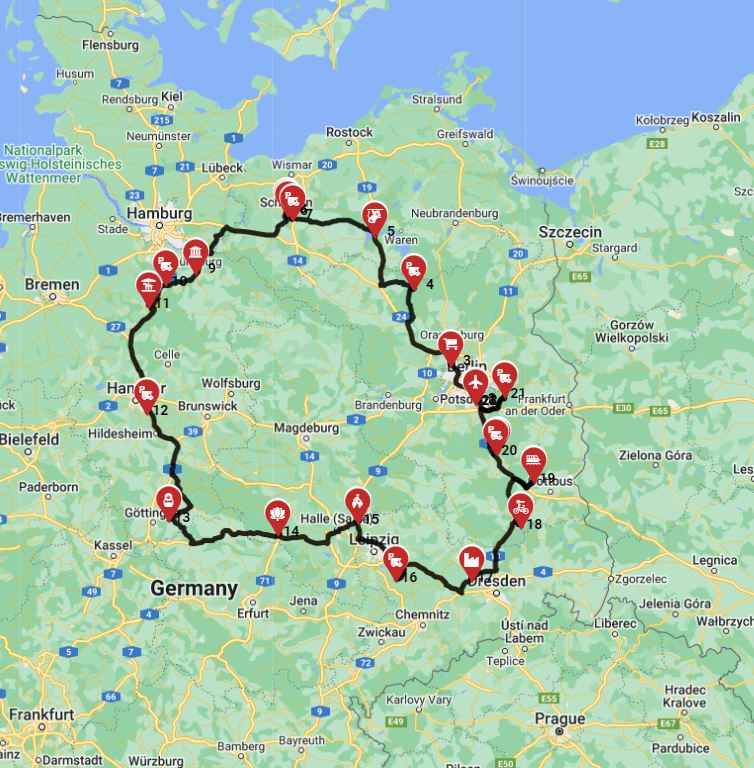
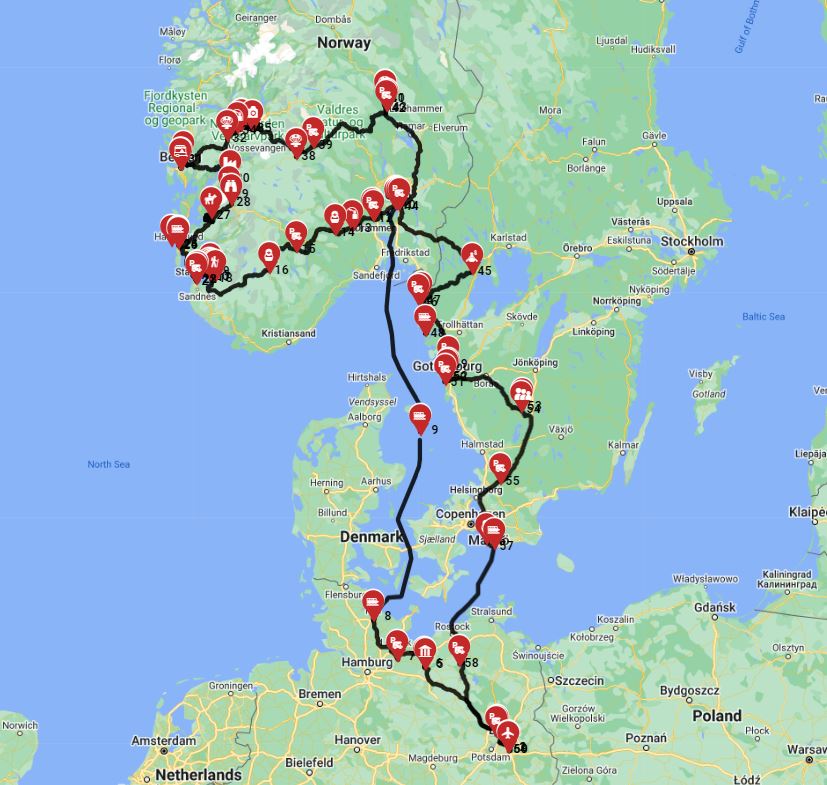
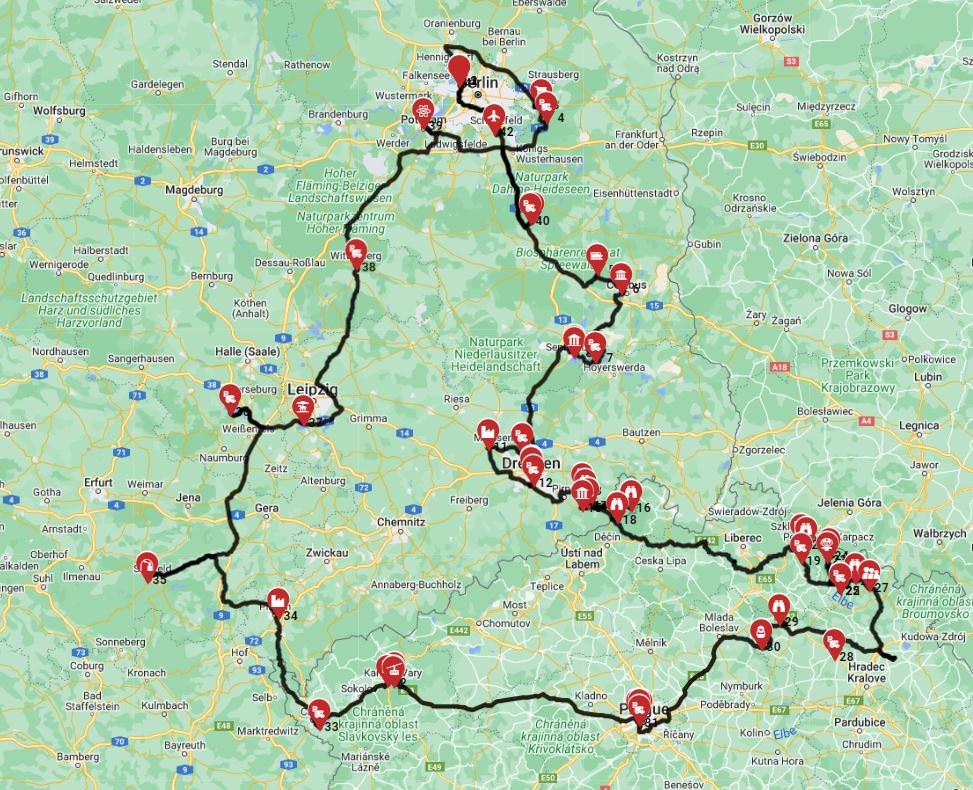
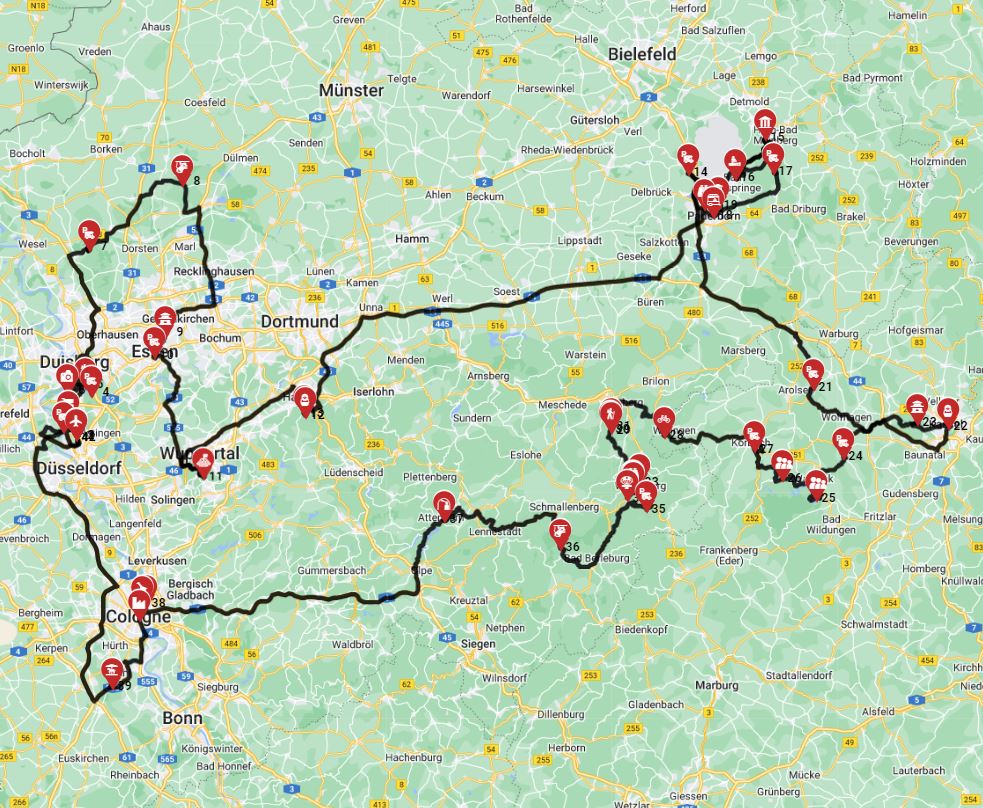
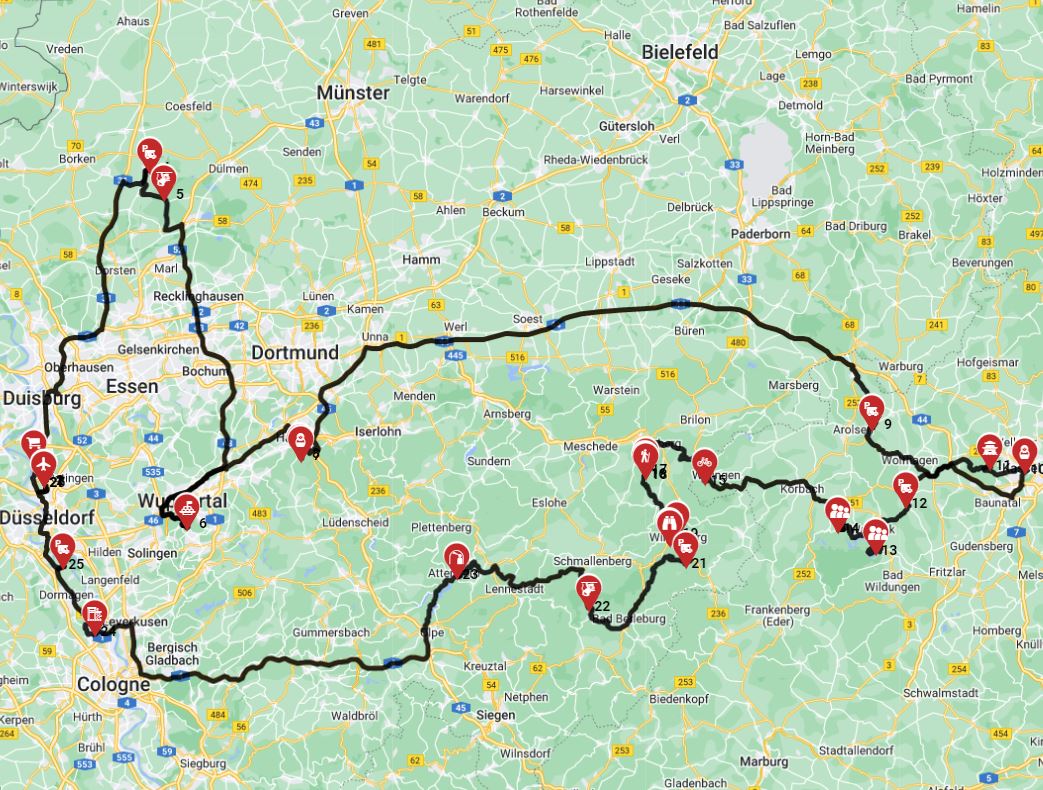
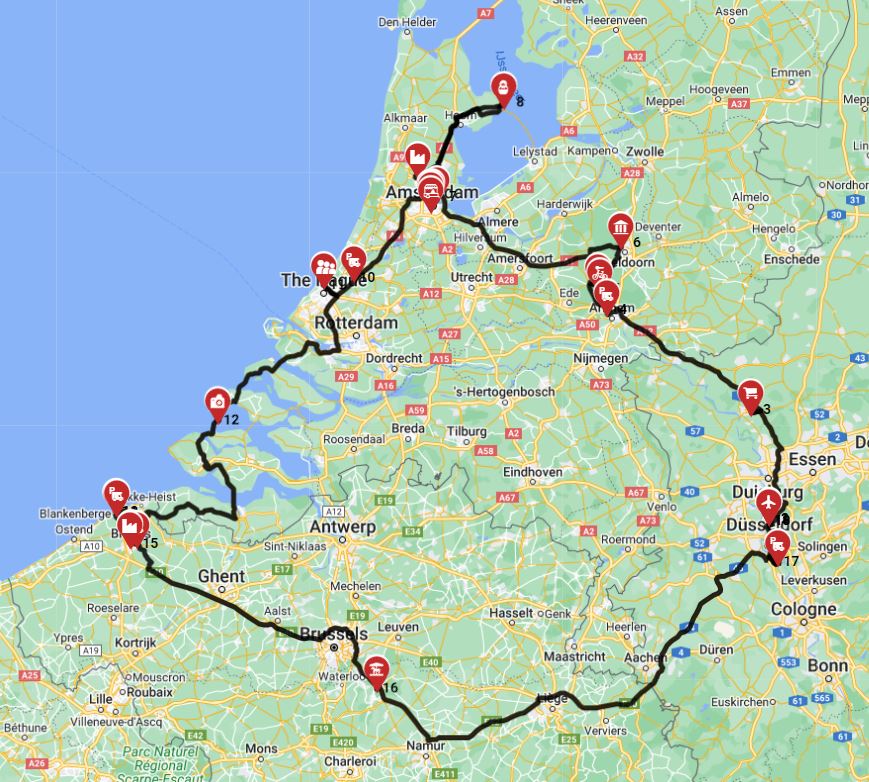
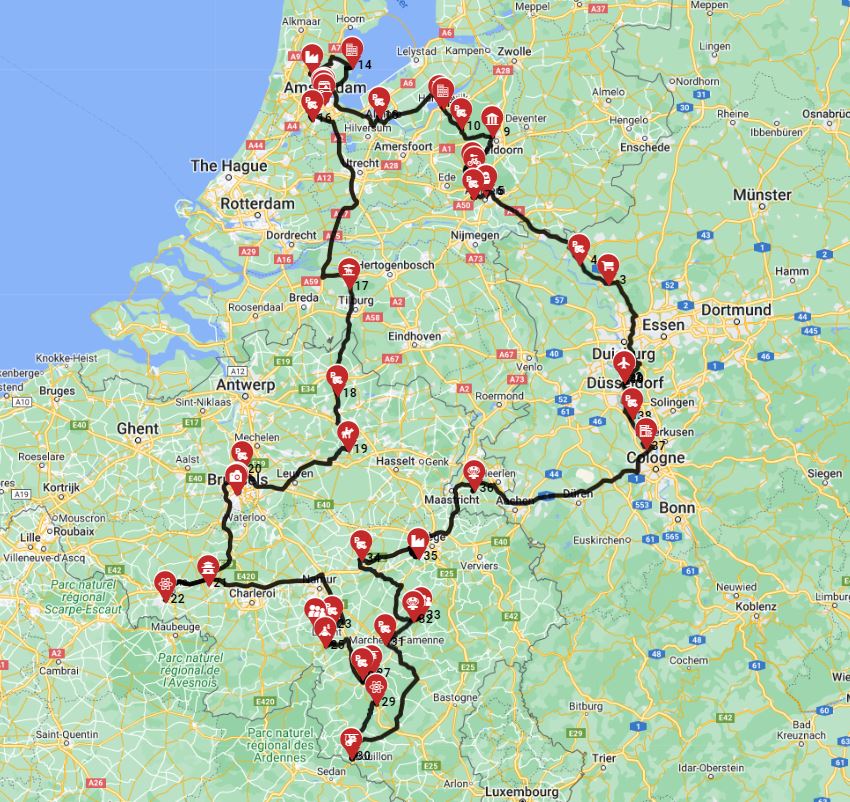
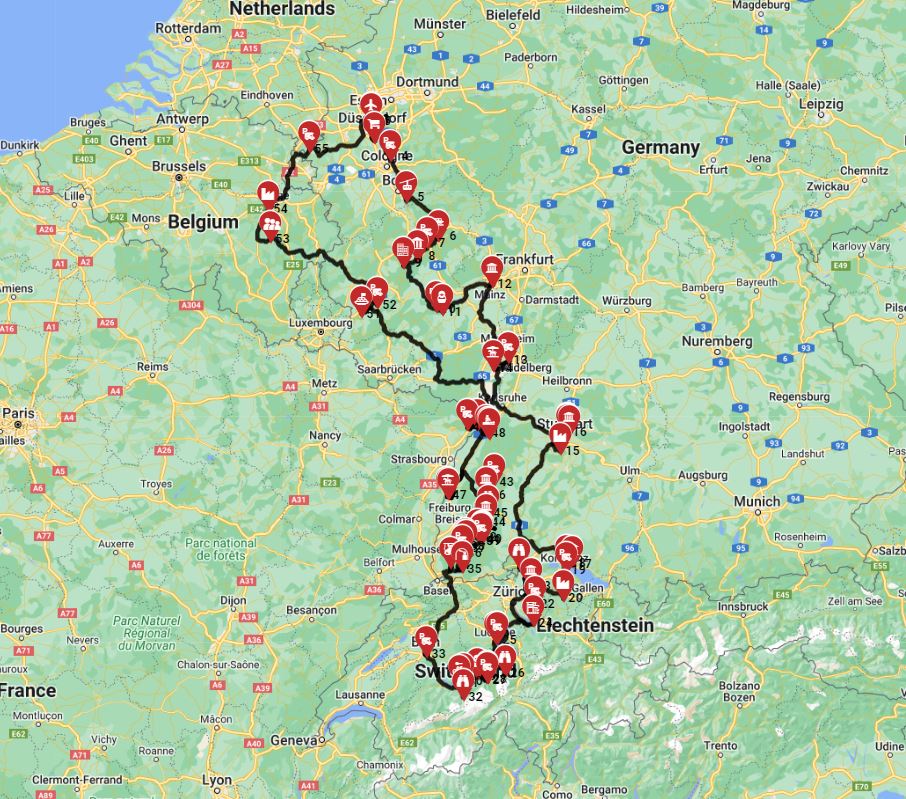
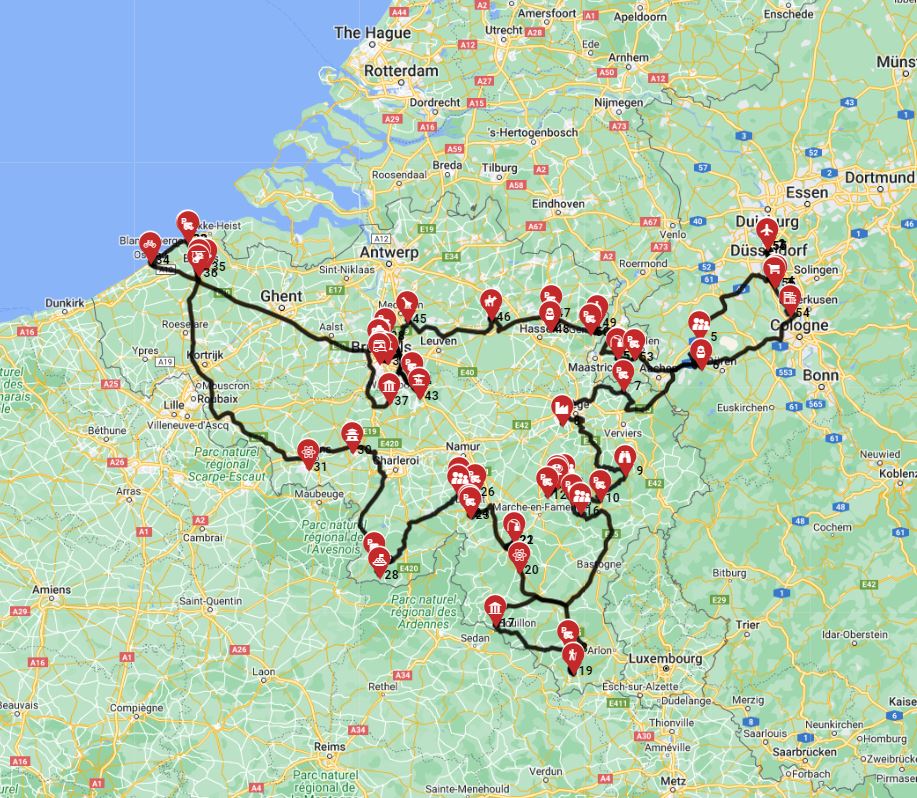
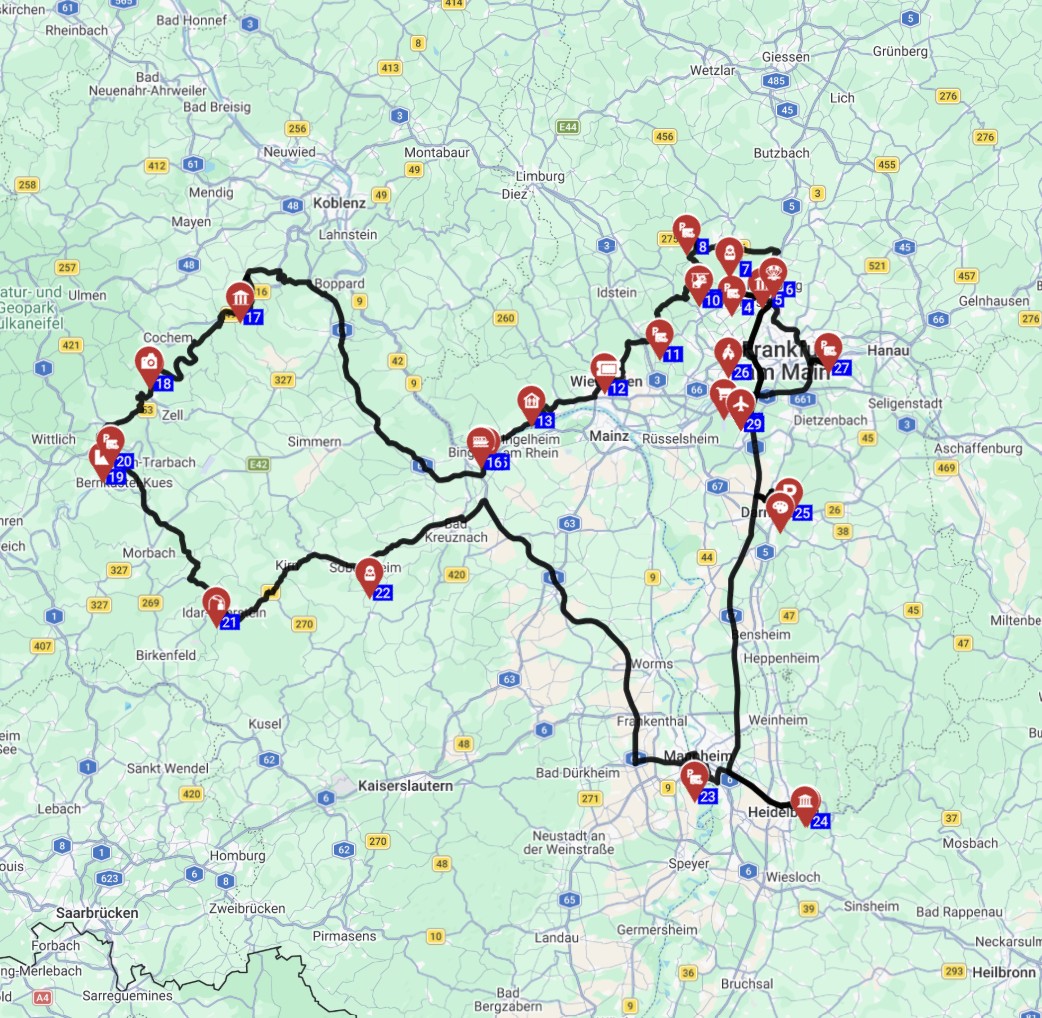
For those looking for routes that blend cultural sites with natural beauty, RV PLANET offers pre-planned itineraries like the "
Campground Types in Germany (National, Private, Wild)
In Germany, RV travelers primarily choose between private campgrounds, municipal sites, and designated 'Stellplätze', as wild camping is largely prohibited. Private campgrounds often offer extensive amenities, including pet-specific facilities like dog showers or designated off-leash areas, alongside essential hookups such as 230V electric, fresh water, and waste disposal. National park camping in Germany is highly regulated; generally, RVs might be restricted to specific designated areas, and wild camping within national parks is strictly forbidden, with severe fines for violations. Wild camping, or 'freedom camping,' is illegal throughout Germany, except for specific permissions on private land. Instead, 'Stellplätze' provide legal, often cost-effective, overnight parking alternatives that are popular among motorhome and campervan users, giving you peace of mind.
Featured RV Park or Campground in Germany
When selecting an RV park in Germany, look for establishments that explicitly state 'Hunde erlaubt' (dogs allowed) and ideally offer amenities catering to pets, such as dedicated dog walking areas or waste stations, ensuring a comfortable stay for all guests. Many featured pet-friendly RV parks, particularly in scenic areas like the Black Forest, provide spacious pitches and direct access to walking trails. For example, Campingpark Hohenbusch near the Belgian border and some sites in the Eifel region are known for being exceptionally dog-friendly. Proximity to a veterinary clinic is also a practical consideration for any pet owner traveling by RV, providing invaluable peace of mind in case of unforeseen circumstances. Bandana RV specializes in connecting you with rentals that welcome pets, making the planning process much simpler.
Hookups & Amenities - What to Expect
RV campgrounds in Germany typically provide standard hookups including 230V electricity, fresh water, and gray/black water dump stations, ensuring your comfort and convenience on the road. The European CEE 7/4 or CEE 7/7 'Schuko' socket standard is common, so ensure your rented motorhome is equipped with the correct adapter. Many sites offer varying levels of Wi-Fi access, though quality and speed can differ significantly; it's advisable to check reviews or inquire directly about connectivity solutions, especially if reliable internet is crucial for your trip. Common amenities across German campgrounds include hot showers, laundry facilities, and sometimes even small shops or restaurants. More luxurious sites might offer pools, playgrounds, or wellness areas. It's common for pet-friendly campgrounds to provide dog washing stations and designated areas for pets, making travel with your companion more convenient. Having a well-equipped kitchen in your rented RV also means you can prepare delicious meals with fresh local ingredients. Check out our RV-friendly recipes playlist for inspiration! On the routes offered through RV PLANET routes, you can itemize and track every expense along the way for easy budgeting.
Booking Windows & Reservations in Germany
For pet-friendly RV rentals and campgrounds in Germany, proactive booking is essential, especially during peak seasons like summer (July-August) and holidays, to secure desirable pet-friendly spots. Pre-planners should aim to book several months in advance for popular destinations or specific dates; many campgrounds, particularly those near national parks, reserve only 25-30% of spots for advanced bookings, leaving the rest for first-come, first-served arrivals. This balance means that while planning ahead can secure your first choice, spontaneous travelers can often find same-day or next-day availability outside of peak times, particularly at 'Stellplätze' or smaller municipal sites. It's always recommended to call ahead before driving long distances to confirm availability, especially when traveling with pets. When traveling with pets, always confirm the campground's specific pet policy and any associated fees directly during the booking process or inquiry to avoid surprises. We believe in full transparency, so you know exactly what you're getting.
Nearby Supermarkets & Resupply Points
Resupplying your rented RV in Germany is straightforward, with major supermarket chains such as Lidl, Aldi, Rewe, and Edeka widely available in or near most towns and cities. These supermarkets offer a comprehensive range of groceries, including fresh produce, meats, pantry staples, and often specialty local products, catering to diverse cooking needs in your RV kitchen. For an authentic experience and regional specialties, travelers should seek out local Wochenmärkte (weekly markets), which provide fresh, seasonal produce, cheeses, and baked goods; many of these open-air markets are pet-friendly for browsing on a leash. Planning your routes to pass through areas with these established grocery stores ensures you can stock up conveniently, maintaining a healthy and varied diet during your RV adventure. For detailed expense tracking and budgeting across various categories like groceries and fuel, our RV PLANET routes allow travelers to itemize and track every expense along the way.
Best RV Class for Camping in Germany
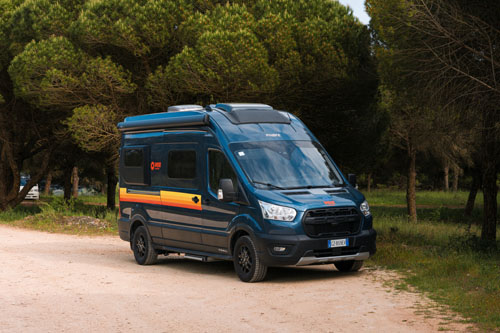
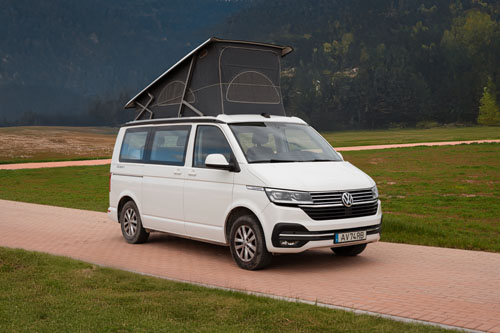
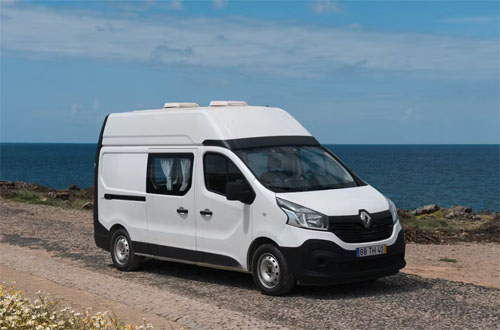
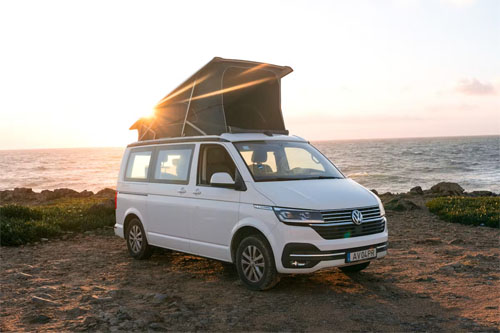
For navigating Germany's diverse landscapes and charming towns, Class B Camper Vans or Class SI Semi-integrated RVs are generally the most suitable choices for camping with pets. Class B Camper Vans, often with an average length of 5.8 meters and sleeping capacity for about 3.2 people in Bandana's fleet, offer excellent maneuverability for narrower roads and easier parking, making them ideal for urban exploration and remote campsites. They also boast superior fuel efficiency, typically consuming 8-10 Liters/100 km. Class SI Semi-integrated RVs, averaging 6.9 meters in length and accommodating about 3.8 sleepers in Bandana's fleet, strike a balance between comfortable living space and manageable size, suitable for families or those desiring more amenities without sacrificing too much agility. These models commonly consume 10-11 Liters/100 km. While larger Class C Alcove (Bandana's Class C averages 7.5m with 5.8 sleepers, consuming 10-12 Liters/100 km) or Class A Integrated RVs offer more space, their size can be challenging on smaller German roads and in city centers. Drive slowly and carefully, and you can drive almost anywhere without issues. No need to stress - just use common sense and pay attention.
How to Save on Campgrounds in Germany
Utilizing campground discount cards, often offered through rental providers like Bandana, is a primary way to significantly reduce costs on German campgrounds, providing excellent value for your pet-friendly RV trip. Booking during the shoulder seasons (late spring, May-June, and early autumn, September-October) instead of peak summer can lead to lower rates, fewer crowds, and often more pleasant weather for RV travel with your pet. Choosing municipal or regional campgrounds ('kommunale Campingplätze') or 'Stellplätze' frequently offers more budget-friendly rates compared to larger, privately-owned resorts with extensive amenities. Many campgrounds also provide weekly rates that are more economical than nightly stays, making longer reservations (e.g., a week-long trip or more) a smart saving strategy. Inquire about sharing hookups in a group for further potential savings, as some sites offer this flexibility. Our commitment to full transparency ensures you always see the final prices, with no hidden fees, helping you budget effectively.
How much does it cost to rent a campervan in Germany
The cost to rent a campervan in Germany varies significantly based on RV class, rental season, duration, and included amenities, typically ranging from €70-€180 per day for smaller models. Peak season (June-August) prices are considerably higher than shoulder seasons (April-May, September-October), and booking well in advance can often secure better rates, potentially saving you up to 25%. Beyond the base rental fee, expect additional costs for optional insurance upgrades, mileage limits (if applicable), one-way fees (typically €150-€500), cleaning charges, and specific pet fees which are usually a one-time charge per rental. Budgeting should also include fuel costs (e.g., Bandana's Class B Camper Vans typically consume 8-10 Liters/100 km with diesel at €1.70-€2.00/liter), campground/Stellplatz fees (ranging from free for basic Stellplätze to €30-€50+ per night for full-service campgrounds), and potential toll roads or environmental stickers. We compare final prices across 50+ suppliers, so what you see is what you pay, with no surprise fees at pickup, helping you manage your total trip cost effectively.
Is Germany pet friendly
Germany is generally very pet-friendly, especially towards dogs, with many establishments and public spaces welcoming well-behaved animals, making it an excellent destination for pet-friendly RV travel. Most public transport (trains, buses) allows dogs, often requiring them to be leashed and sometimes muzzled in specific regions or for larger breeds, and a small fare may apply for larger dogs. Many restaurants and cafes permit dogs, particularly in outdoor seating areas, and you'll often find water bowls provided; however, it's always best to ask 'Sind Hunde erlaubt?' (Are dogs allowed?) before entering. Specific regulations regarding leashing vary by state and municipality, with some areas requiring dogs to be on a leash at all times, especially in nature reserves or crowded urban areas, making it important to research local rules for pet travel. Our extensive network of local experts provides the specific guidance you need.
What documents do I need to travel to Germany with a dog
To travel to Germany with a dog, an EU Pet Passport is essential, documenting the animal's identity and vaccination history, ensuring a smooth entry. The dog must be microchipped with an ISO-compliant 15-digit microchip for identification, and this number must be accurately recorded in the pet passport. Proof of a valid rabies vaccination is mandatory; the vaccination must be administered after microchipping and at least 21 days before entry into Germany. While not always strictly enforced for EU residents, a health certificate issued by a veterinarian within a certain timeframe (typically 10 days) before travel can be required for non-EU travelers, confirming the pet is fit for travel and free from contagious diseases. Always carry all necessary documentation in your rented campervan, easily accessible for any checks.
What are the rules for driving an RV in Germany
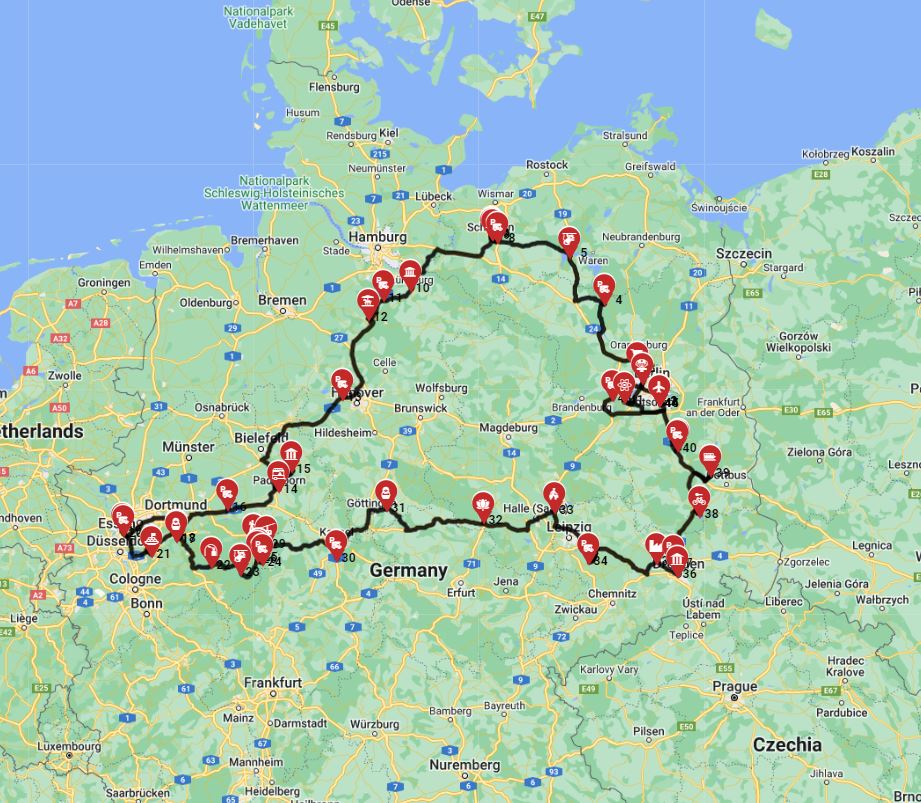
Driving a rented RV in Germany requires adherence to specific traffic laws, including speed limits which are generally 100 km/h on Autobahns and 80 km/h on non-urban roads for vehicles over 3.5 tons. For vehicles under 3.5 tons, the standard car speed limits apply (e.g., no general speed limit on certain Autobahn sections, 100 km/h on other roads). All RVs entering designated 'Umweltzonen' (environmental zones) in many German cities must display a valid 'Umweltplakette' (emissions sticker), obtainable online or at TÜV/Dekra stations for around €5-€15. Drivers must hold a valid driving license appropriate for the RV's weight; a standard B license suffices for vehicles under 3.5 tons, while a C1 or C license is required for those over 3.5 tons. Drive slowly and carefully, and you can drive almost anywhere without issues. No need to stress - just use common sense and pay attention. Specific parking rules for RVs exist, particularly in urban areas, and while overnight parking is often tolerated to 'restore driver's fitness,' extended stays or camping outside designated areas are typically prohibited and can result in fines. Planning your "Frankfurt Roundtrip - North Germany - Including Hamburg & Berlin" (15 days, 2230.1 km) through RV PLANET allows you to familiarize yourself with these regulations before you set off.
How do you dispose of gray water in Germany
In Germany, gray water (wastewater from sinks and showers) must be disposed of at designated dump stations, which are commonly found at official campgrounds and 'Stellplätze' (motorhome parking areas). It is illegal and environmentally irresponsible to discharge gray water directly onto the ground or into storm drains in Germany, as it can pollute waterways and soil, leading to significant fines. Many service areas along Autobahns (motorways) also offer facilities for RV waste disposal, often alongside fresh water refill points, providing convenient options for travelers. Adhering to proper waste disposal practices is a key aspect of sustainable and eco-friendly RVing in Germany, ensuring minimal environmental impact and preserving the country's natural beauty. Always empty your tanks at designated facilities before they get too full.
What is a Stellplatz in Germany
A 'Stellplatz' in Germany is a designated parking area specifically for motorhomes and RVs, offering a convenient and legal alternative to wild camping, and is a cornerstone of German RV culture. These sites range from basic parking spots, often free or low-cost (typically €0-€15 per night), to more amenity-rich locations that provide electricity, fresh water, and waste disposal points for a small fee, commonly €5-€10 for services. Stellplätze are typically located near towns, attractions, or scenic routes, providing easy access to local amenities and a unique opportunity to immerse yourself in local life, often within walking distance of historical sites or charming restaurants. They are distinct from full-service campgrounds, generally offering fewer facilities (e.g., no showers, laundry, or recreational activities) but are highly popular for their affordability and flexibility among RV travelers seeking a less structured experience. Many Stellplätze are also pet-friendly, allowing your dog to join in the exploration.
What is the best time of year to RV in Germany
The best time of year to RV in Germany largely depends on desired activities and tolerance for crowds, with late spring (May-June) and early autumn (September-October) generally considered ideal for pet-friendly RV trips. During these shoulder seasons, the weather is often pleasant, campgrounds are less crowded than in peak summer, and prices for RV rentals and sites tend to be lower. Summer (July-August) offers the warmest weather and longest daylight hours, perfect for outdoor activities, but also brings the highest prices, most crowds, and necessitates advance bookings, especially for popular pet-friendly sites. Winter RVing in Germany is certainly possible, particularly for those interested in Christmas markets or skiing, but it requires a suitable vehicle (equipped with proper heating and winter tires) and careful planning for road conditions and campsite availability, as many close for the season. Our team of true RV specialists can help you navigate seasonal considerations and find the best deals.
Is there wild camping in Germany
Wild camping is generally illegal throughout Germany, meaning it's strictly prohibited to set up a tent or park an RV overnight outside of designated campsites or 'Stellplätze'. Trying to wild camp in nature reserves, forests, or public parking lots can lead to significant fines, so it's best to always use official sites. Exceptions may exist for specific private land with explicit owner permission, but this is rare for casual RV travelers. Overnight parking to 'restore driver's fitness' (i.e., for a single night's sleep in a parking lot or rest stop without any camping behavior like setting out chairs or awnings) is often tolerated, but this is not considered wild camping and should only be a short-term solution. Instead of wild camping, RV travelers in Germany should utilize the extensive network of official campgrounds and the more than 4,000 Stellplätze for legal and safe overnight stays, many of which are pet-friendly and offer essential amenities.
What are the typical fuel costs for an RV in Germany
Typical fuel costs for a rented RV in Germany fluctuate with global oil prices but generally range between €1.70 to €2.00 per liter for diesel, and slightly higher for petrol. Most RVs in Germany, including Bandana's fleet, run on diesel. For instance, a Class B Camper Van averages 8-10 Liters/100 km, while a Class SI Semi-integrated RV commonly consumes 10-11 Liters/100 km. Larger Class C Alcove RVs typically use 10-12 Liters/100 km, and Class A Integrated RVs might consume 8-12 Liters/100 km. Fuel is a significant component of the overall RV travel cost in Germany, so budgeting for these consumption rates and current pump prices is essential for your total trip cost. When planning your route, consider using RV PLANET (rvplan.net) to help estimate and track your fuel expenses, among other costs.
What You Shouldn't Miss
- **Hike the Bavarian Alps with your Dog:** Explore dog-friendly trails around Garmisch-Partenkirchen and enjoy stunning views with your furry companion by your side.
- **Discover the Black Forest's Charm:** Drive the scenic roads of the Schwarzwald, stopping at quaint villages like Triberg and enjoying leisurely walks through ancient forests.
- **Wander Through Romantic Road Towns:** Visit Rothenburg ob der Tauber, a medieval gem, and other picturesque towns along Germany's famous Romantic Road.
- **Explore the Rhine Valley Castles:** Park your RV at a riverside campground and take a boat tour (many are pet-friendly) to admire the countless castles dotting the Rhine riverbanks.
- **Relax on the Baltic Sea Coast:** Enjoy dog-friendly beaches and charming seaside resorts like Timmendorfer Strand, perfect for unwinding.
- **Experience a Traditional German Wochenmarkt:** Immerse yourself in local culture by visiting a weekly market, sourcing fresh produce for your RV kitchen, and enjoying regional delicacies.
Looking for expert insights from Avi Bandana? Top 5 Adventures - recommendations from Avi Bandana
🎬 Video coming soon
Final Thoughts
A pet-friendly RV adventure through Germany offers an incredible way to experience this diverse and captivating country alongside your most loyal companion. Imagine the joy of waking up to fresh mountain air in the Alps, exploring historic towns, and enjoying leisurely walks in the Black Forest, all with your dog happily by your side. With careful planning around pet regulations, a clear understanding of campground options like the unique Stellplätze, and utilizing resources like RV PLANET, your trip can be seamless and filled with unforgettable moments.
Germany's welcoming attitude towards pets, combined with its excellent infrastructure for RV travel, makes it a top choice for families and couples seeking freedom and flexibility. Remember to embrace slow travel, allowing yourselves time to savor each destination and connect with the local culture and cuisine. So pack your bags, leash up your best friend, and get ready for an extraordinary journey.
Discover top destinations, planning tips, all in one place! Compare Pet-Friendly RV Rental Prices for Germany now.