For live availability and current prices, start with our RV Rental France - Complete Guide 2026 guide.
In This Guide
- Where to Camp in France — Top Options
- Campground Types in France (National, Private, Wild)
- Featured RV Park or Campground in France
- Hookups & Amenities — What to Expect
- Booking Windows & Reservations in France
- Nearby Supermarkets & Resupply Points
- Best RV Class for Camping in France
- How to Save on Campgrounds in France
- How much does an RV trip in France cost?
- What documents do I need for RV travel in France?
- How do Aires de Service work for RVs in France?
- What are RV safety and security tips for France?
- How to stay connected while RVing in France?
- What are the best regions and seasons for RVing in France?
- How can RVers immerse in French culture?
Where to Camp in France — Top Options
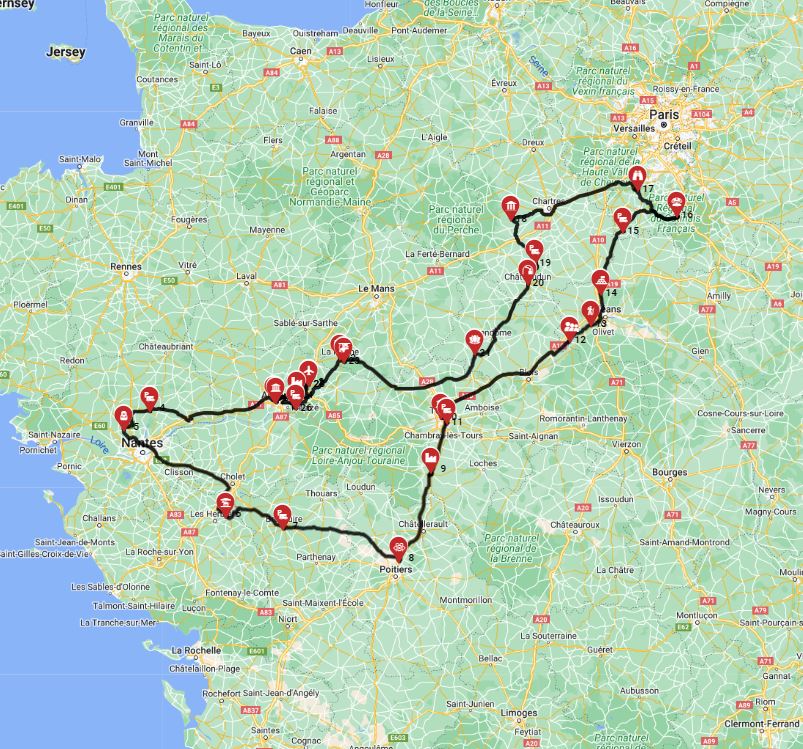
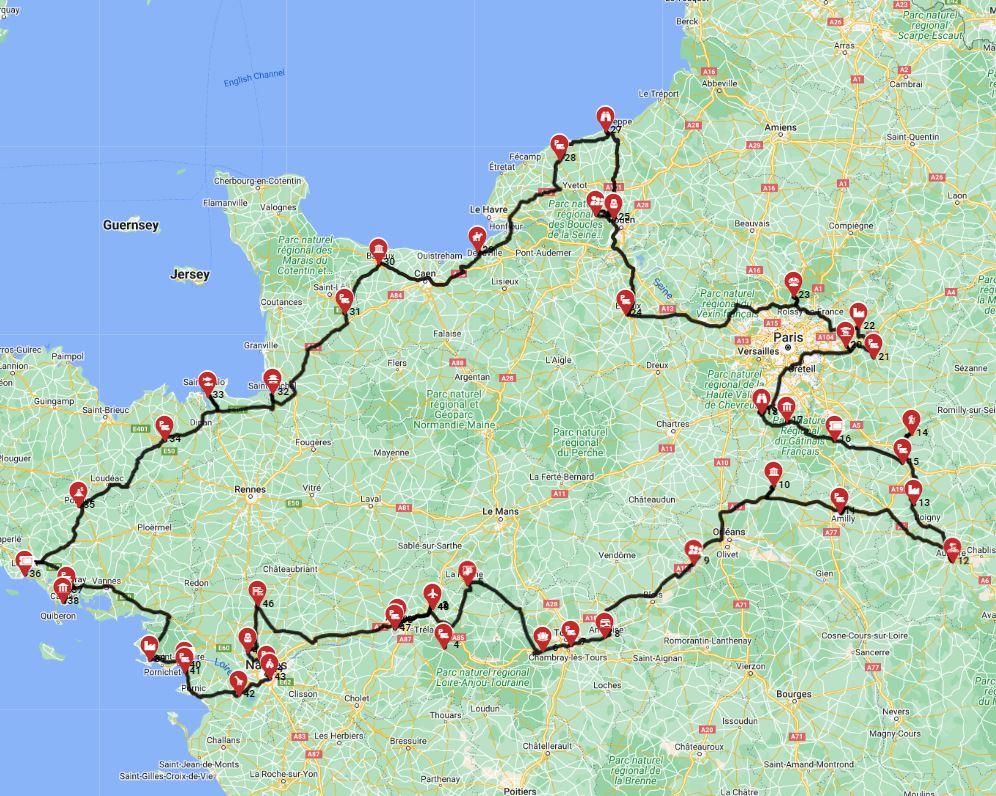
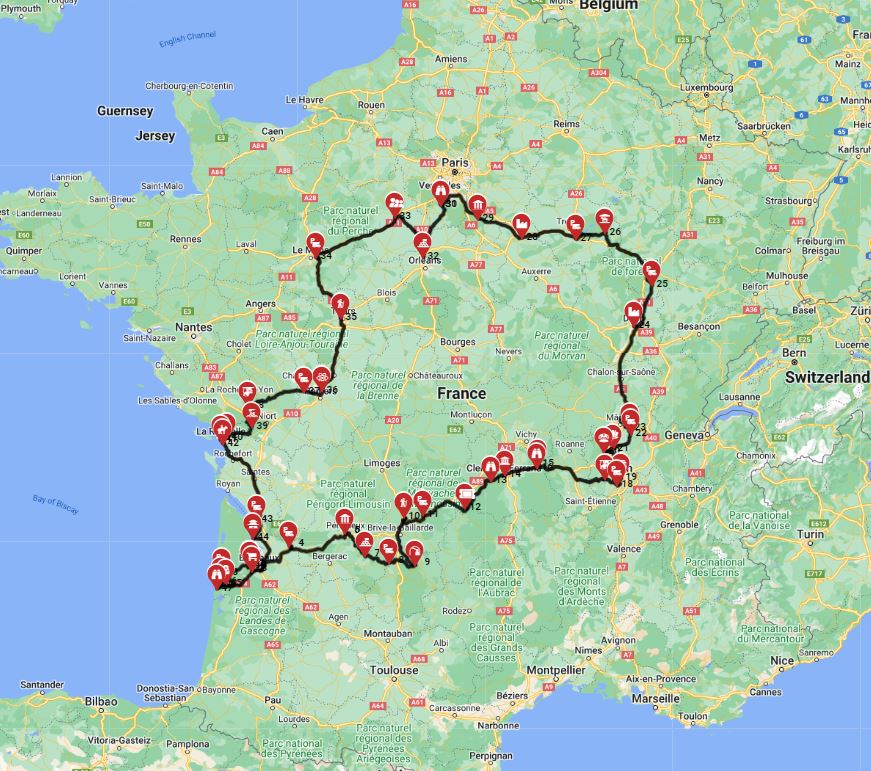
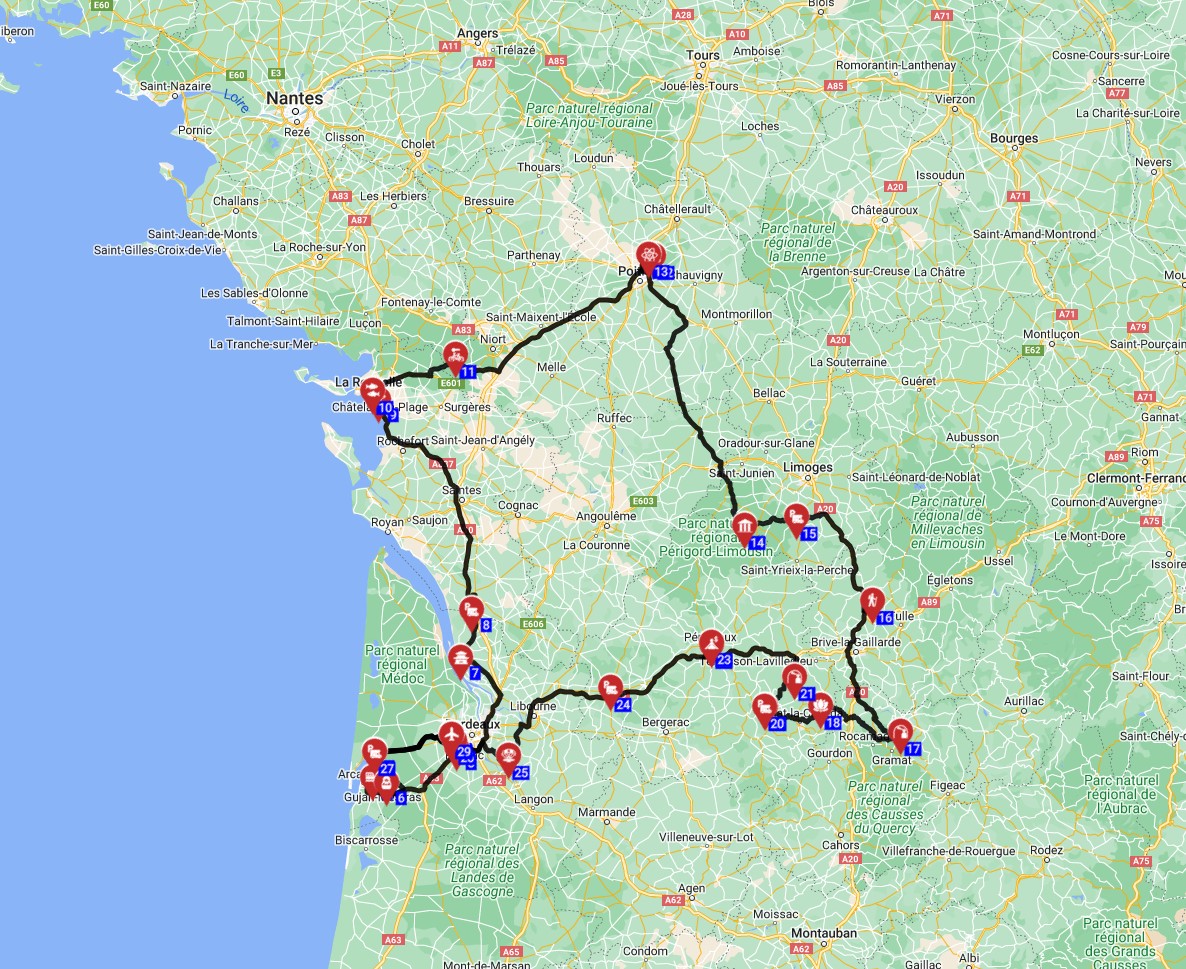
France offers diverse pet-friendly RV camping experiences, from the windswept coastal campsites in Brittany to the majestic mountain retreats in the French Alps and the sun-drenched vineyards of Provence. When planning your itinerary, consider regions like the picturesque Loire Valley, renowned for its magnificent châteaux, or the rugged beauty of the French Alps for unparalleled hiking and scenic drives. For those seeking a more Mediterranean feel, the lavender fields of Provence provide a stunning backdrop. Remember to look for campgrounds that specifically advertise 'animaux acceptés' (pets accepted) and always check for any breed or size restrictions they might have. Many popular tourist areas and national parks have designated campgrounds, but pet policies can vary significantly, so confirming these details in advance is crucial for a smooth trip.
Campground Types in France (National, Private, Wild)
RVers in France have a variety of camping options, including well-equipped private campgrounds, simpler municipal sites, and the practical *aires de service*. Wild camping, known as 'camping sauvage,' is generally restricted and only tolerated in very specific, remote circumstances with strict adherence to 'leave no trace' principles or with explicit landowner permission. Private campgrounds often provide extensive amenities like swimming pools, restaurants, and entertainment, frequently catering to families and sometimes offering good pet facilities such as dog washes or dedicated exercise areas. Municipal campgrounds, or 'campings municipaux,' are typically more basic and affordable, run by local authorities, and offer essential services in or near towns and villages. While national and regional parks boast stunning natural surroundings, be aware that pet access and camping regulations can be stricter; always research specific park rules regarding pets and RVs. *Aires de service* are designated motorhome service areas, often free or low-cost, perfect for dumping waste, filling water tanks, and sometimes overnight parking, serving as a practical alternative to traditional campsites.
Featured RV Park or Campground in France
When selecting an RV park or campground in France, prioritize sites with clear pet-friendly policies, essential amenities like hookups, and a location convenient to your planned travel itinerary. Look for campgrounds that explicitly welcome pets, potentially offering specific amenities such as dedicated dog walking routes, designated pet relief areas, or even pet showers. Beyond pet-friendliness, ensure the site provides the necessary hookups (electricity, water, waste disposal) and is conveniently situated to attractions, walking paths, or public transport for easy exploration. Reading recent reviews is a great way to gauge actual pet experiences and confirm current regulations, as policies can sometimes change.
Hookups & Amenities — What to Expect
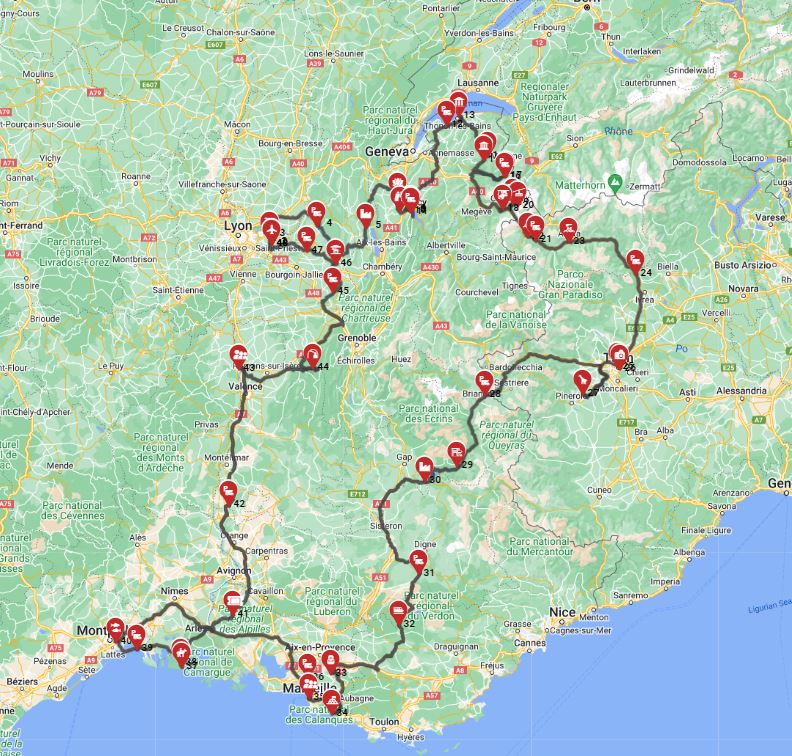
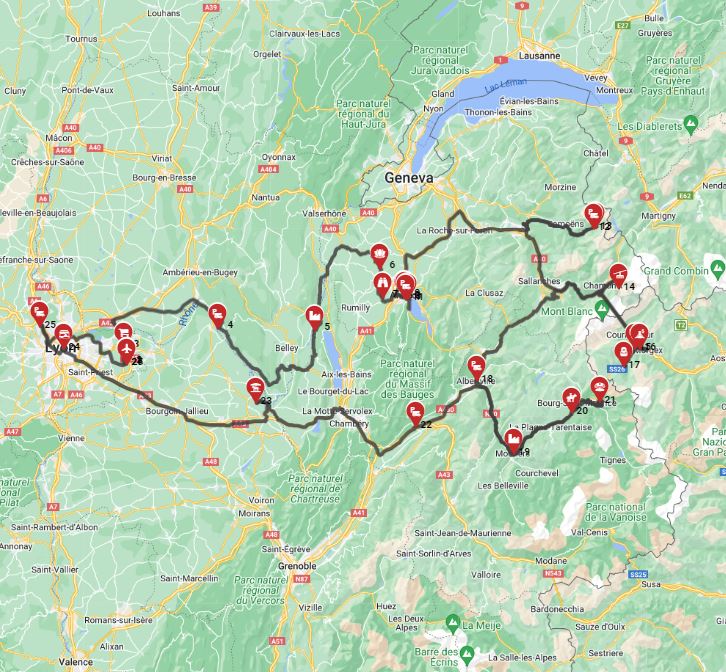
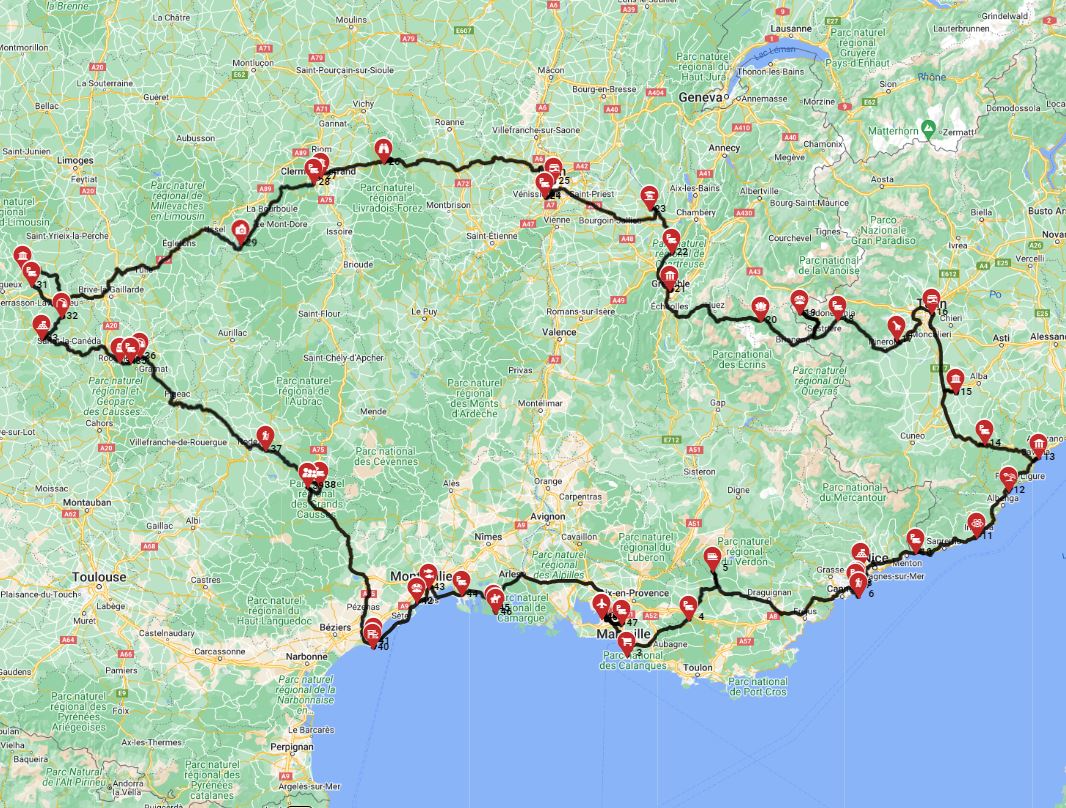
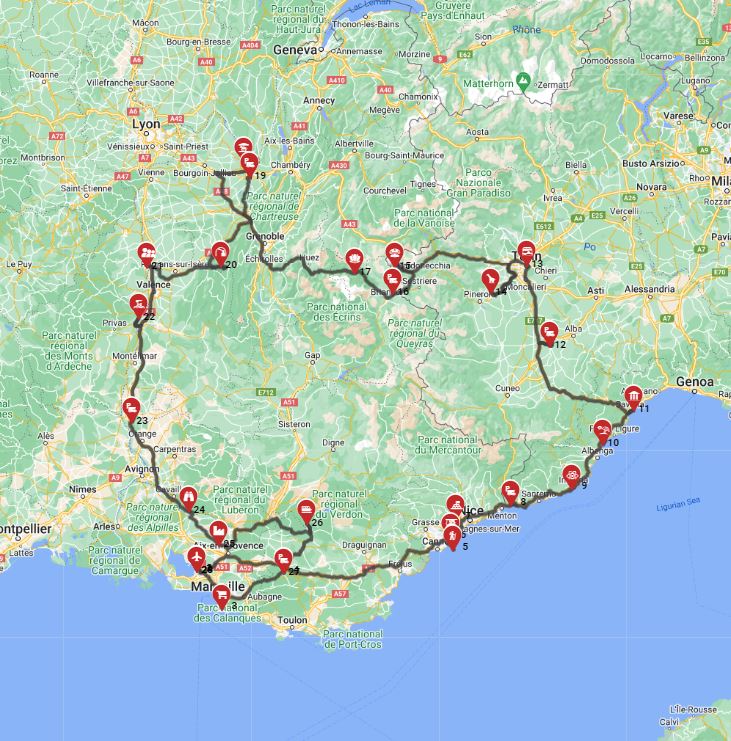
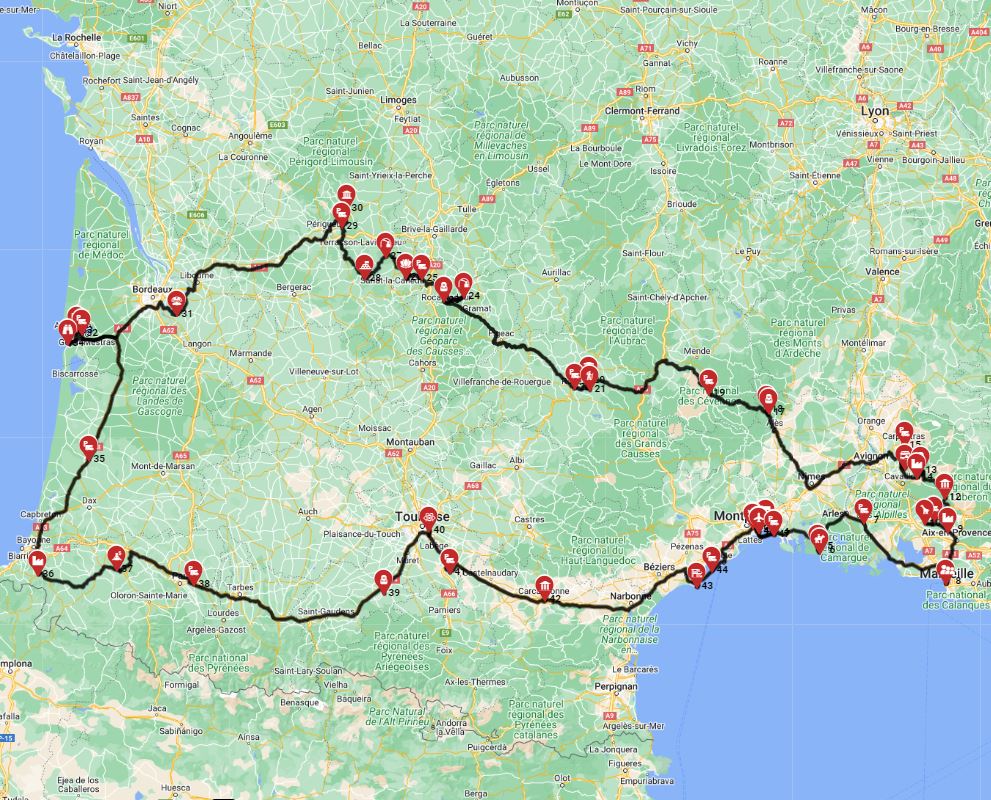
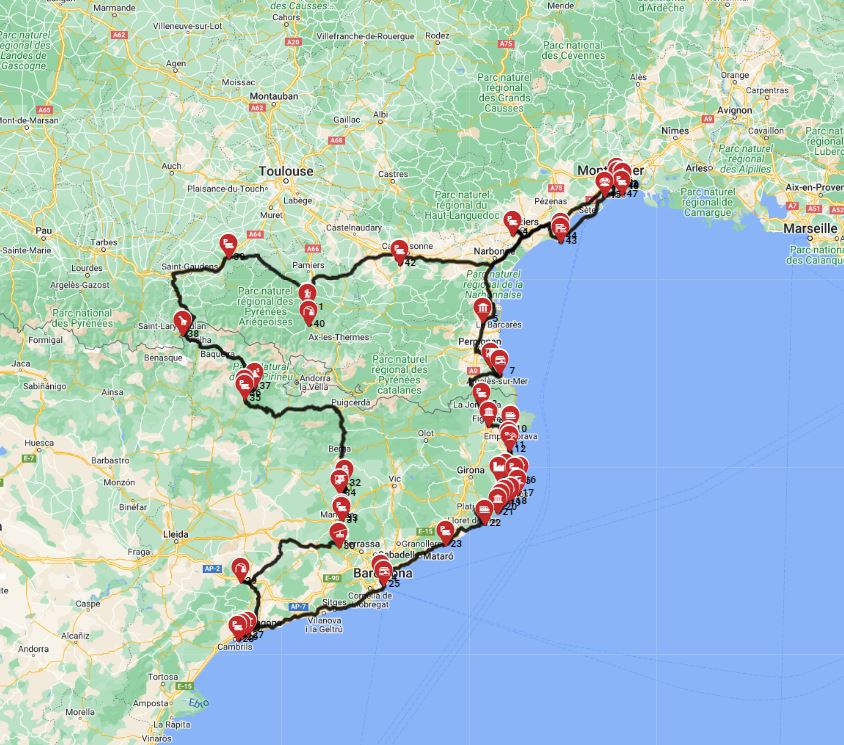
In France, RV campgrounds typically provide 220-240V electricity hookups, requiring a standard European two-pin CEE 7/7 adapter or a CEE blue camping plug. You'll also commonly find fresh water hookups and grey/black water dump stations, with Wi-Fi, laundry facilities, and showers also being prevalent. While Wi-Fi is available at most private and many municipal campsites, its quality and speed can vary, often being suitable for basic browsing but less so for heavy streaming or work, and sometimes incurring an extra fee. Expect clean communal showers and toilets, coin-operated laundry facilities, and larger sites may even offer small shops or restaurants. Some premium campgrounds may provide specialized pet amenities, such as dog washing stations or enclosed pet exercise areas, adding extra comfort for your furry companions. On the routes offered through RV PLANET routes, you can itemize and track every expense along the way for easy budgeting.
Booking Windows & Reservations in France
For popular French regions and peak season travel with a pet-friendly RV rental, booking campsites several months in advance is highly recommended. However, spontaneous travelers can often find spots at municipal sites or *aires de service*. During peak season (July-August), secure your pet-friendly pitches 3-6 months ahead, especially in popular coastal areas or near major attractions, as demand is high. For the shoulder seasons (May-June, Sept-Oct), booking 1-2 months in advance is generally sufficient, offering a good balance of availability and pleasant weather. Off-season travel often allows for same-day or next-day availability, though some smaller sites may close. It's worth noting that many national park campgrounds and highly sought-after spots may release only a portion (e.g., 25-30%) of their pitches for advance reservations, leaving the rest for first-come, first-served arrivals. Reassurance: You will almost certainly find a place – if not at the first campground, then at the next. Always call ahead before driving long distances to confirm availability and pet policies.
Nearby Supermarkets & Resupply Points
Major French supermarket chains such as Carrefour, Leclerc, and Super U are widely available across France, providing convenient resupply points for RV travelers. Look for large 'hypermarche' stores (e.g., Carrefour, Leclerc, Auchan, Géant Casino) on the outskirts of towns for extensive selections and competitive prices. Smaller 'supermarché' formats (e.g., Super U, Intermarché, Casino, Franprix) are common within towns and villages for daily necessities. Discount chains like Lidl and Aldi are also prevalent for budget-friendly options. Don't overlook local markets ('marchés') for fresh, regional produce, cheeses, and meats – these are a fantastic cultural experience and a source of high-quality food. Most major supermarkets stock pet food and basic pet supplies, but for specialized items, it's best to stock up or seek out a 'magasin d'animaux' (pet shop).
Best RV Class for Camping in France
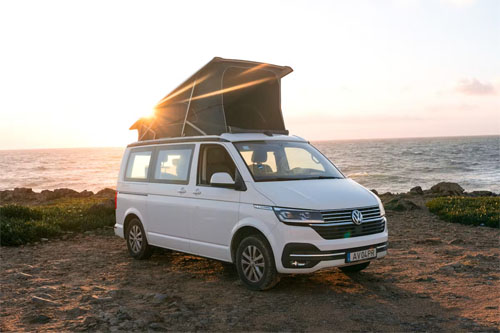
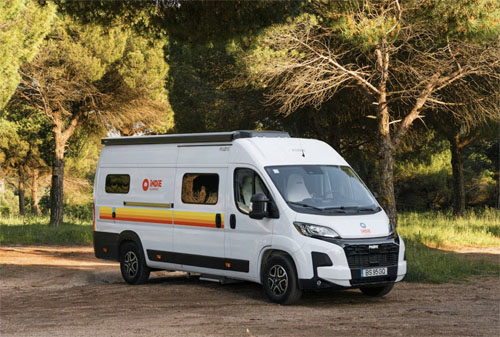
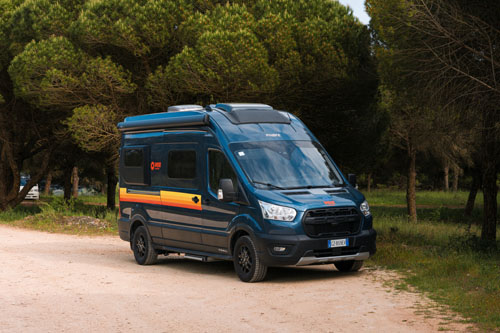
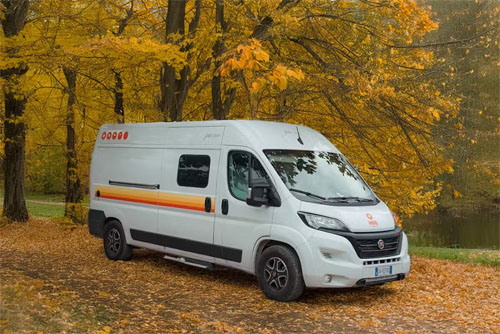
For pet-friendly RV camping in France, Class B camper vans offer excellent maneuverability for navigating narrower French village streets and smaller roads, making parking easier and providing greater flexibility for exploring. Bandana's global fleet of Class B camper vans averages 5.8 meters in length and sleeps up to 3.2 people, with common fuel consumption of 8-10 liters/100 km, making them ideal for smaller pets or very well-behaved larger ones. Class SI (Semi-integrated) RVs offer a good balance of space and comfort, with Bandana's fleet averaging 6.9 meters in length, sleeping up to 3.8 people, and consuming 10-11 liters/100 km, providing more living space and often a separate shower/toilet, suitable for campsites and longer trips. While Class C (Alcove) RVs, averaging 7.5 meters in length and sleeping up to 5.8 people with 10-12 liters/100 km fuel consumption, offer the most space for larger families or multiple pets, they can present challenges on very narrow roads and in smaller parking areas.
How to Save on Campgrounds in France
To save on pet-friendly campgrounds in France, consider utilizing discount cards from Bandana's preferred partners, traveling during the shoulder season, and opting for municipal or regional sites over private resorts. Investing in camping discount cards, such as those offered by ACSI or CampingCard International, can provide reduced rates during off-peak and shoulder seasons at participating campgrounds. Traveling in May-June or September-October avoids peak season pricing and crowds, often leading to significantly lower pitch fees. Municipal or regional sites, known as 'campings municipaux,' are generally more affordable than large, privately owned resort-style campgrounds. For short stays, take advantage of the free or low-cost *aires de service* for overnight parking, which can significantly reduce accommodation expenses. Additionally, many campgrounds offer discounted weekly or monthly rates; planning longer stays in fewer locations can be a cost-effective strategy.
How much does an RV trip in France cost?
The cost of an RV trip in France typically ranges from €80 to €150 per day, encompassing RV rental fees, fuel, tolls, campsite fees, *aires de service* costs, and food. The RV rental itself is often the largest component, varying significantly by RV class, season, and duration. For example, a Class B camper van might cost €70-€150 per day, with larger RVs costing more. Fuel costs should be budgeted considering most RVs consume 10-12 liters/100 km (a Class C Alcove averages 10-12 L/100km), with diesel prices typically ranging from €1.70-€2.00 per liter. Motorway tolls, known as 'péages,' can be a significant expense, especially on popular routes; utilizing online calculators or planning routes to avoid tolls can help save money. Campsite fees generally range from €15-€40 per night for a standard pitch with hookups, while *aires de service* can range from free to €15. For food, budget €20-€40 per person per day for groceries and occasional meals out, as cooking in your RV is highly cost-effective. Finally, remember that many pet-friendly rentals and campgrounds may charge an additional daily or one-time fee for pets, typically ranging from €2-€10 per night. For ideas you can prep on the road, watch our RV-friendly recipes playlist on YouTube.
What documents do I need for RV travel in France?
For RV travel in France, essential documents include a valid driver's license – an International Driving Permit (IDP) is often recommended and sometimes mandatory for non-EU citizens, translated into French. You'll also need the RV's registration certificate ('carte grise') and proof of your rental agreement from the rental company. Carry your insurance policy details, including the international motor insurance certificate ('Green Card'), which proves your vehicle is insured for travel in France. Personal identification, such as your passport or national ID card, is required for all travelers. For pets accompanying you, a valid EU Pet Passport or an official veterinary health certificate, along with proof of microchip and up-to-date rabies vaccinations, are mandatory for entry and travel within France. Lastly, remember to have the legally mandated safety equipment in your RV, including a reflective safety vest for each occupant and a warning triangle.
How do Aires de Service work for RVs in France?
*Aires de service* in France are dedicated motorhome service areas offering facilities for fresh water, waste disposal (grey and black water), and often overnight parking, serving as a cost-effective alternative to traditional campsites. These areas are specifically designed for motorhomes, allowing travelers to empty waste tanks, refill fresh water, and often providing a place to park overnight. They are widely distributed across France, from small villages to motorway rest stops; apps like Park4night, Campercontact, and official guides are invaluable for locating them. Some *aires* are free, particularly those provided by municipalities, while others are paid, requiring tokens ('jetons') or credit card payment for services like electricity, which are often limited to a few hours. Typical services include a fresh water tap, a grey water drain, and a black water cassette emptying point, though electricity hook-ups are less common than at campgrounds. Many *aires* permit overnight stays, usually for a limited duration (e.g., 24-48 hours), but amenities are generally minimal compared to a full campsite. It's important to practice good etiquette: always leave the area clean and respect noise levels, adhering to stated parking durations to ensure these valuable resources remain available for all.
What are RV safety and security tips for France?
RV safety in France involves securing your vehicle against theft, being aware of common road rules and potential scams, and knowing emergency procedures, especially when traveling with pets. Always lock all doors and windows, even when you are present, and consider using alarms or immobilizers. Avoid leaving valuables visible inside your RV, and in less secure parking areas, additional security measures like steering wheel locks can be beneficial. Park in well-lit, populated areas or official campgrounds and *aires*. At motorway rest stops, it's advisable to park near other RVs or trucks for perceived safety. Be wary of distraction scams, where one person might try to distract you at rest stops or petrol stations while another attempts to enter your RV. Driving safely means adhering to French speed limits, being cautious on narrow rural roads, and being aware of different driving habits; remember the mandatory safety equipment (reflective vests, warning triangle) must be carried. For pet safety, never leave pets unattended in a hot RV, ensure they are safely restrained while driving, and have local vet contact details readily available. In case of emergencies, know your RV rental company's roadside assistance contact, and remember the general European emergency number is 112 for police, ambulance, or fire services.
How to stay connected while RVing in France?
Staying connected while RVing in France is readily achievable through local SIM cards for mobile data, Wi-Fi access at campsites, or portable Wi-Fi devices. Purchasing a pre-paid local SIM card from major providers like Orange, SFR, or Bouygues Telecom is the most reliable method for securing mobile data, essential for navigation, communication, and streaming; these plans are generally affordable and offer good coverage. Most private campgrounds and many municipal ones provide Wi-Fi access, though it's often for a fee and the quality can vary significantly, usually being adequate for basic browsing but less ideal for heavy streaming or work. A portable MiFi device with a local SIM card offers a personal Wi-Fi hotspot for multiple devices, ensuring consistent connectivity on the go. For compatible phones, eSIM plans can be purchased online before your trip, providing immediate data connectivity upon arrival without needing a physical SIM card. Crucially, always ensure your phone is charged and maintains a working connection for emergencies, regardless of your primary internet methods.
What are the best regions and seasons for RVing in France?
The best regions for RVing in France depend on your desired experiences, with Provence and the Loire Valley being ideal for spring and autumn, the French Alps perfect for summer hiking, and Brittany offering charming coastal experiences. Generally, the shoulder seasons provide the best balance of pleasant weather and fewer crowds. Provence and the Côte d'Azur are famed for their sunshine, lavender fields, and picturesque villages, making them perfect in late spring (for lavender) and early autumn (for wine harvest). The Loire Valley, known for its magnificent châteaux and vineyards, is beautiful in spring and early summer for mild weather and less crowded tours. For mountain activities, hiking, and stunning scenery, the French Alps and Pyrenees are best enjoyed in summer for pleasant temperatures and open passes. Brittany and Normandy offer dramatic coastlines, historical sites, and delicious seafood, with late spring to early autumn being the most enjoyable periods. While summer (June-August) offers the warmest weather and all attractions open, expect higher prices and significant crowds, especially in popular areas, and be mindful of extreme heat for pets in southern regions. Winter (November-March) is colder, and many campsites close, but it's suitable for skiing trips in mountain regions or quiet city breaks, though pet-friendly options might be more limited.
How can RVers immerse in French culture?
RVers can truly immerse themselves in French culture by visiting local markets, savoring regional cuisine, practicing basic French phrases, and participating in local festivals, thereby fostering authentic interactions beyond typical tourist routes. Local markets ('marchés') are a cornerstone of French life; visiting them for fresh produce, artisan cheeses, cured meats, and regional specialties offers a genuine taste of local culture. Engaging with vendors, even with a few French words, is highly appreciated. Culinary exploration is key: sample regional dishes like crêpes in Brittany or ratatouille in Provence, visit local boulangeries for fresh bread and pastries, and embrace the relaxed atmosphere of café culture. Learning basic French phrases such as 'Bonjour' (hello), 'Merci' (thank you), 'S'il vous plaît' (please), and 'Parlez-vous anglais?' (Do you speak English?) will greatly enhance your interactions. Checking local tourist office websites for upcoming regional festivals, concerts, or traditional events provides further opportunities to experience authentic local life. Remember to respect local customs, including dining etiquette and greetings. Driving an RV grants access to smaller towns and villages, offering more opportunities for genuine cultural exchange away from major tourist hubs. If your pet is well-behaved, bringing them to outdoor cafes or market areas, where pets are often welcome, can further integrate you into the local rhythm of life.
What You Shouldn't Miss
- Drive the Route des Grandes Alpes for breathtaking mountain scenery, stopping at charming villages along the way.
- Explore the châteaux of the Loire Valley, perhaps visiting Chenonceau or Chambord for a taste of French history and architecture.
- Wander through a Provençal lavender field in bloom during the summer months for an unforgettable sensory experience.
- Discover the rugged coastline and historic D-Day landing sites in Normandy, offering a poignant connection to the past.
- Indulge in the culinary delights of Alsace, exploring its picturesque villages and renowned wines.
- Experience the vibrant atmosphere of a local French market, sampling regional produce and interacting with vendors.
Final Thoughts
Embarking on an RV adventure in France offers an unparalleled way to explore its diverse landscapes and rich culture, and doing so with your pet adds an extra layer of joy to the experience. From the rolling vineyards to the majestic mountains and picturesque coastlines, France truly caters to every type of traveler.
Remember that thorough planning, especially regarding campsites and pet policies, will ensure a smooth and stress-free journey. With the right preparation and the flexibility that RV travel provides, you're set for an unforgettable French escapade. Happy travels!