For live availability and current prices, start with our RV Rental California - Complete Guide 2026 guide.
In This Guide
- Where to Camp in California - Top Options
- Campground Types in California (National, Private, Wild)
- Featured RV Park or Campground in California
- Hookups & Amenities - What to Expect
- Booking Windows & Reservations in California
- Nearby Supermarkets & Resupply Points
- Best RV Class for Camping in California
- How to Save on Campgrounds in California
- How much does it cost to RV in California
- How much does it cost to rent an RV for a week in California
- What are the rules for RVing in California
- Can you sleep anywhere in an RV in California
- How do you find free RV camping in California
- Do you need a special license to drive an RV in California
- What is the best time of year to RV in California
- Can you RV in California in December
- What are the best RV trips in California
- Where can I dump my RV waste in California
- Is it safe to RV in California
- RVing in California: Staying Connected and Tech Tips
- Eco-Friendly RVing in California: Leave No Trace
California is a dream destination for a rented RV adventure, offering an incredible diversity of landscapes from sun-drenched beaches to towering mountain peaks and vast deserts. Traveling with your beloved dog in a pet-friendly rental motorhome opens up even more possibilities to explore the Golden State's natural wonders and charming towns. At Bandana RV, we understand that pets are family, and we're here to help you plan an unforgettable trip where every member of your family, including the furry ones, feels welcome. For live availability and current prices, start with our RV Rental California - Complete Guide 2024.
Where to Camp in California - Top Options
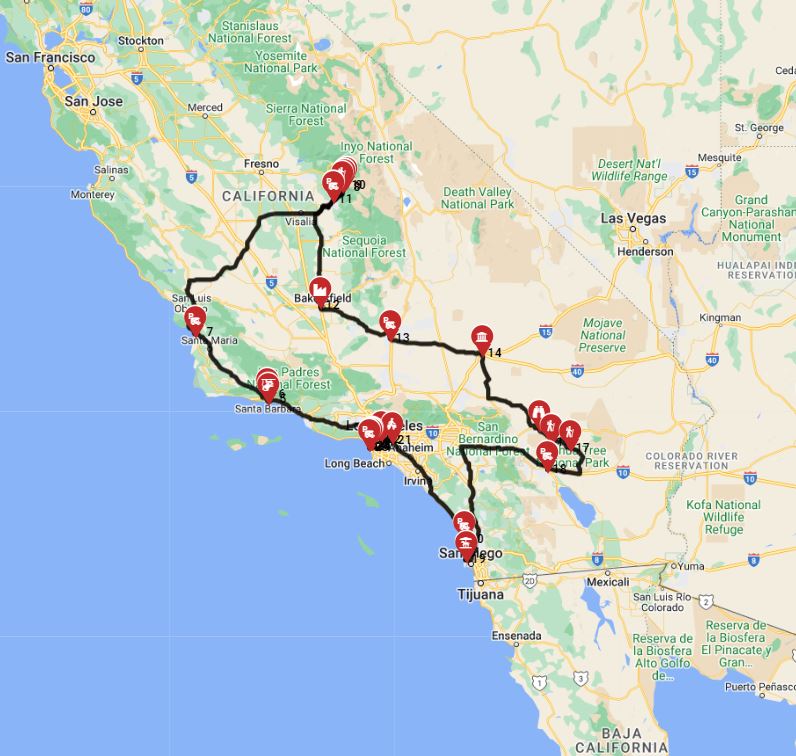
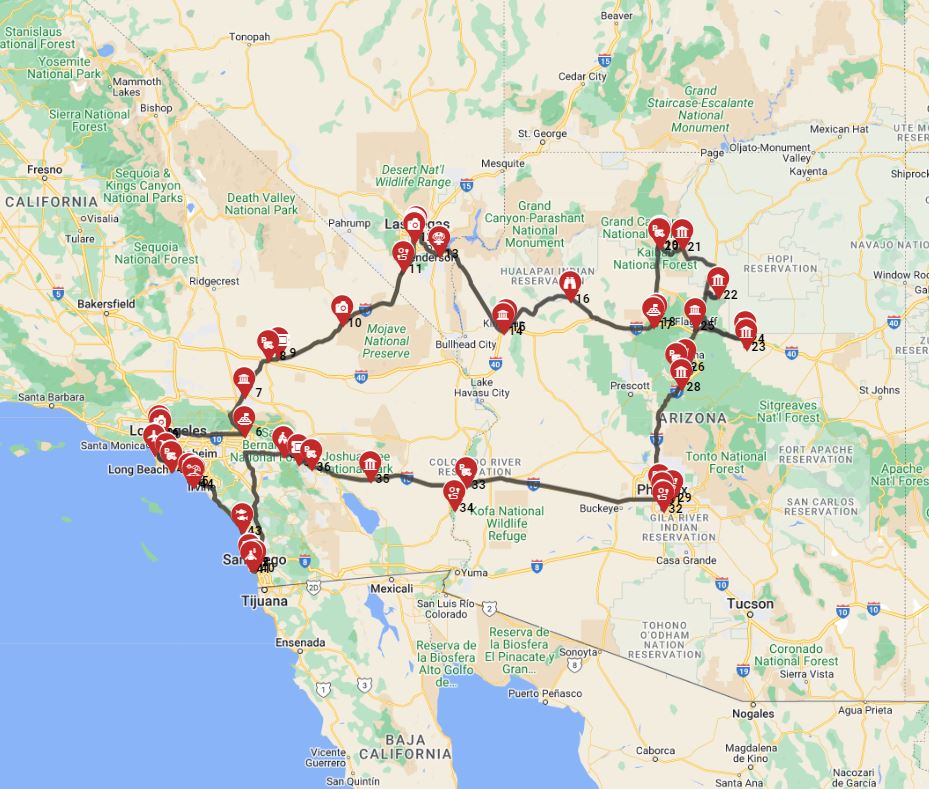
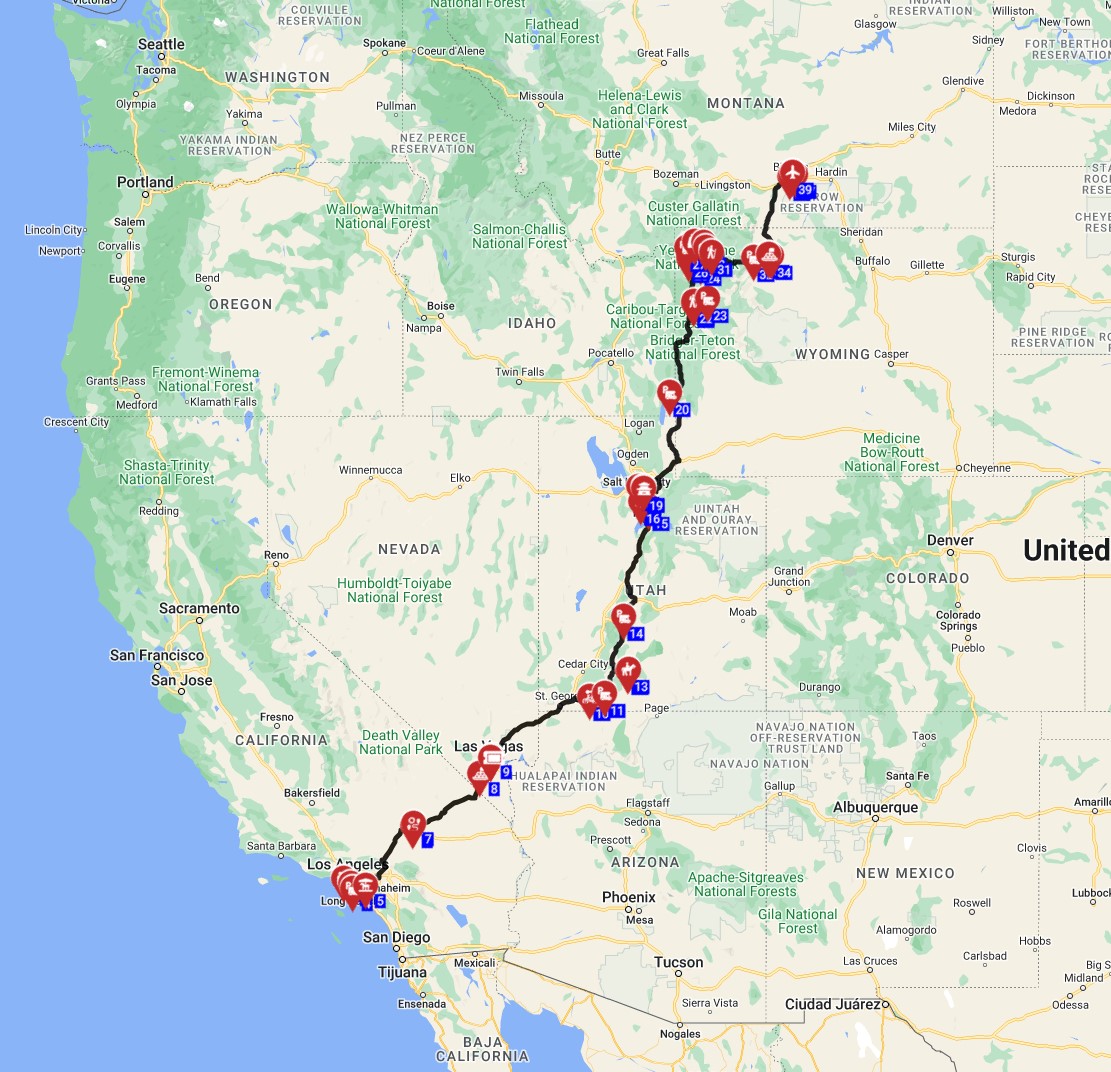
California offers diverse RV camping experiences across its vast landscapes, from coastal bluffs to mountain forests and desert oases, many of which welcome pets. Popular regions include the majestic Sierra Nevada, with numerous campgrounds near iconic Yosemite National Park and Sequoia National Park, the stunning Pacific Coast, particularly along scenic stretches like Big Sur, and the unique Southern California deserts such as Joshua Tree National Park. When planning your route, consider RV PLANET routes that feature over 6 hiking areas and 5 natural features in regions perfect for pet-friendly exploration.
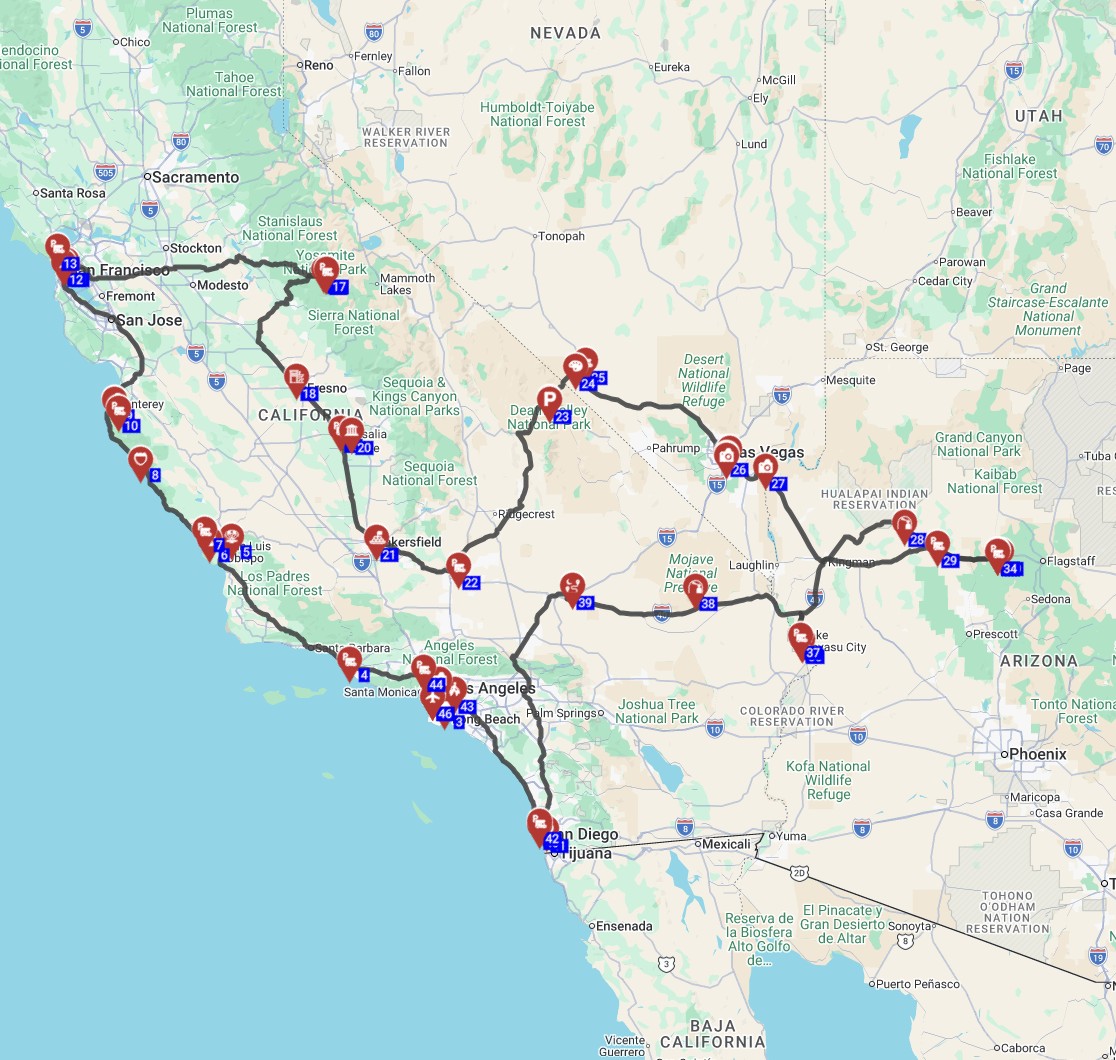
For example, exploring San Francisco and its surroundings offers numerous state parks and private RV parks where dogs are permitted on trails and in designated areas. Drive slowly and carefully, and you can drive almost anywhere without issues, including city areas. No need to stress - just use common sense and pay attention to local signs. A good resource for pet-friendly stops can be found through RV PLANET, which offers detailed itineraries such as "
Campground Types in California (National, Private, Wild)
In California, RVers can choose from federally managed sites, private campgrounds, and designated dispersed camping areas, each offering distinct experiences and regulations for pet owners. National and State Parks provide scenic beauty and basic amenities, often requiring reservations well in advance for popular spots, and typically allow dogs on paved roads, in campgrounds, and on certain designated trails (always check specific park rules for pet restrictions, which can vary significantly). Private campgrounds often boast more amenities like full hookups, pools, and dog parks, providing a comfortable base for your adventures. Additionally, "wild" or dispersed camping on public lands, such as National Forests or Bureau of Land Management (BLM) land, allows for free, off-grid experiences with pets but comes with specific rules, stay limits (often 14 days), and no amenities, requiring self-sufficiency.
For detailed information on pet policies and amenities at various campgrounds, using resources like rvplan.net to plan your route can be incredibly helpful. This ensures you find spots that welcome your furry friend, whether you're seeking a secluded forest retreat or a bustling beachside resort. Always ensure your rental motorhome is equipped with enough fresh water, a waste water tank, and a grey water tank capacity for your chosen camping style.
Featured RV Park or Campground in California
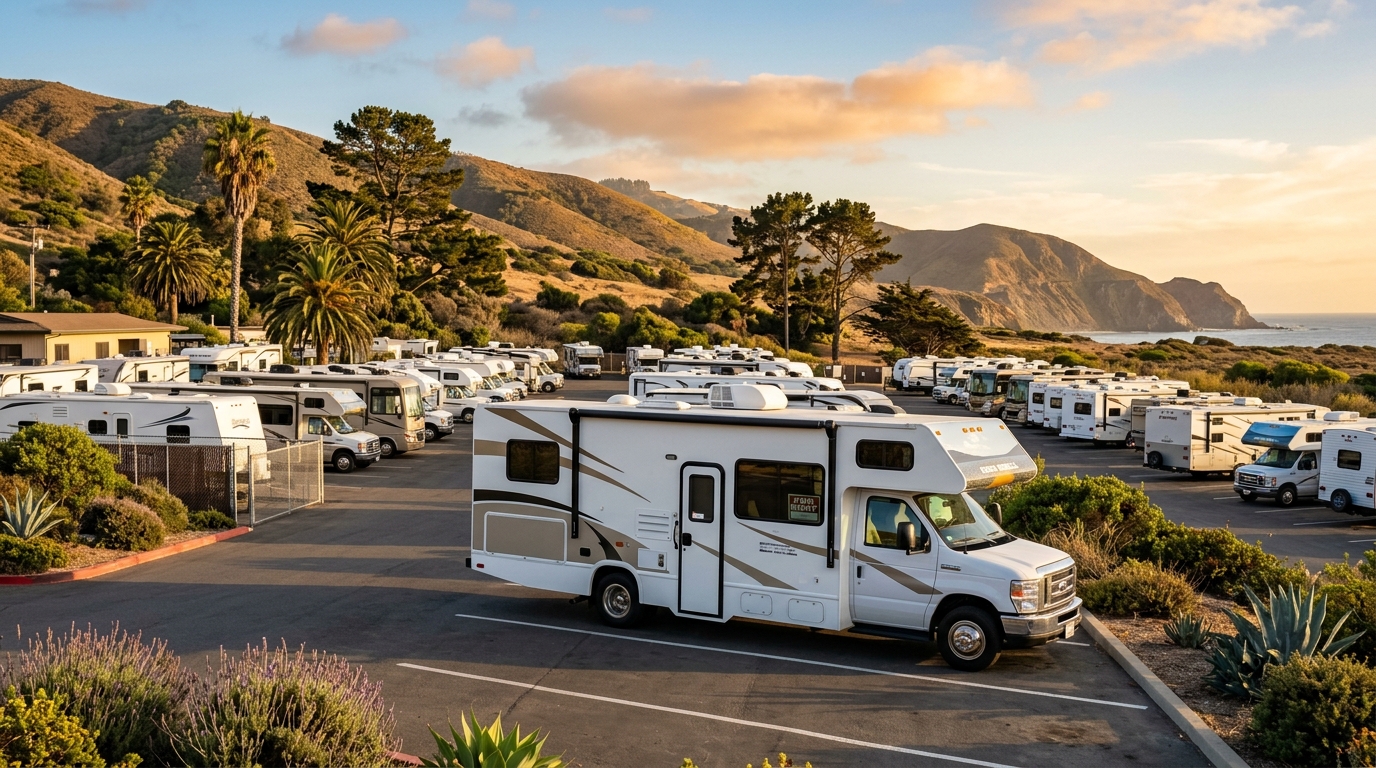
When looking for an ideal RV park in California that is pet-friendly, consider locations that offer a blend of scenic beauty and essential amenities, catering to your travel style and your dog's needs. For instance, the Coast Camp in Point Reyes National Seashore allows dogs on specific trails and offers beach access for pets, but sites are primitive. For more amenities, private RV parks in areas like San Diego or the Russian River Valley offer full hookups, dog runs, and easy access to local attractions. Always seek out parks with reliable facilities, clean amenities, and proximity to natural attractions or local towns, which often provide a mix of rustic charm and modern conveniences. Many rental motorhomes, such as a "24' Class C Motorhome," which is listed as Pet Friendly, are ideal for these types of parks.
🎬 Video coming soon
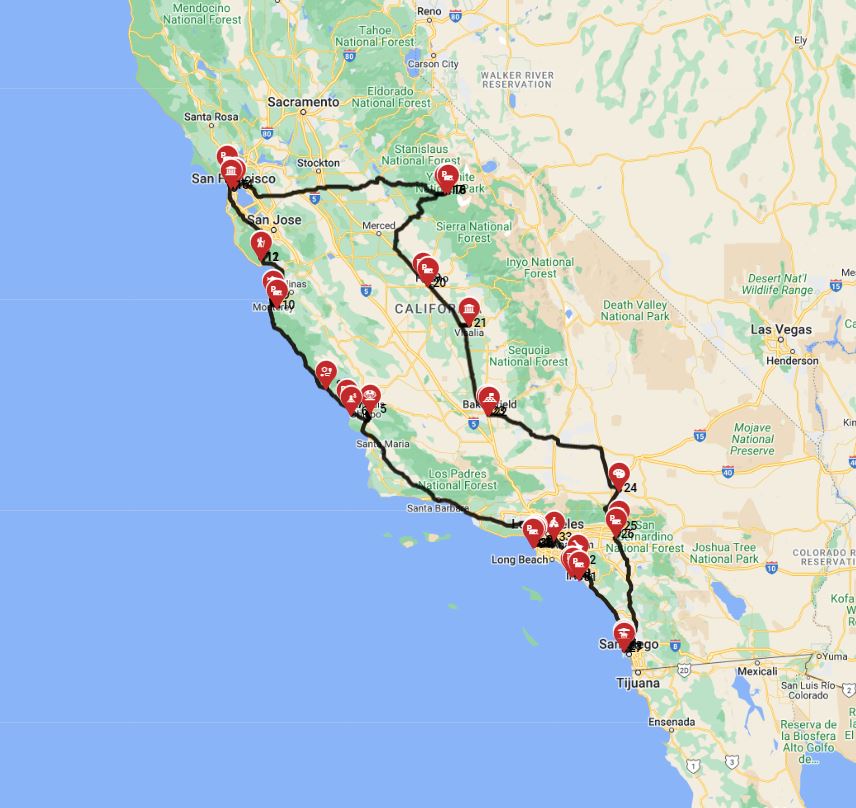
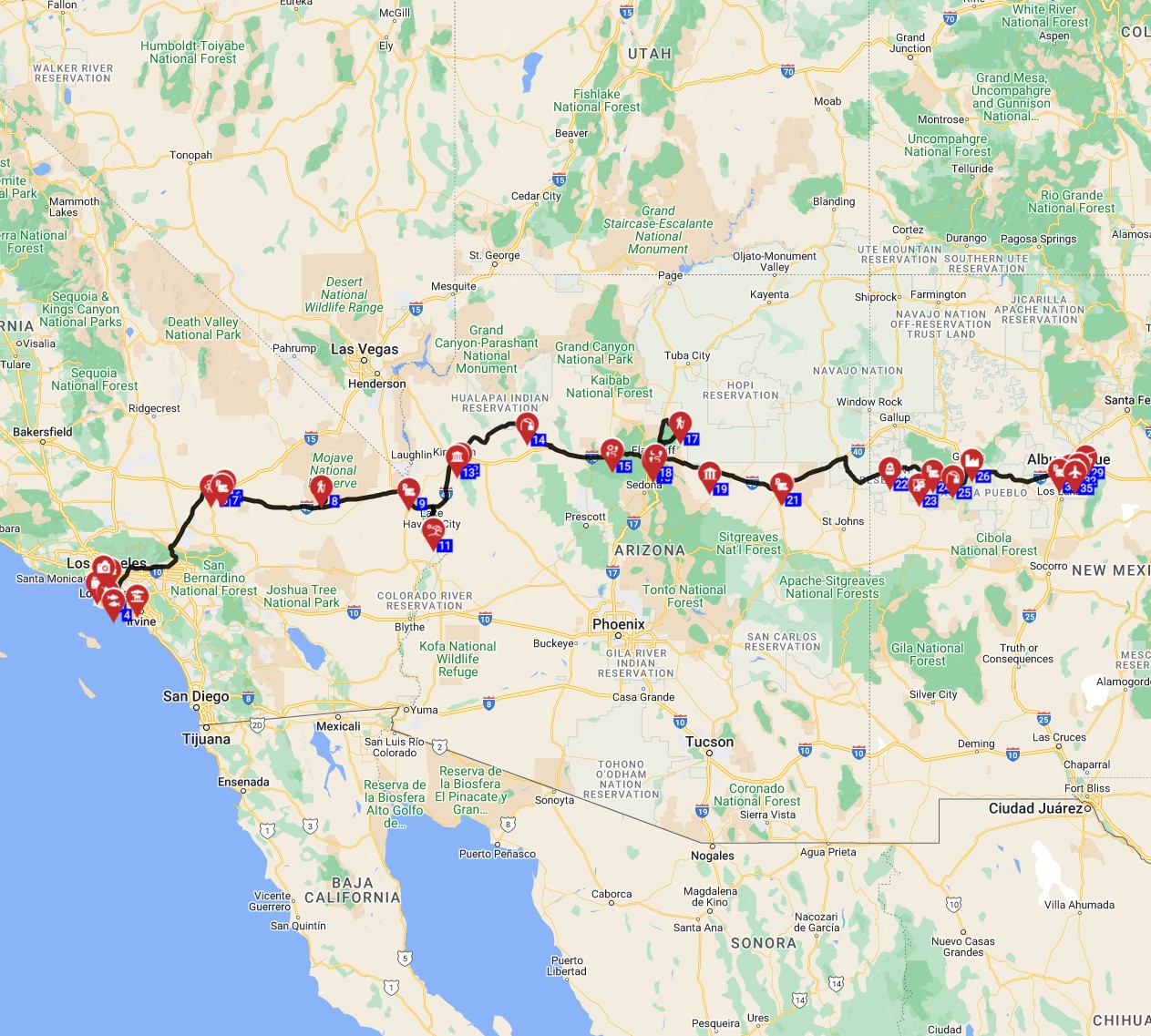
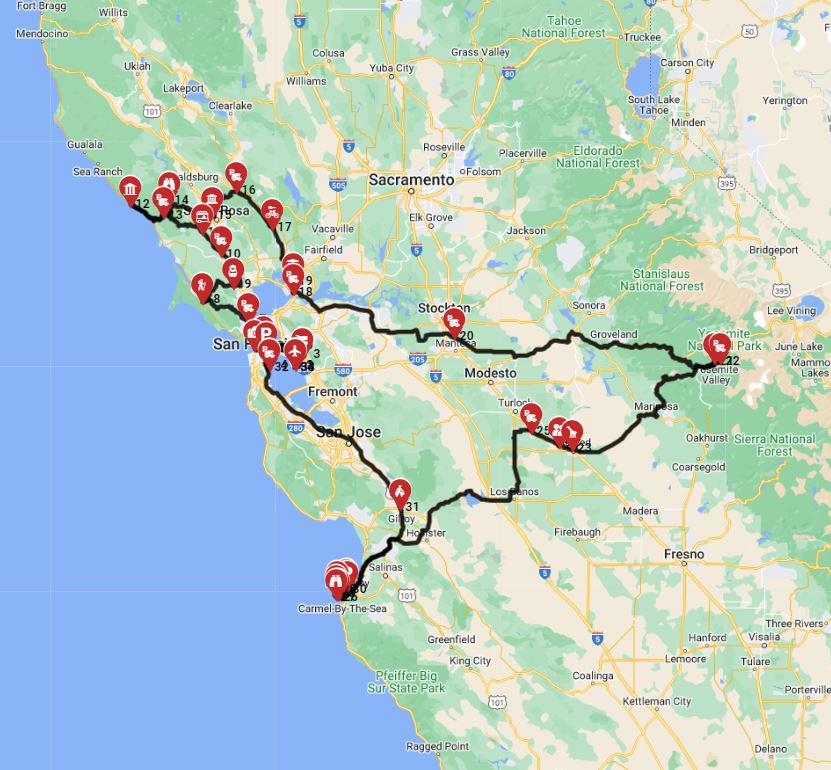
Consider a route like "
Hookups & Amenities - What to Expect
Most developed RV campgrounds in California offer a range of hookups and amenities to enhance your stay, typically including electricity, water, and sewer connections for your rental motorhome. Standard electrical hookups are commonly 30-amp and 50-amp, ensuring compatibility with most RVs, and freshwater hookups use a standard hose connection. Many also provide communal dump stations, Wi-Fi (though reliability can vary in remote areas), laundry facilities, and showers. Some premium private parks even feature swimming pools, pet washing stations, and community gathering areas, which can be a great bonus for families with kids and pets. Always check the campground's specific amenities before booking to ensure they meet your needs, especially if you're traveling with a pet and require specific facilities like dog parks or waste stations. On the routes offered through RV PLANET routes, you can itemize and track every expense along the way for easy budgeting.
When selecting your rental RV, consider models like the "cruise america rv rental example Explorer" (7.1m length, 82 liter fresh water, 82 liter waste water capacity) which comes equipped with a gas stove, refrigerator, microwave, and shower, making it easy to prepare delicious meals for your family. If you're looking for RV-friendly recipes playlist, check out our YouTube channel! For ideas you can prep on the road, watch our RV-friendly recipes playlist on YouTube.
Booking Windows & Reservations in California
Securing an RV campsite in California, especially during peak seasons (spring and fall) and at popular national parks like Yosemite or Big Sur, often requires advance planning due to high demand. While pre-planners should aim to book 3-6 months ahead for popular spots, spontaneous travelers can often find same-day or next-day availability at less-trafficked private campgrounds or by utilizing first-come, first-served (FCFS) sites. Many national park campgrounds, for instance, reserve only 25%-30% of spots for advance reservations, with the remaining 70%-75% being FCFS. You'll find a spot; if not at the first campground, then the next one. Always call ahead before driving a long distance, especially when traveling with a rental campervan or motorhome.
Utilize resources like rvplan.net to check availability and plan your routes efficiently, whether you prefer everything organized months in advance or enjoy the freedom of day-to-day decisions. Being flexible with your travel dates and destinations can significantly increase your chances of finding available pet-friendly RV camping spots. Our extensive network of over 50 leading RV suppliers worldwide, including trusted partners like El Monte and Cruise America, means you have a wide selection to choose from, offering greater flexibility.
Nearby Supermarkets & Resupply Points
RVers traversing California will find numerous supermarkets and resupply points conveniently located near major highways and popular destinations, ensuring you can keep your rental motorhome well-stocked. Look for well-known chains such as Safeway, Vons, Ralphs, and Albertsons in urban and suburban areas, or smaller, independent grocery stores and general stores in more remote regions to restock provisions. For fresh, local produce, consider stopping at farmers' markets, which are abundant across California and offer a taste of the regional flavors. Don't forget pet food and supplies for your dog! Keep an eye on your water and propane levels, especially when planning longer stretches in less developed areas, and utilize designated dump stations regularly.
Effective budgeting for ancillary costs like groceries, fuel, and propane is easy when you plan with RV PLANET routes, which allow you to itemize and track every expense along the way. This transparency ensures no hidden fees or surprises for your trip in a rented RV.
Best RV Class for Camping in California
The best RV class for camping in California largely depends on your travel style, group size, and desired destinations, all while considering pet comfort. Class B Campervans are excellent for maneuverability, especially on narrow coastal roads or within bustling cities like San Francisco. For example, Bandana's global fleet average for Class B Campervans is 5.8 meters in length, designed for 2-3 adults, making them ideal for couples or small families with a dog who prefer agile travel and smaller, more accessible campsites. They often feature amenities like a shower and toilet, ensuring convenience.
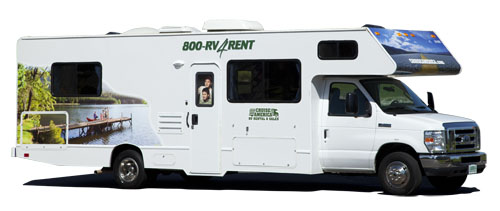
For families or groups seeking more living space and payload capacity, Class C Alcove motorhomes are a popular choice. Our global fleet average for Class C Alcoves is typically 7.5 meters long and can accommodate 4-6 adults, offering more room for everyone, including your dog, and an average payload capacity of 42.4 kg for luggage and supplies. These models, like a "24' Class C Motorhome," handle mountain roads and open highways efficiently. Class A motorhomes, while larger (e.g., a "Class A - Thor ACE 30" is 9.37m long), provide luxury and ample space for larger groups or those desiring a more opulent travel experience, easily navigating national parks and wider highways. Regardless of size, ensure your chosen rental RV is pet-friendly when comparing options for your California adventure.
How to Save on Campgrounds in California
To significantly reduce camping costs in California, consider leveraging campground discount cards, booking during shoulder seasons, and opting for municipal or regional parks over premium private resorts. Many state parks and private campgrounds offer discounts for extended stays, so traveling for a week or more can be more cost-effective per night. Renting with a company that offers specific campground discount programs, choosing to travel in spring (April-May) or fall (September-October) when demand is lower, and staying for 3+ nights to qualify for weekly rates are effective strategies. Additionally, exploring free dispersed camping on public lands, such as National Forests or BLM land, where permitted and safe, can virtually eliminate accommodation costs, but requires your rental campervan to be fully self-contained.
For even greater savings, always be flexible with your travel dates and consider less popular destinations. Remember, prices are dynamic, much like flight tickets, changing daily based on availability and seasonality. Using a comparison tool like Bandana RV helps you find the most affordable options. Our full transparency means no hidden fees, so what you see is what you get, helping you budget effectively from day one.
How much does it cost to RV in California
The total cost to RV in California varies widely based on rental type, trip duration, campsite fees, fuel consumption, and additional expenses like activities and permits, but renters should budget for an average of $150-$400 per day including the rental. Rental prices for a motorhome can range from $100-$300+ per night depending on RV class and season; for example, a compact Class B Campervan will generally be on the lower end compared to a large Class A motorhome. Campsite fees typically run $25-$75 per night for developed sites with amenities, while dispersed camping is free.
Fuel, especially for larger Class A or C RVs (a Class A with an average fuel consumption of 25-35 liters/100km), will be a significant ongoing cost, alongside considerations for propane, water refills, dump station fees (around $10-$25), and potential hidden charges for amenities or services. Toll roads, particularly around urban areas like San Francisco, also add to the budget. When planning, remember that prices are dynamic, fluctuating with demand and seasonality, so booking in advance or traveling during the shoulder seasons can offer better value. For comprehensive budgeting tools, RV PLANET routes allow travelers to itemize and track every expense.
How much does it cost to rent an RV for a week in California
Renting an RV for a week in California can range from approximately $700 to $2,100 or more for the rental fee alone, depending on the RV class, time of year, and included amenities. For instance, a Class B Campervan (Bandana's global fleet average: 5.8m length, suitable for 2-3 adults) might cost less than a larger Class C Alcove (Bandana's global fleet average: 7.5m length, accommodating 4-6 adults), with peak season rates in summer or during holidays pushing prices higher. For a 7-day rental, factor in an additional $200-$500 for a week's worth of fuel, considering a Class C motorhome like the "cruise america rv rental example Explorer" has a 75 liter fuel tank and consumes about 11 liters per 100 km. Daily campsite fees (averaging $25-$75) and other travel expenses such as food, activities, and pet fees will also contribute to the total cost. To explore various price points and find the best fit for your budget, look into "Weekly RV Rental in California - Pricing 2024" resources.
What are the rules for RVing in California
RVing in California involves adhering to various state and local regulations concerning parking, camping, and vehicle operation, which are crucial for a safe and legal trip. Key rules include abiding by posted speed limits (which can vary for RVs, generally lower for larger vehicles), understanding specific length and weight restrictions on certain scenic routes and tunnels (e.g., some tunnels might have restrictions for Class A Integrated RVs, like a 7.5m long "MH-A" model), ensuring proper waste disposal at designated dump stations, and respecting fire bans or restrictions, especially in wilderness areas. Pet owners must also be aware of leash laws and prohibitions in certain natural areas. Drive slowly and carefully, and you can drive almost anywhere without issues. No need to stress - just use common sense and pay attention to road signs and local ordinances. For more details on specific regulations, refer to the "RV Rental California - Complete Guide 2024" for comprehensive information.
Can you sleep anywhere in an RV in California
No, you cannot legally sleep anywhere in an RV in California; overnight parking and sleeping are generally restricted to designated campgrounds, RV parks, and specific public lands where permitted. While dispersed camping (boondocking) is allowed on many National Forest and Bureau of Land Management (BLM) lands, it requires careful research into specific area regulations, stay limits (often 14 days in one spot), and adherence to Leave No Trace principles. Local ordinances frequently prohibit overnight parking in residential areas, city streets, or at highway rest stops, and violators can face fines. Always check for "no overnight parking" signs. Resources like iOverlander or Campendium can help identify legal overnight spots for your rented campervan or motorhome. Planning your route with rvplan.net can also highlight designated camping areas, ensuring a worry-free trip. It's best to call ahead or consult local visitor centers if you're unsure about a particular area.
How do you find free RV camping in California
Free RV camping in California is primarily found on federal public lands managed by the Bureau of Land Management (BLM) and the U.S. Forest Service, which offer dispersed camping opportunities away from developed facilities. These lands provide a chance for off-grid experiences with your rented RV or campervan, but you must be fully self-sufficient as amenities are non-existent. Resources like iOverlander, Campendium, and FreeCampsites.net are invaluable tools for locating these sites, often providing user reviews and specific GPS coordinates. However, campers must adhere to Leave No Trace principles, check for fire restrictions, and be aware of specific area permits or stay limits, which are often 14 days within a 28-day period. Always plan your water and waste management carefully, as you'll need to carry out all trash and dispose of grey and black water at designated dump stations. You can also explore options for "RV Rental Deals in California - Latest Offers 2024" which might include discounts for longer trips that facilitate dispersed camping.
Do you need a special license to drive an RV in California
In California, most recreational vehicles, including all Class A, B, and C motorhomes available for rental, do not require a special license as long as they weigh under 26,000 pounds and are not towing more than 10,000 pounds. A standard Class C driver's license is sufficient for the vast majority of RV rentals, making RV travel accessible to almost anyone with a regular driver's license. For international visitors from non-English-speaking countries, an International Driving Permit (IDP) is recommended but is NOT mandatory in most cases; however, it can be helpful for translation purposes. There are no young driver surcharges or vehicle class restrictions based on age for renters 21 years and older, which is a key advantage of choosing Bandana RV.
Bandana RV is a true RV specialist, having helped tens of thousands of travelers explore the world by RV since being founded in 2001. We understand the licensing requirements for our fleet of motorhomes and campervans, ensuring you have clear, professional, and confident guidance before you hit the road.
What is the best time of year to RV in California
The best time of year to RV in California largely depends on your desired activities and regions, with spring (April-May) and fall (September-October) generally offering the most pleasant weather and fewer crowds across the state. These shoulder seasons provide comfortable temperatures for exploring national parks like Yosemite and coastal areas like Big Sur, avoiding the intense summer heat in inland regions and the colder, potentially snowy conditions in higher elevations during winter. For instance, in spring, wildflowers bloom in the deserts and hills, and waterfall flows are at their peak in the Sierra Nevada. In fall, the changing leaves in the mountains offer stunning scenery, and coastal temperatures remain mild. However, if your plan involves snow sports in Lake Tahoe, winter would be ideal. Consider searching for "RV Rental in California - Prices and Best Deals 2024" to align your travel dates with seasonal pricing and availability.
Can you RV in California in December
Yes, you can RV in California in December, but travel planning requires careful consideration of regional weather patterns, as conditions vary dramatically from snow-covered mountains to mild coastal and desert areas. While coastal campgrounds and Southern California deserts offer pleasant winter RVing with cooler temperatures and fewer crowds, mountain passes (like those to Yosemite or Lake Tahoe) may be closed or require tire chains due to snow and ice. This necessitates flexible itineraries and vehicle preparedness, such as ensuring your rental motorhome is winterized or rated for cold weather. Always check road conditions and park alerts before heading to higher elevations in December. Many rental motorhomes, such as the "Euro Deluxe" (features Winter Ready), are equipped to handle colder conditions, but you should always confirm specific features with your supplier. Traveling in December can be a magical experience, offering unique seasonal views and often significantly fewer tourists.
What are the best RV trips in California
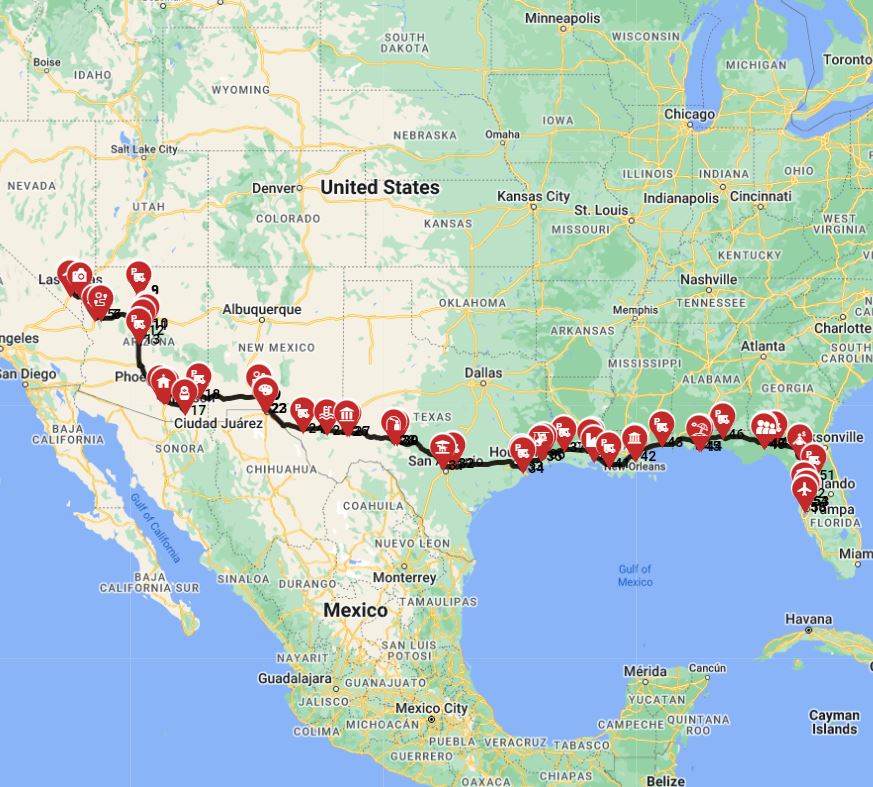
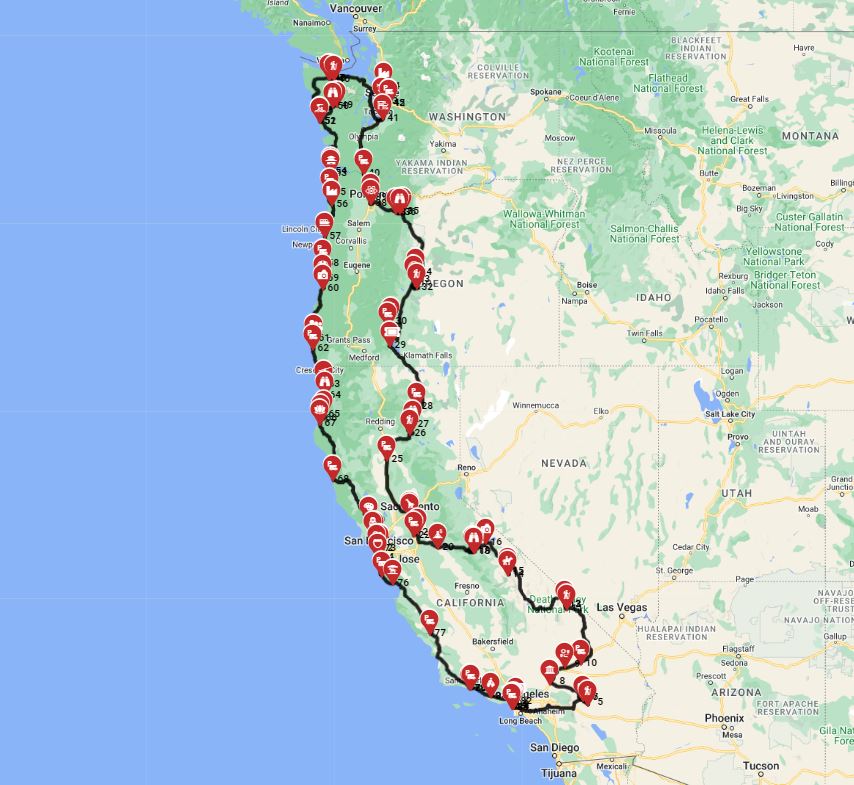
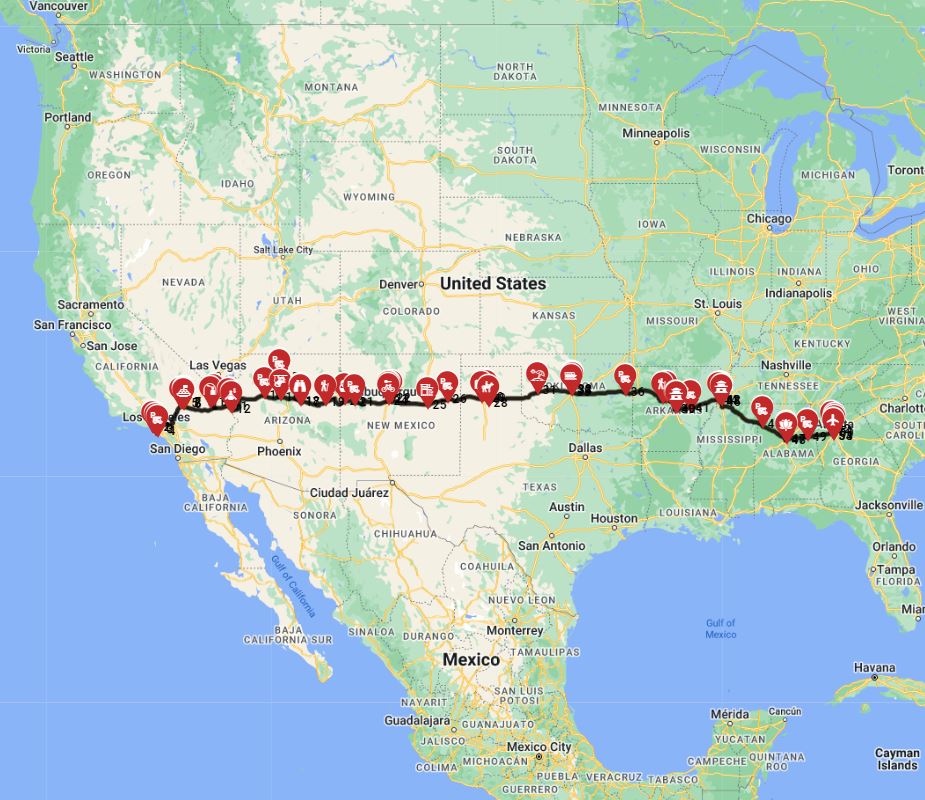
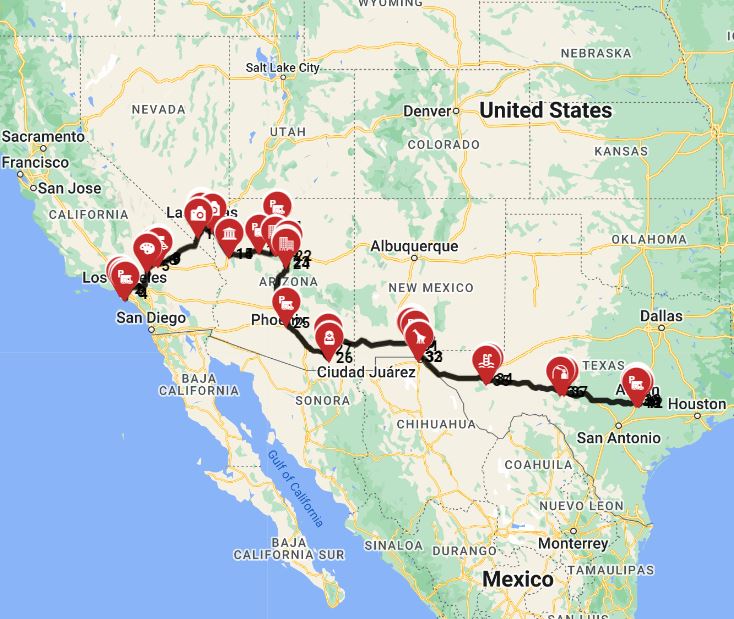
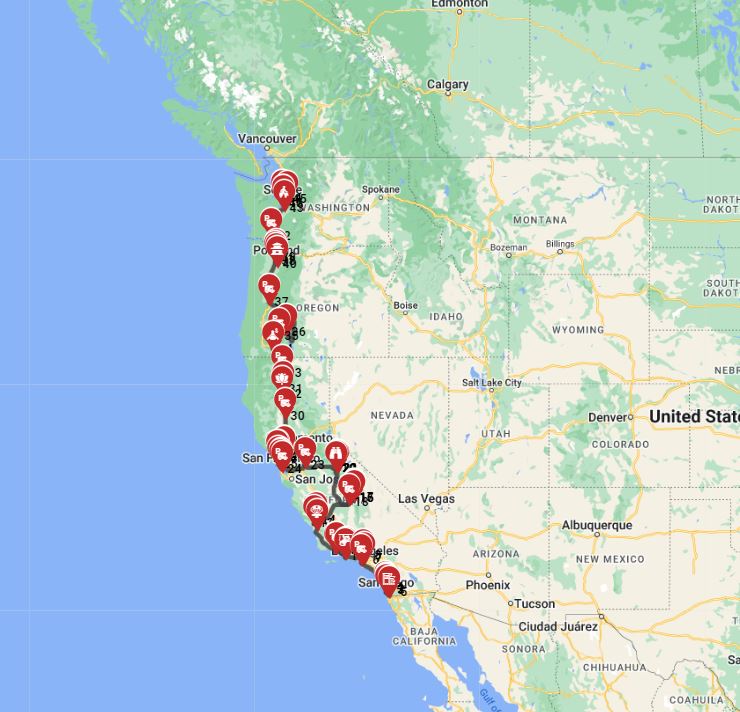
California offers an unparalleled variety of RV trip itineraries, from iconic national parks to scenic coastal drives and lesser-known regional gems, perfect for a week-long trip or longer. Top trips include exploring the dramatic coastline on Highway 1, venturing through the towering redwoods, discovering the unique landscapes of Death Valley and Joshua Tree, or experiencing the vineyards of Temecula Valley and the historic Gold Rush towns. For a truly extensive adventure, consider a route like "
Don't forget to explore unique private campgrounds like those themed for glamping or located near local festivals, which can add a special touch to your adventure. Traveling slowly, aiming for a maximum of 100-150 km per day on average, allows you to truly feel the place, connect to the culture, the food, and the scenery. For pet owners, many of these destinations offer dog-friendly activities and trails.
Where can I dump my RV waste in California
RVers in California can conveniently dump their waste at designated dump stations commonly found at most state and national park campgrounds, private RV parks, and certain truck stops or rest areas throughout the state. Many gas stations and specialized RV service centers also offer dump services, though some may charge a fee, typically $10-$25. It's always advisable to use apps like RV Dump Stations or Sanidumps to locate the nearest facility and confirm operating hours and any associated fees. Proper waste disposal is a crucial aspect of eco-friendly RVing in California, helping preserve its diverse ecosystems and ensuring compliance with environmental regulations. Always ensure your rental motorhome's waste tanks are emptied before returning the vehicle to avoid additional cleaning fees.
Is it safe to RV in California
RVing in California is generally safe, provided travelers take standard precautions and are aware of their surroundings, similar to any other form of travel. Key safety measures include securing your vehicle and belongings, being mindful of wildlife in natural areas, carrying emergency supplies, and staying informed about weather conditions and road closures, especially in remote or mountainous regions. When driving your rented motorhome, maintain safe speeds and be extra cautious on winding roads or in heavy traffic, particularly in urban centers. Drive slowly and carefully, and you can drive almost anywhere without issues. No need to stress - just use common sense and pay attention to your surroundings. Always have a communication plan for areas with limited cell service, and let someone know your itinerary, especially for longer trips or remote destinations.
With Bandana RV, you travel with peace of mind. We offer top-level deductible reimbursement as an optional upgrade, protecting you from unexpected costs. Our true RV specialists provide clear information and support before, during, and after your booking, ensuring a smooth and confident journey.
RVing in California: Staying Connected and Tech Tips
Maintaining connectivity while RVing in California, especially in remote areas like national parks or BLM lands, requires strategic planning beyond relying solely on campground Wi-Fi, which can be unreliable. Employing a mobile hotspot from your cellular provider, a cellular signal booster to enhance weak signals, or even Starlink for satellite internet can significantly improve internet access, enabling remote work or staying connected with loved ones. Many rental motorhomes come with USB ports, but you may want to bring portable power banks or solar chargers for additional devices. Remember that power consumption from devices can quickly drain your RV's auxiliary batteries, so be mindful of usage, particularly when boondocking.
Before heading out, download offline maps and essential information, as cell service can be spotty in the more secluded parts of California. This forward-thinking approach, similar to those found in pre-planned itineraries from RV PLANET, ensures you’re never truly lost or out of touch when it matters most.
Eco-Friendly RVing in California: Leave No Trace
Practicing eco-friendly RVing in California is crucial for preserving its diverse ecosystems, adhering to Leave No Trace principles, and minimizing environmental impact, especially when traveling with pets. This includes diligent water conservation, as California often faces drought conditions, and proper waste management by utilizing designated dump stations and recycling facilities. Always dispose of trash responsibly by packing it out, even from remote areas. Stay on established roads and trails, avoiding sensitive habitats, and respect local wildlife by keeping a safe distance and never feeding animals.
When traveling with your dog in a rented campervan, ensure they are leashed in designated areas and clean up after them promptly. Responsible pet ownership is a key part of Leave No Trace. Being a true RV specialist means we encourage respectful travel that benefits both our renters and the beautiful environments they explore. By following these guidelines, you help keep California pristine for future generations of RV rental travelers.
What You Shouldn't Miss
- **Highway 1 Coastal Drive**: Embark on one of the world's most scenic drives, from Big Sur's dramatic cliffs to the charming towns of Cambria and Carmel, with numerous viewpoints perfect for stretching your dog's legs.
- **Joshua Tree National Park**: Explore the otherworldly landscapes where the Mojave and Colorado deserts meet. While pets are limited to roads and campgrounds, the unique flora and rock formations make for incredible sightseeing from your motorhome.
- **Lake Tahoe**: Discover stunning alpine lakes, offering pet-friendly beaches and trails in certain areas. Imagine morning walks by crystal-clear waters before heading out for a day of adventure in your rented RV.
- **Redwood National and State Parks**: Witness the majestic towering redwoods. While rules vary, many areas and campgrounds allow leashed dogs on paved roads and in designated picnic areas.
- **Wine Country RV Parks**: Stay in pet-friendly RV parks near Napa or Sonoma and enjoy scenic drives through vineyards, with some wineries even offering dog-friendly patios for tastings.
Looking for expert insights from Avi Bandana? Top 5 Adventures - recommendations from Avi Bandana
Final Thoughts
Embarking on a pet-friendly RV adventure in California promises unforgettable memories, from exploring breathtaking national parks to relaxing on coastal campgrounds. With a rented motorhome, you have the freedom and flexibility to craft an itinerary that suits both your family and your furry companion. Remember, planning is key, especially when it comes to securing pet-friendly campsites and understanding local regulations.
At Bandana RV, we are true RV specialists, dedicated to making your journey seamless and enjoyable. We're here to provide the support and transparency you need, so you can focus on the joy of discovery. So pack your bags, grab your leash, and get ready to experience the incredible diversity of California with your best friend by your side!
Discover top destinations, planning tips, all in one place! Find your perfect California RV rental for pet-friendly camping and create lasting memories today.