In This Guide
- Where to Camp in Alaska - Top Options
- Campground Types in Alaska (National, Private, Wild)
- Featured RV Park or Campground in Alaska
- Hookups & Amenities - What to Expect
- Booking Windows & Reservations in Alaska
- Nearby Supermarkets & Resupply Points
- Best RV Class for Camping in Alaska
- How to Save on Campgrounds in Alaska
- Can I park my RV anywhere in Alaska?
- What is the 3-3-3 rule for RVs and campers?
- Where is the best place to park an RV for free in Alaska?
- Is boondocking legal in Alaska?
- What does FF mean in camping?
- What is the best time of year to RV to Alaska?
- How much are campsites in Alaska?
- What is the 200 rule for camping?
- What You Shouldn't Miss
- Why Book with Bandana Caravan
- Final Thoughts
- Frequently Asked Questions
Exploring the majestic wilderness of Alaska with your beloved canine companion in a rented motorhome offers an unparalleled adventure. Imagine waking up to breathtaking mountain views, hiking pristine trails, and sharing every moment with your furry friend right by your side. With pet-friendly RV camping in Alaska, this dream becomes a reality. This guide is designed to provide you with all the essential information for planning an unforgettable journey, ensuring both you and your dog have a safe, comfortable, and truly Alaskan experience. For live availability and current prices, start with our RV Rental Alaska - Complete Guide 2026 guide.
Where to Camp in Alaska - Top Options
Alaska offers diverse camping experiences for RVers and their pets, from established national park campgrounds to private RV resorts and remote wilderness sites. When planning your route, consider regions like the Denali National Park area, the scenic Kenai Peninsula, and the vast Interior Alaska for varied natural beauty. Options range from full-hookup sites, perfect for recharging and enjoying amenities, to rustic dry camping and breathtaking scenic overlooks, many of which warmly welcome well-behaved dogs.
National and state parks typically have specific rules for pets, usually requiring them to be on a leash no longer than 6 feet (1.8 meters) and restricting them from certain trails or buildings to protect wildlife. Private RV parks, on the other hand, often offer more freedom with designated dog parks or larger pet relief areas, but it's always wise to check their individual policies before booking. Remember, popular spots, especially within national parks, require early booking due to high demand. We always recommend slow travel in Alaska; plan to drive a maximum of 100-150 km per day on average, allowing you and your pet plenty of time to feel the place, connect to the culture, the food, and the scenery.
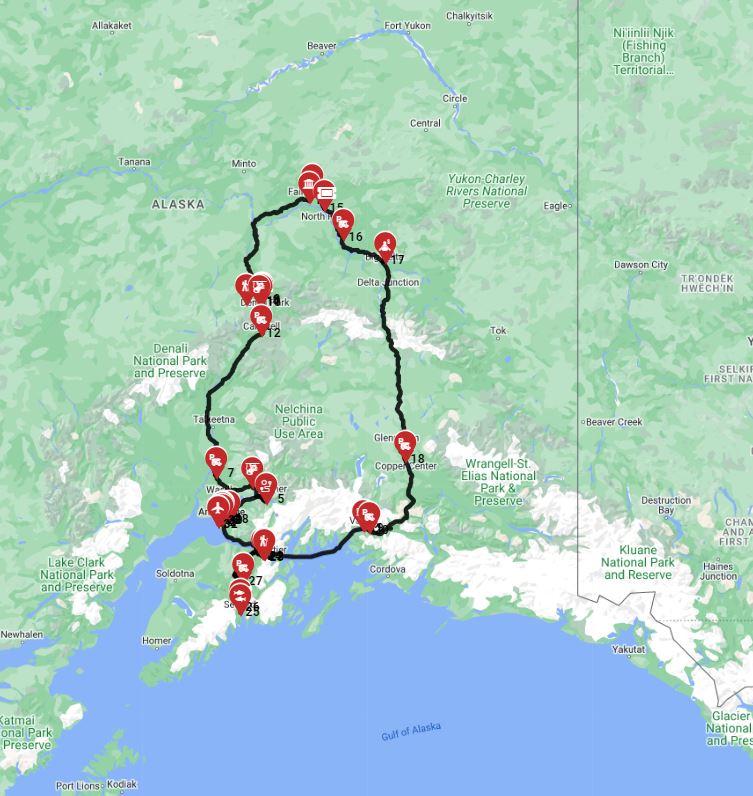
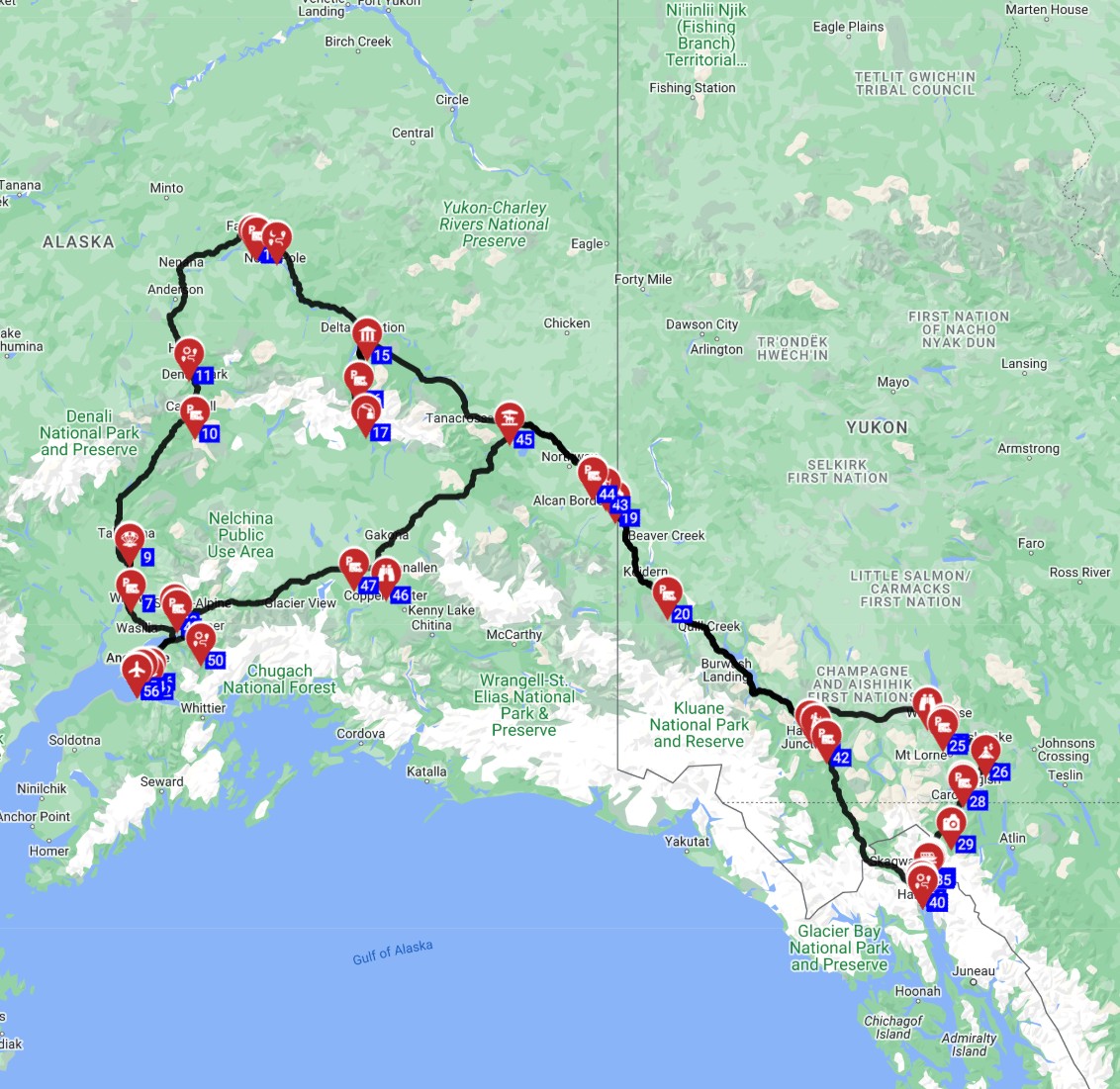
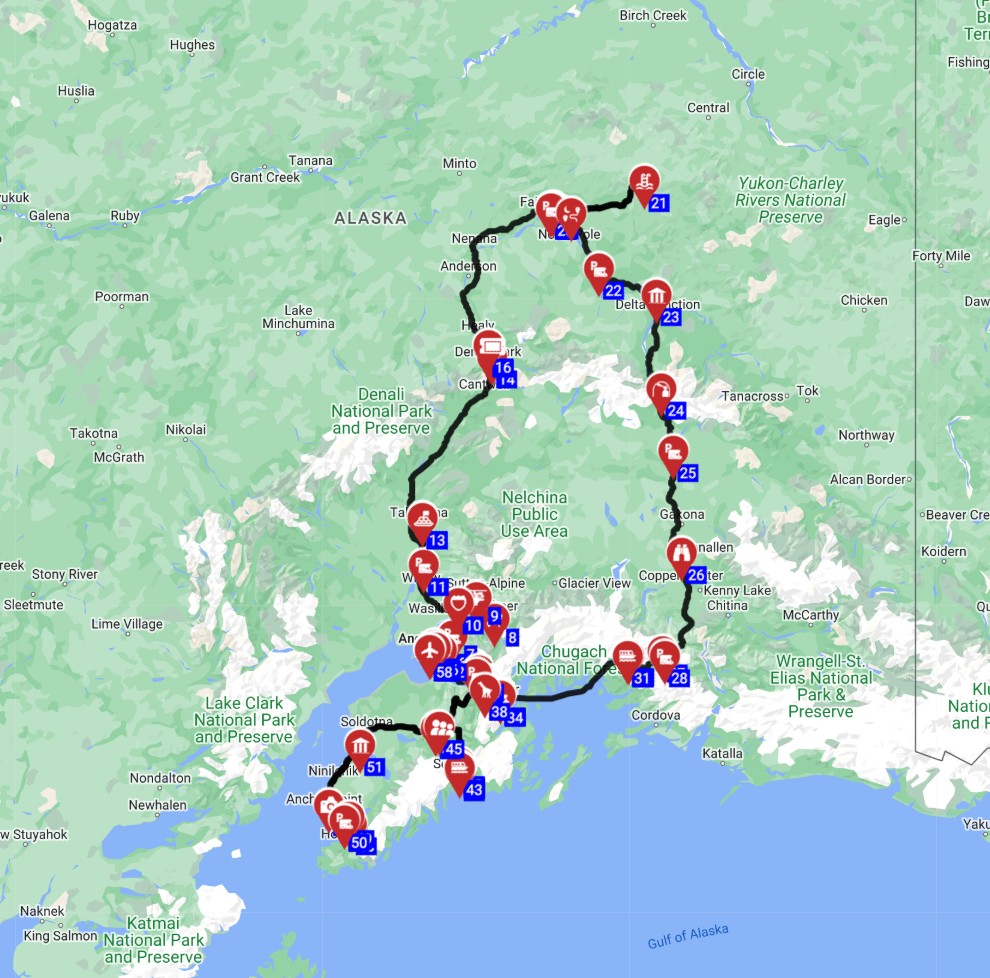
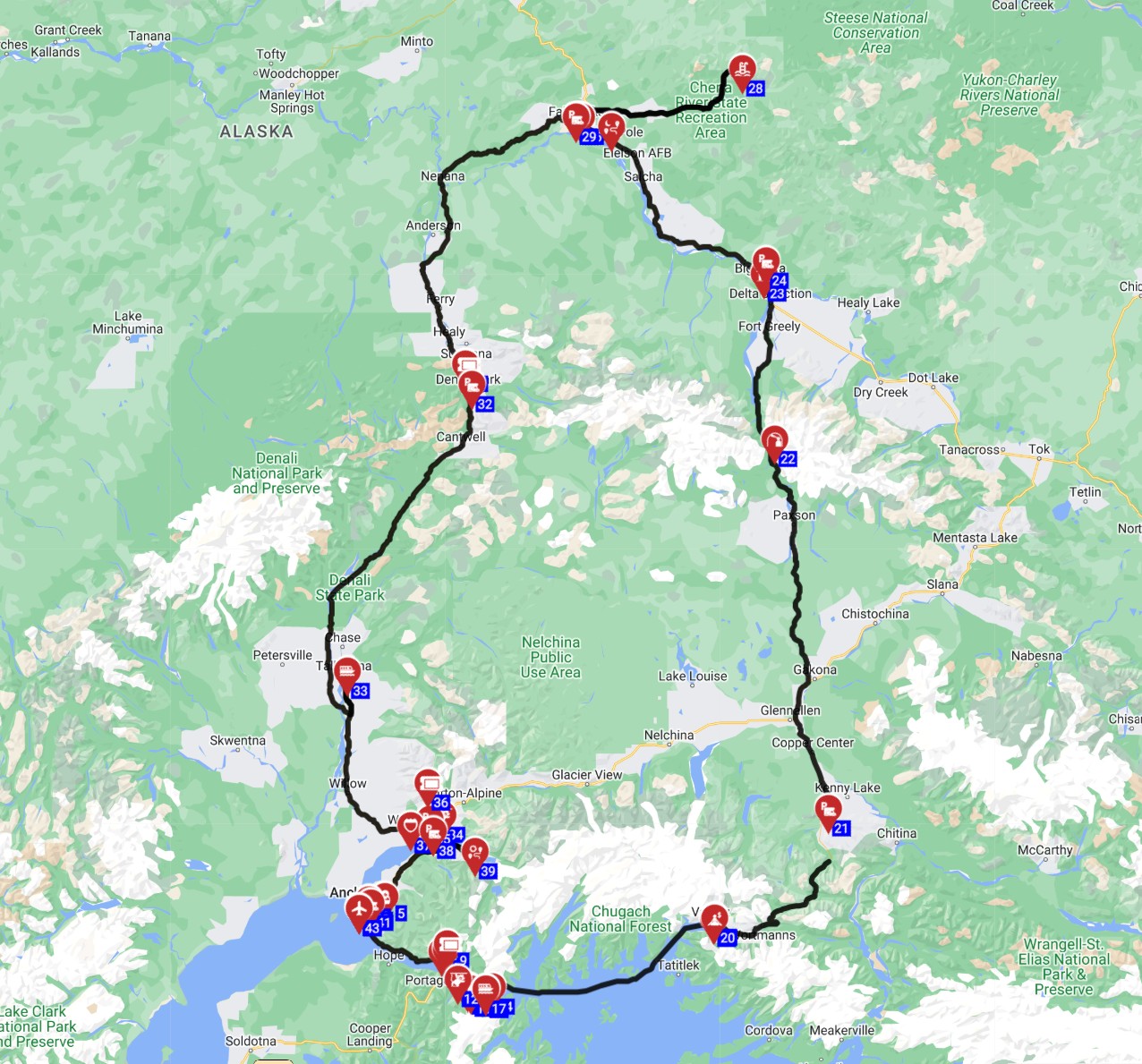
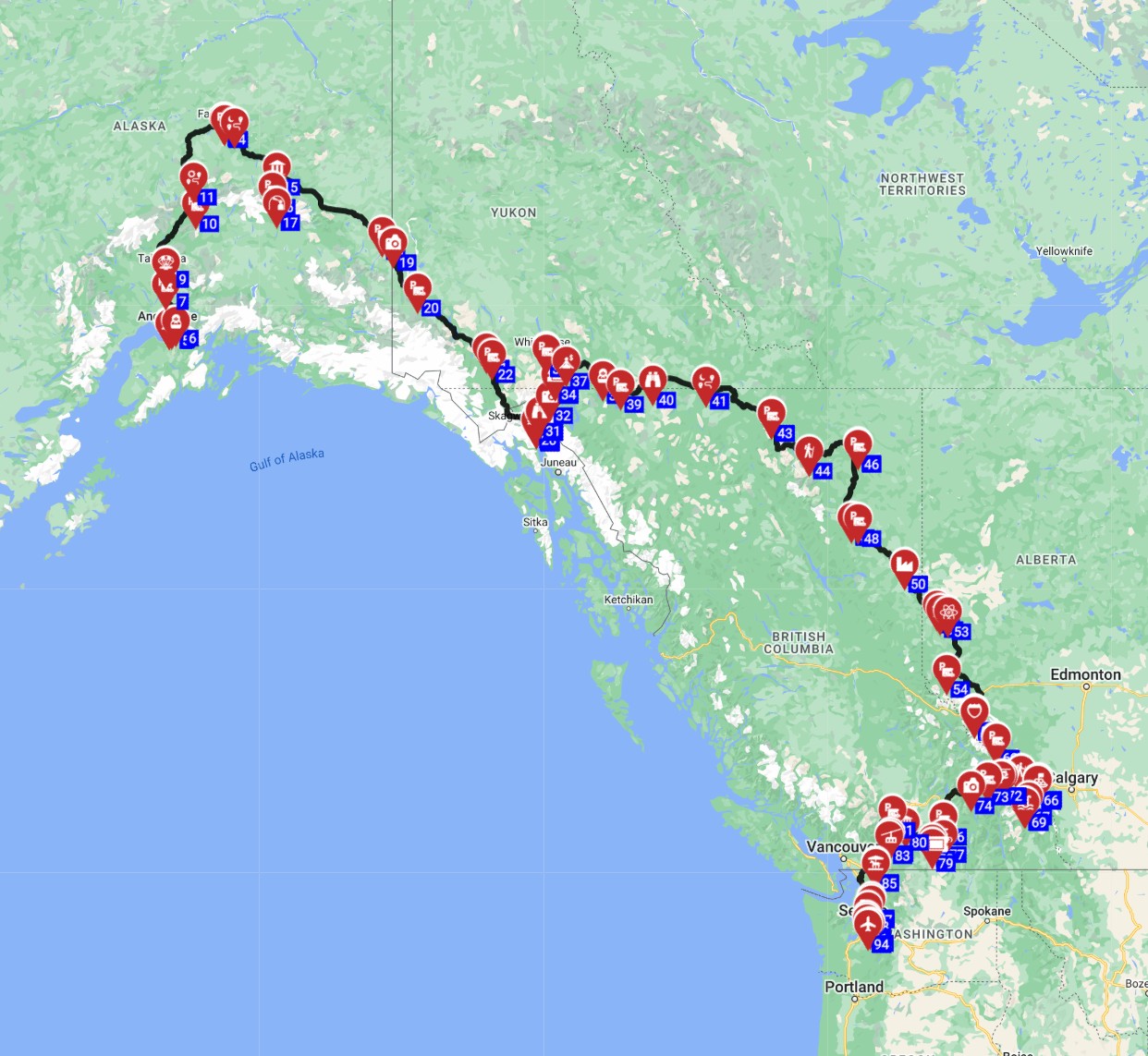
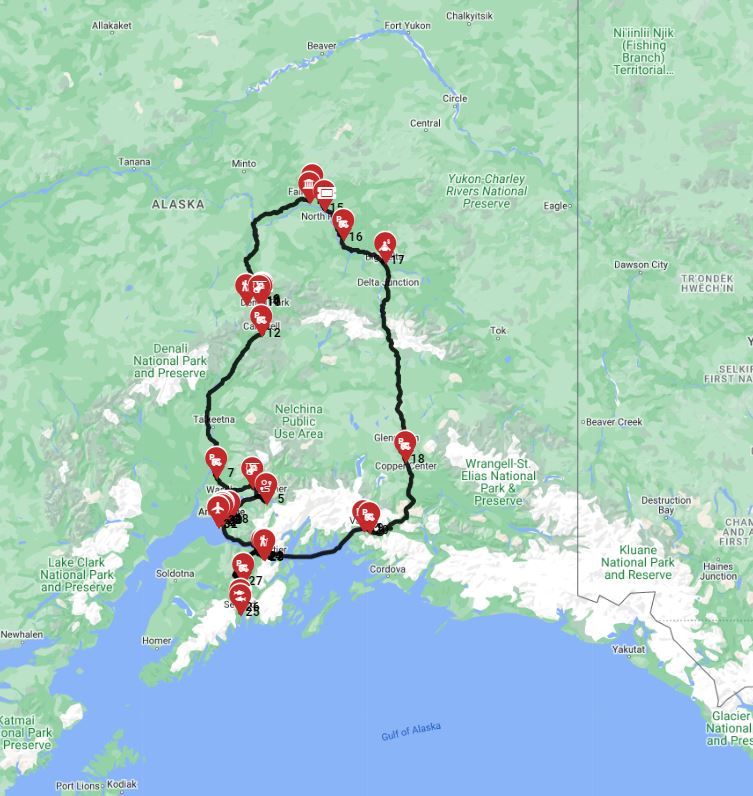
For an immersive week-long trip from Anchorage, consider a journey that includes 2 Animals Show / Wildlife watch experiences and 3 Tourist Attractions. This balance allows for engaging activities while providing plenty of downtime for your pet. Such trips, like the "
Campground Types in Alaska (National, Private, Wild)
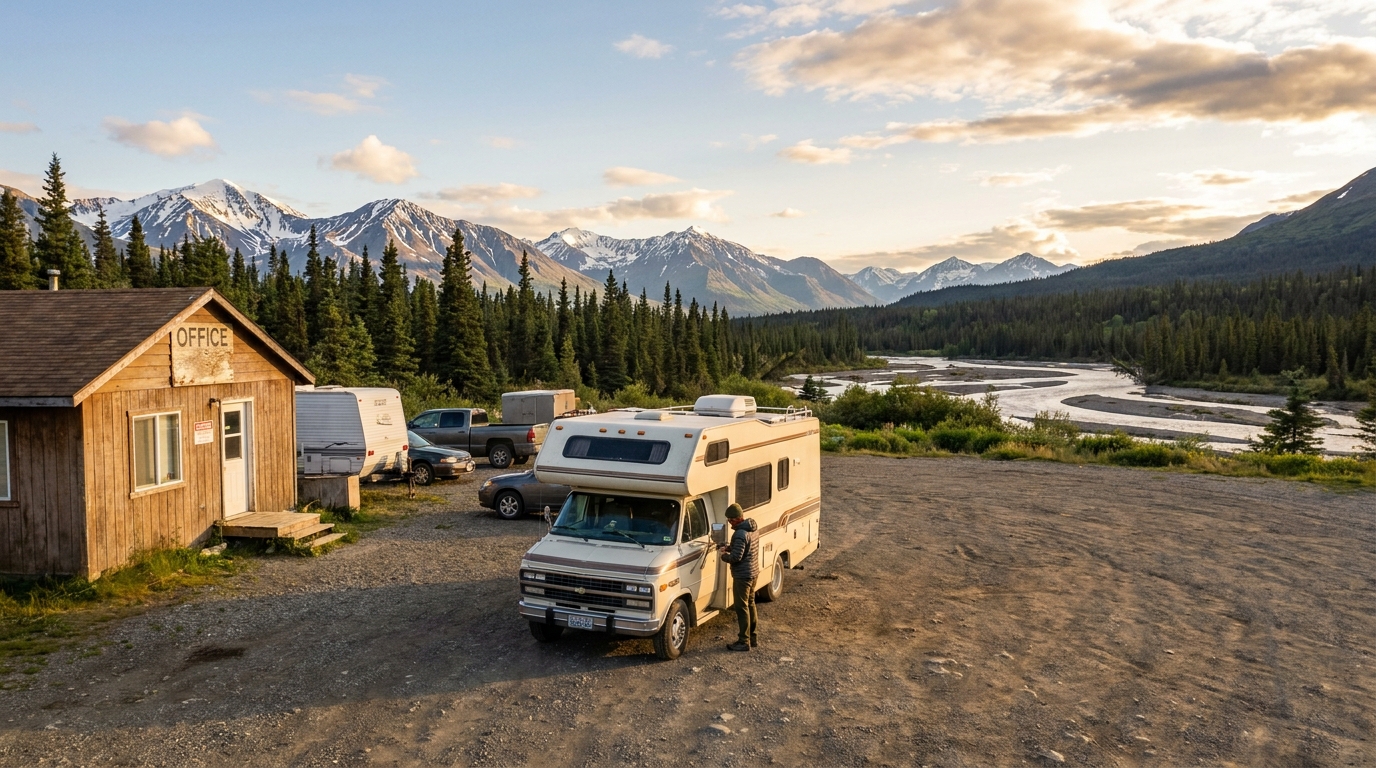
In Alaska, RVers can choose from several distinct campground types: national park/forest campgrounds, private RV parks, and various forms of dispersed or 'wild' camping, each offering different amenities and regulations for pet owners. National and state park campgrounds, such as those found in Chugach National Forest, typically offer scenic, often rustic sites with fewer hookups. Reservations are usually required for popular spots, and these sites tend to have stricter rules regarding generator hours and pet access on specific trails. Many national parks in Alaska, including Denali, restrict pet access to paved roads and parking lots, so always check the specific park's pet policy beforehand.
Private RV parks are abundant near towns like Anchorage and Fairbanks, providing full hookups (electricity, water, sewer), and amenities such as laundry facilities, reliable Wi-Fi, and sometimes even dedicated dog parks. These are generally more expensive but offer a comfortable base for resupply and exploring nearby attractions. For budget-conscious or adventurous travelers, dispersed or wild camping (boondocking) on public lands like those managed by the Bureau of Land Management (BLM) and National Forests is a fantastic, free option. Legality varies by land type, and strict adherence to Leave No Trace principles is essential, especially when traveling with pets to minimize impact on the fragile Alaskan environment.
Featured RV Park or Campground in Alaska
When selecting an RV park in Alaska that welcomes pets, prioritize locations that offer a blend of essential amenities, stunning scenery, and convenient access to local attractions for both you and your furry friend. An ideal pet-friendly park will feature pull-through sites to ease parking for larger motorhomes, 30 or 50 amp full hookups, accessible dump stations, and clean restrooms/showers. Many also provide laundry facilities and pet-specific areas like dog runs or walking trails. Reliable Wi-Fi, while often spotty in remote Alaska, is a plus for staying connected. On the routes offered through RV PLANET routes, you can itemize and track every expense along the way for easy budgeting.
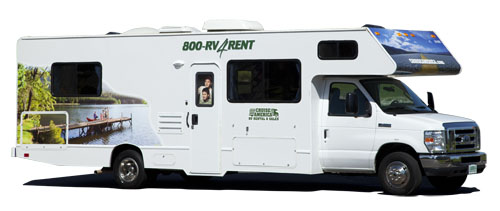
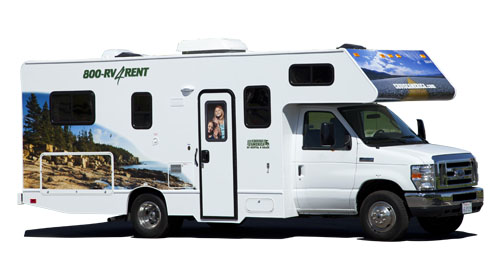
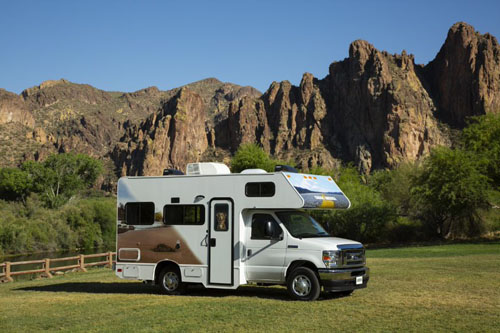
Consider locations that balance wilderness access with proximity to fuel and grocery stores, such as those near the Kenai Peninsula, offering easy access to hiking and fishing, but also allowing for quick resupply. Checking recent reviews is always a smart move to gauge site size, noise levels, and overall pet policies, ensuring a pleasant experience for everyone. Some suppliers, such as El Monte and Cruise America, offer specific "Pet Friendly" RVs, like the "24' Class C Motorhome" or the "29′ Class C Motorhome," designed to accommodate families traveling with pets, making your journey even more comfortable.
Hookups & Amenities - What to Expect in Alaska
When camping with a rented RV in Alaska, expect a wide range of hookup and amenity availability, from full-service sites with electricity, water, and sewer to primitive dry camping spots. Most private RV parks and some state campgrounds offer 30 or 50 amp electrical service, enabling full use of your motorhome's appliances. Potable water spigots are common in developed campgrounds, and dump stations for sewer are typically available at private parks and many state/national sites, ensuring easy waste management. It's always wise to bring standard US 120V system adaptors for 30-amp (TT-30R) or 50-amp (14-50R) receptacles, just in case.
Wi-Fi and cell service are generally spotty or non-existent outside major towns and private RV parks; prepare for potential digital disconnection or consider satellite solutions for longer remote trips. Laundry facilities and hot showers are primarily found in private RV parks, though some state parks might offer coin-operated services. Remember to be mindful of generator quiet hours, which are strictly enforced in many developed campgrounds to preserve the peaceful atmosphere for all campers, including those with pets.
Booking Windows & Reservations in Alaska
For RV camping in Alaska, especially during the peak summer months of mid-June through mid-August, securing reservations well in advance is highly recommended, though opportunities exist for spontaneous travelers. Pre-planners should aim to book popular national park campgrounds, such as those in Denali National Park, 6-12 months ahead, and private RV parks 3-6 months out to ensure availability, particularly for pet-friendly sites. Booking a rented motorhome 90+ days ahead can often save an average of 25% on peak-season rates.
However, if you're more spontaneous, don't despair! Many campgrounds, particularly national forest and some state parks, operate on a first-come, first-served (FCFS) basis. Moreover, 25-30% of national park sites are often held for FCFS, offering flexibility for RV rental trips. You'll find a spot; if not at the first campground, then the next one. Always call ahead to inquire about availability before driving long distances to a specific campground, especially in remote areas or if you're traveling with your pet and need specific amenities. Our true RV specialists are here to support you in comparing options and coordinating your booking before you hit the road.
Nearby Supermarkets & Resupply Points in Alaska
Replenishing supplies during a motorhome trip in Alaska is manageable, with supermarkets and smaller general stores strategically located in major towns and along popular routes. Major grocery chains like Fred Meyer (Kroger), Safeway, and Carrs-Safeway are readily found in larger cities such as Anchorage, Fairbanks, and Wasilla. These are your best bets for a wide selection and more competitive prices. Smaller towns will have general stores or local markets for essentials, but selection may be limited and prices often higher, so planning is key.
It is advisable to stock up extensively in major hubs before venturing into remote areas, as significant distances can separate full-service stores. This meticulous planning also impacts your overall budgeting for food and supplies. For those who enjoy cooking in their RV, you'll find everything you need to prepare delicious meals on board. Check out our RV-friendly recipes playlist for inspiration. When planning your RV PLANET routes, you can itemize and track every expense along the way for easy budgeting, including groceries, fuel, and campground fees.
Best RV Class for Camping in Alaska
The ideal RV class for camping in Alaska largely depends on your travel style and whether you're bringing pets, with nimble Class B campervans and versatile Class C alcove motorhomes being popular choices for navigating diverse Alaskan terrain. Class C motorhomes, typically around 7.5 meters long, sleeping 5-8 people, and achieving 10-12 Liters/100 km fuel consumption (per Bandana's global fleet), offer a great balance of comfort, family space, and maneuverability. Many Class C options, like a "24' Class C Motorhome," are pet-friendly and well-suited for most Alaskan campgrounds and accessible roads.
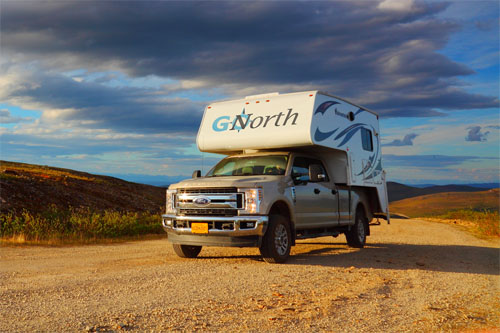
Class B campervans, averaging 5.8 meters in length, sleeping 2-4 people, and consuming 8-10 Liters/100 km, are compact and agile. They are ideal for solo travelers or couples seeking more remote boondocking locations and easier navigation on potentially rougher or tighter roads, often also offering pet-friendly features. Smaller, more nimble RVs like Class B and Class C motorhomes are generally better suited for Alaska's unique road challenges, including gravel sections and frost heaves, potentially reducing wear and the need for unexpected maintenance. Drive slowly and carefully, and you can drive almost anywhere without issues. No need to stress - just use common sense and pay attention.
How to Save on Campgrounds in Alaska
Saving money on RV campgrounds in Alaska can be significantly achieved by leveraging discount programs, strategic booking, and choosing less amenity-rich sites. Utilize any available campground discount cards, such as those from Good Sam Club or Passport America, which can offer headline savings of 10-50% on nightly rates at participating private parks. Traveling during the shoulder seasons (May/early June or September) will benefit you with lower rates and fewer crowds compared to the peak summer, often saving 15-30% on campground fees.
Opt for municipal or regional campgrounds, as they are frequently more affordable than private RV resorts, though amenities may be fewer. Planning for longer stays, such as 3+ nights, is also beneficial as many parks offer discounted weekly rates. The ultimate free camping option is embracing boondocking or dry camping whenever possible, especially on public lands like BLM or National Forests, which can cut accommodation costs to zero. This requires self-sufficiency but opens up incredibly remote and beautiful camping spots. Remember, our full transparency means no hidden fees on your Bandana RV rental, making budgeting for the rest of your trip easier.
Can I park my RV anywhere in Alaska?
No, you cannot park your rented RV just anywhere in Alaska; regulations vary significantly depending on the type of land, from national parks to state lands and private property. Private property always requires explicit permission from the landowner to park overnight, whether you're traveling with or without pets. National parks generally restrict RV parking to designated campgrounds, strictly prohibiting roadside camping or dispersed camping within park boundaries to protect their fragile ecosystems and abundant wildlife. This also applies to pets, who are usually limited to developed areas in national parks.
However, Bureau of Land Management (BLM) lands and some National Forest areas offer much more flexibility for dispersed camping (boondocking), often allowing stays of up to 14 days in one location, provided you adhere to Leave No Trace principles. State parks and forests primarily limit camping to designated sites, though certain state lands may permit dispersed camping with specific rules that you should verify with the Alaska Department of Natural Resources. Furthermore, many Alaskan towns and boroughs have specific ordinances against overnight parking in public areas or residential zones, so always check local signage or municipal websites. Be aware of Alaska-specific regulations such as generator quiet hours, fire bans, size limitations on certain roads or ferries, and critical bear country safety protocols for food storage and waste management, especially when traveling with pets.
What is the 3-3-3 rule for RVs and campers?
The '3-3-3 rule' for RVs and campers is a popular guideline suggesting travelers aim to drive no more than 300 miles (approximately 480 km) a day, arrive at their destination by 3 PM, and stay for a minimum of 3 nights, promoting a more relaxed and immersive travel experience in Alaska. Driving no more than 300 miles a day encourages a comfortable pace, allowing ample time for sightseeing, fuel stops, and accounting for Alaska's potentially challenging road conditions, frequent scenic pull-offs, and numerous photo opportunities. With average speeds often lower in Alaska due to road conditions, this rule helps manage expectations and avoids rushed, exhausting travel days, making it ideal for a week-long trip.
Arriving by 3 PM provides sufficient daylight hours to set up camp, allowing your pet to stretch its legs, explore the immediate area, and relax before dark, which is especially beneficial given Alaska's variable daylight hours depending on the season. Staying a minimum of 3 nights promotes deeper exploration of a region, reduces the constant cycle of packing and unpacking, and aligns with responsible RVing by minimizing repeated impact on multiple sites and allowing for thorough waste management. This approach ensures you truly experience the grandeur of Alaska, rather than just passing through.
Where is the best place to park an RV for free in Alaska?
The best places to park a rented RV for free in Alaska are typically on Bureau of Land Management (BLM) lands and some National Forest areas, which explicitly permit dispersed camping, or at designated free overnight parking spots in certain towns. Vast BLM lands, particularly in interior Alaska, provide numerous opportunities for boondocking; always check BLM websites or local field offices for current regulations and fire restrictions, which can vary. Chugach National Forest and other National Forest areas also offer free dispersed camping outside of developed sites or in specific free campgrounds, often allowing stays of up to 14 days.
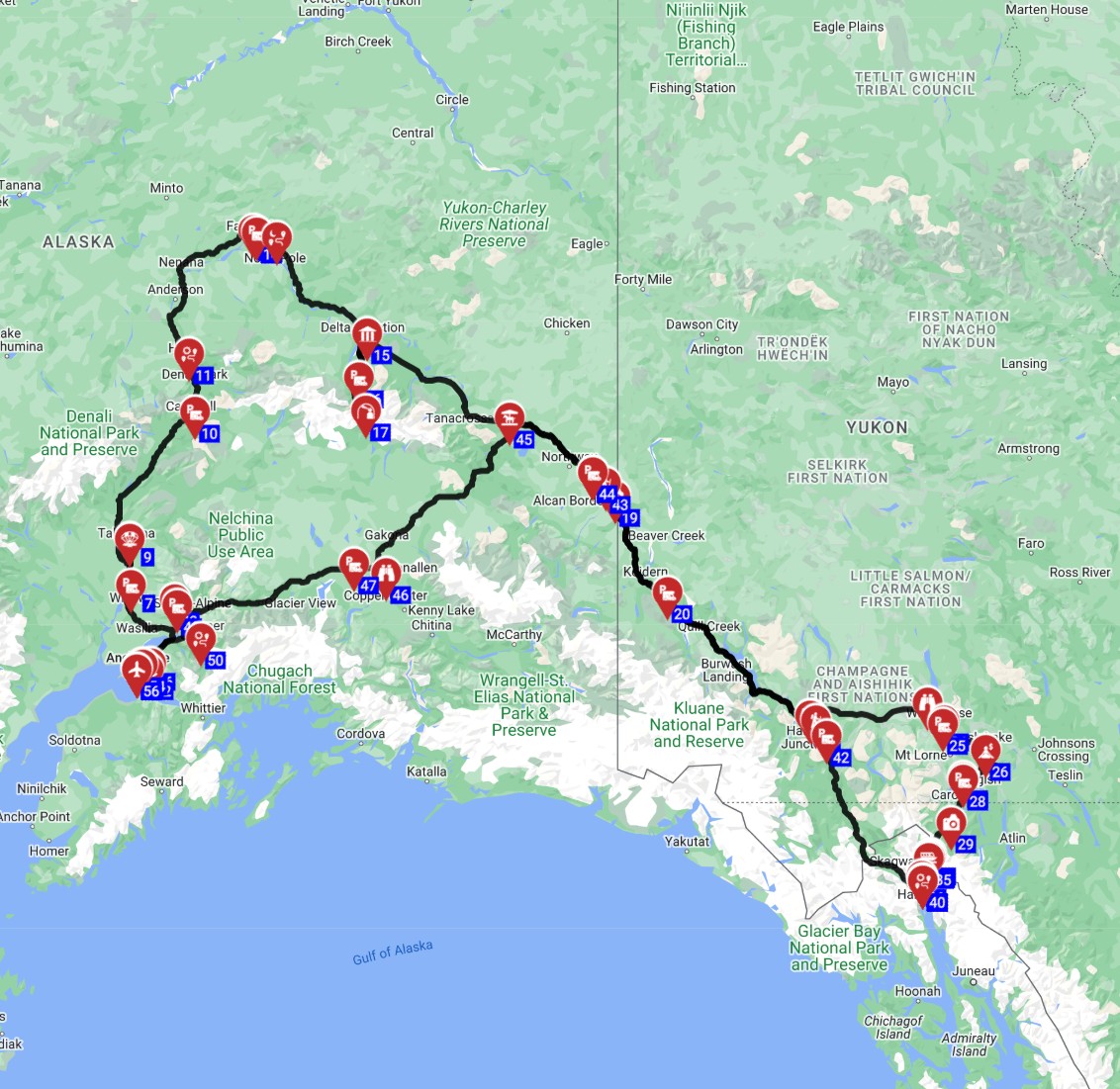
Some State Trust Lands may also allow dispersed camping, though regulations can be complex and require checking with the Alaska Department of Natural Resources. While certain retail parking lots, such as Walmart, or truck stops may permit free overnight parking for convenience, these are generally not for extended camping, and permission should always be sought. When boondocking in Alaska, prioritize safety by securing food from bears, carrying bear spray, and informing others of your itinerary, as specific vetted locations can be found using resources like iOverlander or FreeCampsites.net, but local verification is always wise, especially with pets. An extended road trip like the "
Is boondocking legal in Alaska?
Yes, boondocking, also known as dispersed camping or dry camping, is generally legal in Alaska on many public lands managed by federal agencies like the Bureau of Land Management (BLM) and the National Forest Service, as well as on some state lands, provided specific regulations are followed. While generally legal, the specific rules regarding stay limits, fire restrictions, and vehicle access vary significantly by land management agency and local jurisdiction, making it crucial to understand who owns the land you intend to camp on. BLM and National Forests are typically the most flexible for boondocking with a rented motorhome, often allowing stays up to 14 days in one location before requiring a move.
Boondocking is almost universally prohibited within National Parks and Preserves outside of designated campgrounds to protect natural resources and wildlife. RVers must strictly adhere to Leave No Trace principles, including packing out all trash and properly disposing of human and pet waste, minimizing campfire impact, and respecting wildlife, especially in Alaska's fragile ecosystems. Be mindful of Alaska-specific environmental concerns, such as avoiding damage to permafrost when parking off-road, and always check for current fire bans and potential generator use restrictions. Understanding these nuances is part of being a true RV specialist, and we are here to provide honest information for your journey.
What does FF mean in camping?
In camping contexts, 'FF' typically stands for 'Full Hookups,' indicating that a campsite provides access to all three primary utilities: electricity, water, and sewer connections. Full Hookups (FF) are highly sought after by RVers for maximum comfort and convenience, allowing full use of an RV's amenities like showers, toilets, and the ability to cook inside without worrying about tank levels. Partial hookups usually refer to sites with electric and water but no sewer connection, requiring the use of a dump station for waste tanks. No hookups, also known as dry camping or boondocking, means no utilities are provided, necessitating self-sufficiency with fresh water, onboard power (battery/solar/generator), and waste tanks, which is a common experience in remote Alaskan areas.
Understanding common camping terminology like 'FF' is incredibly helpful, alongside Alaskan-specific terms such as 'frost heave' (road bumps from freeze-thaw cycles), 'bush plane' (essential for remote access), and 'breakup' (spring thaw conditions). Being familiar with these terms contributes to a comprehensive trip plan and prepares you for the unique aspects of RV rental travel in Alaska. For finding campsites and campgrounds during your trip, we recommend using RV PLANET (rvplan.net) - a great resource for locating available spots along your route.
What is the best time of year to RV to Alaska?
The best time of year to RV to Alaska for optimal weather, full accessibility, and a wide range of activities is typically from mid-June through mid-August, coinciding with the peak summer season. This period offers the longest daylight hours, warmest average temperatures (around 15-20°C/60-70°F), and ensures all roads, visitor centers, and facilities are fully open, alongside abundant wildlife viewing opportunities like salmon runs and bear sightings. However, it also brings larger crowds and generally higher prices for accommodations and activities, so booking your rented motorhome and campgrounds well in advance is essential.
Shoulder seasons (late May-early June and late August-mid-September) provide a balance of fewer crowds and decent weather; early shoulder might have some lingering snow at higher elevations, while late shoulder offers cooler temperatures and stunning fall foliage with potential for early aurora borealis viewing. Alaskan road conditions demand attention, especially during shoulder seasons, with potential frost heaves in spring and early summer, and challenging mud or ice on routes like the Dalton Highway. Seasonal nuances also affect ferry schedules on the Alaska Marine Highway System and the availability of services (fuel, groceries) in remote areas, which may be limited outside of peak summer. Our true RV specialists can offer guidance based on your preferred travel dates.
How much are campsites in Alaska?
Campsite costs in Alaska vary widely, ranging from free for dispersed camping to over $100 per night for premium private RV park sites with full hookups and extensive amenities. Free camping is readily available through dispersed options on BLM or National Forest lands, offering no amenities but requiring full self-sufficiency. State Parks and Forest Service campgrounds typically cost $15-$30 per night for basic dry sites, with prices increasing slightly for electrical hookups where available. National Park campgrounds, such as those within Denali National Park, often range from $20-$40 per night for dry sites with minimal amenities, and these are highly competitive.
Private RV parks commonly charge $40-$80 for full hookup sites, with premium locations or those offering extensive amenities in popular towns like Anchorage or Seward potentially exceeding $100 per night during peak season. When budgeting for an Alaskan RV trip, it is crucial to factor in highly variable and often significantly higher fuel prices (especially in remote areas), potential ferry costs if you plan to use the Alaska Marine Highway System, and the expense of activities and tours. Building a contingency into your budget for unexpected repairs due to rough roads is also a prudent move. Full transparency on your RV rental costs with Bandana Caravan means you can allocate your budget confidently to other trip expenses.
What is the 200 rule for camping?
The '200 rule' for camping is a guideline primarily focused on environmental protection, stating that campers should avoid placing their campsite, fire ring, or waste within 200 feet (approximately 60 meters) of any water source, trail, or road. Adhering to the 200-foot rule helps protect water quality by preventing contamination from human and pet waste, soaps, and food scraps, which is critical for preserving Alaska's pristine waterways. This is particularly vital in a state renowned for its untouched wilderness and abundant wildlife. For pet owners, this means ensuring pet waste is also disposed of far from water sources.
Maintaining this distance from trails and roads minimizes visible human impact, preserves the wilderness experience for others, and ensures greater privacy and safety for campers and their pets. This guideline is a cornerstone of Leave No Trace principles, which are exceptionally important in Alaska's fragile ecosystems, directly addressing proper human waste management (e.g., catholes) and minimizing campfire impact. For RVers boondocking, considering this rule when selecting a site is crucial, especially when using outdoor showers or disposing of gray water, to protect the environment and minimize human-animal interactions in bear country. These small details make a big difference in preserving Alaska for future generations.
What You Shouldn't Miss
Looking for expert insights from Avi Bandana? Top 5 Adventures - recommendations from Avi Bandana
- Denali National Park (Restricted RV Access): Even with RV size limits for the main park road, you can drive your rented RV to Savage River (Mile 15) for spectacular views and day hikes, experiencing the park's iconic wildlife. Take advantage of shuttles for deeper exploration.
- Kenai Peninsula Exploration: Drive the scenic Seward Highway, explore Exit Glacier near Seward, and visit Homer, the "Halibut Fishing Capital of the World." The Kenai Peninsula offers abundant opportunities for wildlife viewing, fishing, and kayaking.
- Alaska Marine Highway System Journey: Experience a unique perspective by driving your motorhome onto a state ferry. This allows you to explore roadless towns like Juneau or Haines, navigating through breathtaking fjords and coastal landscapes for an unforgettable adventure.
- Fairbanks and Chena Hot Springs: Head north to Fairbanks, especially in late August or early September, for a chance to witness the magical aurora borealis. Combine this with a relaxing visit to Chena Hot Springs, accessible by a well-maintained road.
- Drive a Section of the Dalton Highway: For the truly adventurous, drive a portion of the unpaved Dalton Highway (often called the "Haul Road"). While challenging, it offers a glimpse into Alaska's rugged interior and the vastness of the tundra. Be prepared with extra fuel and supplies, and know your rental contract's restrictions.
Final Thoughts
Embarking on a pet-friendly RV adventure in Alaska is an incredible way to experience the Last Frontier. From the vast wilderness of the interior to the dramatic coastal landscapes, traveling in a rented motorhome gives you the freedom and flexibility to explore at your own pace, with your furry best friend right there with you. Remember to plan ahead for pet-friendly campgrounds, understand local regulations, and always prioritize wildlife safety.
At Bandana Caravan, we are with you every step of the way, from comparing the best pet-friendly motorhome rentals to coordinating your booking. We handle the details so you can live the journey, creating cherished memories with your loved ones and pets. So, pack your bags, grab your leash, and get ready to discover the magic of Alaska.
Get inspired for your next trip! Discover top destinations, planning tips, all in one place!
🎬 Video coming soon