In This Guide
- Top 5 Tips for One-Way RV Rental in West Canada
- Before You Book - Class, Dates, Insurance
- Pre-Trip Prep - Packing Checklist for West Canada
- On the Road - Driving, Fueling, Navigation
- At the Campground - Setup, Hookups and Etiquette
- One-Way RV Rental-Specific Tips for West Canada
- Common Mistakes to Avoid in West Canada
- How much does a one way RV rental cost in Canada
- What is the best time of year to RV in Western Canada
- Can you rent an RV in one city and drop off in another
- What is the best way to travel from Vancouver to Calgary
- Cross-Border Travel Tips for US Residents RVing to Canada
- Wildlife Safety and Responsible Interaction
- What is the cheapest way to travel Canada
Embarking on a one-way RV rental adventure through West Canada offers unparalleled freedom to explore some of the world's most breathtaking landscapes. Imagine yourself cruising past snow-capped peaks, pristine lakes, and vibrant cities, all from the comfort of your rented motorhome. At Bandana Caravan, we believe in full transparency: no hidden fees, no surprises, just honest advice to help you plan your perfect trip. We are true RV specialists, not just a travel agency side department, and our mission is to make your one-way journey as smooth and enjoyable as possible. For live availability and current prices, start with our RV Rental West Canada - Complete Guide 2024 guide, which offers comprehensive information to kickstart your planning.
Top 5 Tips for One-Way RV Rental in West Canada
To ensure a successful one-way RV rental in West Canada, consider these top 5 tips before hitting the road. First, book your one-way RV rental well in advance, especially for peak season (July-August) and popular routes like Vancouver to Calgary, to secure availability and potentially better rates, with savings of up to 25% often found when booking 90+ days ahead.
Second, carefully review the one-way drop-off fees, as these can significantly impact your total budget, typically ranging from C$200 to over C$1000 depending on the provider and route. Third, plan your route strategically, allowing ample time for scenic stops and ensuring you travel slowly, averaging a maximum of 100-150 km per day, to truly immerse yourself in the place, connect to the culture, the food, and the scenery. Fourth, choose an RV size appropriate for your travel party and the types of roads you'll be traversing, ensuring both comfort and maneuverability - a Class C motorhome like the 'cruise america rv rental example Explorer' can comfortably sleep 4 and offers a 82-liter fresh water tank and a 75-liter fuel tank. Finally, check seasonal road conditions and national park accessibility, as some routes, such as the Highwood Pass in Kananaskis Country, Alberta, may have closures or restrictions outside of summer months, typically from December 1st to June 15th.
Before You Book - Class, Dates, Insurance
Selecting the right motorhome class, securing your dates, and understanding insurance options are crucial steps before confirming your one-way RV rental in West Canada. When selecting an RV class for your one-way rental, consider factors like the number of travelers, desired amenities, and comfort level for long drives; for example, smaller campervans are ideal for a couple, while a Class C motorhome like the 'rv rentals example Comfort Class' is designed for a big family or group of friends, offering plenty of space.
Lock in your rental dates as early as possible, especially for one-way trips, because availability decreases and prices often rise closer to the travel period; however, rest assured that you'll always find a spot, even if it's not the first campground you check, as many national and state parks reserve 25-30% of their sites on a first-come, first-served basis. Understanding your insurance options is also essential, knowing that basic insurance is always included; to see prices including the most comprehensive coverage, select that option during your search on our platform, then all relevant insurance options will be shown, and you can upgrade to a top-level deductible for extra peace of mind. Allocate a budget for potential one-way fees, which can range from C$200 to over C$1000 depending on demand and distance, but remember that with Bandana Caravan, what you see is what you pay, with no surprise fees at pickup, reflecting our commitment to compare final prices across suppliers with full transparency. On the routes offered through RV PLANET routes, you can itemize and track every expense along the way for easy budgeting.
🎬 Video coming soon
Pre-Trip Prep - Packing Checklist for West Canada
Preparing a comprehensive packing list tailored to Western Canada's varied climate is essential for a comfortable RV trip, ensuring you have everything you need for diverse conditions and activities. Essential gear for Canadian conditions includes bear spray (and crucial knowledge of how to use it safely), a first-aid kit, and versatile clothing layers to adapt to temperature swings from warm valley days to cool mountain evenings, even in summer.
When you're out exploring, having the right supplies makes all the difference, and a well-stocked kitchen onboard your rental RV means you can enjoy delicious meals anywhere, anytime. Here's a detailed list to guide your packing:
- Clothing:
- Layers (thermal base, fleece, waterproof/windproof outer shell)
- Hiking boots and comfortable walking shoes
- Rain gear
- Warm hat, gloves, and scarf (even in summer for higher elevations)
- Swimsuit (hot springs or lakes)
- Kitchen & Food:
- Basic cooking spices and oil
- Reusable water bottles and coffee cups
- Non-perishable snacks
- Cooler bag for extra drinks/snacks
- Safety & Gear:
- Bear spray (and knowledge of how to use it)
- First-aid kit
- Flashlight or headlamp
- Emergency roadside kit (jumper cables, basic tools)
- Bug repellent
- Binoculars for wildlife viewing
- Documents & Navigation:
- Driver's license (and International Driving Permit if applicable for non-English speakers)
- Passport (if crossing from the US)
- RV rental agreement and insurance documents
- Printed maps or a reliable offline GPS app (cell service can be spotty)
- Campground reservation confirmations
For inspiration on what to cook in your well-equipped motorhome kitchen, check out our RV-friendly recipes playlist.
On the Road - Driving, Fueling, Navigation
Successfully navigating your rented RV through West Canada requires careful planning for driving conditions, fuel stops, and reliable navigation, especially in diverse terrains. Driving an RV or campervan in Western Canada's mountainous terrain, like the Canadian Rockies, requires careful attention, including managing ascents and descents with proper gearing; while navigating cities like Vancouver or Calgary, remember to drive slowly and carefully, as you can drive almost anywhere without issues, with no need to stress, just use common sense and pay attention.
Plan your fuel stops in advance, especially in remote areas where gas stations can be sparse, to avoid running low on a long stretch of highway, as a typical 'cruise america rv rental example Explorer' Class C motorhome has a 75-liter fuel tank. Utilize offline maps or a dedicated RV GPS, as cellular service can be unreliable in many national parks and wilderness regions, ensuring you always know your way. Most importantly, remain vigilant for wildlife, particularly at dawn and dusk, as animals like deer, elk, and bears are common near roadways, and remember that slow travel (max 100-150 km per day) gives you more time to react and enjoy the scenery safely.
At the Campground - Setup, Hookups and Etiquette
Proper campground setup, understanding hookups, and practicing good etiquette are key to a relaxing RV experience in West Canada. Upon arrival at your chosen campsite, select a level spot for your RV or use leveling blocks to ensure comfort and proper appliance function, making your motorhome a true home away from home.
Hook up services in the recommended order: electricity first, then water, and finally the sewer connection, ensuring all systems are correctly engaged. Adhere to campground quiet hours, typically from 10 PM to 7 AM, to respect fellow campers and the tranquility of nature. Always practice 'Leave No Trace' principles by packing out all garbage, properly disposing of waste in designated bins, and leaving your campsite cleaner than you found it. Securing coveted campsites in popular national parks like Banff and Jasper often requires booking up to 3-6 months in advance, especially for peak season, but many provincial parks and private campgrounds offer alternatives, or even some first-come, first-served sites where you should call ahead before driving. For finding campsites and campgrounds during your trip, we recommend using RV PLANET (rvplan.net) - a great resource for locating available spots along your route, and remember that on RV PLANET routes, travelers can itemize and track every expense along the way for easy budgeting, including those daily campsite fees which vary from C$20 for basic unserviced sites to C$80+ for full hookups.
One-Way RV Rental-Specific Tips for West Canada
Optimizing your one-way RV rental experience in West Canada involves strategic timing, flexible planning, and smart vendor selection. To maximize your one-way rental value, consider traveling during the shoulder seasons (late May-June or September-early October) when one-way fees might be lower and tourist crowds thinner, potentially offering a 10-15% saving on rental costs compared to peak summer.
Factor in potential delays due to variable weather or unexpected road closures, building flexibility into your one-way itinerary to avoid stress. Research RV rental companies that frequently offer one-way specials between major Western Canadian cities, such as Vancouver, Calgary, and Edmonton, as these routes are common for relocations. Ensure your chosen one-way route is well-suited to your RV class; some smaller, less-traveled roads might not be ideal for larger motorhomes, but a compact "hire campervan example Paradise S/T" offers excellent maneuverability for a couple. For more detailed insights into costs, check out our "One-Way RV Rental in West Canada - Price Guide 2024" which provides comprehensive pricing information.
Common Mistakes to Avoid in West Canada
Avoiding common pitfalls ensures a smoother and more enjoyable RV rental trip through West Canada, particularly for one-way journeys. Instead of failing to book popular campsites in advance, especially in national parks like Banff, secure your reservations up to 3-6 months ahead of time, or plan to arrive very early for the 25-30% of sites that are first-come, first-served.
Instead of underestimating driving times, particularly through mountainous regions such as the Icefields Parkway, always add extra buffer hours to your daily travel plans; remember our recommendation to travel slowly, max 100-150 km per day. Instead of overlooking one-way drop-off fees, budget for them explicitly and compare them across different rental providers to avoid financial surprises, as they can range from C$200 to C$1000+. Instead of being unprepared for variable weather, pack versatile clothing layers and monitor local forecasts frequently, as mountain weather can change rapidly. Finally, instead of sticking only to the most popular routes, explore less-covered but equally rewarding regions such as the Okanagan Valley for its vineyards or Vancouver Island for unique coastal experiences and fewer crowds, enhancing your "RV Travel Guide to West Canada - Tips and Top Spots 2024" adventure.
How much does a one way RV rental cost in Canada
A one-way RV rental in West Canada involves several cost components beyond the daily rental rate, including a significant one-way drop-off fee and other ancillary expenses. The total cost encompasses the base rental rate, which is dynamic like flight tickets and changes daily based on availability, seasonality, and supplier marketing decisions; one-way fees can range from C$200 to over C$1000, depending on the distance and popularity of the pick-up/drop-off locations (e.g., Vancouver to Calgary is a popular, potentially more expensive route).
Additional expenses include insurance (with options for a top-level deductible reimbursement), fuel (a major component, as large RVs like a 'cruise america rv rental example Explorer' consume more, and West Canada's vast distances mean substantial mileage), and daily campsite fees, which vary from C$20 for basic unserviced sites to C$80+ for full hookups in popular national parks. Groceries for meals cooked in your motorhome's kitchen help manage costs, and any planned activities or dining out should also be factored in. For a comprehensive overview of prices and deals, refer to "RV Rental in West Canada - Prices and Best Deals 2024," and remember that RV PLANET routes allow you to itemize and track every expense for easy budgeting.
What is the best time of year to RV in Western Canada
The best time of year to RV in Western Canada is generally from late May to early October, with each season offering distinct advantages for motorhome travelers. Summer (July-August) provides the warmest weather, longest daylight hours, and full accessibility to all roads and campgrounds, making it ideal for popular destinations like Banff and Jasper National Parks, though it also brings the highest prices and largest crowds.
Spring (May-June) offers lush landscapes, abundant wildlife viewing opportunities, and moderate temperatures, with potential for road closures at higher elevations and cooler nights, but typically lower rental rates. Fall (September-October) is ideal for vibrant autumn colors, fewer tourists, and potentially lower rental rates, though some campgrounds and services may begin to close, and snow can appear at higher elevations, especially on passes like the Highwood Pass which typically closes December 1st to June 15th. Shoulder seasons (late May/early June and September) can provide a balance of good weather, reduced costs, and easier access to popular attractions, making them excellent choices for those seeking a more serene experience in their rented camper or motorhome.
Can you rent an RV in one city and drop off in another
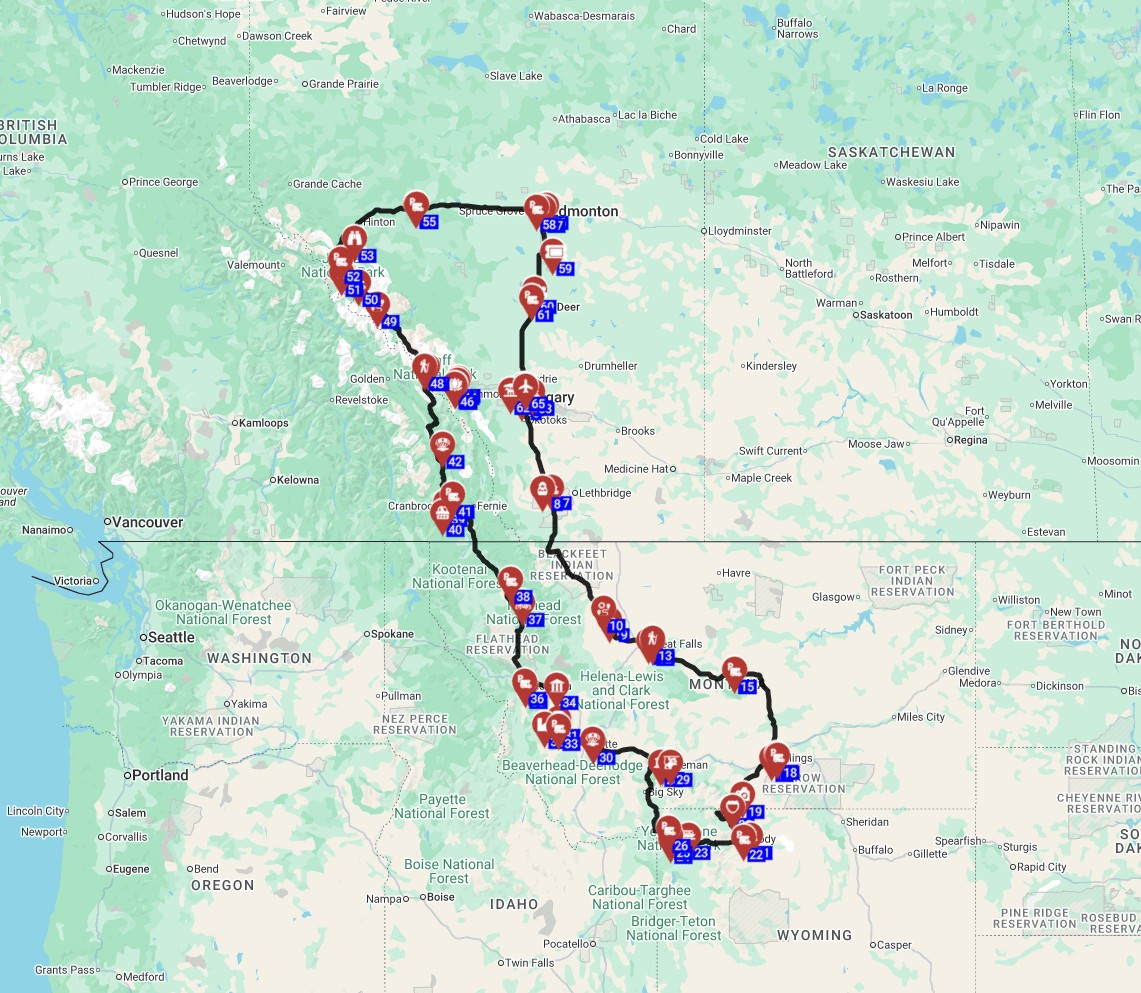
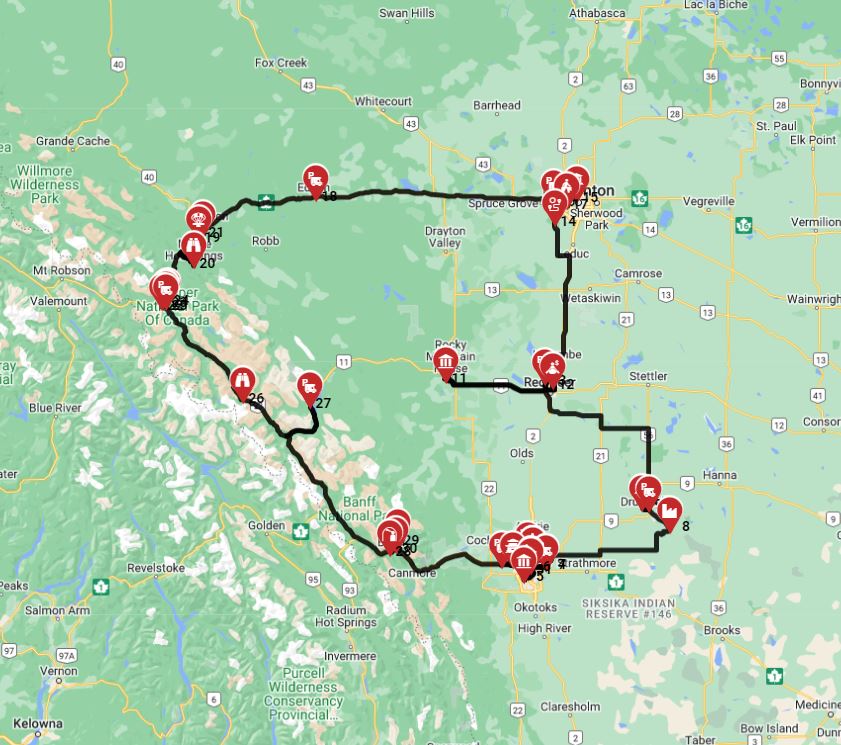
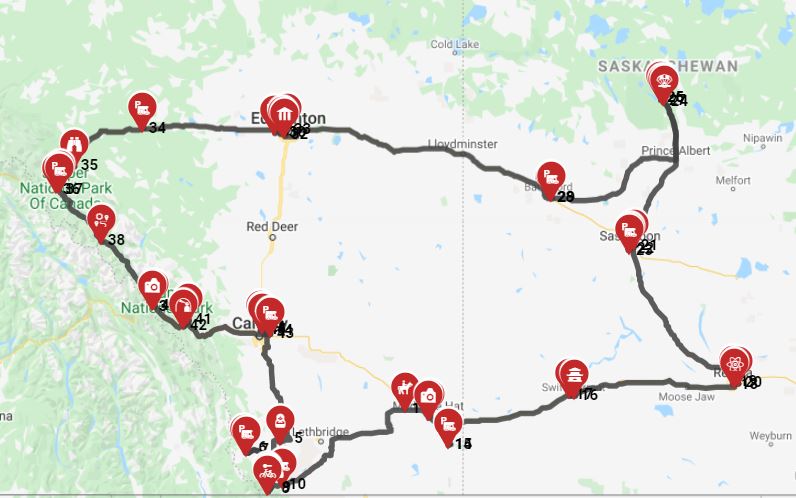
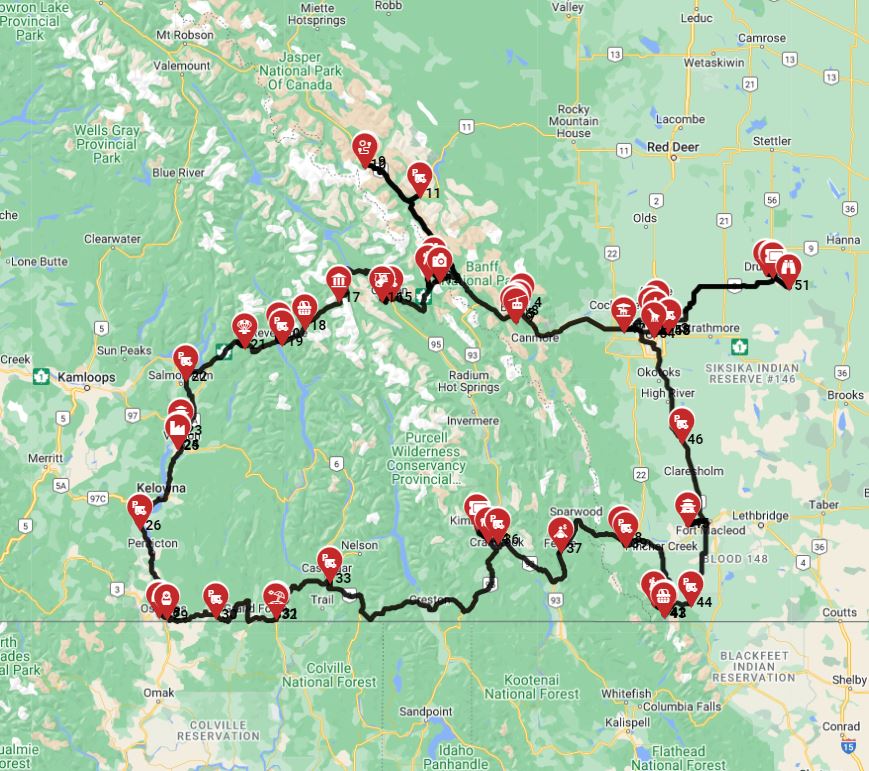
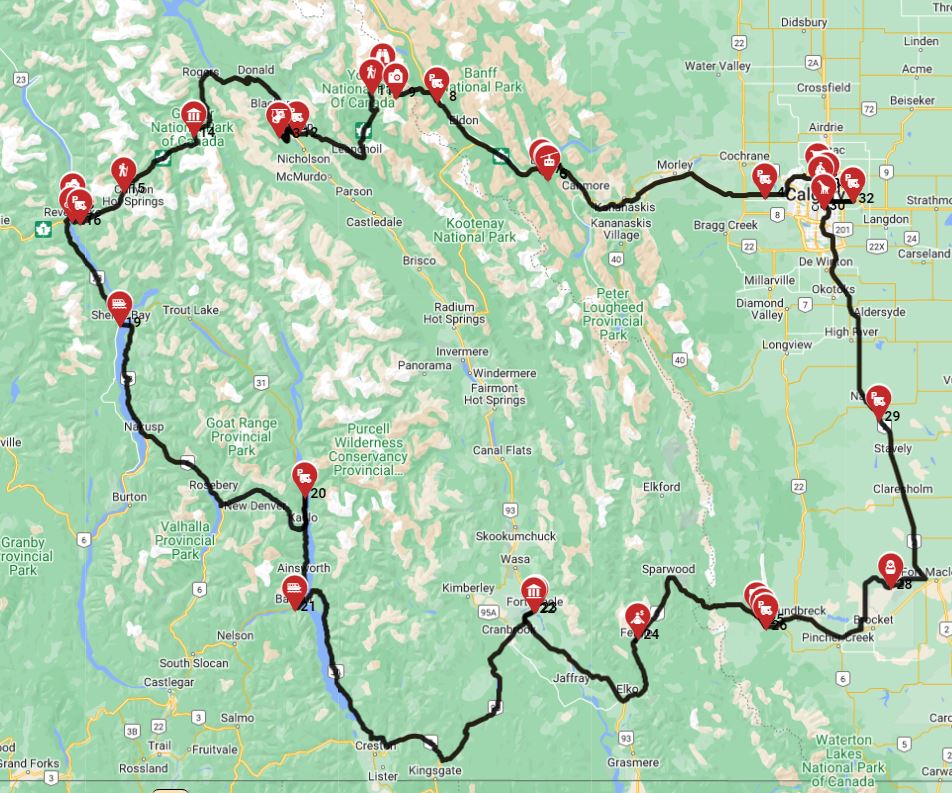
Yes, renting an RV in one city and dropping it off in another is precisely what a one-way RV rental entails, allowing for flexible itineraries without the need for backtracking. This service is commonly offered by major RV rental companies across West Canada, facilitating popular routes such as

One-way rentals typically incur an additional 'drop-off fee' or 'relocation fee' to cover the cost of transporting the RV back to its original depot, with prices ranging from C$200 up to C$1000 or more depending on the distance and demand. The primary benefit of a one-way RV trip is the ability to cover significant ground and explore diverse landscapes without the need to return to your starting point, maximizing your travel time. Availability for one-way rentals can be limited, especially during peak season, so early booking is crucial, as is checking our "One-Way RV Rental in West Canada - Price Guide 2024" for current options.
What is the best way to travel from Vancouver to Calgary
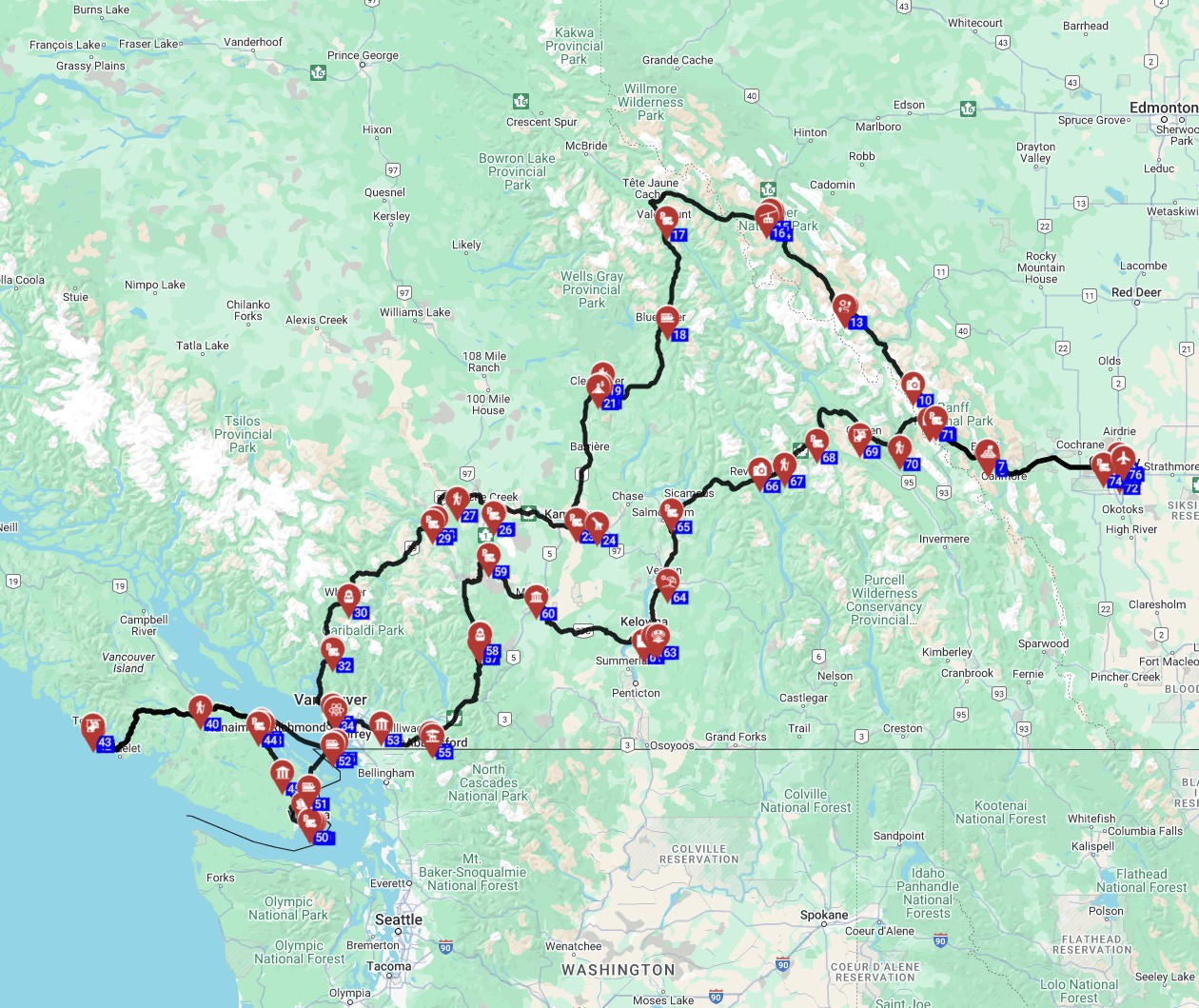
The best way to travel from
Alternatively, for a more scenic and slightly longer journey in your motorhome, consider Highway 3 (Crowsnest Highway) through the southern BC interior, or incorporate a detour to explore Vancouver Island via a ferry from Tsawwassen or Horseshoe Bay. The journey typically takes 2-3 full days of driving, but ideally 5-7 days or more is recommended to fully experience national parks like Banff and Jasper along the way, allowing for slow travel (max 100-150 km per day). Major highlights include the stunning landscapes of Banff National Park and Jasper National Park, easily accessible from this route, along with exploring off-the-beaten-path regions like the Okanagan Valley for its vineyards and lakes, or even extending your trip to Northern BC/Alberta for more wilderness. Plan a trip itinerary in advance with minimal effort and maximum enjoyment using RV PLANET routes.
Cross-Border Travel Tips for US Residents RVing to Canada
US residents planning a one-way RV rental trip into or within Canada require specific documentation, insurance considerations, and awareness of Canadian customs regulations for a seamless border crossing. Ensure all travelers have a valid passport and that your RV rental company allows cross-border travel, providing necessary vehicle registration and insurance paperwork; an International Driving Permit (IDP) is recommended for visitors from non-English-speaking countries but is not mandatory in most cases for West Canada.
Be aware of Canadian customs regulations regarding bringing food items (especially fresh produce, meat, and dairy), alcohol, tobacco, and any firearms, as restrictions apply. If traveling with pets, ensure you have up-to-date vaccination records, particularly for rabies, as required by Canadian border services. Confirm your US auto insurance policy extends coverage to Canada, or purchase supplemental Canadian non-resident insurance if needed, which can be an important part of your top-level deductible upgrade for peace of mind. Research current border crossing wait times and permitted items on the Canada Border Services Agency (CBSA) website before your journey. For broader North American travel advice, our "RV Rental USA - Complete Guide 2024" offers helpful context.
Wildlife Safety and Responsible Interaction
Encountering wildlife, such as bears, elk, and bighorn sheep, is a highlight of West Canada RVing, and practicing specific safety measures ensures both traveler and animal well-being. Always store food and scented items inside your RV or in bear-proof containers, never leaving them outside unattended, especially in bear country or national park campgrounds.
Carry bear spray and know how to use it safely, especially when hiking or exploring trails, as recommended by Parks Canada. Maintain a safe and respectful distance from all wildlife; never feed animals or attempt to approach them for photos, as sudden movements can provoke a reaction. Drive cautiously, particularly at dawn and dusk, when animals are most active and likely to be on or near roadways, as sudden stops can be tricky in a larger motorhome like a "Denali Searcher 28 - Bronze" which has a 208-liter fuel tank. Dispose of all waste properly in designated bins to avoid attracting wildlife to campgrounds or rest areas, embodying the 'Leave No Trace' principles for a sustainable adventure.
What is the cheapest way to travel Canada
While an RV rental offers unparalleled flexibility and access to remote areas, making it a great value for families or groups, the cheapest way to travel Canada overall might involve a combination of budget flights, intercity buses, and hostels, depending on the itinerary and travel style. For cost-conscious RV travelers, significant savings can be found by preparing most meals in the RV's onboard kitchen, utilizing free overnight parking spots (where permitted, check local regulations), and booking campsites in provincial parks (which are often C$20-C$50 cheaper) over more expensive national parks (which can be C$30-C$80+ per night).
Comparing costs, a week-long budget RV trip can be more affordable for families or groups (4-6 people) than multiple hotel stays and restaurant meals, especially when split among several people. Consider traveling during shoulder seasons (late May-June or September-early October) to take advantage of lower rental rates, which can be 10-15% cheaper, and reduced campsite fees. Embracing basic amenities and opting for a smaller Class B campervan, such as a "rv rental denver example Category Van," or a more economical Class C model without all the luxury add-ons, can significantly reduce overall rental costs while still providing a comfortable and inspiring West Canada adventure. Using RV PLANET routes to meticulously track all your ancillary costs, like fuel and food, can make budgeting for your journey even easier.
What You Shouldn't Miss
West Canada is a treasure trove of experiences, and your rented motorhome is your ticket to discover them all. Here are a few must-do adventures:
- Drive the Icefields Parkway: This 232 km (144 mile) scenic highway between Lake Louise and Jasper offers glaciers, turquoise lakes, and epic mountain views. Allow a full day to truly savor the sights and numerous viewpoints.
- Explore Banff National Park: Witness the iconic beauty of Lake Louise and Moraine Lake. Hike one of the many trails, or simply relax at a campground like Tunnel Mountain Village II (which has 618 sites) and soak in the majestic Canadian Rockies.
- Discover Vancouver Island: Take a ferry and spend a week exploring the rugged coastline of Tofino, the vibrant city of Victoria, or the ancient forests of Cathedral Grove. It's an often-overlooked gem with unique coastal charm.
- Taste the Okanagan Valley: Journey through BC's wine country, stopping at vineyards, enjoying lake activities on Okanagan Lake (which is 135 km long), and savoring local produce. This offers a different flavor of West Canada.
- Stargaze in Jasper National Park: As the world's second-largest Dark Sky Preserve accessible by car, Jasper offers an unparalleled celestial show. Find a quiet spot away from city lights and let the universe unfold above your motorhome.
Looking for expert insights from Avi Bandana? Top 5 Adventures - recommendations from Avi Bandana.
Final Thoughts
A one-way RV rental through West Canada promises an unforgettable adventure, offering the ultimate freedom to explore its vast and varied landscapes at your own pace. With careful planning, an understanding of local conditions, and a spirit of discovery, your journey from one Canadian gem to another will be filled with breathtaking moments and cherished memories. Remember to travel slowly, immerse yourself in the local culture, and always be prepared for the unexpected joys of the road.
Bandana Caravan is here to support you, from comparing the best deals on motorhome rentals to helping you plan the perfect route. We're committed to making your experience transparent, enjoyable, and hassle-free, ensuring you get the best value without any surprises. So, are you ready to embark on your West Canadian one-way RV adventure?
Compare One Way RV Rental Prices for West Canada Now!