In This Guide
- Top 5 Tips for rv rental RV Rental in Philadelphia
- Before You Book - Class, Dates, Insurance
- Pre-Trip Prep - Packing Checklist for Philadelphia
- On the Road - Driving, Fueling, Navigation
- At the Campground - Setup, Hookups and Etiquette
- rv rental-Specific Tips for Philadelphia
- Common Mistakes to Avoid in Philadelphia
- What to consider when renting an RV?
- How much does it cost to rent an RV in Philadelphia?
- What is the 3-3-3 rule for RV travel?
- What is the 4 4 4 rule for RVing?
- What is the 2 2 2 rule for RV travel?
- Where to park an RV in Philadelphia?
- What is the rule of 3 with an RV?
Embarking on a one-way RV adventure to or from Philadelphia promises an unforgettable journey through American history and vibrant city life. Philadelphia, a city rich in culture and pivotal to the nation's founding, is a fantastic starting or ending point for an extended road trip. At Bandana Caravan, we've been helping tens of thousands of travelers explore the world by RV since 2001, offering direct partnerships with over 50 leading RV suppliers worldwide, including trusted names like El Monte and Cruise America.
For live availability and current prices, start with our RV Rental Philadelphia - Complete Guide 2026 guide. Our expertise in RV rentals ensures you get full transparency with no hidden fees and dedicated support before and after your booking, making your planning smooth and enjoyable. Let's dive into some essential tips for making your one-way RV trip to Philadelphia a resounding success.
Top 5 Tips for rv rental RV Rental in Philadelphia
Selecting an RV size suitable for urban navigation and local campgrounds is crucial for a stress-free trip in Philadelphia. Consider a compact Class B campervan like the "hire campervan example Active Classic" or a smaller Class C motorhome like the "C-Small" for easier maneuvering through city streets and fitting into most campground spots. Book your RV and campground reservations well in advance, especially for peak seasons (spring and fall) and major events like the Philadelphia Flower Show, as popular spots fill up quickly.
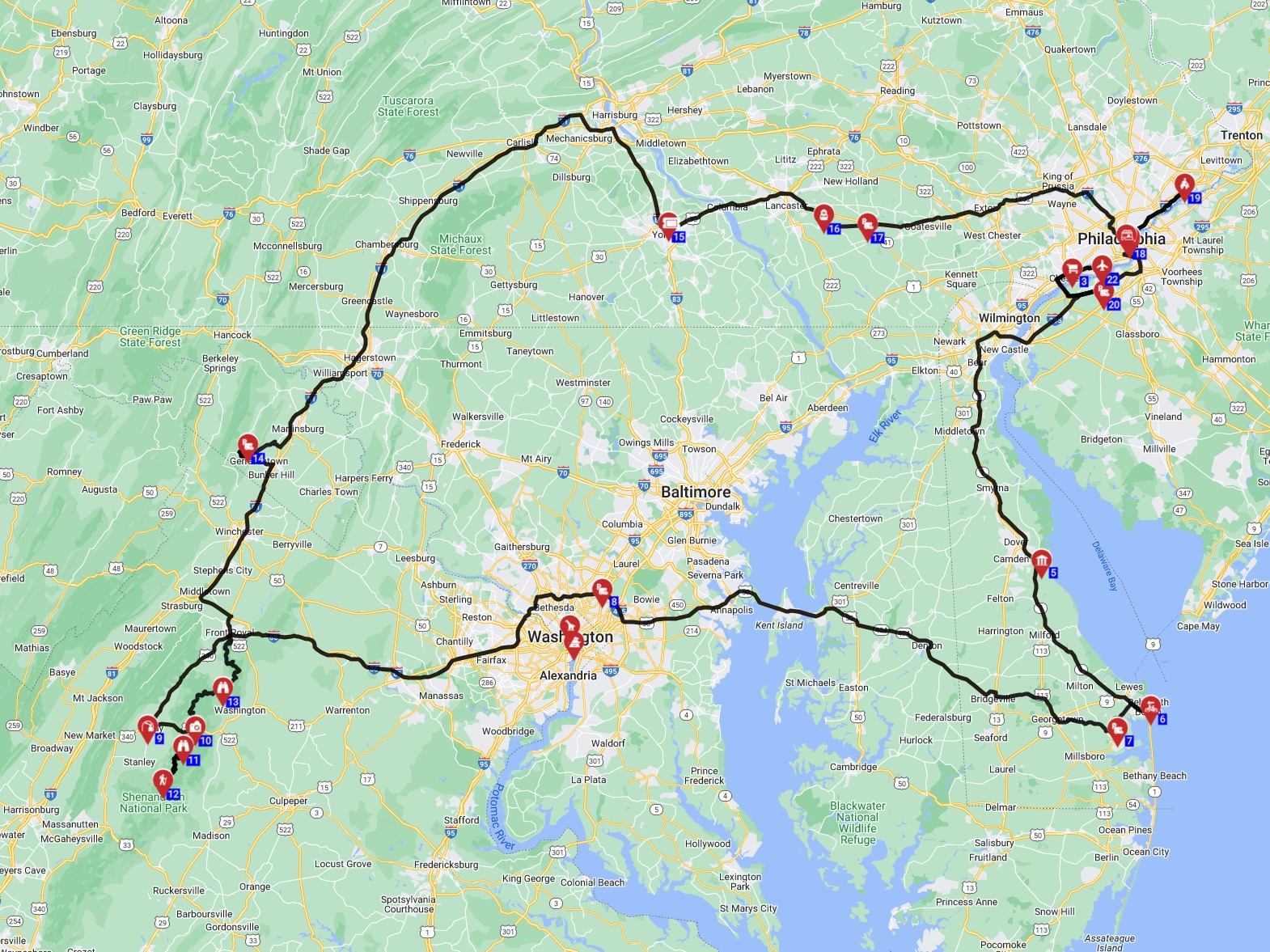
Factoring in Philadelphia-specific costs such as city tolls and potential urban parking fees is essential for accurate budgeting; for instance, bridge tolls to New Jersey can vary. Plan your routes using an RV-specific GPS that accounts for vehicle height, weight, and length to avoid low bridges, such as those near the Schuylkill Expressway, and narrow historic streets. Researching public transportation options from your chosen RV parking or campground location for city exploration is highly recommended, as SEPTA (Southeastern Pennsylvania Transportation Authority) offers extensive bus, train, and trolley services from areas like the Philadelphia South KOA campground. For a detailed itinerary, consider the "
Before You Book - Class, Dates, Insurance
Choosing an RV class for Philadelphia travel involves balancing comfort with maneuverability, with Class B campervans or smaller Class C motorhomes often preferred for navigating city streets and fitting into more accessible parking. A 2-berth campervan offers a compact solution, while a 4-berth Class C provides more space for families. Securing your RV rental dates early, particularly for spring and fall when Philadelphia hosts numerous festivals and events, can ensure availability and potentially better rates, with many renters booking 3-6 months in advance to save up to 25% on peak season rates. Basic rental insurance is always included; to see prices incorporating the most comprehensive coverage, select that option during your search on Bandana Caravan, and all relevant insurance options will be displayed transparently.
Reviewing insurance options is crucial, considering urban driving conditions and potential liabilities, ensuring adequate coverage for your Philadelphia trip. You can upgrade to a top-level deductible for extra peace of mind, an optional enhancement for your security. A standard car driver's license is sufficient for driving all motorhome classes, and the minimum rental age is 21 with no young driver surcharges, making RV adventures accessible to a wider range of travelers. For more options, explore our "RV Rental Deals in Philadelphia - Latest Offers 2026" to find the best value.
Pre-Trip Prep - Packing Checklist for Philadelphia
A well-organized packing list ensures a comfortable and hassle-free RV trip to Philadelphia, allowing you to focus on the city's rich history and vibrant neighborhoods. Consider layers of clothing appropriate for seasonal temperature changes, from comfortable walking shoes for exploring Independence Hall and the Reading Terminal Market to rain gear, as Philadelphia weather can be unpredictable. Equipping your rented RV's kitchen with essentials for preparing meals can significantly save on dining costs; think about bringing a small portable grill for campground cookouts, and don't forget pantry staples for easy breakfasts and lunches. For delicious ideas on the road, check out our RV-friendly recipes playlist.
Safety items like a first-aid kit, roadside assistance contacts, and a functional flashlight are paramount for any road trip, especially when navigating unfamiliar urban areas or remote campgrounds outside Philadelphia. Essential documents, including your driver's license (an International Driving Permit is recommended for non-English speakers but not mandatory), your RV rental agreement, and any campground reservations, should be easily accessible. Remember that Bandana Caravan offers 24/7 support for pre-booking comparisons, booking assistance, and post-booking coordination, so you're never truly alone in your planning.
On the Road - Driving, Fueling, Navigation
Navigating an RV in the Philadelphia metropolitan area requires attention to traffic patterns, road signage, and specific vehicle dimensions. Drive slowly and carefully, and you can drive almost anywhere without issues. No need to stress - just use common sense and pay attention to signs for bridge clearances and height restrictions. The Schuylkill Expressway (I-76) and Roosevelt Boulevard are particularly known for congestion during rush hours, so planning travel during off-peak times is advisable.
Pre-planning your fuel stops is advisable, as finding RV-friendly gas stations with easy access and ample space can be challenging within the city center; larger stations on the outskirts or along major interstates like I-95 are often better choices. Utilize an RV-specific GPS system that accounts for vehicle height, weight, and length to avoid low bridges, narrow streets, and restricted routes, a critical tool for navigating historic areas like Old City. Be prepared for tolls on major highways like the Pennsylvania Turnpike and bridges crossing the Delaware River (e.g., Walt Whitman Bridge), which can add to your travel costs. You can easily track all these expenses using RV PLANET routes for simplified budgeting.
At the Campground - Setup, Hookups and Etiquette
Upon arriving at your Philadelphia-area campground, selecting an appropriate site for your RV size and hookup needs is the first step, with many campgrounds offering 30-amp or 50-amp electrical hookups and freshwater connections. The standard hookup order involves connecting sewage first with a proper hose, then water with a pressure regulator, and finally electricity to ensure safety and proper function. Familiarize yourself with campground quiet hours, typically 10 PM to 7 AM, and general rules to ensure a respectful and pleasant experience for all campers.
Properly leveling your RV using blocks or an auto-leveling system is essential to ensure comfort and optimal appliance performance, particularly for refrigerators. Most campgrounds near Philadelphia, such as Spring Gulch RV Park or the Philadelphia South KOA, also provide dump stations for waste disposal and potable water refill stations. For finding campsites and campgrounds during your trip, we recommend using RV PLANET (rvplan.net) - a great resource for locating available spots along your route. You'll find a spot; if not at the first campground, then the next one. Call ahead before driving.
rv rental-Specific Tips for Philadelphia
For families, choose a rented RV with ample sleeping space, such as a Class C motorhome like the "cruise america rv rental example Explorer" (which sleeps 4-5) and consider campgrounds with playgrounds or family-friendly amenities easily accessible to Philadelphia attractions like the Philadelphia Zoo or the Franklin Institute. Senior travelers might prefer smaller, easier-to-maneuver RVs like Class B campervans or Class C models, prioritizing sites with full hookups and amenities for convenience. Budget-conscious renters can save money by cooking meals in their RV’s kitchen, seeking out campgrounds slightly outside the city with public transit access, and researching free or low-cost parking options near SEPTA stations.
Luxury seekers might opt for larger Class A motorhomes, like the "Class A - Thor ACE 30", with premium amenities such as multiple slide-outs and look for high-end RV resorts that offer concierge services or easy access to upscale Philadelphia experiences. Remember to travel slowly, max 100-150 km per day on average, to fully immerse yourself in the local culture, food, and scenery, whether you're enjoying a cheesesteak in South Philly or exploring the historic sites. An extended road trip can be a fantastic way to discover the region at your own pace.
Common Mistakes to Avoid in Philadelphia
A common mistake is underestimating Philadelphia's urban traffic; instead, plan travel during off-peak hours or utilize public transit (SEPTA) from a suburban campground, particularly when heading to center city landmarks like the Liberty Bell or Independence Hall. Failing to check bridge and tunnel clearances for your RV's height can lead to dangerous situations and costly detours; always use an RV-specific GPS that factors in your vehicle's dimensions. Neglecting to pre-book RV parking or campground spots, especially during major events or peak tourist seasons like the Mummers Parade, can leave you without a place to stay, as popular campgrounds like Philadelphia South KOA can fill quickly.
Ignoring the prevalence of tolls in the Philadelphia region can lead to unexpected costs; research toll roads and consider an E-ZPass if applicable to streamline your journey on roads like the Pennsylvania Turnpike. Attempting to street park a large RV in central Philadelphia is often impractical and illegal due to narrow streets and parking restrictions; instead, identify designated RV parking areas or use public transit from RV-friendly locations outside the immediate urban core. For a comprehensive overview of local driving conditions, refer to our "RV Travel Guide to Philadelphia - Tips and Top Spots 2026" video guide.
What to consider when renting an RV?
When renting an RV for a Philadelphia trip, key considerations include the RV's size and class, rental period, included mileage, insurance options, and specific amenities. Selecting an RV size that can comfortably navigate Philadelphia's urban environment and fit into available campgrounds or parking is crucial; a Class B campervan, typically under 6 meters (20 feet) long, is often more agile than a 9.1-meter (30-foot) Class C motorhome like the "C-30". Understanding the total cost, including rental fees, additional mileage charges (some suppliers offer unlimited mileage packages), potential generator usage fees, and a security deposit, helps in accurate budgeting, especially for one-way rentals to a different city like those discussed in our "One-Way RV Rental in Philadelphia - Price Guide 2026" article.
Reviewing the various insurance plans offered, considering potential liabilities during urban travel, is important for peace of mind, and you have the option to upgrade to a top-level deductible for enhanced protection. Considering the pickup and drop-off logistics, especially if flying into Philadelphia International Airport (PHL), helps streamline your travel plans. Bandana Caravan ensures full transparency, so you'll have no hidden fees or surprises throughout your booking process. Don't forget that a standard car driver's license is all you need, and the minimum rental age is 21.
How much does it cost to rent an RV in Philadelphia?
The cost to rent an RV in Philadelphia varies significantly based on the RV class, rental duration, season, and included amenities, typically ranging from $75 to $300+ per night for a 2026 rental. Smaller Class B campervans, such as the "Active Classic" with basic amenities, may start at the lower end (around $75-$150/night), while larger Class A motorhomes like the "Class A - Thor ACE 30" with premium features will be at the higher end (potentially $250-$400+/night). Additional expenses to budget for include fuel costs, which can be higher with urban driving and can add $50-$100+ daily depending on mileage, tolls (potentially $5-$20 daily), campground fees (averaging $30-$70 per night for a powered site), and potential parking fees in Philadelphia (often $10-$30 for oversized vehicles if available).
Peak season pricing, often during spring (April-May), summer (June-August), and fall (September-October), as well as major local events, can increase rental rates by 20-50%. Factor in potential hidden fees such as cleaning fees (typically $100-$200), dumping fees ($25-$50 if not done by renter), prep fees (around $75-$150), and charges for extra mileage ($0.25-$0.75 per mile) or generator use ($3-$5 per hour). Our platform provides bookings in 30+ currencies with full price transparency, ensuring no hidden conversion commissions. For comprehensive budgeting assistance, consider using RV PLANET (rvplan.net) to track all ancillary trip costs.
What is the 3-3-3 rule for RV travel?
The 3-3-3 rule for RV travel suggests driving no more than 300 miles (approximately 480 km) a day, arriving at your destination by 3 PM, and staying for a minimum of 3 nights. This rule is designed to promote a relaxed travel pace, reduce driver fatigue, and allow ample time to set up camp and explore the surrounding area, fostering a more immersive experience. For an RV trip to Philadelphia, adhering to the 3-3-3 rule might mean choosing a campground slightly outside the immediate city limits to achieve the 300-mile goal, then utilizing public transit for city exploration rather than moving the RV daily.
Arriving by 3 PM provides sufficient daylight for navigating new campground layouts and setting up your RV before dusk, which is particularly beneficial when unfamiliar with urban-adjacent sites like those near the historic Valley Forge National Historical Park. Staying for at least 3 nights allows you to truly feel the place, connect to the culture, the food, and the scenery of Philadelphia without feeling rushed. This approach aligns perfectly with our recommendation for slow travel, maximizing your enjoyment and minimizing stress.
What is the 4 4 4 rule for RVing?
The 4-4-4 rule for RVing is a variation of conservative travel planning, recommending driving no more than 400 miles (approximately 640 km), stopping by 4 PM, and ideally finding a spot that costs $40 or less per night. This rule, similar to the 3-3-3 rule, aims to prevent hurried driving, allowing time for unexpected delays, setting up camp comfortably, and managing costs. While the 400-mile drive is feasible for longer cross-country trips, navigating the Philadelphia area might involve shorter daily drives due to potential traffic and urban congestion on routes like I-95.
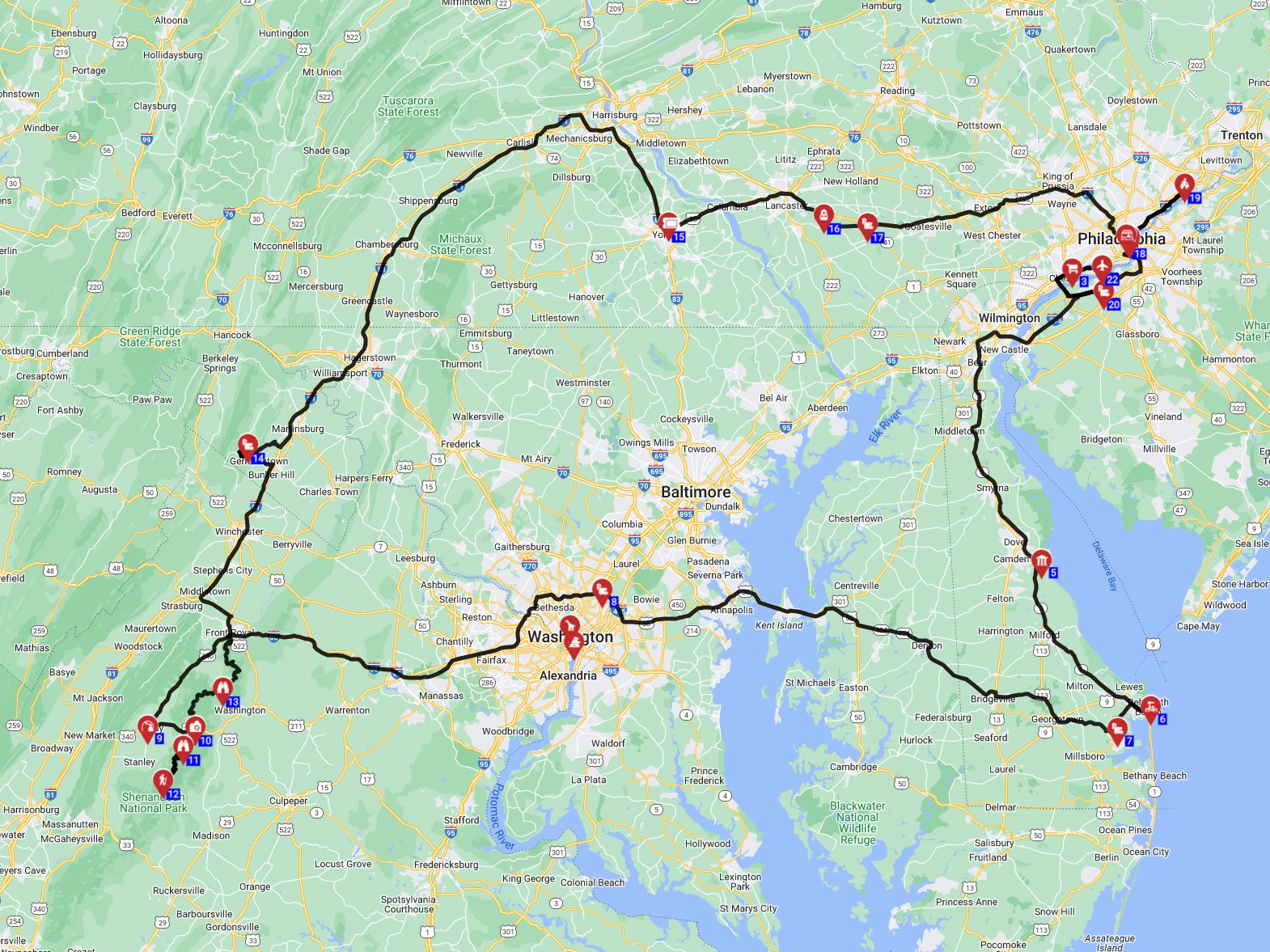
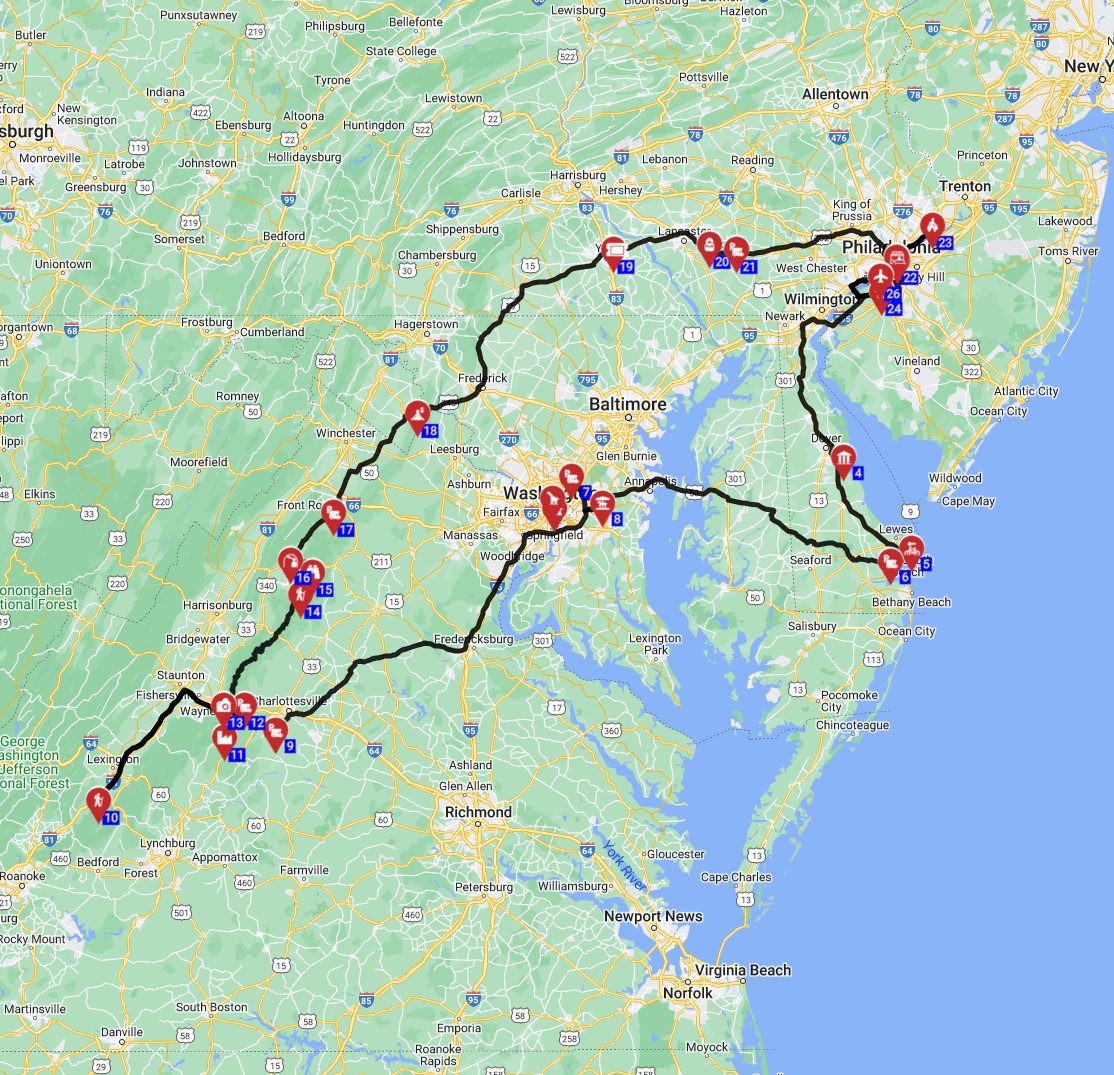
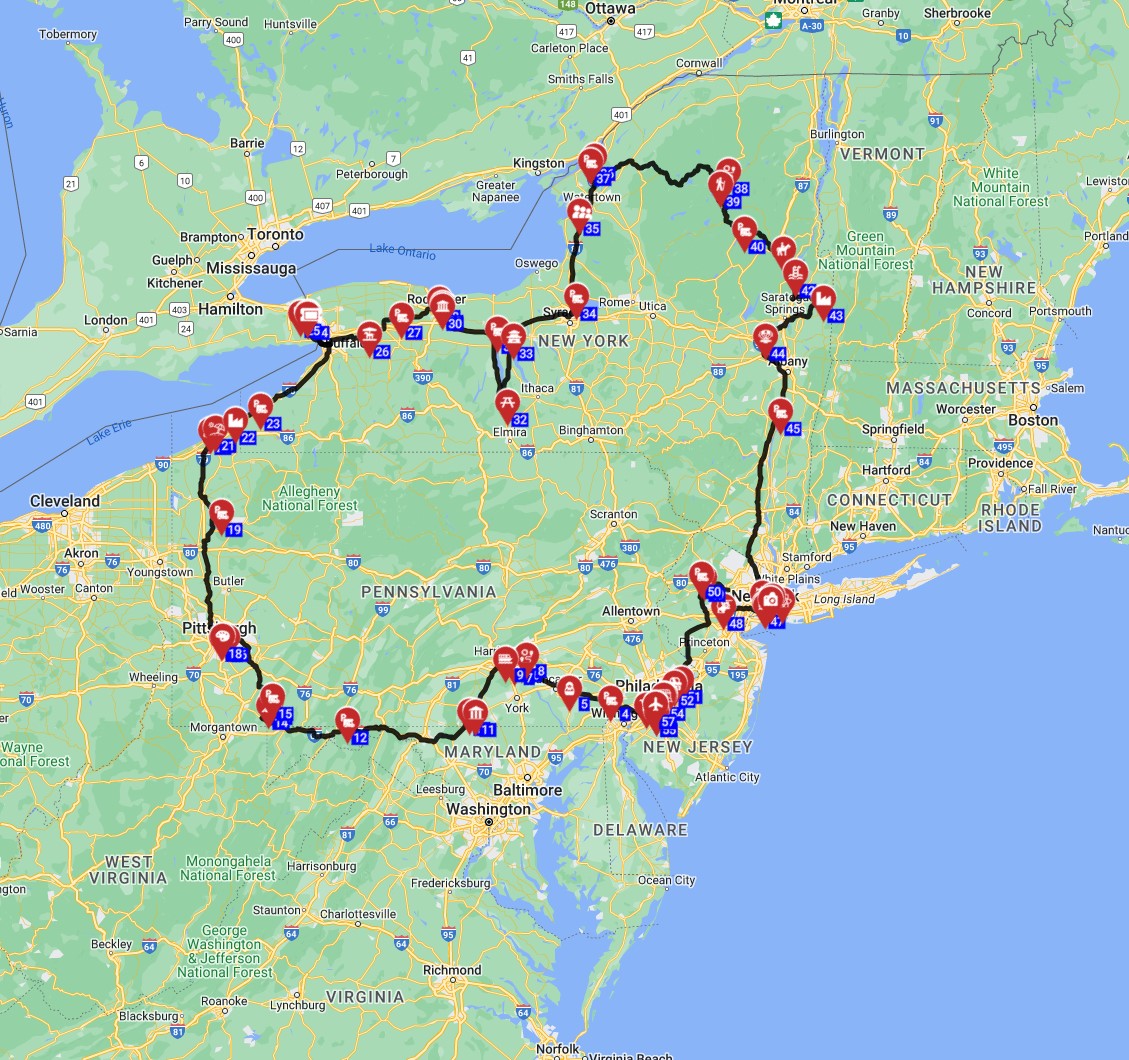
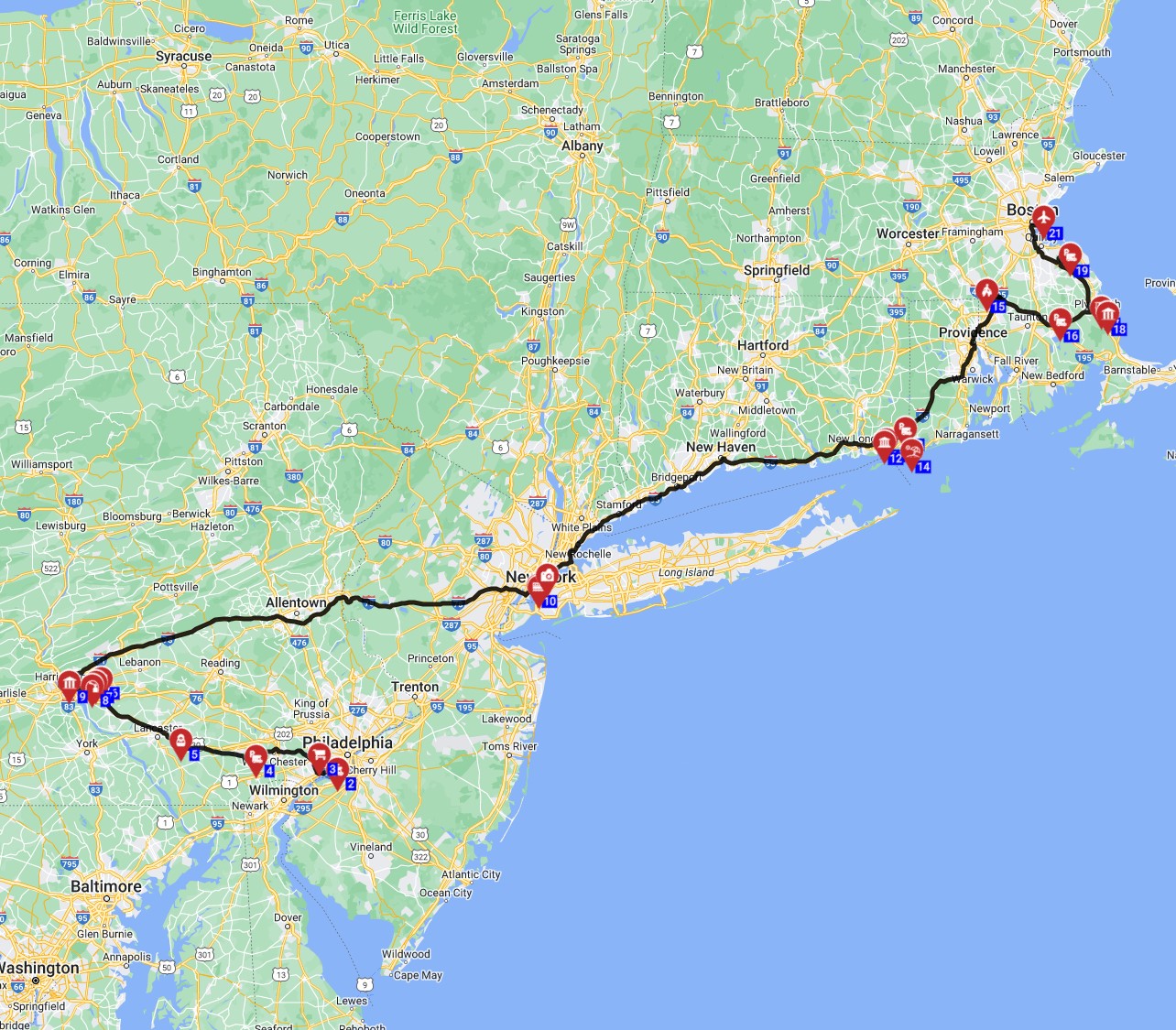
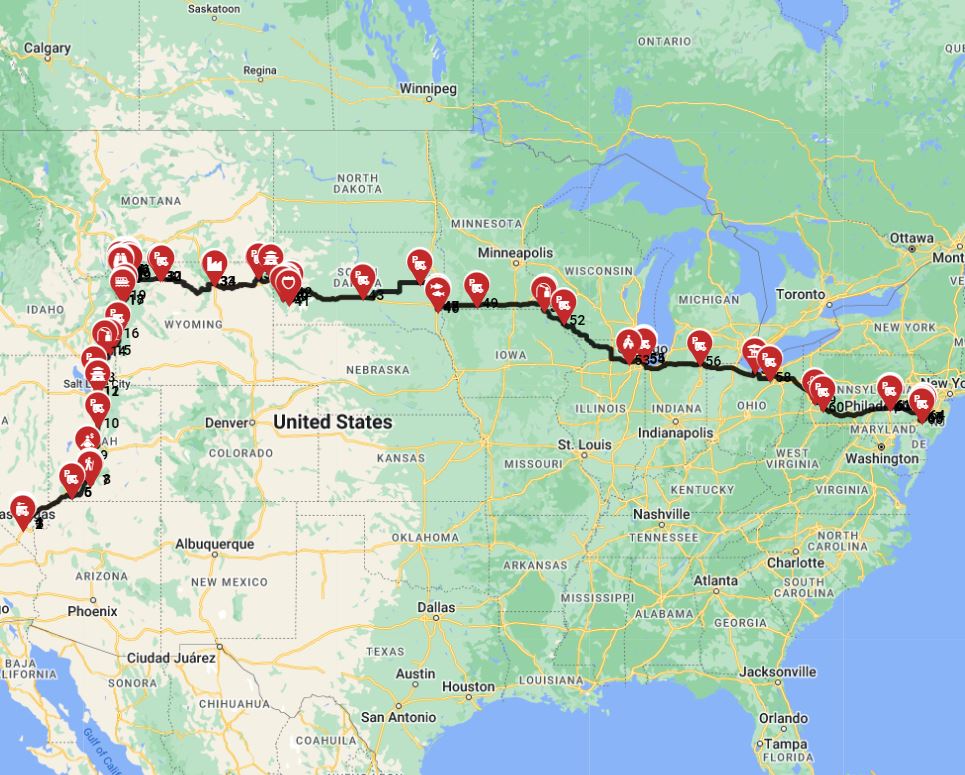
Finding an RV spot for $40 or less in or directly adjacent to Philadelphia can be challenging, often requiring booking well in advance or exploring state parks further from the city center, such as French Creek State Park. For a longer journey that might incorporate this rule, consider the 24-day, 5613.2 km "
What is the 2 2 2 rule for RV travel?
The 2-2-2 rule for RV travel is an even more conservative guideline, suggesting driving no more than 200 miles (approximately 320 km) a day, arriving at your destination by 2 PM, and staying for a minimum of 2 nights. This rule is particularly beneficial for first-time RVers, families with young children, or those who prefer a very slow pace, allowing ample time for rest, sightseeing, and unexpected stops without feeling rushed. When traveling to Philadelphia, applying the 2-2-2 rule could allow for exploring charming towns along the way in Maryland or New Jersey, or spending more leisure time at your campground, such as the Timber Run Campground, before diving into the city's historical attractions.
The earlier arrival time of 2 PM provides maximum daylight for navigating unfamiliar roads leading to campgrounds and ensures a relaxed setup process, which is especially helpful if you're new to RVing. This slower pace encourages you to truly experience each stop, whether it's a quaint roadside diner or a hidden gem in the Maryland countryside before reaching Philadelphia. You can always plan your RV PLANET routes with this leisurely approach in mind.
🎬 Video coming soon
Where to park an RV in Philadelphia?
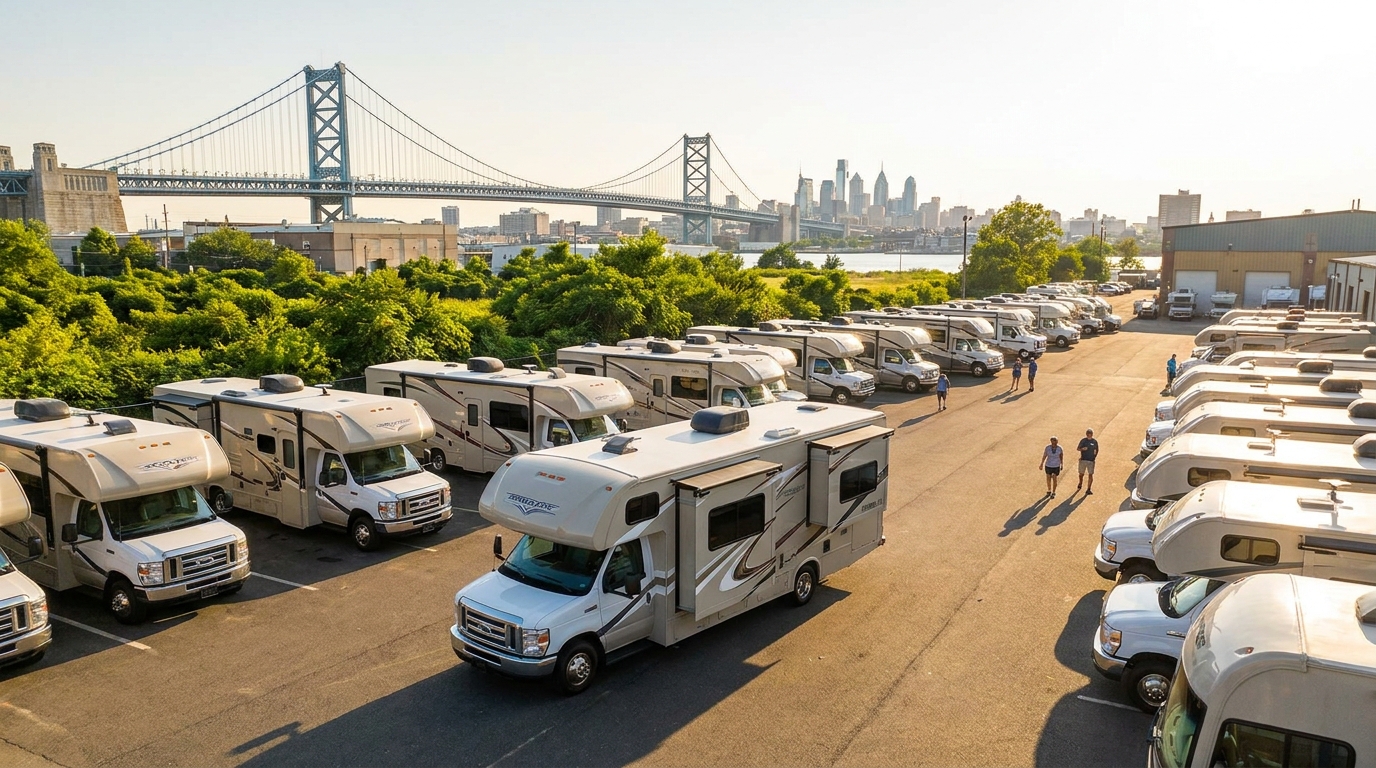
Parking an RV directly within the historical core or dense urban areas of Philadelphia is generally challenging due to narrow streets, height restrictions (e.g., many parking garages have height limits under 2.4 meters or 8 feet), and limited oversized vehicle spaces. The most practical strategy involves parking at RV-friendly campgrounds located on the outskirts of Philadelphia, such as Philadelphia South KOA in South Jersey (approximately 25 minutes from downtown) or Pennsylvania state parks like French Creek State Park within a reasonable driving distance, and then using public transit (SEPTA) to access the city center. For example, from Philadelphia South KOA, you can take a shuttle service directly to downtown Philadelphia.
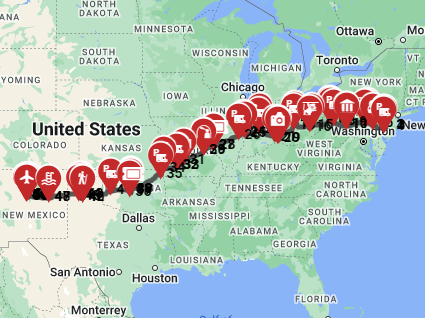
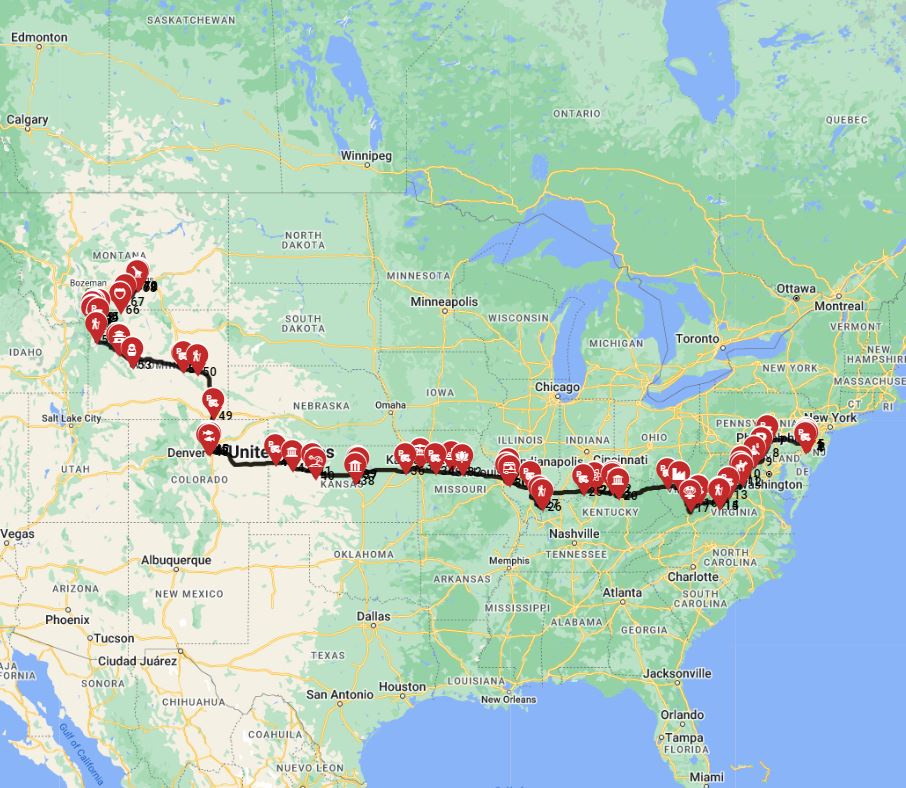
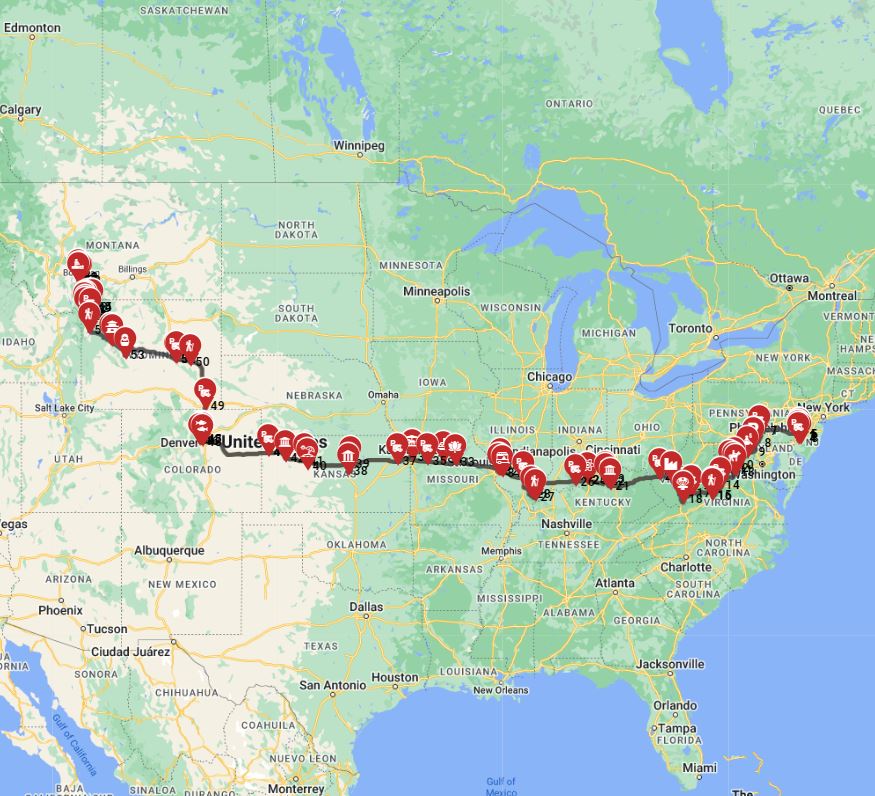
Some larger commercial parking lots or event venues, particularly those associated with sports stadiums (e.g., Lincoln Financial Field during game days or concerts at Citizens Bank Park), may offer temporary RV parking with prior arrangements; always check their official websites or call ahead for details and pricing. Always check for specific height, length, and weight restrictions before attempting to park in any lot or garage, and be aware that street parking for RVs is often prohibited or impractical in residential or commercial zones. For overnight parking, always verify permission with large retail stores like Walmart or Cracker Barrel in suburban areas, as city ordinances vary greatly and overnight parking is not guaranteed in any location. For specific routes and parking guidance, the Chicago to Philadelphia - Freedom Wheels itinerary offers insights for navigating longer journeys into the city.
What is the rule of 3 with an RV?
The 'rule of 3' with an RV most commonly refers to the 3-3-3 rule for travel pace: driving no more than 300 miles (about 480 km) a day, arriving by 3 PM, and staying at least 3 nights at each destination. This principle is designed to ensure a more enjoyable and less stressful RV experience by preventing driver fatigue and allowing ample time for relaxation and exploration, rather than constantly being on the move. In the context of a Philadelphia RV trip, adopting this rule helps manage the demands of urban navigation and ensures sufficient time to explore iconic sites like the Philadelphia Museum of Art or Reading Terminal Market without feeling rushed.
Another interpretation of the 'rule of 3' can be having three essential things: water, power, and waste disposal, ready for your RV at all times, which is critical for urban camping where services might be limited. For instance, ensuring your fresh water tank (which could be 82 liters on a "cruise america rv rental example Explorer") is full and your waste tanks are empty before heading into the city can save a lot of hassle. By embracing these principles, you'll find your RV rental adventure in Philadelphia, and indeed throughout Maryland, to be far more rewarding.
What You Shouldn't Miss
- **Independence Hall & Liberty Bell:** Step back in time where the Declaration of Independence and U.S. Constitution were signed. Parking is limited nearby, so consider public transit or a short walk from a nearby lot.
- **Reading Terminal Market:** A vibrant indoor public market since 1893, offering diverse local foods, Amish specialties, and famous Philly cheesesteaks. Park your RV at a suburban campground and take SEPTA in for the best experience.
- **Philadelphia Museum of Art & Rocky Steps:** Ascend the iconic steps for panoramic city views, then explore world-class art collections inside. RV parking might be found at nearby PPA garages or designated oversized vehicle spots, but check ahead.
- **Fairmount Park & Boathouse Row:** Explore one of the largest urban parks globally, offering scenic drives along Kelly Drive and Schuylkill River, and admire the historic Boathouse Row, especially beautiful at night with its lights.
- **Eastern State Penitentiary:** A hauntingly beautiful historic prison that once held Al Capone. It's a unique, thought-provoking experience easily accessible from many city points.
- Looking for expert insights from Avi Bandana? Top 5 Adventures - recommendations from Avi Bandana
Final Thoughts
Your one-way RV adventure through Philadelphia is an incredible opportunity to explore history, culture, and nature at your own pace. By keeping these tips in mind, from selecting the right rented RV to navigating urban challenges and planning your route with attention to detail, you're set for a smooth and enjoyable journey. Remember, at Bandana Caravan, we are true RV specialists, here to support you in finding the perfect motorhome for your unique trip, with full transparency and dedicated service before, during, and after your booking.
Imagine yourself cruising along scenic routes in Pennsylvania, then pulling up to a comfortable campground just outside the bustling city, ready to delve into Philadelphia's iconic landmarks. We believe that God is in the small details, and we take care of them, making a big difference in your travel experience. Start planning your unforgettable one-way RV trip today and discover the magic of Philadelphia!
Find Motorhome Rentals in Philadelphia