In This Guide
- Top 5 Tips for one way rv rental RV Rental in New York
- Before You Book - Class, Dates, Insurance
- Pre-Trip Prep - Packing Checklist for New York
- On the Road - Driving, Fueling, Navigation
- At the Campground - Setup, Hookups & Etiquette
- one way rv rental-Specific Tips for New York
- Common Mistakes to Avoid in New York
- What is the 3 3 3 rule for RV travel?
- What is the 4 4 4 rule for RV?
- Can I park my RV anywhere in NYC?
- Can you drive an RV one-way?
- What questions to ask when renting an RV?
- What not to forget on an RV trip?
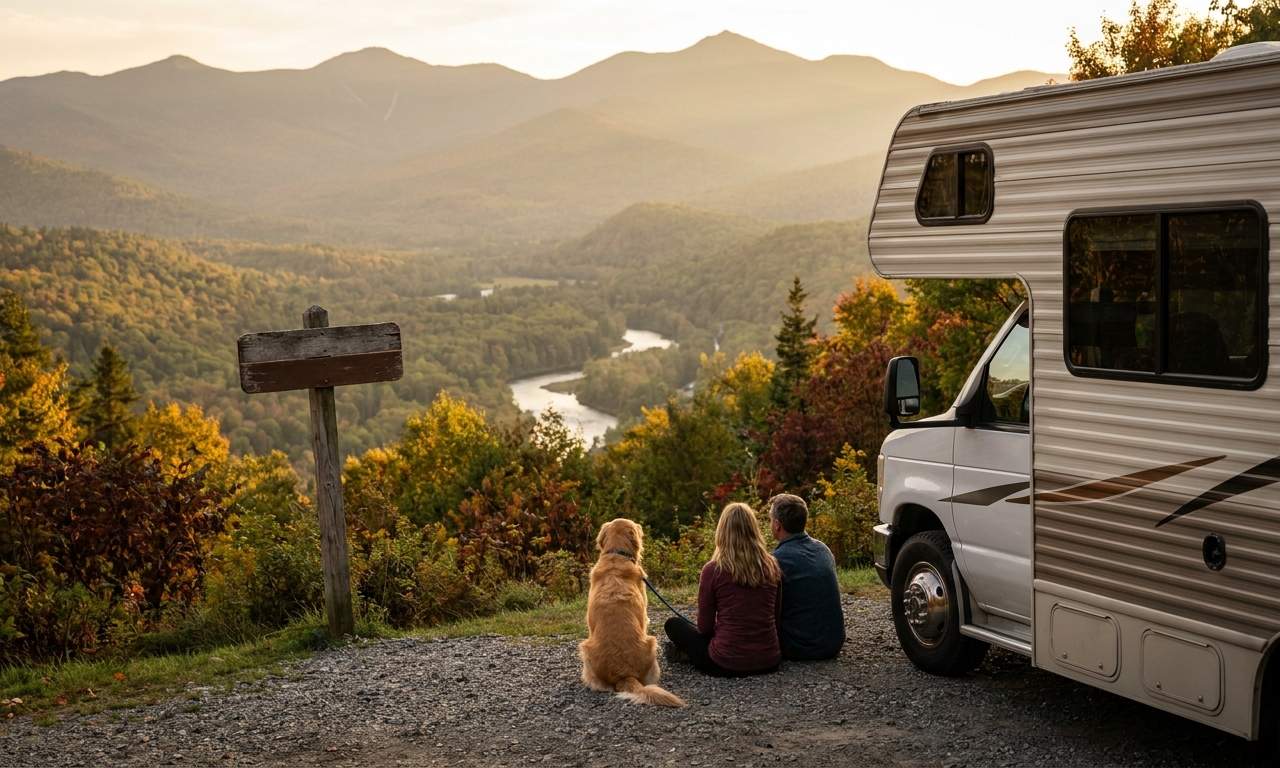
Embarking on a one-way RV rental adventure in New York offers an unparalleled sense of freedom, allowing you to explore the state's diverse landscapes from bustling cityscapes to serene mountains without backtracking. Imagine picking up your mobile home in New York City and traversing north to the majestic Niagara Falls, or heading south through the scenic Hudson Valley into Pennsylvania. For live availability and current prices, start with our RV Rental New York - Complete Guide 2026 guide.
Top 5 Tips for one way rv rental RV Rental in New York
Successfully planning a one-way motorhome rental in New York requires careful consideration of several key factors to ensure a smooth and enjoyable journey. One-way rentals, while offering immense flexibility, often involve additional fees and logistical planning compared to round-trip options.
1. Book early, especially for one-way and peak seasons: Demand for one-way rentals, particularly during New York's vibrant fall foliage or summer months, can be high, making early booking (3-6 months in advance) crucial to secure your preferred vehicle and potentially save up to 25% on rental costs. For a detailed breakdown of costs, consult our One-Way RV Rental in New York - Price Guide 2026.
2. Understand all one-way fees: Drop-off fees, mileage packages, and state/local taxes are common additional costs for one-way rentals that can significantly impact your total budget. Always clarify these charges upfront to avoid surprises, a core principle of our full transparency commitment at Bandana Caravan. On the routes offered through RV PLANET routes, you can itemize and track every expense along the way for easy budgeting.
3. Choose an RV class suitable for New York's varied terrain: While all motorhome classes (Class A, B, C) are suitable, consider a smaller Class B campervan for easier navigation through city outskirts or winding upstate roads, or a larger Class C for families needing more space on longer hauls like a journey through the Finger Lakes. A compact Class B Camper Van like a "Paradise S/T" is ideal for couples, offering a shower and toilet in a small, maneuverable package.
4. Plan your route meticulously, considering bridge/tunnel restrictions: New York, especially around the New York City metropolitan area, has numerous bridges and tunnels with strict height and weight restrictions. Utilizing an RV-specific GPS is highly recommended to prevent unexpected detours, ensuring your route plan avoids structures with limited clearances, like the 12-foot 2-inch height limit at the Holland Tunnel.
5. Review comprehensive insurance options for peace of mind: While basic insurance is included with all rentals, upgrading to a top-level deductible is an optional purchase that offers enhanced protection and reduces your financial exposure in case of an incident. We want you to travel with complete peace of mind, knowing real people are behind you with 24/7 support for pre-booking inquiries, booking assistance, and post-booking coordination.
Before You Book - Class, Dates, Insurance
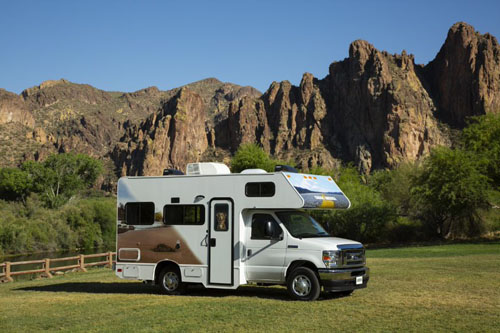
Selecting the right motorhome class, optimal booking dates, and appropriate insurance are critical first steps when organizing your one-way rental in New York. Consider your travel party size and comfort preferences when choosing between a nimble campervan, a versatile Class C motorhome, or a spacious Class A vehicle. For example, a "rv rentals utah example Sunrise Escape" Class C offers sleeping for 5 with a 167-liter fresh water tank, perfect for a family adventure. We compare final prices across 50+ suppliers so you don't have to, ensuring full price transparency.
One-way rentals should be booked 3-6 months in advance, particularly for popular New York seasons like peak fall foliage in the Adirondacks or summer on Long Island, to secure the best rates and vehicle availability. Basic insurance is always included in your rental, but you can upgrade to a top-level deductible for extra peace of mind, traveling knowing you have comprehensive protection across diverse New York driving conditions. Additionally, factor in potential one-way rental costs such as variable drop-off fees, which can range from $150 to $500 depending on distance and supplier, along with mileage overages, and state/local taxes during your budgeting process. RV PLANET routes allow you to itemize and track every expense along the way for easy budgeting.
For more insights into optimal times to rent, explore our "RV Rental New York - Prices and Best Deals 2026" and "Weekly RV Rental in New York - Pricing 2026" guides. If you are looking for more affordable options, our "Cheap RV Rental in New York - Budget Guide 2026" can provide useful tips.
Pre-Trip Prep - Packing Checklist for New York
A thorough packing checklist is essential for any RV trip in New York, helping ensure you have everything needed for a comfortable and prepared adventure across distinct seasonal climates. Essential documents should include your standard car driver's license (which is sufficient for all motorhome classes), any rental agreement, and campground reservations for places like Watkins Glen State Park or the Catskill Mountains.
Prepare a comprehensive first-aid kit and emergency roadside supplies, such as jumper cables and a flashlight, for safety on New York's highways and rural roads. Given the state's varied climate, bring clothing layers suited for New York's distinct seasons- from light activewear for summer activities on Long Island to warmer jackets for crisp fall foliage tours in the Catskills or cooler spring hikes in the Adirondacks. Lastly, stock up on kitchen essentials, toiletries, and cleaning supplies for self-sufficiency. Remember, even a small campervan like a "rent rv example A1" (sleeping 2, with shower and toilet) offers cooking facilities, so planning your meals can be a fun part of the trip. Check out our RV-friendly recipes playlist for inspiration!
On the Road - Driving, Fueling, Navigation
Driving an RV in New York requires practicing defensive driving techniques and making wide turns to navigate the state's varied terrain, from tight city streets in areas like Queens to winding Adirondack mountain roads. Always remember: drive slowly and carefully, and you can drive almost anywhere without issues; no need to stress-just use common sense and pay attention. If you are starting your trip from New York City, allow ample time to exit the urban area and merge onto larger highways like the New York State Thruway (I-90), a 960 km superhighway that stretches across the state.
Plan fuel stops in advance, as RVs consume more fuel than regular cars, and access to suitable gas stations can be limited in rural areas of Upstate New York. Utilizing an RV-specific GPS that accounts for your vehicle's height and weight is crucial to avoid bridge and tunnel restrictions, especially when approaching New York City. The Holland Tunnel, for example, has a height restriction of 12 feet 2 inches, and large RVs must use specific lanes. Research preferred entry points or bypass routes for navigating around densely populated urban centers, as driving directly into Manhattan with a large motorhome is not recommended. For broader context on regional travel, check out our RV Rental New Jersey - Complete Guide 2026.
🎬 Video coming soon
At the Campground - Setup, Hookups & Etiquette
Upon arrival at a New York campground, safely park your rented motorhome on level ground, chock the wheels, and deploy leveling jacks before beginning utility connections. This ensures stability and proper functioning of your RV's internal systems. Connecting hookups should follow a specific order: electric first, then the fresh water hose (always use a pressure regulator to protect your RV's plumbing), and finally, the sewer hose for waste disposal. Remember, proper sanitation is key for enjoyable RV travel.
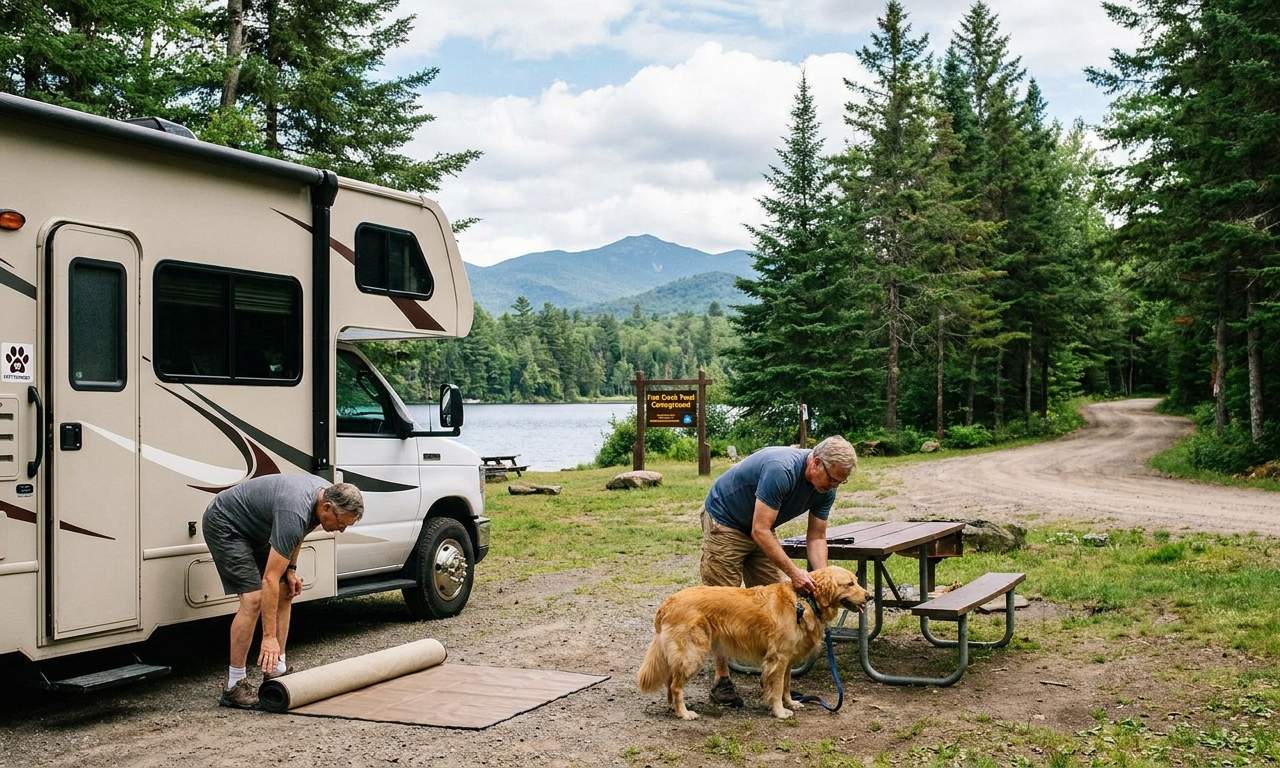
Always observe campground quiet hours, typically from 10 PM to 7 AM, maintain a tidy campsite, and respect fellow campers' privacy. Properly dispose of all waste in designated dump stations-many state parks like Allegany State Park offer these facilities. Manage pets according to campground rules, which often require leashes and waste cleanup. For finding campsites and campgrounds during your trip, we recommend using RV PLANET (rvplan.net) - a great resource for locating available spots along your route, from state parks in the Finger Lakes to private RV resorts on Long Island. We advocate for slow travel, recommending a maximum of 100-150 km per day on average, allowing you to take time to feel the place, connect to the culture, the food, and the scenery.
one way rv rental-Specific Tips for New York
Exploring unique RV-friendly routes beyond popular destinations in New York can unveil hidden gems, such as the picturesque Finger Lakes Wine Trail or the Great Northern Catskills Scenic Byway. These routes often feature charming towns, local eateries, and abundant natural beauty perfect for a rented campervan adventure. Discovering less-known campgrounds or boondocking spots, like those found in parts of the Adirondack Forest Preserve, can offer a more secluded experience away from crowded tourist areas. Always check local regulations for boondocking, as rules vary.
When planning a visit to New York City, utilize practical strategies for accessing urban attractions from outlying RV parks via public transit. Consider parking your rented motorhome at campgrounds in nearby New Jersey or upstate areas like Croton Point Park, then using trains, buses, or ferries into Manhattan. Understanding New York's specific fare systems and optimal routes is key for a stress-free city experience. Tailor your trip to New York's distinct seasons, enjoying vibrant fall foliage tours in the Catskills with a Class C motorhome like the "MHC24" (sleeping 6, with shower and toilet) or summer activities on Long Island's beaches in a nimble campervan. For detailed route plans, our "RV Travel Guide to New York - Tips and Top Spots 2026" is an excellent resource.
Common Mistakes to Avoid in New York
To ensure a seamless one-way RV rental experience in New York, several common mistakes should be avoided, particularly regarding urban navigation and local regulations. A significant error is attempting to drive a large RV directly into Manhattan, where streets are narrow, parking is virtually nonexistent, and height/weight restrictions on bridges and tunnels are prevalent.
Always double-check bridge and tunnel height/weight restrictions before entering any major metropolitan area or crossing key waterways to prevent costly and dangerous detours. For instance, the Lincoln Tunnel has a lower clearance than the Holland Tunnel. Do not underestimate New York's diverse weather patterns; pack layers suitable for sudden temperature changes across seasons, from warm summer days to chilly evenings. Research campground amenities and book in advance, as not all sites accommodate large RVs or offer full hookups, particularly in popular state parks like Lake Placid's Lake Placid/Whiteface Mountain KOA. Finally, ensure you understand the full breakdown of your one-way rental costs, including all potential drop-off fees, taxes, and any other surcharges, as part of Bandana Caravan's commitment to full transparency and no hidden fees.
What is the 3 3 3 rule for RV travel?
The 3-3-3 rule for RV travel is a widely adopted guideline designed to reduce driver fatigue and enhance the overall enjoyment of a road trip. The first '3' recommends limiting daily travel to approximately 300 miles (about 480 km), which allows for a relaxed pace and plenty of time for scenic stops in regions like the Hudson Valley. The second '3' suggests aiming to arrive at your campground or destination by 3 PM, providing ample daylight for setting up your rented motorhome and unwinding. The final '3' encourages travelers to stay for a minimum of 3 nights at each location, which helps avoid constant packing and unpacking, allowing for deeper exploration of local culture and scenery in places like the Finger Lakes region.
What is the 4 4 4 rule for RV?
The 4-4-4 rule for RV travel is another popular guideline, similar to the 3-3-3 rule, that promotes a more leisurely pace for your rented RV adventure. The first '4' suggests driving for no more than 4 hours each day, emphasizing a slow travel approach to truly immerse yourself in the journey rather than rushing. The second '4' advises arriving at your destination by 4 PM, ensuring sufficient time to set up camp before dusk and enjoy the evening. The third '4' recommends planning to stay for a minimum of 4 days at each stop, allowing for extended enjoyment and deeper immersion in the local area, such as exploring multiple waterfalls in Watkins Glen State Park or hiking trails in the Adirondacks.
Can I park my RV anywhere in NYC?
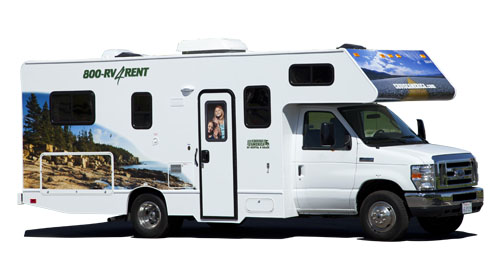
No, parking an RV anywhere in New York City, especially within the five boroughs of Manhattan, Brooklyn, Queens, the Bronx, and Staten Island, is highly restricted and generally not permitted. This is due to stringent city regulations, significant size limitations, and the extreme scarcity of available parking spaces. RV parking is typically prohibited on city streets, and commercial garages rarely accommodate the dimensions of even a medium-sized Class C motorhome like the "C-MEDIUM PLUS" (8.1m long, 3.1m wide).
The recommended strategy for visiting New York City with a rented RV involves parking at dedicated RV parks situated outside the immediate city core, such as those in nearby New Jersey (e.g., Liberty Harbor RV Park in Jersey City) or upstate areas accessible by public transit. From these outlying locations, travelers can easily utilize trains, buses, or ferries to access Manhattan and other attractions. It is also crucial to be aware of the numerous bridge and tunnel height and weight restrictions when approaching the city, as many routes are impassable for RVs.
Can you drive an RV one-way?
Yes, one-way RV rentals are a common and convenient option offered by most major suppliers, allowing travelers to pick up a motorhome in one location and drop it off in a different city. This flexibility is ideal for extensive road trips, such as traveling from New York City to Niagara Falls or even a longer journey from New York to a destination like Miami, without the need for backtracking. Associated costs typically include a one-way drop-off fee, which varies significantly by company, distance, and seasonality, in addition to the standard daily rental rates and any mileage charges.
Availability for one-way rentals can be limited, especially during peak travel seasons, so booking well in advance (3-6 months) is often necessary to secure your desired vehicle and route. Bandana Caravan, with over 20 years of experience, specializes in comparing these options from over 50 leading RV suppliers worldwide, ensuring full transparency with no hidden fees or surprises. Our team of true RV specialists is here to support you before, during, and after your booking.
What questions to ask when renting an RV?
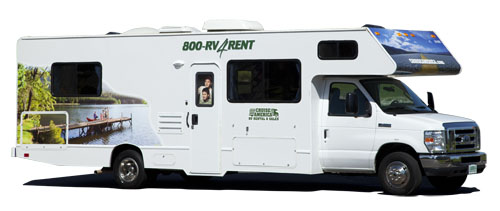
When renting an RV for your New York adventure, asking the right questions ensures a transparent and hassle-free experience. First, inquire about included mileage, generator hours, and any additional fees for exceeding limits or using amenities. A popular Class C motorhome like the "C-30" typically includes some mileage but additional kilometers will incur costs.
Next, understand the available insurance options, coverage details, and deductibles, noting that a top-level deductible is an optional upgrade for greater peace of mind. Clarify the roadside assistance policy and contact procedures in case of breakdowns, as having reliable support is crucial on the road. Crucially for one-way trips, ask about specific one-way drop-off charges, any restrictions on travel areas (e.g., unpaved roads, certain tunnels around New York City), and the fuel policy. Finally, confirm pet policies, cleaning requirements, and the process for vehicle orientation prior to departure, ensuring you're fully prepared to operate your rented motorhome.
What not to forget on an RV trip?
Forgetting essential items on a rented RV trip in New York can impact your comfort and convenience, so a comprehensive mental checklist is vital. Always have critical documents such as your standard car driver's license (minimum age 21), rental agreement, insurance cards, and any campground reservations readily accessible. A well-stocked first-aid kit, emergency roadside tools (like a tire pressure gauge and basic tool kit), and a powerful flashlight are vital for safety, particularly when exploring remote areas of the Adirondacks or Catskills.
RV-specific navigation tools that account for vehicle dimensions are crucial to avoid height-restricted bridges and tunnels in New York, especially around the Hudson Valley. Comfort items such as personal pillows, favorite blankets, entertainment (books, games, downloaded movies), and portable chargers enhance the travel experience. Consider bringing specific New York-friendly items like an EZ-Pass for seamless toll payments on the New York State Thruway (I-90) or binoculars for spotting wildlife in state parks. Moreover, remember essentials for cooking in your RV kitchen; simple but tasty meals make a huge difference. Don't forget that on our RV PLANET routes, travelers can itemize and track every expense along the way for easy budgeting.
Final Thoughts
Embarking on a one-way RV rental from New York promises an unforgettable adventure, offering the flexibility to explore America's diverse landscapes from the bustling energy of the city to the tranquil beauty of its national parks. By following these essential tips-from early booking to meticulous route planning and understanding your rental agreement-you're setting yourself up for a truly seamless and inspiring journey.
Remember, whether you're a seasoned RVer or a first-timer, preparation is key. With Bandana Caravan's commitment to transparency, expert support, and access to a wide fleet of quality motorhomes and campervans, your New York one-way road trip is bound to be an incredible experience. Start dreaming of those scenic drives, cozy campground evenings, and the freedom of the open road. Discover top destinations, planning tips, all in one place!
Find Motorhome Rentals in New York