In This Guide
- Top 5 Tips for One-Way RV Rental in Namibia
- What do I need to know about one-way RV rentals in Namibia?
- Before You Book - Class, Dates, Insurance
- How much does it cost to rent an RV in Namibia for a one-way trip?
- Pre-Trip Prep - Packing Checklist for Namibia
- What kind of RV is best for a one-way trip in Namibia?
- On the Road - Driving, Fueling, Navigation
- What are the rules and regulations for driving an RV in Namibia?
- At the Campground - Setup, Hookups & Etiquette
- What are the essential items to pack for an RV trip in Namibia?
- One-Way RV Rental-Specific Tips for Namibia
- What are the best RV rental companies in Namibia that offer one-way trips?
- Can you rent a one-way RV in Namibia between different cities?
- What are the insurance options for one-way RV rentals in Namibia?
- What are the best routes for a one-way RV trip in Namibia?
- How do one-way RV rentals work for international travelers in Namibia?
- Common Mistakes to Avoid in Namibia
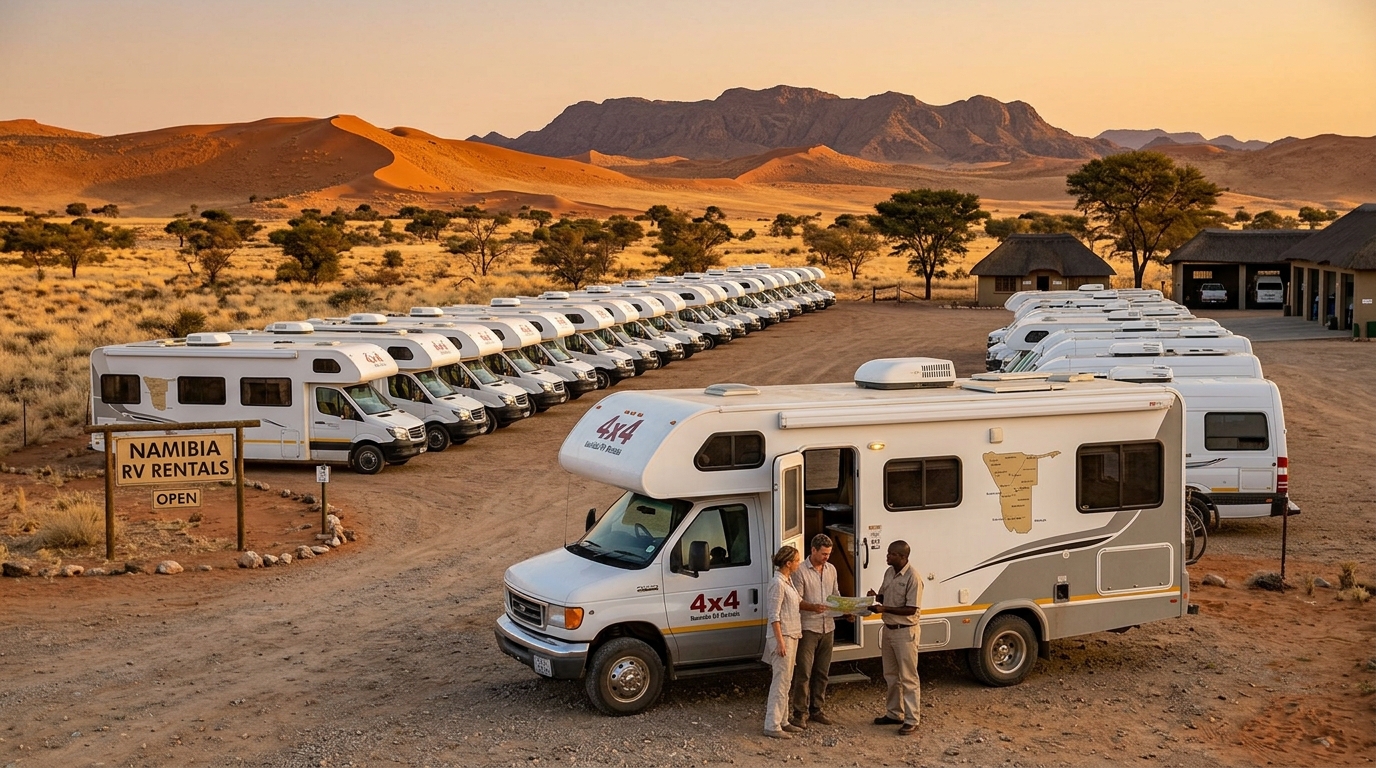
Namibia offers an unparalleled adventure for those who dream of exploring vast, ancient landscapes and encountering unique desert-adapted wildlife. A one-way RV rental in Namibia provides the ultimate freedom to traverse this incredible country without the need to backtrack, allowing you to immerse yourself deeply in its rugged beauty and rich culture. For live availability and current prices, start with our RV Rental Namibia - Complete Guide 2026 guide, offering insights into all types of motorhome adventures.
Top 5 Tips for One-Way RV Rental in Namibia
1. Booking your one-way campervan rental well in advance is critical, especially for peak season (December–February) routes with limited vehicle availability and specific relocation windows, where securing your desired dates 3-6 months ahead can save up to 20%.
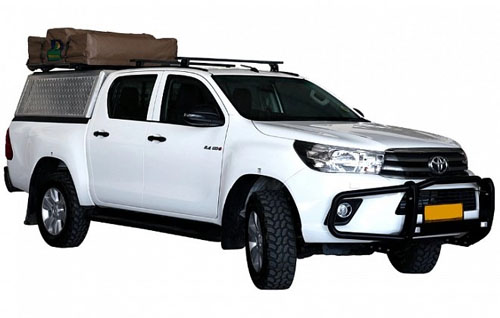
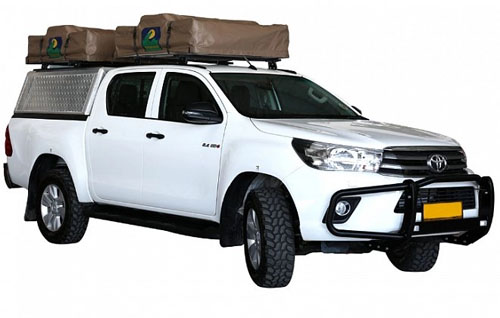
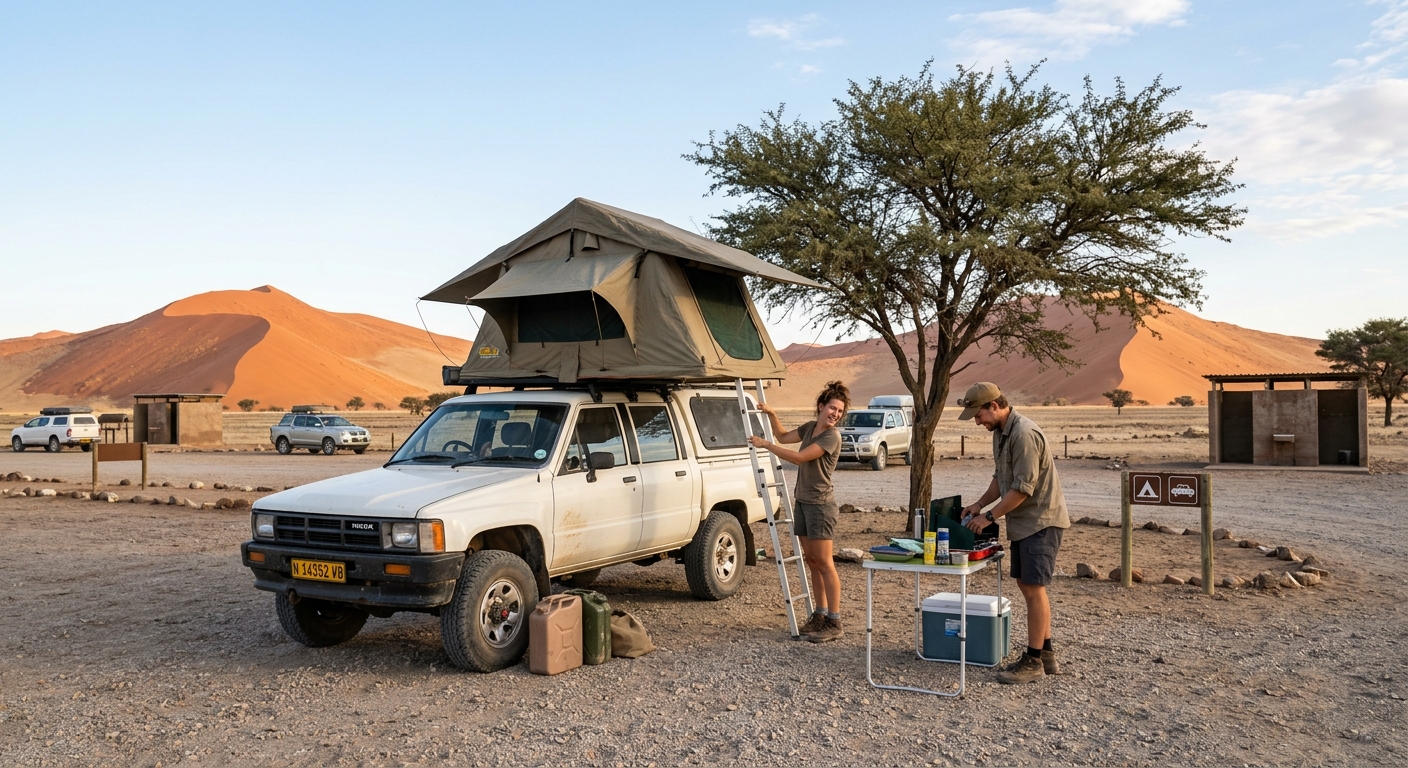
2. Choose an RV specifically suited for Namibian gravel roads, often a robust 4x4 pop-top camper or a sturdy Class B campervan, which provides higher ground clearance and better traction for the over 80% unpaved roads outside urban centers.
3. Opt for comprehensive insurance that explicitly covers remote recovery and off-road conditions in Namibia, as standard policies might not be sufficient for the country's unique challenges, giving you added peace of mind on long stretches of road.
4. Plan your one-way itinerary meticulously to minimize backtracking and optimize drop-off locations, using resources like RV PLANET (rvplan.net) to itemize and track every expense, which can significantly reduce ancillary costs. Consider starting in Windhoek and concluding in Swakopmund or Walvis Bay. On the routes offered through RV PLANET routes, you can itemize and track every expense along the way for easy budgeting.
5. Prepare thoroughly for self-sufficiency, including carrying extra water (at least 5-10 liters per person per day), sufficient fuel for long distances (some tanks are 70-100 liters), and reliable communication tools like a satellite phone, as mobile signal is sparse in many remote areas.
What do I need to know about one-way RV rentals in Namibia?
One-way RV rentals in Namibia provide unparalleled flexibility for exploring diverse landscapes without the need to return to your starting point, typically allowing pickup in one major city like Windhoek and drop-off in another, such as Walvis Bay or Swakopmund.
These rentals generally involve a "relocation fee" or "one-way surcharge" that is added to the daily rental rate, compensating the rental company for transporting the vehicle back to its base, and this fee can vary significantly based on the chosen route and rental period.
Availability for one-way trips tends to be limited, especially for popular routes and during Namibia's peak tourist seasons, making early booking an essential step in your planning process.
It is crucial to clarify all drop-off procedures, including the exact locations and any specific conditions for vehicle return, with your chosen rental company, as certain remote areas may not support one-way drop-off options.
Before You Book - Class, Dates, Insurance
Selecting an RV class that comfortably accommodates your group size and suits the rugged Namibian terrain is essential for a successful one-way trip.
For navigating Namibia's extensive network of gravel roads, a robust 4x4 pop-top camper or a well-equipped Class B campervan, such as a "Patagonia Camper 4x4 double cab" or a similar "2 Person 4WD Camper", is often ideal due to their higher ground clearance and durability.
Lock in your rental dates as early as possible, particularly for one-way rentals which have limited vehicle availability and specific relocation windows, where securing your dates 3-6 months ahead can significantly improve your options and overall experience.
Understanding your insurance options is paramount: basic third-party liability is typically included with your rental, but comprehensive coverage with a reduced excess (deductible) is highly recommended for peace of mind in Namibia's remote conditions.
To see prices that include the most comprehensive coverage, select that option during your search on the Bandana platform- all relevant insurance options and their associated costs will then be clearly displayed, reflecting our commitment to full transparency.
How much does it cost to rent an RV in Namibia for a one-way trip?
The cost of a one-way RV rental in Namibia typically ranges from approximately N$1,500 to N$4,000 (roughly US$80-210) per day for a basic 4x4 campervan, but prices vary significantly based on the RV class, rental season, and trip duration, as highlighted in our "RV Rental in Namibia - Prices and Best Deals 2026" guide.
Expect to pay a one-way relocation surcharge, which can be a flat fee (e.g., N$3,000-N$8,000 / US$160-420) or a per-kilometer charge depending on the rental company and the specific drop-off location, such as from Windhoek to Swakopmund.
Fuel consumption for a 4x4 RV on Namibia's diverse roads, including its many gravel sections, should be budgeted at around N$2.00-N$3.00 (US$0.10-0.15) per kilometer, varying by vehicle type and driving conditions, making fuel a substantial ancillary expense for any extensive trip.
National park entry fees are an additional cost, typically N$100-N$150 (US$5-8) per person per day for international visitors, plus a vehicle fee of N$50 (US$3) per day for your rented RV, so factor these into your overall budget for attractions like Etosha National Park or Sossusvlei.
Purchasing comprehensive insurance with reduced excess is strongly recommended for Namibia's challenging terrains and adds to the overall cost, often ranging from N$150-N$300 (US$8-16) per day, providing a valuable upgrade for peace of mind.
Beyond these, you should factor in realistic grocery and supply budgeting, especially for remote areas where prices may be higher, and potential permit fees for specific conservancies or off-limit areas, with RV PLANET routes allowing you to itemize and track every expense for easy budgeting.
Pre-Trip Prep - Packing Checklist for Namibia
A well-organized packing list is key to enjoying a stress-free one-way RV adventure through Namibia's diverse climates and terrains.
Pack versatile clothing suitable for varying temperatures, including layers for cool desert mornings (which can drop to 5°C), hot midday sun (reaching 40°C), and swimwear for coastal stops or lodge pools.
Ensure your mobile home kitchen kit includes essentials beyond what's provided by the rental: a sharp knife, reusable containers for food storage, a good cooler (even if your RV has a fridge, like a "cruise america rv rental example Explorer" with a 90-liter refrigerator), and plenty of trash bags, as waste disposal options are limited in remote areas. Remember to check out our RV-friendly recipes playlist for meal inspiration on the go.
Prioritize safety gear such as a comprehensive first-aid kit (including snake bite treatment), vehicle recovery equipment (e.g., tow strap, shovel, air compressor for tire pressure adjustments if not included with a 4x4 camper), and crucial communication devices like a satellite phone, as regular mobile signal is unreliable in vast stretches of Namibia.
Organize essential documents including your passport, valid national driver's license (an International Driving Permit is highly recommended for non-English speakers), printed rental confirmations, and copies of any national park permits or pre-booked campsite reservations, keeping them in a waterproof pouch.
What kind of RV is best for a one-way trip in Namibia?
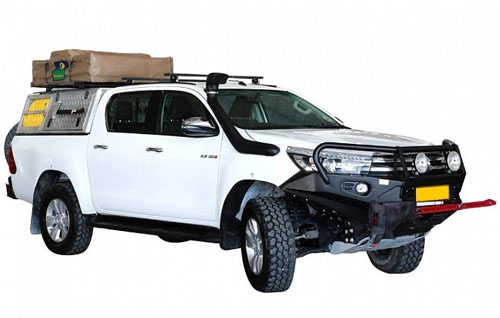
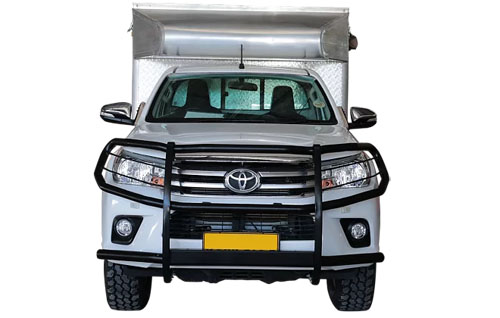
For a one-way trip in Namibia, a robust 4x4 pop-top camper, such as a "Patagonia Camper 4x4 double cab" or a "4x4 Scout Adventure Truck Camper Gold," is generally considered the best choice due to its superior off-road capability, higher ground clearance (often 200mm+), and durability on gravel roads and national park tracks.
These specialized vehicles are equipped with essential features for Namibian conditions, including reinforced suspension, long-range fuel tanks (some holding up to 180 liters) for extended travel between sparse refueling points, dual battery systems for reliable off-grid power, and often built-in air compressors for managing tire pressure on varied surfaces.
While larger motorhomes or Class C RVs offer more interior space and comfort (like a "29′ Class C Motorhome" with slide-outs), they can be significantly more challenging to maneuver on narrow, corrugated gravel roads and may be restricted from certain remote areas accessible only by 4x4 vehicles, impacting your itinerary options.
When selecting your rental camper, prioritize models that include recovery gear (e.g., tow strap, shovel, high-lift jack) and sufficient water (a 40-liter fresh water tank is a minimum, but 80-100 liters is better for longer trips) and solar charging capabilities for prolonged stays in remote campsites, enabling true self-sufficiency in the wilderness.
On the Road - Driving, Fueling, Navigation
🎬 Video coming soon
Driving cautiously on Namibia's gravel roads is paramount, requiring you to reduce your speed for corrugations and sharp turns and to always remain vigilant for free-roaming wildlife, which can appear suddenly on the road.
Plan your fuel stops meticulously as petrol stations can be very sparse in remote areas, sometimes more than 200-300 km apart; consider carrying extra fuel in jerry cans if your rented RV allows and your route dictates.
Utilize reliable offline GPS maps, such as Tracks4Africa or Google Maps with downloaded areas, in conjunction with physical maps for navigation, as mobile signal is limited outside major towns and internet connectivity is not guaranteed throughout your journey.
When driving through cities, drive slowly and carefully, and you can drive almost anywhere without issues. No need to stress - just use common sense and pay attention, even with larger Class C motorhomes that offer features like an "Ideal for a big family / group of friends" configuration.
Remember that Namibia drives on the left-hand side of the road, and while a standard driver's license is acceptable for a motorhome rental, an International Driving Permit (IDP) is highly recommended for international visitors.
What are the rules and regulations for driving an RV in Namibia?
In Namibia, driving is consistently on the left-hand side of the road, and an International Driving Permit (IDP) is highly recommended for all foreign visitors in addition to their valid national driver's license, though a standard license is sufficient for motorhome rentals.
Speed limits are typically 120 km/h on tarred roads, 100 km/h on main gravel roads, and 60 km/h within urban areas, but driving a rented RV on corrugated gravel often necessitates a much lower speed, such as 80 km/h, for safety and comfort.
All vehicle occupants must wear seatbelts at all times, and it is strictly illegal to use a mobile phone without a hands-free kit while driving, with penalties enforced for violations.
Namibian authorities enforce a strict zero-tolerance policy for drunk driving, and drivers should always be extremely vigilant for wildlife, especially at dawn, dusk, and throughout the night, as animals frequently cross roads in rural and national park areas, making an unexpected encounter a common occurrence.
At the Campground - Setup, Hookups & Etiquette
Upon arriving at your chosen campsite in Namibia, first select a level spot for your rented RV; use leveling blocks if necessary to ensure comfort and efficient operation of appliances like the refrigerator, which typically runs on a dual battery system or gas.
Connect electrical hookups before water, then waste, if available; always ensure your fresh water and waste tanks are properly managed, especially when boondocking or dry camping in remote locations where facilities are minimal.
Respect campground quiet hours, generally from 22:00 to 06:00, and always maintain a respectful distance from local wildlife, remembering never to feed them, to ensure their safety and yours.
Practice 'Leave No Trace' principles rigorously by packing out all your trash, properly disposing of greywater and blackwater at designated dump stations, and minimizing your impact on Namibia's fragile desert environments to help preserve their pristine condition for future travelers.
What are the essential items to pack for an RV trip in Namibia?
Beyond standard travel essentials, crucial items for a Namibian RV trip include a reliable GPS with offline maps, such as Tracks4Africa, a satellite phone or high-frequency radio for emergency communication in areas without cellular signal, and comprehensive first-aid supplies suitable for remote conditions and potential injuries.
Packing sufficient water is vital, with at least 5-10 liters per person per day recommended, alongside a portable water purification system, as reliable water sources can be scarce and boreholes may not always be potable in remote areas.
Essential vehicle-specific gear for your rented motorhome includes a tire pressure gauge, a robust puncture repair kit, sturdy recovery equipment (like a tow rope and shovel), and possibly extra spare tires for extended remote travel on rough gravel roads.
Do not forget robust sun protection- hats, high-SPF sunscreen, and quality sunglasses are necessities, along with insect repellent, binoculars for enhanced wildlife viewing, and a powerful headlamp or flashlight for navigating campsites and pathways after dark.
For your kitchen aboard your rented campervan, consider bringing your favorite spices, reusable shopping bags, and a good coffee maker to enhance your outdoor cooking experience, using our RV-friendly recipes playlist for inspiration.
One-Way RV Rental-Specific Tips for Namibia
For budget-conscious travelers planning a one-way RV trip in Namibia, consider a smaller 2-berth pop-top 4x4 camper or campervan, which typically offers lower daily rental rates and reduced fuel consumption (around 11 liters per 100 km) on gravel roads, helping minimize the overall trip cost, as explored in "Cheap RV Rental in Namibia - Budget Guide 2026".
Luxury travelers might opt for larger, fully-equipped motorhomes or Class A RVs like a "Luxury" model, which provide enhanced amenities and the option for pre-arranged premium drop-off services, offering a lavish experience despite the rugged surroundings, details of which can be found in "Luxury RV Rental in Namibia - Premium Prices 2026".
Families with kids should prioritize RVs with flexible sleeping arrangements, such as a "Category Family 5" or "Glamys 40" which feature bunk beds and comfortable dining areas, and plan for shorter driving days (max 100-150 km) to accommodate children's needs and provide ample time for exploration and entertainment at sites like Etosha.
Senior travelers often benefit from renting RVs with easier access, automatic transmissions (many available models include this feature), and comfortable seating for longer journeys, making a Class B campervan with an "Automatic transmission" a suitable choice for a more relaxed one-way adventure.
Regardless of your group type, a fundamental aspect of one-way RV travel in Namibia is embracing slow travel – allowing yourself ample time (average of 100-150 km per day) to truly feel the place, connect with the local culture, savor the food, and appreciate the unparalleled scenery.
What are the best RV rental companies in Namibia that offer one-way trips?
Leading RV rental companies in Namibia that offer one-way trips often specialize in rugged 4x4 campers and reliable motorhomes, including Bandana partners like Britz and Apollo, who are well-known for their robust fleets suitable for the challenging Namibian conditions.
When selecting a supplier, evaluate companies based on the suitability of their fleet for Namibian conditions- prioritize those offering robust 4x4 pop-tops or sturdy Class B campervans with good ground clearance and a reputation for excellent vehicle maintenance and reliability.
Look for companies with transparent one-way policies, clearly stated relocation fees, and positive customer reviews regarding their service and comprehensive support during remote travel in Namibia, which Bandana provides through its full transparency commitment.
Consider companies that offer detailed pre-trip briefings on vehicle operation and local conditions, as well as flexibility with drop-off arrangements, ensuring a seamless and worry-free one-way experience from pickup in Windhoek to drop-off in Walvis Bay.
As true RV specialists, Bandana Caravan partners directly with over 50 leading RV suppliers worldwide, offering you the easiest, safest, and most affordable way to compare and book your ideal motorhome for Namibia.
Can you rent a one-way RV in Namibia between different cities?
Yes, renting a one-way RV in Namibia between different cities is a common and highly favored option, providing travelers with the flexibility to design diverse itineraries without the logistical burden of looping back to their initial pickup point.
The most frequently chosen one-way routes typically involve picking up a rented RV in the capital city of Windhoek and dropping it off in popular coastal towns such as Walvis Bay or Swakopmund, or embarking on the reverse journey, allowing for exploration of both desert and ocean landscapes.
Some rental companies also extend one-way services to or from gateway towns located near major attractions, such as those bordering Etosha National Park, though these more remote drop-off options might incur higher relocation fees due to the increased distance and logistical complexities for the supplier.
It is crucial to confirm the availability of one-way options and specific drop-off locations directly with rental companies through platforms like Bandana, as fleet movements and operational capacity can vary, especially during peak travel seasons, making early inquiry and booking advisable.
For more details on managing your travel flow, check out "RV Driving Deals in Namibia - Routes and Savings 2026".
What are the insurance options for one-way RV rentals in Namibia?
Insurance options for one-way RV rentals in Namibia generally encompass standard coverage, which typically includes basic third-party liability (often with a high excess/deductible), and comprehensive collision damage waiver (CDW) with a reduced or zero excess, which is strongly advised for remote travel across the country's challenging terrains.
It is particularly important to inquire about specific coverage for off-road damage, recovery services in remote, unpopulated areas (which are common in Namibia), and any implications of your one-way trip on the insurance terms, such as conditions for vehicle return or specific drop-off location clauses.
Review the policy details for inclusions like tire and windscreen damage coverage, as these types of damages are common occurrences on Namibia's extensive gravel roads, and confirm if cross-border insurance is included should your one-way itinerary involve neighboring countries like Botswana or South Africa.
Understanding your liability and the precise claims process for one-way specific incidents, such as a vehicle breakdown far from a depot or an accident requiring remote recovery, is crucial for choosing the right level of financial protection and ensuring a stress-free journey.
Remember that the top-level deductible reimbursement is an optional upgrade you can purchase for extra peace of mind, not an automatically included feature, allowing you to tailor your coverage to your adventure's unique requirements.
What are the best routes for a one-way RV trip in Namibia?
The best routes for a one-way RV trip in Namibia often link the capital, Windhoek, to the iconic red dunes of Sossusvlei, then continue west to the coastal towns of Swakopmund or Walvis Bay, and potentially further north towards Etosha National Park, allowing for comprehensive exploration without repeating sections of road.
A popular and highly recommended itinerary might begin in Windhoek, head south to the breathtaking desert landscapes of Sossusvlei, then pivot west to the Atlantic coast for cooler temperatures and unique coastal wildlife, and finally proceed north through the dramatic Damaraland region to Etosha for unparalleled wildlife viewing, with a drop-off near an Etosha gateway or back in Windhoek if logistics allow.
Consider incorporating less-traveled scenic routes suitable for 4x4 RVs, such as the D707 road between Helmeringhausen and Aus, or venturing into parts of the remote Kunene Region, which offer unique photography spots, opportunities for cultural immersion, and a deeper sense of expedition into Namibia's ancient landscapes.
Always plan routes that align with your chosen rental RV type- ensuring adequate time for exploring each region, managing fuel stops in areas where petrol stations are sparse, and carrying sufficient water for prolonged stays in remote campsites, transforming your rented RV into a self-sufficient oasis in the wilderness.
For detailed route plans by professionals, remember that RV PLANET (rvplan.net), our sister company, offers over 1,300 pre-planned routes across 5 continents, including specific itineraries for Namibia, and you can enjoy a 25% planning discount when using rvplan.net.
How do one-way RV rentals work for international travelers in Namibia?
For international travelers, one-way RV rentals in Namibia generally require a valid passport, an appropriate visa (if applicable to your nationality), and an International Driving Permit (IDP) in conjunction with your national driver's license, though a standard license is sufficient for motorhome classes like a "Category Large" RV.
Rental agreements will clearly outline the one-way drop-off location and any associated fees, which are typically pre-paid; ensure all documentation is thoroughly reviewed and in order for both a smooth pickup in, for example, Windhoek, and a hassle-free return in Swakopmund.
It is crucial for travelers to understand the emergency communication protocols and available options for remote areas, such as the use of satellite phones or emergency beacons, as cellular coverage is limited outside populated zones and can be virtually non-existent in vast desert regions.
Travelers should familiarize themselves with local road rules, common wildlife behaviors, and cultural etiquette to ensure a safe, respectful, and enriching journey through Namibia's incredibly diverse regions, creating close encounters with desert-adapted wildlife from the comfort of your mobile home.
Bandana Caravan, founded in 2001, has over 23 years helping tens of thousands of travelers explore the world by RV, providing support and local expertise across 50+ countries.
Common Mistakes to Avoid in Namibia
Instead of underestimating distances and travel times, plan generously, especially on Namibia's extensive gravel roads which can significantly slow down travel, leading to unexpected delays and rushed experiences.
Rather than relying solely on basic insurance, invest in comprehensive coverage to fully mitigate risks associated with remote breakdowns, tire damage, or accidents on challenging terrain, securing that optional top-level deductible for greater peace of mind.
Instead of carrying insufficient supplies, always pack more water, fuel, and non-perishable food than you anticipate needing, particularly for longer stretches between towns, ensuring your rented RV truly functions as a self-sufficient oasis in the wilderness.
Rather than improvising your stops, book popular campsites and national park entry permits well in advance, especially during peak season, to avoid disappointment and ensure access to desired locations like Sesriem, as many national parks reserve only 25-30% of spots for first-come-first-serve visitors.
Instead of ignoring local road condition reports, check them regularly and adjust your route or driving style accordingly to ensure safety, as weather conditions can rapidly change gravel road surfaces, transforming a smooth drive into a challenging one.
Drive slowly and carefully, and you can drive almost anywhere without issues. No need to stress - just use common sense and pay attention. If you can't find a spot at the first campground, you'll find one at the next. Just call ahead before driving.
What You Shouldn't Miss
- **Stargazing in NamibRand Nature Reserve:** Experience the ultimate dark sky RV experience by camping within Africa's first International Dark Sky Reserve. Picture yourself parked under a canopy of a million stars, an unparalleled celestial safari directly from your rented motorhome.
- **Conquering Sossusvlei and Deadvlei:** Drive your 4x4 camper to the iconic red dunes of Sossusvlei, hike Big Daddy, and marvel at the ancient, petrified trees of Deadvlei, a truly awe-inspiring journey through the world's oldest desert.
- **Wildlife Spotting in Etosha National Park:** Enjoy close encounters with desert-adapted wildlife from your mobile home as you traverse Etosha. Witness elephants, rhinos, lions, and giraffes at vast waterholes, turning every drive into a potential wildlife viewing experience.
- **Exploring the Skeleton Coast and Swakopmund:** Head west to the atmospheric Skeleton Coast, discover shipwrecks, and then enjoy the unique German colonial charm of Swakopmund, with its cafes and quad biking adventures.
- **Uncovering Kolmanskop Ghost Town:** Drive your RV to the eerie diamond ghost town of Kolmanskop near Lüderitz, where houses are slowly being reclaimed by the desert sands, connecting your road trip to Namibia's fascinating mining history and offering a sense of exploration into forgotten places.
Looking for expert insights from Avi Bandana? Top 5 Adventures - recommendations from Avi Bandana.
Final Thoughts
A one-way RV rental in Namibia is more than just a vacation; it's an immersive expedition into one of Africa's most breathtaking and untamed destinations. Imagine the freedom of waking up to desert sunrises, exploring ancient landscapes, and witnessing incredible wildlife, all from the comfort and convenience of your mobile home. With proper planning and the right rental, you're set for an unforgettable adventure.
We're here to support you every step of the way, from comparing options to ensuring full transparency throughout your booking. So, embrace the spirit of discovery and let Namibia's vast horizons call to you. Travel slowly, max 100-150 km per day on average, and take the time to truly feel the place, connect to its unique culture, delicious food, and dramatic scenery.
Ready to chart your own course through this extraordinary country? Compare Motorhome Prices for Namibia today and begin planning your ultimate one-way RV journey!