In This Guide
- Top 5 Tips for one way rv rental RV Rental in Italy
- Before You Book - Class, Dates, Insurance
- Pre-Trip Prep - Packing Checklist for Italy
- On the Road - Driving, Fueling, Navigation
- At the Campground - Setup, Hookups & Etiquette
- one way rv rental-Specific Tips for Italy
- Common Mistakes to Avoid in Italy
- What are the alternative camping options for RVs in Italy
- What are the safety tips for RV travel in Italy
- How do I navigate ZTLs with an RV in Italy
- How much does a one way rv rental in Italy cost
- What are the driving challenges for RVs in Italy
- Should I rent an RV in Italy or bring my own
- How can I travel sustainably with an RV in Italy
Top 5 Tips for one way rv rental RV Rental in Italy
Embarking on an RV adventure across Italy offers unparalleled freedom and flexibility. For those opting for a one-way rental, careful planning is key to a seamless experience. Here are the top 5 essential tips to maximize your Italian RV journey.
- Book in advance for the best deals: Booking your one-way RV rental well in advance, especially for peak season (June-August) or specific drop-off locations, is crucial for securing the best rates and the widest selection of vehicle classes. For instance, reserving 90+ days ahead can offer savings of up to 25% compared to last-minute bookings.
- Clarify all one-way fees: Carefully confirm all one-way fees and drop-off logistics with your rental provider. These fees are standard for one-way rentals and can range from €200-€700+, depending on the distance between pickup and drop-off points. Understanding these upfront avoids any unexpected charges.
- Choose the right RV size: Selecting an RV class that balances comfort with maneuverability is vital. Italy's roads, particularly in historic towns and rural areas, can be narrow. Opting for a more compact motorhome, like a Class B or a smaller Class C model, often provides more flexibility for navigating these routes and finding parking.
- Understand insurance coverage: Basic insurance is typically included with your RV rental. However, consider additional coverage for common issues like tire and windshield damage, which are prevalent on Italy's varied road surfaces. You can view prices incorporating comprehensive options by selecting them during your search.
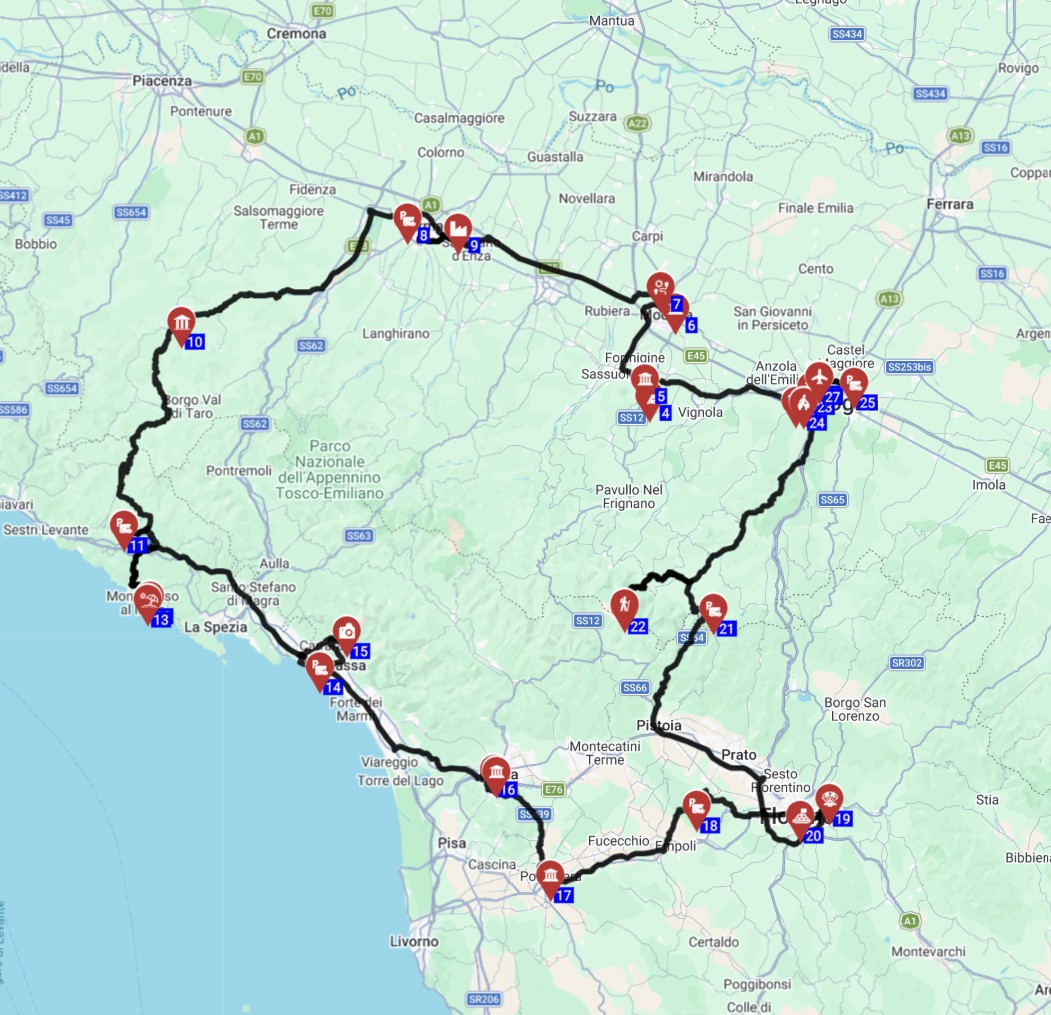
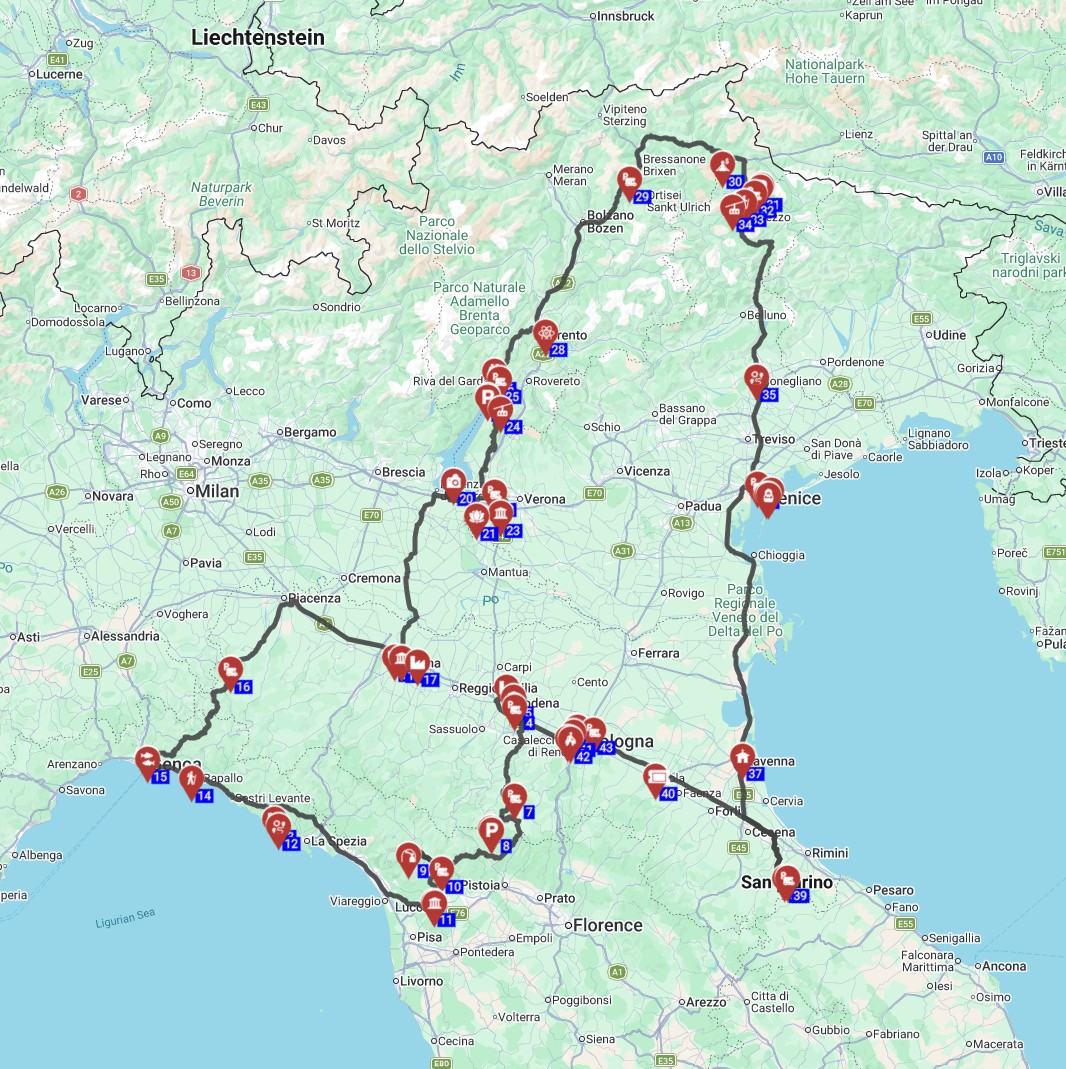
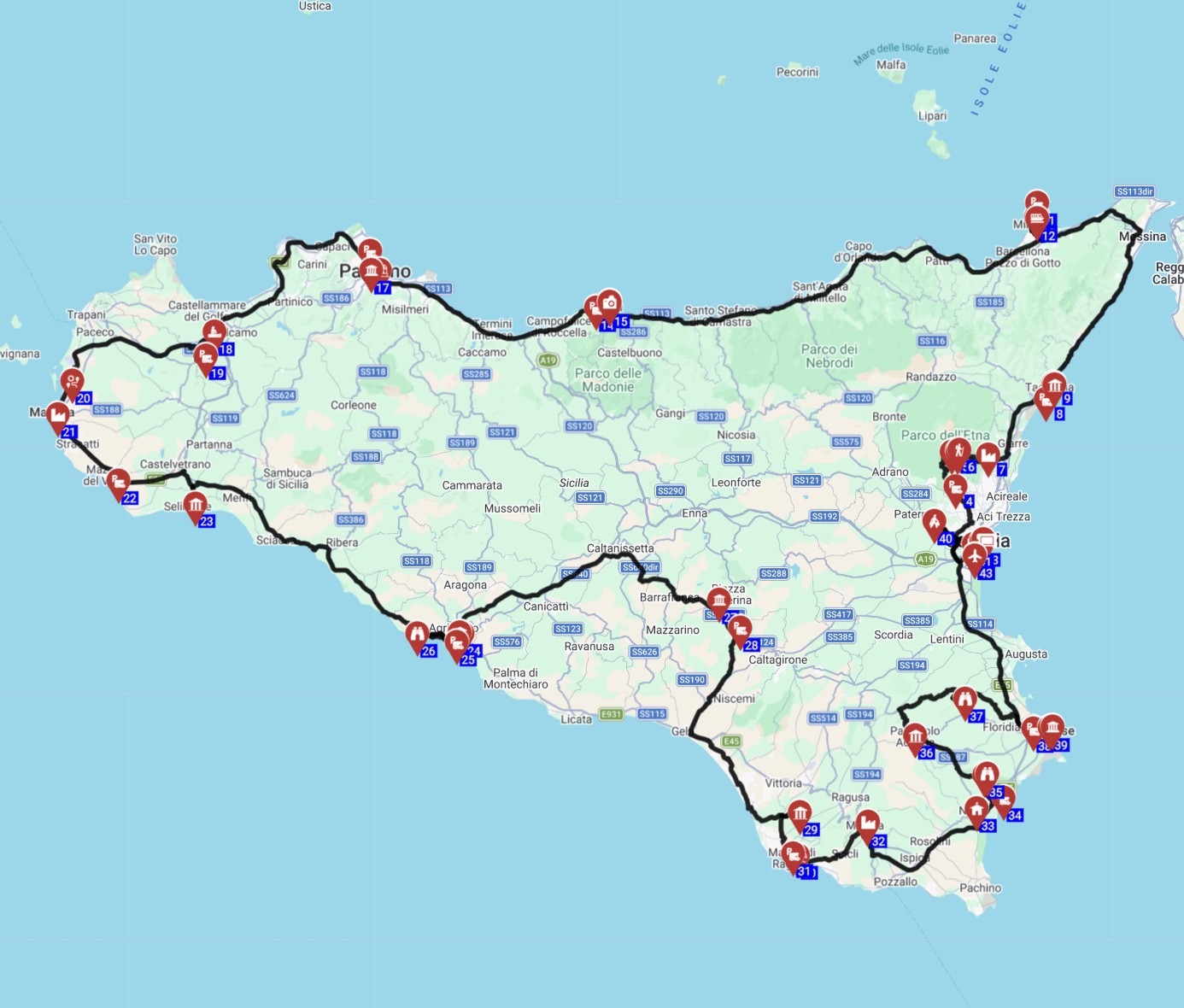
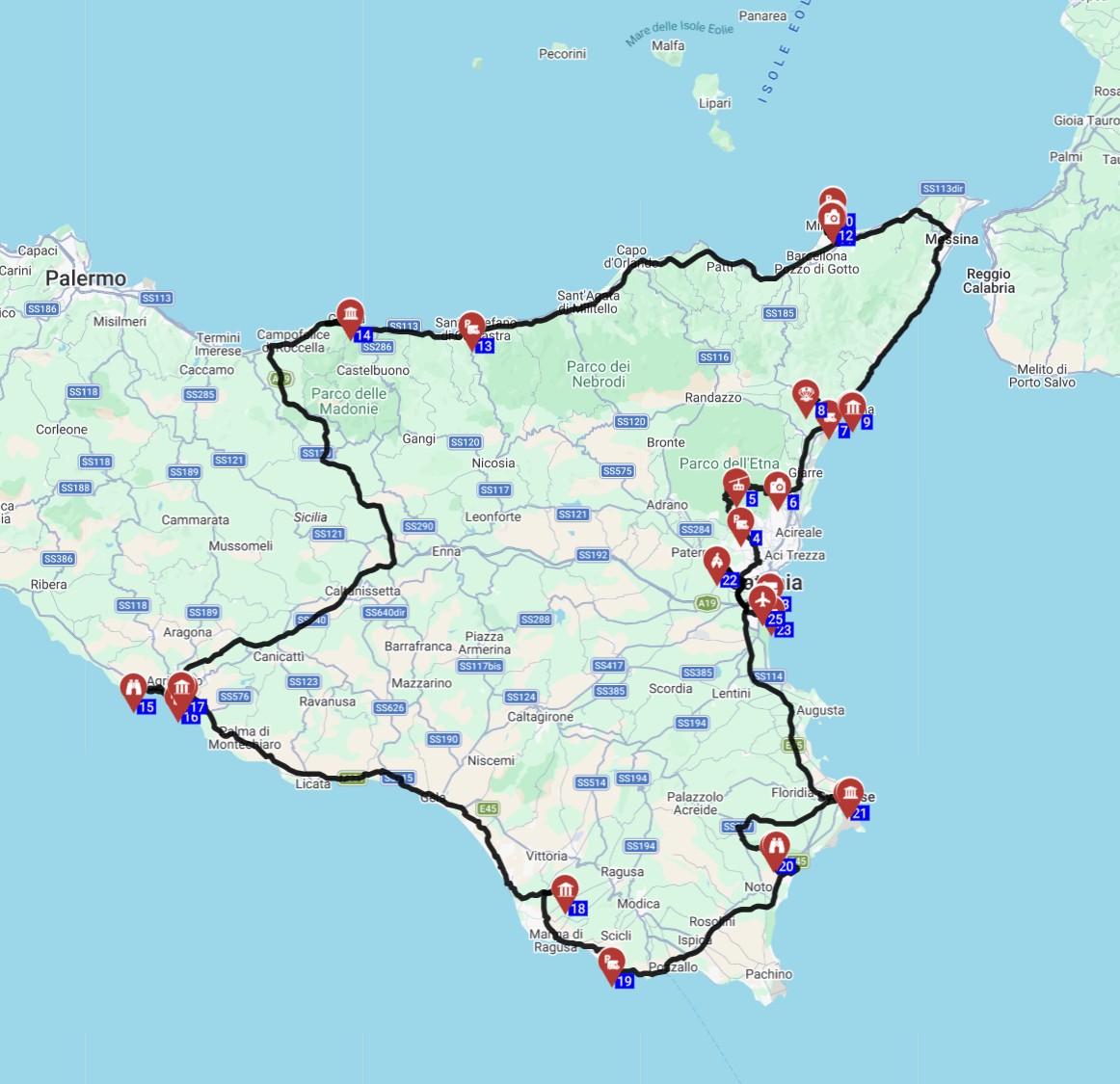
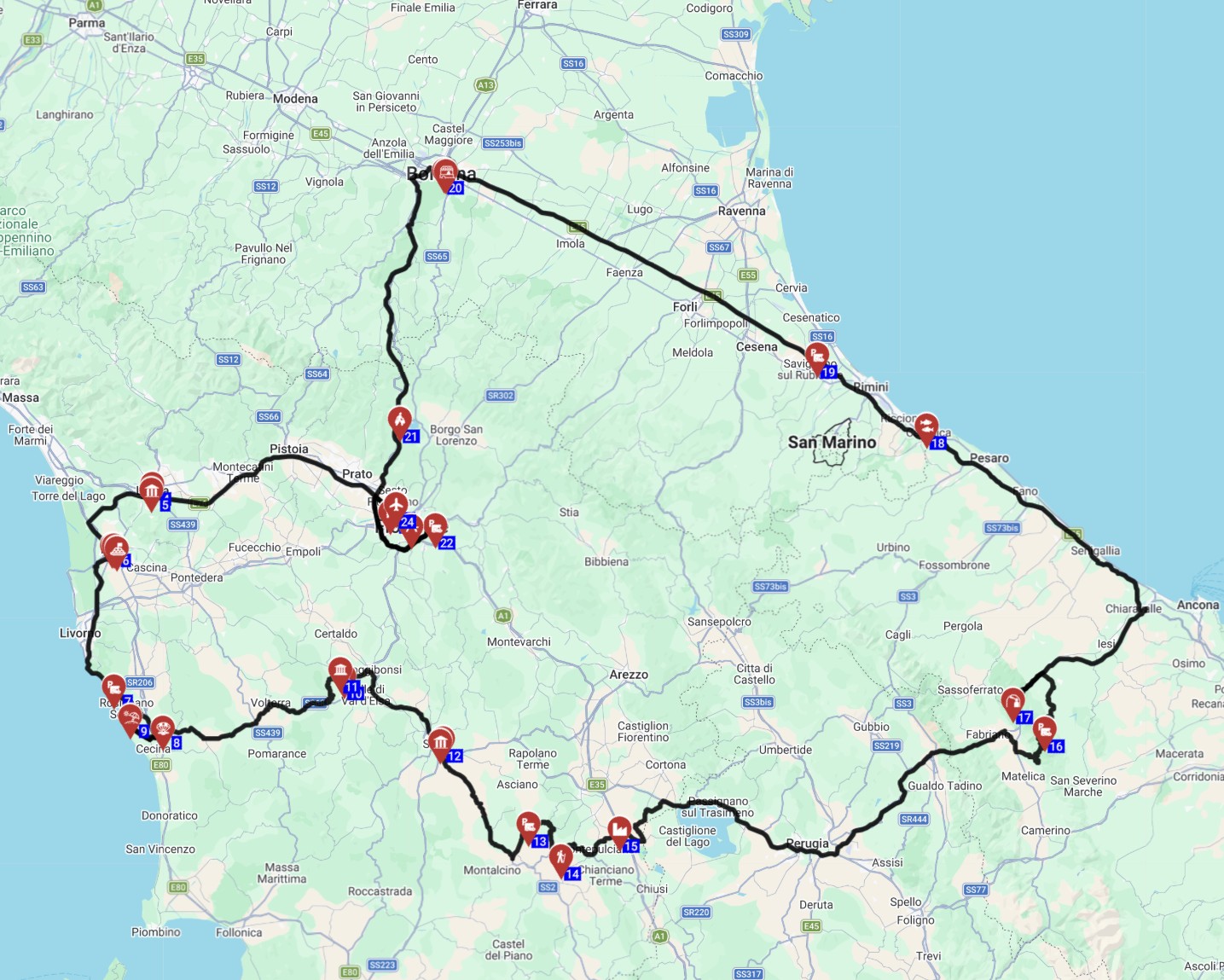
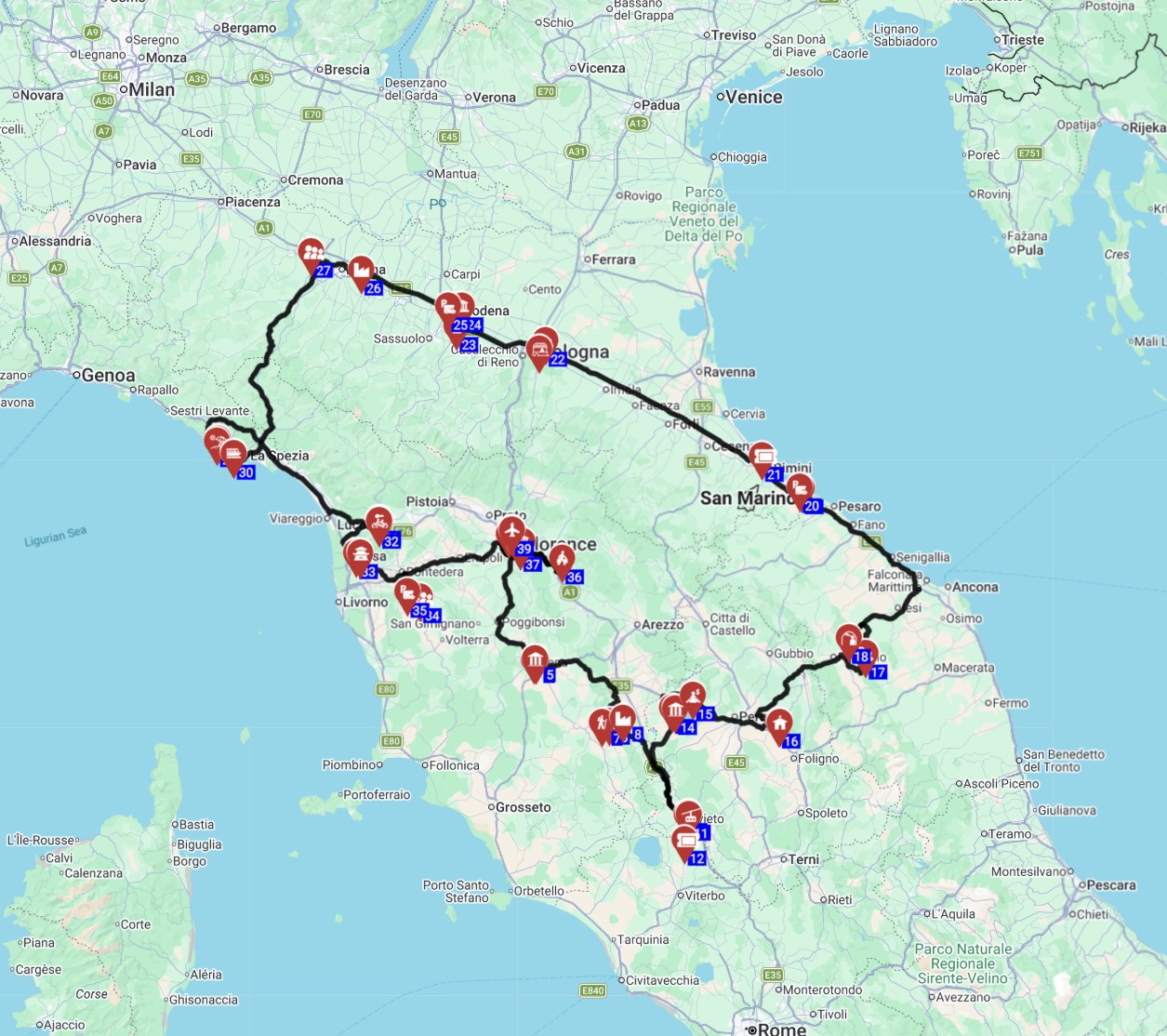
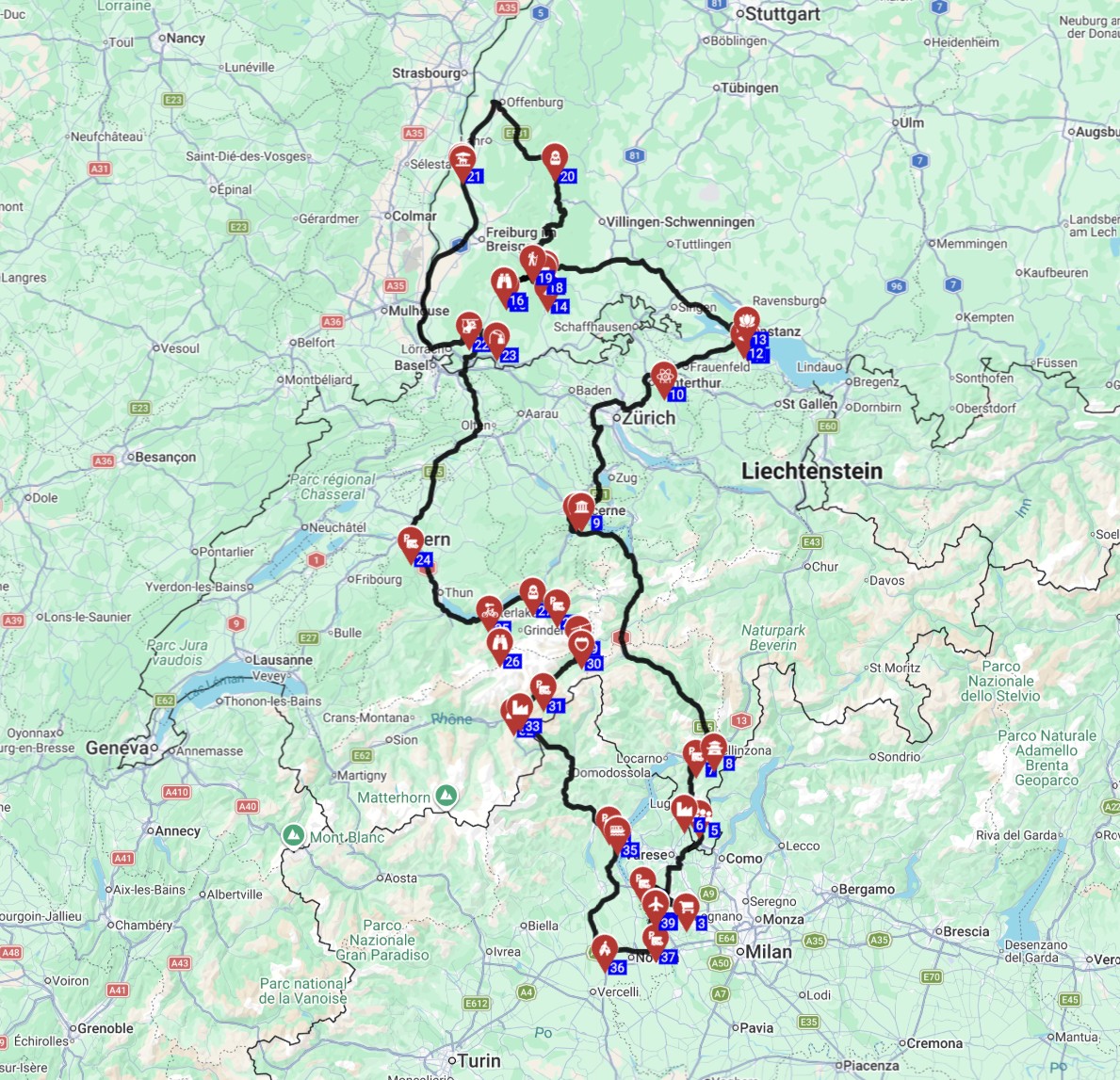
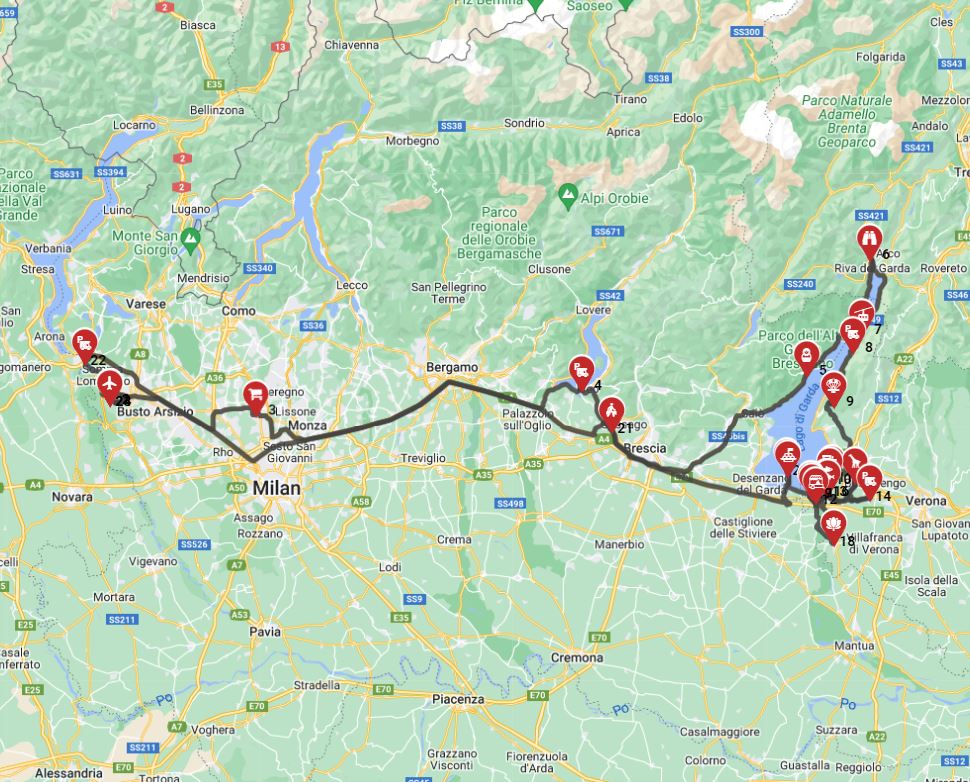
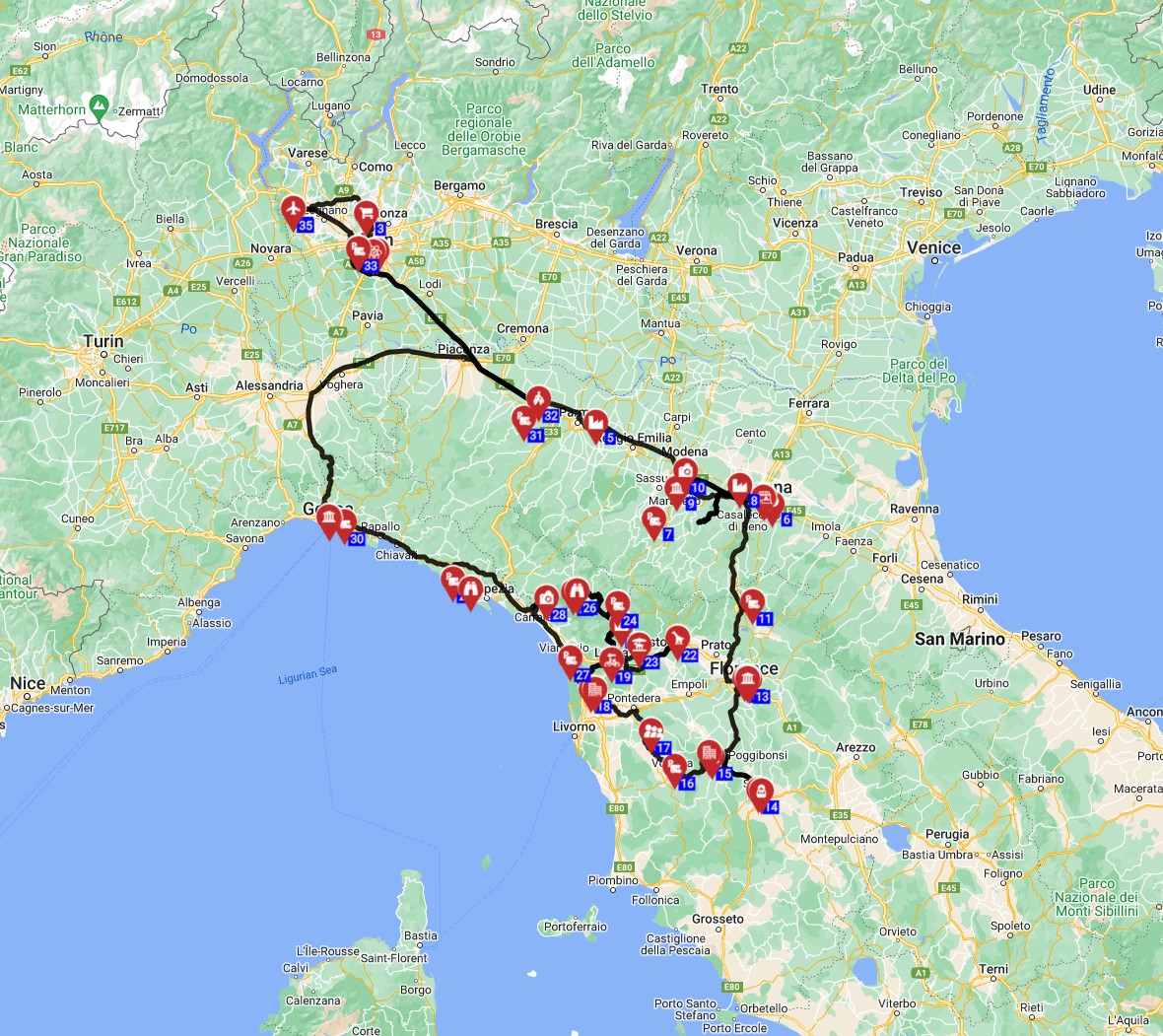
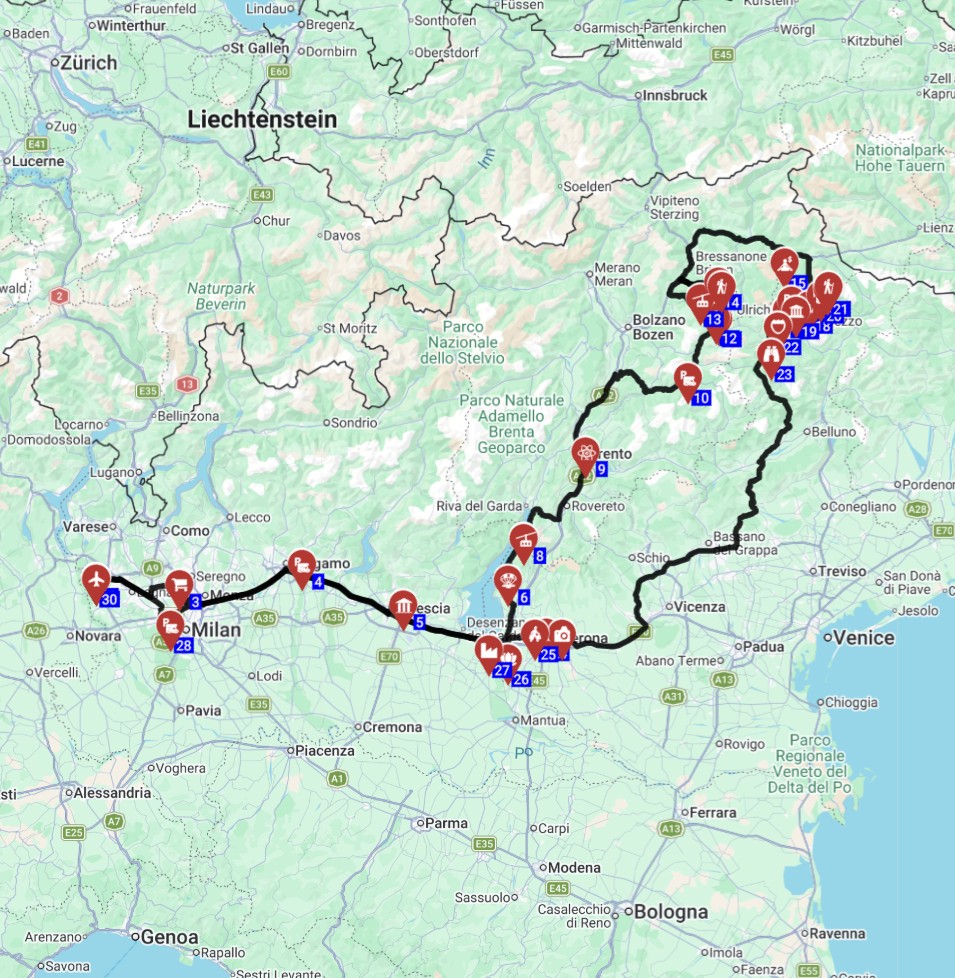
- Plan a flexible itinerary: Italy's charm lies in its discoveries. Plan a flexible itinerary that allows ample time for scenic drives, spontaneous detours, and adherence to local regulations, especially Limited Traffic Zones (ZTLs). For inspiration on expertly crafted routes, consider exploring the 1,361 km "The Lakes of North Italy" roundtrip from Milan, which features 2 traditional visits and 1 water park.
For personalized travel advice and to start planning your adventure, consider consulting resources that offer tailored recommendations, ensuring a smooth and enjoyable one-way RV rental experience in Italy.
Before You Book - Class, Dates, Insurance
Making informed decisions before booking your one-way RV rental in Italy is paramount for a successful trip. The right vehicle class, locked-in dates, and adequate insurance will set the stage for a stress-free journey.
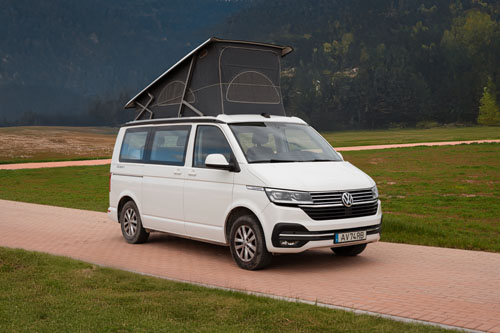
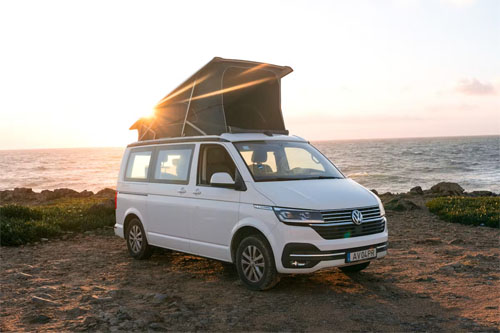
- RV Class Selection: Choosing an RV class should balance your desire for comfort with the practicalities of Italian roads. While larger motorhomes offer more space, smaller models, such as Class B campervans like the "VW California Ocean," often provide superior maneuverability for navigating historic towns and the often-narrow routes that characterize Italy's picturesque countryside.
- Booking Dates and Availability: Locking in your rental dates well in advance is especially important for popular travel periods. For peak season (June-August) or specific one-way routes, booking several months ahead ensures you secure your preferred vehicle class and can potentially benefit from better pricing. Many national and state parks in Italy release their reservations up to six months in advance.
- Insurance Coverage Explained: Every rental includes basic insurance. To explore more comprehensive options and their associated costs, simply select the desired coverage level during the booking process. This transparency ensures you see all relevant insurance details, including protection for common issues like tire and windshield damage, which are prudent considerations given Italy's diverse road conditions.
For tips tailored to your specific trip needs, remember to consult resources like Bandana Caravan for personalized advice.
Pre-Trip Prep - Packing Checklist for Italy
A well-organized packing checklist is essential for an enjoyable RV adventure in Italy. Having all your necessities, from crucial documents to comfort items, ensures you're prepared for whatever your Italian journey may bring.
- Essential Documents: Ensure you have your passport, visa (if applicable), RV rental agreement, and insurance documents readily accessible. Crucially, an International Driving Permit (IDP) is legally required for non-EU license holders in Italy; without it, you may face fines or be denied rental.
- Clothing and Footwear: Pack lightweight, breathable clothing in layers to accommodate Italy's varied climates. Comfortable walking shoes are a must for exploring cobblestone streets and natural landscapes. Don't forget a light rain jacket, especially if traveling outside the peak summer months.
- Kitchen and Dining Essentials: For an authentic taste of Italy, consider bringing a small Moka pot for brewing classic Italian coffee. Reusable water bottles are eco-friendly and convenient for staying hydrated on the go. Packing basic spices can also enhance your onboard cooking experiences.
- Safety and Miscellaneous Items: A comprehensive first-aid kit is vital for any road trip. Essential safety items also include reflective vests (required to be in the vehicle), a basic toolkit for minor repairs, and a navigation system (GPS with RV mode or reliable offline maps).
A detailed packing list can greatly enhance your trip's comfort and preparedness.
- International Driving Permit (IDP)
- Passport & Visa (if applicable)
- RV Rental Agreement & Insurance Documents
- Driver's License
- Credit/Debit Cards & some Euros cash
- Lightweight Clothing Layers
- Comfortable Walking Shoes
- Swimsuit & Beach Towel (if coastal areas are planned)
- Light Rain Jacket
- First-Aid Kit
- Reflective Vests (required in vehicle)
- Emergency Triangle (required in vehicle)
- Basic Toolkit & Spare Fuses
- Navigation System (GPS with RV mode or offline maps)
- Italian Phrasebook or Translation App
- European Power Adapter
- Reusable Water Bottles
- Small Moka Pot & Coffee
- Compact Picnic Blanket/Chairs
- Sunscreen & Insect Repellent
For tips tailored to your specific trip, talk to rent-motorhome.
On the Road - Driving, Fueling, Navigation
Navigating Italy in a rented RV requires awareness of local driving customs, fueling procedures, and effective navigation strategies to ensure a smooth and enjoyable journey.
- Driving in Italy: Driving in Italy demands attentiveness, especially on narrow, winding roads and within dense city traffic. Always be aware of local driving etiquette, understand the right-of-way rules, and adhere to posted speed limits. Defensive driving habits are key, particularly when encountering scooters and smaller vehicles navigating through traffic.
- Fueling Your RV: Fuel stations offer both `benzina` (petrol) and `diesel`, with self-service pumps widely available. Attended service (`servito`) is also common. It's advisable to plan your fuel stops in advance, especially when traveling through rural areas where stations might be less frequent.
- Navigation and ZTLs: Reliable navigation is crucial for an RV trip in Italy. Prioritize using a GPS system with RV-specific settings or downloading reliable offline maps to help you avoid ZTLs (Limited Traffic Zones) and locate appropriate RV parking. Remember, many historic city centers are ZTLs, often inaccessible to larger vehicles without special permits. Parking outside these zones and utilizing public transport or walking is usually the best approach.
- Toll Roads: Be prepared for tolls on Italian motorways (`autostrade`). These can be paid using cash or credit/debit cards at toll booths. Planning your route to incorporate scenic alternatives can sometimes reduce toll costs, but always factor them into your budget.
For tips tailored to your specific trip, talk to rent-motorhome.
At the Campground - Setup, Hookups & Etiquette
Understanding campground setup, hookup order, and essential etiquette will ensure a pleasant stay for you and your fellow travelers in Italy.
- Pitch Arrival and Positioning: Upon reaching your Italian campground, first confirm your assigned pitch with the reception. Then, carefully position your RV to ensure easy access to utility hookups (electricity, water, waste disposal) and to create a comfortable outdoor living space.
- Hookup Procedures: The typical hookup order involves connecting electricity first to power your onboard systems. Follow this by connecting your fresh water supply, and finally, set up your wastewater disposal lines for both grey (sinks, shower) and black (toilet) water. Ensure all connections are secure to prevent leaks.
- Campground Etiquette: Respect for quiet hours is paramount. These are generally observed during the afternoon 'siesta' (e.g., 1 PM to 3 PM) and throughout the evening (e.g., 10 PM to 7 AM) to maintain a peaceful environment for all campers. Familiarize yourself with campground rules regarding waste disposal and recycling.
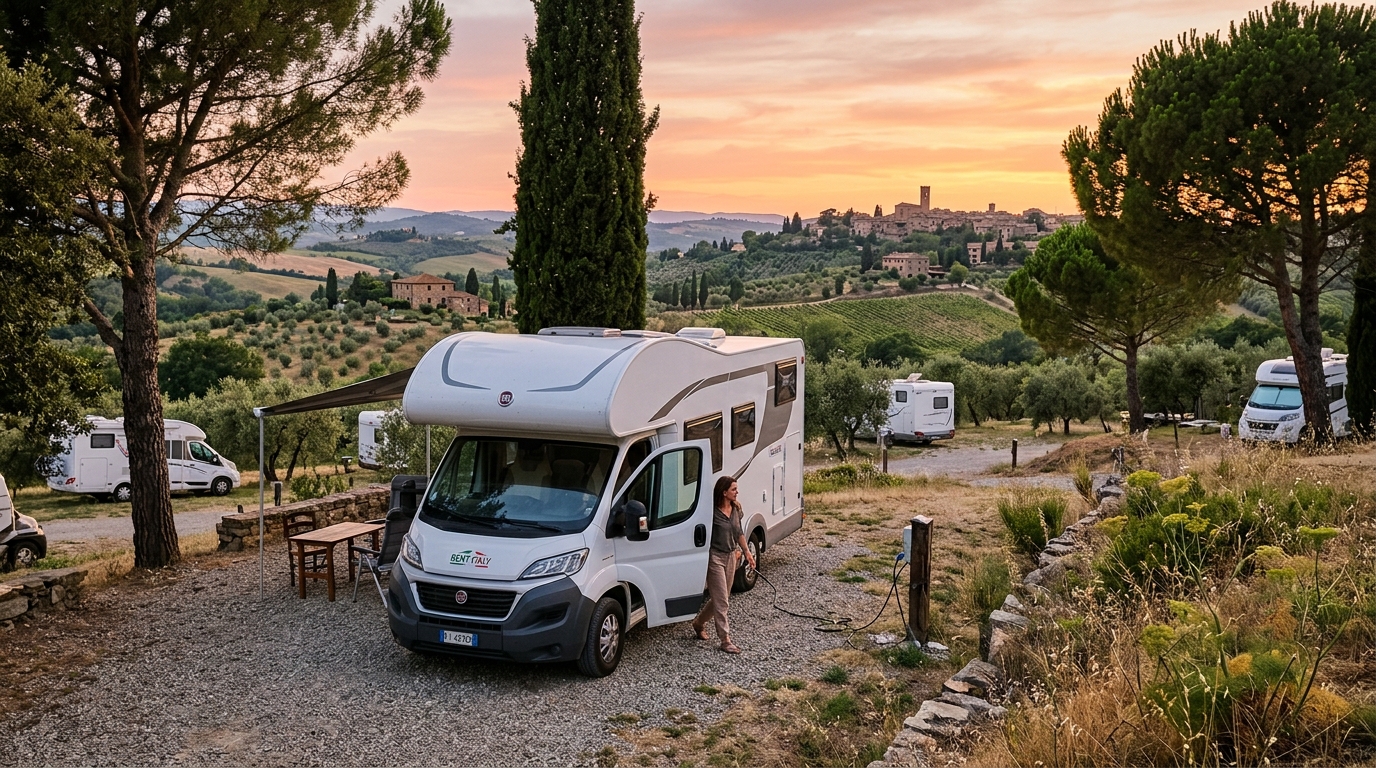
- Exploring Agricamping: Consider exploring unique Italian `agricamping` options. These often provide a tranquil setting on farms or vineyards, allowing you to immerse yourself in the local culture and often enjoy access to fresh produce.
For tips tailored to your specific trip, talk to rent-motorhome.
one way rv rental-Specific Tips for Italy
Tailoring your one-way RV rental experience in Italy to your travel group and preferences can significantly enhance your journey, whether you're traveling with family, seeking comfort, or prioritizing budget.
- Family Travel: When planning a family one-way RV trip, select a vehicle with adequate sleeping berths (e.g., a 6-berth motorhome) and plan a route incorporating kid-friendly stops. Manageable daily driving distances are also key to keeping younger travelers happy.
- Senior Travelers: For senior travelers, prioritizing comfort and ease of driving is essential. Opting for an RV with an automatic transmission and a more compact size can greatly improve maneuverability on Italy's diverse roads.
- Budget-Conscious Travelers: Maximize savings on your one-way trip by utilizing `sosta` (motorhome service areas) for free or low-cost overnight parking. This strategy reduces reliance on more expensive campgrounds and frees up funds for other experiences.
- Luxury Seekers: For those seeking premium amenities, consider RV models with enhanced features. Adding convenient services like pre-stocked groceries or airport transfers at both ends of your one-way journey can elevate the luxury aspect of your trip.
- One-Way Logistics: Always confirm one-way drop-off requirements and any associated fees well in advance. This ensures a smooth return process and helps avoid any financial surprises, allowing you to focus on enjoying your Italian adventure.
For tips tailored to your specific trip, talk to rent-motorhome.
Common Mistakes to Avoid in Italy
Avoiding common pitfalls is crucial for a smooth and enjoyable one-way RV rental experience in Italy. From navigating urban restrictions to understanding local customs, forewarned is forearmed.
- ZTL Navigation: Instead of inadvertently entering Limited Traffic Zones (ZTLs) and incurring significant fines, plan your routes meticulously. Utilize up-to-date GPS systems, parking apps, and prominent road signage indicating 'Zona Traffico Limitato'. It’s best to park outside these zones and explore city centers on foot or via public transport.
- RV Size Considerations: Rather than choosing an overly large RV for Italy's often narrow and winding roads, opt for a more compact and maneuverable vehicle. A smaller, more agile motorhome will significantly ease navigation, especially in historic villages and older city centers.
- Ticket Validation: To avoid fines on public transport, always validate your bus or train tickets at the designated machines immediately after boarding. This simple step ensures compliance with local regulations.
- Midday Closures: Be mindful of midday 'siesta' closures, typically from 1 PM to 4 PM, especially in smaller towns and southern regions. Many shops and services will close during these hours, so plan your errands accordingly.
- Driving Permit Requirements: Do not rely solely on your home country's driver's license. Secure an International Driving Permit (IDP) before your trip, as it is legally required for non-EU license holders in Italy and is often a prerequisite for RV rentals.
- Budgeting for Extras: To avoid budget surprises, factor in motorway tolls, urban parking fees, and potential one-way rental surcharges when creating your budget. These ancillary costs can add up quickly.
For tips tailored to your specific trip, talk to rent-motorhome.
What are the alternative camping options for RVs in Italy
Beyond traditional campgrounds, Italy offers several alternative and charming camping options for RV travelers, each providing a unique way to experience the country.
- `Sosta` Areas for Convenience: Italy's `sosta` (motorhome service areas) are a practical alternative to formal campgrounds. Often found near towns or attractions, these areas provide essential services like water and waste disposal. Many are free or charge a nominal fee, making them ideal for budget-conscious travelers seeking convenient overnight parking.
- `Agricamping` for Cultural Immersion: For a truly authentic Italian experience, seek out `agricamping` sites. These are located on farms, vineyards, or agricultural estates, offering a peaceful setting and often direct access to local produce, wine tastings, or farm-to-table meals. It's a fantastic way to connect with the land and local culture.
- Wild Camping Legality: Wild camping is generally prohibited throughout Italy, especially in protected natural areas, coastal regions, and within or near urban centers. While specific regional laws can vary, it is always best to prioritize designated sites like official campgrounds or `sosta` areas to avoid legal issues and potential fines.
- Respecting Local Regulations: When considering any non-traditional overnight stop, always verify local regulations and signage. Respecting private property and designated use areas is crucial for maintaining good relations with local communities and ensuring the continued availability of these options.
What are the safety tips for RV travel in Italy
Prioritizing safety ensures a worry-free RV journey through Italy. Implementing diligent security measures and being prepared for road conditions are key.
- Theft Prevention: To enhance safety, practice diligent theft prevention by consistently locking all doors and windows when leaving your RV unattended. Utilize secure parking facilities whenever possible, and never leave valuables visible inside the vehicle, even for short periods.
- Secure Parking: Prioritize parking in designated campgrounds, well-maintained `sosta` areas, or well-lit, populated parking lots, especially overnight. Avoid isolated or poorly lit areas, which can present increased risks.
- Road Condition Awareness: Be prepared for unique Italian road conditions. This includes navigating narrow roads, winding mountain passes that require careful handling and lower speeds, and managing assertive driving behaviors common in cities. Always stay alert and maintain defensive driving habits.
- Driving Etiquette: Familiarize yourself with basic Italian driving etiquette. This includes yielding to traffic from the right at roundabouts (unless otherwise indicated) and understanding appropriate horn usage – generally reserved for signaling presence or danger, not for expressing frustration.
- Emergency Preparedness: Establish clear emergency protocols. Have local emergency numbers readily accessible (112 is the general European emergency number), carry a basic phrasebook to overcome language barriers, and know how to contact roadside assistance in case of a vehicle breakdown. Keeping important documents like your IDP and insurance information easily accessible is also vital.
How do I navigate ZTLs with an RV in Italy
Navigating Italy's Limited Traffic Zones (ZTLs) with an RV requires careful planning and adherence to specific rules to avoid fines and ensure smooth travel through historic city centers.
- Understanding ZTLs: ZTLs are designated areas in Italian cities and towns that restrict vehicle access, typically to preserve historic centers and reduce pollution. Access is often controlled by cameras that automatically issue fines to unauthorized vehicles.
- Advance Identification: Identifying ZTLs in advance is the most crucial step. Utilize up-to-date GPS systems with RV-specific routing, reliable smartphone apps (like Google Maps or Waze, which often flag ZTLs), and pay close attention to prominent road signage indicating 'Zona Traffico Limitato.'
- Best Strategy: Park and Explore: For RVs, the most effective strategy is to park outside the ZTL boundaries. Look for designated RV parking lots (`aree di sosta`) or campgrounds on the outskirts of towns. From there, utilize Italy's efficient public transportation (buses, trams, metro) or simply walk to explore the city center.
- Permit Possibilities (Rare): While some cities may offer temporary ZTL permits for specific vehicles or purposes, these are typically uncommon for tourist RVs and usually require advance application, often weeks ahead of your visit. Do not rely on obtaining a permit upon arrival.
- Consequences of Violation: Be aware that fines for ZTL violations are often substantial. They can be issued months after your trip, potentially with additional international processing fees, making strict adherence to ZTL restrictions essential.
How much does a one way rv rental in Italy cost
Understanding the cost of a one-way RV rental in Italy involves considering various factors, from the RV class and rental duration to seasonal pricing and additional fees.
- Base Rental Costs: Daily rental rates can vary significantly, typically ranging from €70 to €200+ for a Class C motorhome in the low season. During peak summer months (July-August) or for larger, newer models, these rates can double or even triple.
- One-Way Fee Component: One-way fees are a primary additional expense for this type of rental. Expect these fees to range from €200 to €700+, depending on the specific route, distance between pickup and drop-off locations, and the rental company's policies.
- Ancillary Expenses: Budget for additional costs beyond the rental itself. Motorway tolls (e.g., A1 Milan-Naples can be €50+), parking fees in towns and cities, and fuel costs (diesel is common and can be €1.70-€2.00/liter) are significant factors. Some regions may also impose specific tourist taxes.
- Budgeting for a Sample Trip: A realistic budget for a typical 7-day one-way trip might include: rental fees (€700-€1500), one-way fee (€300-€500), fuel (€200-€400), tolls/parking (€50-€150), and food (€300-€500+). This brings the estimated total to approximately €1550-€3050.
- Money-Saving Tips: To make your trip more economical, consider utilizing `sosta` areas for free or low-cost overnight stays, cooking your own meals to reduce dining-out expenses, and planning routes that minimize toll roads where scenic alternatives exist.
What are the driving challenges for RVs in Italy
Driving an RV in Italy presents unique challenges that require preparation and careful navigation, particularly due to the country's infrastructure and driving culture.
- Narrow Historic Roads: Driving larger RVs in Italy means confronting incredibly narrow historic town roads, especially in picturesque villages and older city centers, where vehicles might barely fit. Patience and a keen sense of vehicle dimensions are essential.
- Winding Mountain Passes: Mountain passes, such as those found in the Dolomites or Apennines, demand skilled handling, reduced speeds, and an awareness of steep ascents and descents that can tax an RV's engine and brakes. Always use lower gears for descents.
- Dense City Traffic: Navigating dense city traffic, particularly in major urban centers like Rome or Florence, can be overwhelming. Be prepared for assertive driving, with scooters and smaller cars frequently weaving through lanes, requiring constant vigilance from the RV driver.
- Parking Strategies: Finding suitable parking for various RV sizes is critical. Always look for designated `aree di sosta` (motorhome service areas) or larger parking lots on the outskirts of towns, as street parking in city centers is often impossible or severely restricted.
- Road Signage and Language: Road signs are primarily in Italian, which can make quick decisions challenging for non-Italian speakers. Having a co-pilot dedicated to navigation and translation is highly beneficial.
- Height and Weight Restrictions: Be mindful of vehicle height restrictions when entering tunnels or certain parking garages. Also, pay attention to weight limits on older bridges, particularly when operating a larger, heavier RV.
Should I rent an RV in Italy or bring my own
The decision between renting an RV locally in Italy or driving your own from another European country involves weighing several logistical and financial factors.
- Local Rental Convenience: Renting locally in Italy typically simplifies logistics. The vehicle is already registered and insured for Italian roads, and you avoid the long drive, potential customs checks, and border crossings from your home country. This is often the most convenient option for shorter trips or if you wish to avoid the complexities of international driving.
- Bringing Your Own RV: If you choose to bring your own RV from other European countries, ensure it meets Italian vehicle requirements. You'll need to secure adequate European-wide insurance coverage and be aware of different fuel types or road tax sticker requirements. While customs procedures are generally straightforward within the Schengen Area, non-EU registered vehicles might face more scrutiny.
- Vehicle Condition and Wear: Consider the wear and tear on your own vehicle from a long journey versus the convenience and potentially newer condition of a ready-to-go rental. For a one-way trip specifically, renting locally is almost always the more practical choice.
- Final Decision Factors: Ultimately, renting locally in Italy is often more convenient, especially for shorter trips or when prioritizing ease of travel over the complexities of cross-border driving and adaptation to local regulations.
How can I travel sustainably with an RV in Italy
Embracing sustainable practices while RVing in Italy allows you to minimize your environmental impact, respect local communities, and enhance your travel experience.
- Conserve Resources: To minimize your environmental footprint, consciously conserve water and electricity usage within your RV. Adopt fuel-efficient driving habits to reduce consumption, and always dispose of all waste responsibly at designated points, utilizing recycling facilities where available.
- Respect Local Communities: Show respect for local communities by being mindful of noise levels, particularly during quiet hours. Park considerately without blocking local access or driveways, and strictly adhere to all local regulations, especially concerning wild camping.
- Support Local Economies: Enhance your cultural immersion and support local businesses by purchasing fresh produce from local markets, dining at family-run trattorias, and visiting artisan shops in the towns you explore. This direct economic contribution benefits the communities you visit.
- Choose Eco-Friendly Campgrounds: When selecting campsites or `agricamping` sites, look for those that actively prioritize eco-friendly practices. Properly utilize their recycling facilities by separating plastics, paper, glass, and organic waste.
- Cultural Education: Educate yourself on local customs and traditions before you arrive. This fosters positive interactions with residents and demonstrates respect for Italian culture, enriching your travel experience.
What You Shouldn't Miss
- Drive a scenic route like the Amalfi Coast drive, but remember to research specific RV access restrictions.
- Explore the rolling hills of Tuscany, perhaps stopping at an `agricamping` near Siena for wine tasting and local cuisine.
- Visit historical sites like the Colosseum in Rome or the ruins of Pompeii, planning your RV parking outside the ZTLs.
- Discover the stunning alpine lakes of Northern Italy, such as Lake Como or Lake Garda, with numerous RV-friendly parks offering beautiful water views.
- Experience the thrill of driving a smaller, more agile RV over the challenging Passo dello Stelvio, one of the most spectacular mountain passes in the Alps.
Final Thoughts
Renting an RV for a one-way trip in Italy is an incredible way to explore the diverse landscapes and rich culture of this beautiful country at your own pace. From the rolling Tuscan hills to the stunning alpine lakes, an RV provides the perfect mobile base for your adventure.
Remember that planning is key, especially when it comes to booking your vehicle and understanding local regulations like ZTLs. By choosing the right RV class, packing smart, and adopting responsible travel habits, you're set for an unforgettable Italian road trip. Consider leveraging resources like RV PLANET (rvplan.net) to discover pre-planned itineraries that can help you make the most of your journey.
With Bandana Caravan, you benefit from transparent pricing and dedicated support, ensuring peace of mind from booking to return. So, start dreaming of your Italian RV adventure – the open road awaits!
For ideas you can prep on the road, watch our RV-friendly recipes playlist on YouTube.
On the routes offered through RV PLANET routes, you can itemize and track every expense along the way for easy budgeting.