In This Guide
- Top 5 Tips for One Way RV Rental in Chile
- Before You Book - Class, Dates, Insurance
- Pre-Trip Prep - Packing Checklist for Chile
- On the Road - Driving, Fueling, Navigation
- At the Campground - Setup, Hookups & Etiquette
- One Way RV Rental-Specific Tips for Chile
- Common Mistakes to Avoid in Chile
- How much does a one way RV rental in Chile cost?
- Where can I rent an RV in Chile for a one-way trip?
- What are the road conditions like for RVs in Chile?
- Can you wild camp with an RV in Chile?
- What do I need to cross the border from Chile to Argentina with an RV?
- How do I find water and dump stations for my RV in Chile?
- What's the best way to stay connected while RVing in Chile?
- What should I do if my RV breaks down in Chile?
- Can I bring my pet on a one-way RV rental in Chile?
- Top Cities for RV Rental in Chile
- Chilean Road Rules and Emergency Information
Embarking on a one-way RV rental adventure in Chile offers an unparalleled opportunity to explore this incredibly diverse South American country, stretching from the arid Atacama Desert to the glacial fjords of Patagonia. Imagine the freedom of waking up to a different spectacular landscape each morning, with your mobile home providing comfort and convenience as you traverse thousands of kilometers of incredible scenery. This complete guide provides essential planning advice and practical tips to ensure your one-way motorhome journey across Chile is seamless and unforgettable. For live availability and current prices, start with our RV Rental Chile - Complete Guide 2026 guide.
Top 5 Tips for One Way RV Rental in Chile
Navigating a one-way RV rental in Chile becomes much simpler with a few key strategies in mind. First, book well in advance, especially for high season (December-February), to secure your preferred vehicle and one-way route, as popular options fill up quickly.
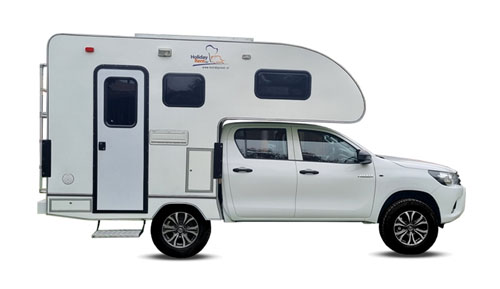
Second, carefully review the one-way fee structure; these can vary significantly between rental companies and specific routes, so transparency is key to avoiding surprises. Third, consider your vehicle type versus desired routes; a 2WD motorhome is suitable for main paved roads like Ruta 5, but a 4WD campervan like the "Patagonia Camper 4x4 double cab" is highly advisable for Patagonia's gravel and unpaved sections of the Carretera Austral. Fourth, familiarize yourself with Chilean road rules and signage before you depart, including speed limits and passing etiquette, to ensure a safe journey. Finally, plan your fuel stops meticulously, especially in remote areas where gas stations can be scarce, by keeping your tank topped up and carrying extra fuel if venturing deep into Patagonia.
We believe in full transparency at Bandana Caravan, ensuring you know all costs upfront, with no hidden fees or unexpected charges, which is particularly important for one-way rentals. This commitment allows you to plan your budget with confidence.
Before You Book - Class, Dates, Insurance
Choosing an RV class for a one-way rental in Chile should consider the number of travelers, luggage, comfort levels, and the terrain you plan to cover. For couples or small families exploring well-paved routes, a compact Class B campervan like the "Aero - Campervan" with a shower and toilet may be perfect, offering agility for towns and cities. Larger families or groups might prefer a Class C motorhome like the "Euro Deluxe" with 3 double beds, offering more space and amenities for an extended road trip.
Locking in your rental dates, particularly for one-way trips, is crucial as availability for specific pick-up and drop-off locations can be limited, with peak season (December to February) often requiring booking 6-12 months ahead. While many national and state parks reserve only 25-30% of their spots, leaving the rest for first-come-first-serve arrivals, securing your vehicle is the first step. You'll find a spot; if not at the first campground, then the next one. Call ahead before driving to confirm availability.
Insurance options are essential; basic insurance is always included, but you can upgrade to a top-level deductible reimbursement for extra peace of mind. To see prices including the most comprehensive coverage, select that option during your search on our platform; all relevant insurance options will then be shown clearly, reflecting our commitment to full transparency.
Pre-Trip Prep - Packing Checklist for Chile
A comprehensive packing checklist for a one-way RV trip in Chile ensures you're prepared for diverse climates and activities, from the scorching Atacama to the chilly Patagonian south. Consider layering clothing for significant temperature fluctuations, especially when traveling between different geographical zones.
Essential safety items are paramount: a first-aid kit, emergency triangles, a reflective vest, and basic tools. Don't forget complete travel documentation, including your standard driver's license (an International Driving Permit is recommended for non-English speakers but not mandatory), passports, and rental agreement, all of which are critical for a smooth journey and any potential cross-border crossings. For cooking on the go, our RV-friendly recipes playlist offers great ideas for meals you can prepare in your RV's kitchen.
On the Road - Driving, Fueling, Navigation
Driving an RV in Chile requires attention to varying road conditions, from well-maintained paved highways like Ruta 5 (Pan-American Highway) in the central region to challenging gravel roads and unpaved sections, particularly prevalent in Patagonia along the Carretera Austral. Drive slowly and carefully, and you can drive almost anywhere without issues. No need to stress - just use common sense and pay attention. While a 2WD motorhome is suitable for main paved roads, a "4x4 Truck Camper Gold" is highly recommended for exploring areas with rougher terrain.
Fueling strategy is critical, as gas stations can be sparse in rural and remote regions; always fill up when you have the opportunity, especially before entering national parks or long stretches of highway in Patagonia. Remember that diesel is generally cheaper than gasoline in Chile, but prices fluctuate regionally.
Reliable navigation, including downloaded offline maps from apps like Google Maps or Maps.me, is indispensable, given that cell signal can be intermittent outside urban centers. Combining these with a physical map can provide added confidence as you traverse Chile's stunning landscapes. For planning your journey and finding interesting stops along your route, consider using RV PLANET (rvplan.net), which also helps itemize and track every expense for easy budgeting. On the routes offered through RV PLANET routes, you can itemize and track every expense along the way for easy budgeting.
At the Campground - Setup, Hookups & Etiquette
Setting up your rented RV at a Chilean campground involves selecting a level spot, connecting to available hookups (electrical, water, sewer), and ensuring proper ventilation, especially when using gas appliances inside. Hookup order typically begins with electrical (220V is standard), then water, and finally sewer, to prevent contamination and ensure safety. Always confirm the available amenities beforehand, as some remote campgrounds may offer only basic facilities.
Observing campground etiquette, such as quiet hours (often between 10 PM and 8 AM), respecting fellow campers' space, and properly disposing of waste in designated areas, contributes to a pleasant experience for everyone. Be mindful of water usage, especially in arid regions, and properly manage your grey and black water tanks.
One Way RV Rental-Specific Tips for Chile
One-way RV rentals in Chile offer unique flexibility, allowing travelers to experience the country's vast north-to-south diversity without backtracking. For families embarking on a one-way trip, plan routes with frequent stops at child-friendly attractions and ensure your rented RV has ample space for rest and entertainment during travel. Many of our Class C motorhomes, like the "29′ Class C Motorhome," offer spacious interiors perfect for a family of 2+2.
Seniors should prioritize an ergonomic RV class with easy access and consider shorter daily driving distances, averaging max 100-150 km per day, to maximize comfort and enjoyment, allowing time to truly feel the place, connect to the culture, the food, and the scenery. Budget-conscious travelers can save money by utilizing free overnight spots (where permitted) and cooking most meals in their RV, making a "Budget Camper" an excellent choice. Luxury travelers might opt for premium RV models with additional amenities, such as our "Luxury Small" model, and consider adding guided tours or exclusive experiences to their itinerary.
No matter your group, our role as true RV specialists means we genuinely know RV travel and love helping people discover it, supporting you before, during, and after your booking to find the perfect one-way RV rental in Chile.
Common Mistakes to Avoid in Chile
Not booking far enough in advance is a common mistake that can lead to limited vehicle choice or unavailable one-way routes, especially for popular periods like the peak summer season (December-February) in Chile; instead, aim to reserve your rented RV 6-12 months ahead for peak season to ensure you secure your desired "Family Standard" motorhome.
Underestimating Chilean road conditions, especially on unpaved sections like parts of the Carretera Austral, can cause damage or delays; instead, research your route thoroughly and consider a 4WD RV for challenging terrain, such as the "Patagonia Camper 4x4 single cab". Failing to carry enough Chilean Pesos is another pitfall, as many smaller towns and rural businesses may not accept credit cards; ensure you have sufficient cash for fuel, tolls, and supplies. Overlooking the importance of comprehensive travel insurance and specific RV rental insurance is ill-advised; instead, invest in full coverage, which you can easily add as an optional upgrade during the booking process, to protect against unforeseen circumstances. We pride ourselves on full transparency, ensuring no hidden fees and no surprises when it comes to your insurance options.
How much does a one way RV rental in Chile cost?
One-way RV rental costs in Chile typically range from $100 to $300+ USD per day, influenced by factors such as vehicle size, rental season, duration, and the specific one-way fee charged by the rental company. For example, a compact campervan like the "rv rental denver example Category Van" might be on the lower end, while a spacious Class C "Adak Argonaut 23 - Gold" could be at the higher end. The final price, dynamic like flight tickets, is set at actual booking time and changes daily based on availability and seasonality.
Beyond the daily rate, expect additional expenses like fuel (diesel averages around $1.00-$1.20 USD per liter but varies regionally, usually cheaper than gasoline), road tolls (especially on major Ruta 5 highways), and diverse camping fees which can range from free wild camping (where permitted) to $30-$60 USD per night for full-service campgrounds. The one-way fee itself can add a significant amount, often between $500 and $1500 USD, depending on the pick-up and drop-off locations, such as Santiago to Punta Arenas. For longer trips, our "One-Way RV Rental in Chile - Price Guide 2026" can provide more detailed breakdowns.
It's essential to budget for these RV-specific costs alongside general travel expenses like food and activities. To help you manage this, RV PLANET routes allow travelers to itemize and track every expense along the way for easy budgeting, helping you find the cheapest one way rv rental in Chile.
Where can I rent an RV in Chile for a one-way trip?
You can rent an RV in Chile for a one-way trip primarily from major cities such as Santiago, Puerto Montt, and Punta Arenas, as these locations offer the most rental companies and logistical support for fleet repositioning. Key rental companies, including many Bandana partner suppliers like Holiday Rent RV and Andes Campers, offer a variety of vehicles, from smaller campervans suitable for couples like the "rv rentals example Comfort Class" to larger motorhomes for families.
The booking process typically involves selecting your pick-up and drop-off locations, dates, and vehicle type online through a comparison platform like Bandana Caravan, followed by reviewing insurance specifics and any additional equipment needs. It's advisable to book well in advance, especially for popular one-way routes like Santiago to Punta Arenas, due to limited vehicle availability and the need for companies to reposition their fleet. Finding "Last-Minute RV Rental in Chile - What to Expect 2026" can be possible, but flexibility with vehicle type and dates is usually required. We are true RV specialists, not just a travel agency side department, ensuring we provide expert, transparent advice on finding and booking the perfect one-way RV rental in Chile.
What are the road conditions like for RVs in Chile?
Road conditions for RVs in Chile vary significantly, ranging from well-maintained paved highways (like the Pan-American Highway, Ruta 5) in the central region to rugged, unpaved sections, particularly prevalent in Patagonia, including large portions of the Carretera Austral. Drive slowly and carefully, and you can drive almost anywhere without issues. No need to stress - just use common sense and pay attention. While 2WD motorhomes are suitable for main paved roads, a 4WD vehicle, such as the "Patagonia Camper 4x4 double cab", is highly recommended for exploring areas like the Carretera Austral or accessing remote national parks, where gravel, potholes, and corrugation are common.
Mountain passes, especially in the Andes, can present challenges with steep ascents, descents, and winding roads, often requiring careful driving and awareness of weather conditions (snow in winter months). It's crucial to be aware of any weight or height restrictions, particularly for tunnels or older bridges, though these are less common on primary RV routes. Regular tire pressure checks are also recommended when frequently transitioning between paved and unpaved surfaces to maintain optimal handling and prevent punctures.
Can you wild camp with an RV in Chile?
Wild camping or boondocking with an RV is generally tolerated in many remote and rural areas of Chile, especially in Patagonia, but it is not officially recognized or regulated nationwide, meaning rules can be ambiguous. While not explicitly illegal in all areas, it is crucial to respect private property, national park regulations (where overnight camping is often restricted to designated sites or refugios), and local communities to avoid issues. Always seek permission from landowners if camping on private land and practice 'leave no trace' principles to preserve natural environments, packing out all trash and waste.
Chile offers a range of official campground types, including CONAF (National Forest Corporation) campgrounds in national parks, private campgrounds with varying amenities (from basic to full-service with electricity and water hookups), and smaller, often family-run 'campings' which provide a safer and more amenity-rich alternative to wild camping. Many of these organized campgrounds offer better security and access to facilities for refreshing water tanks (which typically hold 80-150 liters) and dumping waste. Remember, our policy is to encourage slow travel, max 100-150 km per day on average, which gives you ample time to find suitable, legal camping spots and enjoy the scenery.
What do I need to cross the border from Chile to Argentina with an RV?
To cross the border from Chile to Argentina with a rented RV, you will primarily need your passport, vehicle registration documents, a valid driver's license (a standard car license is sufficient for all motorhome classes), and specific temporary vehicle import papers issued by the rental company. The rental company must provide explicit authorization for cross-border travel, often including a notarized power of attorney, which is absolutely essential for temporary vehicle import into Argentina.
At the border, you'll undergo immigration procedures for yourself and a temporary vehicle import process for the RV, which involves obtaining a 'Permiso de Internación Temporal' (Temporary Import Permit) from Argentine customs. Ensure your RV insurance policy extends to Argentina, or purchase supplementary cross-border coverage, as standard Chilean insurance may not be valid outside the country. Confirm all these requirements with your Bandana Caravan booking specialist well in advance to avoid delays at the border.
How do I find water and dump stations for my RV in Chile?
Finding water sources and dump stations for your RV in Chile can be managed effectively by utilizing popular RV-specific apps like iOverlander or Campercontact, which often list user-submitted locations for these amenities, including GPS coordinates. Many established campgrounds throughout Chile, especially those in national parks and private facilities, provide fresh water hookups and designated gray/black water dump stations, making them reliable options for managing your 80-150 liter water tanks.
For potable water, you can often refill at gas stations (always ask permission), municipal taps in towns, or even some roadside restaurants in less remote areas. Propane refills (known as 'gas licuado') are available at dedicated propane stations in larger towns and cities; it's advisable to check compatibility with your RV's tank connection beforehand, as some international adapters might be needed. Grocery shopping in remote areas requires planning; stock up in larger towns at major supermarkets like Jumbo or Lider, and look for 'minimarkets' or small family-run shops for basic provisions in smaller communities to maintain your RV-friendly recipes playlist menu.
What's the best way to stay connected while RVing in Chile?
The best way to stay connected while RVing in Chile is by purchasing a local SIM card from major providers like Entel, Movistar, or Claro upon arrival, which offer reliable 3G/4G coverage in most populated areas. These SIM cards are relatively inexpensive and can be topped up with data packages easily in supermarkets or convenience stores.
For navigation, downloading reliable offline maps such as Google Maps (offline areas) or apps like Maps.me and Here WeGo is crucial, especially for areas with limited or no cell signal, particularly in Patagonia or remote desert regions. Wi-Fi availability at campgrounds varies; many private campgrounds offer basic Wi-Fi, often for a fee, while CONAF national park campgrounds typically do not. Consider bringing a portable Wi-Fi hotspot or using your phone's tethering feature as a backup, though coverage will still depend on the cellular network.
What should I do if my RV breaks down in Chile?
If your rented RV breaks down in Chile, the first step is to contact your rental company's emergency roadside assistance, as they are best equipped to provide specific breakdown procedures and support, often with multi-language operators. Ensure you have their emergency contact number readily accessible, along with details of your rental agreement and insurance policy, including your optional top-level deductible reimbursement coverage.
Local mechanic availability can vary significantly by region; in remote areas like sections of the Carretera Austral, services may be limited, so be prepared for potential delays and use any available cellular signal to communicate your location. Essential spares and tools, such as a basic toolkit, tire repair kit, jumper cables, and a well-stocked first-aid kit, are highly recommended to carry for minor issues or to assist until professional help arrives. At Bandana Caravan, we are with you before, during, and after your booking, coordinating assistance as needed.
Can I bring my pet on a one-way RV rental in Chile?
Bringing a pet on a one-way RV rental in Chile is possible with some rental companies, but it requires specific planning and adherence to pet travel regulations and rental policies, which vary by supplier. Rental companies offering pet-friendly RVs typically charge an additional cleaning fee (often around $150-$250 USD) and may have restrictions on pet size or breed, so always confirm directly with the provider.
For bringing animals into Chile, international pet travel requirements include an up-to-date health certificate issued by a licensed veterinarian (within 10 days of travel), proof of rabies vaccination, and sometimes other vaccinations or parasite treatments, all certified by the relevant veterinary authorities in your home country. Always confirm specific entry requirements with the Chilean agricultural service (SAG) and your chosen RV rental provider well in advance to ensure a smooth journey for you and your companion. Our "True RV Specialists" can help guide you through the initial booking process to find pet-friendly options.
Top Cities for RV Rental in Chile
Chile offers several key cities that serve as excellent starting or ending points for a one-way RV rental adventure, providing access to diverse landscapes and major rental depots. These locations ensure a smooth pick-up and drop-off experience for your journey.
- Santiago: As the capital, Santiago offers the widest selection of motorhomes and campervans, with easy access from Santiago - Airport. It's an ideal starting point for journeys north to the Atacama or south towards Patagonia.
- Arica: Located in the far north, Arica is perfect for exploring the Atacama Desert and its unique geological formations, offering a gateway to Chile's extreme northern regions.
- Calama - Airport: Serving the Atacama region directly, Calama - Airport is a practical pick-up point if your one-way RV trip focuses on the desert landscapes, salt flats, and astronomical observatories of northern Chile.
- Puerto Montt: The gateway to Patagonia and the Chilean Lake District, Puerto Montt is an excellent base for adventures through lush forests, volcanoes, and the iconic Carretera Austral. You can often find one way rv rental in Chile options here, dropping off further south.
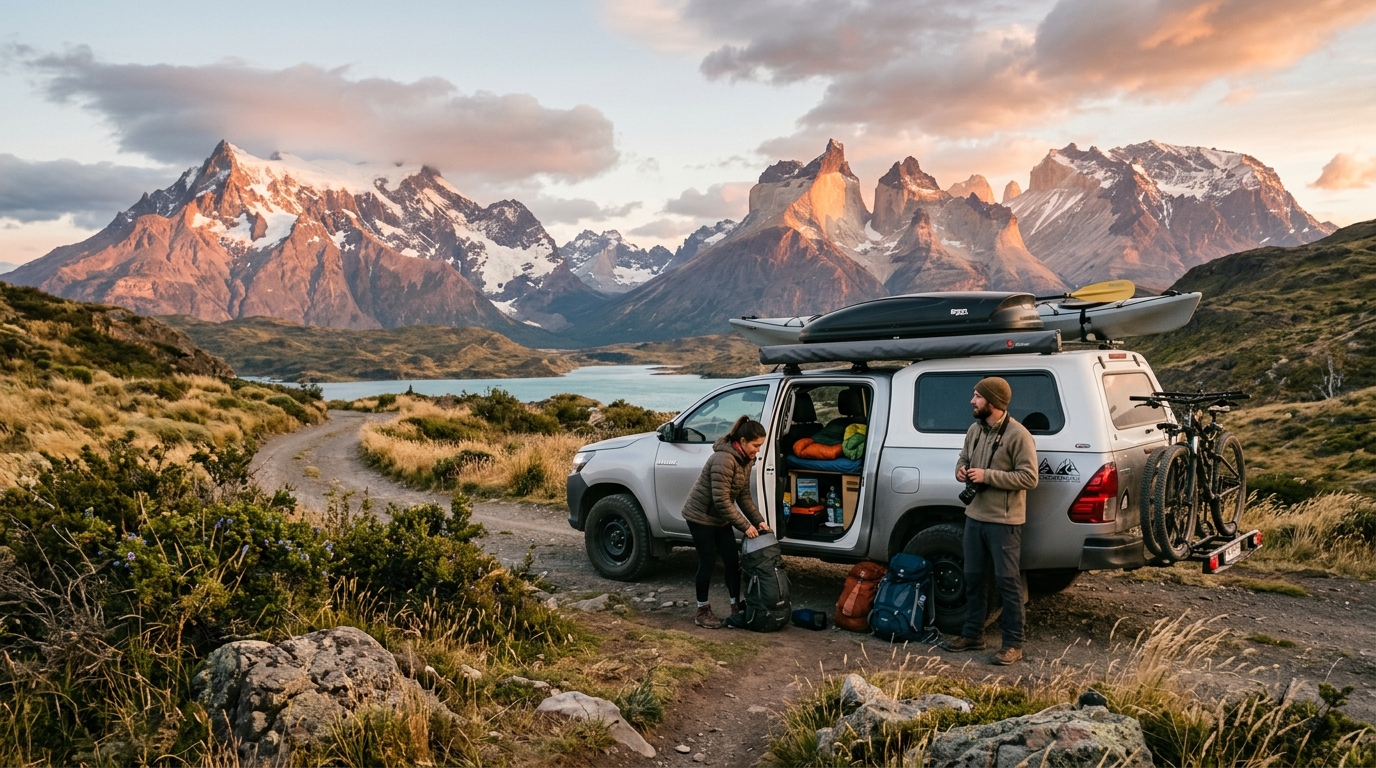
- Punta Arenas: Situated in the extreme south of Chilean Patagonia, Punta Arenas is the primary hub for exploring Torres del Paine National Park, Tierra del Fuego, and embarking on Antarctic expeditions, offering unique one-way possibilities for adventurers heading north.
Each city provides its own unique charm and access to different facets of Chile's incredible natural beauty. Planning a one-way trip between these hubs allows you to maximize your exploration without the need to circle back. Remember to check "RV Rental Deals in Chile - Latest Offers 2026" for current promotions.
Chilean Road Rules and Emergency Information
Familiarity with Chilean road rules is essential for a safe and enjoyable RV rental trip. In Chile, you drive on the right-hand side of the road, and passing is done on the left. Seatbelts are mandatory for all passengers. Speed limits typically range from 50 km/h in urban areas, 100 km/h on rural roads, and up to 120 km/h on highways, but always pay attention to posted signage as limits can change quickly. Headlights must be on at all times, even during the day, on interurban roads.
Toll roads (peajes) are common on major highways, especially around Santiago and along Ruta 5; these usually require cash in Chilean Pesos, though some electronic systems like "Tag" exist (check with your rental company). Emergency numbers are: 131 for Ambulance, 132 for Fire, and 133 for Police. For connectivity, local SIM cards are best, offering data packages from major providers like Entel and Movistar. Always ensure you have sufficient water (average tank capacity around 80-150 liters) and fuel, especially when venturing into remote regions where services are scarce. Planning a trip itinerary in advance with minimal effort and maximum enjoyment is key to a stress-free adventure.
What You Shouldn't Miss
- Drive the Carretera Austral: This legendary 1,240 km route through Patagonia offers breathtaking scenery, from lush forests to stunning fjords. Experience true wilderness with a rented 4x4 campervan.
- Stargaze in the Atacama Desert: Head north to San Pedro de Atacama and experience the world's clearest skies. Park your motorhome under a blanket of stars for an unforgettable astronomical show.
- Explore Torres del Paine National Park: A highlight of Chilean Patagonia, this park boasts towering granite peaks, turquoise lakes, and diverse wildlife. Plan a week-long trip to fully immerse yourself.
- Discover the Chilean Lake District: Between Temuco and Puerto Montt, this region is dotted with beautiful lakes, volcanoes, and charming towns, perfect for slow travel at 100-150 km per day.
- Visit Valparaíso's Colorful Hills: Drive your RV to the coast near Santiago and explore the vibrant, bohemian port city of Valparaíso, known for its historic funiculars and street art.
Looking for expert insights from Avi Bandana? Top 5 Adventures - recommendations from Avi Bandana.
🎬 Video coming soon
Final Thoughts
A one-way RV rental in Chile isn't just a trip; it's an expansive journey that lets you truly immerse yourself in the country's breathtaking natural wonders. From the moon-like landscapes of the Atacama to the wild beauty of Patagonia, traveling by motorhome or campervan offers unmatched flexibility and comfort. Remember to embrace slow travel, savoring each moment and connecting with the local culture, food, and incredible scenery.
With careful planning and the right support, your Chilean adventure will be a story to tell for years to come. At Bandana Caravan, we're dedicated to providing you with the tools and transparency you need to make it happen, every step of the way. Discover top destinations and planning tips, all in one place, with our comprehensive resources.
Ready to experience the ultimate one-way road trip? Let's start planning your unforgettable motorhome journey through Chile. Discover amazing routes and compare prices for one way RV rental in Chile now!