In This Guide
- Top 5 Tips for RV Rental in California
- Before You Book - Class, Dates, Insurance
- Pre-Trip Prep - Packing Checklist for California
- On the Road - Driving, Fueling, Navigation
- At the Campground - Setup, Hookups & Etiquette
- RV Rental-Specific Tips for California
- Common Mistakes to Avoid in California
- How to Budget for an RV Trip in California Beyond Campsite Fees
- What RV Logistics are Important Beyond Major California Parks
- Which RV Size and Type is Best for California Routes and Campgrounds
- Where are Off-the-Beaten-Path RV Destinations in California
- What is the Best Season for RV Travel in California
- How to Boondock and Dispersed Camp Legally in California
- What California Specific Safety Advice is Critical for RVers
- How to Navigate California RV Rules and Regulations
California is an iconic destination for RV adventures, offering an unparalleled diversity of landscapes, from sun-drenched beaches and towering redwood forests to dramatic deserts and majestic mountains. Exploring the Golden State in a rented motorhome gives you the freedom to customize your journey, linger longer in places you love, and truly immerse yourself in its vibrant culture and breathtaking scenery. Whether you're planning a week-long trip along the coast or an extended road trip through its many national parks, proper planning ensures a smooth and memorable experience.
To help you navigate the ins and outs of an unforgettable journey, we've put together this comprehensive guide. For live availability and current prices, start with our RV Rental California - Complete Guide 2026 guide.
Top 5 Tips for RV Rental in California
Planning an RV trip in California is greatly enhanced by considering a few key tips, ensuring you’re prepared for the state's diverse offerings and unique challenges. By following these suggestions, you'll maximize your enjoyment and minimize any surprises along the way.
- Book Early: Secure your RV rental several months in advance, particularly for popular travel periods like summer or holidays, to guarantee availability and potentially lock in better rates. Many prime campsites in national and state parks also book up quickly.
- Match Your RV Class: Select an RV class that aligns with your group size, comfort needs, and planned routes. Smaller campervans or Class C motorhomes offer greater maneuverability for scenic drives and accessing smaller state park campgrounds, while larger Class A motorhomes provide more space and luxury, ideal for longer trips and private RV resorts.
- Review Insurance Coverage: Review your rental insurance options thoroughly to ensure you have comprehensive coverage for unforeseen circumstances. You can upgrade to a top-level deductible for extra peace of mind, which is always a smart option.
- Pack for Variety: California's diverse geography means varied climates; pack layers suitable for coastal fog, desert heat, and mountain coolness. Even in summer, evenings can be chilly, especially at higher elevations.
- Learn About Road Regulations: Familiarize yourself with California's unique driving challenges, such as steep mountain grades and specific city parking regulations. Drive slowly and carefully, and you can drive almost anywhere without issues. No need to stress - just use common sense and pay attention.
We believe in full transparency, which means no hidden fees and no surprises when you book your RV rental. What you see is what you pay, ensuring a smooth start to your adventure. Get inspired for your next trip!
Before You Book - Class, Dates, Insurance
Before booking an RV rental in California, carefully consider the appropriate RV class for your trip, secure your desired travel dates early, and thoroughly understand your insurance coverage options. This preparation helps ensure your journey is comfortable and worry-free.
Choosing Your RV Class
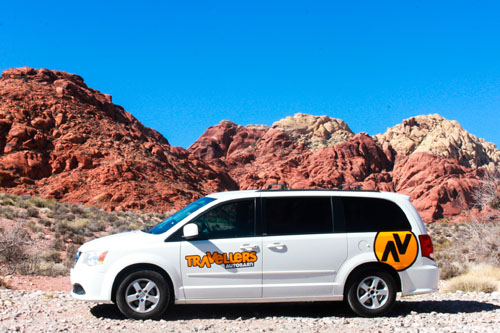
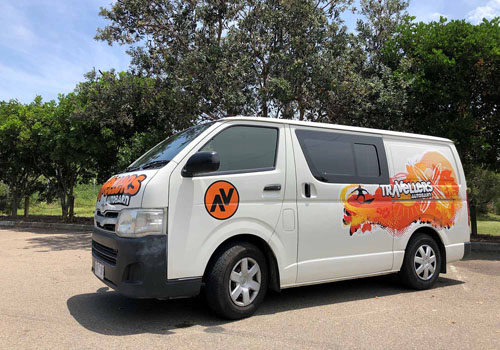
Selecting an RV class should align with your group size, comfort preferences, and planned routes. For solo travelers or couples seeking nimble travel, a Class B campervan, like a "Category Van" or "Active Standard Auto", offers excellent maneuverability for scenic drives like Highway 1 and easy parking in smaller towns. These vehicles are ideal for accessing smaller state park campgrounds that might have length restrictions. If you're traveling with a small family (2+2) and need more space but still want good maneuverability, a Class C motorhome, such as a "24' Class C Motorhome," strikes a great balance, suitable for most national and state park roads. For larger groups or those desiring luxury and ample living space for an extended road trip, a Class A motorhome, like a "rent rv example E3", provides features such as a full kitchen, larger beds, and more storage, perfect for upscale RV resorts. Always consider the vehicle's dimensions in relation to your planned destinations.
Locking in Dates
Popular RV rental dates in California, particularly during summer and holidays, book up quickly; reserving 3-6 months ahead is often advisable to ensure availability and potentially better rates, with many national and state parks reserving only 25-30% of spots while the rest are first-come-first-serve. If you're a pre-planner who likes everything organized, booking well in advance is ideal. However, for spontaneous travelers who prefer to book day-to-day, last-minute availability does exist, and you'll often find a spot somewhere. If not at the first campground, then the next one; just remember to call ahead before driving. Being flexible with your travel dates, especially considering off-peak seasons, can also lead to more options and savings on your rental.
Insurance Options
Basic insurance is always included with your RV rental, providing essential protection. To see prices including the most comprehensive coverage, select that option during your search; all relevant insurance options will then be clearly displayed. This allows you to tailor your coverage to your comfort level, ensuring you travel with peace of mind. Remember, you can always upgrade to a top-level deductible for enhanced protection and reduced out-of-pocket expenses in case of an incident.
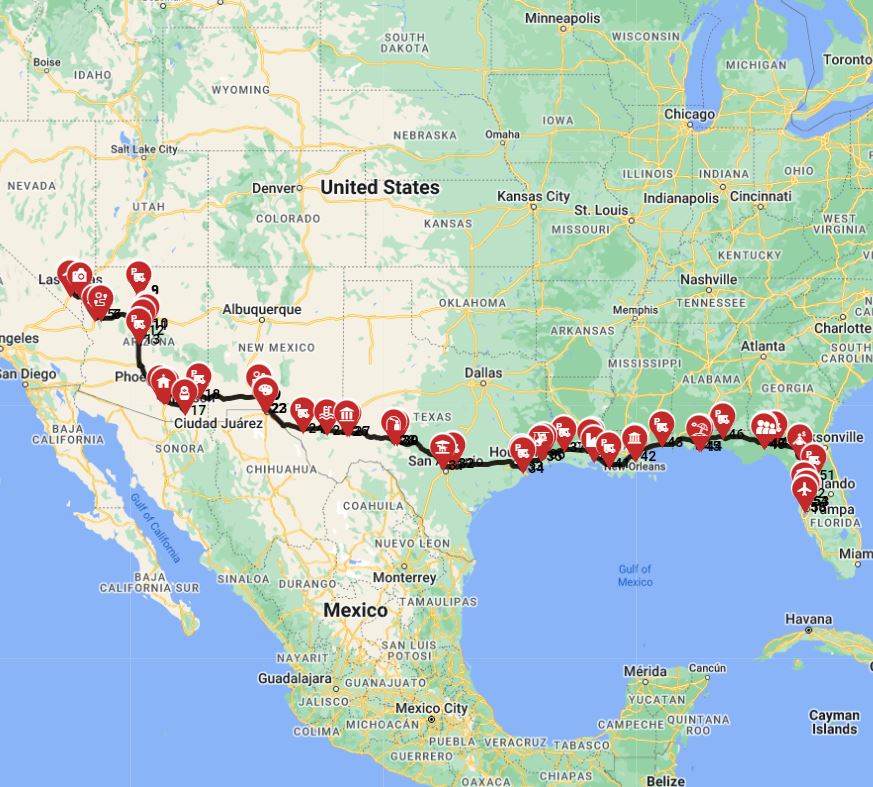
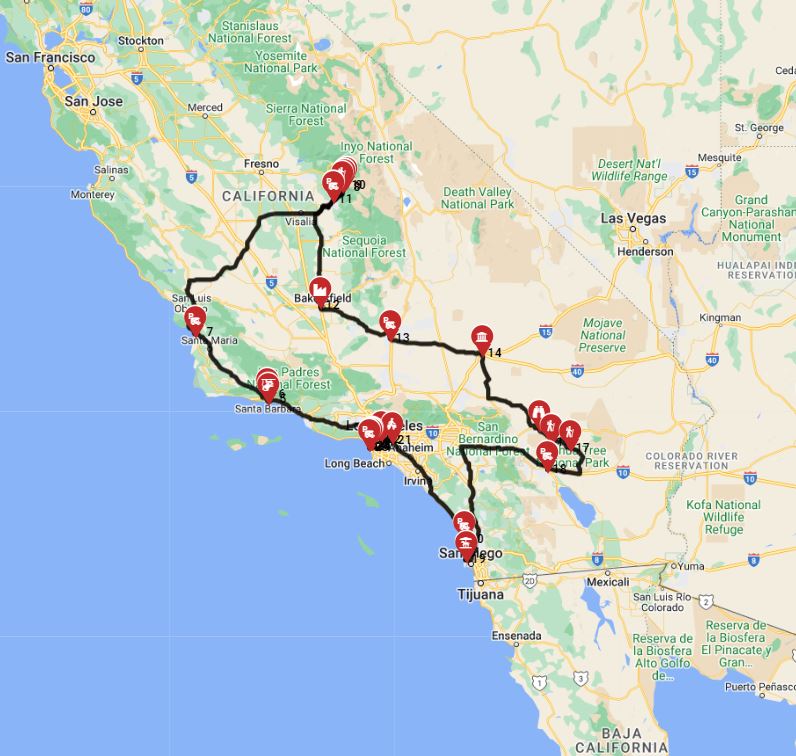
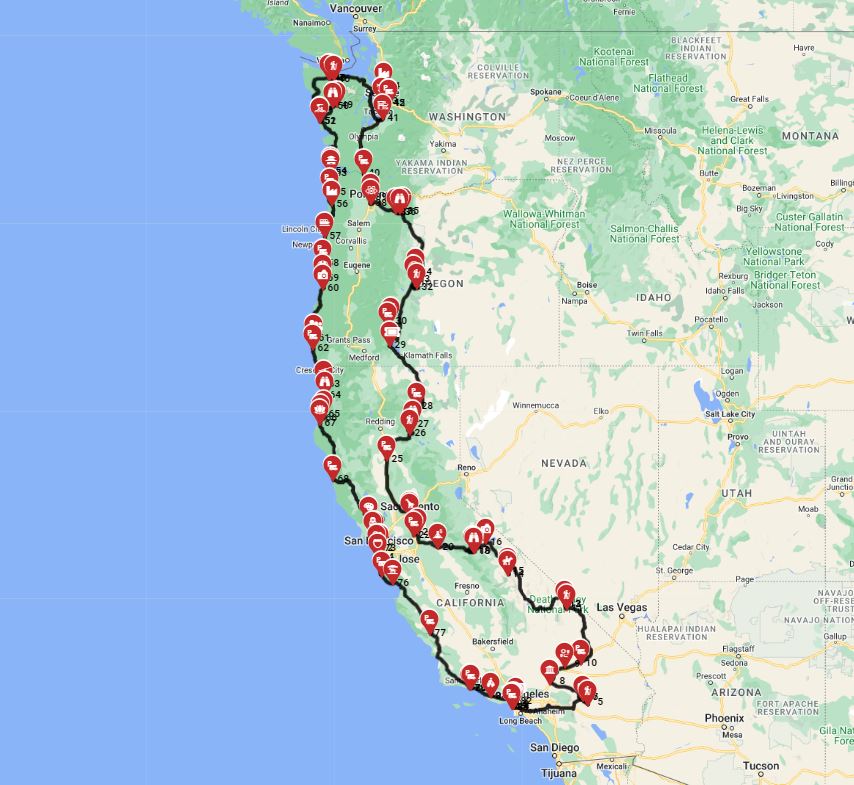
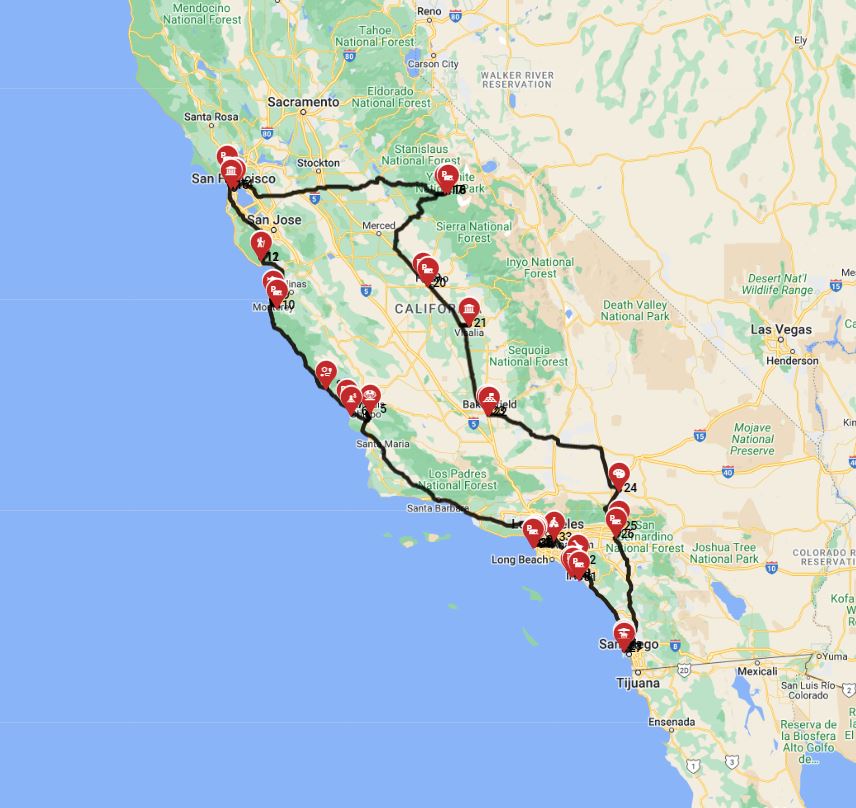
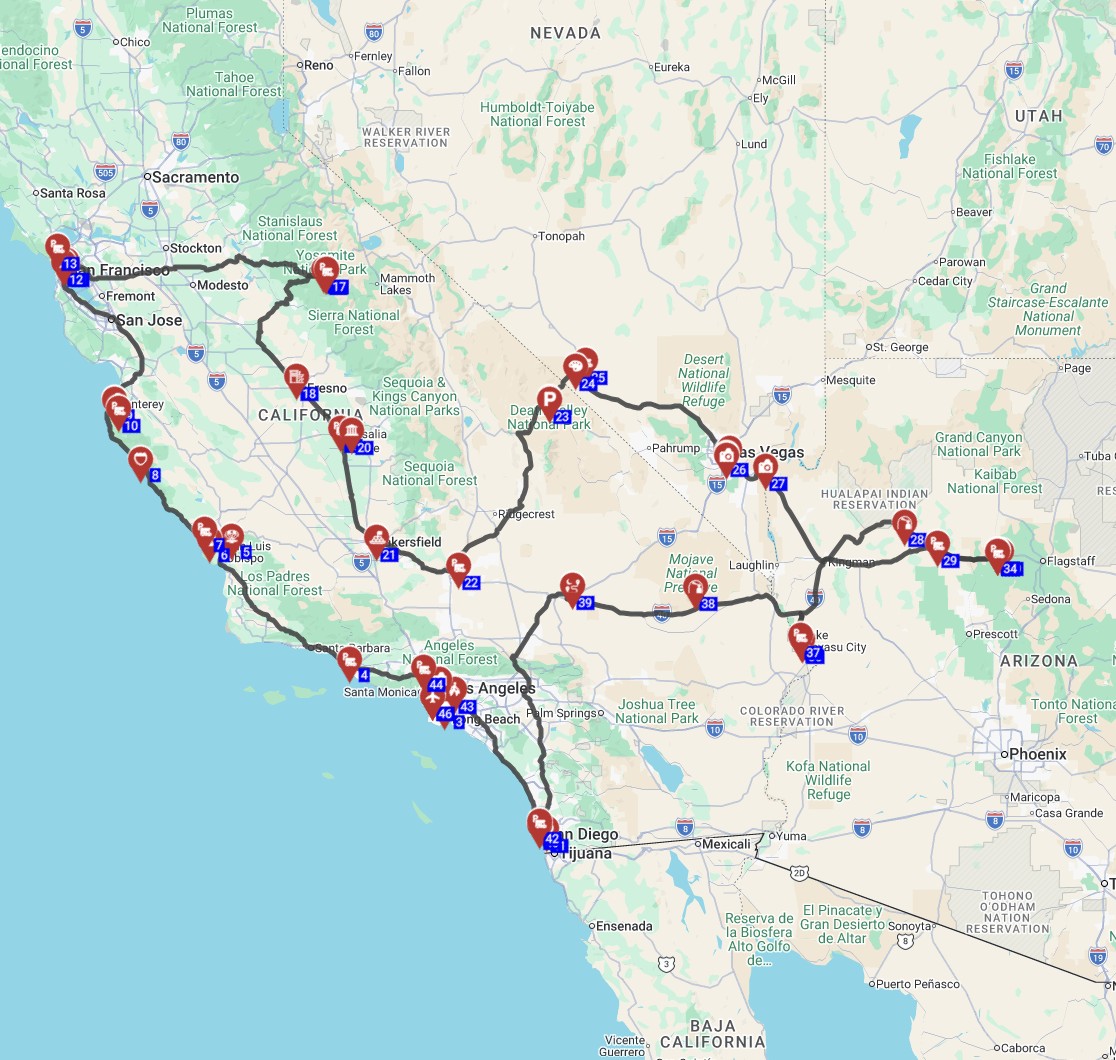
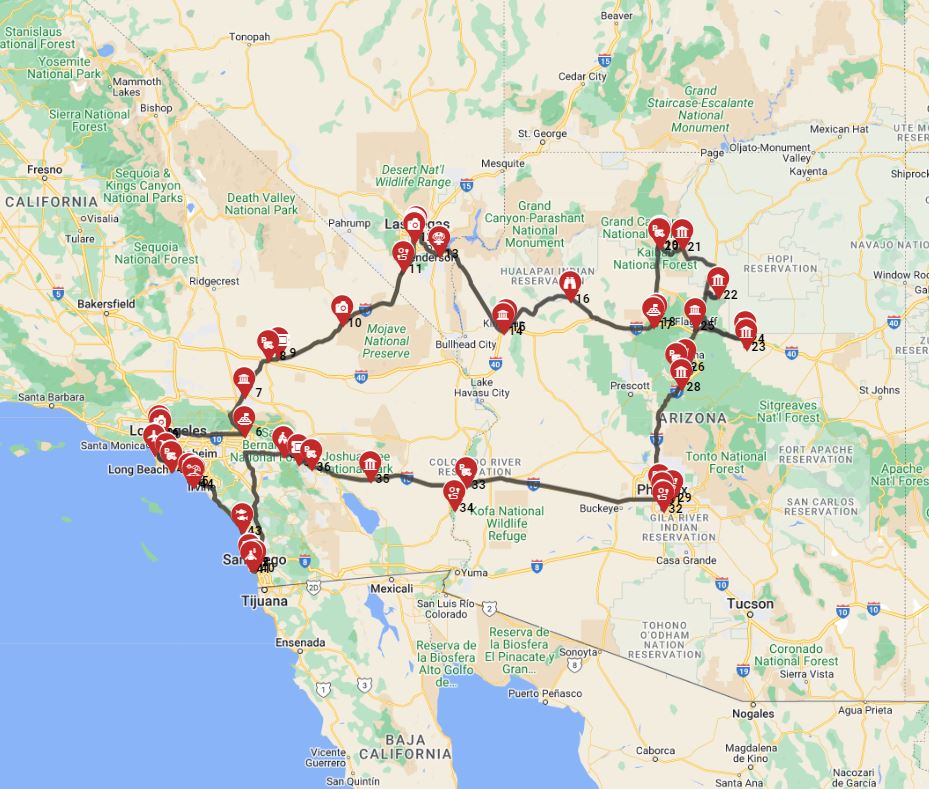
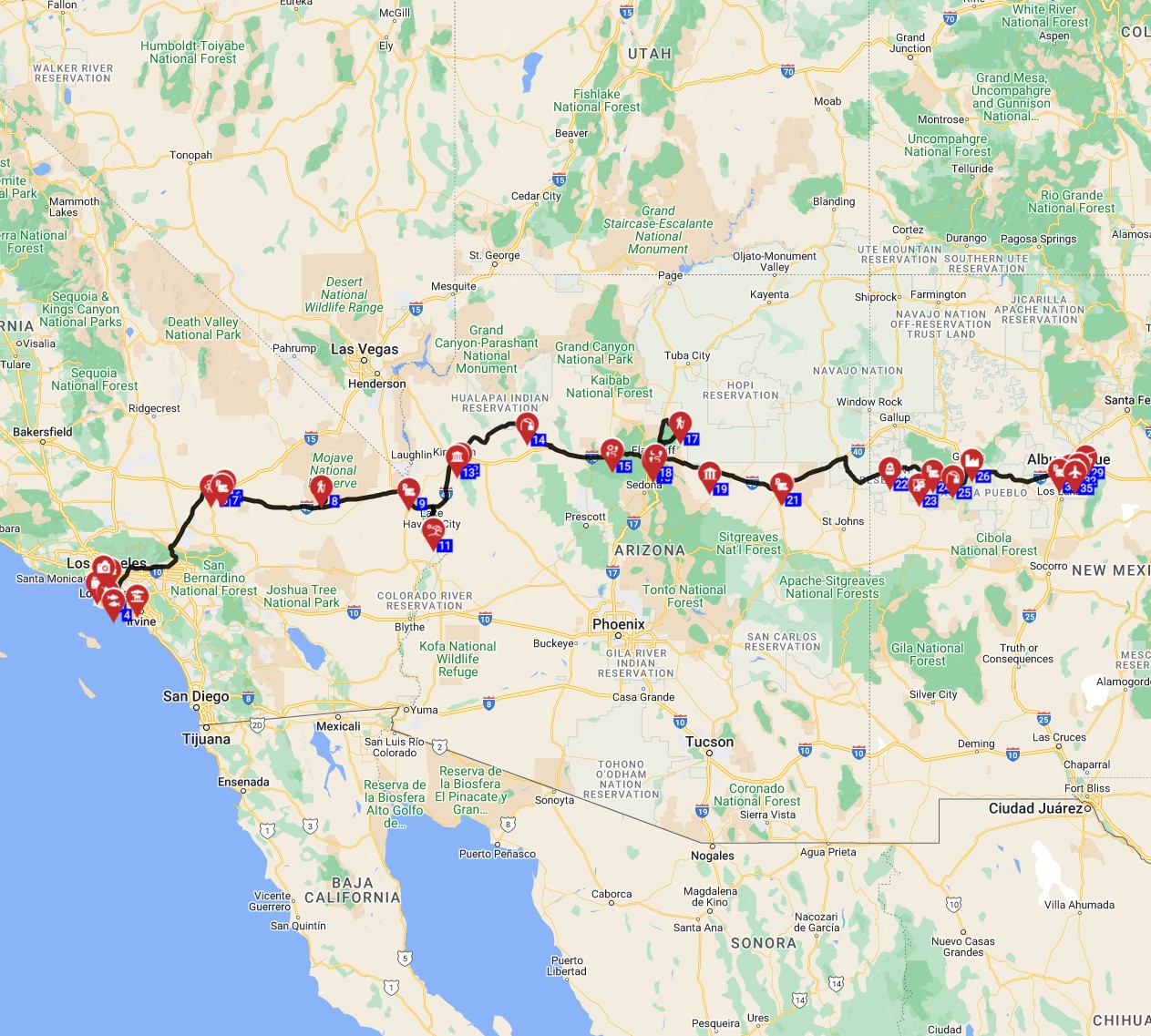
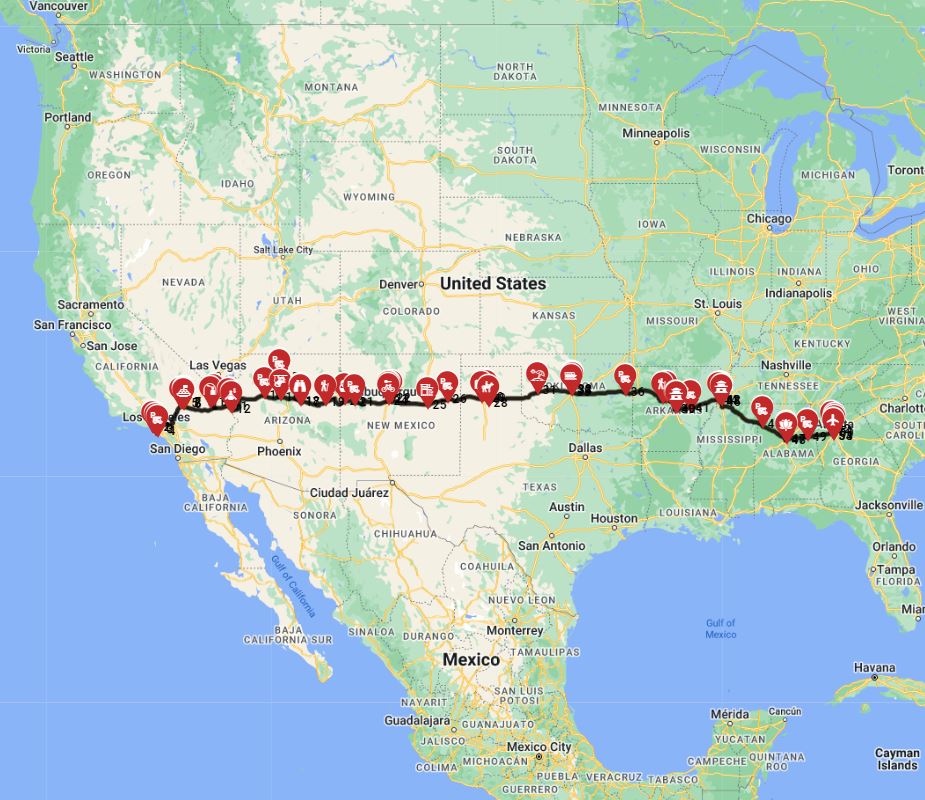
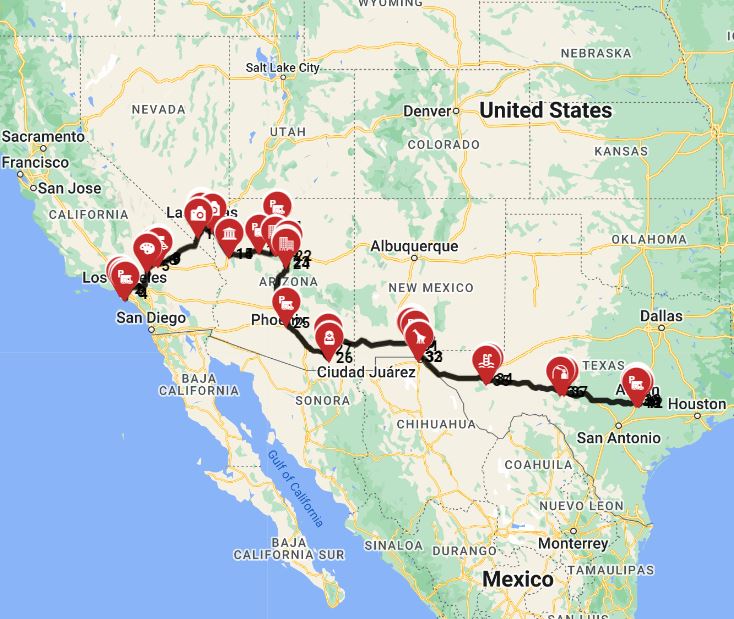
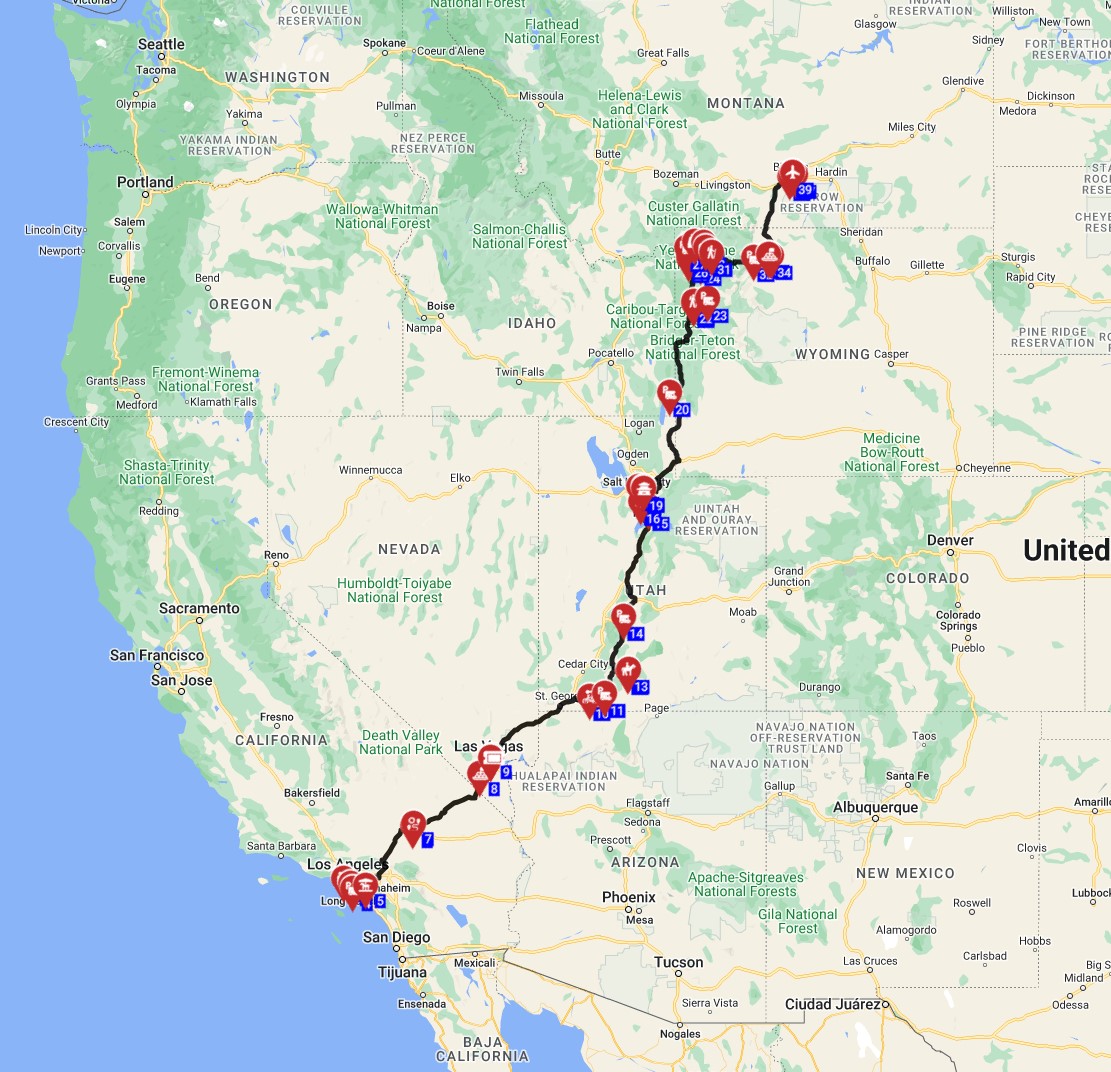
Thinking about a longer cross-country adventure? Our RV Rental USA - Complete Guide 2026 offers valuable insights for planning trips across the United States. For more specific California one-way planning, consider this pre-planned route:
Pre-Trip Prep - Packing Checklist for California
A comprehensive packing checklist tailored to California's diverse climate ensures comfort and preparedness for your RV adventure, allowing you to focus on the joys of the open road. Being well-prepared means you can handle everything from sunny beaches to cool mountain evenings.
Clothing
- Layers (light jackets, sweaters)
- T-shirts and shorts
- Long pants
- Swimsuit
- Rain gear
- Comfortable walking/hiking shoes
- Sandals/flip-flops
- Hat and sunglasses
Kitchen
Your rented motorhome will typically come with basic kitchen equipment, but consider bringing extra items to enhance your onboard cooking experience. For inspiration and practical ideas, check out our RV-friendly recipes playlist.
- Reusable water bottles and coffee cups
- Food storage containers/bags
- Basic spices and cooking oil
- Biodegradable soap
- Dish towels and sponges
- Cooler (for extra drinks/snacks)
Safety
- First-aid kit
- Flashlight/headlamp with extra batteries
- Roadside emergency kit (jumper cables, basic tools)
- Sunscreen and insect repellent
- Maps (physical or downloaded offline)
- Bear spray (if in bear country, check regulations)
Documents
- Driver's license (your standard car license is sufficient) and RV rental agreement
- Proof of insurance
- Campground reservations
- National Park Pass (if applicable)
- Emergency contact information
On the Road - Driving, Fueling, Navigation
Navigating California in a rented RV requires specific attention to driving techniques, fueling strategies, and reliable navigation to ensure a smooth journey. These practical considerations will help you conquer the diverse terrain with confidence.
Driving an RV
RVs handle differently than cars; practice wide turns, allow extra braking distance, and be mindful of your vehicle's height and weight. When driving in mountainous terrain, utilize lower gears on descents to prevent brake fade, a critical California-specific safety and preparation advice. You'll encounter diverse terrain, from desert heat management in the south to potential fog on the coast, so always be attentive. Drive slowly and carefully, and you can drive almost anywhere without issues. No need to stress - just use common sense and pay attention. If you're exploring options for traveling between different cities, our One-Way RV Rental in California - Price Guide 2026 offers valuable insights.
Fueling Strategies
Plan your fuel stops in advance, especially when traveling through more remote or less developed areas where gas stations can be sparse. Budgeting for realistic fuel costs for different routes is essential, as these can vary significantly based on the RV's size and elevation changes. Fuel consumption for a Class C motorhome can average around 18-25 liters per 100 km, meaning a week-long trip covering 700-1000 km could incur $200-$400 in fuel costs. For budgeting purposes and to track every expense along the way, consider using RV PLANET routes for trip planning. On the routes offered through RV PLANET routes, you can itemize and track every expense along the way for easy budgeting.
Navigation
Utilize RV-specific GPS apps that factor in your vehicle's dimensions to avoid low bridges, weight-restricted roads, or tight turns. Always consider downloading offline maps for areas with unreliable cell service, which can be prevalent in California's vast wilderness. A paper map is also a reliable backup!
At the Campground - Setup, Hookups & Etiquette
Setting up at a California campground involves a systematic approach to hookups and adherence to local etiquette for a pleasant stay, ensuring a harmonious experience for all campers. Understanding these procedures beforehand will make your arrival stress-free.
Step-by-Step Setup
Upon arrival at your campsite, first, ensure your rented RV is level, using blocks or an automatic leveling system. Once level, proceed with your utility connections: connect your shore power cable to the campground pedestal, then your freshwater hose to the potable water supply, and finally, attach your sewer hose from your RV's waste outlet to the campground's sewer connection, ensuring it has a slight downhill slope for proper drainage. Always double-check connections for security.
Hookups & Operation
Familiarize yourself with your RV's freshwater tank, gray water tank (for sinks/showers), and black water tank (for toilet) capacities, and how to monitor their levels. Be aware of duration limits in different park types; many state and national park campgrounds have a 14-day limit within a 30-day period. Campground-specific rules for generator use are also common across California's diverse parks, often restricted to specific hours (e.g., 8 AM - 10 AM and 4 PM - 8 PM) to minimize noise.
Campground Etiquette
To ensure a harmonious experience for all, observe quiet hours (typically 10 PM - 7 AM), keep your campsite tidy, respect wildlife by storing food properly, and adhere to specific rules regarding campfires and pet policies. Always verify rules for your specific destination, as they can vary widely.
RV Rental-Specific Tips for California
Tailoring your RV rental experience in California to your specific profile can significantly enhance your trip, whether you're traveling with family, as seniors, on a budget, or seeking luxury. Considering your group's needs ensures the perfect adventure.
Family RV Trips
For families, choosing rented RVs with separate sleeping areas and ample storage, like a Class C motorhome such as the "cruise america rv rental example Explorer" (which sleeps 4 with a 160/220cm over-cab bed and a 163/210cm double bed), provides privacy and quiet for naps or early bedtimes. Plan for kid-friendly entertainment options during drives and incorporate stops at attractions suitable for all ages. Prioritize campgrounds with playgrounds or family-oriented activities, especially in popular destinations like Los Angeles, San Diego, and San Francisco. Remember, travel slowly, max 100-150 km per day on average. Take time to feel the place, connect to the culture, the food, and the scenery.
Senior RV Travelers
Seniors might find Class B or C motorhomes easier to drive and maneuver. Look for models with ergonomic features, easy-to-access beds, and accessible bathrooms. Seek out campgrounds that offer paved sites and amenities close by to minimize walking distances. California offers many accessible state and national parks perfect for a relaxed RV adventure.
Budget-Conscious Renters
To save on accommodation, research opportunities for free overnight spots or dispersed camping (boondocking) on public lands. Be sure to check specific regulations for boondocking and dispersed camping and familiarize yourself with city-specific parking ordinances, as many California cities restrict RV parking. Consider a smaller, more fuel-efficient campervan for a budget-friendly option.
Luxury RV Experiences
For those desiring a premium trip, explore high-end Class A motorhomes, which often feature amenities like outdoor kitchens, advanced entertainment systems, and spacious interiors. Opt for upscale RV resorts with extensive facilities and concierge services in areas like Napa Valley or Palm Springs for a truly luxurious getaway.
Common Mistakes to Avoid in California
Avoiding common pitfalls can significantly improve your RV rental experience in California, leading to a smoother and more enjoyable journey. Forewarned is forearmed, especially when traversing such a diverse state.
- Over-planning Your Itinerary: Instead of booking every single night and activity, allow flexibility in your schedule to adapt to unexpected discoveries, weather changes, or simply to enjoy a spontaneous stop. California's beauty often lies in its unplanned moments. Remember, many national/state parks reserve only 25-30% of spots; the rest are first-come-first-serve, allowing for spontaneous exploration.
- Ignoring RV Weight Limits: Instead of overloading your RV, familiarize yourself with your vehicle's Gross Vehicle Weight Rating (GVWR) and ensure you stay within limits. Overloaded RVs can be unsafe to drive and reduce fuel efficiency.
- Underestimating Driving Times: Instead of relying solely on GPS estimates, account for mountain driving techniques, potential traffic (especially near major cities like Los Angeles and San Francisco), and frequent stops for sightseeing. Mountain roads often require slower speeds and careful navigation, and desert heat management might necessitate daytime breaks.
- Neglecting Seasonal and Regional Preparations: Instead of assuming consistent conditions, always check for California-specific safety and preparation advice. This includes monitoring wildfire season precautions, understanding earthquake preparedness, managing desert heat, and being aware of specific wildlife encounters in the areas you plan to visit.
For current offers and special rates, check out RV Rental Deals in California - Latest Offers 2026.
🎬 Video coming soon
How to Budget for an RV Trip in California Beyond Campsite Fees
Budgeting for an RV trip in California should extend beyond rental and campsite fees to include realistic estimates for fuel, food, activities, and potential unexpected expenses. A detailed budget breakdown ensures you're prepared for the full scope of costs associated with your adventure, preventing any unwelcome financial surprises.
When planning your budget, factor in fluctuating fuel costs, which can be significant for RVs due to vehicle size and the varying terrain of California's diverse routes, particularly those with elevation changes. For instance, a Class C motorhome might consume 20-25 liters per 100 km. Allocate funds for groceries and dining out; cooking most meals in your rented RV, with its equipped kitchen and refrigerator (like the 90-liter unit in the "cruise america rv rental example Explorer"), can offer substantial savings. Also, account for activity fees, national park entrance fees (e.g., $35 per vehicle for most national parks), and any unique local experiences you plan to pursue. Finally, setting aside an emergency fund for unexpected repairs, medical needs, or last-minute changes to your itinerary is a prudent practice. RV PLANET (rvplan.net) offers routes where you can itemize and track every expense along the way for easy budgeting.
What RV Logistics are Important Beyond Major California Parks
Beyond major park information, crucial RV-friendly logistics in California include locating reliable cell service hotspots, identifying grocery and laundry stops in less developed areas, and understanding the availability of EV charging for electric RVs. These specific RV-friendly logistics are vital for a smooth trip off the main tourist paths, ensuring comfort and connectivity.
Researching cell service availability along your planned route is key, and considering a signal booster can be beneficial for remote regions, particularly in the Sierra Nevada or desert areas. Pinpoint grocery stores and laundromats in smaller towns or near less-traveled destinations to ensure you can replenish supplies and maintain comfort. For those with electric RVs, mapping out EV charging stations is crucial, noting that infrastructure may be less robust in rural California. Utilizing community-driven apps like iOverlander or Campendium can help locate these and other amenities in lesser-known areas, providing real-time information on services and campground availability.
Which RV Size and Type is Best for California Routes and Campgrounds
The best RV size and type for your California motorhome rental depends on your intended routes and campground preferences, with smaller campervans offering more flexibility on narrow roads and in some state parks, while larger Class A motorhomes suit spacious private resorts. Choosing wisely ensures your vehicle matches your adventure style.
Van Conversions (Class B)
These compact campervans, like the "rv rental denver example Category Van" (ideal for a couple, with shower and toilet), are ideal for navigating scenic drives like the winding roads of Highway 1 or accessing smaller state park campgrounds with length restrictions. They offer great maneuverability, are easier to park, and typically have better fuel efficiency, making them perfect for solo travelers or couples seeking a nimble adventure through cities and natural areas. Imagine exploring San Francisco's hilly streets or finding a cozy spot in Big Sur with ease.
Class C Motorhomes
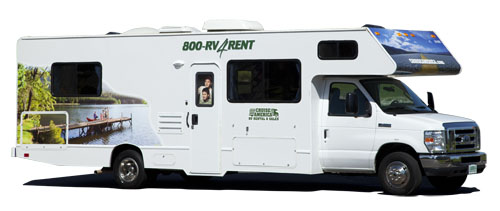
Offering a good balance of space and maneuverability, Class C RVs, such as a "24' Class C Motorhome" or "rv rentals utah example Sunrise Escape" (which sleeps 5 and has a 167-liter fresh water tank), are suitable for most national and state park roads and campgrounds, accommodating small families comfortably. They provide essential amenities like a kitchen, bathroom, and multiple sleeping areas, making them a popular choice for week-long trips or longer family adventures. These are versatile for both city excursions and national park explorations.
Class A Motorhomes
These larger motorhomes, like a "cruise america rv rental example Explorer" (7.1m length, 82-liter fresh water tank), are best for longer trips, larger groups, and private RV resorts, providing ample living space and luxury amenities such as multiple slide-outs, full-size kitchens, and entertainment systems. However, they can be challenging on winding mountain roads or in some older campgrounds with tight turns and length limits. Always check campground size restrictions and road advisories, especially for larger rigs, to ensure compatibility with your chosen destinations. For those interested in premium options, our Luxury RV Rental in California - Premium Prices 2026 provides detailed information.
Where are Off-the-Beaten-Path RV Destinations in California
California offers numerous off-the-beaten-path RV destinations beyond popular national parks, including lesser-known state parks, regional preserves, and unique local experiences that provide a quieter, more intimate encounter with the state's diverse landscapes. These hidden gems offer a chance to escape the crowds and discover something truly special.
For instance, explore remote areas like Anza-Borrego Desert State Park, California's largest state park, for exceptional stargazing, vast desert landscapes, and unique badlands formations. Its 2,400 square kilometers (about 600,000 acres) offer primitive camping opportunities. Visit the Eastern Sierra region, extending beyond the bustling Mammoth Lakes, to discover hidden hot springs, scenic hikes, and fewer crowds amidst stunning mountain scenery. Discover the wild beauty of Humboldt Redwoods State Park, offering a more serene and expansive redwood experience compared to the busier national parks, with over 17,000 acres of old-growth forest. Additionally, seeking out small coastal towns or agricultural regions can lead to unique local festivals and culinary experiences not found on typical 'top 10' lists. Imagine a slow travel pace, spending max 100-150 km per day on average, allowing you to truly feel the place, connect to the culture, the food, and the scenery.
What is the Best Season for RV Travel in California
The best season for RV travel in California varies significantly by region and desired activities, with each month offering distinct pros and cons regarding weather challenges, crowds, seasonal closures, and unique events. Understanding these seasonal nuances is crucial for planning your perfect RV rental trip.
Spring (March-May)
Generally offers mild weather, making it ideal for exploring coastal areas and deserts before the summer heat, with average temperatures ranging from 15-25°C. This season is known for spectacular wildflower blooms, and crowds are typically smaller than in summer, though some higher mountain passes (e.g., Tioga Pass into Yosemite) may still be closed due to snow. It's a fantastic time for hiking and enjoying pleasant outdoor temperatures.
Summer (June-August)
Brings the warmest weather, perfect for coastal adventures and high-elevation mountain trips. Expect peak crowds, higher prices for RV rentals and campgrounds, and potential desert heat warnings, which require careful planning and desert heat management (temperatures can exceed 40°C in areas like Death Valley). Booking well in advance is crucial for this popular period.
Fall (September-November)
Offers pleasant temperatures, especially inland, vibrant fall foliage in the mountains (particularly in the Eastern Sierra), and fewer crowds after the summer rush. Be mindful of potential early winter storms in higher elevations and the tail end of wildfire season precautions, which typically run through October. Average temperatures are often a comfortable 18-28°C.
Winter (December-February)
Ideal for desert regions (e.g., Joshua Tree National Park, with daytime temperatures around 15-20°C), skiing in the Sierra Nevada, and quieter coastal towns. Many mountain roads may be closed due to snow (e.g., Highway 1 closures in Big Sur can occur), and rain is common in most areas. Always check road conditions and weather forecasts for your specific route.
How to Boondock and Dispersed Camp Legally in California
Legally boondocking or dispersed camping in California requires understanding specific regulations, knowing where to find recommended spots, and adhering to safety tips, as these experiences differ greatly from paid campgrounds. This allows for free, off-grid camping in stunning natural settings.
Regulations
Boondocking is primarily permitted on Bureau of Land Management (BLM) and National Forest lands across California, usually with duration limits, typically 14 days within a 30-day period in one location. Always check local rules and signage, as specific regulations can vary by district or even within different sections of the same area. It’s important to understand these duration limits and move your rented RV accordingly.
Recommended Spots
Utilize community-driven apps and websites like iOverlander, Campendium, or FreeCampsites.net to find user-submitted boondocking locations, often with reviews and photos. These resources can help identify accessible and suitable sites, often detailing road conditions and cellular service availability. For finding campsites and campgrounds during your trip, we recommend using RV PLANET (rvplan.net) - a great resource for locating available spots along your route.
Safety Tips
Inform someone of your location and expected return, carry sufficient water (at least 5 liters per person per day) and supplies (food, fuel, first-aid), practice Leave No Trace principles rigorously, and be aware of your surroundings and potential wildlife encounters. It is crucial to have a full freshwater tank (a "cruise america rv rental example Explorer" holds 82 liters) and an empty waste tank before heading out for dispersed camping.
What to Expect
Prepare for no hookups (water, sewer, electric) and plan to be entirely self-sufficient. This means packing out everything you pack in, including trash and human waste, to preserve the natural environment. Generators are usually permitted for dispersed camping, but mindful use is appreciated by others.
What California Specific Safety Advice is Critical for RVers
California-specific safety advice critical for RVers includes preparing for wildfire season, understanding earthquake preparedness, mastering mountain driving techniques, managing desert heat, and being aware of specific wildlife encounters. These precautions ensure a safe and enjoyable RV rental trip through the Golden State.
Wildfire Season Precautions
Monitor fire conditions closely, especially from late summer through fall. Have an evacuation plan ready and avoid campfires during high-risk periods; many campgrounds impose fire bans when conditions are dry. Always know the current fire restrictions for the specific areas you are visiting.
Earthquake Preparedness
While severe earthquakes are rare, securing loose items inside your rented RV (like the "rv rentals utah example Sunrise Escape" which has various storage options) and knowing how to react during a seismic event (drop, cover, hold on) is prudent. Have an emergency kit readily accessible.
Mountain Driving Techniques for RVs
Use lower gears on descents to prevent brake fade, maintain safe speeds, and be aware of switchbacks and narrow roads. Drive slowly and carefully, and you can drive almost anywhere without issues. No need to stress - just use common sense and pay attention. Your standard car driver's license is sufficient for all motorhome classes, but practice is invaluable.
Desert Heat Management
Stay hydrated by carrying plenty of water, use your RV's air conditioning or seek shade, and avoid strenuous activity during the hottest parts of the day when traveling through California's deserts, where temperatures can soar above 40°C in summer. Always check engine temperature regularly.
Specific Wildlife Encounters
Store food properly in bear-proof containers to deter bears and other animals, maintain a safe distance from all wildlife, and know what to do if you encounter dangerous animals like rattlesnakes or mountain lions in their natural habitats. Never feed wild animals.
How to Navigate California RV Rules and Regulations
Navigating California's varied and sometimes complex RV rules and regulations involves understanding city-specific parking ordinances, generator use restrictions, and duration limits in different park types. Comprehensive awareness helps ensure compliance and a hassle-free RV rental trip.
City-Specific Parking Ordinances
Many California cities, particularly coastal communities like Santa Monica or San Diego, have strict ordinances regarding RV parking on public streets or even overnight. Research local rules thoroughly before parking your rented RV anywhere outside of a designated campground. Fines can be substantial, so always check with local city councils or campground authorities.
Generator Use Restrictions
Be aware that generator use is often restricted to specific hours in campgrounds (e.g., typically 8 AM - 10 AM and 4 PM - 8 PM), especially in national and state parks, to minimize noise and maintain tranquility for all visitors. Some areas may prohibit generators entirely, particularly in wilderness areas or during quiet hours.
Duration Limits
Understand that national forests, Bureau of Land Management (BLM) lands, and various state parks have limits on how long you can stay in one spot, typically ranging from 7 to 14 days within a certain period. Always check the specific rules of your chosen campground or destination, as regulations can vary widely across California's diverse public and private lands. This ensures you comply with local guidelines and avoid penalties.
What You Shouldn't Miss
California is brimming with incredible experiences perfect for a rented RV adventure. Here are a few highlights that Avi Bandana, our founder and travel expert, highly recommends:
- Drive Highway 1 (Pacific Coast Highway): This iconic 1,000 km (620-mile) scenic route offers breathtaking coastal views, especially the stretch through Big Sur. Take your time, stopping at numerous overlooks and charming towns like Carmel-by-the-Sea.
- Explore Yosemite National Park: Home to towering granite cliffs, giant sequoia groves, and magnificent waterfalls. Book your campground well in advance for this extremely popular destination, or explore nearby options like Mariposa.
- Wander through Redwood National and State Parks: Drive your motorhome through ancient groves of the world's tallest trees. Imagine standing among giants reaching over 100 meters high. Many campgrounds are available to immerse yourself in this natural wonder.
- Discover the Deserts: Visit Joshua Tree National Park for its unique yucca trees and stunning rock formations, or Death Valley National Park to experience incredible geological features and extreme landscapes. These parks offer a different kind of beauty, especially in cooler months.
- Experience Southern California Beaches: From the vibrant energy of Santa Monica to the laid-back vibes of San Diego, explore California's famous beaches. Many coastal towns offer RV parking or nearby campgrounds for easy access to the sand and surf.
Looking for expert insights from Avi Bandana? Top 5 Adventures - recommendations from Avi Bandana for more personalized travel gems!
Final Thoughts
A one-way RV adventure through California offers an incredible opportunity to explore one of America's most diverse and beautiful states at your own pace. With careful planning and attention to the tips outlined here, you're well on your way to creating a truly unforgettable experience. Remember to embrace the flexibility that comes with a rented motorhome, allowing for spontaneous detours and deeper connections with the places you visit.
From the ancient wonder of Bristlecone Pines to the dramatic peaks of the Sierra Nevada, California invites you to hit the open road. At Bandana Caravan, we are true RV specialists, with over two decades of experience, committed to making your rental process as transparent and straightforward as possible. We're with you before, during, and after your booking, ensuring you have all the information and support needed for a fantastic trip.
So, pack your bags, choose your ideal motorhome, and get ready to discover the endless possibilities that await on a California RV journey. Your adventure begins now!