For live availability and current prices, start with our RV Rental Alaska - Complete Guide 2026 guide.
In This Guide
- Top 5 Tips for rv rental RV Rental in Alaska
- Before You Book - Class, Dates, Insurance
- Pre-Trip Prep - Packing Checklist for Alaska
- On the Road - Driving, Fueling, Navigation
- At the Campground - Setup, Hookups & Etiquette
- rv rental-Specific Tips for Alaska
- Common Mistakes to Avoid in Alaska
- What is the 3-3-3 rule for RVs?
- What is the 4-4-4 rule for RV travel?
- Should I rent an RV in Alaska?
- What do I need to know before renting an RV?
- What is the 3-3-3 rule for rving?
- How much rent RV in Alaska average cost?
- Is it cheaper to rent an RV or stay in a hotel?
- What is the 4-4-4 rule for RV?
- What is the best time of year to RV to Alaska?
- What not to forget on an RV trip?
- What You Shouldn't Miss
- Why Book with Bandana Caravan
- Final Thoughts
- Frequently Asked Questions
Planning a one-way RV adventure through Alaska offers incredible freedom and unparalleled access to the Last Frontier's vast and stunning landscapes. From coastal towns to majestic mountains, a rented motorhome or campervan becomes your personal lodge on wheels, allowing you to immerse yourself in nature without rigid schedules. For live availability and current prices, start with our RV Rental Alaska - Complete Guide 2024 guide, which offers comprehensive insights into planning your ultimate Alaskan road trip.
Top 5 Tips for rv rental RV Rental in Alaska
Ensuring a smooth RV rental experience in Alaska requires thoughtful preparation, beginning with booking early to secure your preferred vehicle and dates, especially for the high demand during peak summer season. Choosing an RV type that matches Alaska's diverse terrain is crucial, considering options with enhanced capabilities for accessing certain off-pavement areas, though most roads are suitable for all motorhome classes. Remember, drive slowly and carefully, and you can drive almost anywhere without issues. No need to stress - just use common sense and pay attention. Preparing for variable Alaskan weather is also essential; pack versatile layers, reliable rain gear, and comprehensive safety equipment. Prioritizing wildlife safety is non-negotiable in Alaska, so bring bear spray, practice proper food storage in bear-resistant containers, and understand encounter protocols for various animals. Finally, plan for limited connectivity by bringing satellite communication devices or downloading offline maps, as cell service can be sparse in remote areas.
Before You Book - Class, Dates, Insurance
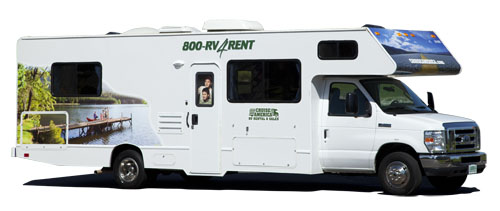
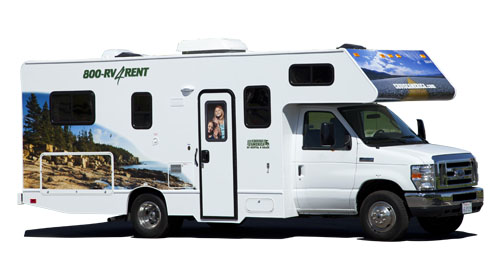
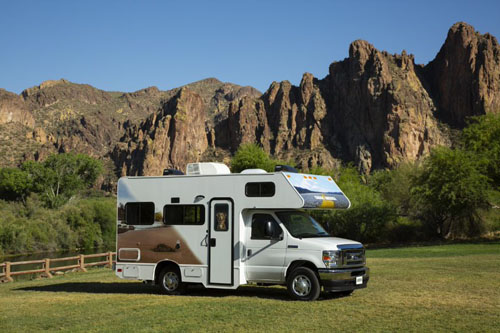
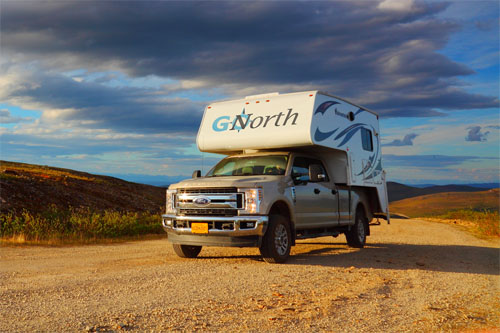
Selecting the right rented RV class, whether a compact Class B campervan for nimble navigation and easier parking, or a larger Class C motorhome offering more space and comfort for families, is crucial for an Alaskan adventure. Consider vehicle capabilities, such as those with higher ground clearance or all-wheel drive options for specific Alaskan terrains and less-maintained road conditions, but be assured that most rental motorhomes are perfectly capable of traversing Alaska's main routes. Locking in your rental dates well in advance, ideally 3-6 months ahead, is highly recommended, particularly if you plan to travel during the bustling summer months when availability shrinks and prices increase. Bandana Caravan, founded in 2001, has over 23 years helping tens of thousands of travelers, and offers a wide selection of Class A, Class B, and Class C motorhomes from over 50 leading RV suppliers worldwide, including trusted names like El Monte and Cruise America. Basic insurance is always included with your rental, but for comprehensive protection and extra peace of mind, you can upgrade to a top-level deductible reimbursement option during the booking process.
🎬 Video coming soon
Pre-Trip Prep - Packing Checklist for Alaska
A comprehensive packing checklist tailored to Alaska’s unpredictable climate is essential for a comfortable and safe RV trip. For clothing, prioritize waterproof and windproof outer layers, warm insulated items (even in summer), sturdy hiking boots, and plenty of insect repellent. In the kitchen, remember to include essential cooking utensils, non-perishable food items, reusable water bottles, and bear-resistant food storage containers to protect against wildlife encounters. Our RV-friendly recipes playlist can provide inspiration for delicious meals on the go. For safety, pack a robust first-aid kit, bear spray (and know how to use it!), an emergency communication device like a satellite messenger, headlamps with extra batteries, and a multi-tool for minor repairs. Critically, ensure you have all necessary documents: your standard car driver's license, the RV rental agreement, insurance details, national park passes, and any specific permits required for protected areas or activities. Planning for these details makes your journey much smoother.
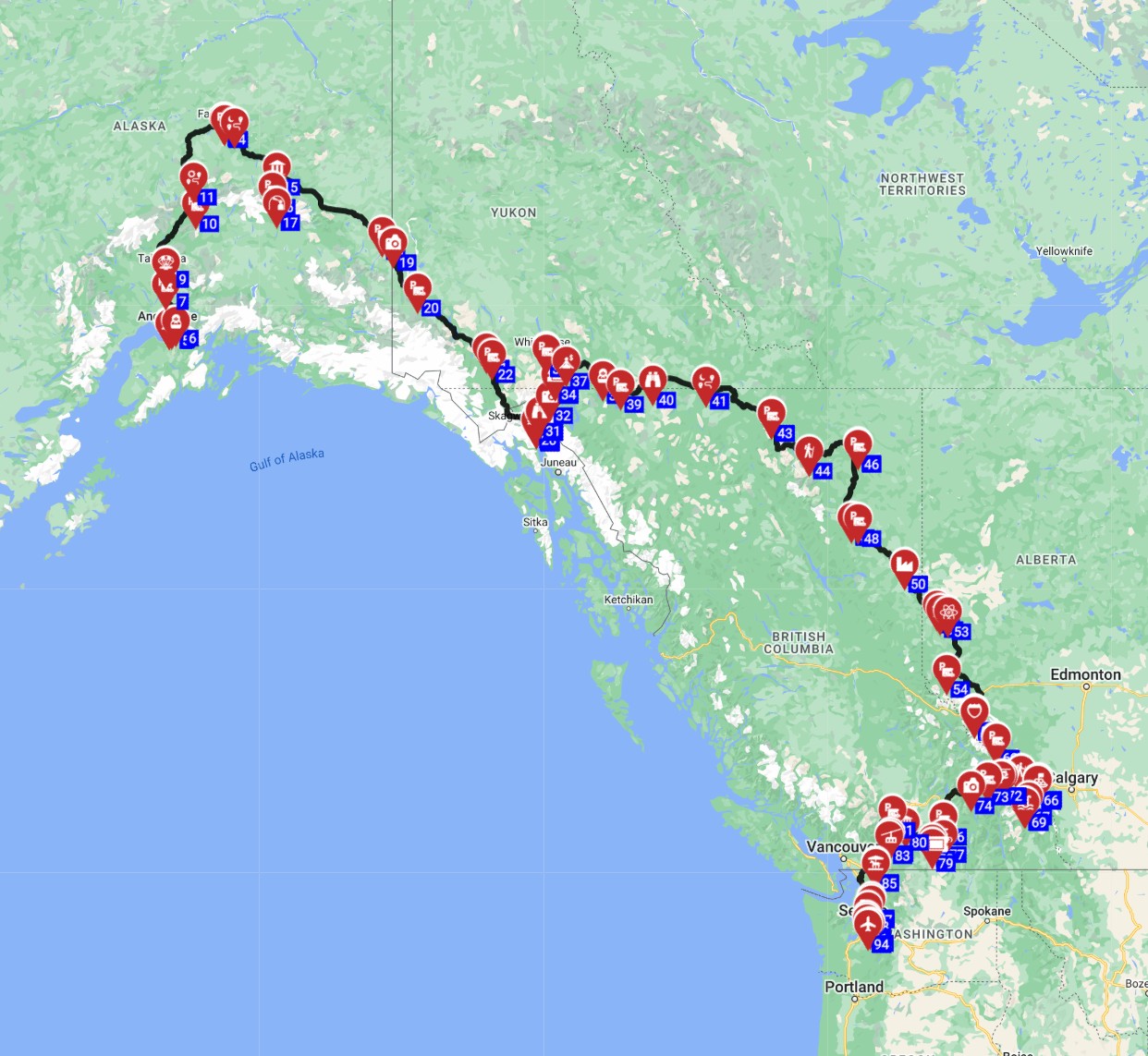
Consider a 2-berth campervan like the "hire campervan example Paradise S/T" with automatic transmission for ease of driving, or a "24' Class C Motorhome" if you need more space, capable of sleeping up to 5 people with a 152/203cm double bed. For routes and planning, explore options like the "
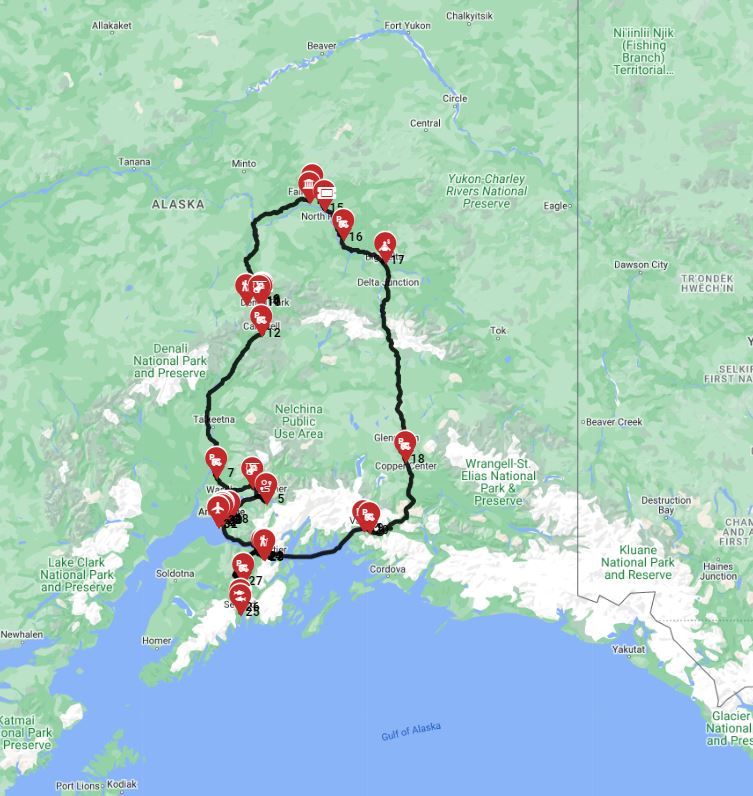
On the Road - Driving, Fueling, Navigation
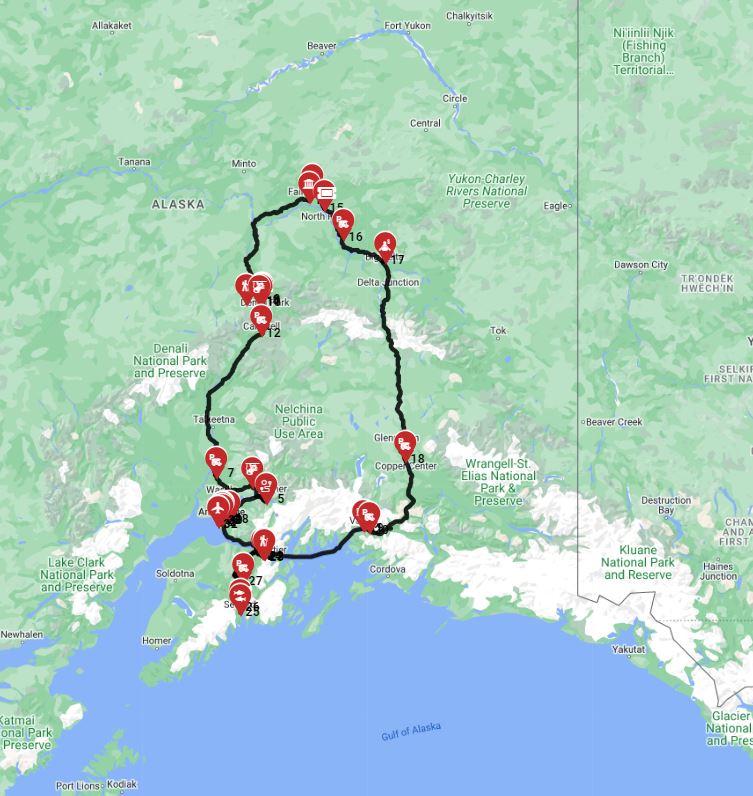
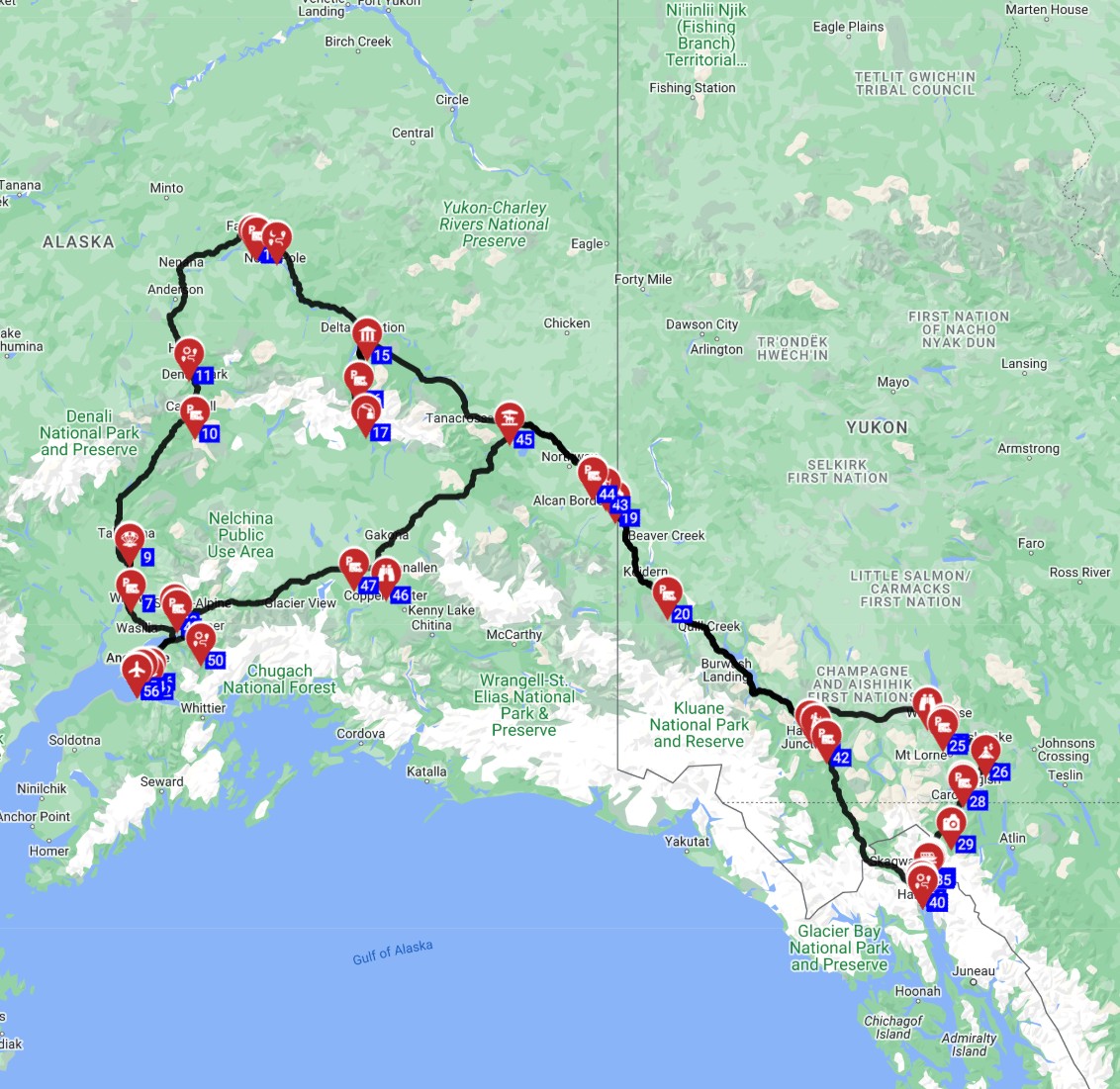
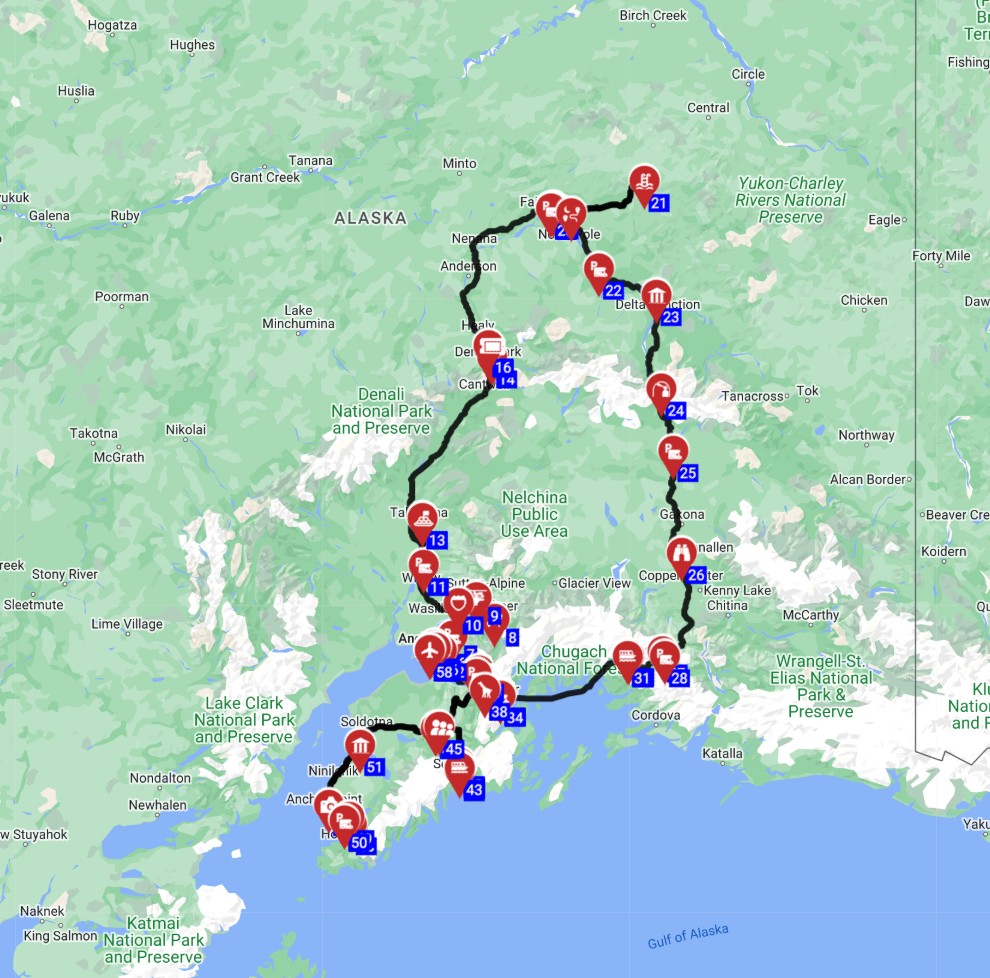
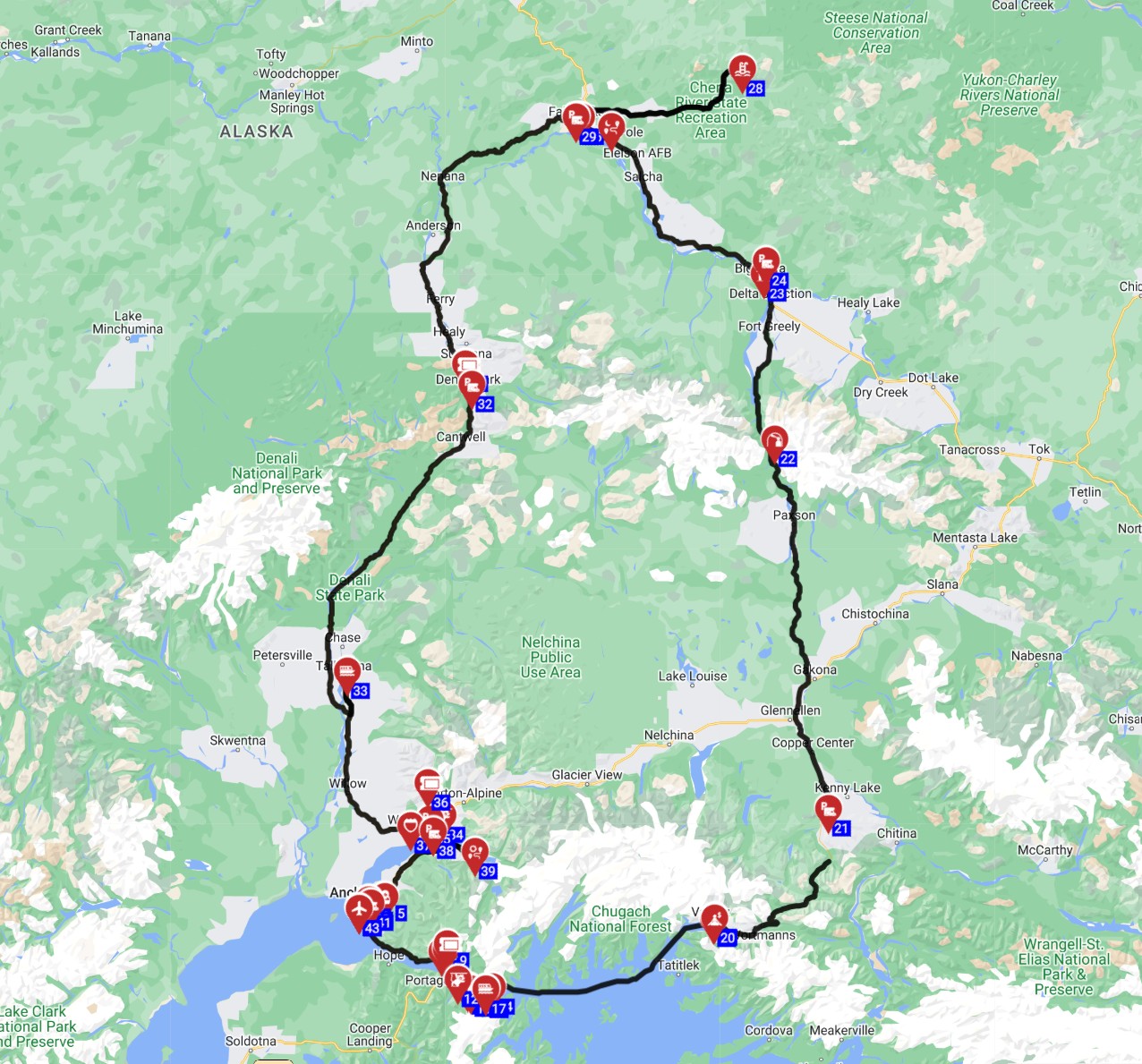
Navigating Alaska's roads requires careful planning, including understanding potential gravel sections, long stretches between fuel stations, and the necessity of offline navigation. Drive slowly and carefully, especially on unpaved roads, and you can drive almost anywhere without issues. No need to stress - just use common sense and pay attention. Always check state road reports, like those from the Alaska Department of Transportation, before departing, as conditions can change rapidly, particularly in spring and fall. Plan your fuel stops meticulously; some remote areas may have services spaced over 200 km apart. Utilizing offline maps on a GPS device or a smartphone app with pre-downloaded maps is highly recommended, as cellular service is often unavailable outside major towns. Perform daily vehicle checks, including tire pressure, fluid levels, and lighting, and carry basic repair tools and a tire repair kit specifically tailored for Alaska's challenging roads. For extended routes like the "
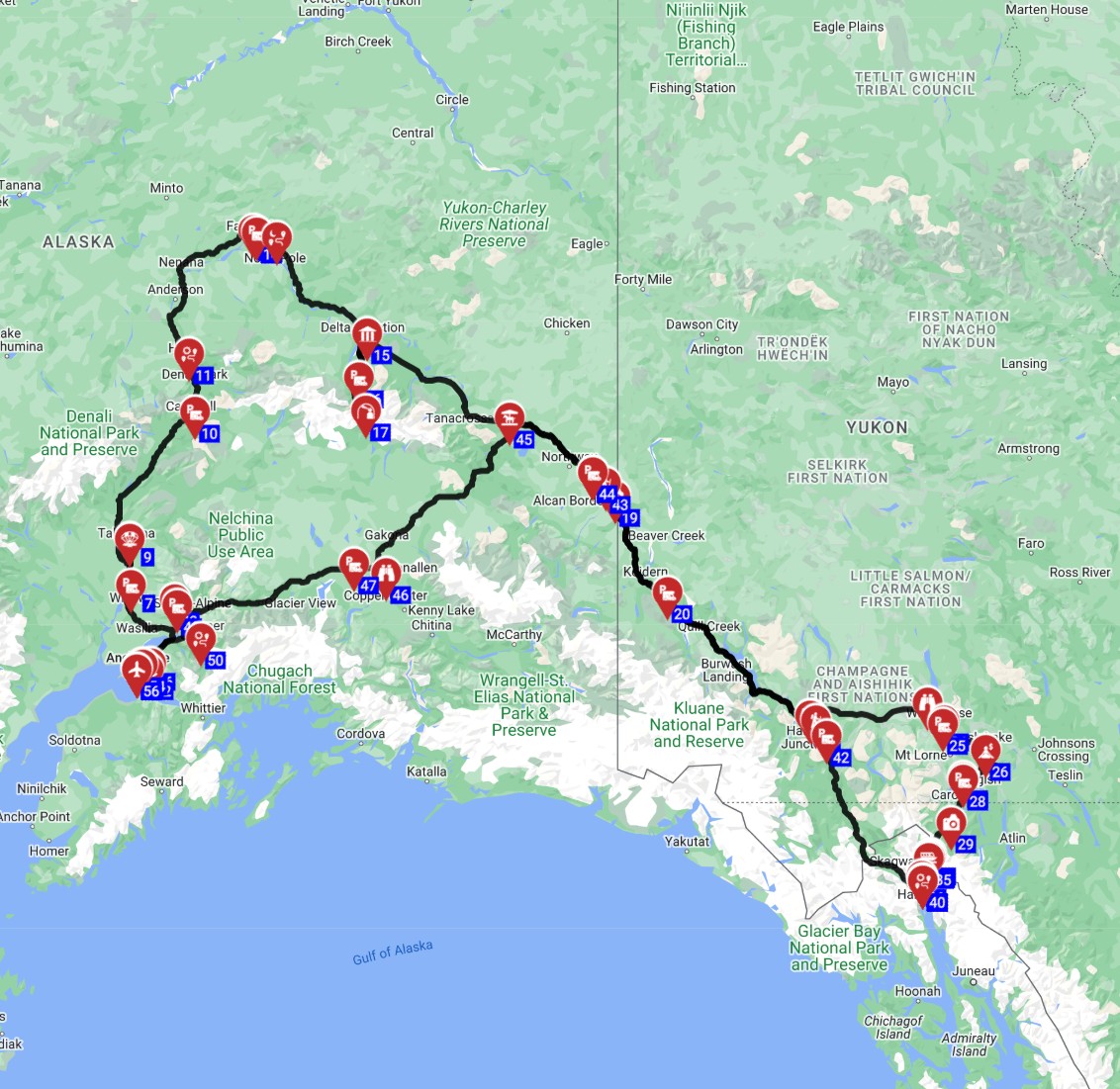
You might be interested in our "One-Way RV Rental in Alaska - Price Guide 2026" if you're considering a flexible itinerary that doesn't loop back to your starting point.
At the Campground - Setup, Hookups & Etiquette
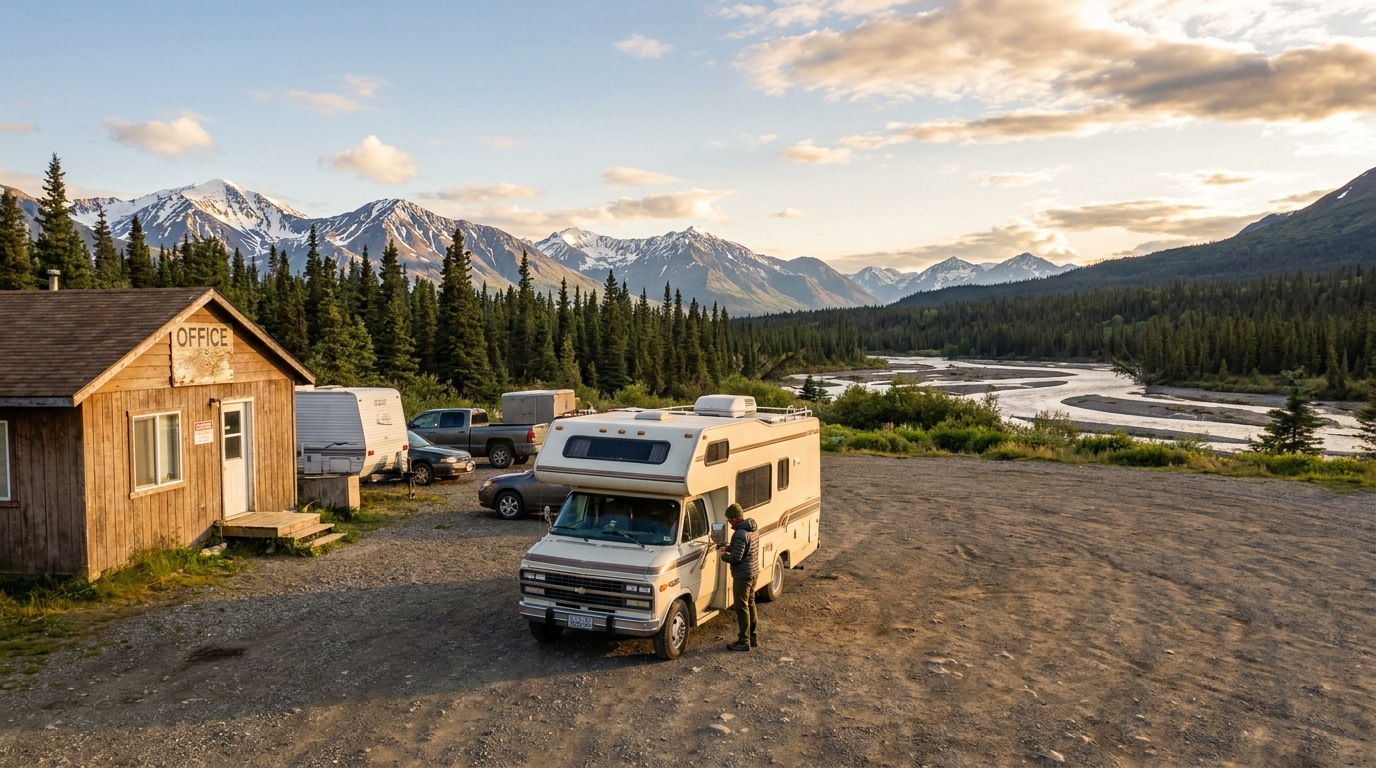
Setting up your rented RV at a campground in Alaska involves proper leveling, connecting hookups in the correct order, and adhering to local etiquette, especially regarding wildlife and quiet hours. Upon arrival, first ensure your RV is level for optimal appliance function, then connect your electrical shore power, followed by the fresh water supply, and finally, the sewer hose if available. Always practice bear-safe food storage protocols; secure all food and scented items in your RV or designated bear-resistant containers, and never leave them outside unattended. Respect quiet hours, which are typically enforced from 10 PM to 7 AM, and be mindful of generator use to ensure a peaceful environment for all campers. Alaska also offers extensive opportunities for dispersed camping and boondocking on public lands, such as national forests and BLM areas, providing unique off-grid experiences in the state's vast wilderness, but always check local regulations for these areas. For finding campsites and campgrounds during your trip, we recommend using RV PLANET (rvplan.net) - a great resource for locating available spots along your route. Additionally, on RV PLANET routes, travelers can itemize and track every expense along the way for easy budgeting. On the routes offered through RV PLANET routes, you can itemize and track every expense along the way for easy budgeting.
rv rental-Specific Tips for Alaska
Tailoring your rented motorhome or campervan choice and trip planning to your specific traveler profile significantly enhances the Alaskan experience, whether you're embarking on a family vacation, a serene journey as a retired couple, or a budget-conscious group adventure. Families might prefer larger Class C motorhomes with multiple sleeping areas, such as the "Euro Deluxe" model that offers 3 double beds, and should plan for kid-friendly activities with nap-friendly drive schedules. Retired couples might prioritize ergonomic Class B campervans or smaller Class C motorhomes for ease of driving and comfortable amenities, like a "Luxury Small" model ideal for a couple. Budget-conscious travelers can save significantly by utilizing free overnight spots on public lands, cooking most meals in their RV's kitchen, and researching fuel-efficient routes, especially considering the average fuel consumption of 11-13 Liters/100 km for some smaller motorhomes. Pet owners must research pet restrictions in national and state parks and ensure their chosen RV is pet-friendly, with adequate space and safety measures for their furry companions. You can find more targeted advice in our "RV Travel Guide to Alaska - Tips and Top Spots 2026" video.
An "alaska rv rental example Paradise Family 5" could be perfect for a small family with its automatic transmission and ample sleeping. For larger groups, a "Denali Searcher 30 - Gold" Class C motorhome can sleep up to 9 people and features a 208 Liter fuel tank for long journeys.
Common Mistakes to Avoid in Alaska
Avoiding common pitfalls like underestimating distances or neglecting wildlife safety ensures a smoother and more enjoyable rented RV trip through Alaska's expansive wilderness. Instead of strictly adhering to aggressive daily mileage goals, account for scenic stops, wildlife viewing opportunities, and slower speeds on Alaskan roads; we recommend slow travel, averaging a maximum of 100-150 km per day. Rather than relying solely on sporadic cell service, carry a satellite communication device or a two-way radio for emergencies in remote areas where coverage is often nonexistent. Crucially, do not neglect wildlife protocols: store all food securely in bear-resistant containers, know how to react safely during animal encounters (especially with bears, moose, and caribou), and maintain safe viewing distances. Instead of overpacking, focus on versatile layers and essential gear; many towns offer laundry facilities, minimizing the need for excessive clothing. Lastly, research and book specific permits required for entry or camping in various national parks, state parks, and other protected areas well in advance, as regulations can vary and spots, while often first-come, first-serve, can fill quickly.
What is the 3-3-3 rule for RVs?
The 3-3-3 rule for RVs suggests traveling no more than 300 miles (approximately 480 km) a day, arriving at your chosen campsite by 3 PM, and staying for at least 3 nights at each location. This guideline promotes a relaxed travel pace, significantly reduces driver fatigue, and allows ample time to truly explore and connect with each destination in Alaska. Adhering to this rule can help prevent rushed experiences and enhance enjoyment of Alaska's scenic beauty, encouraging a deeper immersion into the local culture, food, and scenery, which is a core philosophy at Bandana Caravan.
What is the 4-4-4 rule for RV travel?
The 4-4-4 rule for RV travel is a variation of the 3-3-3 rule, suggesting you limit daily driving to approximately 400 miles (about 640 km), aim to arrive at your destination by 4 PM, and ideally stay for at least 4 nights, promoting a slightly more leisurely pace for some travelers than the 3-3-3 rule. This rule is often adopted by experienced RVers looking to maximize their time at each location without feeling rushed. It provides a flexible framework for balancing travel time with ample opportunity for sightseeing, recreation, and relaxation, especially when traversing the long distances found in Alaska.
Should I rent an RV in Alaska?
Renting an RV in Alaska is an excellent way to experience the state's vast landscapes, offering unparalleled flexibility to explore at your own pace and access remote areas, especially during the summer season. A rented motorhome or campervan provides the freedom to follow spontaneous itineraries, stay in scenic campgrounds, and immerse yourself deeply in nature. It can be a cost-effective option for families or groups compared to combining hotels and dining out, particularly with opportunities for boondocking and cooking meals in your RV's kitchen. Consider a "Patagonia Camper 4x4 double cab" for enhanced off-road capability, or a "alaska rv rental example Category B" Class C motorhome for families, which can sleep 4-5 people. RVs also facilitate unique cultural experiences and authentic, non-touristy stops by allowing travelers to venture beyond city centers and explore at their leisure. With our full transparency commitment, you'll never encounter hidden fees or surprises.
What do I need to know before renting an RV?
Before renting an RV for your Alaska adventure, it's crucial to understand rental costs, insurance options, available vehicle classes, and the specific requirements for driving in the state. Research different RV classes; Class A motorhomes offer spacious luxury, Class C motorhomes (like the "rv rentals example Comfort Class" which sleeps a big family or group of friends) provide a balance of size and maneuverability, and Class B campervans (like the "rv rental denver example Category Van" ideal for a couple) are compact and fuel-efficient. Understand all potential rental costs, which are dynamic and can change daily, including daily rates, mileage fees, generator usage, cleaning fees, and security deposits. Review insurance coverage options carefully, distinguishing between basic liability, collision damage waiver (CDW), and supplemental liability insurance (SLI; you can always upgrade to a top-level deductible for peace of mind). Be aware that the minimum rental age is 21 for all motorhome classes, with no young driver surcharges. Familiarize yourself with booking requirements and permits needed for various national and state parks in Alaska; while many national/state parks reserve only 25-30% of spots in advance, the rest are first-come, first-serve. Call ahead before driving to secure a spot.
What is the 3 3 3 rule for rving?
The "3-3-3 rule for RVing" is a popular guideline advising travelers to drive no more than 300 miles (480 km) per day, arrive at their campground by 3 PM, and stay for a minimum of 3 nights at each location to avoid burnout and fully enjoy the experience. This rule helps prevent the fatigue of continuous long drives and ensures sufficient time for relaxation and local exploration, fostering a deeper connection with each stop rather than rushing through destinations. Following this rule can significantly reduce stress and enhance the overall quality of an RV adventure in Alaska, allowing you to truly feel the place, connect to the culture, the food, and the scenery.
How much rent RV in Alaska average cost?
The average cost to rent an RV in Alaska can range from $150 to $400+ per night, depending on the RV class, time of year, rental duration, and included amenities, not including additional trip expenses like fuel, campground fees, or activities. Peak season (June-August) typically sees the highest rental prices due to surging demand. Larger, more luxurious Class A motorhomes or those with specialized features may command higher rental rates, while a compact Class B campervan like the "2 Berth Hi Top" can offer more budget-friendly options. Additional costs to factor into your budget include mileage charges, generator usage fees (if applicable), comprehensive insurance coverage (like an optional top-level deductible reimbursement), cleaning fees, and propane. When budgeting for your Alaskan journey, remember to factor in significant fuel costs due to the state's vast distances and potentially higher fuel prices compared to other regions. Prices are dynamic like flight tickets, changing daily based on availability and seasonality; the final price is set at the actual booking time.
If you're interested in managing trip costs, our "RV Rental Deals in Alaska - Latest Offers 2026" provides useful tips for finding competitive pricing.
Is it cheaper to rent an RV or stay in a hotel?
Whether it's cheaper to rent an RV or stay in a hotel in Alaska depends heavily on your trip duration, the number of travelers in your party, chosen activities, and personal comfort preferences. RV costs include rental fees, fuel, campground fees, and groceries, while hotels involve lodging and often dining out, plus separate transportation costs. For families or groups of 4-7 people, a rented motorhome or campervan can often be more economical because it combines lodging and transportation, and allows for significant cost savings through cooking meals in your fully equipped kitchen. Hotels may seem cheaper per night initially, but added costs like car rental, daily restaurant meals (especially with Alaska's prices), and tours can quickly add up. RV travel offers flexibility for boondocking or staying at less expensive public campgrounds, further reducing lodging costs. Cost-saving strategies for RV travel include planning fuel-efficient routes, grocery shopping at local stores, and taking advantage of activity discounts. Bandana RV offers full transparency with no hidden fees, helping you compare costs effectively.
What is the 4-4-4 rule for RV?
The "4-4-4 rule for RV" travel is a guideline suggesting you limit daily driving to approximately 400 miles (around 640 km), aim to arrive at your destination by 4 PM, and ideally stay for at least 4 nights, promoting a leisurely travel pace. This rule is often adopted by experienced RVers looking to maximize their time at each location without feeling rushed and encourages deeper exploration. It provides a flexible framework for balancing the extensive travel times often required in Alaska with ample opportunity for sightseeing, recreation, and relaxation. Adhering to this guideline can help ensure a more rejuvenating and memorable RV journey across the diverse Alaskan landscape.
What is the best time of year to RV to Alaska?
The best time of year to RV to Alaska is typically during the summer months, from mid-May to mid-September, when daylight hours are longest, weather is mildest, and most roads and attractions are fully accessible. During this period, temperatures are generally pleasant (averaging 15-20°C in July), wildlife is active and easier to spot, and all services for RVers, including campgrounds and visitor centers, are fully operational. Shoulder seasons (early May and late September) offer unique benefits like fewer crowds, potentially lower rental costs, and increased opportunities to see the magnificent Northern Lights. However, shoulder season travel comes with cooler temperatures (potentially below 5°C) and some limited services or road closures due to snow or ice. Traveling in the off-season, while offering a chance for unique experiences, requires extensive preparation for harsh winter weather and significantly limited access to roads and facilities. Our "RV Rental USA - Complete Guide 2026" can provide a broader context for seasonal travel across the country.
What not to forget on an RV trip?
Essential items not to forget on an RV trip to Alaska include appropriate clothing layers for varied weather, a comprehensive first-aid kit, emergency communication devices, reliable navigation tools, and all necessary travel documents like permits and insurance. Beyond clothing, remember kitchen essentials such as pots, pans, and utensils for preparing meals, along with non-perishable groceries for remote stretches. For safety, pack bear spray, a satellite messenger or two-way radio for areas without cell service, a powerful flashlight or headlamp with extra batteries, and roadside emergency gear like jumper cables and a tire repair kit. Don't forget entertainment like books, games, binoculars for incredible wildlife viewing, and a camera to capture Alaska's breathtaking scenery. Critically, bring all relevant documents: your standard driver's license, the RV rental agreement, insurance details (consider upgrading to top-level deductible reimbursement), national park passes, and any special permits required for specific Alaskan areas or activities, ensuring a hassle-free adventure.
What You Shouldn't Miss
- **Drive the Seward Highway:** This incredibly scenic route, unofficially known as the "Ice Cream Highway" for its abundant glaciers, offers breathtaking views from Anchorage to Seward.
- **Explore Denali National Park & Preserve:** Venture deep into the wilderness to spot grizzly bears, moose, caribou, and North America's tallest peak, Denali. Remember to plan for bus tours as personal vehicles have limited access past Savage River (mile 15).
- **Visit Kenai Fjords National Park:** Take a boat tour from Seward to witness towering tidewater glaciers, marine wildlife like whales and sea otters, and dramatic coastal landscapes.
- **Experience the Alaska Marine Highway System:** Take your rented RV onto a ferry to explore the remote and roadless communities of Southeast Alaska, offering a truly unique "RV cruise" experience to places like Juneau and Sitka.
- **Wildlife Viewing in Homer:** Known as the "Halibut Fishing Capital of the World," Homer also offers fantastic opportunities for bear viewing trips, birdwatching, and exploring the famous Homer Spit.
- **Looking for expert insights from Avi Bandana? Top 5 Adventures - recommendations from Avi Bandana**
Final Thoughts
An RV adventure in Alaska is more than just a trip; it's an immersive experience that puts you directly in touch with one of the world's most spectacular natural environments. With careful planning, the right vehicle, and an adventurous spirit, you're set to create memories that will last a lifetime. Remember, our philosophy at Bandana RV is all about helping you discover this incredible way to travel with confidence and ease. We believe God is in the small details, and we take care of them so you don't have to stress, ensuring your journey is as smooth and enjoyable as possible.
Whether you dream of majestic mountains, abundant wildlife, or quiet nights under the Northern Lights, Alaska by rented motorhome is an unforgettable journey. We're here to support you before, during, and after your booking, making sure every step is transparent and tailored to your needs. So, imagine yourself on the route, breathe in that crisp Alaskan air, and get ready for an adventure of a lifetime.
Discover top destinations and planning tips, all in one place! Find rv Rentals in Alaska and start planning your epic Alaskan road trip today!