In This Guide
- The 4 RV Families Compared for West Canada
- Class A (Integrated) — Best For
- Price Comparison by RV Class in West Canada
- Class SI (Semi-Integrated) — Best For
- Class C (Alcove) — Best For
- Class B (Campervan) — Best For
- Side-by-Side Comparison Table
- Our Recommendation for one way rv rental Travelers in West Canada
- How much does a one way RV rental truly cost in West Canada?
- What is the best time of year for a one way RV trip in West Canada?
- What are the practical challenges of RVing in West Canada's mountains?
- What type of RV is best for specific routes like the Sea-to-Sky Highway?
- Is boondocking or wild camping legal and safe in West Canada?
- Where can I find unique RV destinations beyond the main hubs in West Canada?
- How can I ensure sustainable RV travel in West Canada?
- What You Shouldn't Miss
- Why Book with Bandana Caravan
- Final Thoughts
- Frequently Asked Questions
Embarking on a one-way RV rental adventure in West Canada offers an unparalleled opportunity to explore diverse landscapes, from the majestic Rocky Mountains to the rugged Pacific coastline, at your own pace. With a rented motorhome, you gain the freedom to craft an itinerary that flows seamlessly from one incredible destination to the next, without the need for round-trip returns or backtracking. For live availability and current prices, start with our RV Rental West Canada - Complete Guide 2026 guide.
The 4 RV Families Compared for West Canada
Choosing the right RV class is crucial for one-way rentals in West Canada because the region presents varied terrain, climate, and potential trip lengths that impact your travel comfort and experience. Factors like navigating mountain passes, accessing remote provincial parks, and accommodating your group size should heavily influence your selection. Each motorhome class offers distinct advantages for comfort, maneuverability, and cost-efficiency, directly shaping your journey from the moment of pick-up to the final drop-off location. Remember, a standard car driver's license is all you need for any motorhome class, so don't let size intimidate you – just drive slowly and carefully, and you can drive almost anywhere without issues.
Class A (Integrated) — Best For
Class A integrated motorhomes, typically averaging 7.5 meters (25 feet) in length within Bandana's fleet, offer the most spacious and luxurious experience, comfortably sleeping around 4-6 people. These large, bus-like RVs are best suited for big families or groups seeking maximum living space, high-end amenities, and superior comfort on extended one-way trips, especially when traveling primarily on major highways across West Canada. While they provide a commanding view of the road and ample storage, their larger size results in higher fuel consumption, generally around 11-12 liters per 100 km, and requires more careful navigation on narrower roads or in urban centers. Consider a Class A motorhome rental in West Canada for a truly grand adventure.
🎬 Video coming soon
Price Comparison by RV Class in West Canada
RV pricing is dynamic and flex-rate, meaning costs can vary significantly based on the motorhome class, rental duration, season, and the specific one-way pick-up and drop-off locations within West Canada. For example, a one-way trip from Vancouver to Calgary will likely have a different drop-off fee and daily rate than a shorter journey. The prices presented below are realistic examples pulled from Bandana's live search, serving as estimates that update daily based on availability and demand for one-way RV rentals in West Canada. Always check the search box at the top of the page for the most current rates for your specific travel dates and desired route.
Live April Price Comparison — RV Class × Trip Length
| Trip length | Class A | Class B | Class C | Class SI | Class TC |
|---|---|---|---|---|---|
| 1 week 15/04 → 22/04 | Check prices | 982.26 $ AU | 1,663.72 $ AU | 1,501.00 $ AU | 2,064.96 $ AU |
| 2 weeks 15/04 → 29/04 | Check prices | 1,841.74 $ AU | 2,842.46 $ AU | 2,588.48 $ AU | 3,871.80 $ AU |
| 1 month 01/04 → 30/04 | Check prices | 3,435.66 $ AU | 5,589.57 $ AU | 5,009.45 $ AU | 6,977.99 $ AU |
Estimates only — flex-rate prices change daily based on availability and season.
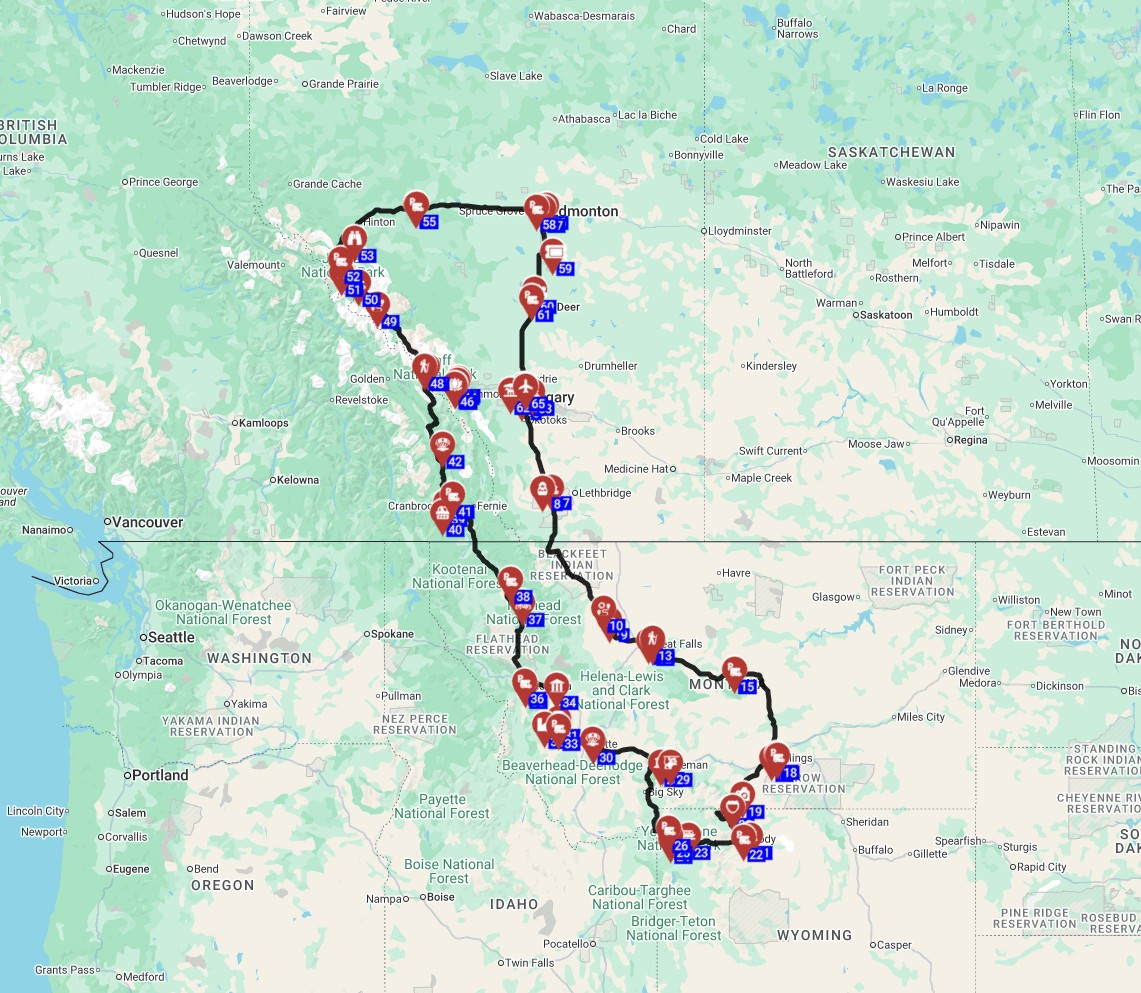
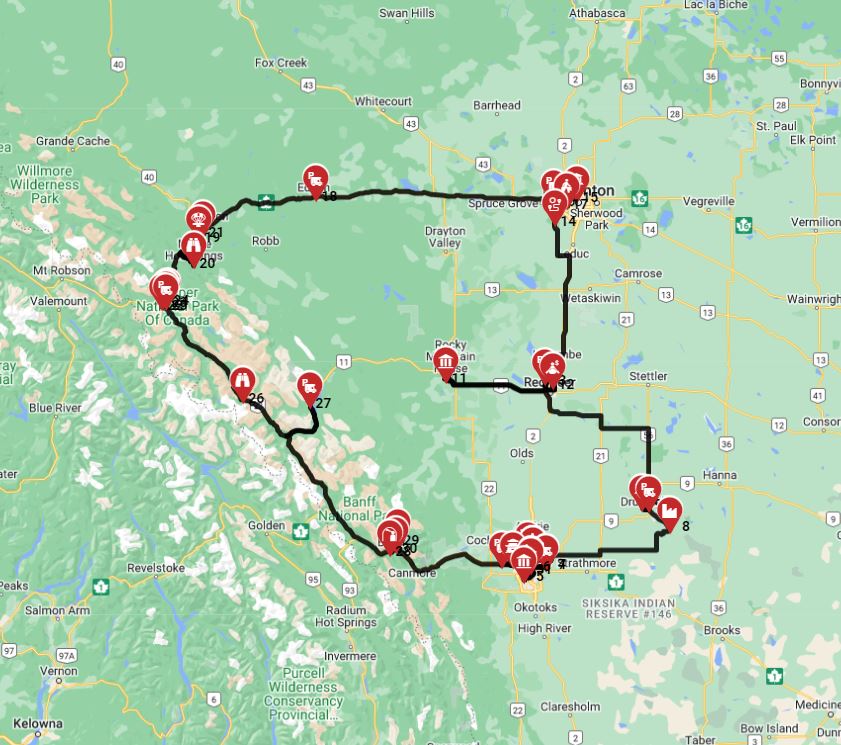
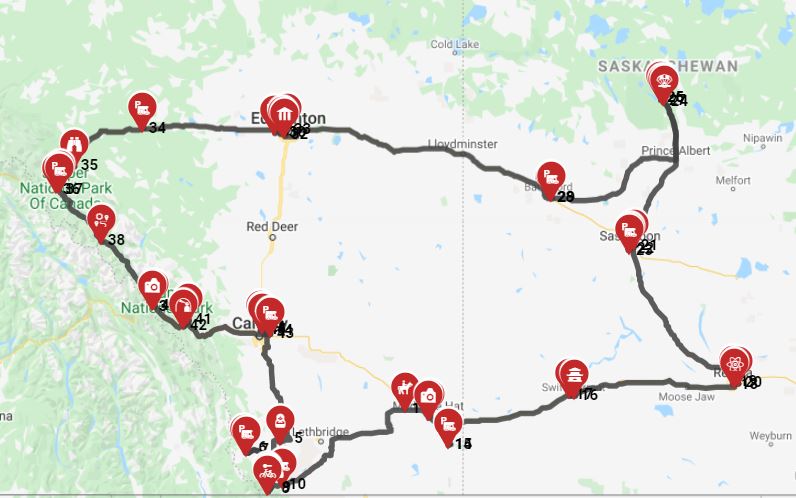
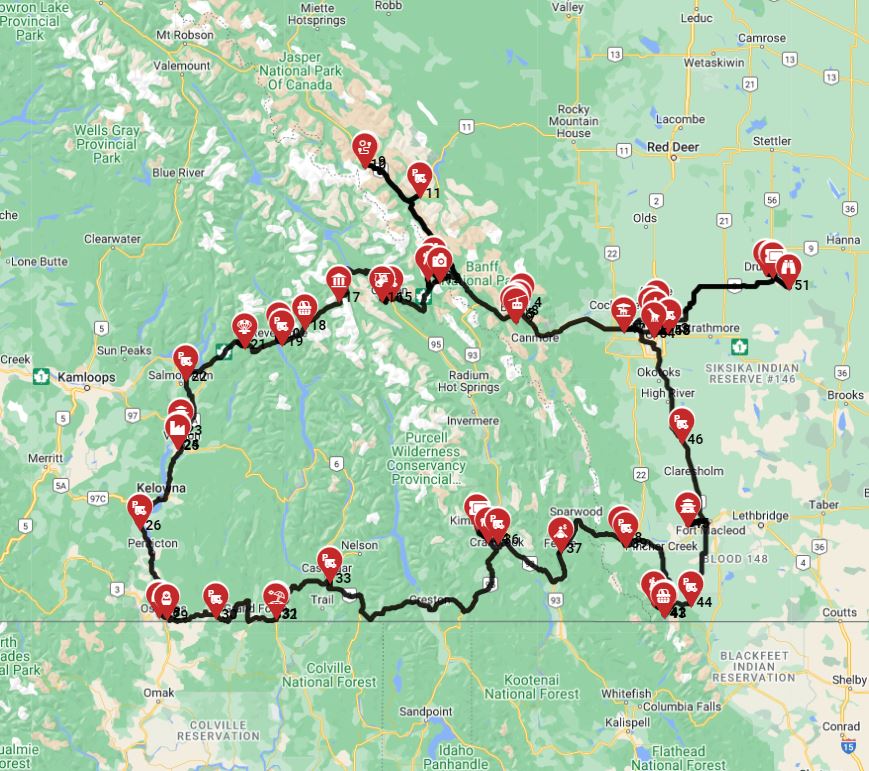
When planning your budget for a one-way motorhome trip in West Canada, remember to account for ancillary costs beyond the daily rental rate. These include fuel, campground fees, propane, and activity permits, which can add a significant amount to your total trip cost. Fortunately, RV PLANET routes allow travelers to itemize and track every expense along the way for easy budgeting, ensuring full transparency in your financial planning. On the routes offered through RV PLANET routes, you can itemize and track every expense along the way for easy budgeting.
Class SI (Semi-Integrated) — Best For
Bandana's fleet of Class SI semi-integrated motorhomes typically averages 6.9 meters (23 feet) in length, sleeping around 3-4 people comfortably, with fuel consumption of about 10-11 liters per 100 km. This class offers a superb balance of comfort, essential amenities, and relatively easier drivability compared to the larger Class A units. Semi-integrated RVs are an ideal choice for couples or small families embarking on one-way trips who want to thoroughly explore West Canada's diverse landscapes, including both main highways and some smaller provincial parks and charming towns. They strike a great balance between interior space and external maneuverability.
Class C (Alcove) — Best For
Class C alcove motorhomes in Bandana's fleet typically measure around 7.5 meters (25 feet) long, comfortably sleeping 4-6 people, and averaging 10-12 liters per 100 km in fuel consumption. Characterized by their distinctive overhead sleeping area (the "alcove"), Class C RVs are a perfect choice for families with children or groups needing extra sleeping capacity without compromising on comfort. They provide a good blend of living space and relative ease of handling on West Canada's major routes and in established campgrounds, making them a consistently popular choice for one-way family adventures. For families looking for optimal comfort and space, consider a Class C motorhome rental in West Canada.
Class B (Campervan) — Best For
Bandana's Class B campervans typically average 5.8 meters (19 feet) in length, comfortably sleeping 2-3 people, and boast excellent fuel consumption around 8-10 liters per 100 km. These compact and highly fuel-efficient RVs are best suited for nimble, flexible one-way travel, especially for couples or solo adventurers. Their superior maneuverability makes them ideal for navigating winding roads like British Columbia's scenic Sea-to-Sky Highway, fitting into smaller, more secluded campsites, and easily exploring urban areas of West Canada without feeling overwhelmed by vehicle size. If you want a truly flexible and efficient experience, a Class B campervan rental in West Canada is an excellent choice.
Side-by-Side Comparison Table
This table offers a quick overview of key specifications for each RV family available for one-way rental in West Canada, helping you compare options at a glance. When making your decision, consider factors like average length, sleeping capacity, and fuel efficiency in relation to your planned one-way route and the size of your travel party. The 'Best Use Case' column provides tailored advice for navigating West Canada's diverse landscapes and maximizing your rental experience.
| Family | Avg Length | Sleeps | Fuel Use (L/100km) | Best Use Case in West Canada |
|---|---|---|---|---|
| Class A (Integrated) | 7.5 m | 4-6 | 11-12 | Luxury, large groups, long highway trips |
| Class SI (Semi-integrated) | 6.9 m | 3-4 | 10-11 | Balanced comfort and maneuverability for couples/small families |
| Class C (Alcove) | 7.5 m | 4-6 | 10-12 | Family-friendly with extra sleeping, good for established campgrounds |
| Class B (Campervan) | 5.8 m | 2-3 | 8-10 | Nimble, fuel-efficient for couples/solo, urban and winding roads |
Our Recommendation for one way rv rental Travelers in West Canada
For one-way RV travelers in West Canada seeking an optimal balance of comfort, amenities, and drivability across varied terrain, the **Class SI (Semi-Integrated) motorhome** is our primary recommendation. Its manageable average length of 6.9 meters offers comfortable living space for small families or couples while remaining relatively easy to drive on both major highways and winding provincial roads. A strong runner-up, especially for those prioritizing maximum maneuverability, excellent fuel efficiency (8-10 L/100km), and a more minimalist, flexible travel style, is the **Class B (Campervan)**, ideal for solo adventurers or couples navigating tight spots and urban centers.
How much does a one way RV rental truly cost in West Canada?
A one-way RV rental in West Canada involves several key costs: the daily rental rate, a substantial one-way drop-off fee which can range from $500 to $1500+ CAD depending on the pick-up and drop-off locations and seasonality, fuel expenses, campground fees, insurance, and provisions. While the upfront costs might seem higher than a traditional round-trip rental, a motorhome can be more cost-effective than combining separate hotel stays with a car rental for extended trips by significantly reducing dining out expenses and providing accommodation flexibility. When budgeting, meticulously account for fuel consumption, which can range from 8 L/100km for a campervan to 12 L/100km for a Class A motorhome, as well as private versus national/provincial park fees, typically between $30-$70 CAD per night, and any necessary permits for specific areas. For comprehensive planning and to manage all these costs, remember that RV PLANET routes allow you to itemize and track every potential expense.
Booking flexibility can also impact your overall costs. While many people like to pre-plan, spontaneous travelers can often find last-minute availability, though prices might be higher or lower depending on demand. It's helpful to know that many national and provincial parks reserve only 25-30% of their spots for advance booking, leaving the majority for first-come-first-serve. So don't stress if you haven't booked every night in advance; you'll find a spot. If not at the first campground, then the next one – just call ahead before driving.
What is the best time of year for a one way RV trip in West Canada?
The best time for a one-way RV trip in West Canada is generally during the late spring (May-June) and early autumn (September-October) shoulder seasons, offering pleasant weather, fewer crowds, and most facilities remaining open. Spring showcases blooming wildflowers and melting glaciers, while fall treats travelers to vibrant autumn foliage, especially in areas like the Okanagan Valley and the Rocky Mountains. Summer (July-August) provides the warmest temperatures and full accessibility to all attractions and campgrounds, including high-elevation passes, but this also coincides with peak tourist crowds and higher rental prices. Traveling in the shoulder seasons can offer lower rates for RV rentals and quieter parks, though you should be aware that some campgrounds or mountain passes may still be closed early or late in the season. Always check road and park conditions before you travel.
What are the practical challenges of RVing in West Canada's mountains?
RVing in West Canada's majestic mountainous terrain presents several practical challenges, primarily navigating steep grades and winding roads, which require careful driving and often using lower gears, especially for larger Class A or C units. Drivers should expect to drive slower, around 80-90 km/h, on mountain highways. Another significant consideration is that cell service can be intermittent or completely nonexistent in many remote areas, necessitating preparation with offline maps, a satellite communication device, or simply planning for periods without connectivity. Lastly, managing supplies and waste demands diligent planning, as gas stations, grocery stores, and dump stations may be sparse in less developed regions; always carry extra water, food (our RV-friendly recipes playlist can inspire your meals!), and ensure your grey and black water tanks are managed responsibly at designated dump sites.
What type of RV is best for specific routes like the Sea-to-Sky Highway?
For winding and scenic routes in West Canada, such as British Columbia's iconic Sea-to-Sky Highway (Highway 99), smaller, more maneuverable RVs are generally best, offering easier navigation, parking at popular viewpoints, and less driving stress. Class B campervans, with their compact dimensions (averaging 5.8 meters), are ideal for these routes due to their car-like handling. Class SI semi-integrated motorhomes (around 6.9 meters) also perform very well, providing a good balance of comfort and agility. While larger Class A or C RVs can certainly navigate these routes, they may find parking and tight turns more challenging, potentially limiting the spontaneity of stopping at every scenic vista. Always choose an RV that aligns with your comfort level for the road conditions.
Is boondocking or wild camping legal and safe in West Canada?
Boondocking, or "random camping," is legal on vast tracts of Crown land in both British Columbia and Alberta, provided you conduct proper research and strictly adhere to Leave No Trace principles, prioritizing safety by selecting secure, appropriate locations away from private property or restricted areas. Always research the specific region you plan to visit, as regulations can vary significantly by province and even within different Crown land management areas; detailed maps and provincial government websites often indicate legal Crown land access points. For safety, be aware of wildlife, secure your rented vehicle, inform someone of your itinerary, and carry emergency supplies; never camp on private land without explicit permission, and be mindful of fire bans in dry seasons. Remember to leave no trace of your presence to preserve these beautiful natural areas for future travelers.
Where can I find unique RV destinations beyond the main hubs in West Canada?
Beyond highly popular destinations like Banff and Jasper National Parks, West Canada offers numerous unique RV destinations, including lesser-known provincial parks such as Kootenay, Wells Gray, Mount Assiniboine, and charming small towns like Nelson, Fernie, or Ucluelet on Vancouver Island. To truly immerse yourself in the culture, seek out Indigenous cultural experiences by visiting cultural centers, engaging with local communities, or exploring sites like the Ktunaxa Interpretive Centre to learn about the rich history and traditions of First Nations people. Consider exploring off-the-beaten-path routes, such as Alberta's historic Cowboy Trail for a taste of ranching heritage, or smaller loops on Vancouver Island for a different perspective and local charm. These less-traveled spots often provide more authentic and tranquil experiences for your RV adventure.
For those who love cycling and scenic routes, consider an expertly crafted route plan like the

How can I ensure sustainable RV travel in West Canada?
Ensuring sustainable RV travel in West Canada involves consciously practicing Leave No Trace principles by packing out all trash, staying on designated trails, and respecting local wildlife habitats to minimize environmental impact. Conserve valuable resources by limiting shower times, using efficient appliances (many modern rental RVs are designed with efficiency in mind), and properly disposing of grey and black water at designated dump stations, never in natural environments. Supporting local communities is also key to sustainable tourism; purchase supplies from small businesses, dine at local restaurants, and engage with local artisans to contribute directly to the regional economy. Choosing a reputable supplier, like Bandana's partners such as El Monte, Cruise America, Apollo, and Britz, who often prioritize environmentally conscious practices, further supports responsible travel.
Looking for expert insights from Avi Bandana? Top 5 Adventures - recommendations from Avi Bandana.
What You Shouldn't Miss
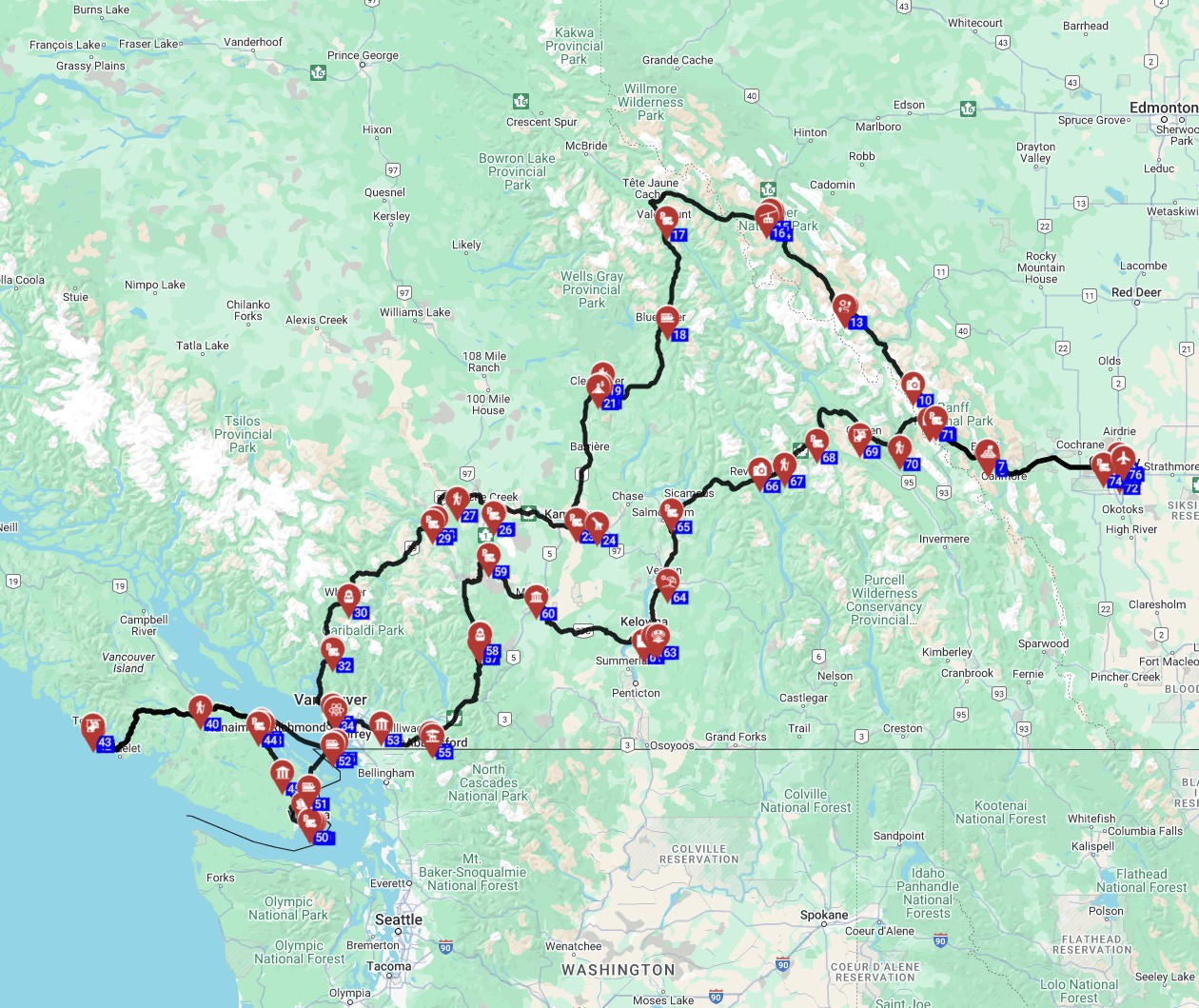
- **Icefields Parkway (Alberta):** Drive this breathtaking 232-km highway connecting Banff and Jasper National Parks, offering glacier views, turquoise lakes, and abundant wildlife.
- **Banff National Park (Alberta):** Explore iconic Lake Louise and Moraine Lake, hike diverse trails, and soak in the Upper Hot Springs.
- **Vancouver Island (British Columbia):** Take a ferry to Tofino for world-class surfing, old-growth forests, and stunning coastal scenery.
- **Okanagan Valley (British Columbia):** Experience diverse microclimates, known for its vineyards, fruit orchards, and numerous lakes perfect for water activities.
- **Dinosaur Provincial Park (Alberta):** Discover a UNESCO World Heritage Site with an otherworldly badlands landscape and one of the richest dinosaur fossil fields in the world.
- **Yoho National Park (British Columbia):** Visit Takakkaw Falls (Canada's second-highest waterfall), Emerald Lake, and the unique Spiral Tunnels railway marvel.
Final Thoughts
A one-way RV rental in West Canada offers an incredibly liberating way to experience the vast beauty of this region. Imagine waking up to mountain views, cooking breakfast in your camper, and hitting the road toward your next unique destination without the need to circle back. From the bustling cities of Vancouver and Calgary to the serene wilderness of the Rockies, a rented motorhome provides the perfect mobile base.
Remember to embrace the philosophy of slow travel; aim for an average of 100-150 km per day. This allows you ample time to truly feel each place, connect with the local culture, savor the delicious food, and immerse yourself in the stunning scenery. Whether you choose a nimble campervan or a spacious Class C motorhome, your West Canada one-way adventure promises unforgettable memories.
Ready to compare one way RV rental options in West Canada and start planning? Let Bandana help you find the ideal motorhome for your journey with full transparency and dedicated support every step of the way. Discover top destinations, planning tips, all in one place and plan a trip itinerary in advance with minimal effort and maximum enjoyment.