In This Guide
- The 5 RV Families Compared for Alaska
- Class A (Integrated) - Best For
- Price Comparison by RV Class in Alaska
- Class SI (Semi-Integrated) - Best For
- Class C (Alcove) - Best For
- Class B (Campervan) - Best For
- Class TC (Truck Camper) - Best For
- Side-by-Side Comparison Table
- Our Recommendation for rv rental Travelers in Alaska
- What is the best company to rent an RV from?
- How much does it cost to rent a RV in Alaska?
- Is RV share or outdoorsy better?
- Is it cheaper to rent an RV or stay in a hotel?
- What RV is best for Alaska?
- Where can I find the best RV rental in Alaska?
The 5 RV Families Compared for Alaska
Choosing the right RV family is critical for an Alaskan adventure, influencing comfort, accessibility, and overall trip enjoyment. Alaska's unique terrain, variable climate, and vast distances between services demand specific vehicle features, making your choice a significant part of planning a memorable trip. Factors like group size, desired level of luxury, and your adventurous spirit will guide your RV selection. For live availability and current prices, start with our RV Rental Alaska - Complete Guide 2026 guide, where you can compare different types of motorhomes and campervans to find your ideal Alaskan partner. When considering a one-way RV rental in Alaska, it's particularly important to think about the journey you envision, as different RV classes offer distinct advantages for various routes, from paved highways to more rugged paths. This comprehensive approach ensures you're fully prepared for the diverse landscapes and experiences Alaska offers.Class A (Integrated) - Best For
Class A integrated motorhomes, typically averaging 7.5 meters (24.6 feet) in length, offer the most spacious and luxurious RV experience, comfortably sleeping an average of 4.4 people. These larger vehicles are best suited for bigger groups or those seeking premium comfort on Alaska's well-maintained highways, and they generally have an average fuel consumption around 8-12 Liters/100 km. While Class A motorhomes provide ample living space, complete with full kitchens and bathrooms, and a significant average load capacity of 209.5 kg, their size can sometimes limit access to smaller roads or certain campgrounds, and they typically incur higher rental and fuel costs. They are ideal for extended road trips where a 'home away from home' feel is prioritized over nimble maneuverability.Price Comparison by RV Class in Alaska
RV rental pricing in Alaska is dynamic and flex-rate, influenced daily by seasonality, demand, and specific vehicle features, much like airline tickets. The final price is set at the actual booking time, reflecting current market conditions rather than fixed rates. The table below pulls real example prices from Bandana's live search for various motorhome and campervan classes, providing a realistic estimate of costs you might encounter. These prices are estimates and update daily; for the most accurate and current availability, use the search box at the top of the page. Remember that with Bandana, you get full transparency: what you see is what you pay, with no surprise fees at pickup. We directly partner with over 50 leading RV suppliers worldwide, including popular names like El Monte and Cruise America, to bring you comprehensive comparison options.Live April Price Comparison — RV Class × Trip Length
| Trip length | Class A | Class B | Class C | Class SI | Class TC |
|---|---|---|---|---|---|
| 1 week 15/04 → 22/04 | Check prices | 1,207.50 $ AU | 1,845.90 $ AU | 1,477.47 $ AU | 2,185.92 $ AU |
| 2 weeks 15/04 → 29/04 | Check prices | 2,092.70 $ AU | 3,277.10 $ AU | 2,503.23 $ AU | 3,992.81 $ AU |
| 1 month 01/04 → 30/04 | Check prices | 4,161.47 $ AU | 6,530.27 $ AU | 4,701.29 $ AU | 7,312.03 $ AU |
Estimates only — flex-rate prices change daily based on availability and season.
Class SI (Semi-Integrated) - Best For
Class SI semi-integrated motorhomes, averaging 6.9 meters (22.6 feet) in length and sleeping around 3.8 people, represent a balanced choice for Alaskan travel, combining comfort with improved maneuverability. With typical fuel consumption around 10-11 Liters/100 km and an average load capacity of 72.2 kg, they are ideal for couples or small families seeking a blend of essential amenities and ease of driving. These RVs often outperform larger Class A models in navigating tighter turns and smaller roads, while still offering more living space and comforts than a campervan, making them versatile for various Alaskan itineraries, including those with some gravel sections.Class C (Alcove) - Best For
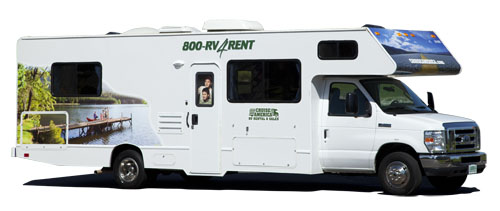
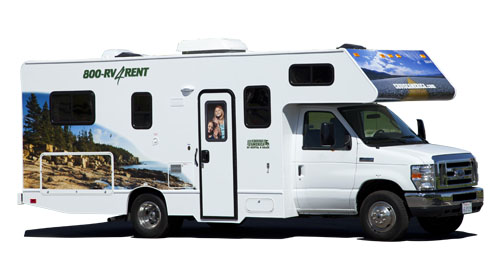
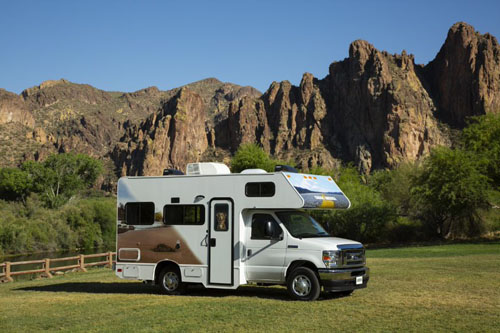
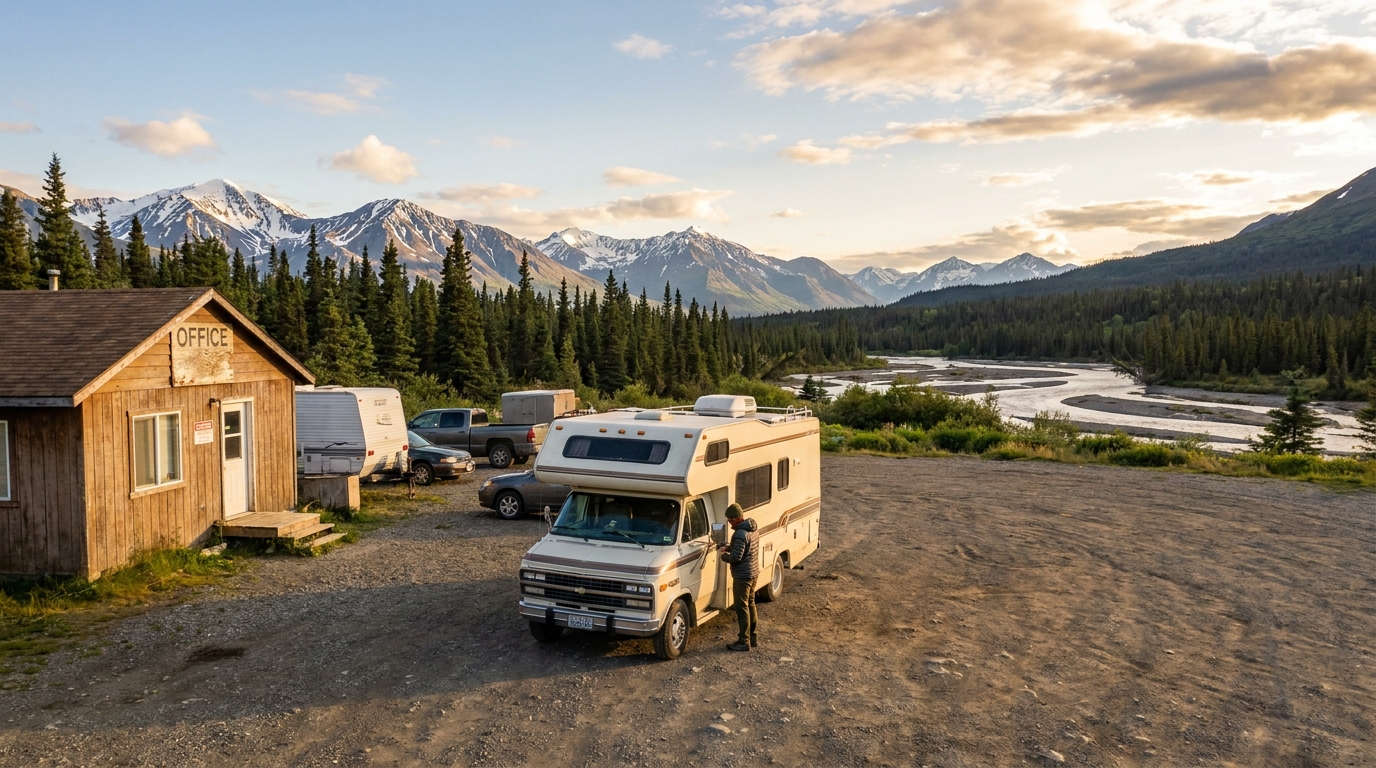
Class C alcove motorhomes, commonly around 7.5 meters (24.6 feet) long and capable of sleeping an average of 5.8 people due to their distinctive over-cab bunk, are excellent for families traveling in Alaska. Known for their cost-efficiency and family-friendly layouts, these rented RVs typically consume 10-12 Liters/100 km and have an average load capacity of 42.4 kg. Their robust build is generally well-suited for common Alaskan road conditions, providing a practical and comfortable base for adventures without the bulk of a Class A, offering a great balance of space and drivability for multi-passenger trips. Many travelers find a Class C motorhome like the "Sunseeker Class C Motorhome - Exterior Side View" to be the perfect companion for an extended road trip through Alaska's stunning landscapes.Class B (Campervan) - Best For
Class B campervans, with an average length of 5.8 meters (19 feet) and a sleeping capacity for about 3.2 people, are perfect for couples or solo adventurers exploring Alaska due to their exceptional maneuverability and fuel economy. These compact RVs typically achieve 8-10 Liters/100 km in fuel consumption and offer an average load capacity of 37 kg, making them ideal for navigating smaller roads, parking in tighter spots, and blending into urban environments or remote campsites. While offering fewer amenities and less living space than larger classes, campervans excel in scenarios requiring flexibility, stealth camping, and accessing areas where larger RVs might not go, providing an intimate connection with Alaska's wilderness.Class TC (Truck Camper) - Best For
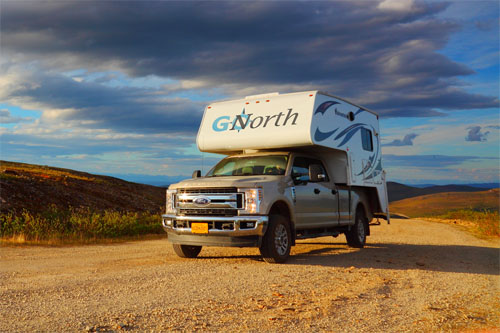
Class TC truck campers, averaging 5.5 meters (18 feet) in length (when mounted on a truck) and sleeping around 2.4 people, are the premier choice for off-grid and adventurous Alaskan exploration. Mounted on a capable pickup truck, these campers offer unmatched flexibility and off-road capability, consuming approximately 12-17 Liters/100 km (depending on the truck) and allowing the truck to be used independently once the camper is detached. They are best suited for travelers aiming to explore rugged Alaskan terrain, including gravel roads and remote wilderness areas, providing a durable and self-sufficient base, though with the smallest interior living space among the RV families. These are ideal for those seeking true wilderness access on a one-way RV rental.Side-by-Side Comparison Table
This table provides a concise overview of the five main RV families, highlighting their key characteristics and suitability for various Alaskan travel styles. When considering a one-way RV rental, comparing these features can help align your vehicle choice with your itinerary.| Family | Avg Length | Sleeps | Fuel Use | Best Use Case in Alaska |
|---|---|---|---|---|
| Class A (Integrated) | 7.5 m | 4.4 | 8-12 Liter/100 km | Luxury, large groups, long trips on main highways |
| Class SI (Semi-Integrated) | 6.9 m | 3.8 | 10-11 Liter/100 km | Couples/small families, balanced comfort and maneuverability |
| Class C (Alcove) | 7.5 m | 5.8 | 10-12 Liter/100 km | Families, extra sleeping, cost-efficient, good on varied roads |
| Class B (Campervan) | 5.8 m | 3.2 | 8-10 Liter/100 km | Solo/couples, maneuverability, fuel economy, remote access |
| Class TC (Truck Camper) | 5.5 m | 2.4 | 12-17 Liter/100 km | Off-road adventure, flexibility, rugged terrain exploration |
Our Recommendation for rv rental Travelers in Alaska
For most RV rental travelers in Alaska, a Class SI (Semi-Integrated) motorhome is highly recommended as the primary choice, offering an excellent balance of comfort, sufficient amenities, and maneuverability well-suited for varying Alaskan roads and typical itineraries. As a strong runner-up, the Class C (Alcove) is ideal for families or groups needing more sleeping capacity and a slightly more spacious interior, providing a robust and comfortable base for exploration. For the adventurous couple or solo traveler prioritizing flexibility and off-road capability, a Class B (Campervan) offers superior fuel economy and access to more remote locations, closely followed by a Class TC (Truck Camper) for ultimate rugged wilderness access, especially if you're eyeing a one-way rental through more remote stretches. We consistently advise travelers to plan for slow travel, aiming for a maximum of 100-150 km per day on average, to truly connect with Alaska's culture, food, and scenery.What is the best company to rent an RV from?
The best company to rent an RV from in Alaska depends on your specific priorities for your journey. Aggregators like Bandana simplify the search process significantly by compiling listings from both peer-to-peer platforms and traditional rental companies. Peer-to-peer options, such as Outdoorsy and RVshare, often connect renters with private RV owners, potentially offering a wider variety of unique vehicles and more personalized service, including specialized features ideal for Alaska's distinct conditions. Traditional rental companies, like our partners El Monte, Cruise America, Apollo, and Britz, provide standardized fleets and established roadside assistance, ensuring reliability. By using an aggregator, you can compare prices, vehicle types, and reviews across multiple reputable providers, guaranteeing you find a lessor with local expertise and Alaska-ready vehicles for your one-way RV rental.How much does it cost to rent a RV in Alaska?
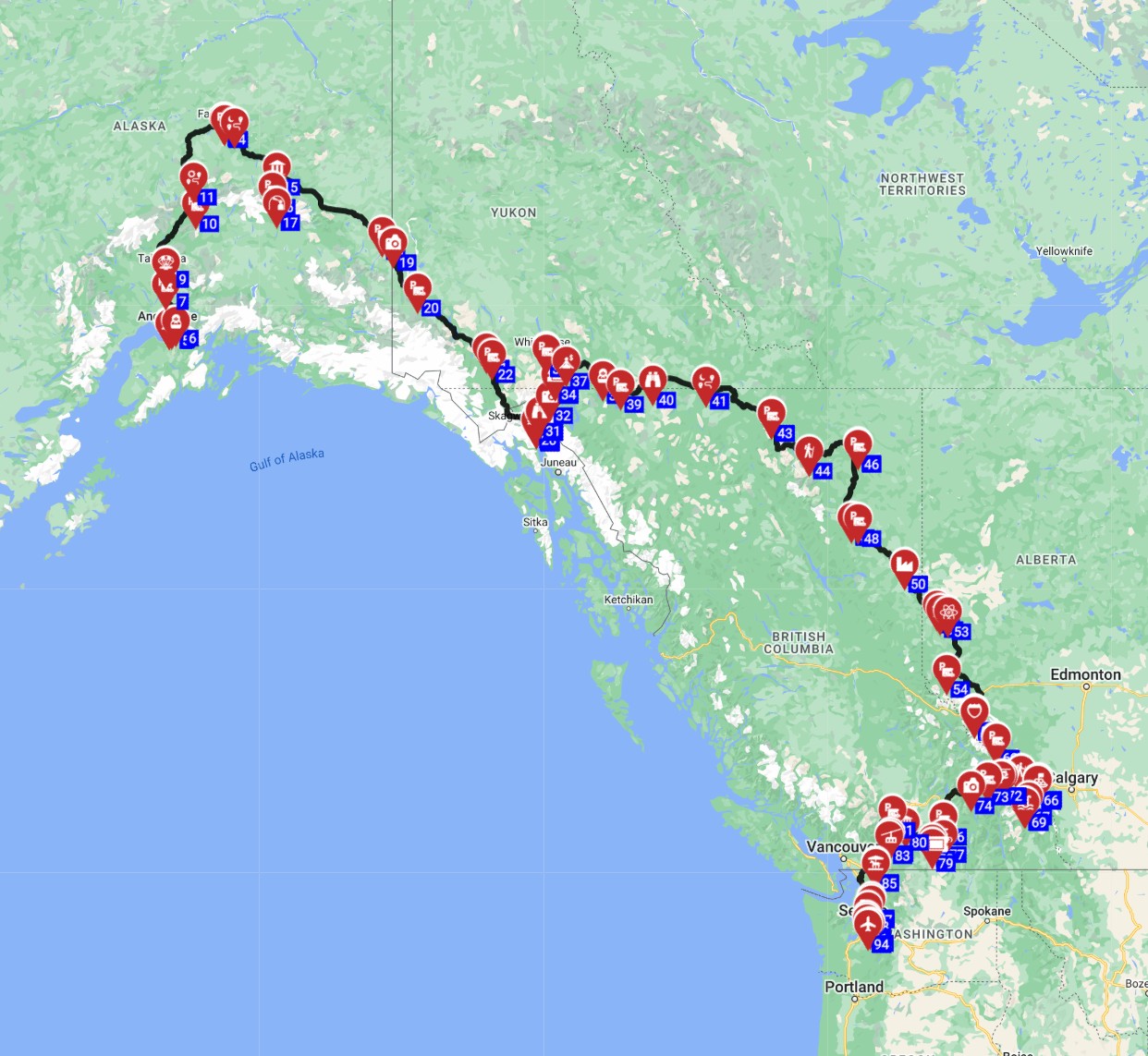
The total cost to rent an RV in Alaska typically ranges from $150 to $400+ per night, heavily influenced by the RV class, rental duration (week-long trip or extended road trip), and seasonality. Beyond the base rental rate, a comprehensive Alaskan RV budget must account for significant ancillary expenses like fuel consumption (often 8-17 Liters/100 km depending on RV type and driving conditions), variable insurance packages, and potential generator usage fees. Hidden costs can also include dumping fees at campgrounds, nightly campground fees (ranging from $20 for basic sites to $70+ for full hookups), potential ferry costs for island excursions, and one-way drop-off fees, which can add hundreds of dollars. For detailed budgeting and to track every expense along the way, we recommend exploring the RV PLANET routes. Early booking, especially for peak summer months (June-August), can secure better rates and a wider selection of vehicles, potentially mitigating some cost fluctuations and ensuring availability of the best RV for your specific Alaskan itinerary. Remember, you can always upgrade to a top-level deductible for extra peace of mind.Is RV share or outdoorsy better?
Both RVshare and Outdoorsy are leading peer-to-peer RV rental marketplaces in Alaska, and determining which is "better" often depends on specific vehicle availability for your one-way RV rental route, individual insurance preferences, and past customer service experiences. These platforms operate on similar models, connecting private RV owners with renters, offering diverse fleets from smaller campervans to larger motorhomes, often at competitive prices. While both platforms provide various insurance options and roadside assistance, checking specific vehicle listings for owner responsiveness, detailed reviews, and included amenities relevant to Alaska (like robust heating or bear-resistant storage) is crucial for an informed decision. Using an aggregator like Bandana allows you to view listings from both RVshare and Outdoorsy simultaneously, simplifying the comparison process to find the most suitable RV for your unique Alaskan adventure, whether you're looking for a specific model or the best one-way deal.Is it cheaper to rent an RV or stay in a hotel?
Renting an RV in Alaska can often be more cost-effective than staying in hotels for longer trips or larger groups, especially when factoring in significant savings on dining out and the unparalleled flexibility of camping in scenic locations. While initial RV rental costs and fuel expenses can be higher than a single hotel room, the ability to prepare your own meals in your rented motorhome's kitchen significantly reduces dining expenditures. For inspiration on what to cook on the road, check out our RV-friendly recipes playlist. Campground fees, ranging from $20 to $70+ per night, are generally lower than hotel nightly rates in popular Alaskan destinations like Anchorage or Fairbanks. For shorter trips or solo travelers, a hotel might prove more economical due to lower fixed costs and less fuel consumption, but an RV offers unparalleled freedom to explore remote areas and camp in pristine wilderness, providing a unique travel experience often valued above pure cost savings. A holistic budget, including all transportation, accommodation, and food costs, is essential to accurately compare the two options for your specific Alaskan itinerary.What RV is best for Alaska?
The best RV for Alaska ultimately depends on your specific itinerary, group size, desired comfort level, and your willingness to navigate Alaska's unique road and climate conditions. For general touring and most families embarking on an extended road trip, a Class C or Class SI motorhome provides an optimal balance of space, amenities, and maneuverability, handling paved and well-maintained gravel roads with relative ease. Adventurous travelers planning to tackle more rugged terrain or venture far off the beaten path, such as parts of the Denali Highway or McCarthy Road, would benefit greatly from a Truck Camper due to its enhanced ground clearance and off-road capabilities. You should consider vehicle features vital for the Alaskan climate, including robust heating systems, good insulation, and adequate fresh and grey water tank capacities for boondocking. Drive slowly and carefully, and you can drive almost anywhere without issues. No need to stress - just use common sense and pay attention. It's also crucial to understand specific regulations for national parks like Denali, where personal vehicles are often restricted beyond the first few miles, influencing the need for a shuttle-friendly RV or alternative transport. Our "RV Travel Guide to Alaska - Tips and Top Spots 2026" offers more detailed insights.Where can I find the best RV rental in Alaska?
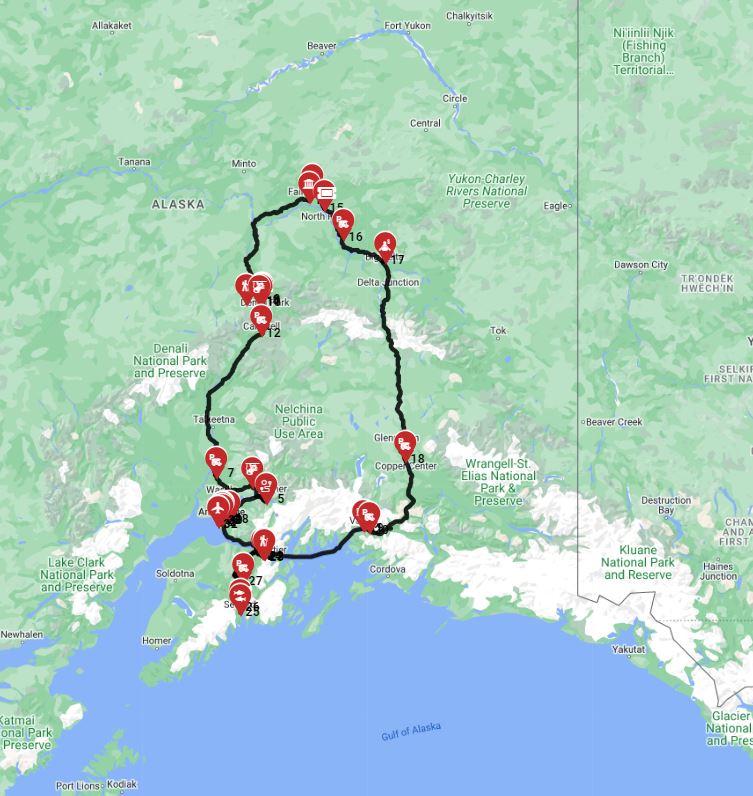
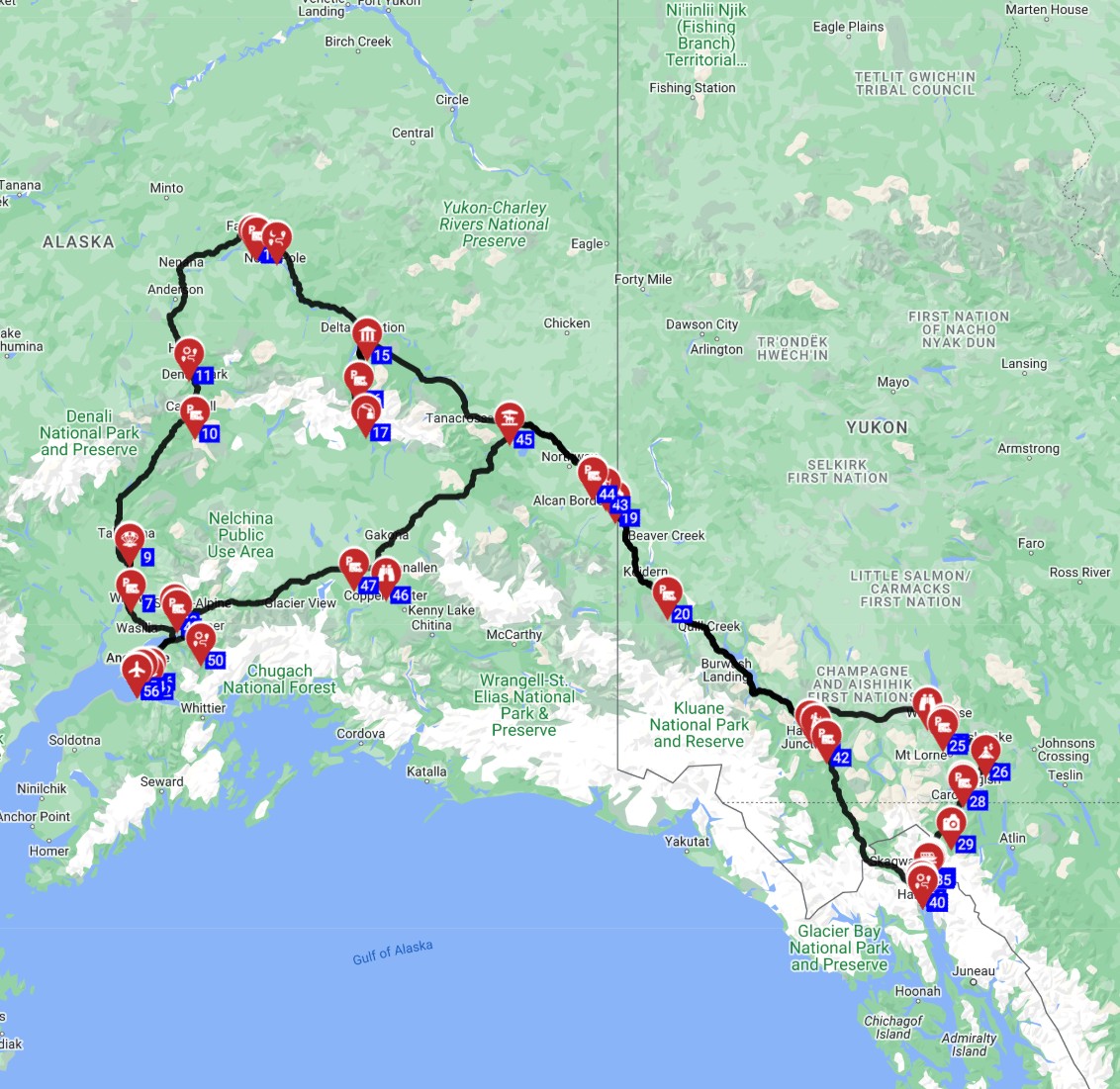
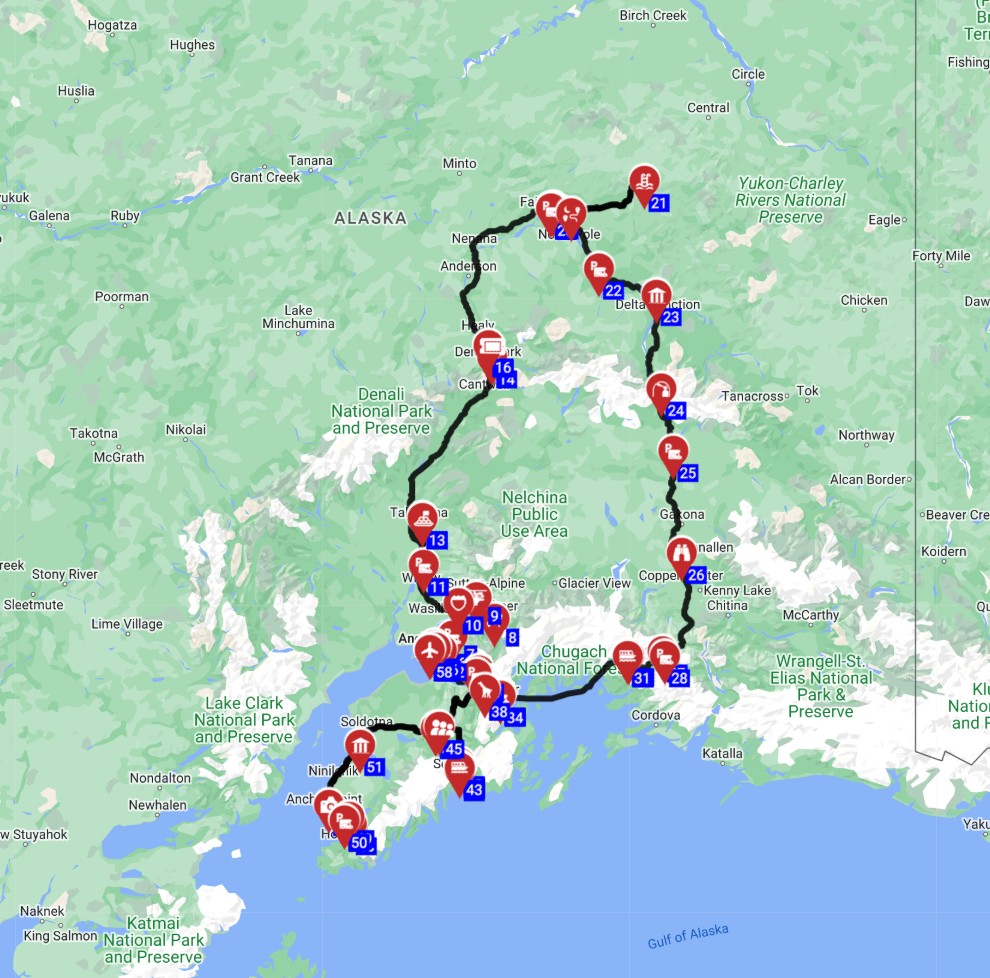
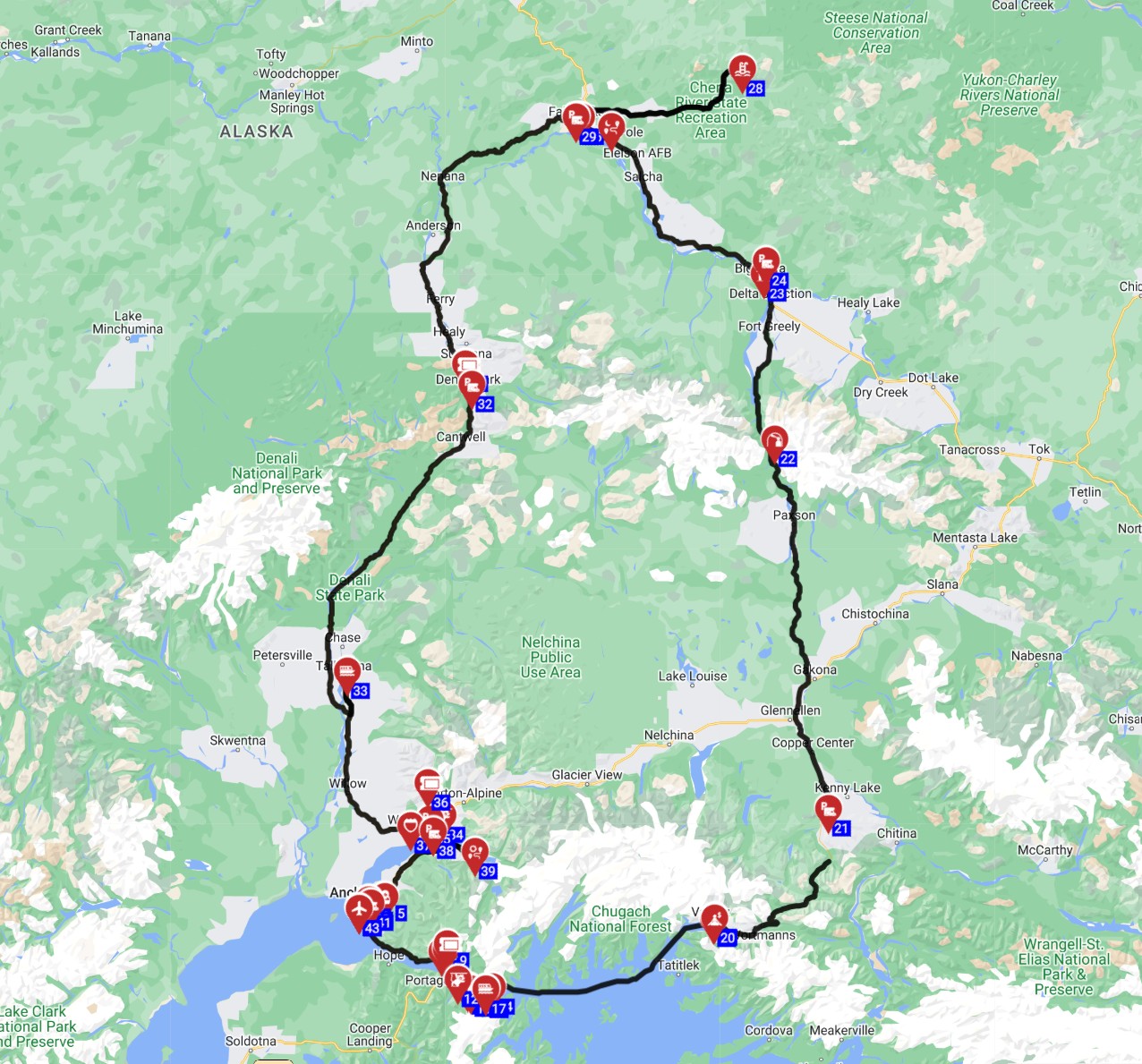
The best RV rentals in Alaska can be found by using comprehensive comparison platforms like Bandana, which aggregates offerings from various local and national providers, enabling you to compare availability, prices, and features specific to an Alaskan adventure. Look for rental companies or private owners who explicitly cater to Alaskan travel, as they often provide RVs equipped for the unique challenges, such as upgraded all-terrain tires, extra insulation, or bear-resistant storage solutions. When booking your one-way RV rental, confirm insurance coverage and roadside assistance availability, which is critical in remote areas, and ask about specific guidance on local permits, fire restrictions, and bear safety protocols for national and state parks. For connectivity and navigation in Alaska's vast wilderness, inquire about options for satellite phone rentals, pre-loaded offline GPS maps, or Wi-Fi boosters, as cell service can be extremely limited outside of major towns. You can explore pre-planned routes like the "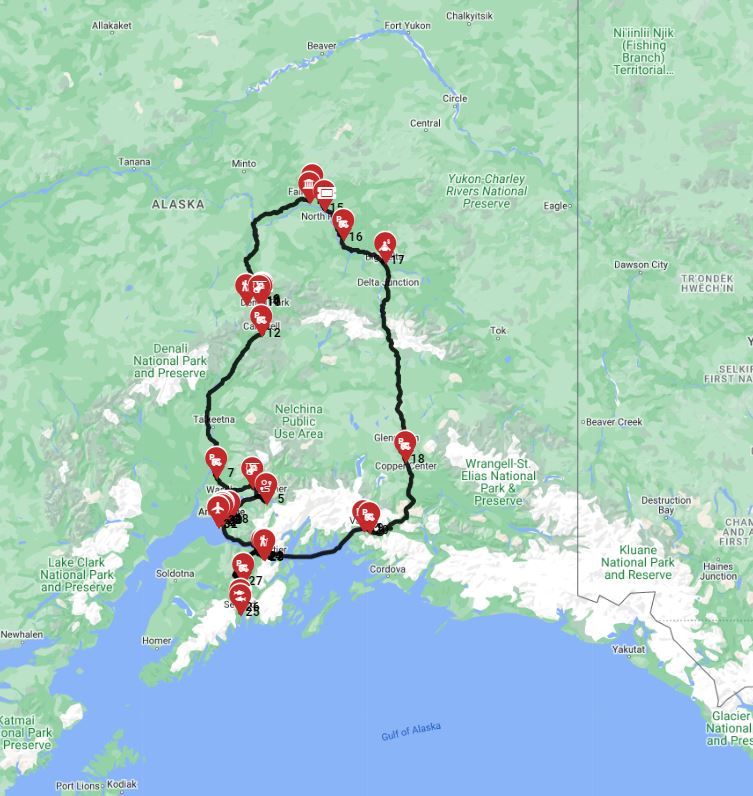
Anchorage Roundtrip - Alaska
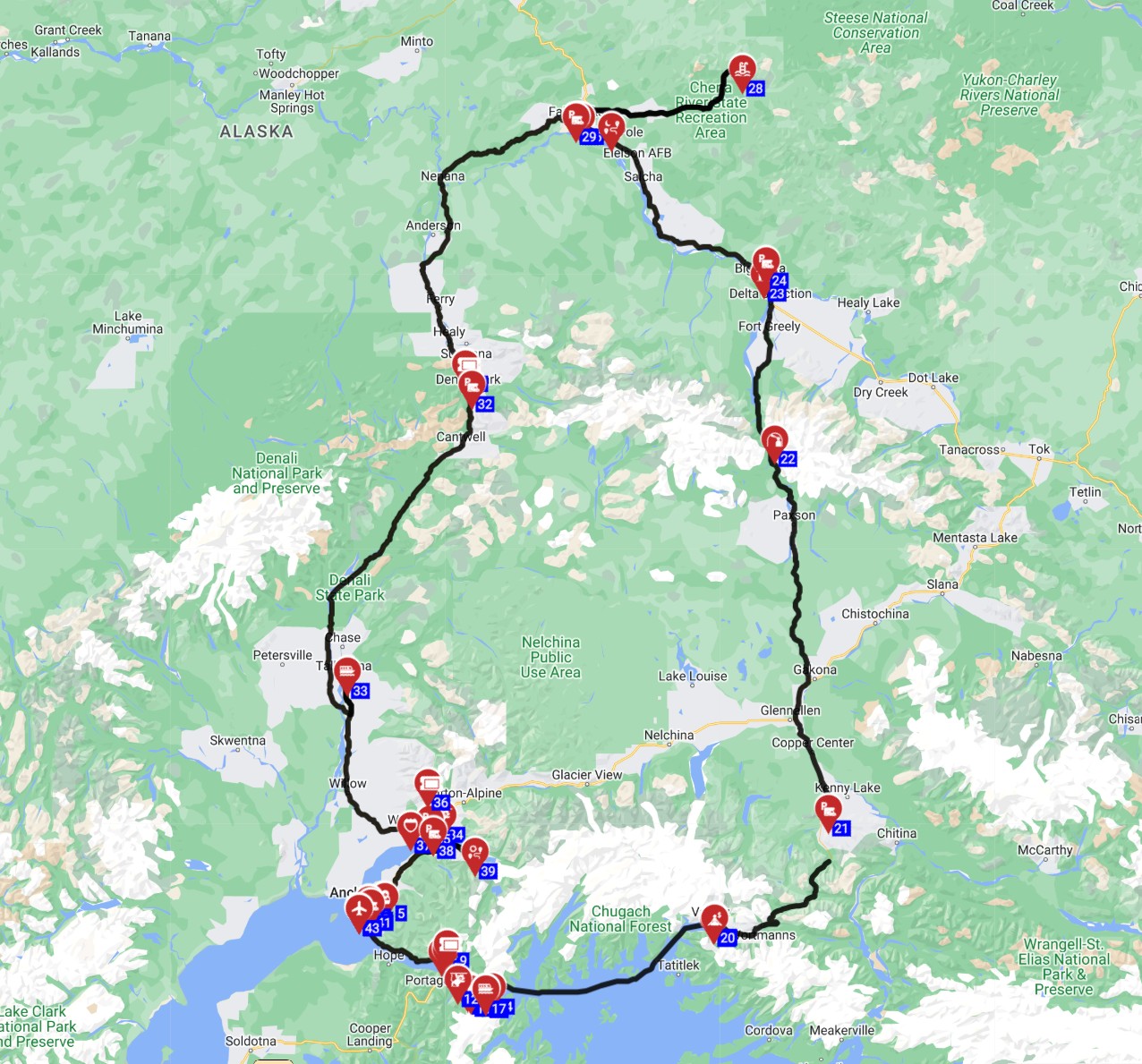
Anchorage Roundtrip Heading North - The Great Alaskan Wilderness Road Trip
🎬 Video coming soon
What You Shouldn't Miss
- Driving a segment of the iconic Dalton Highway to experience true Alaskan wilderness, being prepared with extra fuel and supplies.
- Taking a wildlife cruise from Seward or Homer to see marine life like whales, sea otters, and puffins up close.
- Exploring Denali National Park by shuttle bus, as personal vehicle access is restricted beyond Savage River (mile 15), but it offers incredible opportunities to spot grizzly bears, moose, and caribou.
- Visiting Glacier Bay National Park and Preserve for breathtaking views of tidewater glaciers and rich biodiversity, often best experienced via a day cruise.
- Hiking near Anchorage in Chugach State Park, which offers hundreds of miles of trails and is easily accessible for a day trip or an overnight stay in your rented RV.
- Experiencing the "Midnight Sun" during summer, allowing for incredibly long days of exploration, though bringing blackout curtains for your RV is highly recommended for sleep.
Final Thoughts
Embarking on a one-way RV rental adventure through Alaska offers an unparalleled opportunity to experience North America's last frontier on your own terms. Whether you choose a nimble campervan for solo exploration or a spacious Class C motorhome for a family expedition, the freedom of the open road combined with Bandana's transparent pricing and dedicated support ensures your trip is as seamless as it is memorable. From comparing vehicles and understanding costs to navigating unique Alaskan conditions, we're here to guide you every step of the way. Imagine waking up to views of majestic mountains, cooking a fresh meal with the wilderness as your backdrop, and discovering hidden gems at your own pace. With Bandana Caravan, your Alaskan RV dream is within reach. Start planning your week-long trip or extended road trip today, and prepare for an adventure that connects you deeply with nature and leaves you with stories to tell for a lifetime.Discover top destinations, planning tips, all in one place! Find Motorhome Rentals in Alaska now.
On the routes offered through RV PLANET routes, you can itemize and track every expense along the way for easy budgeting.