In This Guide
- Best West Canada RV Itinerary for one way rv rental — Overview
- 7-Day Classic Route in West Canada
- 14-Day Extended Journey in West Canada
- Recommended RVPlan Trip for West Canada
- Must-See Stops Along the Way (Avi Bandana Picks)
- Daily Driving Distances & Drive Times in West Canada
- Best RV Class for This Itinerary — Couple & Family Picks
- How Much Does a One-Way RV Trip in West Canada Cost: A Detailed Budget Breakdown
- What is the Best Time to Visit West Canada by RV, Season by Season?
- What Are the Essential Safety Tips for RV Travel in West Canada?
- Which RV Type and Size is Best for Western Canada's Varied Terrain and Boondocking?
- How and Where Can I Boondock or Dispersed Camp in West Canada?
- How Reliable is Cell Service and Internet Connectivity in West Canada's RV Routes?
- What Are the Rules for RV Travel with Pets in West Canada?
- What Unique and Off-the-Beaten-Path Experiences Can I Find in West Canada?
- Where Can I Find RV Infrastructure Like Dump Stations and Repair Services in West Canada?
- What Are the Border Crossing Requirements for RVers Entering West Canada from the US?
Best West Canada RV Itinerary for one way rv rental — Overview
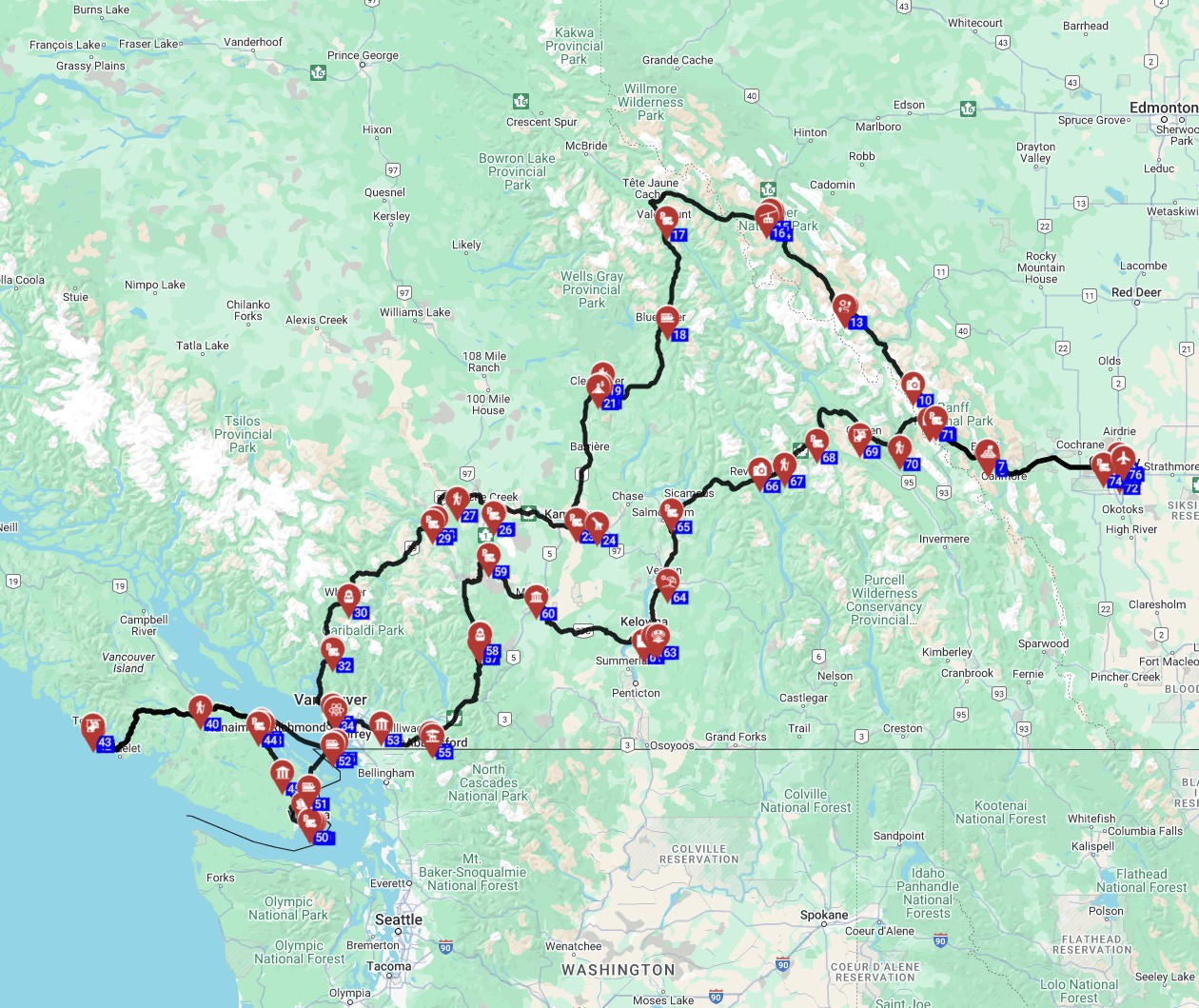
Embarking on a one-way RV adventure through West Canada offers an unparalleled journey through some of the continent's most dramatic and breathtaking landscapes. This iconic route typically connects Vancouver, British Columbia, with Calgary, Alberta, or vice versa, showcasing everything from the Pacific coastline to the majestic Canadian Rockies. A recommended minimum duration for this trip is 7 days to capture the essential highlights, though a more relaxed and immersive experience can be achieved with 10-14 days. The total distance for a Vancouver to Calgary route is approximately 1,000-1,200 km (600-750 miles), depending on your chosen stops and detours. For the optimal experience, aim for late spring (May-June) or early fall (September-October) to avoid the peak summer crowds and enjoy pleasant weather conducive to driving and outdoor activities. For live availability and current prices, start with our RV Rental West Canada - Complete Guide 2026 guide.
7-Day Classic Route in West Canada
Avi Bandana's classic 7-day one-way RV route from

- Day 1: Vancouver to Hope (150 km / 93 miles). Begin your journey by driving east from Vancouver. Highlights include a scenic drive along the Fraser River and a visit to the historic Othello Tunnels. Overnight at a local campground in Hope.
- Day 2: Hope to Kamloops (180 km / 112 miles). Continue inland, observing the changing landscape as you head towards Kamloops. A stop at Coquihalla Canyon Provincial Park offers impressive views. Overnight at Kamloops RV Park.
- Day 3: Kamloops to Revelstoke (210 km / 130 miles). Your route today takes you alongside the beautiful Shuswap Lake. Explore Revelstoke's rich railway heritage. Overnight at a campground in Mount Revelstoke National Park (first-come, first-served) or a private RV park.
- Day 4: Revelstoke to Lake Louise (180 km / 112 miles). Today’s drive is truly spectacular as you enter the Canadian Rockies, passing through Glacier National Park. Your destination is the iconic Lake Louise, renowned for its turquoise waters. Overnight at Lake Louise Campground (reservations are essential).
- Day 5: Lake Louise to Banff (60 km / 37 miles). A short but scenic drive brings you to Banff National Park. Visit Moraine Lake, hike to the Lake Agnes Teahouse, and explore the charming Banff townsite. Overnight at Tunnel Mountain Village II Campground (reservations are essential).
- Day 6: Banff to Canmore / Kananaskis (25 km / 15 miles). Enjoy further exploration of Banff National Park, perhaps driving the scenic Bow Valley Parkway. Canmore and Kananaskis Country offer fantastic hiking opportunities. Overnight at a provincial campground in Kananaskis Country.
- Day 7: Canmore / Kananaskis to Calgary (100 km / 62 miles). Enjoy your final mountain views as you drive towards Calgary to return your RV. This marks the end of your incredible one-way adventure.
14-Day Extended Journey in West Canada
For those seeking a more in-depth and leisurely exploration of West Canada, an extended 14-day itinerary allows for deeper immersion into the diverse beauty and culture of the region. This allows for more relaxed travel, spontaneous detours, and a chance to truly connect with the landscapes.
- Days 1-2: Vancouver & Surrounding Area (0-50 km / 0-30 miles). Begin by exploring Vancouver's highlights like Stanley Park, Granville Island, and the Lynn Canyon Suspension Bridge. Stay at an RV park near Vancouver, such as Burnaby Cariboo RV Park.
- Days 3-4: Sea-to-Sky Highway: Vancouver to Whistler (120 km / 75 miles). This incredibly scenic drive is a must-do. Stop at Shannon Falls, take the Sea to Sky Gondola in Squamish for breathtaking views, and explore the resort town of Whistler. Overnight at Whistler RV Park and Campground.
- Day 5: Whistler to Kamloops (300 km / 186 miles). This is a longer drive day, positioning you for the journey into the Rockies. Enjoy views of the Fraser Canyon as you transition from the coastal climate to the drier interior. Overnight at Kamloops RV Park.
- Day 6-7: Kamloops to Jasper National Park (440 km / 273 miles). Another substantial driving day, consider breaking it up with an overnight stop if needed. Key sights include Wells Gray Provincial Park with Helmcken Falls and the imposing Mount Robson. Overnight at Whistler's Campground or other Jasper National Park campsites (reservations essential).
- Days 8-10: Jasper National Park & Icefields Parkway (230 km / 143 miles). Dedicate these days to Jasper's wonders: Maligne Lake, Athabasca Falls, and the Columbia Icefield. The Icefields Parkway itself, en route to Lake Louise, is an attraction with sights like Peyto Lake. Overnight at various campsites along the Icefields Parkway, such as Wapiti or near the Icefield Centre.
- Days 11-12: Lake Louise & Banff National Park (60 km / 37 miles). Explore the stunning landscapes of Lake Louise and Banff. Activities include visiting Moraine Lake, hiking to the Lake Agnes Teahouse, and enjoying Banff's hot springs. Overnight at Lake Louise Campground or Tunnel Mountain Village II Campground (reservations essential).
- Day 13: Banff to Kananaskis Country (25 km / 15 miles). A short drive leads you to the rugged beauty of Kananaskis Country, perfect for hiking and wildlife spotting. Overnight at a provincial campground within Kananaskis.
- Day 14: Kananaskis to Calgary (100 km / 62 miles). Enjoy your final mountain vistas on the drive to Calgary, where you will return your rented RV.
Recommended RVPlan Trip for West Canada
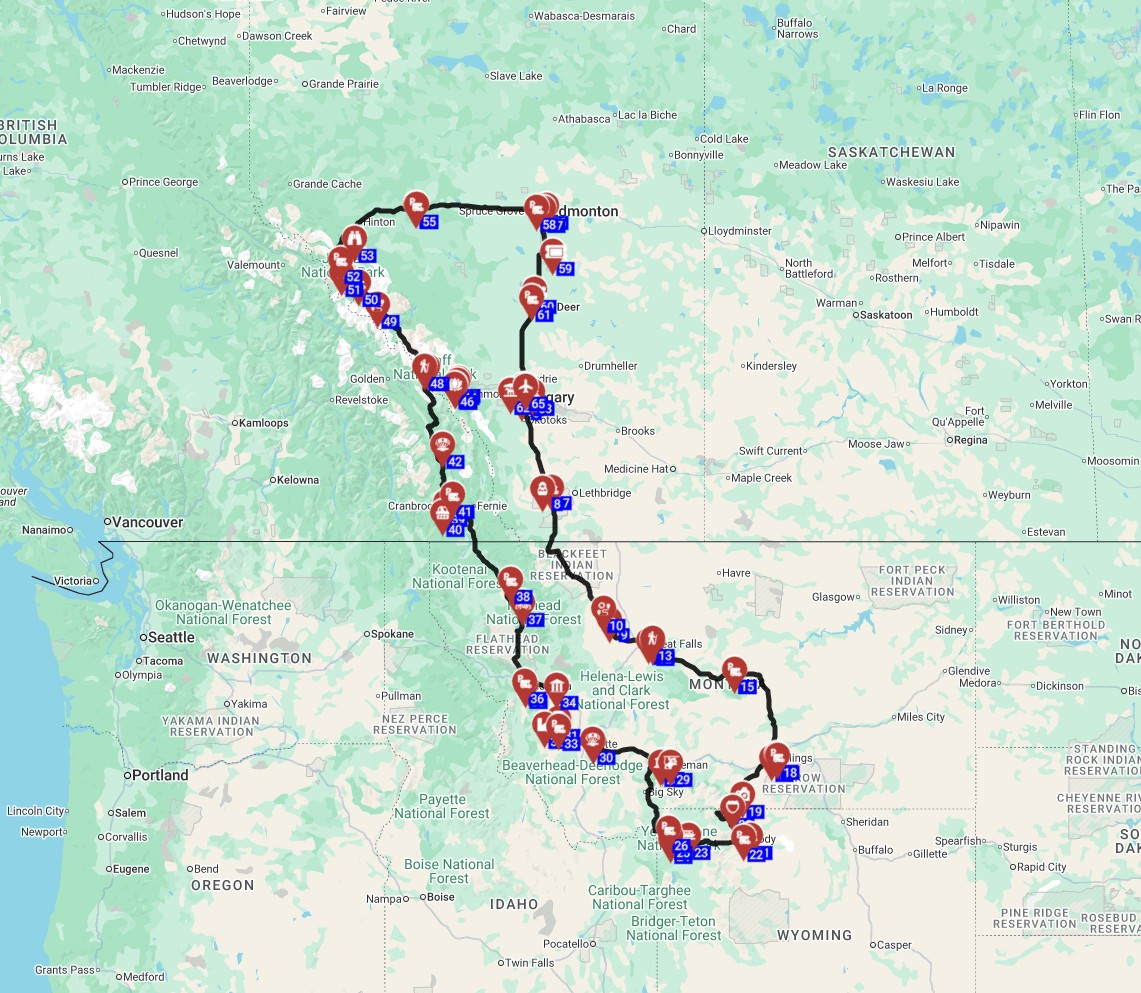
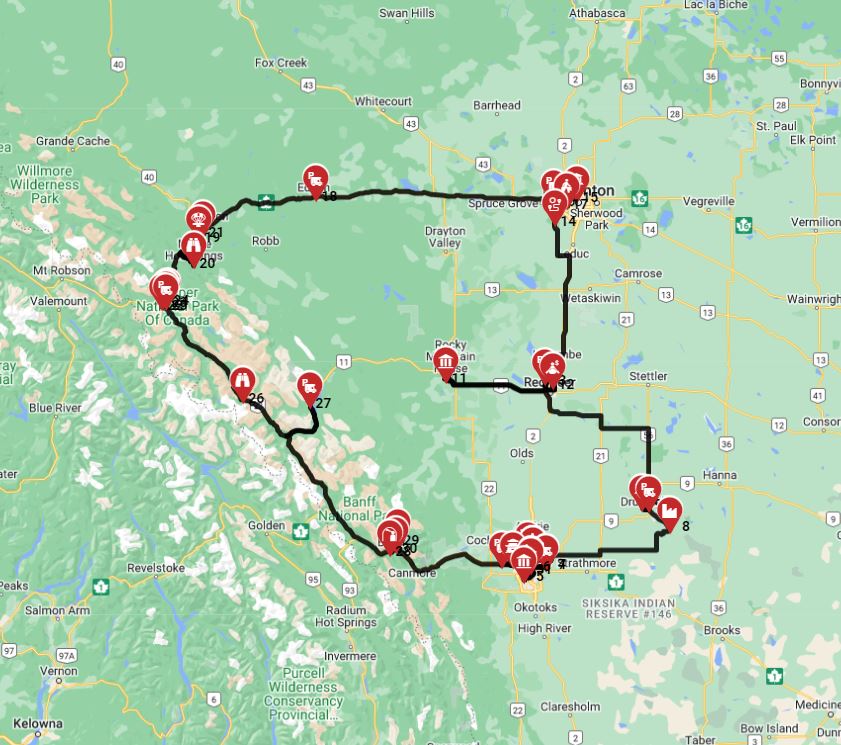
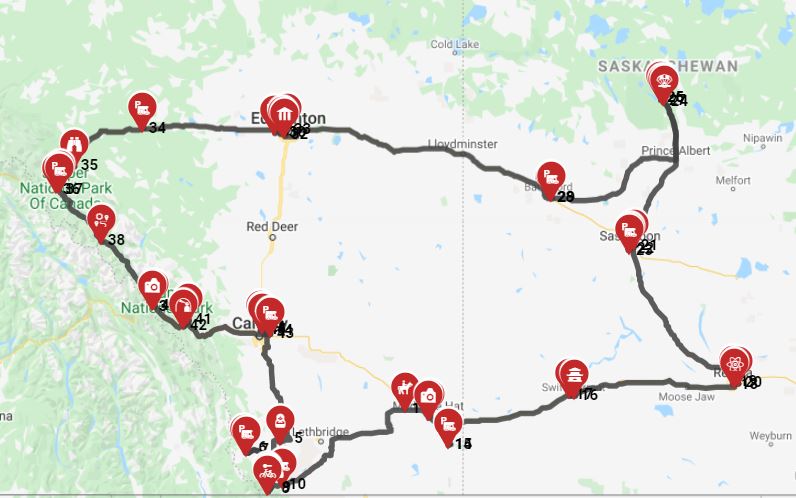
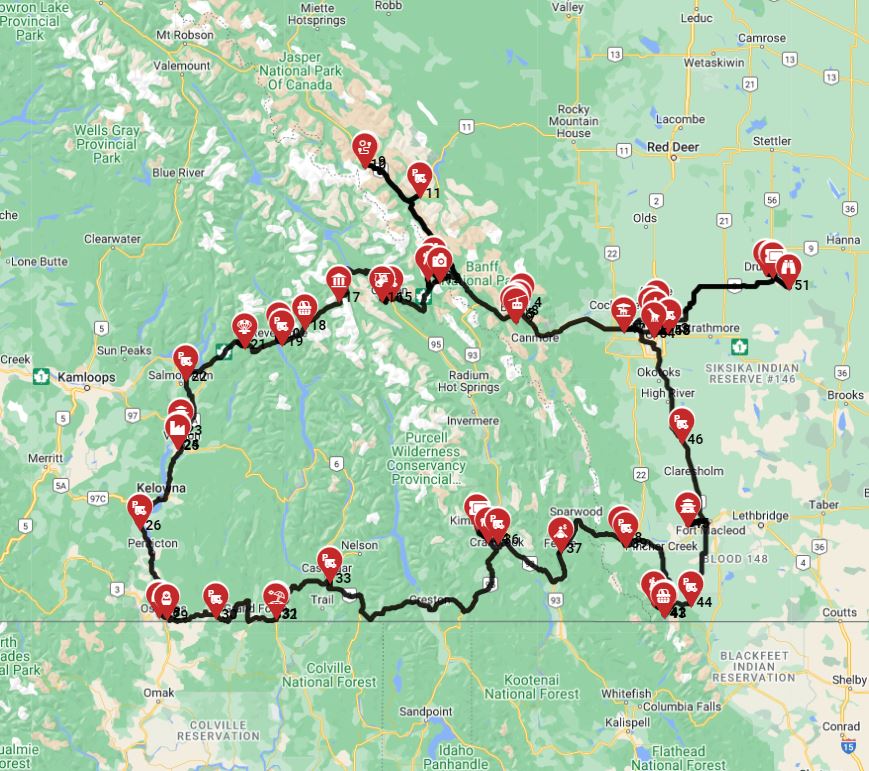
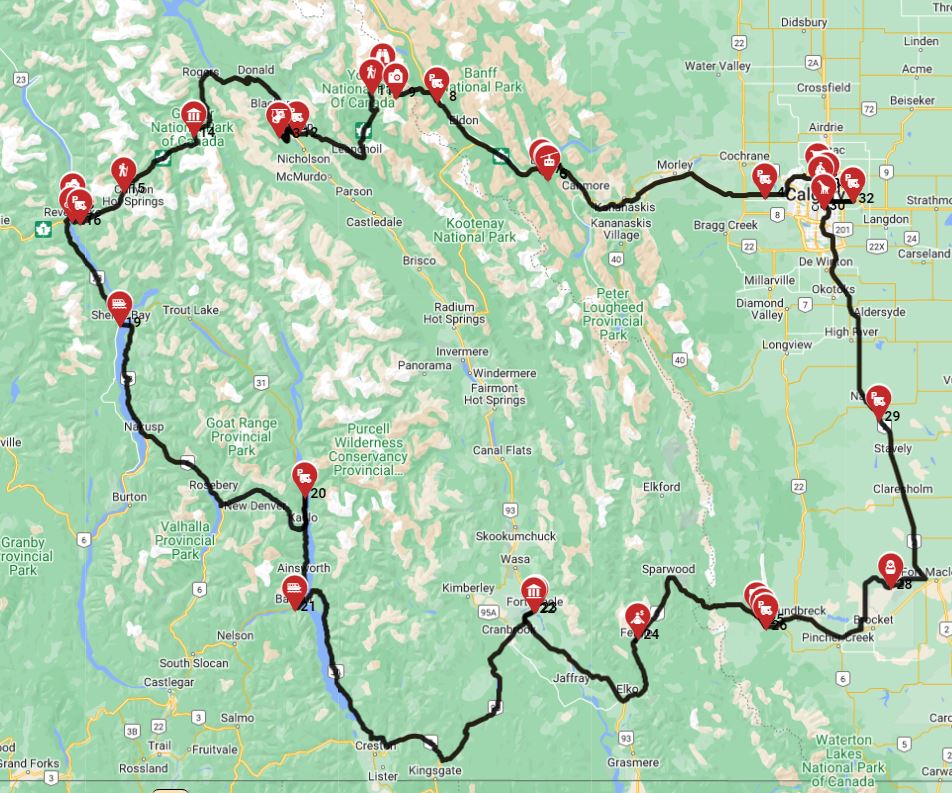
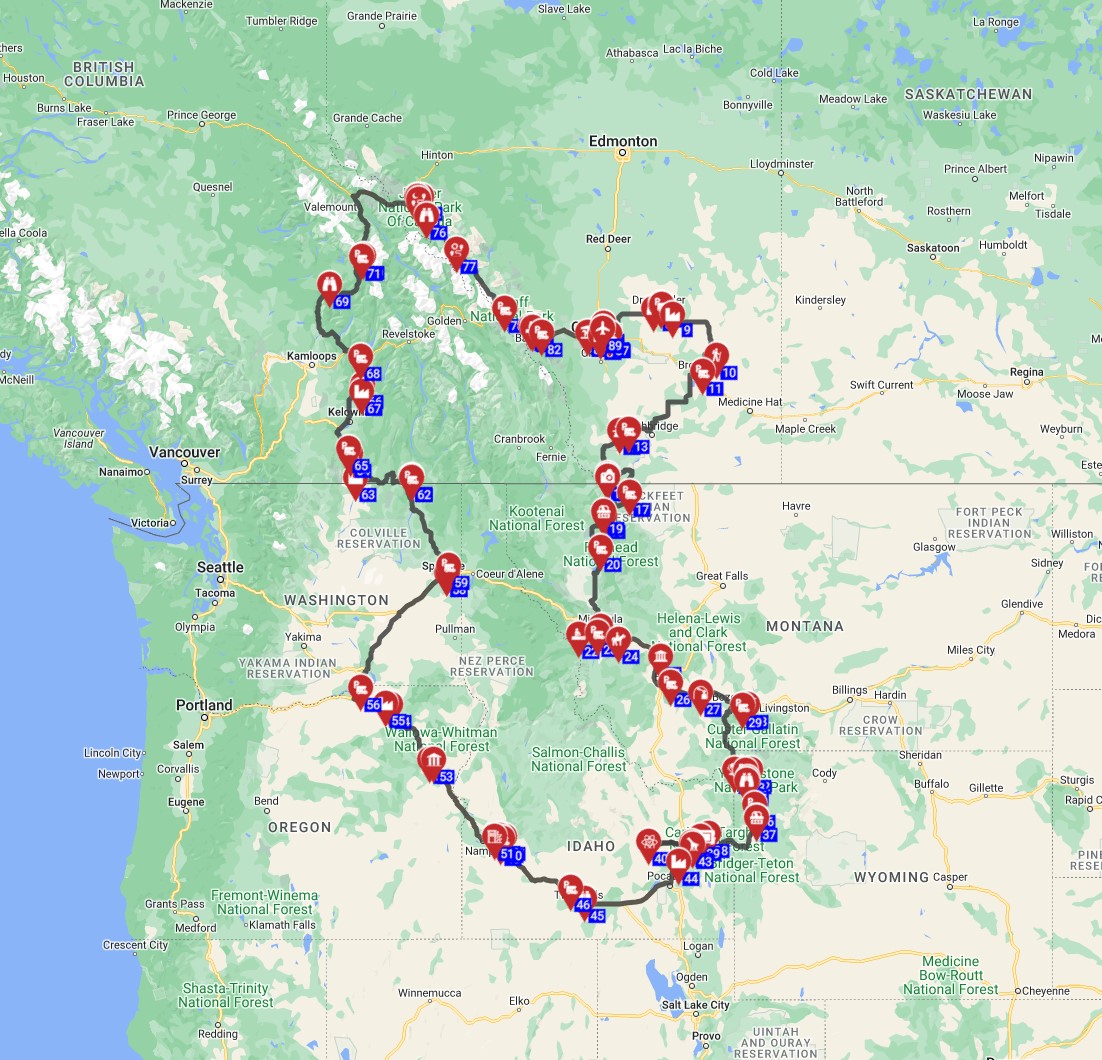
While we don't have a single pre-planned one-way trip that perfectly matches every specific request, Avi Bandana highly recommends exploring the diverse range of itineraries available on RVPlan.net. Our platform is designed to help you discover the ideal RV adventure across Western Canada. You can find routes tailored for different durations and interests, allowing you to customize your journey or find inspiration for your perfect one-way trip.
Must-See Stops Along the Way (Avi Bandana Picks)
Avi Bandana's personal travel philosophy emphasizes authentic experiences and cultural connections. When exploring West Canada by RV, his recommendations often focus on local flavors and traditions, offering a deeper understanding of the region beyond its natural beauty.
- Traditional Market: For a genuine taste of local life, seek out vibrant markets like Vancouver's Granville Island Market or smaller farmers' markets in the Okanagan Valley. Here you can sample regional produce and discover artisan crafts.
- Traditional Restaurant / Fine Dining: Savor authentic Canadian cuisine. Consider focusing on fresh seafood in coastal British Columbia or hearty, locally-sourced fare in the Rocky Mountain towns of Alberta.
- Traditional Visit: Immerse yourself in history at sites like Fort Langley National Historic Site, which provides valuable insights into the region's rich heritage.
- Local Industry Tour: Discover the economic and cultural landscape by visiting a local craft brewery or a winery in the Okanagan Valley for a unique tasting experience.
Daily Driving Distances & Drive Times in West Canada
To truly savor the experience of RV travel through West Canada, Avi Bandana recommends a relaxed pace, averaging no more than 100 miles (150 km) per day. This approach allows ample time for stops, sightseeing, and unexpected discoveries, making the journey itself as rewarding as the destinations.
- Vancouver to Whistler: This 120 km (75 miles) scenic drive typically takes around 1.5 to 2 hours of pure driving, but allow significantly more time for photo opportunities and stops along the Sea-to-Sky Highway.
- Banff to Lake Louise: Covering only about 60 km (37 miles), this segment of the Icefields Parkway requires about 45 minutes to 1 hour of driving time. However, numerous viewpoints and attractions along the way will easily extend this into a half-day exploration.
- Jasper to Columbia Icefield Discovery Centre: This 100 km (62 miles) stretch of the Icefields Parkway involves roughly 1.5 hours of driving. It's crucial to factor in ample time for the numerous viewpoints and stunning natural features that line this legendary road.
Best RV Class for This Itinerary — Couple & Family Picks
Choosing the right RV class is essential for comfort and maneuverability on your West Canada adventure. Bandana's fleet data highlights specific recommendations based on typical trip needs.
For couples, Avi Bandana highly recommends a Class B - Camper Van. Averaging around 5.8 meters in length and comfortably sleeping 2-3 people, these nimble vehicles offer excellent fuel efficiency (typically 8-10 L/100 km based on global fleet averages) and are ideal for navigating winding mountain roads and accessing more secluded spots. Their compact size makes parking and maneuvering much easier, enhancing the freedom of exploration.
For families, the Class C - Alcove motorhome is a superb choice. These RVs, typically around 7.5 meters long, comfortably accommodate 5-6 people with an average of 4-5 sleeping places and seating belts for 4-5 adults, according to Bandana's fleet averages. They provide more living space, often feature an over-cab sleeping area ideal for children, and offer ample storage for family gear. While they consume slightly more fuel (around 10-12 L/100 km), the added comfort and amenities make them perfect for family road trips.
To simplify your planning, consider Bandana's 'Rent & Plan' service. This unique offering integrates your RV rental with expertly crafted itineraries and provides full access to our trip-planning software, taking the stress out of organizing your adventure.
How Much Does a One-Way RV Trip in West Canada Cost: A Detailed Budget Breakdown
A comprehensive budget for a one-way RV trip in West Canada extends beyond the rental fee to include fuel, campsite fees, activities, food, and national park passes. Generally, expect daily costs to range from $200-$500 CAD, varying significantly with your travel style and choices. On the routes offered through RV PLANET routes, you can itemize and track every expense along the way for easy budgeting.
- RV Rental Costs: One-way rentals often involve a relocation fee, which can range from $300-$1000+ CAD. Daily rental rates typically fall between $100-$300+ CAD, depending on the RV class, season, and rental duration.
- Fuel: With vast distances in Western Canada, fuel is a major expense. Budget approximately $0.80-$1.20 CAD per kilometer, considering an RV's fuel efficiency of 10-15 L/100 km. A daily fuel budget of $50-$100 CAD is advisable.
- Campground Fees: Public campgrounds in National and Provincial Parks generally cost $25-$50 CAD per night. Private RV parks with full hookups and amenities can range from $50-$100+ CAD per night.
- National Park Passes: For multi-park visits, a Parks Canada Discovery Pass is essential. Annual passes cost around $75.25 CAD for an adult or $145.25 CAD for a family/group, with daily passes also available.
- Food & Groceries: Budget travelers can spend $40-$60 CAD per person per day on groceries and simple meals. Those who prefer dining out more frequently should budget $80-$120+ CAD per person daily.
- Activities & Tours: This is highly variable, but popular excursions like gondola rides, guided hikes, or adventure activities can range from $50-$200+ CAD per person per activity. Budgeting $50-$100 CAD per day for excursions is a good starting point.
For a more precise cost estimation based on your specific route and preferences, we recommend utilizing the tools available through RV PLANET routes, which allows you to itemize and track every expense along the way for easy budgeting.
What is the Best Time to Visit West Canada by RV, Season by Season?
The ideal time for a one-way RV trip in West Canada hinges on your desired activities and tolerance for crowds. Generally, late spring (May-June) and early fall (September-October) provide the most balanced experience, offering pleasant weather and manageable crowds.
- Summer (July-August): Expect the warmest weather, longest daylight hours, and full access to all roads and services. However, this is also the busiest season, leading to higher prices and the necessity of booking campgrounds months in advance. Road construction and traffic delays are also more common.
- Fall (September-October): This season boasts stunning autumn foliage, fewer crowds, and mild daytime temperatures, often enhancing wildlife viewing opportunities. Challenges include cooler nights, shorter daylight hours, and the potential closure of some services or campgrounds. Higher elevations may experience early snow.
- Winter (November-April): RV travel during winter is challenging due to snow, ice, and potential road closures, especially on mountain passes like the Icefields Parkway. Many campgrounds and services are closed, making it suitable only for experienced winter RVers.
- Spring (May-June): Experience melting snow, vibrant wildflowers, and a generally lighter crowd than summer. Many seasonal roads and campgrounds reopen during this period. Be prepared for unpredictable weather, lingering snow at higher elevations, and potentially wet or closed trails. It’s a great time for value and witnessing nature's reawakening.
What Are the Essential Safety Tips for RV Travel in West Canada?
Safety during an RV trip in West Canada requires preparation for diverse road conditions, potential wildlife encounters, and travel in remote areas with limited services. Following these tips will help ensure a secure and enjoyable journey.
- Road Hazards: Mountain passes like Rogers Pass and Kicking Horse Pass demand careful driving with an RV, anticipating steep grades, sharp turns, and sudden weather changes. Always check DriveBC and 511 Alberta for current road conditions and advisories before setting out.
- Wildlife Encounters: Western Canada is teeming with wildlife. Drive cautiously, especially at dawn, dusk, and night, and be alert for animals like deer, elk, and bears on or near roads to prevent collisions. Never approach, feed, or harass wildlife, and always store food securely to avoid attracting animals to your campsite.
- Emergency Services: Know that 911 is the emergency number. However, be aware that cell service can be intermittent or absent in remote national parks and mountainous regions. For emergencies in off-grid areas, consider carrying a satellite communication device.
- Remote Area Safety: Inform someone of your itinerary before venturing into remote regions. Carry extra water, food, and fuel, and ensure your RV is in top mechanical condition. Familiarize yourself with basic first aid and carry a comprehensive kit.
- Fire Safety: Always adhere to fire bans. Use only designated fire pits, and ensure campfires are completely extinguished before leaving the site. Carry a fire extinguisher in your RV for immediate use.
Which RV Type and Size is Best for Western Canada's Varied Terrain and Boondocking?
Selecting the right RV for Western Canada's diverse terrain and boondocking opportunities involves balancing maneuverability, comfort, and self-sufficiency. Class B Camper Vans and smaller Class C motorhomes often emerge as the most practical choices.
Class B Camper Vans, typically around 5.8 meters in length, are highly recommended for their agility on winding mountain roads and ease of parking. Their smaller footprint and better fuel efficiency (often 8-10 L/100 km) make them ideal for exploring national parks and accessing less developed or dispersed camping areas.
Smaller Class C Motorhomes, averaging around 6.9 meters, offer a compromise between living space and manageability. They provide more amenities than a Class B while remaining relatively easy to handle on mountain passes, making them a good choice for families or those seeking increased comfort without the bulk of larger RVs.
When navigating mountain roads, prioritize shorter RVs with robust engines and reliable braking systems. Always check vehicle weight limits for specific roads or bridges. For boondocking, smaller RVs are easier to position in remote areas. Crucially, consider your RV’s freshwater and wastewater tank capacities, as well as battery life (solar panels are a significant advantage) for extended stays without hookups.
How and Where Can I Boondock or Dispersed Camp in West Canada?
Boondocking, or dispersed camping, in West Canada is predominantly permitted on Crown Land (public lands) outside of designated campgrounds. This offers a free and immersive nature experience but requires strict adherence to regulations and ethical 'Leave No Trace' principles.
- Regulations & Ethics: Familiarize yourself with provincial (e.g., BC's Recreation Sites and Trails, Alberta's Public Land Use Zones) and federal land regulations. Always practice 'Leave No Trace': pack out everything you pack in, minimize campfire impact, respect wildlife, and properly dispose of human waste.
- National Parks: Boondocking is generally not permitted within Canadian National Parks such as Banff, Jasper, Yoho, Kootenay, Glacier, and Revelstoke. Camping is restricted to designated, fee-based campgrounds, often requiring advance reservations.
- Provincial Parks & Lands: While many Provincial Parks have basic, first-come, first-served campgrounds, dispersed camping is often allowed outside these zones in Provincial Forests or Public Land Use Zones (PLUZ) in Alberta, and designated Recreation Sites in British Columbia. These areas may have nominal fees or permit requirements.
- Finding Spots: Utilize resources like iOverlander, Campendium, FreeCampsites.net, and official provincial government websites (e.g., Recreation Sites and Trails BC, Alberta Parks PLUZ maps) to locate legal and suitable dispersed camping areas. Prioritize locations away from private property, protected zones, and sensitive ecosystems.
- Self-Sufficiency: Ensure your RV is fully self-contained with adequate water, power (solar is highly recommended), and waste storage, as services will be unavailable. Plan your route to include accessible dump stations and potable water refill points.
How Reliable is Cell Service and Internet Connectivity in West Canada's RV Routes?
Cell service and internet connectivity in West Canada vary greatly. Expect reliable coverage from major carriers (Bell, Telus, Rogers) in cities like Vancouver and Calgary, and along primary corridors such as the Trans-Canada Highway (Highway 1) and major provincial routes. However, remote areas, particularly within national parks and mountainous terrain, often have limited or no service.
Within national parks like Banff and Jasper, cell reception can be intermittent, especially in deep valleys or near remote trails. Wi-Fi access is typically available in park visitor centers, some paid campgrounds, and hotels within park townsites.
For critical communication or in case of emergencies in remote regions, a satellite messenger or phone is highly recommended. Always download offline maps and essential travel information before heading into areas with expected poor connectivity.
What Are the Rules for RV Travel with Pets in West Canada?
Traveling with pets in an RV across West Canada is generally welcoming, but strict rules, especially within national and provincial parks, must be followed. Always respect local bylaws and individual park or campground policies.
- National Parks Rules: Pets must always be leashed (maximum 3 meters/10 feet) in Parks Canada sites. They are generally restricted from sensitive wildlife areas, public buildings, and some beaches. Proper disposal of pet waste is mandatory. Never leave pets unattended in an RV, especially in extreme temperatures, and be aware of potential wildlife encounters.
- Provincial Parks & Campgrounds: Similar leash rules apply in most provincial parks and private campgrounds. Some facilities may have designated pet-free zones or restrictions based on pet size or breed; always verify policies beforehand.
- Pet-Friendly Attractions: Many outdoor attractions, including hiking trails (check for wildlife corridor restrictions), scenic viewpoints, and some restaurant patios, welcome pets. Research specific venues in advance.
- Veterinary Access: Major towns along your route will have veterinary clinics. However, access to services will be limited in remote areas. Ensure you carry your pet's vaccination records, any necessary medications, and a pet-specific first-aid kit.
- Border Crossing (if applicable): If entering from the US, current vaccination records, particularly for rabies, are essential. Check the Canadian Food Inspection Agency (CFIA) website for specific animal import requirements.
What Unique and Off-the-Beaten-Path Experiences Can I Find in West Canada?
Beyond the iconic natural landmarks, West Canada offers a wealth of unique experiences that provide deeper cultural immersion and local flavor. Venturing off the beaten path can lead to truly memorable discoveries.
- Indigenous Heritage Sites: Explore the rich history and culture of Indigenous peoples by visiting sites like the Nk'Mip Desert Cultural Centre in Osoyoos or engaging in guided tours that offer profound insights into local traditions and art.
- Local Festivals: Align your trip with regional events such as small-town rodeos, harvest festivals in the Okanagan, or local music gatherings to experience the authentic spirit and traditions of Western Canada's communities.
- Culinary Highlights: Venture beyond tourist hubs to find local eateries celebrated for regional specialties. Seek out artisanal cheese makers, fruit stands in the Okanagan Valley, or fresh seafood shacks in British Columbia. In Alberta, try locally sourced bison or sample craft beers from microbreweries.
- Hidden Hot Springs: While Banff's Upper Hot Springs are popular, consider seeking out less-known natural springs like Lussier Hot Springs in Kootenay National Park for a more rustic and secluded soak (always check accessibility).
- Ghost Towns & Historic Mining Sites: Step back in time by exploring former boomtowns like Sandon, BC, or remnants of old mining operations, offering a glimpse into Western Canada's pioneering past.
- Quirky Museums & Local Art: Discover unique local histories in small-town museums or admire the work of regional artists in galleries found in communities like Nelson, BC, or Bragg Creek, AB.
Where Can I Find RV Infrastructure Like Dump Stations and Repair Services in West Canada?
Essential RV infrastructure, including dump stations, potable water refill points, and specialized repair services, is readily available along popular West Canada routes and in most towns. However, proactive planning is key, especially when venturing into more remote areas.
- Dump Stations: You'll typically find RV dump stations at most private RV parks (often accessible for a fee if you're not staying overnight), many provincial and national park campgrounds, rest stops along major highways, and some gas stations or truck stops. Apps like iOverlander or RV LIFE Trip Wizard are excellent resources for locating them.
- Potable Water Refill Points: Potable water is commonly available at campgrounds, some gas stations, designated provincial rest stops, and municipal water stations. Always verify the water source is potable before filling your RV's tanks.
- Specialized RV Repair Services: Major cities and larger towns along your one-way route, such as Vancouver, Kelowna, Kamloops, Calgary, and Edmonton, will have dedicated RV repair shops and dealerships. In smaller communities, general automotive repair shops might handle minor issues, but for complex RV-specific problems, plan to reach a larger center.
- Planning Tools: Integrate these practical stops into your itinerary using RV-specific navigation apps and online resources. It's wise to identify your next dump station or water refill point well in advance, particularly when traveling through less populated regions or national parks where options can be limited.
- Emergency Kits: Always carry a basic RV repair kit with common tools, spare fuses, and necessary fluids to address minor roadside issues independently.
What Are the Border Crossing Requirements for RVers Entering West Canada from the US?
RV travelers from the United States entering West Canada must meet specific border crossing requirements. These primarily concern identification, vehicle documentation, and permissible goods to ensure a smooth entry.
- Identification: US citizens must present a valid passport or an enhanced driver's license (EDL) for land crossings. Non-US citizens should verify visa requirements based on their nationality.
- Vehicle Documentation: Carry your RV’s registration and proof of insurance. Canadian law mandates that non-resident vehicle insurance meets minimum Canadian coverage standards; confirm this with your insurer.
- Prohibited & Restricted Goods: Be aware of strict regulations concerning firearms (many are prohibited), cannabis (illegal to transport across the border, even if legal in either jurisdiction), certain food items (like raw meat and some fruits/vegetables), and excessive alcohol or tobacco. Declare all dutiable or restricted items truthfully.
- Pets: Traveling with pets requires current vaccination records, especially for rabies, signed by a licensed veterinarian. Consult the Canadian Food Inspection Agency (CFIA) website for specific animal import requirements.
- Customs Declaration: Be prepared to declare truthfully the contents of your RV, including any purchases, cash exceeding $10,000 CAD, and goods intended for commercial use. Failure to declare can result in fines, seizure of goods, or denial of entry.
Final Thoughts
Renting an RV for a one-way trip in West Canada is an incredible way to experience the diverse beauty of British Columbia and Alberta. From the Pacific coast to the heart of the Rockies, each mile offers new vistas and memorable moments.
Remember to book in advance, especially during peak seasons, and utilize resources like RV PLANET (rvplan.net) for detailed itinerary planning and campsite research. Embrace the freedom of the open road, travel at a comfortable pace, and let the journey unfold.
We’re here to help you find the perfect one-way RV rental for your West Canada adventure. Compare options, explore routes, and start planning your unforgettable road trip today!
For ideas you can prep on the road, watch our RV-friendly recipes playlist on YouTube.