In This Guide
- Best North Canada RV Itinerary for one way rv rental — Overview
- 7-Day Classic Route in North Canada
- 14-Day Extended Journey in North Canada
- Recommended RVPlan Trip for North Canada
- Must-See Stops Along the Way (Avi Bandana Picks)
- Daily Driving Distances & Drive Times in North Canada
- Best RV Class for This Itinerary — Couple & Family Picks
- What is the 4 4 4 rule for rving?
- Can you sleep anywhere in a campervan in Canada?
- Is it easy to drive an RV in Canada?
- What is the 3-3-3 rule for RVs?
- What is the best RV route planner app in Canada?
Best North Canada RV Itinerary for one way rv rental — Overview
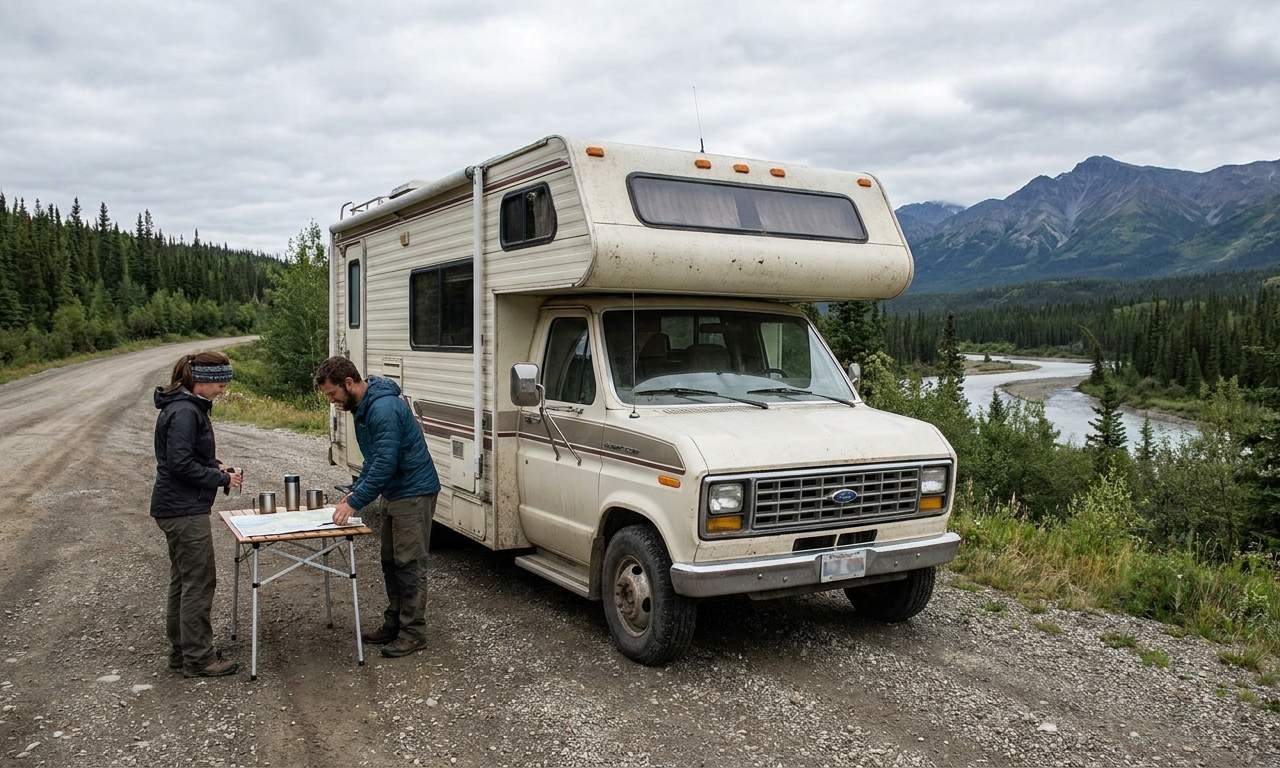
Exploring North Canada by one-way RV rental offers unparalleled freedom to traverse its vast and rugged landscapes. While North Canada is a broad term, many classic itineraries focus on the Yukon Territory, a region renowned for its stunning natural beauty and rich Gold Rush history. A typical one-way journey here might focus on the iconic Klondike Highway, connecting historic towns and national parks. These adventures often range from 7 to 14 days, allowing ample time to soak in the unique atmosphere. The ideal season for RV travel in North Canada is generally from late May to early September. This period provides the best weather conditions, longer daylight hours for sightseeing, and ensures that most services and campgrounds are open. For those interested in the celestial wonders, late August to early September can also offer opportunities to witness the Aurora Borealis, alongside fewer crowds and less prevalent insects, making it a surprisingly ideal time for an extended RV exploration.
For live availability and current prices, start with our RV Rental North Canada - Complete Guide 2026 guide. This region presents a unique opportunity to experience the raw beauty of the Canadian wilderness, from glacial rivers to boreal forests. When planning your trip, remember that many national and provincial parks have a percentage of their campsites available on a first-come, first-served basis, so having flexibility or a backup plan is always a good idea. Bandana RV's commitment to full transparency means you'll know all costs upfront, ensuring a stress-free adventure.
7-Day Classic Route in North Canada
A 7-day classic route focusing on a one-way RV trip in North Canada typically centers around the Yukon's gold rush heritage, specifically a journey from Whitehorse to Dawson City. This route offers a concentrated yet deeply rewarding experience of the Klondike region. Your adventure begins in Whitehorse, the Yukon's capital, where you'll pick up your rented RV and stock up on essential supplies. Day 1 involves no driving, allowing you to familiarize yourself with your vehicle and the city, perhaps visiting the SS Klondike National Historic Site. You'll rest at a Whitehorse RV park.
Day 2 takes you north on the Klondike Highway to Carmacks, a drive of approximately 175 km (109 miles). Along the way, consider detours to the Yukon Wildlife Preserve to see iconic northern animals in their natural habitats, or relax at the Takhini Hot Springs. Overnight camping will be at Carmacks Campground. The next day, Day 3, is a shorter drive to Pelly Crossing (about 70 km or 43 miles), offering a chance to explore the historic Five Finger Rapids viewpoint, a crucial point on the Yukon River during the gold rush era. You’ll stay at Pelly Crossing Campground.
Day 4 continues your northward journey through changing, dramatic landscapes to Stewart Crossing, covering around 90 km (56 miles), with an overnight stop at Stewart Crossing Campground. Day 5 marks the final leg to the historic heart of the Klondike Gold Rush: Dawson City. This stretch is about 180 km (112 miles) and may include sections of gravel road, so drive with care. You'll settle into a Dawson City RV Park.
Day 6 is dedicated to exploring Dawson City itself. Immerse yourself in history by visiting Discovery Claim, the impressive Dredge No. 4, and perhaps try your luck at Diamond Tooth Gerties Gambling Hall, the only place in Canada where you can gamble with can-can dancers. For panoramic views, ascend Midnight Dome. You'll spend another night at the Dawson City RV Park. Day 7 is your departure day from Dawson City, where you'll arrange your one-way RV drop-off, concluding your unforgettable Northern Canadian adventure.
14-Day Extended Journey in North Canada
For a more immersive experience of North Canada's diverse regions, consider this 14-day extended RV journey, offering a comprehensive loop that starts and ends in Whitehorse, Yukon. This itinerary allows for deeper exploration and a more relaxed pace, truly embracing the spirit of slow travel. Your journey begins with Days 1-2 in Whitehorse, including RV pickup, city exploration, and a scenic drive south to Carcross to explore the Southern Lakes area (approximately 75 km). You'll have the option to camp in Whitehorse or Carcross.
Days 3-5 are dedicated to the awe-inspiring Kluane National Park region. From Carcross, you'll drive to Haines Junction (about 160 km), the gateway to Kluane National Park. Spend Day 4 exploring the park, perhaps taking a day trip to the stunning Kathleen Lake. On Day 5, continue to Destruction Bay (around 100 km), camping in either Haines Junction or Destruction Bay campgrounds.
Days 6-8 focus on navigating the historic Klondike Highway northward. From Destruction Bay, you'll drive to Carmacks (approx. 180 km) on Day 6, then to Pelly Crossing (approx. 70 km) on Day 7, and finally to Stewart Crossing (approx. 90 km) on Day 8. You'll have opportunities to camp in Carmacks, Pelly Crossing, or Stewart Crossing as your journey progresses.
Days 9-11 immerse you in the heart of the Klondike: Dawson City, and the intriguing Silver Trail. From Stewart Crossing, it's about 180 km to Dawson City. Spend Days 10-11 fully exploring Dawson City, including its gold rush history, and consider a day trip via the Silver Trail to Keno City (approx. 110 km round trip). Your accommodation will be in Dawson City RV Park, with an option for Keno City Campground.
Days 12-13 involve your return journey south. From Keno City or Mayo, you'll head back towards Carmacks (around 200 km) on Day 12, and then complete the stretch back to Whitehorse (approx. 175 km) on Day 13. Enjoy camping in the Whitehorse area or Carmacks for your penultimate night. Day 14 is your final day in Whitehorse for RV drop-off and departure, capping off an incredible 14-day Northern Canadian RV expedition. For planning assistance, remember that using RV PLANET routes can help you itemize and track every expense along the way for easy budgeting. On the routes offered through RV PLANET routes, you can itemize and track every expense along the way for easy budgeting.
Recommended RVPlan Trip for North Canada
While we don't currently have a specific RVPlan itinerary curated exclusively for North Canada, Avi Bandana and the team at Bandana RV highly recommend exploring our extensive library of RVPlan trips. These expertly crafted itineraries are designed to minimize your planning efforts, offering pre-planned routes, highlighted attractions, and suggested campgrounds. Think of them as your roadmap to an unforgettable adventure, saving you valuable time and ensuring you discover the best each region has to offer. Our sister company, RV PLANET (rvplan.net), boasts over 1,300 pre-planned routes across five continents, with more being added regularly. If you're looking to tailor a Canadian adventure specifically to your interests, our 'Rent & Plan' service can help craft a custom trip, ensuring your RV journey through the breathtaking landscapes of Canada is as seamless as it is spectacular.
Must-See Stops Along the Way (Avi Bandana Picks)
Although specific RVPlan data for North Canada isn't readily available, Avi Bandana's extensive experience with RV travel across diverse terrains highlights certain must-see stops that capture the essence of this unique region. These picks often blend natural wonders with historical significance, providing a richer travel experience. For example, near Whitehorse, a visit to the Yukon Wildlife Preserve offers a fantastic opportunity to see animals like moose, caribou, and bison in their natural, expansive habitats. It's a great educational stop for all ages and a chance to appreciate the local fauna.
After a day of driving or exploring, a stop at the Takhini Hot Springs is highly recommended. Soaking in these natural mineral waters is a perfect way to relax and rejuvenate. Historically significant, the Five Finger Rapids viewpoint provides a glimpse into the challenges and importance of river travel during the Gold Rush era. Further north, in Dawson City, a visit to Diamond Tooth Gerties Gambling Hall offers a unique taste of the Klondike's colorful nightlife, complete with can-can dancers and the thrill of gaming. Equally important for understanding the region's past is Dredge No. 4, a colossal Gold Rush-era gold mining dredge that stands as a testament to the immense industrial effort involved in extracting wealth from the land. These stops, when combined with the stunning scenery, create a truly memorable one-way RV rental experience.
Daily Driving Distances & Drive Times in North Canada
When planning your one-way RV itinerary in North Canada, Avi Bandana strongly suggests embracing slow travel. He recommends averaging no more than 100 miles (approximately 160 km) or a maximum of 150 km per day. This approach allows you to truly savor the experience, appreciate the vast, ever-changing landscapes, and be prepared for the unique conditions often found in remote northern areas. This measured pace is crucial for enjoying spontaneous stops, exploring charming small towns, maximizing wildlife viewing opportunities, and navigating potentially challenging road conditions safely without feeling rushed.
To give you a better idea of drive times, consider these estimates: The drive from Whitehorse to Carmacks, a distance of about 175 km (109 miles), would typically take 2 to 2.5 hours of pure driving. However, with the recommendation for slow travel, you should budget 4 to 5 hours to allow for scenic viewpoints, photo stops, and perhaps a brief exploration of a roadside attraction. Similarly, a drive like Haines Junction to Destruction Bay, roughly 100 km (62 miles), might only take 1.5 to 2 hours of pure driving, but allocating 3 to 4 hours would ensure a more relaxed and enjoyable journey. The leg from Stewart Crossing to Dawson City, around 180 km (112 miles), could take 2.5 to 3 hours of pure driving, but expect to spend 5 to 6 hours or more on this segment, especially if encountering gravel sections or stopping frequently at points of interest. This mindful approach to daily distances is key to a fulfilling Northern Canadian RV adventure.
For finding campsites and campgrounds during your trip, we recommend using RV PLANET (rvplan.net) — a great resource for locating available spots along your route.
Best RV Class for This Itinerary — Couple & Family Picks
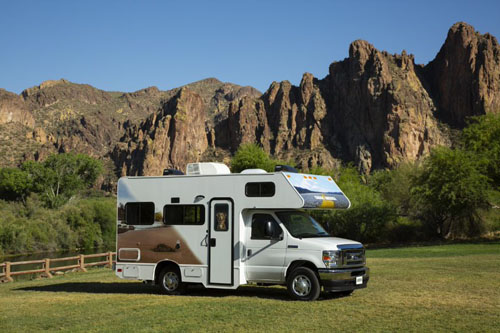
Choosing the right RV is paramount for a comfortable and capable journey through Northern Canada's unique environments. Bandana RV offers a range of vehicles designed to meet different needs, balancing ruggedness with essential amenities. For couples, Avi Bandana often recommends a Class B Camper Van. These vehicles are celebrated for their exceptional maneuverability, fuel efficiency, and ease of parking, which are significant advantages on the often remote and winding northern roads, as well as in smaller towns.
Our Class B Camper Vans typically average around 5.8 meters in length, are designed to sleep up to 3 people, and comfortably accommodate 2-3 adults. They generally offer fuel consumption figures around 8-10 Liters per 100 km, making them an economical choice. For families or groups of friends needing more space, a Class C Alcove RV is often the preferred option. These models provide increased living and sleeping areas, enhancing comfort on longer trips.
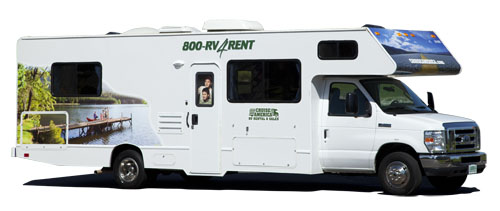
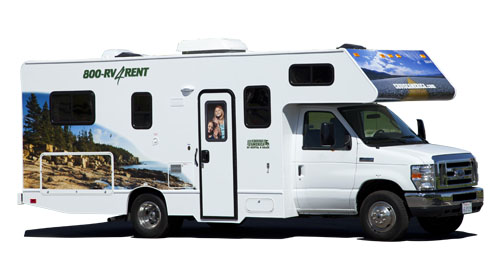
Bandana's Class C Alcove RVs typically measure around 7.5 meters in length, comfortably sleep 5-6 people, and can accommodate 4-5 adults. Their fuel consumption is generally around 10-12 Liters per 100 km. No matter which vehicle class you choose, consider leveraging Avi Bandana's 'Rent & Plan' service. This unique offering bundles your RV rental with a professionally crafted itinerary, providing access to trip-planning software and removing the stress of detailed route organization, allowing you to focus on the adventure.
What is the 4 4 4 rule for rving?
The '4-4-4 rule' for RVing is a widely adopted guideline that promotes a balanced and safe approach to travel, advocating for driving no more than 400 miles (approximately 640 km) per day, arriving at your destination by 4 PM, and staying for a minimum of 4 nights. This structured approach helps prevent driver fatigue, allows ample time for setting up camp before dark, and encourages deeper exploration of each locale.
Applying this rule to Northern Canadian RV travel is particularly wise. The reduced daily mileage is beneficial when navigating the unique challenges of gravel roads and potential frost heaves common in the North. Arriving by 4 PM is crucial in remote areas, ensuring you have sufficient daylight for safe camp setup, identifying potential hazards, and adhering to bear safety protocols. The emphasis on staying longer than one night allows for a more profound connection with the spectacular wilderness, preventing a 'drive-by' tourism experience and fostering preparedness for the next leg of your remote adventure.
Can you sleep anywhere in a campervan in Canada?
While 'wild camping' or boondocking in a campervan is legal and embraced in many parts of Canada, particularly on Crown Land, the ability to sleep "anywhere" is subject to significant variation. Legality differs by province, municipality, and land ownership, especially in the remote Northern Canada regions. It's essential to be informed about local regulations.
Legality and Practicalities:
- Crown Land: Generally permitted on undeveloped Crown Land, but always verify local regulations as some areas may have specific restrictions or require permits, particularly within Indigenous territories.
- National/Territorial Parks: Boondocking is typically prohibited in these protected areas; you must utilize designated campgrounds and secure proper permits and pay associated fees.
- Municipalities: 'No overnight parking' bylaws are common in cities and towns. Always look for signage or utilize designated RV parks and campgrounds.
Safety and Ethics (Remote North):
- Bear Safety: Rigorously store all food, garbage, and scented items inside your RV. Maintain bear awareness, carry bear spray, and know how to use it.
- Local Bylaws/Indigenous Territories: Respect local rules and traditions. Some remote areas may require specific permits or permissions from Indigenous communities.
- Environmental Impact: Practice Leave No Trace principles diligently. Pack out all garbage, and avoid disturbing flora and fauna.
- Emergency Preparedness: Cell service is extremely limited in Northern Canada. Consider carrying a satellite communicator or satellite phone for emergencies, ensuring you can call for help if needed.
Is it easy to drive an RV in Canada?
Driving an RV in Canada, particularly in its northern regions, can be a profoundly rewarding experience for those who are well-prepared for its unique challenges. While generally manageable for experienced drivers, it demands a higher level of vigilance and planning than driving in more populated areas.
Challenges in Northern Canada:
- Road Conditions: Expect extensive stretches of gravel roads, such as those found on the Dempster Highway or Canol Road. You'll also encounter frost heaves (bumps caused by thawing permafrost) and potential potholes. Always drive cautiously and reduce your speed significantly when encountering these conditions.
- Vast Distances & Services: Fuel, water, and resupply stops are notably infrequent. Meticulous planning is essential for your resupply points; always carry extra fuel and ensure your water tanks are full before departing from major centers.
- Wildlife Safety: Large animals like moose, caribou, and bears are common. Exercise extreme caution, especially during dawn and dusk. Never attempt to feed wildlife, as it poses risks to both you and the animals.
- Emergency Preparedness: Cell service is notoriously sparse. Carry a comprehensive emergency kit, a satellite communication device, spare tires, and essential basic repair tools.
- Permit Requirements: Some very remote routes or areas within Indigenous territories may necessitate specific permits. Research these well in advance of your travel dates.
- Border Crossings (if applicable): If your route involves crossing into Alaska or other US territories, be aware of strict regulations regarding firearms, certain food items, and alcohol limits.
- Cost Breakdown: Budget accordingly for higher fuel costs in remote regions, the potential need for tire repairs or replacements, and any applicable one-way rental fees if dropping off at a different location than pickup.
What is the 3-3-3 rule for RV travel?
The '3-3-3 rule' for RV travel is a popular guideline that many travelers adopt for a more relaxed and enjoyable road trip. It suggests driving no more than 300 miles (approximately 480 km) in a day, arriving at your campground by 3 PM, and staying for at least 3 nights at each location. This approach is designed to prevent the feeling of constantly being on the move, allowing for deeper immersion in each destination.
For RV travel in the Canadian North, this guideline is especially beneficial. The limited daily driving ensures you can navigate areas with fewer services without undue stress, allowing you to take advantage of fuel or supply stops when they become available. Arriving by 3 PM is crucial in the North, providing ample daylight for navigating campgrounds, identifying potential wildlife or terrain hazards, and safely preparing your campsite for the evening, which is particularly important in bear country. Staying multiple nights at a location significantly reduces the frequency of packing and setting up camp, freeing up more time for activities like hiking, fishing, or simply absorbing the serene and majestic northern environment.
What is the best RV route planner app in Canada?
For RV travel in Canada, especially when venturing into the North where reliable connectivity can be a challenge, the most effective route planner apps seamlessly integrate digital navigation with offline capabilities and RV-specific features. This combination is crucial for managing the vast distances and remote conditions.
Recommended Apps:
- RV LIFE Trip Wizard: This is an excellent choice, offering RV-specific routing that considers factors like low clearances and steep grades, alongside comprehensive campground databases and the vital ability to download offline maps. This feature is invaluable for the extensive and often signal-free routes of Northern Canada.
- Campspot / iOverlander: These apps are indispensable for locating campgrounds, dump stations, and potential boondocking spots, often enriched with user reviews and photos. They are crucial for identifying essential services in remote regions where information might otherwise be scarce.
- Google Maps / Apple Maps: While great for general navigation when cell service is available, it's imperative to download offline maps for your entire intended route before you lose signal.
- Garmin RV GPS devices: Dedicated GPS units, like those from Garmin's RV series, often come with pre-loaded RV-specific points of interest and maps. They provide a reliable, offline navigation backup that isn't dependent on cell service, which can be a lifesaver in the remote North.
Remember to always download your maps and routes in advance, as services can be hundreds of kilometers apart in Northern Canada, making meticulous planning essential.
What You Shouldn't Miss
- Yukon Wildlife Preserve: Get up close with Yukon's iconic animals in a natural setting near Whitehorse.
- Takhini Hot Springs: Relax and soak in rejuvenating natural mineral waters after a day on the road.
- Five Finger Rapids Viewpoint: Experience a historically significant site on the Yukon River, crucial during the Gold Rush.
- Diamond Tooth Gerties Gambling Hall, Dawson City: Immerse yourself in Klondike history with a unique taste of its legendary nightlife.
- Dredge No. 4, Dawson City: Explore a massive, historic gold mining dredge and learn about the region's industrious past.
- Signpost Forest, Watson Lake: Add your own sign to this unique, sprawling collection of traveler contributions.
Final Thoughts
Embarking on a one-way RV adventure through North Canada is an unparalleled way to connect with nature and history. The vast, wild landscapes of the Yukon, in particular, offer a journey filled with discovery and breathtaking beauty.
By planning wisely, choosing the right RV for your needs, and embracing the slower pace of travel that Avi Bandana recommends, you can ensure a truly memorable and comfortable experience. Remember to utilize resources like RV PLANET (rvplan.net) for route planning and campsite research to make your journey as smooth as possible.
Get inspired for your next trip and discover the magic of the North from the comfort of your rented motorhome. Happy trails!