In This Guide
- Best Morocco RV Itinerary for one way rv rental — Overview
- 7-Day Classic Route in Morocco
- 14-Day Extended Journey in Morocco
- Recommended RVPlan Trip for Morocco
- Must-See Stops Along the Way (Avi Bandana Picks)
- Daily Driving Distances & Drive Times in Morocco
- Best RV Class for This Itinerary — Couple & Family Picks
- What's the best time of year to RV in Morocco?
- How much does it cost to rent an RV in Morocco?
- What documents do I need to rent an RV in Morocco?
- Is it safe to drive an RV in Morocco?
- Can I wild camp in Morocco with an RV?
- Where can I find RV campsites in Morocco?
- What are the road conditions like for RVs in Morocco?
- How do I manage water and waste in an RV in Morocco?
- Do I need a 4x4 RV for Morocco?
- What currency is used in Morocco and how should I handle money?
- What are the customs for interacting with locals in Morocco?
- Can I bring my own RV to Morocco?
- What spare parts or tools should I carry for an RV trip in Morocco?
- What is the fuel consumption for RVs in Morocco?
- How can I support local communities during my RV trip?
Best Morocco RV Itinerary for one way rv rental — Overview
Embarking on a one-way RV rental in Morocco offers an unparalleled sense of freedom, allowing for deep immersion into its diverse landscapes and rich culture. These expertly crafted itineraries typically span 7 to 14 days, covering distances of 800-1500 km (500-930 miles) to balance travel time with exploration. The ideal seasons for RVing in Morocco are spring (March-May) and autumn (September-November), when the weather is most pleasant, avoiding the extreme heat of summer and the cooler, sometimes rainy conditions of winter.
For those planning a broader trip, our guide RV Rental Morocco - Complete Guide 2026 covers everything you need to know about the country as an RV destination.
7-Day Classic Route in Morocco
A 7-day classic route is a fantastic introduction to Morocco's diverse beauty and historical depth, perfect for a one-way RV rental. This itinerary is designed to give you a taste of the country's most iconic sights while keeping driving manageable.
- Day 1: Marrakech → Ait Benhaddou (approx. 180 km / 110 miles) Begin your journey in Marrakech and drive over the stunning Atlas Mountains to the historic ksar of Ait Benhaddou, a UNESCO World Heritage site that has been a backdrop for many films.
- Day 2: Ait Benhaddou → Ouarzazate → Skoura (approx. 70 km / 43 miles) Continue to Ouarzazate, known for its film studios, and then to Skoura, famous for its extensive palm grove (palmeraie) and ancient kasbahs.
- Day 3: Skoura → Dades Gorges → Todra Gorges (approx. 170 km / 105 miles) Drive through the Valley of Roses and explore the dramatic rock formations of the Dades Gorges, followed by the equally impressive Todra Gorges.
- Day 4: Todra Gorges → Merzouga (Sahara Desert) (approx. 150 km / 93 miles) Head towards the Erg Chebbi dunes near Merzouga for an unforgettable Sahara desert experience, perhaps including a camel trek at sunset.
- Day 5: Merzouga → Midelt (approx. 270 km / 168 miles) Travel north through the diverse landscapes of the Ziz Valley and the Anti-Atlas Mountains towards Midelt.
- Day 6: Midelt → Fes (approx. 200 km / 124 miles) Your journey continues through the Middle Atlas Mountains, passing cedar forests (watch for Barbary apes!) and charming towns, arriving in Fes, often called 'Moroccan Switzerland'.
- Day 7: Fes → Drop-off in Fes/Casablanca (Variable) Spend your final day exploring the labyrinthine medina of Fes or begin your drive to your designated RV drop-off point, likely Fes or Casablanca.
14-Day Extended Journey in Morocco
For those with more time, a 14-day itinerary allows for a more relaxed pace and deeper exploration of Morocco's treasures, including its imperial cities and varied landscapes. This route builds upon the classic journey, adding more cultural immersion and scenic detours.
- Days 1-3: Marrakech & Surrounds Dedicate time to exploring Marrakech, its bustling Djemaa el-Fna square, and the Bahia Palace. Consider day trips to the Ourika Valley for mountain scenery or the coastal city of Essaouira for a different vibe.
- Days 4-6: High Atlas & Desert Gateway Traverse the Tizi n'Tichka pass, a stunning route through the High Atlas Mountains, and then proceed to Ouarzazate and Skoura to explore the kasbahs and film sets.
- Days 7-9: Valleys & Gorges to Sahara Journey through the picturesque Dades and Todra Gorges, marveling at the dramatic canyons, before heading into the Sahara for an immersive desert experience, perhaps an overnight stay in a desert camp near Merzouga.
- Days 10-11: Middle Atlas Mountains Travel through the Middle Atlas, exploring the Ziz Valley's palm groves and the cedar forests around Azrou and Ifrane, known for its distinctive architecture.
- Days 12-14: Imperial Cities & Departure Head towards Fes and Meknes, two of Morocco's most important imperial cities, to delve into their rich history and vibrant medinas. Conclude your journey with a drive to Casablanca for your RV drop-off.
Recommended RVPlan Trip for Morocco
Planning an RV trip can seem daunting, but with Bandana Caravan's sister company, RV PLANET (rvplan.net), you can access expertly curated itineraries that optimize driving distances and highlight must-see attractions. These pre-planned trips save you considerable time and effort, ensuring a comprehensive and enjoyable Moroccan adventure.
RV PLANET offers a variety of route options, from classic Imperial City tours that cover the historical heart of Morocco to more adventurous desert and coastal routes. By utilizing these resources, you can tailor your one-way RV rental to your specific interests, whether you seek cultural immersion, natural wonders, or a blend of both.
Must-See Stops Along the Way (Avi Bandana Picks)
Avi Bandana, our founder and a seasoned RV traveler, shares his top picks for an authentic Moroccan experience:
- Traditional Souks & Markets: Immerse yourself in the vibrant local culture by exploring the bustling souks. These markets are perfect for sourcing fresh produce, unique handicrafts, and experiencing the authentic flavors and aromas of Morocco.
- Berber Villages: Venture into the Atlas Mountains to discover traditional Berber villages. Engaging with these communities offers genuine cultural exchange and a glimpse into ancient ways of life.
- Local Eateries (Traditional Restaurants): Don't miss the chance to savor authentic Moroccan cuisine. Dining at small, family-run restaurants and roadside cafes is not only delicious but also a great way to support local businesses.
- Ancient Kasbahs & Ksars: Explore the fortified villages, known as kasbahs and ksars, that dot the Moroccan landscape. Sites like Ait Benhaddou are essential stops for their historical significance and stunning architecture.
- Natural Wonders: Morocco's natural beauty is breathtaking. Make sure to visit the dramatic Todra Gorges, the majestic Erg Chebbi dunes in the Sahara, and the scenic Ziz Valley for unforgettable landscapes.
Daily Driving Distances & Drive Times in Morocco
To truly savor Morocco, Avi Bandana recommends embracing slow travel, aiming for an average of no more than 100 miles (150 km) per day. This approach allows you to appreciate the ever-changing landscapes, engage with local culture, and avoid rushing. Remember that drive times can vary significantly based on road conditions and the type of terrain.
- Marrakech to Ait Benhaddou (180 km): Expect this drive to take around 4-5 hours due to winding mountain passes and scenic stops.
- Fes to Chefchaouen (200 km): This route typically takes about 4 hours on well-maintained roads, leading to the picturesque blue city.
- Merzouga to Midelt (270 km): This journey will likely take around 4-5 hours, offering stunning views along the Ziz Valley, but allow extra time for photo opportunities.
Always factor in potential delays from livestock, local traffic, and the sheer beauty that might tempt you to stop frequently. Planning your daily distances with RV PLANET routes can help optimize your travel times.
Best RV Class for This Itinerary — Couple & Family Picks
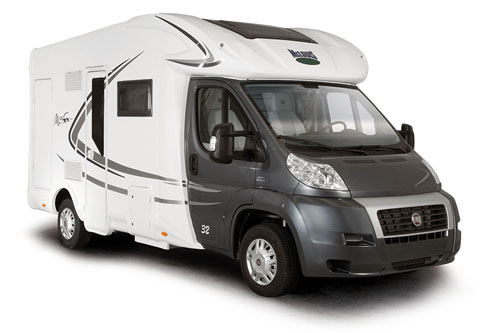
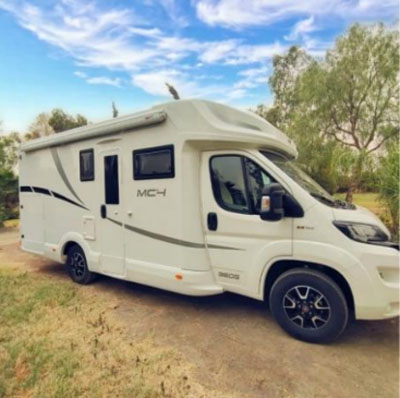
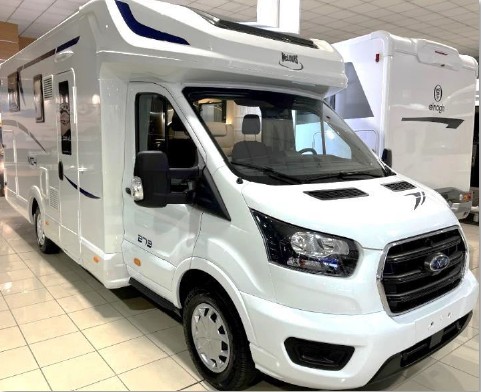
Choosing the right RV class is crucial for a comfortable Moroccan adventure. For couples, a Class B - Camper Van is an excellent choice. These are typically around 5.8 meters long, offer about 3.2 sleeping places, and are incredibly agile for navigating bustling towns and narrower roads. They are also quite fuel-efficient, averaging 8-10 Liters per 100 km.
For families or groups of up to 4-5 adults, a Class C - Alcove motorhome is ideal. These models, often around 7.5 meters long, provide ample living and sleeping space, typically accommodating 5-8 people. Their fuel consumption is usually around 10-12 Liters per 100 km. Bandana Caravan's 'Rent & Plan' service can help you seamlessly combine RV rental with expert-curated itineraries and trip-planning software.
Consider a vehicle like the Explorer RV rental example, a popular Class C motorhome, for family adventures, offering sleeping places for 4 people and features like a gas stove, refrigerator, and comfortable living area. For couples, a more compact option such as the EX-Group A RV rental, which sleeps 2 and is known for its efficiency, would be a great fit. For ideas you can prep on the road, watch our RV-friendly recipes playlist on YouTube.
What's the best time of year to RV in Morocco?
The most recommended time to RV in Morocco is during the shoulder seasons: spring (March to May) and autumn (September to November). During these periods, you'll experience pleasant temperatures, making exploration comfortable and enjoyable, while avoiding the intense heat of the Moroccan summer and the cooler, sometimes wet conditions of winter.
Spring is particularly beautiful as the landscape bursts into bloom with wildflowers, offering vibrant scenery. Autumn provides warm days and comfortably cool nights, perfect for desert excursions or exploring cities.
If you’re considering specific regions, the coastal areas like Essaouira might be pleasant year-round, though spring and autumn offer the best balance of warmth and manageable crowds. For desert trips, spring and autumn are definitely preferred for more bearable temperatures.
How much does it cost to rent an RV in Morocco?
The cost to rent an RV in Morocco typically ranges from €70 to €150+ per day. This price varies significantly based on the RV class (campervan vs. larger motorhome), the duration of your rental, and the season. For example, renting a Class B camper van for couples might be at the lower end of this spectrum, while a larger Class C motorhome for families will be at the higher end.
Beyond the rental cost, budget for additional expenses. Fuel consumption for most diesel RVs is around 8-12 Liters per 100 km, with diesel prices being comparable to European rates. Camping fees are quite affordable, typically ranging from €5-€15 per night for official campsites. Other costs to consider include food (which can be very economical when eating locally), minor road tolls on highways, and expenses for activities like guided desert treks (€20-€50) or entrance fees to historical sites (€1-€5). On the routes offered through RV PLANET routes, you can itemize and track every expense along the way for easy budgeting.
Ensure your rental quote includes comprehensive insurance, or be prepared to purchase it separately. When comparing final prices across suppliers, you’ll find that what you see is what you pay with Bandana Caravan, with no hidden fees at pickup.
For a more detailed understanding of costs, exploring options through RV PLANET routes can help you itemize and track every expense along the way for easy budgeting.
What documents do I need to rent an RV in Morocco?
To rent an RV in Morocco, you'll need a few essential documents. First, a valid passport is required for identification. You will also need a major credit card for the rental deposit and any additional charges. An International Driving Permit (IDP) is highly recommended and often mandatory; it serves as a translation of your domestic driving license and ensures you can legally drive the rented motorhome throughout Morocco.
Always carry your RV rental agreement and proof of insurance with you while driving. For those considering bringing their own RV into Morocco (if applicable), be prepared for additional temporary import documents required at the border, which will facilitate the process.
Is it safe to drive an RV in Morocco?
Driving an RV in Morocco is generally safe, but it requires awareness of local driving culture and potential variations in road conditions. You'll encounter a wide range of terrains, from well-maintained highways connecting major cities to more challenging gravel tracks in remote areas. Be prepared for winding roads and steep gradients, especially when traversing the Atlas Mountain passes.
In cities, practice defensive driving due to the presence of scooters, pedestrians, and animals like donkeys or carts sharing the road. Police checkpoints are common; ensure you have your documents readily available and maintain a respectful demeanor. As with any travel, always secure your vehicle and valuables to prevent petty theft, particularly in crowded areas or when parked in isolated spots overnight.
Driving slowly and carefully, using common sense, and paying attention to your surroundings will allow you to navigate most areas without issues. You'll find that taking your time allows you to truly appreciate the journey and the unique scenery Morocco offers.
Can I wild camp in Morocco with an RV?
Wild camping in Morocco with an RV is generally tolerated in remote, rural areas, but it comes with the responsibility of practicing ethical, safe, and respectful methods. Always seek permission from landowners or local authorities if you are near villages or on private land. It's a good practice to introduce yourself to locals if you plan to park overnight near a village.
Embrace the 'leave no trace' principles: dispose of all waste responsibly, pack it out if no bins are available, and minimize your environmental impact. For safety, park discreetly, arrive before dark, and be aware of your surroundings; it’s advisable to avoid notoriously isolated spots, especially after dark. Your RV rental agreement will specify any restrictions, but generally, common sense prevails.
Alternatives to wild camping include official campsites, which are available in most major towns and popular tourist destinations, offering basic amenities. Some guesthouses or auberges, particularly in desert regions, may also permit RV parking for a fee, often with access to their facilities.
Where can I find RV campsites in Morocco?
Finding RV campsites and suitable parking spots in Morocco is made easier with a few reliable resources. Apps like iOverlander, Campercontact, and Park4night are invaluable tools for locating official campsites and informal parking spots, often including reviews and details from fellow RV travelers.
Official campsites are typically found in major towns, along the popular coastal routes, and in well-visited tourist areas. These sites usually offer essential amenities for RVs. Additionally, in many desert regions and rural areas, guesthouses or auberges may permit RV parking for a fee, sometimes providing access to their facilities, which can be a convenient alternative to traditional campgrounds.
What are the road conditions like for RVs in Morocco?
Road conditions for RVs in Morocco present a varied experience, from excellent paved highways connecting major cities to more challenging gravel tracks in less developed areas. The Atlas Mountain passes, such as the Tizi n'Tichka, feature winding roads with steep gradients and can have heavy truck traffic, demanding careful navigation.
Desert roads are generally paved, but can sometimes be sand-blown; standard 2WD RVs are suitable for the main routes, but dedicated 4x4 vehicles would be necessary for serious off-roading. Be aware of common hazards, including pedestrians, livestock, donkey carts, unmarked speed bumps, and poorly lit sections, especially when driving at night. Always drive defensively and adjust your speed according to the road conditions and your RV's size and handling characteristics.
How do I manage water and waste in an RV in Morocco?
Managing water and waste in your RV in Morocco is straightforward with a little planning. You can refill your fresh water tank at official campsites, some petrol stations (always ask permission first), or by purchasing bottled water and using it for your tank. Filtering tap water is a good practice if you're unsure about its quality.
Disposing of grey and black water should only be done at designated dump points, which are readily available at most campsites. Bag all general trash and dispose of it in municipal bins; in remote areas, be prepared to carry your waste until you find a suitable disposal point. Conserve water diligently, as Morocco has a dry climate; take short showers and use biodegradable soaps to minimize your environmental footprint.
Do I need a 4x4 RV for Morocco?
For most standard RV itineraries in Morocco, including touring cities, exploring coastal routes, and visiting popular desert towns, a standard 2WD RV is perfectly sufficient. The majority of main roads are well-maintained, making travel comfortable and accessible in typical motorhomes or campervans.
A 4x4 RV is primarily necessary if your travel plans involve venturing significantly off-road, such as deep into desert dunes or tackling very challenging, unpaved mountain tracks that are not part of the standard tourist routes. Assess your intended route and research specific destinations to determine if a 4x4 is truly essential for your adventure. If your itinerary focuses on the typical highlights, a standard RV rental will serve you well.
What currency is used in Morocco and how should I handle money?
The official currency in Morocco is the Moroccan Dirham (MAD). It's important to note that the Dirham is a closed currency, meaning it cannot be legally imported or exported, so you'll need to obtain it within Morocco.
ATMs are widely available in cities and larger towns, and it's advisable to inform your bank of your travel plans before you depart to avoid any issues with card usage. Cash is essential for smaller purchases, especially in local markets and remote areas, so always carry small denominations. Haggling is a customary part of the shopping experience in Moroccan souks and should be approached as a friendly negotiation.
What are the customs for interacting with locals in Morocco?
Respectful interaction with locals is key to a enriching Moroccan RV trip. Always start greetings with 'Salam Alaikum' or 'Bonjour' before discussing business; handshakes are common, typically offered between people of the same gender. Dress modestly, covering your shoulders and knees, especially when visiting religious sites or in more conservative rural areas, to show respect for local customs.
Always ask for permission before taking photos of people, particularly women and children. Accepting an offer of mint tea is a common gesture of hospitality and a wonderful way to connect with locals. If you happen to be wild camping near a village, consider introducing yourself to the local community to foster goodwill and understanding.
Can I bring my own RV to Morocco?
Yes, it is possible to bring your own RV to Morocco, typically by taking a ferry from Southern Spain to Tangier. The journey across the Strait of Gibraltar is a common route for travelers entering Morocco with their vehicles.
Required documents include your passport, vehicle registration, an International Driving Permit (IDP), and proof of ownership. You will need to complete a temporary import document (D16ter) for your vehicle at the border, which allows your RV to legally enter Morocco. It's crucial to check with your vehicle insurer regarding coverage in Morocco; you may need to purchase additional local insurance at the border to ensure you are fully covered.
Ensure your RV is in excellent mechanical condition before your trip and consider carrying essential spare parts, as specialized RV parts can be challenging to find in Morocco. Proper preparation will contribute to a smoother and more enjoyable journey.
What spare parts or tools should I carry for an RV trip in Morocco?
It's prudent to carry a basic yet comprehensive set of spare parts and tools for an RV trip in Morocco, given the varied road conditions and potential remoteness of some areas. Essential items include a tire repair kit (spare tire, levers, puncture repair kit, and a reliable pump) and a basic toolkit with wrenches, screwdrivers, pliers, and duct tape.
Carry small quantities of essential fluids like engine oil, coolant, and brake fluid, along with spare filters (fuel, air). A selection of spare fuses and bulbs, jumper cables, and empty water and fuel containers are also highly recommended. Having basic DIY repair knowledge can be incredibly beneficial, as finding specialized RV parts can be challenging.
What is the fuel consumption for RVs in Morocco?
Fuel consumption for most diesel RVs available through Bandana Caravan typically ranges from 8-12 Liters per 100 km (approximately 20-30 MPG). Specifically, Class B Camper Vans tend to be more economical, averaging 8-10 Liters/100 km, while larger Class SI and Class C motorhomes might consume 10-12 Liters/100 km.
Diesel is the predominant and generally more affordable fuel type in Morocco. When planning your routes, factor in that fuel consumption can increase during mountain ascents or on more challenging roads. It’s important to plan your fuel stops carefully, especially when traveling through remote areas where stations might be less frequent.
How can I support local communities during my RV trip?
Supporting local communities is a rewarding aspect of RV travel in Morocco. You can make a direct impact by shopping for produce and handicrafts directly from souks and local artisan shops, ensuring your purchases benefit local makers.
Dine at small, family-run restaurants and roadside cafes to experience authentic Moroccan cuisine while directly supporting local families. Hiring certified local guides for tours and excursions is another excellent way to directly support their livelihoods and gain deeper insights into the culture and history.
Engage respectfully with locals by learning basic Arabic or Berber phrases, asking permission before taking photos, and showing genuine cultural interest. Practicing responsible waste management by disposing of all trash and wastewater properly at designated facilities also contributes to the well-being of the communities you visit.
What You Shouldn't Miss
- Marrakech Medina: Lose yourself in the vibrant souks and soak in the atmosphere of Djemaa el-Fna square.
- Ait Benhaddou: Explore this ancient, fortified village (ksar), a UNESCO World Heritage site that feels like stepping back in time.
- Sahara Desert Experience: Witness the magic of Erg Chebbi dunes near Merzouga, perhaps with a camel trek at sunset and an overnight stay under the stars.
- Todra and Dades Gorges: Drive through these spectacular canyons, experiencing the dramatic geological formations and stunning 'Road of 1000 Kasbahs'.
- Chefchaouen's Blue Charm: If your route allows, visit this enchanting mountain city known for its blue-washed buildings (remember to park outside the medina for your RV).
- Fes Medina: Navigate the ancient, bustling medina of Fes, one of the world's largest car-free urban areas, for an unforgettable cultural immersion.
Final Thoughts
A one-way RV rental in Morocco offers an unparalleled adventure, combining the freedom of the open road with the rich tapestry of Moroccan culture and landscapes. By choosing the right itinerary and vehicle, and embracing the spirit of slow travel, you're set for an unforgettable experience.
From the bustling souks of Marrakech to the serene sands of the Sahara, your rented RV becomes your comfortable home base, allowing you to discover Morocco at your own pace. Get inspired for your next trip and start planning your Moroccan RV adventure today!
Discover top destinations, planning tips, and itineraries all in one place. Plan a trip itinerary in advance with minimal effort and maximum enjoyment.