In This Guide
- Best Europe RV Itinerary for one way rv rental - Overview
- 7-Day Classic Route in Europe
- 14-Day Extended Journey in Europe
- Recommended RVPlan Trip for Europe
- Must-See Stops Along the Way (Avi Bandana Picks)
- Daily Driving Distances & Drive Times in Europe
- Best RV Class for This Itinerary - Couple & Family Picks
- What is the 3-3-3 rule for RV travel?
- Can you sleep anywhere in a campervan in Europe?
- How easy is it to travel around Europe in a motorhome?
- What is the 444 rule for RV?
- What are the best ways to travel Europe in a RV?
- Which European countries are best for driving in a motorhome?
- What is the most beautiful road trip in Europe?
- What are the best RV trips in Europe?
Best Europe RV Itinerary for one way rv rental - Overview
A one-way RV itinerary in Europe typically covers 1,000-1,500 km (600-900 miles) over a minimum of 7 days, allowing travelers to explore diverse landscapes from coastal routes to mountainous regions, starting in one major city and dropping off in another. This travel style maximizes your exploration without the need for backtracking, offering an unparalleled sense of freedom. Europe's shoulder seasons, specifically spring (April-June) and autumn (September-October), are often recommended for one-way motorhome travel due to pleasant weather conditions and fewer crowds, making campsite availability easier and attractions more enjoyable. For live availability and current prices, start with our RV Rental Europe - Complete Guide 2026 guide.
Popular one-way routes often connect iconic cities, such as Lisbon to Barcelona, Munich to Venice, or Paris to Zurich, blending rich cultural experiences with breathtaking scenic drives. These routes are meticulously designed to ensure a smooth transition between countries, offering a taste of different cultures and landscapes. Bandana makes it easy to find one-way RV rental options by comparing final prices across 50+ suppliers, ensuring full transparency with no hidden fees or surprises.
7-Day Classic Route in Europe
A classic 7-day one-way motorhome route in Europe can take you through an enchanting journey from Paris, France, to Zurich, Switzerland, covering approximately 845 km (525 miles) and offering a delightful mix of culture and scenery.
- Day 1: Paris, France → Reims, France (approx. 145 km / 90 miles) - Explore the historic cathedrals and renowned Champagne region. Overnight at Camping de la Vesle, offering convenient access to the city center.
- Day 2: Reims, France → Nancy, France (approx. 170 km / 105 miles) - Discover the stunning Art Nouveau architecture of Place Stanislas, a UNESCO World Heritage site. Overnight at Camping de Brabois.
- Day 3: Nancy, France → Colmar, France (approx. 130 km / 80 miles) - Wander through the picturesque 'Little Venice' district with its colorful half-timbered houses. Overnight at Camping de l'Ill Colmar.
- Day 4: Colmar, France → Freiburg im Breisgau, Germany (approx. 60 km / 37 miles) - Cross into Germany and enjoy Freiburg, a vibrant university city at the edge of the Black Forest. Overnight at Camping Hirzberg.
- Day 5: Freiburg, Germany → Strasbourg, France (approx. 90 km / 55 miles) - Return to France and visit the magnificent Strasbourg Cathedral and its charming old town, La Petite France. Overnight at Camping de Strasbourg.
- Day 6: Strasbourg, France → Lucerne, Switzerland (approx. 200 km / 125 miles) - Drive through scenic landscapes, including parts of the Black Forest, to lakeside Lucerne, known for its Chapel Bridge. Overnight at Camping International Lido Luzern.
- Day 7: Lucerne, Switzerland → Zurich, Switzerland (approx. 50 km / 30 miles) - A short final drive to Zurich for RV drop-off, allowing time to enjoy the city's vibrant atmosphere and lake activities before departing.
14-Day Extended Journey in Europe
An extended 14-day one-way RV journey in Europe can immerse you in the Bavarian Alps and Italian Dolomites, starting in Munich, Germany, and ending near Venice, Italy, covering approximately 1,000 km (620 miles).
Part 1: Bavarian & Alpine Charm (Days 1-7)
- Day 1: Munich, Germany → Garmisch-Partenkirchen, Germany (approx. 90 km / 56 miles) - Explore the Olympic ski town and stunning mountain scenery. Overnight at Camping Resort Zugspitze.
- Day 2: Garmisch-Partenkirchen, Germany → Innsbruck, Austria (approx. 65 km / 40 miles) - Cross into Austria, visit the historic old town and Golden Roof, an iconic landmark. Overnight at Helbling Camping Innsbruck.
- Day 3: Innsbruck, Austria → Zell am See, Austria (approx. 150 km / 93 miles) - Drive through picturesque alpine passes to the beautiful lake resort town, offering opportunities for water sports or hiking. Overnight at Sportcamp Woferlgut.
- Day 4: Zell am See, Austria → Hallstatt, Austria (approx. 80 km / 50 miles) - Discover Hallstatt, a UNESCO World Heritage lakeside village with charming architecture. Overnight at Camping Seecamp Fusch am See (nearby, Hallstatt has limited RV parking).
- Day 5: Hallstatt, Austria → Salzburg, Austria (approx. 70 km / 43 miles) - Explore Mozart's birthplace and the 'Sound of Music' city, with its impressive fortress. Overnight at Panorama Camping Salzburg.
- Day 6: Salzburg, Austria → Berchtesgaden, Germany (approx. 30 km / 18 miles) - A short drive to the Bavarian Alps, visit Königssee lake and the historic Eagle's Nest. Overnight at Camping Resort Allweglehen.
- Day 7: Berchtesgaden, Germany → Lake Chiemsee, Germany (approx. 80 km / 50 miles) - Relax by Bavaria's largest lake, Chiemsee, and visit the opulent Herrenchiemsee Palace. Overnight at Campingplatz Felden.
Part 2: Dolomites & Venetian Coast (Days 8-14)
- Day 8: Lake Chiemsee, Germany → Dolomites (Bolzano area), Italy (approx. 200 km / 125 miles) - Journey south into the stunning Italian Dolomites, a UNESCO World Heritage site known for dramatic peaks and valleys. Overnight at Camping Vidor Family & Wellness Resort.
- Day 9: Dolomites (Bolzano area), Italy → Lake Garda (Riva del Garda), Italy (approx. 100 km / 62 miles) - Enjoy the northern tip of Italy's largest lake, offering water activities and scenic views. Overnight at Camping Brione.
- Day 10: Lake Garda (Riva del Garda), Italy → Verona, Italy (approx. 90 km / 56 miles) - Visit Verona, the city of Romeo and Juliet, with its impressive Roman arena and charming old town. Overnight at Camping Verona.
- Day 11: Verona, Italy → Padua, Italy (approx. 80 km / 50 miles) - Explore St. Anthony's Basilica and Giotto's breathtaking frescoes in the Scrovegni Chapel. Overnight at Camping Parchi di Padova.
- Day 12: Padua, Italy → Chioggia, Italy (approx. 50 km / 31 miles) - Experience the 'Little Venice' of Chioggia, a charming fishing town with canals and colorful boats. Overnight at Camping Internazionale Valdaliga.
- Day 13: Chioggia, Italy → Venice (Lido di Venezia), Italy (approx. 30 km / 18 miles) - Park your rented RV on the Lido and take a ferry into iconic Venice for exploration. Overnight at Camping Union Lido (on the nearby coast).
- Day 14: Venice, Italy - Enjoy a final day in Venice before RV drop-off in a nearby city like Mestre or Verona, depending on one-way options and supplier availability.
🎬 Video coming soon
Recommended RVPlan Trip for Europe
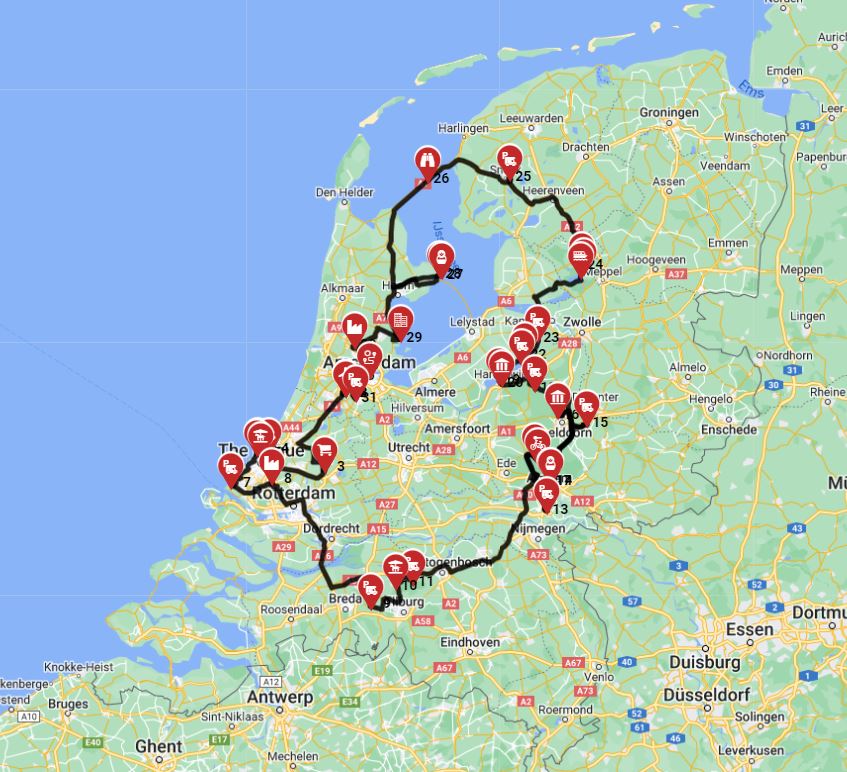
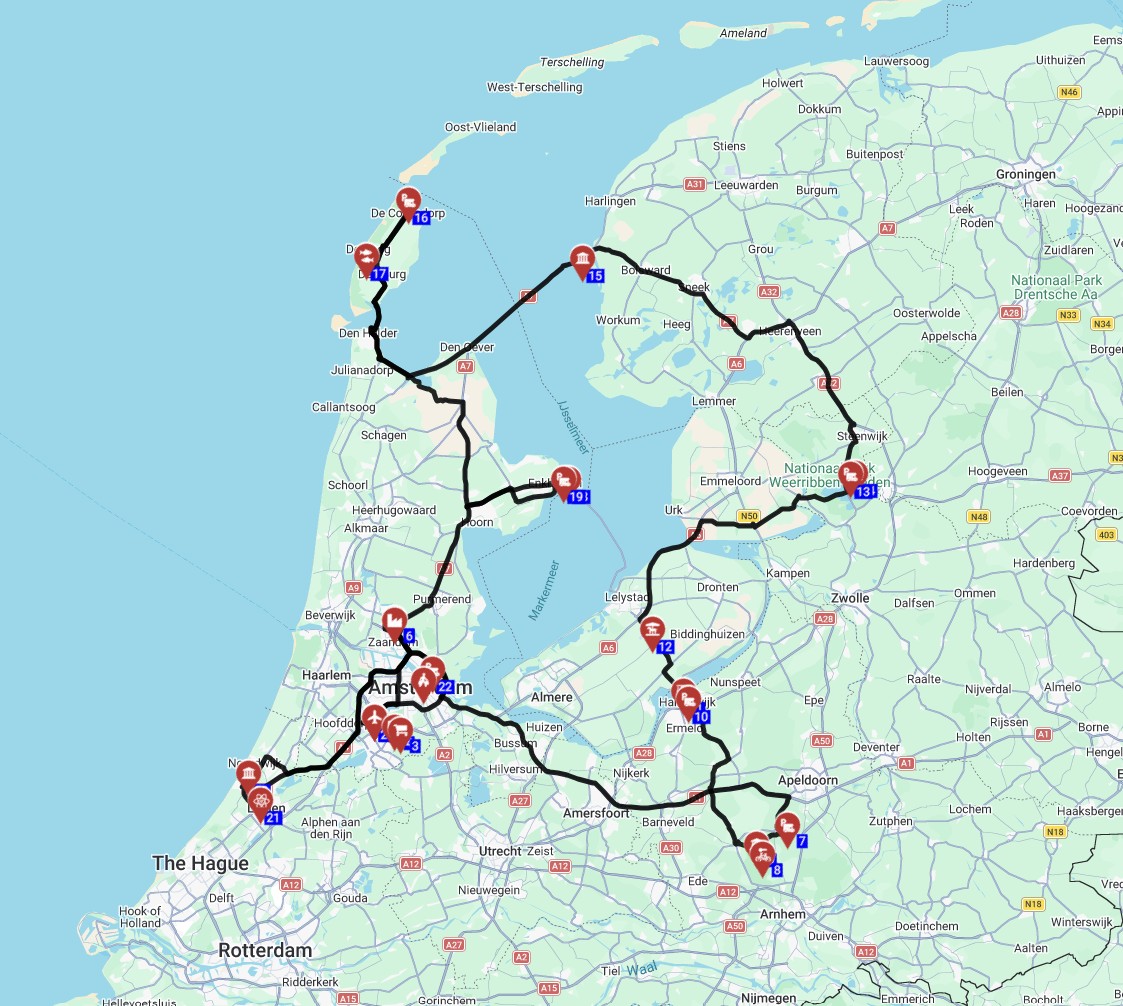
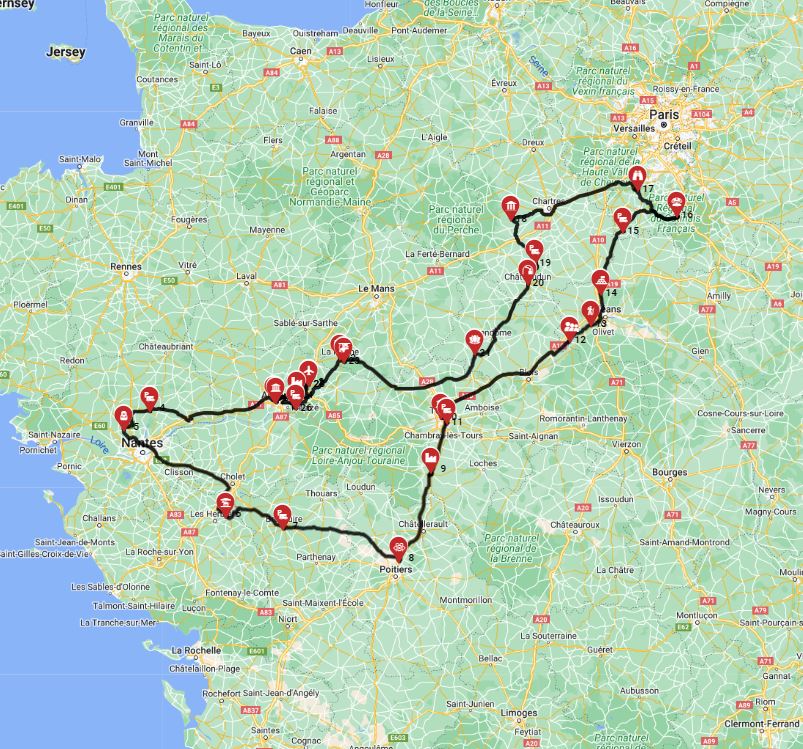
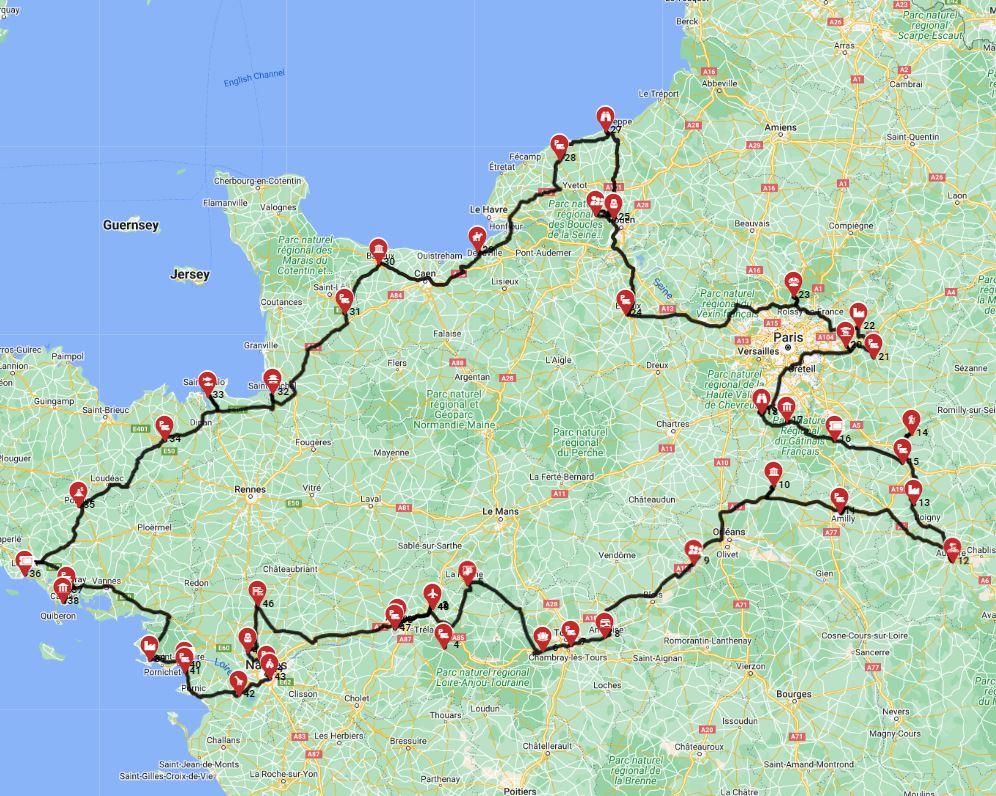
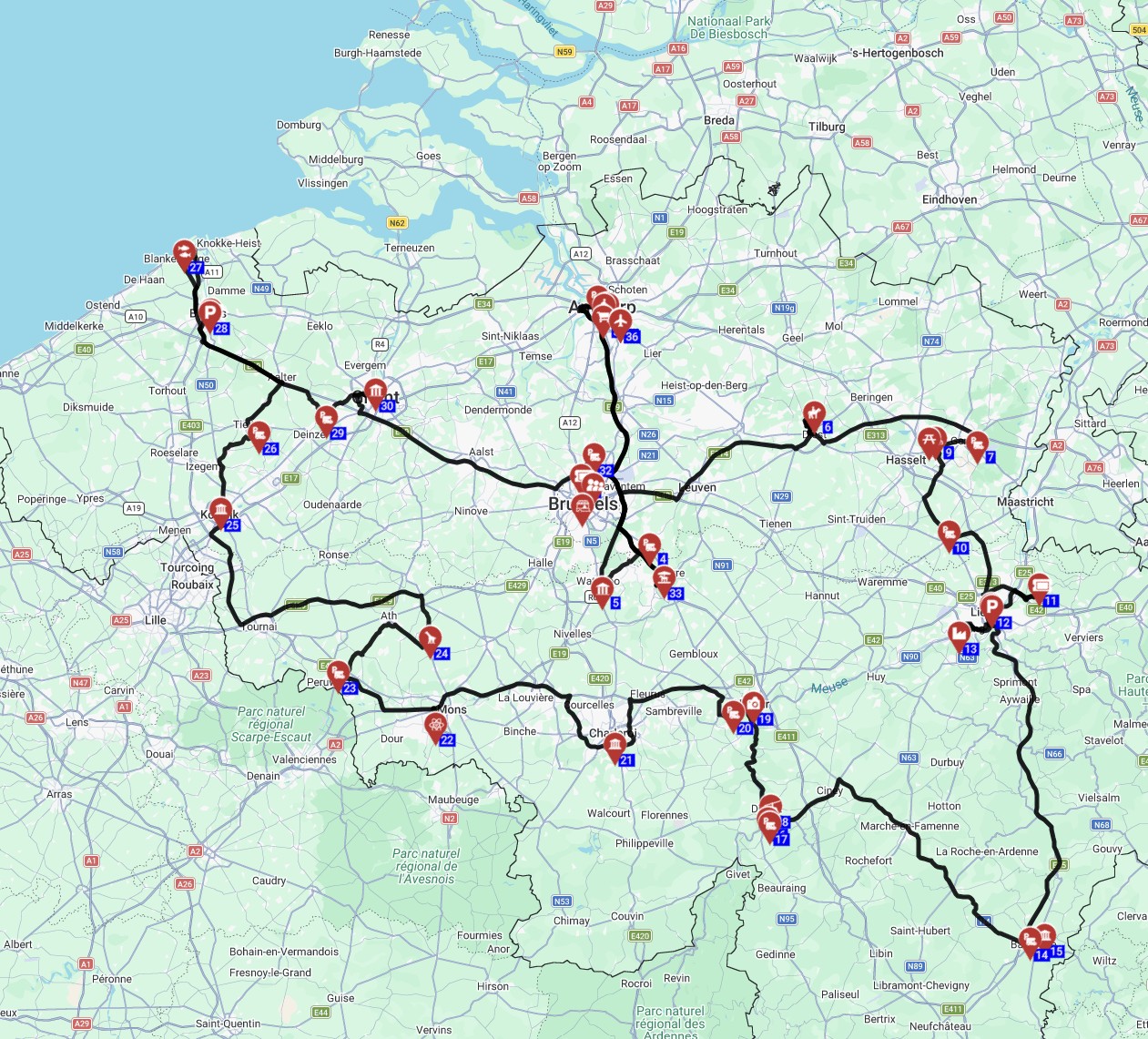
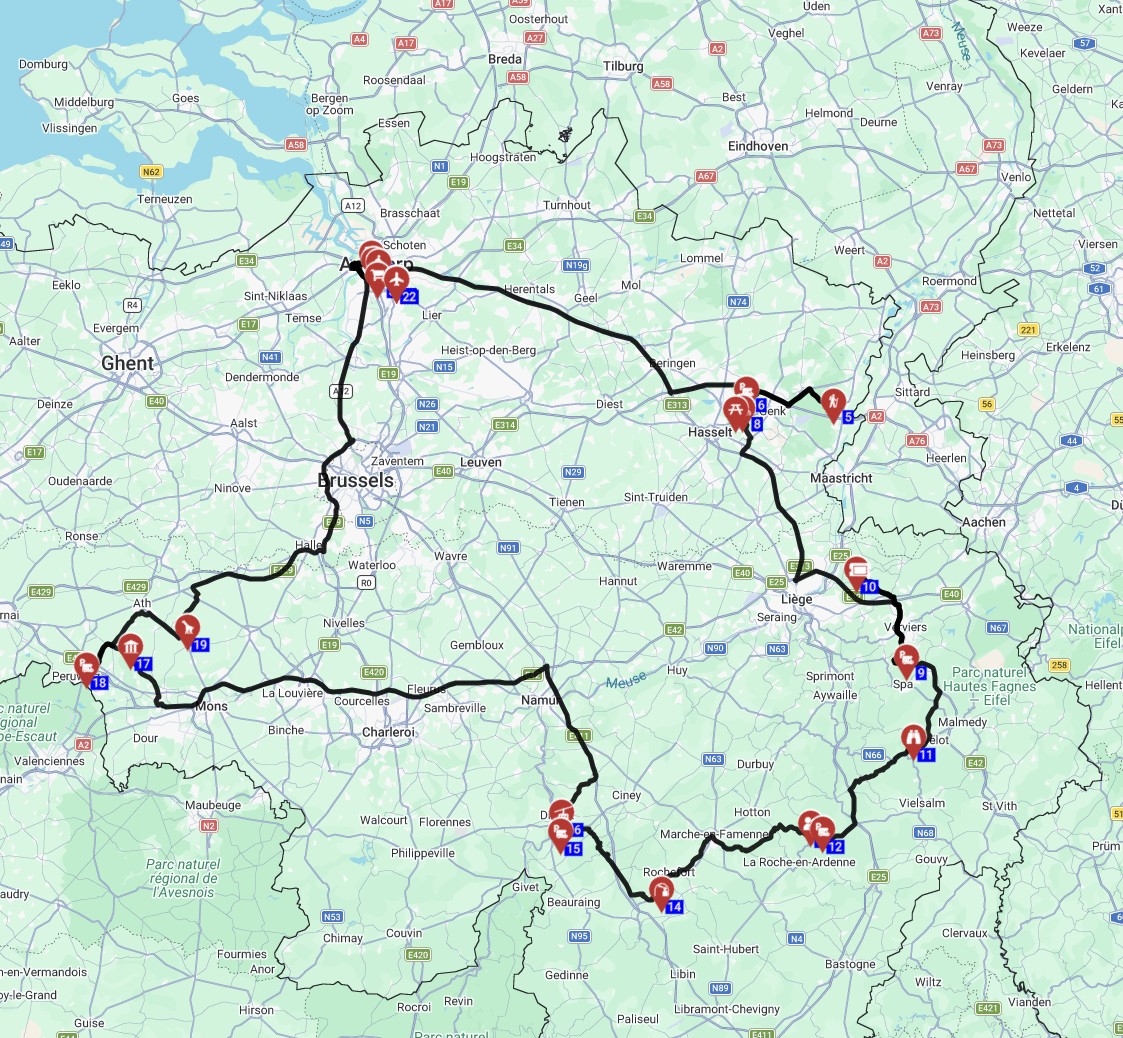
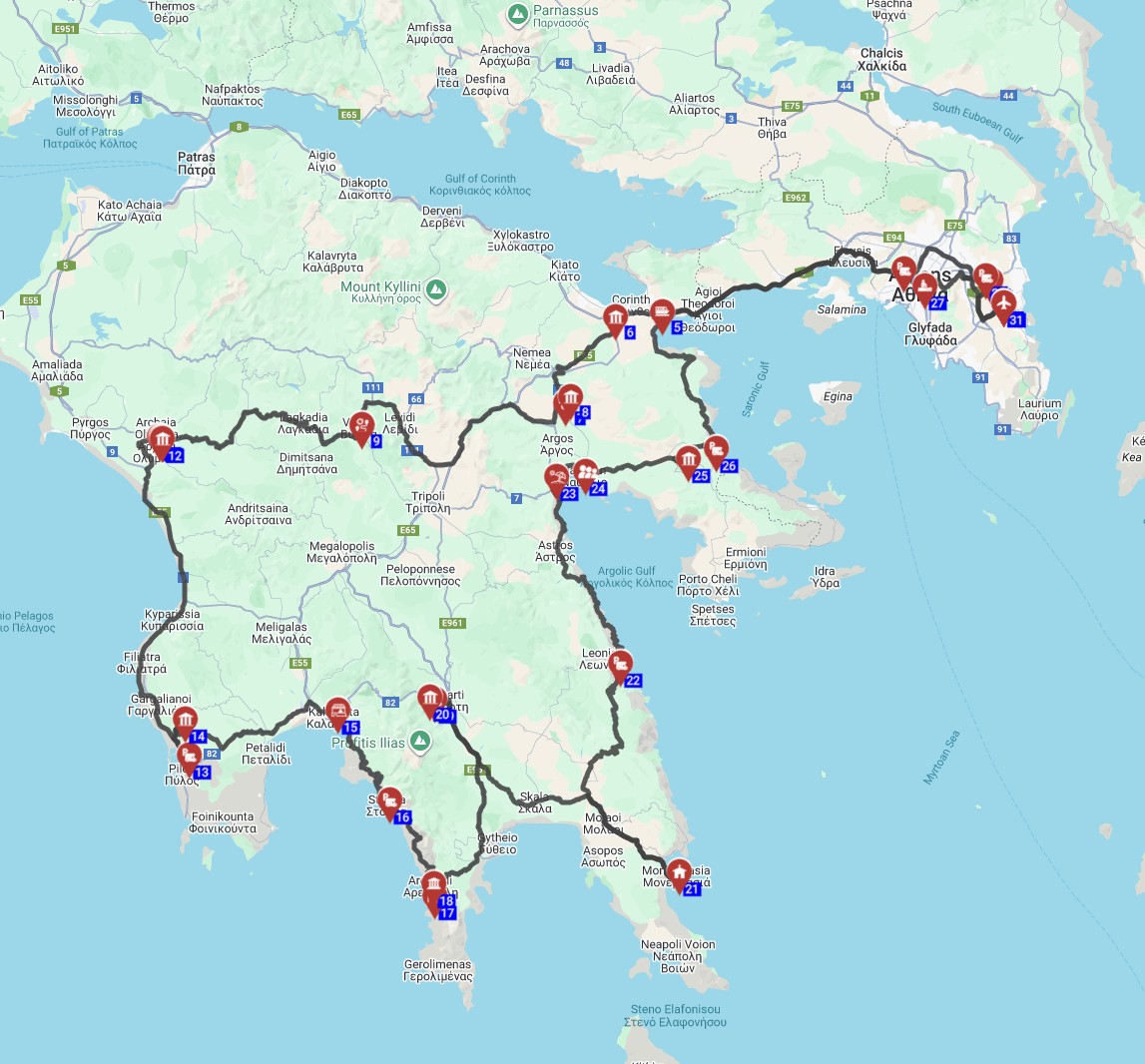
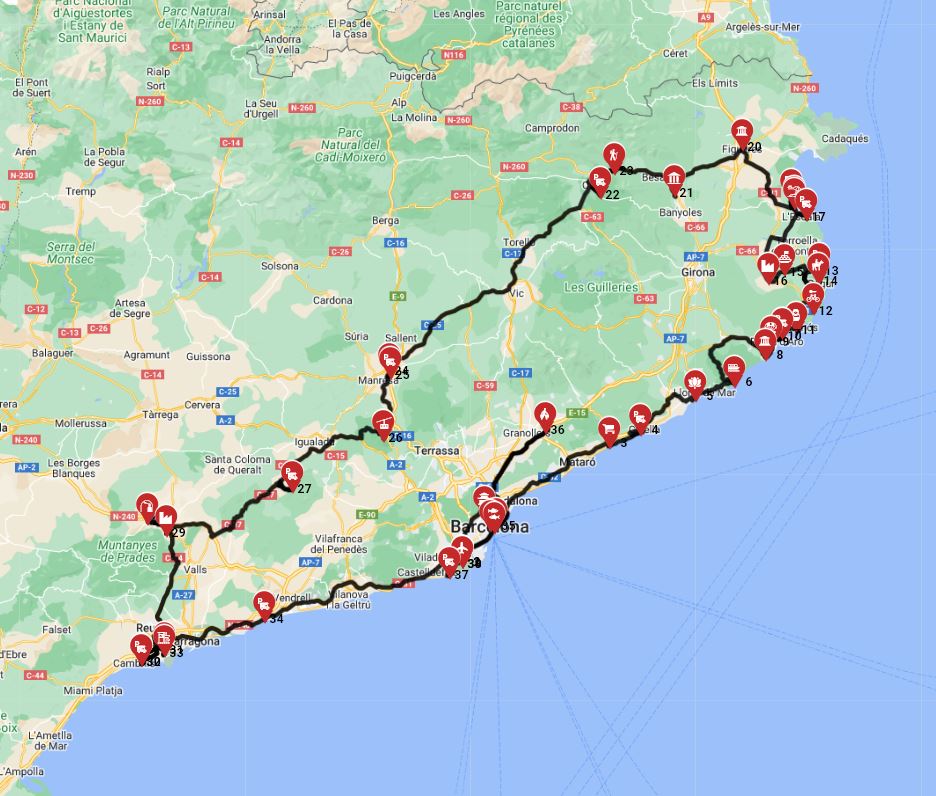
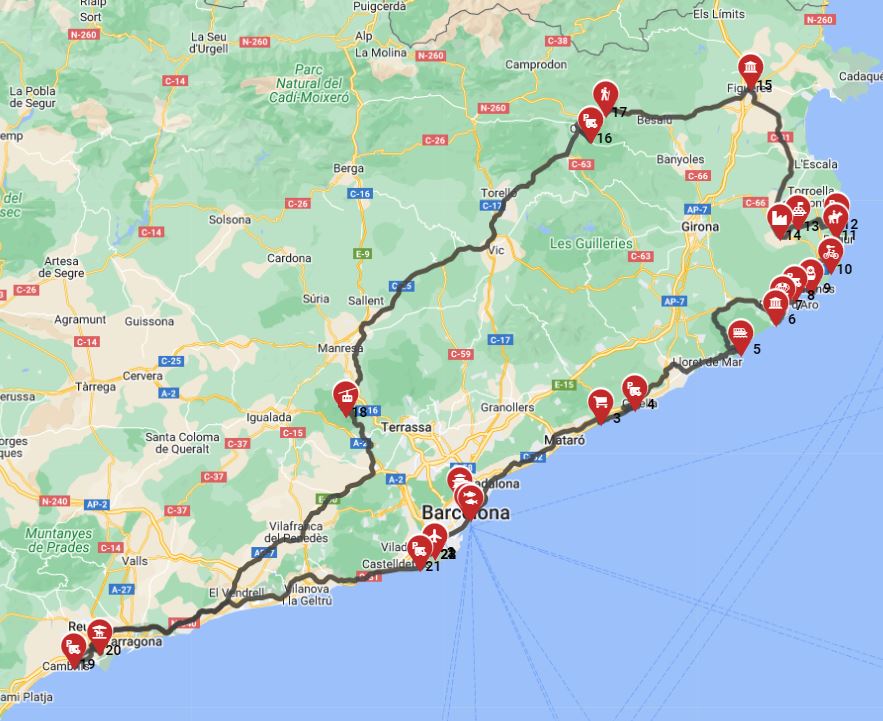
For a robust European RV adventure, consider exploring curated itineraries from RV PLANET (rvplan.net), our sister company, which offers professional pre-planned routes. One exceptional route, the '
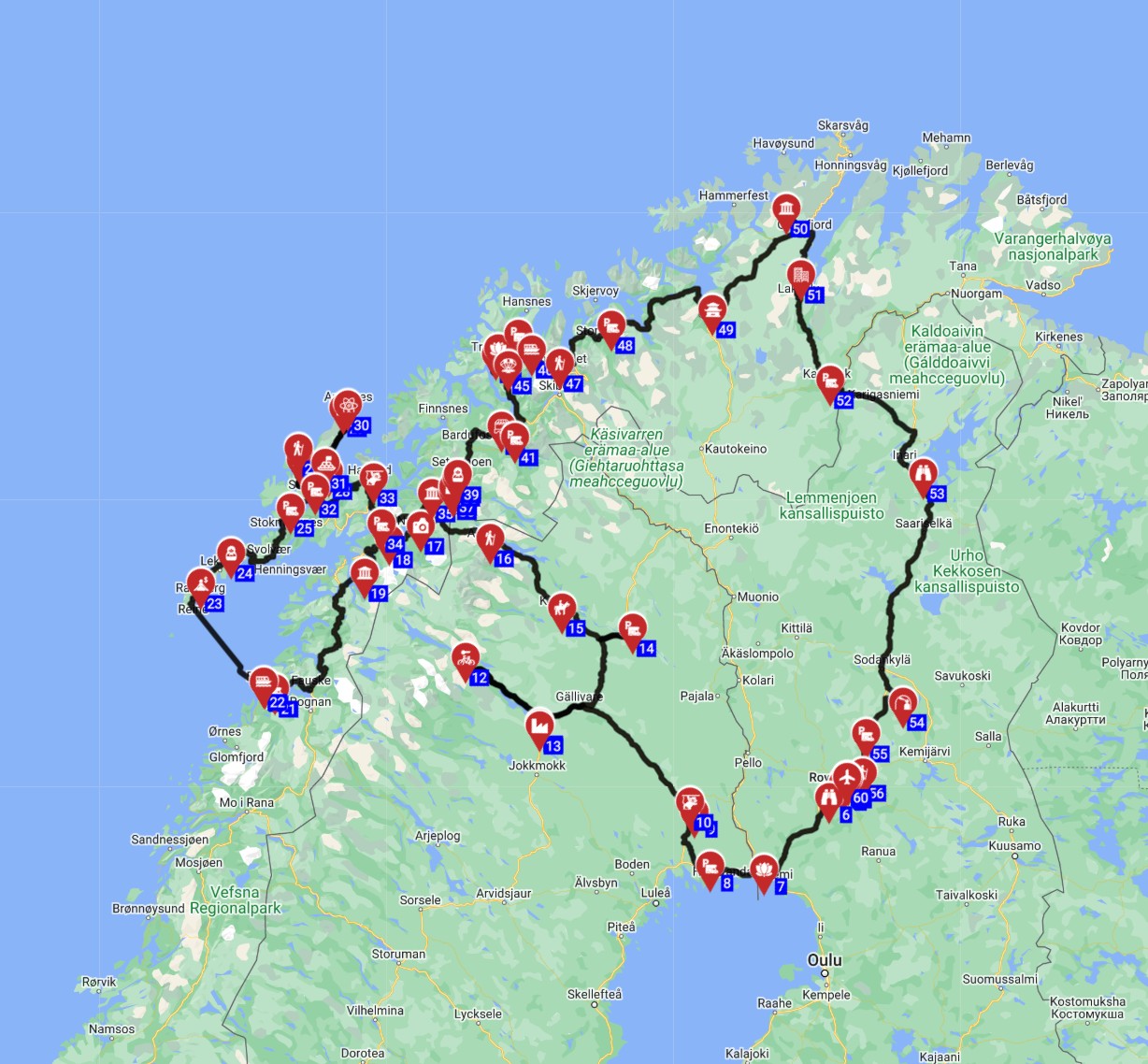
This itinerary, suitable for those seeking a unique Northern European experience, includes 1 amusement park, 3 animal shows/wildlife watch opportunities, 1 aquarium, 1 bike rental, 2 botanical gardens, 1 canoe/kayak/rafting experience, 1 cave, 2 cruise terminals/sailing points, 1 extreme activity, 1 heritage site, 4 hiking areas, 1 horseback riding spot, 1 local industry visit, 5 museums, 3 natural features, 1 point of interest, 2 science sites, 1 traditional market, 1 traditional restaurant/fine dining, 2 traditional visits, 1 water park, and 1 zoo. While this example is a roundtrip, RV PLANET offers numerous one-way options tailored to your adventure across Europe, providing comprehensive routes and points of interest. You can even itemize and track every expense along the way for easy budgeting with RV PLANET routes.
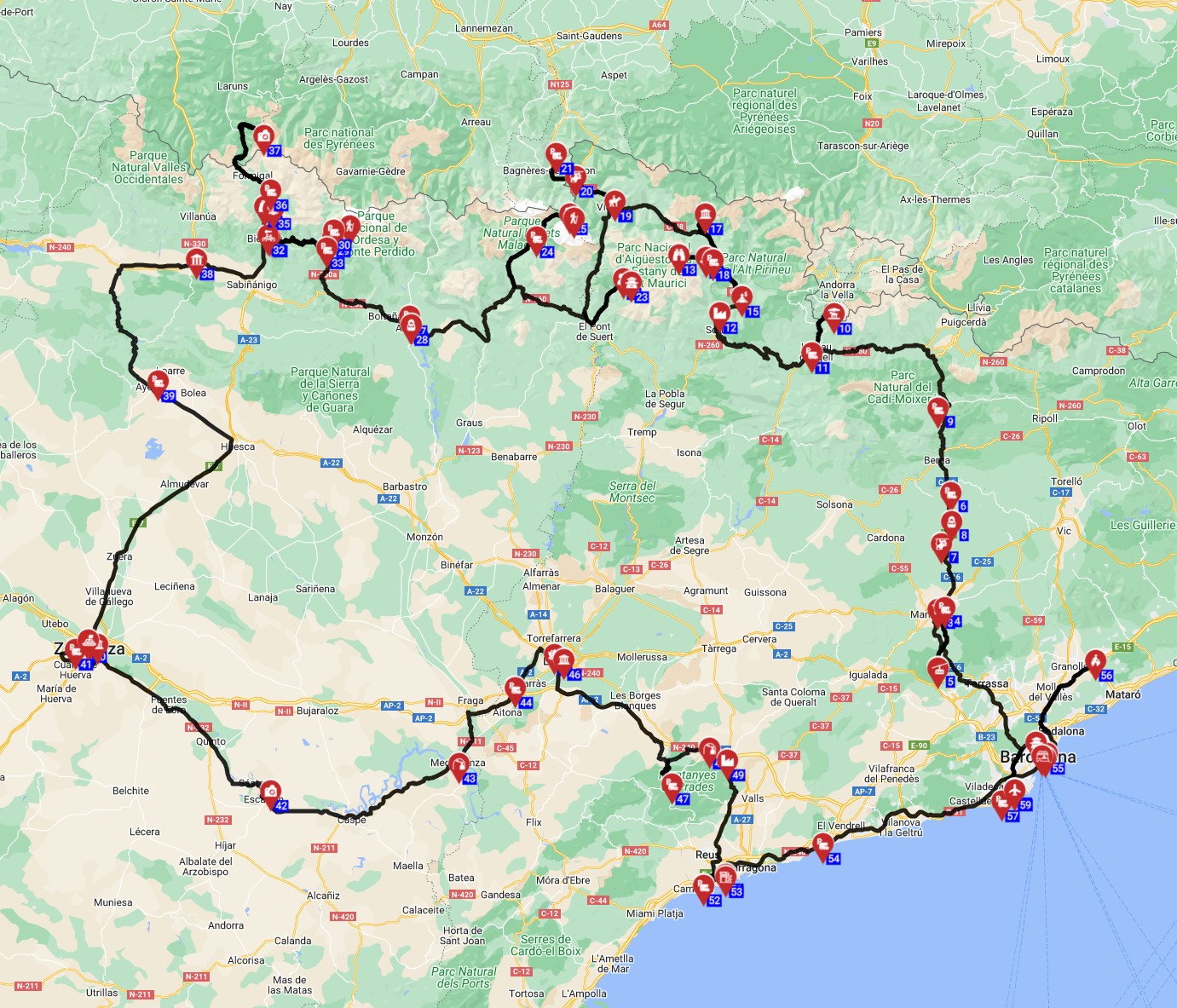
Consider another RV PLANET route like the "Toulouse Round trip - European Charms & Family Delights", a 15-day, 2088.7 km journey that includes 1 amusement park, 2 caves, and 4 traditional visits, perfect for families. Or perhaps the "

Must-See Stops Along the Way (Avi Bandana Picks)
Avi Bandana recommends focusing on authentic local experiences to truly immerse yourself in European culture during your rented RV trip. Instead of just ticking off major landmarks, seek out opportunities to connect with the local way of life. For instance, on a one way rv rental Europe trip, a Traditional Visit to a less-known historical site can offer profound insights.
- Traditional Visit: Look for historic landmarks and cultural sites that offer a genuine glimpse into the region's past. The Alta Museum - World Center for Rock Art in Norway, for example, allows visitors to learn about ancient settlers and their fascinating petroglyphs.
- Traditional Market: Explore vibrant local markets for fresh produce, artisan crafts, and regional delicacies. These markets, found in many European towns, provide an excellent opportunity to taste local food and engage with the community.
- Traditional Restaurant / Fine Dining: Indulge in authentic local cuisine at a traditional restaurant. This is a fantastic way to savor regional specialties and culinary traditions, making your mealtimes a cultural experience. For inspiration on what to cook in your RV, check out our RV-friendly recipes playlist.
- Local Industry: Seek out opportunities to visit local industries. The Porjus Hydroelectric Power Station Museum in Sweden provides insights into a region's economic and technological history, showcasing innovation and local impact.
Daily Driving Distances & Drive Times in Europe
Avi Bandana recommends a maximum of 100 miles or 150 km per day on average to ensure a relaxed and enjoyable rented motorhome trip through Europe. This slower pace allows ample time for spontaneous stops, exploring charming villages, and truly experiencing local culture without feeling rushed. Driving slowly also accounts for varying European road conditions, potential traffic in cities like Paris or Munich, and the need to find suitable parking or campsites, especially with a larger recreational vehicle.
For example, the drive from Paris to Bruges (Belgium), approximately 300 km (186 miles) and 3.5-4 hours of driving, is best split over two days with an overnight stop to fully enjoy the journey. In contrast, the Munich to Salzburg (Austria) route, about 145 km (90 miles) and 1.5-2 hours of driving, is an ideal single day's journey. A trip from Florence to Rome (Italy), covering roughly 280 km (174 miles) over 3-3.5 hours, also benefits from being spread across two days to savor the Tuscan countryside. While European roads are generally excellent, they can be narrow and winding in rural areas and city centers. Drive slowly and carefully, and you can drive almost anywhere without issues. No need to stress - just use common sense and pay attention.
Best RV Class for This Itinerary - Couple & Family Picks
Choosing the right rented RV for your European one-way adventure depends on your group size and comfort preferences, considering Europe's varied road sizes and campsite amenities. Fortunately, a standard car driver's license is sufficient for driving any motorhome class (Class A, Class B, Class C) across Europe, making vehicle choice straightforward from a legal perspective.
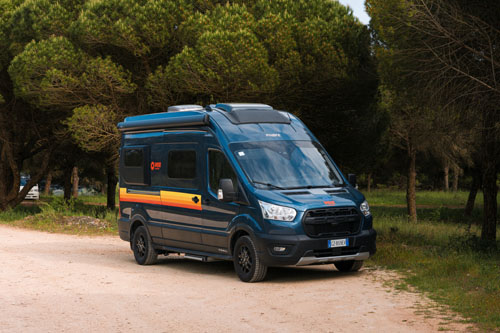
For couples, the Class B - Camper Van is an excellent choice, offering superior agility and ease of navigation through narrower European streets and charming village centers. These campervans, like the V2L with a length of 5.99 meters and sleeping places for 2, or the Carthago Malibu 600 (5.99 meters long with 2 sleeping places), are perfect for quick stops and easy parking. Bandana's fleet typically features Class B Camper Vans with an average length of 5.8 meters and sleeping places for 3.2, comfortably accommodating 2.7 adults, with an average load capacity of 37 kg. For families, the Class C - Alcove motorhome provides more spacious living and sleeping arrangements, making it ideal for longer journeys with children. These can include a layout like the F4, with 5 sleeping places and a generous 118-liter fresh water tank, or the Cat C - Sky 62, offering 6 sleeping places and a 145-liter refrigerator. Bandana's Class C - Alcove motorhomes average 7.5 meters in length, offering 5.8 sleeping places for an average of 4.4 adults, with an average load capacity of 42.4 kg. Regardless of your choice, consider Bandana's 'Rent&Plan' service, which pairs your RV rental with a ready-made itinerary crafted by travel professionals, providing full access to trip-planning software and removing the headache of route design.
What is the 3-3-3 rule for RV travel?
The 3-3-3 rule for RV travel is a widely recommended guideline for pacing your road trip, advising travelers to drive no more than 300 miles (approximately 480 km) in a day, arrive at their destination by 3 PM, and stay for at least 3 nights. This rule is designed to prevent driver fatigue, allow ample time for setting up camp and relaxing at each stop, and provide enough opportunity to explore the local area without feeling rushed. For European travel, Avi Bandana often suggests a more conservative '100 miles or 150 km per day' average due to the continent's winding roads, varied speed limits, and the desire for more immersive cultural experiences. Adhering to such rules helps in truly enjoying the journey, reducing travel stress, and ensuring you have time for unexpected discoveries.
Can you sleep anywhere in a campervan in Europe?
No, you cannot universally sleep anywhere in a campervan or motorhome in Europe, as laws regarding wild camping and overnight parking vary significantly by country, and often by region or municipality. While some countries, particularly in Scandinavia (like Norway and Sweden), have more lenient 'right to roam' laws allowing for limited wild camping, most Western and Southern European nations strictly regulate or prohibit it outside designated campsites. For instance, Portugal has explicit laws against wild camping, while France has an extensive network of 'aires de service' for designated motorhome parking.
Many towns across Europe offer specific 'aires de service' (France), 'Stellplätze' (Germany/Austria), or 'sostas' (Italy), which are dedicated parking areas for motorhomes, often with basic services like water and waste disposal, sometimes for a small fee (typically €0-€30). Always check local signage, adhere to national and regional regulations, and respect private property to avoid fines or negative interactions with residents. Utilizing apps like 'Park4Night' or 'Campercontact' is highly recommended for finding legal and safe overnight spots, including commercial campsites, designated motorhome parking, and sometimes informal wild camping spots with user reviews.
How easy is it to travel around Europe in a motorhome?
Traveling around Europe in a rented motorhome is generally easy and highly rewarding, offering immense flexibility and the comfort of a 'home on wheels,' though it requires careful planning for specific country regulations and infrastructure. Europe boasts a well-developed network of campsites, dedicated motorhome parking areas (Stellplätze, aires de service), and service points for water and waste across most countries. This robust infrastructure makes managing your rental RV convenient and accessible.
However, travelers should be prepared for varying road tolls (vignettes in countries like Austria and Switzerland, electronic systems or toll booths elsewhere), environmental zones (ZTLs in Italy, Umweltzonen in Germany), and different speed limits that change from country to country. Major roads are excellent for driving, but smaller towns and rural areas can have narrow streets, making larger RVs a bit challenging; GPS and apps like 'Waze' or 'Google Maps' with specific RV settings are essential navigation tools. While generally safe, practice common sense security measures like locking doors, securing valuables, and choosing well-lit or designated parking areas, especially in urban centers. Ancillary costs, such as fuel (which can be more expensive than in the US), tolls, campsite fees, and propane, should also be factored into your budget. Remember, Bandana RV specialists are true RV specialists, not a travel agency side department, offering authoritative advice and support.
What is the 444 rule for RV?
The 4-4-4 rule for RV travel is a variation of the pacing guideline, suggesting travelers should drive no more than 400 miles (approximately 640 km) in a day, aim to arrive at their destination by 4 PM, and stay for at least 4 nights. This rule is similar to the 3-3-3 rule but allows for slightly longer driving days and longer stays, which might suit travelers who prefer to cover more ground between longer rest periods. This extended stay duration can facilitate deeper exploration of each location, fostering a greater connection to the local culture, food, and scenery.
For European one-way RV rentals, where roads can be more complex and sights closer together, adhering to a 4-4-4 rule might mean fewer stops but more in-depth exploration at each location. It's crucial to adapt these rules to the specific European country's road conditions, speed limits, and your personal travel style to ensure a comfortable and enjoyable journey. Whether you prefer the 3-3-3 or 4-4-4 rule, the key is to prioritize slow travel, averaging no more than 100-150 km per day, allowing time to fully immerse yourself in the experience.
What are the best ways to travel Europe in a RV?
The best ways to travel Europe in a rented RV prioritize flexibility, cultural immersion, and mindful pacing, often best achieved through one-way rentals and pre-planned yet adaptable itineraries. One-way RV rentals in Europe are an excellent choice, allowing you to pick up your motorhome in one major city, like Paris, and drop it off in another, such as Rome, maximizing your exploration without needing to backtrack. This approach lets you truly cover more ground and experience diverse regions across the continent.
Embracing slow travel is paramount; focus on specific regions or countries rather than attempting to see all of Europe in one trip, allowing for deeper engagement with local culture, food, and scenery. Pre-booking campsites, especially during peak season or in popular areas, is advisable, though spontaneous stops are part of the RV charm (remember that many national and state parks reserve only 25-30% of spots, with the rest being first-come-first-serve, so you'll often find a spot, and if not at the first campground, then the next one – just call ahead before driving). Utilize essential apps and technology for navigation (Google Maps, Waze, Sygic Truck & RV), camping spot finders (Park4Night, Campercontact), and translation apps for seamless travel. When considering ancillary trip costs beyond the RV rental itself, such as fuel, campground fees, and tolls, remember that RV PLANET routes offer tools to itemize and track every expense for easy budgeting.
Which European countries are best for driving in a motorhome?
Several European countries stand out as exceptionally motorhome-friendly due to their robust infrastructure, clear regulations, and stunning scenic routes, making them ideal destinations for one-way RV rentals. France is renowned for its extensive network of 'aires de service' - dedicated RV stopovers that are often free or low cost, beautiful rural roads, and diverse landscapes ranging from the coastal charm of Brittany to the mountainous Pyrenees.
Germany also offers excellent road quality, numerous 'Stellplätze' (motorhome parking spots), and stunning routes like the Romantic Road or through the Black Forest, though environmental zones (Umweltzonen) in cities require an emission sticker. Italy provides breathtaking scenery and rich history, with a growing number of 'aree di sosta' (motorhome areas), but city driving can be challenging with ZTLs (Limited Traffic Zones) and narrow streets. Scandinavia, particularly Norway, Sweden, and Finland, generally has more relaxed wild camping laws (especially Norway and Sweden with their 'Right to Roam'), incredible natural beauty, and well-maintained roads, though distances can be long in remote areas. Spain and Portugal boast warm climates, beautiful coastlines, and a good selection of campsites and 'areas de autocaravanas,' with varying regulations on wild camping.
What is the most beautiful road trip in Europe?
Identifying the 'most beautiful' road trip in Europe is subjective and largely depends on personal preference for landscapes, cultural experiences, and adventure, but several routes consistently rank high for their stunning scenery and unique experiences. The Norwegian Fjords, encompassing the Atlantic Road (Atlanterhavsveien) and Trollstigen, are renowned for dramatic coastal drives, majestic fjords, and engineering marvels that offer unparalleled natural beauty. This region promises unforgettable vistas and challenging yet rewarding drives.
Germany's Romantic Road is a classic route winding through picturesque medieval towns, iconic castles (including Neuschwanstein), and charming Bavarian villages, perfect for a cultural immersion. Italy's Amalfi Coast is famous for breathtaking cliffside roads, vibrant villages like Positano and Ravello, and stunning Mediterranean views, though its narrow, winding roads are better suited for smaller RVs or campervans. The Ring of Kerry in Ireland explores rugged coastlines, ancient sites, and charming towns, offering quintessential Irish landscapes. The Italian Dolomites feature towering limestone peaks, alpine meadows, and serene lakes, ideal for scenic drives, hiking, and outdoor activities. For those seeking a truly unique arctic adventure, the RVPlan 'Rovaniemi Roundtrip - End of Europe scenic roads' highlights Lapland's Arctic beauty, offering a blend of wilderness and cultural immersion across 3579 km over 18 days.
What are the best RV trips in Europe?
The best RV trips in Europe are often defined by their diverse landscapes, cultural depth, and the flexibility they offer to explore at one's own pace, ranging from coastal cruises to mountain adventures. One-way motorhome rentals significantly enhance these trips, allowing travelers to cover more ground and experience different regions without the need to return to their starting point. The Croatian Coast, known as the Dalmatian Coast, offers stunning island views, historic towns, and crystal-clear waters, making it ideal for beach lovers and history enthusiasts with a rented campervan.
Alpine adventures through the Swiss, Austrian, or Italian Alps provide spectacular mountain passes, charming villages, and abundant opportunities for hiking and winter sports with a motorhome. Wine region tours through areas like Bordeaux (France), Tuscany (Italy), or the Douro Valley (Portugal) combine beautiful scenery with culinary delights and vineyard visits, perfect for foodies. Historic trails, such as following ancient Roman roads or sections of the Camino de Santiago pilgrim routes in Spain, allow for a blend of history, culture, and scenic beauty. For a northern wilderness experience, an itinerary through Finnish Lapland and the Norwegian Arctic, like the RVPlan 'Rovaniemi Roundtrip - End of Europe scenic roads,' offers a unique journey to the 'end of Europe,' experiencing the midnight sun or Northern Lights.
What You Shouldn't Miss
- Chapel Bridge (Kapellbrücke) in Lucerne, Switzerland: A stunning medieval wooden bridge, famous for its interior paintings depicting 17th-century local history, and an iconic landmark of the city.
- Place Stanislas in Nancy, France: A magnificent 18th-century square, a UNESCO World Heritage site known for its harmonious classical architecture and ornate gilded ironwork.
- La Petite France in Strasbourg, France: The historic riverside quarter of Strasbourg, characterized by picturesque half-timbered houses, canals, and charming narrow streets.
- Neuschwanstein Castle in Bavaria, Germany: The fairytale castle that inspired Disney's Sleeping Beauty, a breathtaking structure perched dramatically amidst the Bavarian Alps.
- The Golden Roof (Goldenes Dachl) in Innsbruck, Austria: A landmark structure in Innsbruck's Old Town, featuring a magnificent late Gothic oriel decorated with 2,657 fire-gilded copper tiles.
- Königssee Lake in Berchtesgaden, Germany: A pristine, emerald-green lake nestled within the Bavarian Alps, often compared to a fjord, with boat tours to St. Bartholomew's Church.
- Dolomites mountain range in Italy: A UNESCO World Heritage site featuring dramatic, pale-colored limestone peaks, alpine meadows, and stunning scenic drives perfect for outdoor enthusiasts.
Final Thoughts
Embarking on a one-way RV adventure in Europe is truly an experience of a lifetime, offering unmatched freedom to explore the continent's diverse landscapes and rich cultural tapestry. Imagine waking up to a different stunning view each day, from the charming villages of France to the majestic peaks of the Dolomites. With careful planning and the right rented motorhome, you're not just taking a trip; you're crafting a collection of unforgettable moments.
Remember that Bandana RV is here to support you every step of the way, from helping you compare the best deals with full transparency to providing expert advice for your journey. Whether you choose a nimble campervan for two or a spacious motorhome for the entire family, your European road trip will be filled with discovery. So, embrace the spirit of adventure, take the scenic route, and let Europe unfold before you at your own pace.
Get inspired for your next trip! Discover top destinations, planning tips, all in one place!