In This Guide
- Best East Canada RV Itinerary for one way rv rental — Overview
- 7-Day Classic Route in East Canada
- 14-Day Extended Journey in East Canada
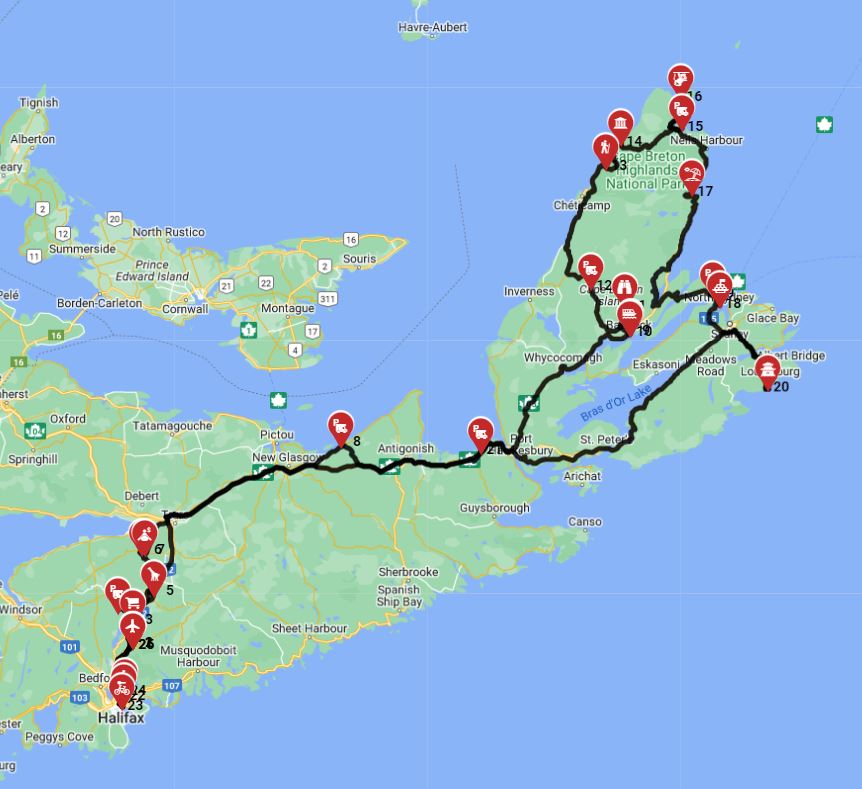
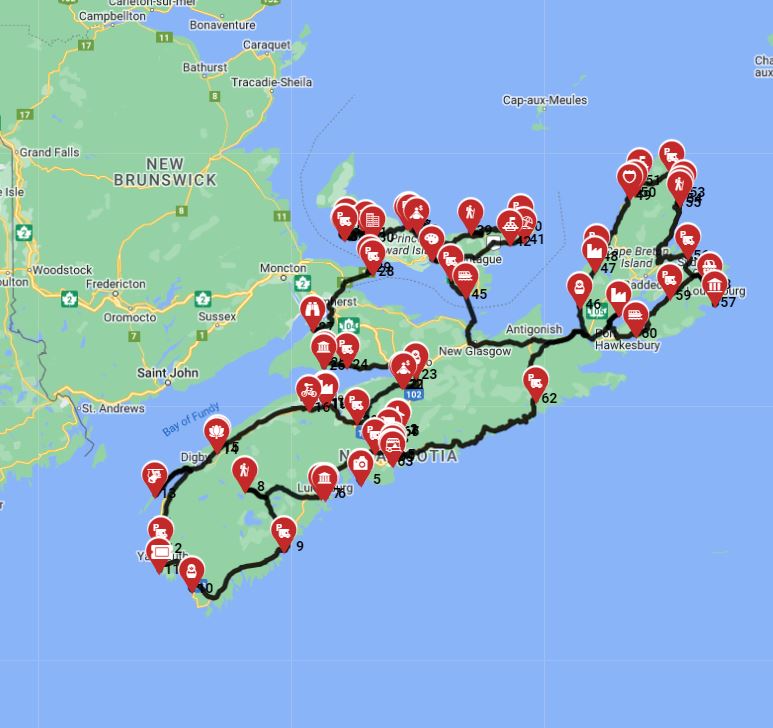
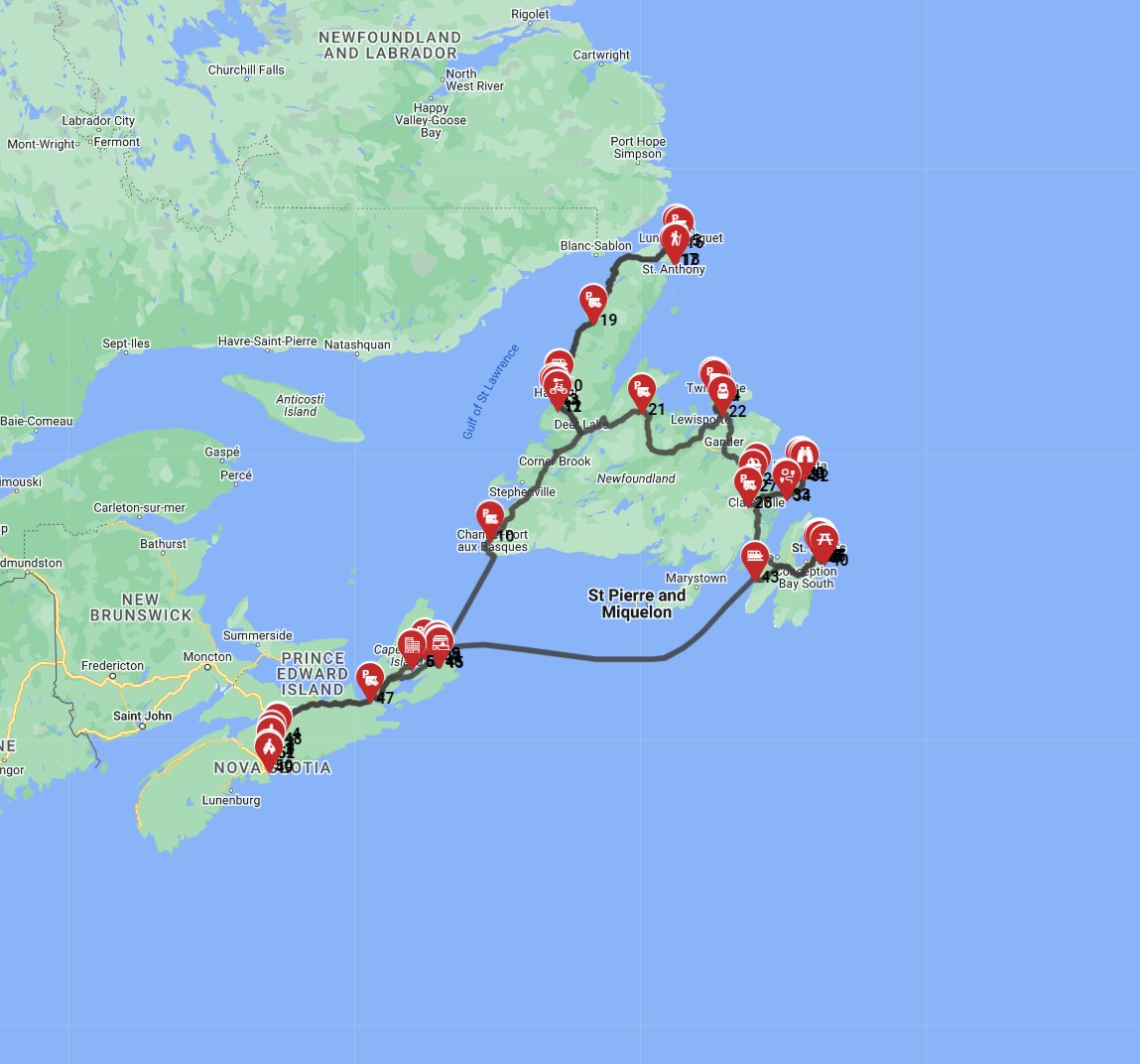
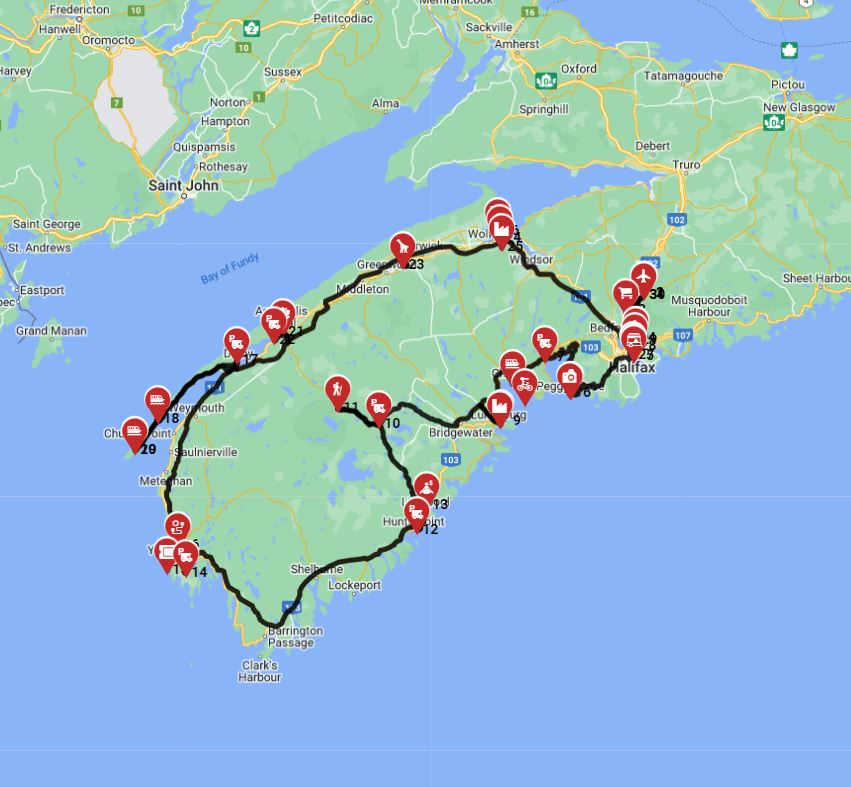
- Recommended RVPlan Trip for East Canada
- Must-See Stops Along the Way (Avi Bandana Picks)
- Daily Driving Distances & Drive Times in East Canada
- Best RV Class for This Itinerary — Couple & Family Picks
- What is the 3-3-3 rule for RV travel?
- How many days do you need for East coast, Canada?
- What is the best RV route planner in Canada?
- What are the best campgrounds on the East Coast of Canada?
- What are the best RV routes on the East Coast?
- What are some must-sees in Eastern Canada?
Best East Canada RV Itinerary for one way rv rental — Overview
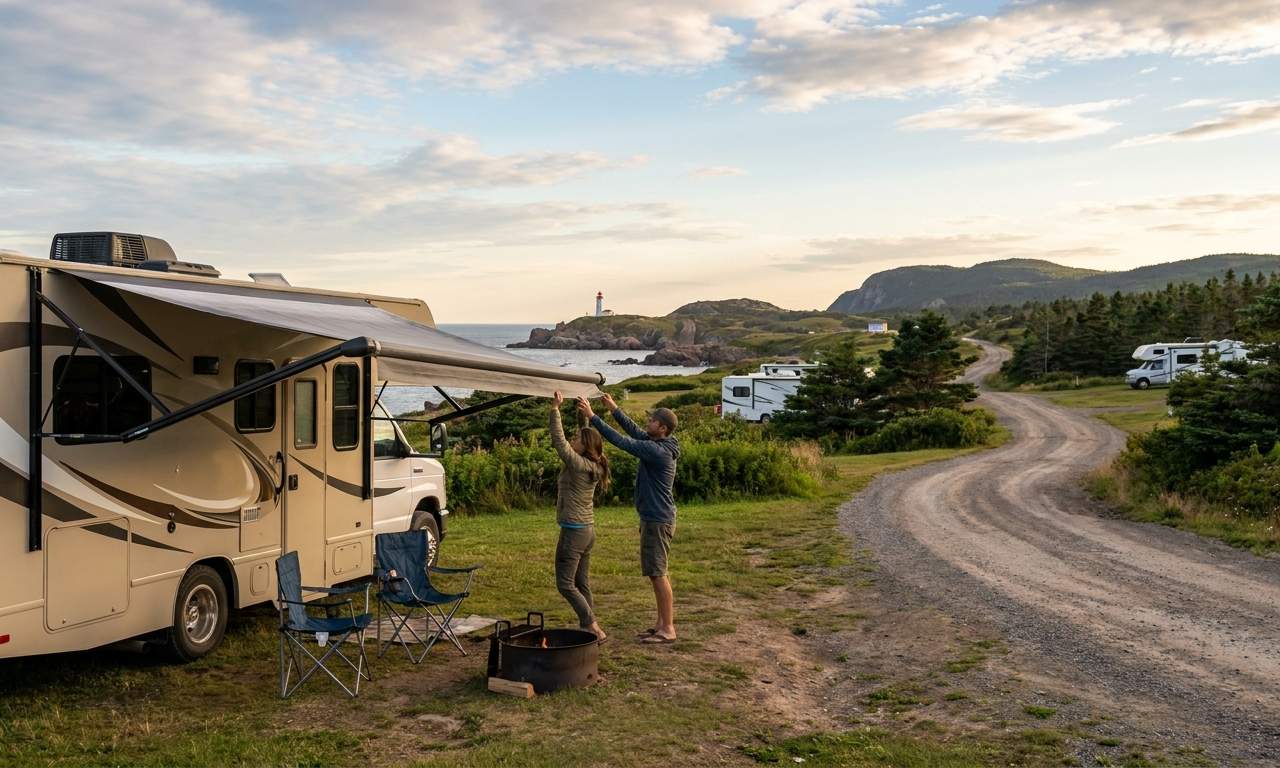
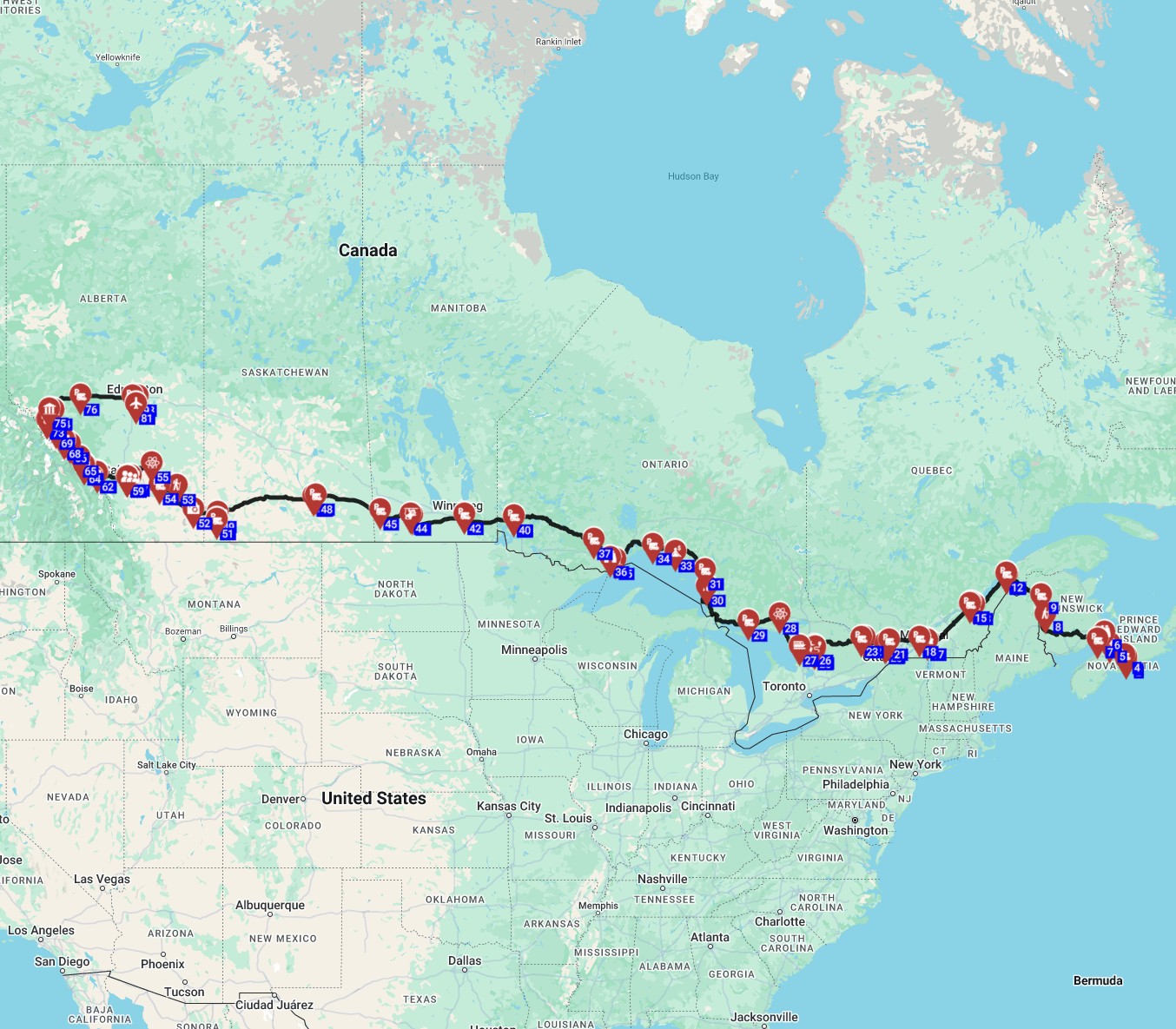
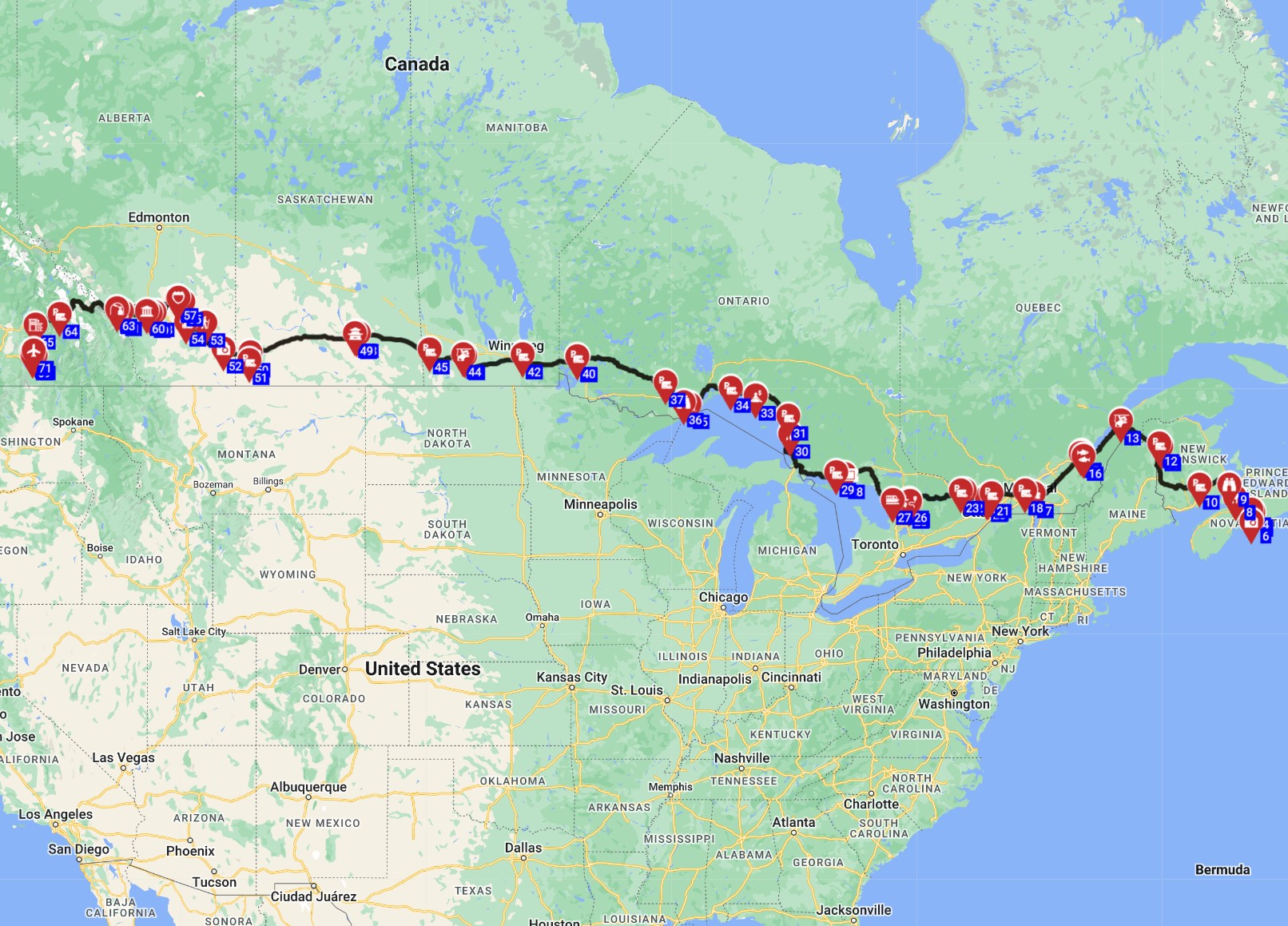
Embarking on a one-way RV rental in East Canada offers a unique opportunity to explore the stunning Maritime provinces and potentially extend your journey into Quebec, creating unforgettable memories. For a truly immersive experience, allocate a minimum of 7 days for a focused trip within one or two provinces, or ideally, plan for 14 days or more to comprehensively discover the region at a leisurely pace. This adventure typically involves covering distances between 1000 to 2000 km for a multi-province itinerary. To truly savor the experience and avoid feeling rushed, Avi Bandana recommends capping daily drives at around 150 km (100 miles), allowing ample time to soak in the scenery and local culture. The most rewarding period for an East Canada RV adventure is generally from late May to early October, when the weather is pleasant and most attractions and campgrounds are fully accessible. A typical one-way rental allows you to pick up your RV in a major hub city like Halifax and drop it off in another, such as Sydney or Moncton, offering flexibility for diverse travel plans.
For travelers seeking a more structured approach to planning, Bandana Caravan partners with RV PLANET to offer over 1,300 pre-planned routes across five continents. While specific one-way RV itineraries for East Canada aren't explicitly listed through that service, the platform's underlying route planning tools can help you craft your own. These tools consider RV-specific needs, ensuring that your chosen path is RV-friendly. To get started with planning your journey, explore the comprehensive offerings available through RV PLANET at rvplan.net.
If you're looking for inspiration and a deeper dive into the region, our guide on RV Rental East Canada - Complete Guide 2026 can provide further insights.
7-Day Classic Route in East Canada
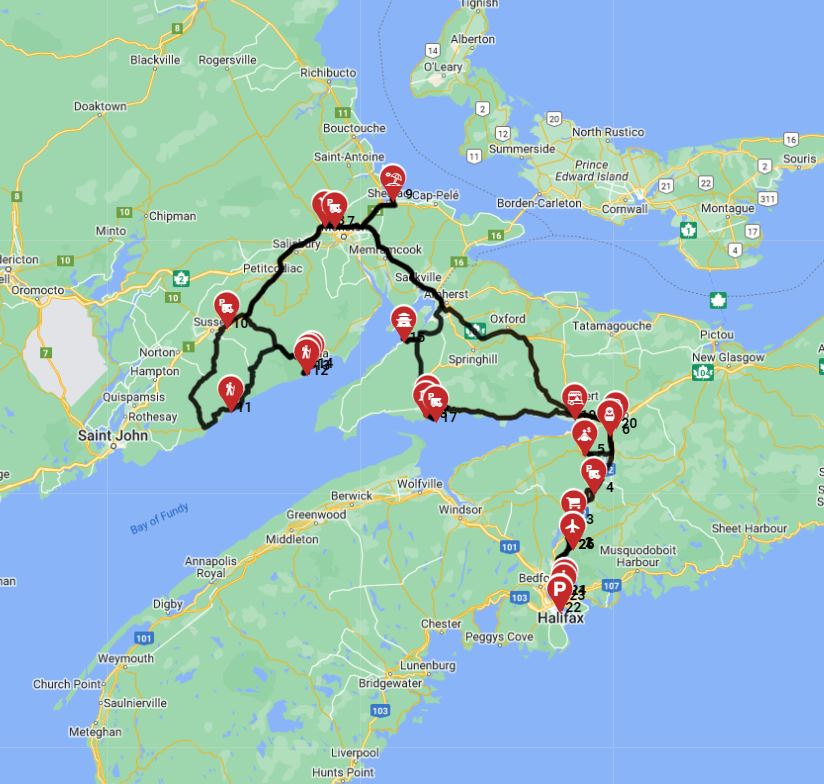
This classic 7-day one-way itinerary is designed to showcase the coastal beauty and historical richness of Nova Scotia and New Brunswick, ensuring a relaxed driving pace that allows for genuine exploration. It’s a perfect introduction to the Maritime charm for your one-way RV rental.
Day 1: Halifax, NS → Lunenburg, NS (approx. 100 km). Begin your journey in Halifax, Nova Scotia's vibrant capital. After picking up your rental RV, head south to the UNESCO World Heritage town of Lunenburg, renowned for its colourful waterfront and well-preserved colonial architecture. Settle into a campground near Lunenburg for the night.
Day 2: Lunenburg, NS → Peggy's Cove → Halifax, NS (approx. 100 km loop). Today, take a scenic loop to visit the iconic Peggy's Cove lighthouse, a quintessential Canadian coastal image. Return towards Halifax to explore its historic waterfront, museums, and Citadel Hill before finding a comfortable campsite near the city.
Day 3: Halifax, NS → Burntcoat Head Park, NS (approx. 150 km). Drive along the scenic North Shore of Nova Scotia towards the Bay of Fundy. Your destination is Burntcoat Head Park, famous for experiencing the world's highest tides. Witnessing the dramatic shift in the ocean's level is a must-do. Stay at a local campground in the Burntcoat or Truro area.
Day 4: Burntcoat Head Park, NS → Joggins Fossil Cliffs, NB (approx. 150 km). Today, you'll cross the provincial border into New Brunswick. Your focus is the Joggins Fossil Cliffs, a UNESCO World Heritage site preserving an extraordinary collection of 15-meter-high fossilized trees and other ancient flora and fauna. Find lodging for your RV in the Joggins area.
Day 5: Joggins Fossil Cliffs, NB → Hopewell Rocks, NB (approx. 100 km). Continue your exploration of the Bay of Fundy's natural wonders at Hopewell Rocks. Here, you can walk on the ocean floor during low tide and marvel at the unique 'flowerpot' rock formations sculpted by the immense tidal forces. Overnight in a campground near Alma or Hopewell Rocks.
Day 6: Hopewell Rocks, NB → Fundy National Park, NB (approx. 50 km). A short drive brings you to the breathtaking Fundy National Park. Spend the day enjoying hiking trails, scenic drives, and the rugged coastal beauty that defines this remarkable park. Secure a spot at one of the park's campgrounds.
Day 7: Fundy National Park, NB → Moncton, NB (approx. 100 km). Conclude your East Canada RV adventure in Moncton. Before dropping off your rental RV, take time to visit Magnetic Hill, a natural optical illusion that seems to make vehicles roll uphill. Moncton offers convenient facilities for your drop-off.
14-Day Extended Journey in East Canada
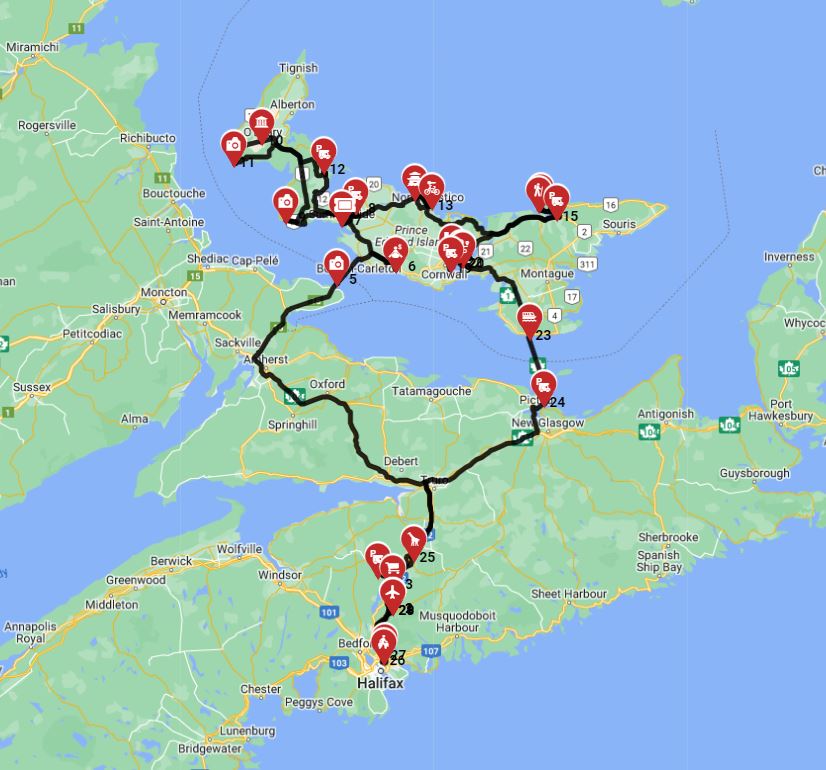
For those with more time, this 14-day one-way itinerary offers a more in-depth exploration of the Maritime provinces, venturing from Nova Scotia to Prince Edward Island and New Brunswick, including a captivating drive through Cape Breton Island. This extended journey ensures a leisurely pace with ample opportunities for immersion.
Part 1: Nova Scotia & Prince Edward Island Immersion (Days 1-7)
Day 1: Halifax, NS → Lunenburg, NS (approx. 100 km). Settle into your RV and begin by exploring Lunenburg's colorful streets and historic harbor. Stay overnight in a local campground.
Day 2: Lunenburg, NS → Peggy's Cove → Halifax, NS (approx. 100 km). Visit the iconic Peggy's Cove lighthouse and then explore Halifax's attractions. Find a campsite near Halifax.
Day 3: Halifax, NS → Tatamagouche, NS (approx. 150 km). Drive along the scenic North Shore, enjoying quaint towns and coastal views. Overnight in Tatamagouche.
Day 4: Tatamagouche, NS → Pictou, NS → Charlottetown, PEI (approx. 100 km drive + ferry). Take the ferry from Pictou to Prince Edward Island, the birthplace of Canadian Confederation. Settle into your RV in Charlottetown.
Day 5: Explore Prince Edward Island (Charlottetown & North Shore, approx. 80 km loop). Immerse yourself in the charm of 'Anne of Green Gables' country, discover red sand beaches, and explore the island's picturesque landscapes. Camp near Cavendish.
Day 6: Cavendish, PEI → Moncton, NB (approx. 150 km via Confederation Bridge). Cross the impressive Confederation Bridge back to the mainland and head to Moncton, New Brunswick. Explore the city's unique attractions like Magnetic Hill.
Day 7: Moncton, NB → Hopewell Rocks / Fundy National Park, NB (approx. 100 km). Experience the dramatic tides at Hopewell Rocks and enjoy the natural beauty of Fundy National Park. Stay within the park.
Part 2: Exploring New Brunswick & Cape Breton Island (Days 8-14)
Day 8: Fundy National Park, NB → Parrsboro, NS (approx. 150 km via scenic coastal route). Drive back into Nova Scotia, focusing on a scenic coastal route to Parrsboro, known for its geological wonders and tide exploration.
Day 9: Parrsboro, NS → Truro, NS → Antigonish, NS (approx. 150 km). Journey through central Nova Scotia, stopping in historic towns like Truro and Antigonish. Find a place to park your RV in Antigonish.
Day 10: Antigonish, NS → Baddeck, Cape Breton Island, NS (approx. 100 km). Cross the Canso Causeway to Cape Breton Island and make your way to Baddeck, home of the Alexander Graham Bell National Historic Site. Camp in the Baddeck area.
Day 11: Baddeck, NS → Cabot Trail (Eastern Shore) → Ingonish, NS (approx. 100 km). Begin your iconic drive along the Cabot Trail, one of Canada's most scenic routes, offering breathtaking coastal vistas at every turn. Overnight in Ingonish.
Day 12: Ingonish, NS → Cabot Trail (Western Shore) → Chéticamp, NS (approx. 100 km). Continue your journey on the Cabot Trail, descending its western side and immersing yourself in the rich Acadian culture of Chéticamp.
Day 13: Chéticamp, NS → Port Hood, NS / Mabou (approx. 100 km). Explore the charming Celtic heartland of Cape Breton, enjoying traditional music and picturesque fishing villages. Stay in the Port Hood or Mabou area.
Day 14: Port Hood, NS → Sydney, NS (approx. 100 km). Conclude your East Canada RV adventure in Sydney. Before dropping off your rental RV, consider a visit to the historic Fortress of Louisbourg, a meticulously reconstructed 18th-century French fortress.
Recommended RVPlan Trip for East Canada
While specific pre-packaged RVPlan trips for a one-way RV rental in East Canada are not detailed here, we strongly encourage you to explore the extensive resources offered by our sister company, RV PLANET (rvplan.net). They provide expertly curated itineraries designed to simplify your planning process. These expert-curated trips offer detailed day-by-day routes, point-of-interest suggestions, and pre-vetted campground information, specifically tailored for RV travel. Utilizing an RVPlan trip ensures you make the most of your East Canada adventure, with routes optimized for your vehicle's dimensions and regional highlights, removing the usual headache of organizing your trip.
Must-See Stops Along the Way (Avi Bandana Picks)
Avi Bandana’s personal recommendations for must-see stops in East Canada focus on experiences that offer a deeper connection to the region's unique culture, traditional industries, and local life. These suggestions go beyond the typical tourist path, aiming for a more authentic RV travel experience.
- Local Food Tours & Farmer's Markets: Seek out opportunities to engage with local culinary scenes. Farmer's markets in cities like Halifax or Charlottetown are perfect for sampling fresh seafood, artisanal cheeses, and craft beverages, giving you a true taste of the Maritimes.
- Indigenous Cultural Centers & Acadian Heritage Sites: To truly understand the rich history and traditions that shape the Maritimes, engage with local cultural centers. Sites like those found in Chéticamp on Cape Breton Island, Nova Scotia, offer invaluable insights into the region's heritage.
- Traditional Fishing Villages and Harbours: Explore active fishing harbours where you can observe local life firsthand. Consider participating in a lobster or deep-sea fishing excursion for an immersive maritime experience. These villages offer a glimpse into the enduring connection between the people and the sea.
For a broader perspective on exploring this region, our guide to RV Travel Guide to East Canada - Tips and Top Spots 2026 offers further regional highlights.
Daily Driving Distances & Drive Times in East Canada
When planning your one-way RV rental in East Canada, it's essential to factor in realistic driving times and distances to ensure a comfortable and enjoyable journey. Avi Bandana’s general recommendation is to aim for a maximum of 100 miles or 150 km of driving per day on average. This approach allows you to truly appreciate the stunning scenery and immerse yourself in the local culture without feeling rushed. It also leaves ample time for spontaneous stops, hiking, exploring charming towns, and visiting attractions along your route.
For example, the drive from Halifax to Lunenburg, a distance of approximately 100 km, typically takes about 1.5 hours. This leaves the majority of the day free for exploring Lunenburg's historic streets and waterfront. Similarly, the drive from Moncton to Hopewell Rocks, another 100 km stretch, takes roughly 1.5 hours, which is perfect for timing your visit to witness the Bay of Fundy tides at different stages. The journey along the Cabot Trail from Baddeck to Ingonish in Nova Scotia, covering about 100 km, can take around 2 hours due to the winding roads and numerous scenic pull-offs, underscoring the importance of slow travel and embracing the journey itself.
Best RV Class for This Itinerary — Couple & Family Picks
Choosing the right RV class is crucial for maximizing your East Canada one-way rental experience. Bandana offers a diverse fleet designed to cater to various traveler needs, ensuring comfort and convenience.
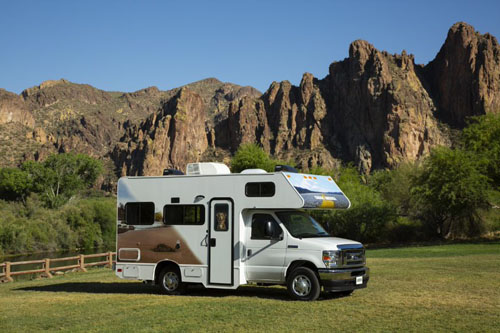
For couples, a Class B – Camper Van often proves to be the ideal choice. Typically averaging around 5.8 meters in length and comfortably accommodating 2-3 people, these camper vans are highly maneuverable, making them excellent for navigating scenic routes and smaller towns with ease. They offer a cozy and efficient way to explore.
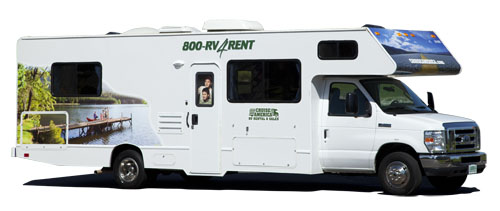
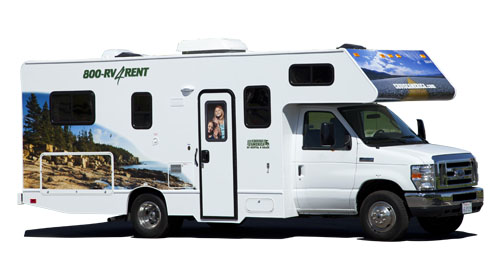
For families, a Class C – Alcove RV provides superior space and comfort. Bandana’s fleet typically averages 7.5 meters in length and comfortably sleeps 5-6 people, ensuring everyone has ample room and amenities for a pleasant journey. These models often feature separate sleeping areas and more extensive living spaces, making them perfect for longer trips.
Consider exploring the 'Rent & Plan' service, which can bundle your RV rental with a pre-designed itinerary, providing access to trip-planning software and simplifying the organization of your East Canada adventure. For a broad comparison of vehicle classes, our guide on Class A vs Class B vs Class C Motorhome Rental – Which is Best for Your Trip 2026 offers valuable insights.
What is the 3-3-3 rule for RV travel?
The widely adopted "3-3-3 rule" for RV travel is a guideline recommending that RVers drive no more than 300 miles (approximately 480 km) in a single day, arrive at their destination by 3 PM, and stay for a minimum of 3 nights at each location. This practice promotes a more relaxed and enjoyable RV experience by reducing driving fatigue, allowing for setup and settling in before dusk, and providing sufficient time to explore the immediate surroundings of each campground.
Adhering to the 3-3-3 rule enhances safety and improves the overall quality of your vacation, helping you to fully immerse yourself in each stop on your East Canada journey. While specific RV regulations vary by Canadian province, the 3-3-3 rule serves as an excellent general best practice for leisurely and safe travel across the country.
How many days do you need for East coast, Canada?
To truly appreciate the diverse beauty and rich culture of East Coast Canada, a minimum of 7 days is recommended for a focused trip within one or two provinces. However, for a more comprehensive one-way journey that spans multiple Maritime provinces and potentially extends into Quebec, allocating 14 days or more is ideal. This extended duration allows for adherence to a relaxed daily driving pace and sufficient time to explore key attractions without feeling rushed.
A 7-day itinerary can provide a good snapshot of a region like Nova Scotia and New Brunswick, highlighting major points of interest. For a deeper immersion, including provinces such as Nova Scotia, Prince Edward Island, and New Brunswick, along with the scenic Cape Breton, a 14-day trip is highly recommended. Trips extending to 3 weeks or more are perfect for those wishing to explore further, perhaps including the Gaspé Peninsula in Quebec or even Newfoundland, allowing for extensive exploration and spontaneous detours.
What is the best RV route planner in Canada?
When planning an RV trip across Canada, especially in East Canada, selecting the right route planner is crucial. The best tools effectively integrate RV-specific considerations, such as vehicle dimensions, propane restrictions, and detailed campground information, making apps like RV LIFE Trip Wizard and dedicated RV GPS units highly recommended. RV LIFE Trip Wizard, for instance, is favored for its comprehensive database of campgrounds, points of interest, and fuel stops, alongside customizable routing options that account for RV length and weight. On the routes offered through RV PLANET routes, you can itemize and track every expense along the way for easy budgeting.
Dedicated RV GPS systems, such as those from Garmin's RV series, offer pre-loaded data on low clearances, bridge restrictions, and weigh stations, which are invaluable for safe navigation on Canadian roads. While Google Maps is a useful general tool, RVers should cross-reference it with specialized apps like iOverlander for potential boondocking spots and campground reviews. It's also important to be aware of varying cell service coverage in more remote East Canada regions. Crucially, for the Maritime provinces, any route planner should be supplemented with research on ferry travel logistics, including booking, vehicle restrictions, and costs for routes like the Northumberland Ferries to Prince Edward Island.
What are the best campgrounds on the East Coast of Canada?
The best campgrounds on Canada's East Coast cater to a variety of preferences, offering everything from pristine national park sites with stunning natural beauty to private campgrounds with extensive amenities, all suitable for your one-way RV rental. National and Provincial Parks are consistently top choices for their scenic locations and well-maintained facilities.
Top recommendations include Fundy National Park in New Brunswick, Cape Breton Highlands National Park in Nova Scotia, and Gros Morne National Park in Newfoundland (if your trip extends that far), all providing exceptional scenic beauty. For those preferring more private campgrounds with full-service hookups and family-friendly activities, consider Fox Point Provincial Park in Nova Scotia or Jellystone Park in New Brunswick. For a more rustic or unique experience, explore smaller municipal campgrounds or designated Crown land for boondocking, though availability and regulations vary significantly by province and require thorough research.
Remember to book your campsites well in advance, especially during the peak season of July and August, as popular locations tend to fill up quickly. For assistance in locating campgrounds along your route, the RV PLANET platform (rvplan.net) is an excellent resource for finding available spots and detailed campground information.
What are the best RV routes on the East Coast?
The "best" RV route on the East Coast of Canada is subjective and depends heavily on your available time and specific interests. However, some of the most popular and rewarding one-way itineraries often traverse Nova Scotia's breathtaking Cabot Trail, explore the stunning coastal wonders of New Brunswick, and immerse you in the historical charm of Prince Edward Island. These routes offer a perfect blend of natural marvels, cultural experiences, and culinary delights.
For instance, a classic 14-day one-way route might start in Halifax, journey through Nova Scotia's South Shore (visiting Lunenburg and Peggy's Cove), then cross to Prince Edward Island, before heading into New Brunswick's Fundy coastline (including Hopewell Rocks and Fundy National Park). The journey could culminate with the spectacular Cabot Trail drive in Cape Breton, Nova Scotia. For a shorter, 7-day one-way trip, concentrating on Nova Scotia and southern New Brunswick allows for a deep dive into the unique Bay of Fundy tides, charming fishing villages, and historical cities like Halifax and Moncton.
Beyond meticulously planned routes, consider incorporating opportunities for cultural immersion, such as attending local festivals or visiting Indigenous cultural centers, to enrich your RV journey and gain a deeper appreciation for the region's diverse heritage.
What are some must-sees in Eastern Canada?
Eastern Canada is brimming with must-see attractions that offer a rich tapestry of experiences, from dramatic natural landscapes and UNESCO World Heritage Sites to vibrant historical cities and unique cultural encounters, all perfectly suited for discovery with a one-way RV rental.
In Nova Scotia, key highlights include the world-famous Peggy's Cove lighthouse, the colorful UNESCO World Heritage town of Lunenburg, and the awe-inspiring coastal vistas along the Cabot Trail within Cape Breton Highlands National Park. New Brunswick offers the unforgettable experience of the world's highest tides at Hopewell Rocks and the natural beauty of Fundy National Park, alongside the fascinating geological formations of the Joggins Fossil Cliffs.
Prince Edward Island captivates visitors with the charming Anne of Green Gables heritage sites and its distinctive red sand beaches. To truly connect with the region's soul, make an effort to seek out Acadian festivals, explore Indigenous cultural centers, and indulge in local food tours to savor the unique culinary heritage of the Maritimes.
What You Shouldn't Miss
- Drive the iconic Cabot Trail on Cape Breton Island, Nova Scotia, for unparalleled coastal scenery and winding mountain roads.
- Witness the dramatic tidal changes in the Bay of Fundy at Hopewell Rocks, New Brunswick, and perhaps even walk on the ocean floor.
- Explore the historic, colorful streets and waterfront of Lunenburg, Nova Scotia, a UNESCO World Heritage site.
- Step back in time at the Joggins Fossil Cliffs in New Brunswick, a UNESCO site preserving ancient fossilized forests.
- Experience the charm of Prince Edward Island, from the 'Anne of Green Gables' sites to its signature red sand beaches.
- Take a leisurely drive through the scenic Maritime provinces, savoring fresh seafood and embracing the slower pace of life.
Final Thoughts
An East Canada RV adventure is a fantastic way to experience the stunning landscapes and rich culture of the Maritimes. With careful planning and adherence to the relaxed pace of RV travel, you're set for an unforgettable journey.
Remember to leverage tools like RV PLANET (rvplan.net) for route planning and campground discovery. Choosing the right RV class for your group size and travel style will significantly enhance your comfort and enjoyment.
We’re here to support you every step of the way, from comparing rental options to ensuring you have all the information needed for a smooth trip. Get ready to hit the open road and discover the magic of East Canada!