In This Guide
- Can You Drive an RV in Zurich? License & Age Rules
- Road Conditions & Terrain in Zurich
- RV Size Limits, Bridges & Restricted Zones
- Fuel: Diesel vs. Petrol & Cost per 100 km
- Tolls, Vignettes & Border Rules
- Driving Tips for one way rv rental Travelers
- Recommended RV Class for Zurich Roads
- Should I Choose a Compact Van Instead of a Large RV in Zurich?
- Can I Park Anywhere? Free & Wild Camping Rules in Zurich
- Can I Drive an RV Into the City Center? Heights, Tunnels & Local Signage
- When is the best time to visit Zurich with an RV?
- What are some recommended RV itineraries and day trips from Zurich?
- How to integrate RV travel with urban exploration in Zurich?
- What are the best RV-friendly campsites around Zurich?
- How much does a one way RV rental in Switzerland cost?
Can You Drive an RV in Zurich? License & Age Rules
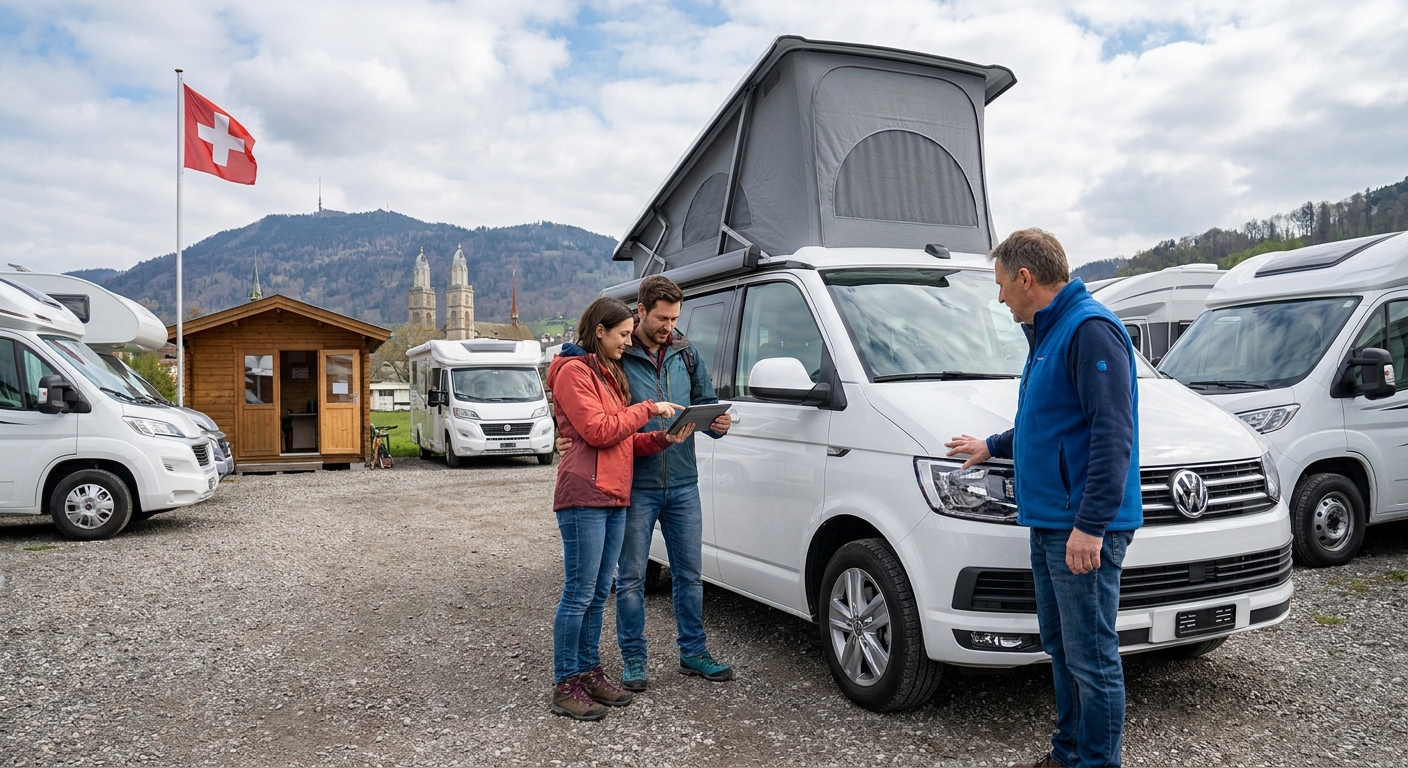
Navigating Switzerland's roads with a rented RV is straightforward with the right documentation and adherence to age regulations. Most standard RVs in Switzerland can be driven with a Category B or C1 driver's license, depending on their total permissible mass. A Category B license allows driving vehicles up to 3,500 kg (3.5 tonnes), covering many camper vans and smaller semi-integrated RVs, such as the Koru Star 4 Freedom campervan or the compact Class B camper vans. For RVs between 3,500 kg and 7,500 kg, a Category C1 license is required, which may include larger integrated or alcove models. Rental companies typically enforce a minimum driver age of 21, though some may require 25 years for larger vehicle classes, regardless of national license allowances. Foreign drivers from non-EU/EFTA countries usually need a valid national driving license accompanied by an International Driving Permit (IDP), which is highly recommended for clarity and ease of interaction with authorities.
Road Conditions & Terrain in Zurich
Zurich and its surrounding regions boast excellent, well-maintained road infrastructure, suitable for RV travel, albeit with varying terrain that requires mindful driving. While Zurich's immediate vicinity is relatively flat, offering a pleasant driving experience, the wider Swiss landscape quickly transitions into mountainous terrain with winding roads and noticeable inclines, particularly as you venture towards the Alps. Urban driving within Zurich can be congested, especially during peak hours, and navigating the older districts necessitates attention to narrower streets. For one-way RV rentals, planning for slower, scenic drives through these mountainous areas or along the picturesque lakeshores is highly recommended. This approach allows ample travel time, enabling you to truly soak in the breathtaking scenery and connect with the essence of Switzerland, rather than feeling rushed.
RV Size Limits, Bridges & Restricted Zones
Drivers should be aware of specific height and weight restrictions, low bridges, and potential environmental zones when navigating Zurich and wider Switzerland with an RV. Standard vehicle height limits in Switzerland are generally 4 meters, and most rental RVs, including Bandana's offerings like the Class SI Semi-integrated RVs, fall comfortably within this limit. However, it's crucial to keep an eye out for clearly marked 'Max. Höhe' (maximum height) signs, particularly when passing under older bridges, entering tunnels, or driving through historic city areas. Zurich currently does not impose a specific low-emission zone (Umweltzone) requiring a special sticker for RVs, but it's always advisable to verify current regulations before your travel dates. If you're considering utilizing the charming lake crossings via car ferry (e.g., the Horgen-Meilen ferry), consult the ferry operator for specific RV dimension and weight restrictions to ensure a smooth journey.
Fuel: Diesel vs. Petrol & Cost per 100 km
Most rental RVs available in Zurich, including those in Bandana's fleet, primarily operate on diesel fuel, which is readily accessible at service stations throughout Switzerland. Bandana's Class SI (Semi-integrated) RVs typically consume 10–11 Liters/100 km, while Class C (Alcove) models average 10–12 Liters/100 km. For those preferring more compact options, Class B (Camper Van) vehicles usually achieve 8–10 Liters/100 km, and larger Class A (Integrated) RVs consume 8–12 Liters/100 km, with Class TC (Truck Camper) models averaging a higher 12–17 Liters/100 km. As of 2026, fuel prices in Switzerland can be higher than in neighboring countries, so it's advisable to check current local rates and plan your refueling stops accordingly. Inquire with your rental provider about potential fuel discount cards or loyalty program benefits that might be available with your RV rental, as these can help offset costs on longer journeys.
Tolls, Vignettes & Border Rules
To utilize Swiss motorways (Autobahns) with an RV under 3.5 tonnes, a mandatory annual vignette (road tax sticker) is required, while heavier RVs are subject to a separate heavy vehicle fee. The Swiss vignette costs CHF 40 (approximately €42) and is valid for a full calendar year; no shorter-term options are available for vehicles under 3.5 tonnes. RVs exceeding 3.5 tonnes total permissible mass must pay the 'Leistungsabhängige Schwerverkehrsabgabe' (LSVA), a performance-related heavy vehicle fee based on weight, emissions, and distance traveled. Apart from specific tunnels like the Gotthard or Grand Saint Bernard (which have separate charges), Switzerland generally does not have additional road tolls. When planning a one-way RV rental to or from neighboring countries, be aware of their specific toll systems or vignette requirements (e.g., Austrian vignette, French 'péage'). Some Bandana RV rentals may offer the convenience of pre-purchased vignettes or assistance with LSVA registration to help you avoid potential fines and ensure a smooth journey. On the routes offered through RV PLANET routes, you can itemize and track every expense along the way for easy budgeting.
Driving Tips for one way rv rental Travelers
Prioritize defensive driving and adhere strictly to Swiss road rules and speed limits, which are typically 50 km/h in built-up areas and 80 km/h outside, with motorways at 120 km/h. When driving through mountainous regions, utilizing lower gears on both ascents and descents is crucial for maintaining control and reducing brake wear, ensuring a safer and more efficient drive. For urban exploration in Zurich, strategically use Park & Ride (P+R) facilities on the city's outskirts and then switch to public transport for easy access to attractions. Always be aware of your RV's specific dimensions (height, width, length) and pay close attention to all road signs indicating restrictions. Plan your route to include regular breaks and fuel stops, particularly when traveling with family, leveraging the well-equipped service stations found on major highways throughout Switzerland.
Recommended RV Class for Zurich Roads
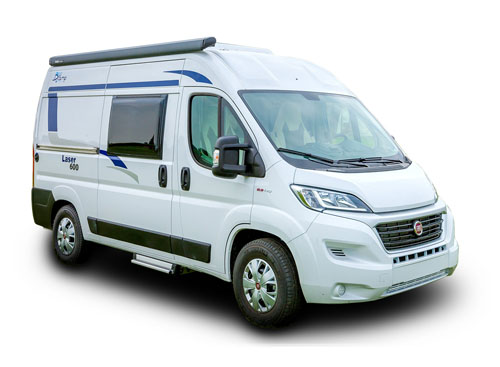
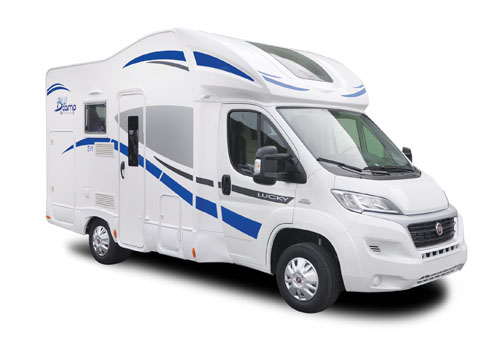
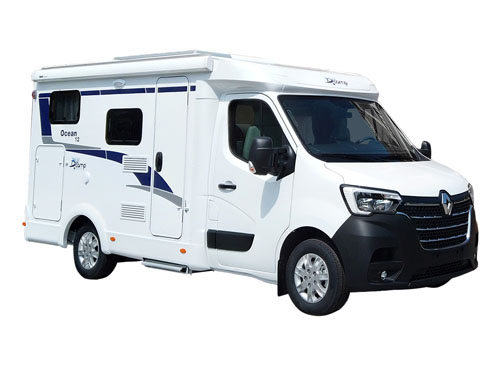
For navigating Zurich's urban environment and the surrounding scenic routes, Class B Camper Vans or Class SI Semi-integrated RVs are highly recommended due to their optimal balance of maneuverability and living comfort. Class B Camper Vans, averaging around 5.8 meters in length (like Bandana's 'Camper Van Plus - V600'), offer excellent agility for city driving and easier parking, making them ideal for urban exploration and navigating tighter roads. Class SI Semi-integrated RVs, with an average length of 6.9 meters (such as the '2 Berth Tamar'), provide more spacious living quarters and amenities while remaining manageable on most Swiss roads, suitable for couples or small families. While larger Class C (Alcove) and Class A (Integrated) RVs (both averaging 7.5 meters) offer significant space, they can be more challenging for city parking and navigating very narrow mountain passes. The ultimate choice depends on your priorities: opt for a Class B for maximum flexibility, or a Class SI for a blend of comfort and reasonable maneuverability.
Should I Choose a Compact Van Instead of a Large RV in Zurich?
While a compact van (Class B Camper Van) offers superior maneuverability for Zurich's tight urban streets and narrow mountain roads, a larger RV generally provides greater comfort and living space without significant driving drawbacks on most primary Swiss routes. Compact vans excel in city parking, navigating tight turns, and exploring smaller villages, often offering better fuel efficiency. However, larger RVs, such as Semi-integrated or Alcove models, provide significantly more interior space, dedicated sleeping areas, and more extensive kitchen and bathroom facilities for enhanced comfort on longer trips. For most of Zurich's main roads and access routes, larger RVs pose no inherent issue; the primary challenge lies in finding suitable parking within the historic city center. Ultimately, the decision balances driving ease in specific challenging scenarios with the desire for home-like amenities and spaciousness for your journey. For ideas you can prep on the road, watch our RV-friendly recipes playlist on YouTube.
Can I Park Anywhere? Free & Wild Camping Rules in Zurich
Wild camping and unsanctioned overnight parking are generally prohibited across Switzerland, including within Zurich and its surrounding communes, to safeguard natural environments and uphold public order. Within Zurich city limits, RVs are typically not permitted to park overnight outside of official campsites or designated Stellplätze (motorhome parking areas). While some exceptions for 'tolerated' overnight parking may exist on private land with the owner's explicit permission, relying on these is not advised. Legal and safe alternatives include utilizing the numerous official campsites around Zurich that offer full amenities like hook-ups, waste disposal, and security. Remember that rules can vary by canton and municipality; always verify local regulations and adhere to local laws before parking overnight to avoid potential fines or disruptions.
Can I Drive an RV Into the City Center? Heights, Tunnels & Local Signage
It is generally possible to drive an RV into the broader Zurich urban area, but access to the historic city center is often restricted, and drivers must meticulously observe local signage for height, weight, and environmental zones. Major arterial roads and access routes leading into Zurich are typically RV-friendly, but the historic 'Altstadt' features narrow streets and pedestrian zones that are impractical or prohibited for larger vehicles. Always pay close attention to specific signage for 'Max. Höhe' (height limits) for tunnels and underpasses, 'Max. Gewicht' (weight limits) for certain bridges, and 'Durchfahrt verboten' (no entry) signs in restricted areas. While Zurich does not currently enforce a strict environmental zone requiring specific RV stickers, this can change, so staying informed is crucial. For seamless urban exploration, the recommended strategy is to park your RV at peripheral Park & Ride (P+R) facilities or a campsite with good public transport links and then use Zurich's efficient tram and bus network to explore the city.
When is the best time to visit Zurich with an RV?
The optimal time to visit Zurich with an RV largely depends on your desired activities, with late spring (May-June) and early autumn (September-October) generally offering the best balance of pleasant weather, open roads, and fewer crowds. Spring provides mild temperatures, blooming landscapes, and mountain passes that are gradually opening, making it ideal for scenic drives without peak tourist congestion. Summer (July-August) offers the warmest weather, perfect for lake activities and hiking, but expect higher campsite demand, increased prices, and busier attractions. Autumn brings vibrant fall foliage, comfortable temperatures, and reduced crowds, ensuring enjoyable driving conditions before winter road closures. Winter (November-March) can be challenging for RV travel due to cold weather, snow, and potential road closures, often requiring snow chains, though it's excellent for those specifically seeking winter sports.
What are some recommended RV itineraries and day trips from Zurich?
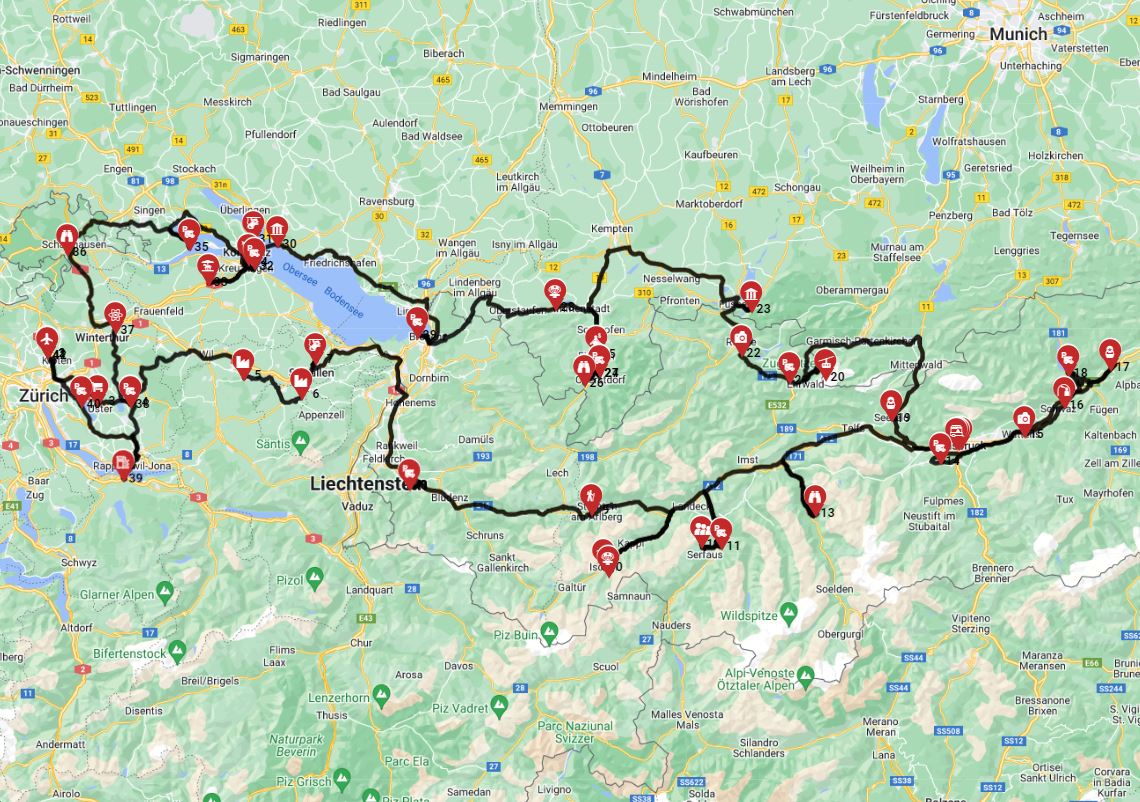
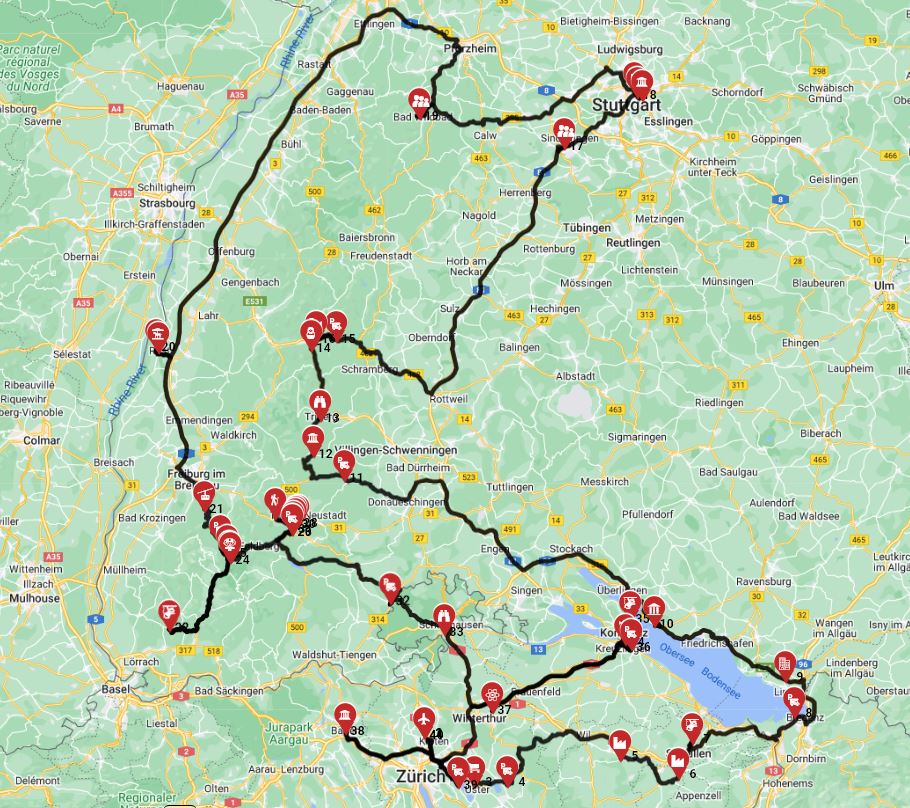
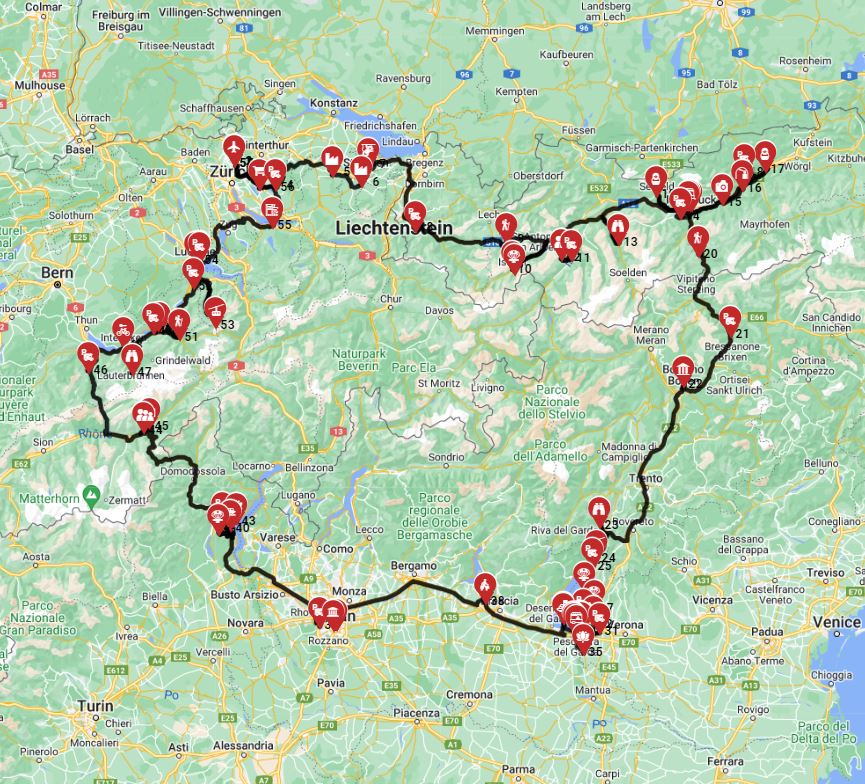
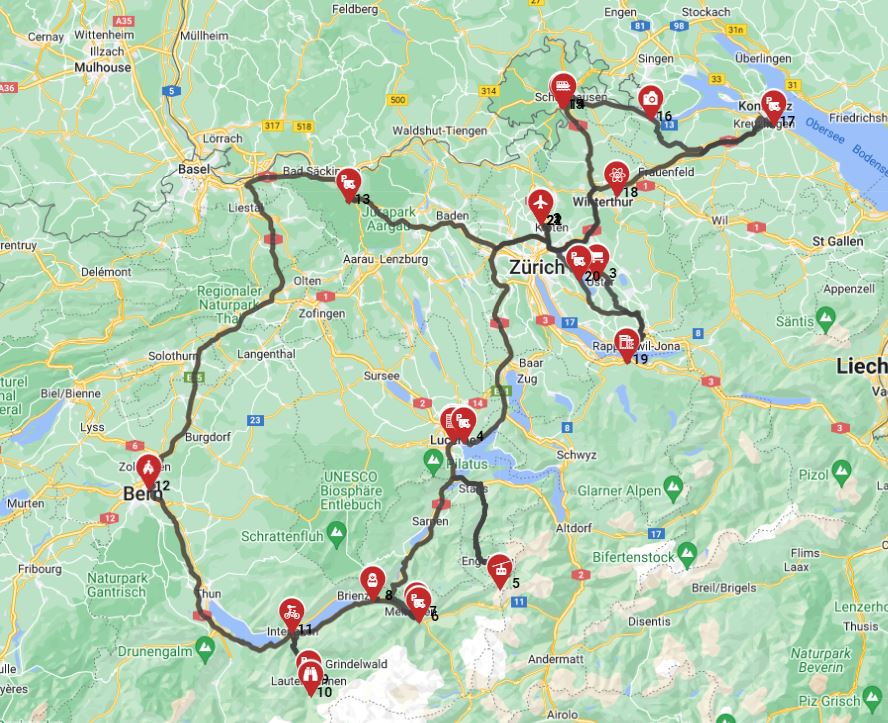
From Zurich, RV travelers can explore a wealth of picturesque Swiss towns, stunning lakes, and majestic mountain vistas through various scenic itineraries and day trips, many of which are RV-friendly regarding parking and routes. Consider a captivating drive around Lake Zurich, stopping at charming lakeside towns such as Rapperswil-Jona, known for its castle and its moniker, 'City of Roses'. A popular day trip includes Lucerne, famous for its Chapel Bridge, followed by an ascent up Mount Pilatus; RVs can park at peripheral areas in Lucerne like Lidostrand, using public transport for city access. Head north to experience the powerful Rhine Falls, Europe's largest waterfall, paired with a visit to the exquisitely painted medieval town of Stein am Rhein, both of which offer suitable RV parking. Explore the unique cultural landscape of the Appenzell region, characterized by rolling hills, traditional farmhouses, and opportunities for rural parking or dedicated campsites.
Another excellent option is to journey through 'Heidiland,' a region that evokes the classic Heidi story, potentially extending your trip to a visit to the microstate of Liechtenstein.
How to integrate RV travel with urban exploration in Zurich?
Effectively integrating RV travel with urban exploration in Zurich involves strategic RV parking at peripheral locations or campsites and leveraging the city's highly efficient public transportation system to access attractions. Identify and utilize designated Park & Ride (P+R) facilities located on the outskirts of Zurich, such as P+R Altstetten, which are designed to accommodate larger vehicles and connect directly to public transport hubs. Alternatively, opt for RV-friendly campsites situated just outside the city center (e.g., Camping Fischers Fritz or Camping Zürich-Wollishofen), which typically offer excellent bus or tram connections into the heart of Zurich. Once you've parked your RV, purchase a Zurich Card or a day pass (Tageskarte) for unlimited access to Zurich's extensive network of trams, buses, and trains, providing a convenient way to explore without the stress of driving your RV within the city. Before heading into Zurich, plan your route and prioritize your must-see attractions, ensuring your RV is securely parked and valuables are out of sight at your chosen spot.
What are the best RV-friendly campsites around Zurich?
The best RV-friendly campsites around Zurich offer comprehensive amenities beyond basic hookups, catering to various RV sizes and needs. Look for sites that provide essential services like reliable Wi-Fi, electric hookups, laundry facilities, dedicated dump stations, and often pet-friendly policies. Prioritizing campsites that offer spacious pitches specifically designed to accommodate 'big rigs' is crucial if you're traveling with a larger RV (e.g., a Class C or A motorhome). For those planning urban exploration, select campsites with excellent public transport links (bus, tram, or train) directly into Zurich's city center for seamless access to attractions. For instance, Camping Zürich-Wollishofen is a popular choice for its proximity to public transport, making city visits convenient.
How much does a one way RV rental in Switzerland cost?
The cost of a one-way RV rental in Switzerland varies significantly based on factors such as RV class, rental duration, season, specific pickup and drop-off locations, and additional fees, necessitating a transparent budget plan. Daily rental rates typically range from €80-€150+ for smaller Class B camper vans in the low season to €200-€400+ for larger Class C or A RVs during peak summer months. A substantial one-way fee, often ranging from several hundred to over a thousand euros or CHF, will apply for picking up in Zurich and dropping off at a different location, covering logistics and vehicle repositioning. Basic insurance is usually included, but comprehensive coverage with reduced excess (deductible) is highly recommended and adds to the overall rental cost. Don't forget to factor in fuel costs, which are relatively high in Switzerland (refer to the 'Fuel: Diesel vs. Petrol & Cost per 100 km' section for estimated consumption), and mandatory costs like the Swiss motorway vignette (CHF 40) for RVs under 3.5 tonnes, or the Heavy Vehicle Fee (LSVA) for larger RVs, plus potential tolls for specific tunnels. Budget approximately €30-€60 per night for a pitch at an RV-friendly campsite in Switzerland, in addition to any parking fees or unforeseen city access charges.
What You Shouldn't Miss
- Drive the scenic route around Lake Zurich, stopping at charming towns like Rapperswil-Jona, known for its castle and vibrant flower displays.
- Explore Lucerne with your RV, park at a peripheral lot, and use public transport to access the Chapel Bridge and the historic Old Town.
- Witness the power of the Rhine Falls, Europe's largest waterfall, and combine it with a visit to the picturesque medieval town of Stein am Rhein.
- Immerse yourself in the Appenzell region's rolling hills and traditional culture, finding idyllic spots for rural parking or staying at dedicated campsites.
- Discover the charming "Heidiland" region, bringing the beloved Heidi stories to life, and perhaps extend your journey to the nearby microstate of Liechtenstein.
Final Thoughts
Embarking on a one-way RV rental adventure from Zurich opens up a world of possibilities, allowing you to explore Switzerland's stunning landscapes at your own pace. By understanding the driving regulations, planning your routes wisely, and choosing the right vehicle for your needs, you're set for an unforgettable journey. Remember that flexibility with your travel dates and comparing options through platforms like ours can often lead to better deals.
Whether you're drawn to the serene beauty of Lake Zurich or the majestic peaks of the Alps, a rented RV provides the ultimate freedom and comfort to experience it all. We're here to ensure your trip is as smooth and enjoyable as possible, offering transparent pricing and dedicated support.
Find Motorhome Rentals in Zurich