In This Guide
- Can You Drive an RV in West Canada? License & Age Rules
- Road Conditions & Terrain in West Canada
- RV Size Limits, Bridges & Restricted Zones
- Fuel: Diesel vs. Petrol & Cost per 100 km
- Tolls, Vignettes & Border Rules
- Driving Tips for one way rv rental Travelers
- Recommended RV Class for West Canada Roads
- Should I Choose a Compact Van Instead of a Large RV in West Canada?
- Can I Park Anywhere? Free & Wild Camping Rules in West Canada
- Can I Drive an RV Into the City Center? Heights, Tunnels & Local Signage
- Top Cities for RV Rental in West Canada
Embarking on a one-way RV adventure through West Canada offers unparalleled freedom, allowing you to immerse yourself in majestic mountains, pristine lakes, and vibrant cities without retracing your steps. Imagine waking up to the serene beauty of a mountain-ringed campground, enjoying a freshly brewed coffee from your rented motorhome kitchen, and then setting off for a new horizon. At Bandana Caravan, we are true RV specialists, dedicated to making your journey as seamless and enjoyable as possible. For live availability and current prices, start with our RV Rental West Canada - Complete Guide 2026 guide.
Can You Drive an RV in West Canada? License & Age Rules
Yes, most standard rented RVs in West Canada can be driven with a regular Class 5 license, which is equivalent to a standard car driver's license in North America. This applies to all Class A, Class B, and Class C motorhomes under 11,000 kg (24,250 lbs) Gross Vehicle Weight Rating (GVWR), meaning no special license or commercial driver's license (CDL) is typically required for your vacation. For international visitors, an International Driving Permit (IDP) is highly recommended, especially if your home country's license is not in English or French, though it is not mandatory in all cases. The minimum driver age for renting an RV in West Canada is 21 years old, with no young driver surcharges or vehicle class restrictions based on age, making it accessible for a wider range of travelers. We believe in full transparency, ensuring you know all licensing requirements upfront with no surprises.
Road Conditions & Terrain in West Canada
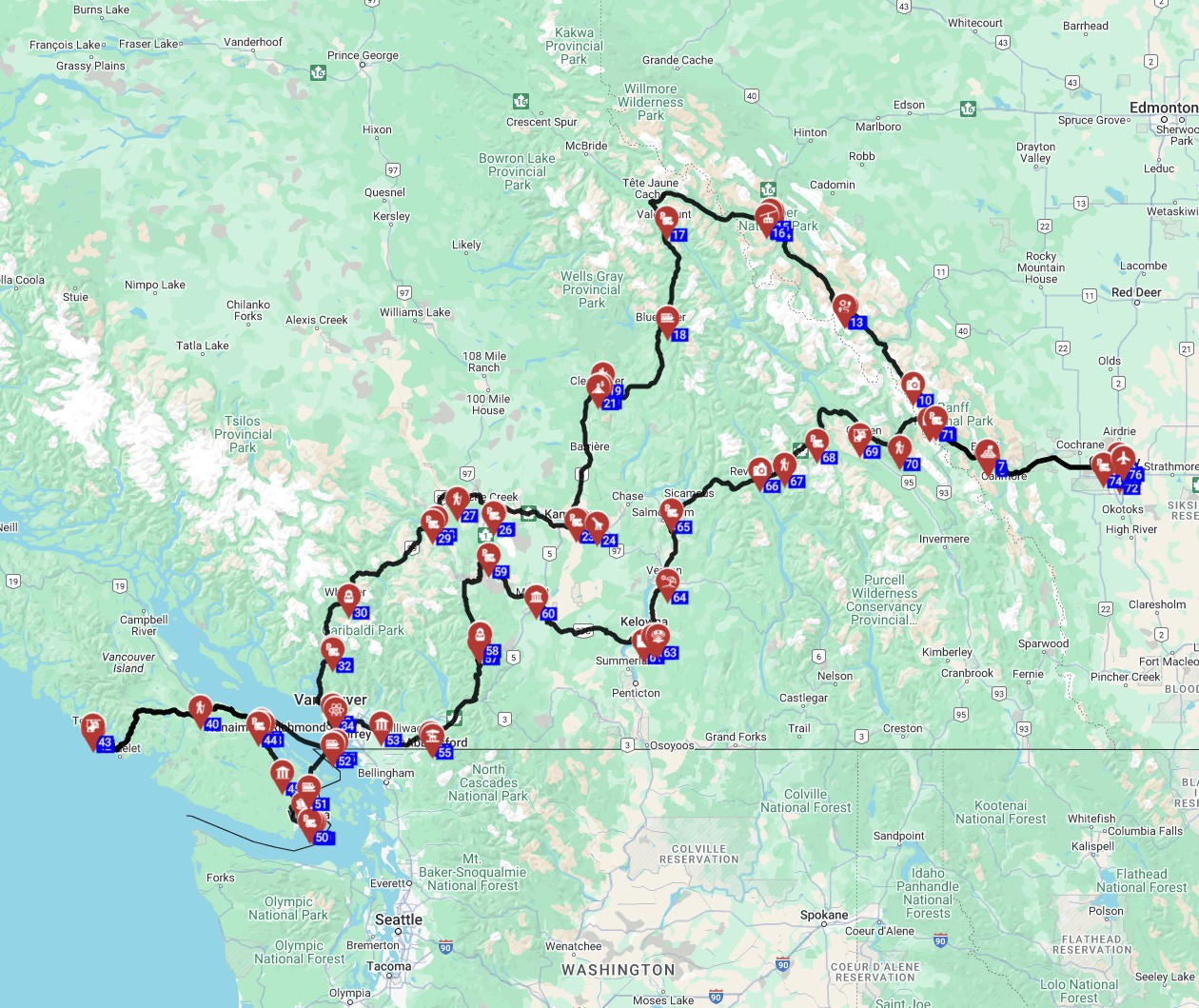
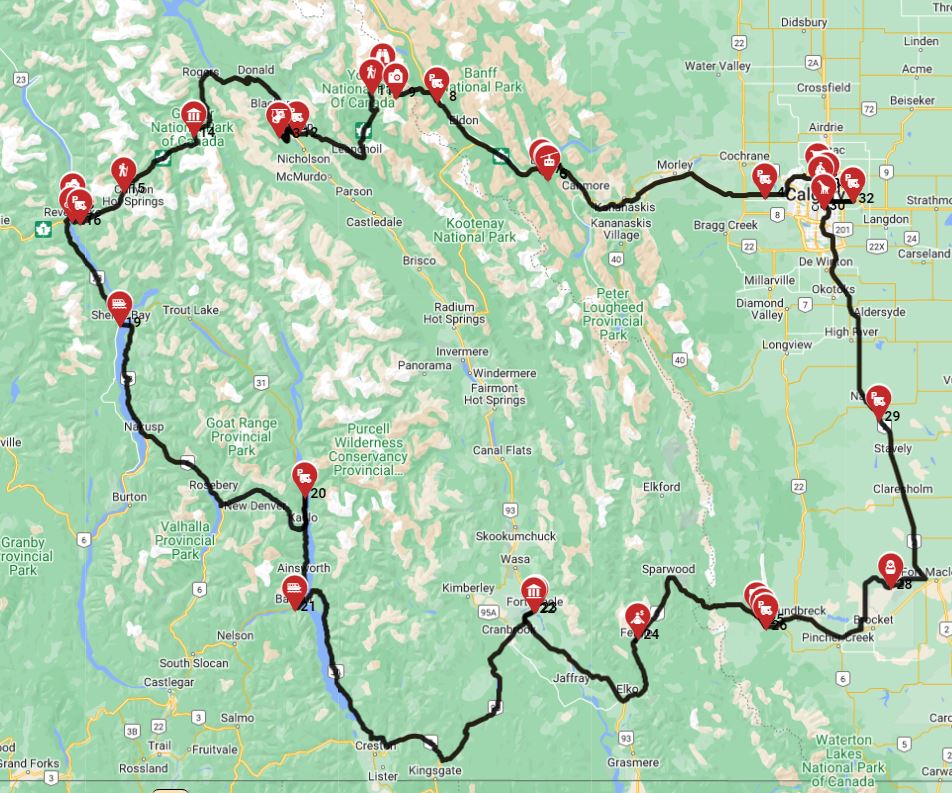
West Canada offers a diverse range of road conditions and terrains, from the expansive prairies of Alberta to the formidable peaks of the Rocky Mountains and the lush coastal routes of British Columbia. Major highways like the Trans-Canada Highway are exceptionally well-maintained and entirely suitable for all rented RV classes, providing smooth travel between key destinations. However, when exploring off-the-beaten-path areas or provincial parks, you might encounter well-graded gravel roads. Driving slowly and carefully, especially in mountainous regions such as the Icefields Parkway or sections of Highway 99 (the Sea-to-Sky Highway), allows you to navigate these varying conditions without issues. Always pay attention to your RV's specific size and adapt your driving to the road conditions, which can change quickly, particularly in higher elevations. This region is a dream for slow travel, allowing you to absorb the stunning scenery at a leisurely pace, typically averaging 100-150 km per day.
RV Size Limits, Bridges & Restricted Zones
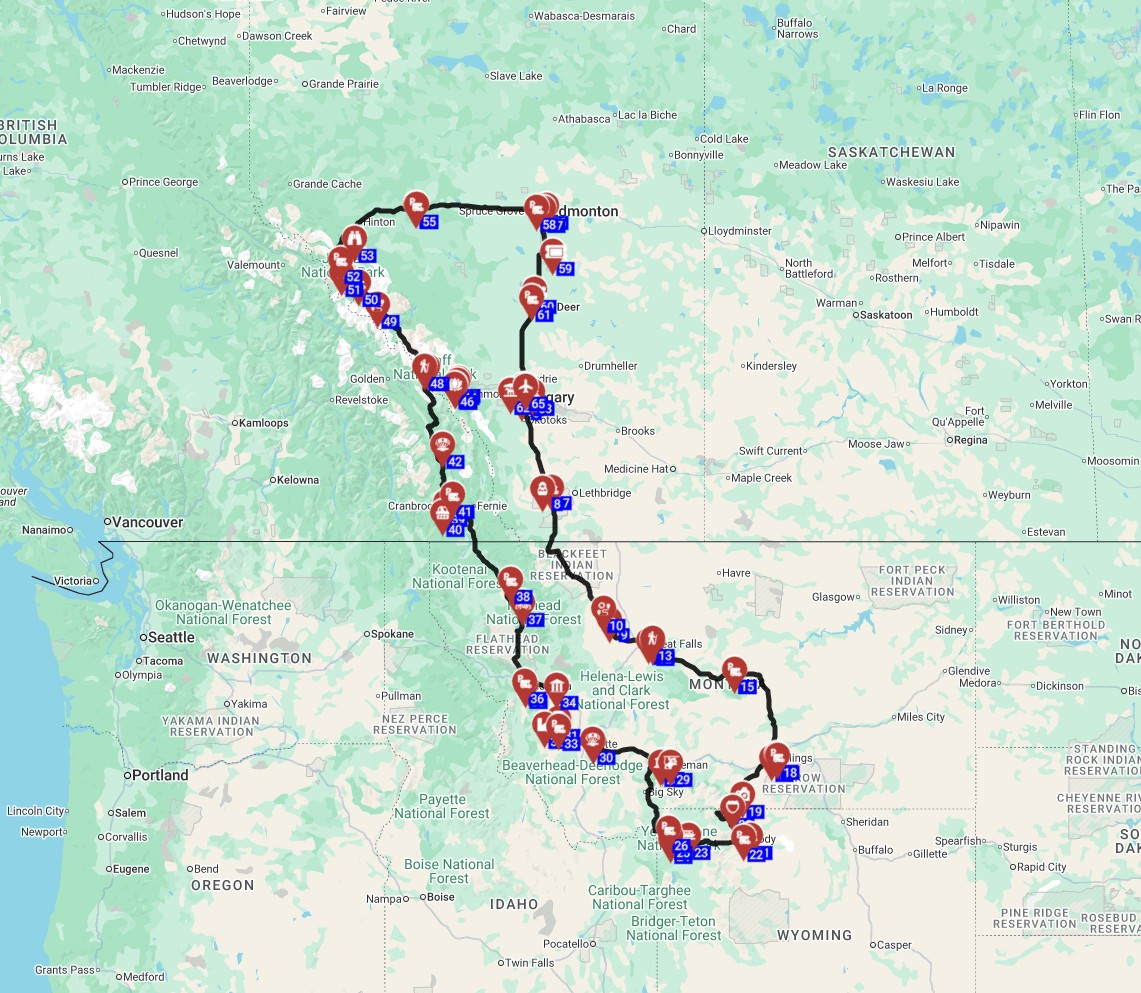
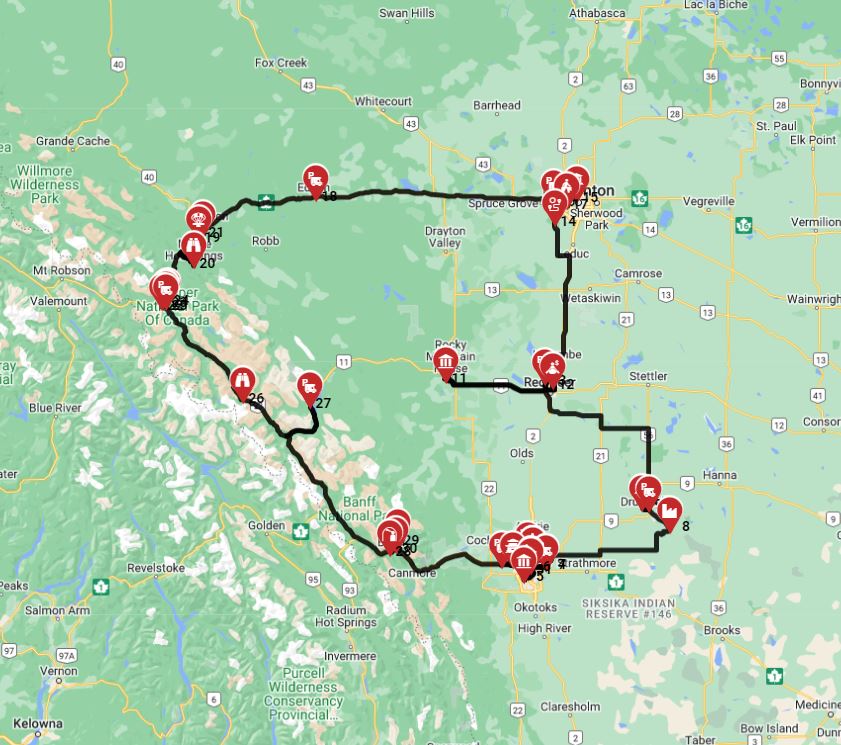
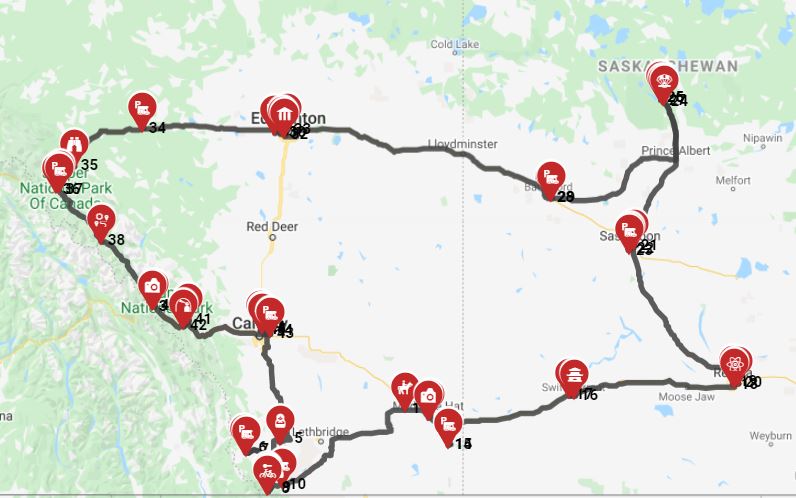
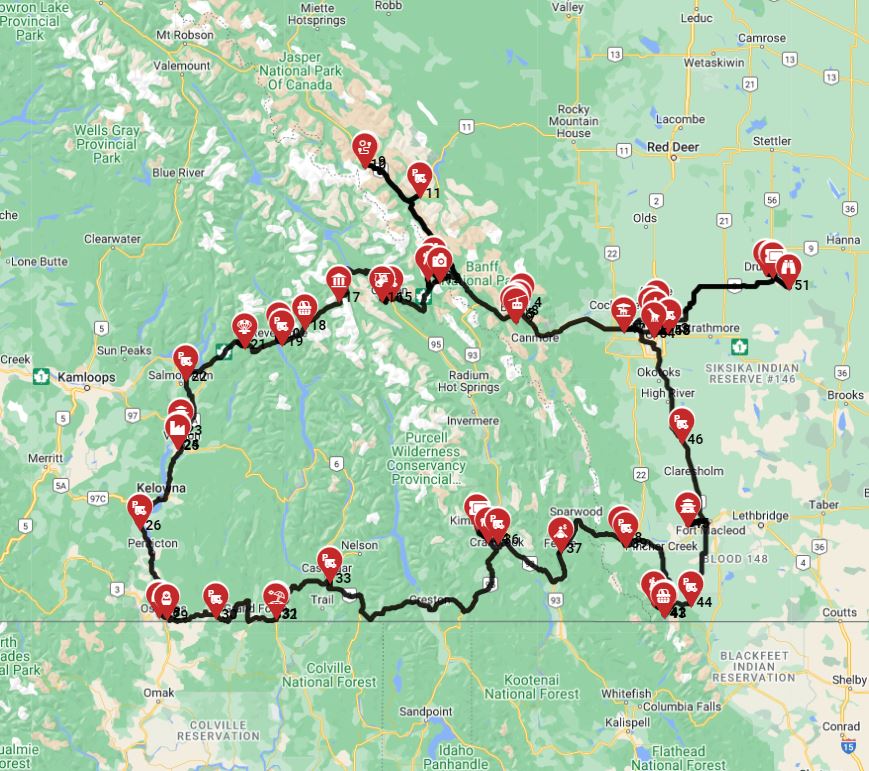
Most rented RVs comfortably fit within West Canadian infrastructure, but being aware of specific signage for height or weight restrictions is crucial. Major routes and highways are designed to accommodate larger vehicles, so you'll generally find smooth sailing. However, certain scenic routes within National Parks, such as portions of the Bow Valley Parkway in Banff National Park, might have length restrictions for larger motorhomes, so always check park regulations in advance. If your one-way RV itinerary includes ferry travel, especially with BC Ferries, it's vital to book based on your exact rented RV length, as this directly impacts both cost and availability. We compare final prices across suppliers, so what you see is what you pay, with no surprise fees related to vehicle dimensions at pickup. For detailed planning, consider exploring RV PLANET (rvplan.net) for route plans.
Fuel: Diesel vs. Petrol & Cost per 100 km
Most larger rental RVs, particularly Class C and Class A motorhomes, typically operate on diesel fuel, which is widely available across West Canada. Smaller campervans, such as the 'rv rental denver example Category Van' or 'hire campervan example Paradise S/T', can run on either diesel or petrol, so always confirm your specific vehicle's fuel type upon booking. According to Bandana data, Class SI RVs typically consume 10-11 Liters/100 km, while Class C Alcove RVs average 10-12 Liters/100 km, and Class B Camper Vans are more efficient at 8-10 Liters/100 km. When planning your one-way RV trip, budget carefully for fuel costs, as prices can fluctuate and generally be higher in remote areas or national parks; filling up in larger towns like Calgary or Vancouver can lead to savings. Remember, on RV PLANET routes, you can itemize and track every expense, including fuel, for easy budgeting. On the routes offered through RV PLANET routes, you can itemize and track every expense along the way for easy budgeting.
Tolls, Vignettes & Border Rules
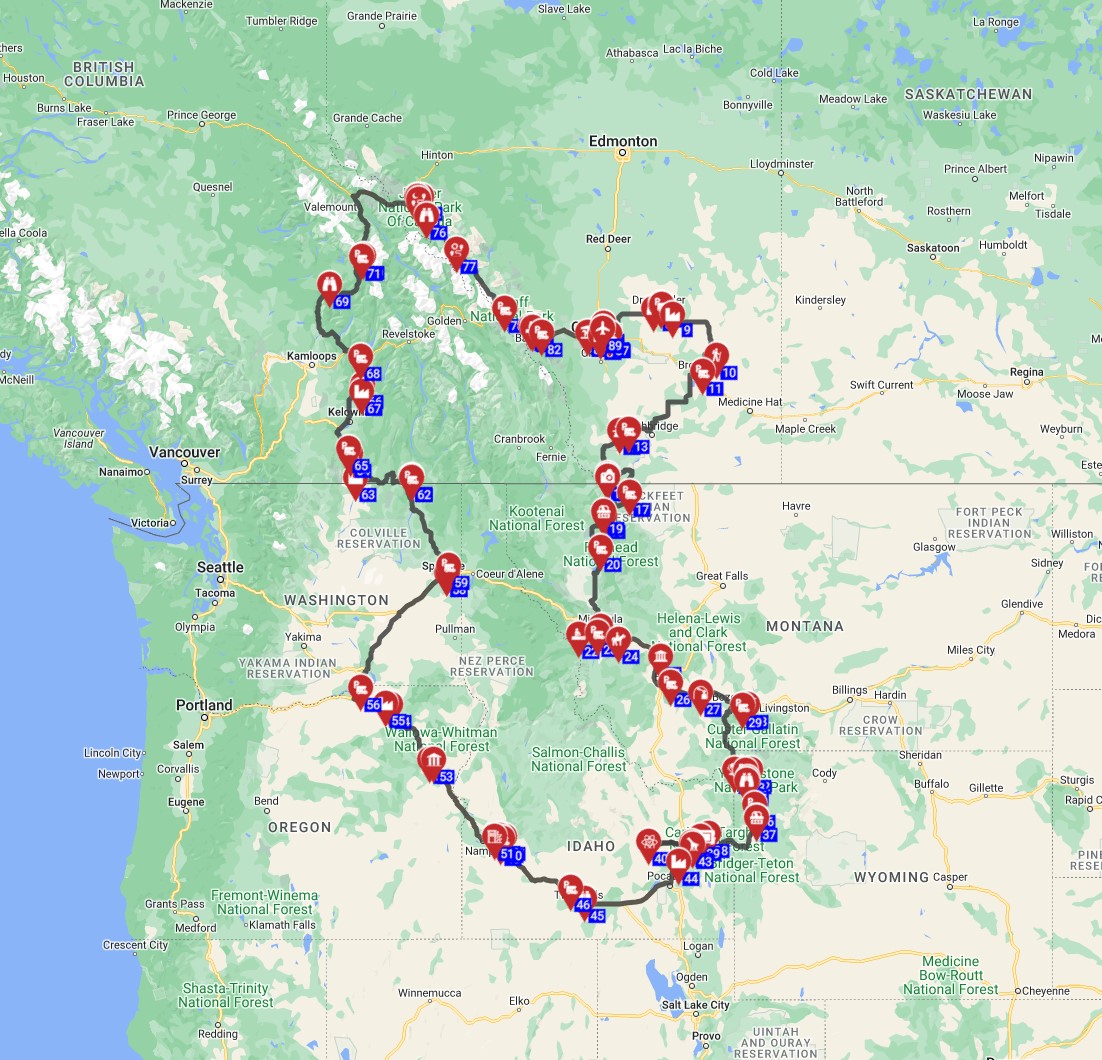
West Canada offers a refreshing simplicity when it comes to road costs, as there are very few toll roads, and vignettes are not utilized for provincial highways. This means you can generally travel freely within British Columbia and Alberta without worrying about unexpected tolls. If your one-way RV adventure extends into the United States, such as a trip from Vancouver to Seattle, ensure all passengers have valid passports, and thoroughly check current customs regulations. Critically, confirm with your rental provider that your insurance coverage extends across the border. While tolls are rare in West Canada, always keep an eye out for local signage, particularly around bridges or tunnels near major metropolitan areas, though these are exceptional cases.
Driving Tips for one way rv rental Travelers
Successful one-way RV travel in West Canada hinges on smart planning and mindful driving. Always plan frequent stops, ideally every 2-3 hours, to rest, enjoy the incredible scenery, and reduce driver fatigue, especially on long stretches. Budgeting wisely for fuel and groceries is essential; try to stock up in larger towns where prices are often lower. For those traversing the Canadian Rockies, mastering mountain driving is key: use lower gears for descents to control your speed and prevent brake overheating, and be aware of designated runaway lanes. Driving defensively and remaining highly aware of wildlife, particularly at dawn and dusk, is crucial for safety on West Canada's diverse roads. Finally, always know your rented RV's specific length, height, and weight to navigate safely and efficiently, especially when entering tunnels or parking. For comprehensive route plans and itineraries like "RV Travel Guide to West Canada - Tips and Top Spots 2026", consider exploring RV PLANET.
🎬 Video coming soon
Recommended RV Class for West Canada Roads
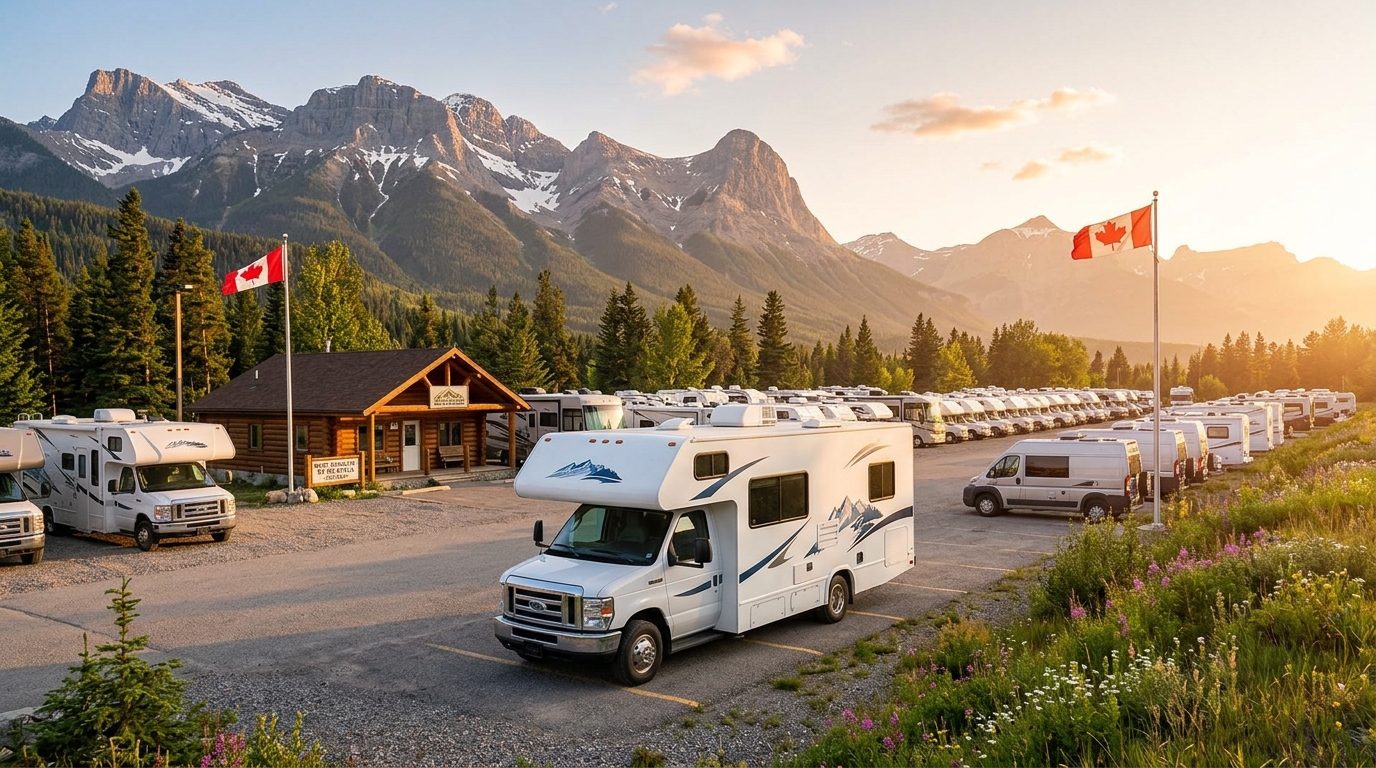
The best RV class for your West Canada one-way journey depends on your travel style and group size. Class SI (Semi-integrated) RVs, averaging around 6.9 meters in length, offer excellent maneuverability and decent aerodynamics, making them a great option for diverse roads and mountain passes. For families or those desiring more living space and comfort, Class C (Alcove) RVs, typically averaging 7.5 meters, provide additional berths and amenities without being overly challenging to drive. Both these classes, including models like the 'cruise america rv rental example Explorer' which is 7.1 meters long with 4 sleeping places, offer essential features like a gas stove and refrigerator, perfect for cooking delicious meals on the go. RV-friendly recipes playlist. These rented motorhomes balance comfort and practicality, ensuring a fantastic experience through West Canada’s varied landscapes.
Should I Choose a Compact Van Instead of a Large RV in West Canada?
Choosing between a compact van (Class B Camper Van) and a larger RV for your West Canada one-way rental depends largely on your priorities. Compact vans, averaging 5.8 meters in length, offer superior maneuverability and better fuel efficiency, often achieving 8-10 Liters/100 km, making them ideal for agile exploration and urban parking. They are perfect for couples or solo travelers who value flexibility and ease of navigation on tighter roads. In contrast, larger RVs, such as Class C or SI models, provide significantly more interior space, dedicated amenities, and enhanced comfort, which can be invaluable for longer trips or multiple travelers. While a larger RV might feel less agile, West Canada's generally wide roads make driving them straightforward. For those prioritizing spaciousness, a full kitchen, and a private shower/toilet, the comfort of a larger RV often outweighs the maneuverability advantage of a van, providing a true home-away-from-home experience.
Can I Park Anywhere? Free & Wild Camping Rules in West Canada
Free camping, often called boondocking, is generally permitted on designated Crown Land in provinces like British Columbia and Alberta, provided travelers strictly adhere to 'Leave No Trace' principles. This means packing out everything you pack in, respecting wildlife, and leaving no trace of your presence. National Parks, however, typically do not allow boondocking; instead, they offer a wide array of designated campgrounds, many requiring advance reservations, especially during peak season. Keep in mind that many national and state parks reserve only 25-30% of their spots, leaving the rest for first-come-first-serve. You'll find a spot; if not at the first campground, then the next one. Always call ahead before driving. Overnight parking in city centers, retail lots, or highway rest stops is generally prohibited unless explicitly marked with "RV Parking" signs. Always check local regulations before parking overnight.
Can I Drive an RV Into the City Center? Heights, Tunnels & Local Signage
Yes, you can generally drive a rented RV into most West Canadian city centers, as the main routes are typically designed to accommodate larger vehicles. Cities like Vancouver, Calgary, and Edmonton have accessible roads, though parking can be a different challenge. Always pay close attention to local signage for height limits, especially when approaching parkades, tunnels, and low bridges. Major routes are usually clear, but side streets or older urban areas might have restrictions. To minimize stress, consider parking your RV on the outskirts of city centers and utilizing efficient public transit. This allows you to explore downtown areas like Gastown in Vancouver or Stephen Avenue in Calgary without the hassle of navigating tight streets or searching for oversized parking spots. Drive slowly and carefully, and you can drive almost anywhere without issues. No need to stress - just use common sense and pay attention.
Top Cities for RV Rental in West Canada
West Canada offers numerous excellent cities for starting or ending your one-way RV rental adventure, each providing unique attractions and easy access to stunning natural landscapes. These hubs are well-equipped with rental suppliers, making vehicle pickup and drop-off convenient. For example, our "

- Vancouver, British Columbia: A vibrant coastal city known for its stunning natural beauty, Stanley Park, and proximity to the Sea-to-Sky Highway leading to Whistler. It's a popular starting point for one-way trips heading into the Rockies.
- Calgary, Alberta: The gateway to the Canadian Rockies, offering easy access to Banff and Jasper National Parks. Calgary is an excellent choice for picking up a motorhome if your focus is mountain exploration.
- Edmonton, Alberta: Alberta's capital city, perfect for those exploring the northern Rockies or heading further into Canada's vast wilderness, with suppliers offering a range of Class C and Class B campervans.
- Victoria, British Columbia: Located on Vancouver Island, Victoria provides a charming starting point for exploring the island's coastal scenery before taking a ferry to the mainland.
- Kelowna, British Columbia: Situated in the Okanagan Valley, Kelowna is ideal for wine enthusiasts and lake lovers, offering a scenic pickup location for one-way journeys through BC's interior.
- Banff, Alberta: While a smaller town, Banff serves as a central hub within Banff National Park, with limited but often available RV rental options for direct access to the park's iconic sights.
Whether you're looking for an "RV Rental Deals in West Canada - Latest Offers 2026" or more specifically a "One-Way RV Rental in West Canada - Price Guide 2026", these cities provide diverse options to kickstart your unforgettable adventure. Comparing options through Bandana Caravan ensures you find the perfect vehicle for your route.
What You Shouldn't Miss
- Driving the Icefields Parkway: This 232 km scenic highway between Banff and Jasper National Parks is considered one of the most beautiful drives in the world, featuring over 100 ancient glaciers, stunning waterfalls, and turquoise lakes.
- Exploring Banff National Park: Visit iconic spots like Lake Louise and Moraine Lake, then discover less crowded trails or enjoy a leisurely evening at a campground. There are over 600 campsites in Tunnel Mountain Village alone.
- Whale Watching in Victoria: From the charming city of Victoria, embark on a thrilling whale watching tour to spot orcas, humpbacks, and grey whales in their natural habitat off Vancouver Island.
- Cycling the Stanley Park Seawall in Vancouver: Rent a bike and pedal the 10 km picturesque seawall around Stanley Park, offering breathtaking views of the city skyline, mountains, and ocean. Many bike rental options are available.
- Visiting the Okanagan Valley Wineries: Take a scenic detour to Kelowna and explore the renowned wineries of the Okanagan Valley, sampling world-class wines amidst beautiful vineyards.
- Discovering Indigenous Culture at Head-Smashed-In Buffalo Jump: Just a short drive from Calgary, this UNESCO World Heritage Site offers a profound glimpse into the 6,000-year history and traditions of the Blackfoot people.
Final Thoughts
A one-way RV rental in West Canada truly opens up a world of discovery, offering the flexibility to explore diverse landscapes from bustling cities to tranquil mountain retreats without the need to double back. With a rented motorhome or campervan, you're not just booking a vehicle; you're securing a mobile home base for an unforgettable journey. We've been helping travelers like you plan incredible adventures for over 23 years, ensuring clarity, support, and the best deals.
Whether you dream of a week-long trip through the Rockies or a longer adventure along the Pacific coast, remember to travel slowly, max 100-150 km per day on average. Take time to feel the place, connect to the culture, the food, and the scenery. We're here to help you compare final prices across suppliers, ensuring you get the easiest, safest, and most affordable way to rent an RV.
So, are you ready to chart your course and experience the majestic beauty of West Canada? Let Bandana Caravan be your trusted partner in finding the perfect one-way RV rental for your epic journey!
Check West Canada RV Rental Prices Now to compare thousands of one-way motorhome and campervan rentals from top suppliers.