For live availability and current prices, start with our RV Rental South Europe - Complete Guide 2026 guide.
In This Guide
- Can You Drive an RV in South Europe? License & Age Rules
- Road Conditions & Terrain in South Europe
- RV Size Limits, Bridges & Restricted Zones
- Fuel: Diesel vs. Petrol & Cost per 100 km
- Tolls, Vignettes & Border Rules
- Driving Tips for one way rv rental Travelers
- Recommended RV Class for South Europe Roads
- Should I Choose a Compact Van Instead of a Large RV in South Europe?
- Can I Park Anywhere? Free & Wild Camping Rules in South Europe
- Can I Drive an RV Into the City Center? Heights, Tunnels & Local Signage
- Which countries are considered Southern Europe for RV travel?
- What documents do I need to rent an RV in Europe?
- Can you rent a one way RV in Europe?
- What's the best time of year for an RV trip in Southern Europe?
- Multi-Day Itinerary Ideas for a One Way RV Trip in South Europe
- What is the best way to travel around South Europe?
- What are the disadvantages of renting an RV?
- Is it cheaper to rent an RV one way? How much does it cost to rent an RV for one way in Europe?
- Safety and Security for RV Travelers in South Europe
- Practical Logistics: Water, Dumping Stations & Ferry Crossings
- Traveling with Pets in a One Way RV: Rules and Tips
- Cultural Immersion and Local Etiquette for RV Travelers
- Sustainable and Responsible RV Travel in South Europe
- Where can I find one way RV rentals in South Europe?
Can You Drive an RV in South Europe? License & Age Rules
Most standard rental RVs, typically those under 3,500 kg Maximum Authorized Mass (MAM), can be driven in South Europe with a standard B driving license. This is the most common requirement across the region, ensuring that most travelers can get behind the wheel of their rented motorhome without needing special permits. Rental companies generally stipulate a minimum driver age, usually between 21 and 25 years old, and often require a minimum of two to three years of driving experience. For foreign drivers, obtaining an International Driving Permit (IDP) alongside your national license is highly recommended and sometimes legally mandated, particularly in countries like Italy, Greece, and Croatia, even if your license is from another EU/EEA country. Always verify the specific requirements of your chosen rental provider and the destination country before your trip.
Road Conditions & Terrain in South Europe
South Europe presents a varied driving landscape, from the impeccably maintained motorways, known as autostrade or autopistas, to the charmingly narrow and winding roads found along its extensive coastlines and within ancient village centers. Major routes connecting cities and popular tourist destinations are generally in excellent condition, offering a smooth and comfortable journey. However, venturing onto secondary and rural roads, especially in mountainous areas like the Italian Dolomites, the Spanish Pyrenees, or the Balkan peninsula, you'll encounter narrower passages, steeper inclines, and potentially less pristine road surfaces. While gravel roads are less common, they can appear in very remote or less-traveled areas. The sheer density of urban areas means that navigating smaller towns and historic centers with larger RVs requires a slower pace and heightened awareness, encouraging travelers to embrace the scenic route and utilize the comfort and flexibility of their rented motorhome to make spontaneous stops.
RV Size Limits, Bridges & Restricted Zones
When planning your one way RV rental in South Europe, be aware of potential size limitations, particularly concerning height restrictions that affect tunnels, low bridges, and access to some historic city centers. While specific height limits vary, common restrictions for underpasses or older parking garages can be around 3.0 to 3.5 meters (approximately 9.8 to 11.5 feet), though most modern RVs in Bandana's fleet measure between 2.8 to 3.2 meters (around 9.2 to 10.5 feet). Weight limits are also critical; vehicles exceeding 3,500 kg MAM typically require a different license category. Larger Class A or C motorhomes can approach or exceed this threshold, so always confirm your vehicle's MAM. Furthermore, many Southern European cities, including those in Italy (Zona a Traffico Limitato - ZTL), France (Zones à Faibles Émissions - ZFE), and Spain (Zonas de Bajas Emisiones - ZBE), have implemented environmental or limited traffic zones. These zones often restrict access for vehicles with older, higher-emission engines or those not registered locally, so it's essential to research specific city regulations and obtain any required vignettes or passes in advance to avoid fines.
Fuel: Diesel vs. Petrol & Cost per 100 km
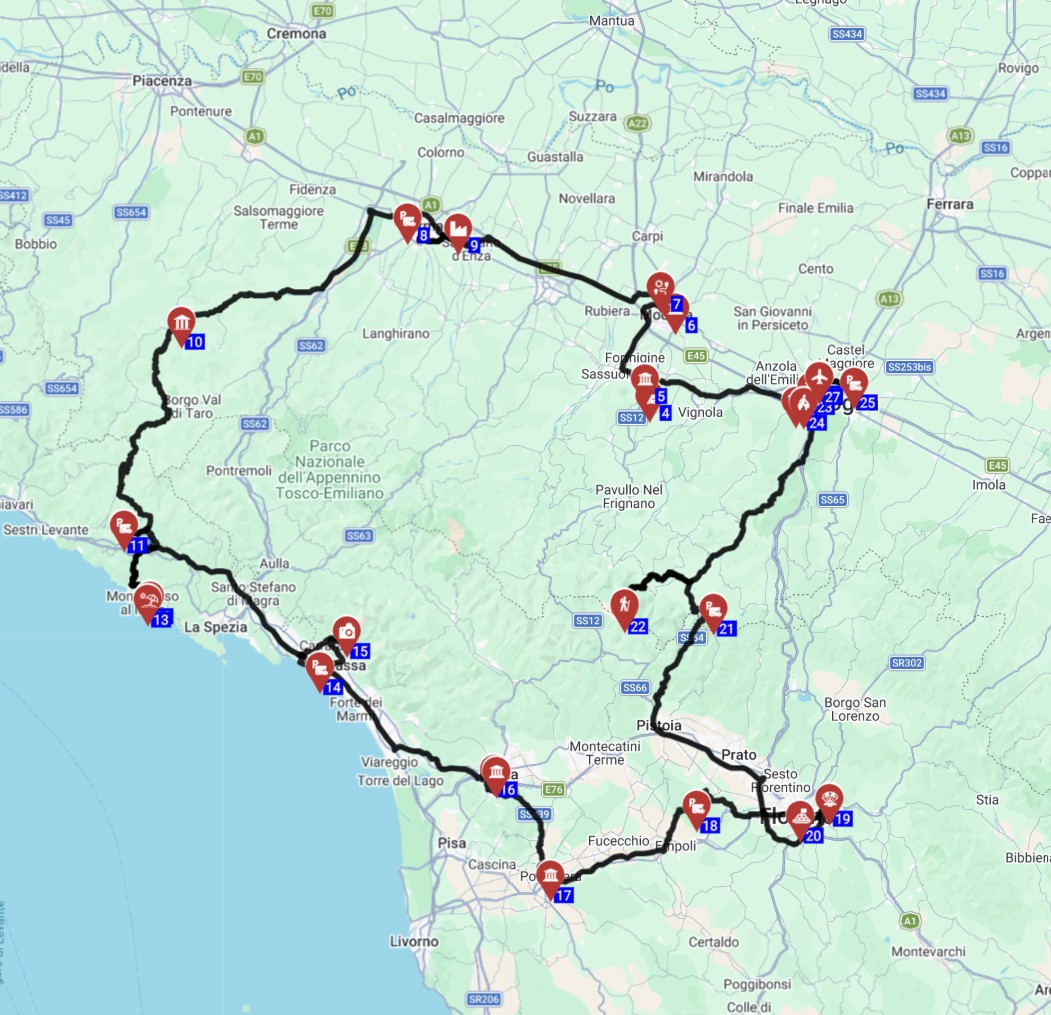
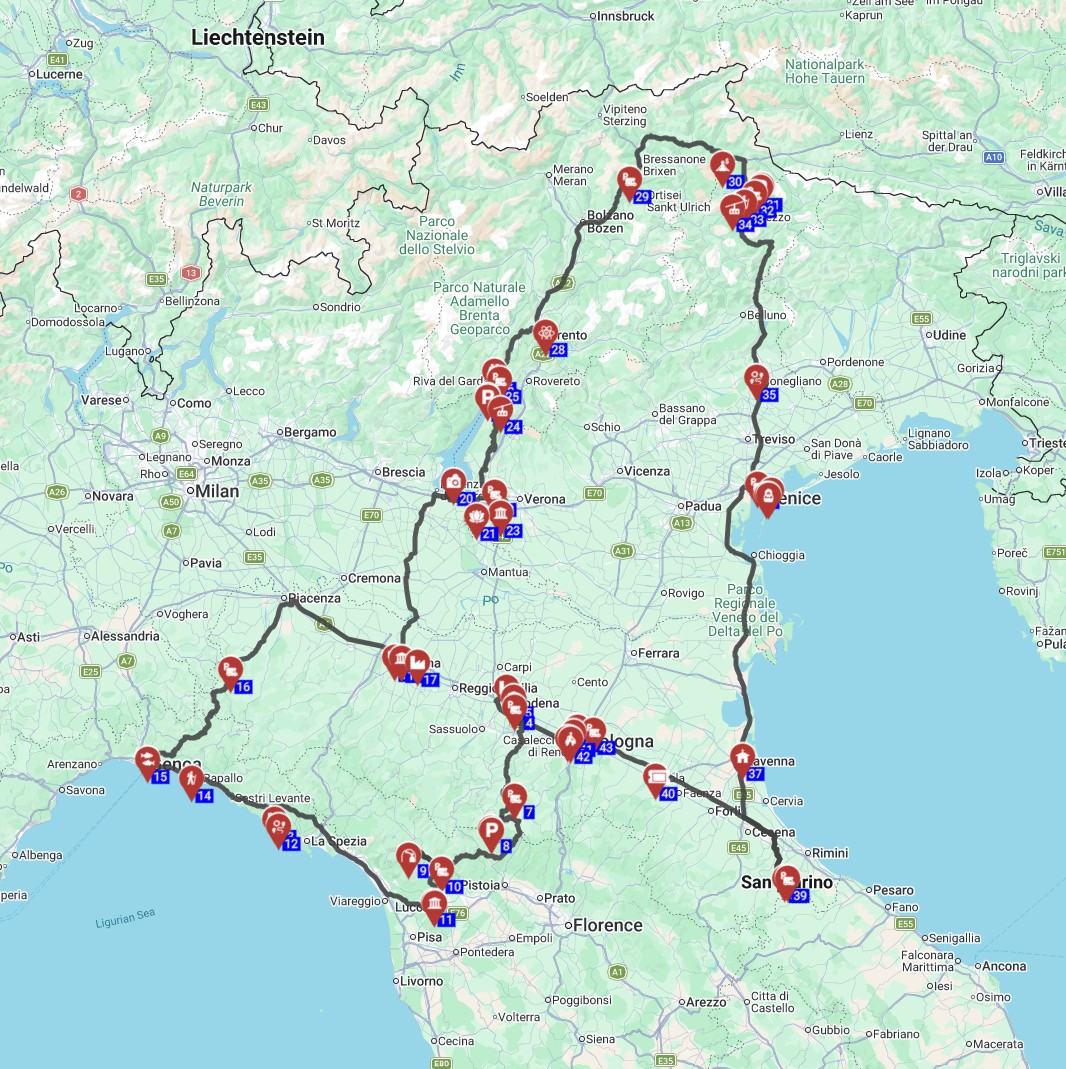
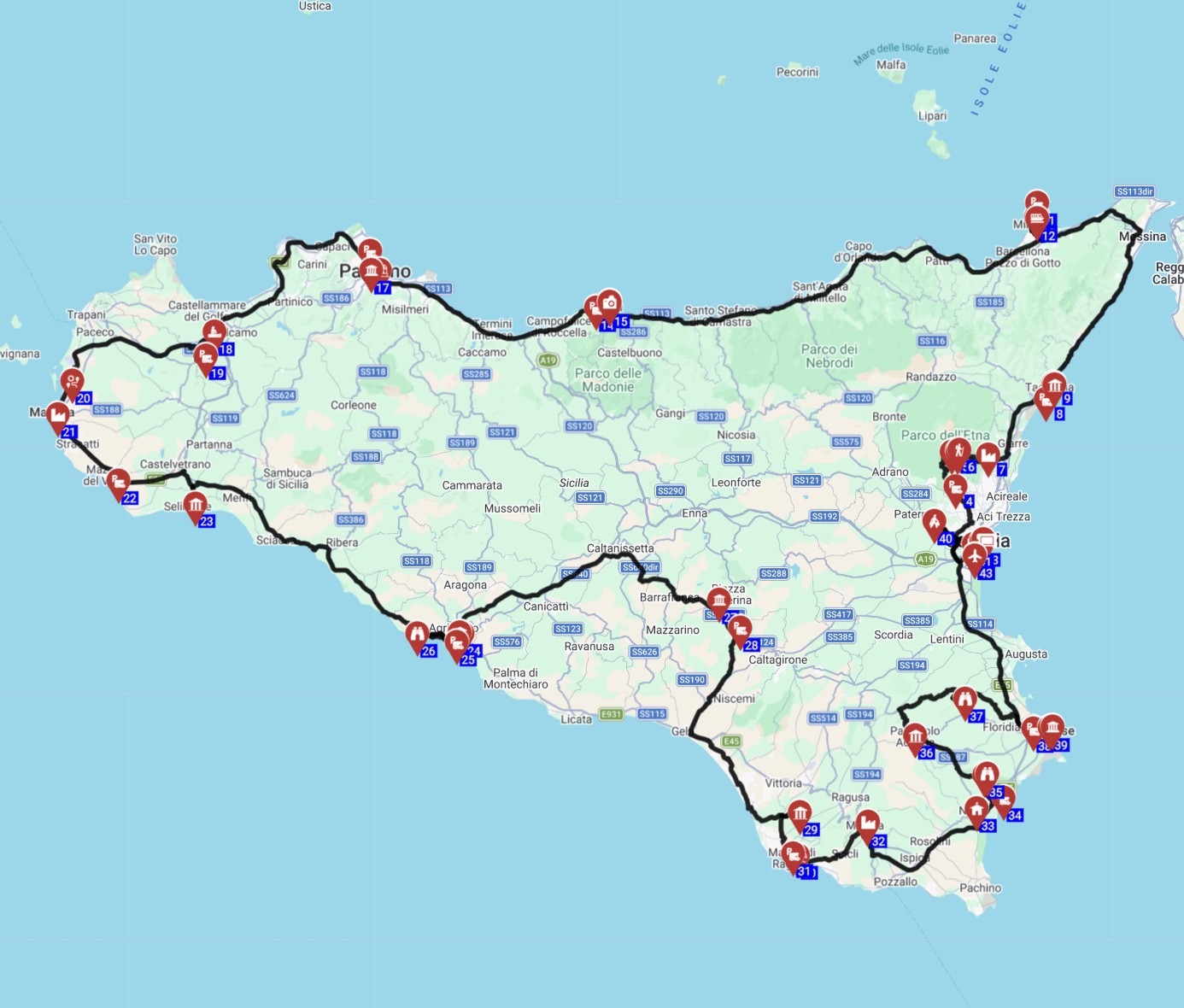
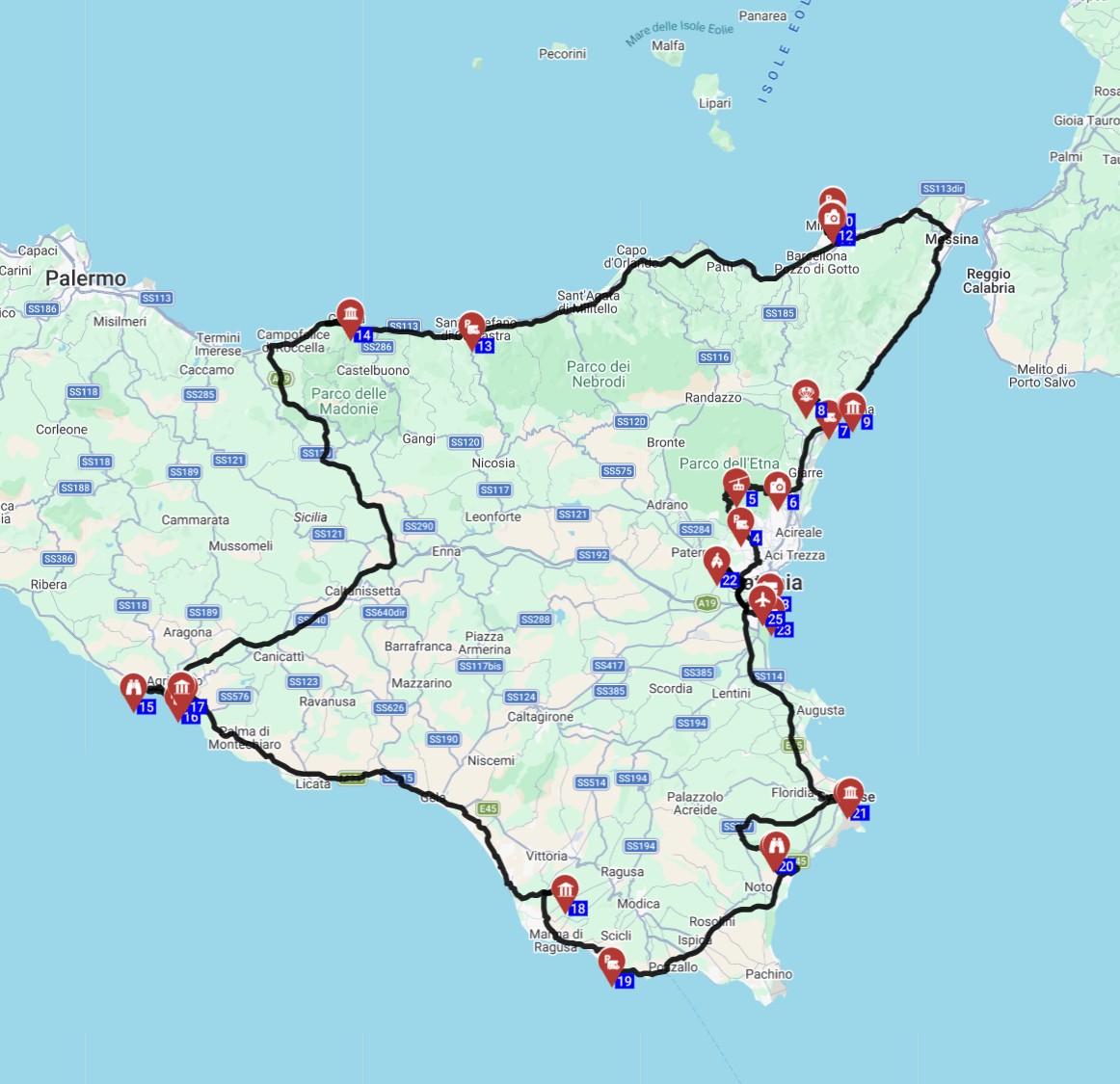
Diesel is the predominant fuel type for RVs throughout South Europe, readily available at most service stations. While petrol (gasoline) is also common, diesel engines are more prevalent in larger RVs and motorhomes due to their fuel efficiency, making it the primary choice for Bandana's fleet. For instance, a Class B Camper Van in our fleet typically consumes 8-10 Liters per 100 km, a Class SI Semi-integrated RV around 10-11 Liters/100 km, and a larger Class C Alcove model might use 10-12 Liters/100 km. Similarly, a Class A Integrated motorhome could average 8-11 Liters/100 km, while a Truck Camper might range from 12-17 Liters/100 km. These figures are approximate and can vary significantly based on driving style, terrain, and vehicle load. Budgeting for fuel is crucial, as prices in South Europe can be higher than in some other regions. Keep in mind that the final cost per 100 km will depend on the fluctuating daily fuel prices. On the routes offered through RV PLANET routes, you can itemize and track every expense along the way for easy budgeting.
Tolls, Vignettes & Border Rules
Navigating South Europe by RV often involves encountering a toll system, particularly on major motorways. Countries like Italy, France, Spain, and Portugal commonly use barrier toll systems where you pay for the distance traveled, rather than a vignette system that's more prevalent in Central and Eastern Europe. In these countries, tolls are typically paid at booths using cash or credit cards, or you can opt for electronic transponders like Italy's Telepass or Spain's Via-T, which some rental providers may offer for seamless travel. While traditional vignettes are less common within the core South European countries, if your one way journey takes you through neighboring nations like Slovenia or Austria, you will need to purchase their respective vignettes for motorway access. Border crossings within the Schengen Area, which encompasses most of South Europe, are generally seamless with no passport checks. However, always carry your passport/ID, vehicle registration and insurance documents, and your driving license, including an IDP if required by local law.
Driving Tips for one way rv rental Travelers
For families embarking on a one way RV adventure, planning frequent stops every 2-3 hours is key to making the journey enjoyable for children, allowing them to stretch and explore. Budget-conscious travelers can save by pre-planning routes to identify toll-free alternatives where feasible and considering pre-purchased electronic toll passes if offered by the rental company. If you prefer a more relaxed driving experience, especially on South Europe's varied terrain, consider RVs with automatic transmissions, which are frequently available in Bandana's fleet. Always maintain awareness of narrower roads and steeper inclines common in Southern European mountainous or coastal regions; allow extra braking distance and practice defensive driving, especially when operating an unfamiliar vehicle size. When parking, particularly in popular tourist areas or cities, utilize designated RV parking spots, secure campsites, or well-lit areas, prioritizing safety and security.
Recommended RV Class for South Europe Roads
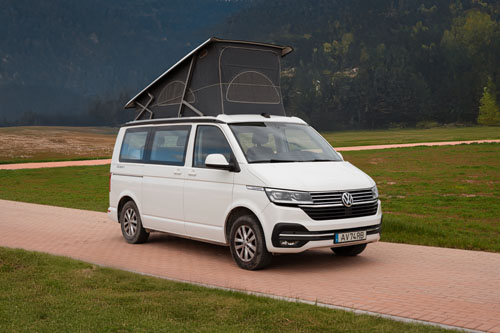
When planning your one way RV trip through South Europe, the Class B Camper Van and Class SI Semi-integrated RVs are highly recommended for their balance of maneuverability and comfort. Class B Camper Vans, averaging around 5.8 meters (19 feet) in length across Bandana's fleet, are particularly agile, making them ideal for navigating winding coastal routes, charming smaller villages, and finding parking in towns. Class SI Semi-integrated RVs, typically around 6.9 meters (22.6 feet) long, offer a great compromise, providing ample living space for 3-4 people (with an average of 3.8 sleeping places) while still being manageable on most European roads, including those leading to scenic viewpoints and national parks. Both these classes generally offer sufficient ground clearance for varied terrain and are less cumbersome than larger Class C or A models, ensuring a more relaxed exploration of South Europe's diverse landscapes without sacrificing essential amenities.
Should I Choose a Compact Van Instead of a Large RV in South Europe?
While larger RVs are generally manageable on the main roads and highways of South Europe, opting for a compact van or smaller RV can offer advantages when navigating very tight historic city centers or extremely narrow mountain passes. However, this benefit is often outweighed by the enhanced comfort and interior space provided by a larger vehicle. For a one way journey, where you'll likely encounter a diverse range of road types, a Class B Camper Van (averaging 5.8 meters) or a Class SI Semi-integrated RV (averaging 6.9 meters) presents an excellent balance of maneuverability and comfortable living space suitable for extended trips. The crucial trade-off is between interior amenities and ease of navigation; larger RVs provide more room for sleeping, cooking, and relaxation, which significantly enhances the enjoyment of longer journeys, especially for families or groups. Unless your itinerary is heavily focused on frequently entering ancient, tightly-packed walled towns or extremely remote, unpaved routes, a medium-sized RV like a Semi-integrated model offers ample maneuverability for most Southern European destinations without sacrificing the comforts that make RV travel so appealing. For ideas you can prep on the road, watch our RV-friendly recipes playlist on YouTube.
Can I Park Anywhere? Free & Wild Camping Rules in South Europe
Free or wild camping in an RV is generally restricted or outright illegal in most Southern European countries, including popular destinations like Spain, Portugal, Italy, Greece, and Croatia, unless you are in designated campsites or on private land with explicit permission. Portugal, for instance, has significantly tightened its wild camping regulations in recent years, imposing fines for overnight parking outside authorized areas, particularly along its picturesque coastlines and within protected ecological zones. In Italy, overnight RV stays are largely confined to official campsites or designated 'aree di sosta' (stopover areas), while in Spain, overnight parking is often permitted where car parking is legal, but 'camping behavior'—such as extending awnings or setting out chairs—is typically prohibited. It's crucial to remember that rules can vary significantly by region and municipality within each country; always check local regulations, pay close attention to signage, and consider using apps like Park4Night to find verified spots before parking overnight to ensure compliance with local laws.
Can I Drive an RV Into the City Center? Heights, Tunnels & Local Signage
Yes, it is generally possible to drive an RV into most city centers in South Europe, but it requires a keen eye for specific local signage, including height restrictions for bridges and tunnels, environmental zones, and streets designated for residents only. Many Southern European cities have implemented environmental zones or limited traffic areas, such as Italy's Zona a Traffico Limitato (ZTL) or France's Zones à Faibles Émissions (ZFE), which restrict access for non-local vehicles or those with older, higher-emission engines. Ensure your rented RV complies with these regulations or that you have the necessary permits. Be particularly vigilant for low bridges, tunnels, and parking garages that often have height restrictions, commonly around 3 meters (10 feet) or less, especially in older urban districts; always know your RV's exact height and width before entering such areas. Additionally, pay close attention to street signs indicating weight limits, narrow road warnings, and 'no entry' prohibitions, as attempting to navigate very narrow or restricted streets can lead to challenges, potential damage, or fines.
Which countries are considered Southern Europe for RV travel?
For the purposes of RV travel, Southern Europe typically encompasses the nations bordering the Mediterranean Sea, offering a rich tapestry of cultures, landscapes, and historical sites. Key countries popular for motorhome adventures include Portugal, Spain, the southern regions of France, Italy, Greece, Croatia, Slovenia, and Montenegro. These destinations share characteristics like Mediterranean climates, abundant historical and archaeological sites, and distinct culinary traditions, making them ideal for exploration by RV. While culturally diverse, they often present similar opportunities and challenges for RV travelers, such as varied road conditions, a good network of campsites, and country-specific driving regulations that are important to understand before you set off.
What documents do I need to rent an RV in Europe?
To rent an RV in Europe, you'll primarily need a valid national driving license that has been held for a minimum period, usually two to three years, depending on the rental company's policy. This license must be suitable for the category of RV you intend to drive, typically a standard B license for vehicles up to 3,500 kg MAM. For drivers whose licenses are not issued by an EU/EEA country, an International Driving Permit (IDP) is often required alongside your national license. Confirm the minimum driver age, which is usually 21 or 23, with some companies having a 25-year age limit for larger vehicles. You'll also need your passport or national ID card, potentially a second form of identification, proof of address, and a major credit card for the security deposit and rental fees. Having your confirmed booking reservation readily available is also essential.
Can you rent a one way RV in Europe?
Yes, one way RV rentals are widely available across Europe, including the diverse landscapes of Southern Europe, offering excellent flexibility to pick up your vehicle in one city and return it in another. Many international and local RV rental companies specialize in one-way hires, allowing travelers to craft seamless itineraries that explore more ground without the need for backtracking. These options are particularly popular for cross-country tours or for those wishing to experience a specific region thoroughly without the commitment of returning the motorhome to its original depot. However, availability and associated fees for one way rentals can vary significantly based on the rental company, the specific route chosen, and the season, so it's advisable to book well in advance and compare offerings from multiple providers to secure the best option for your journey.
What's the best time of year for an RV trip in Southern Europe?
The most favorable time of year for an RV trip in Southern Europe is generally during the shoulder seasons—spring (April to May) and autumn (September to October). During these periods, the weather is typically pleasant, with moderate temperatures ideal for exploring, and tourist crowds are noticeably thinner compared to the peak summer months. Spring offers blooming landscapes and comfortable conditions for visiting cultural sites and enjoying outdoor activities before the summer heat sets in. Autumn brings warm sea temperatures, vibrant fall foliage in some inland regions, and excellent conditions for hiking and cycling, with many local festivals still active. Summer (June to August) is popular for its warmth and long daylight hours, but it also brings higher temperatures, larger crowds, and increased prices for rentals and campsites. Winter (November to March) is quieter and cooler, suitable for those seeking milder weather and off-season charm, especially in coastal areas, though some campsites and attractions may have reduced operating hours or be closed.
Multi-Day Itinerary Ideas for a One Way RV Trip in South Europe
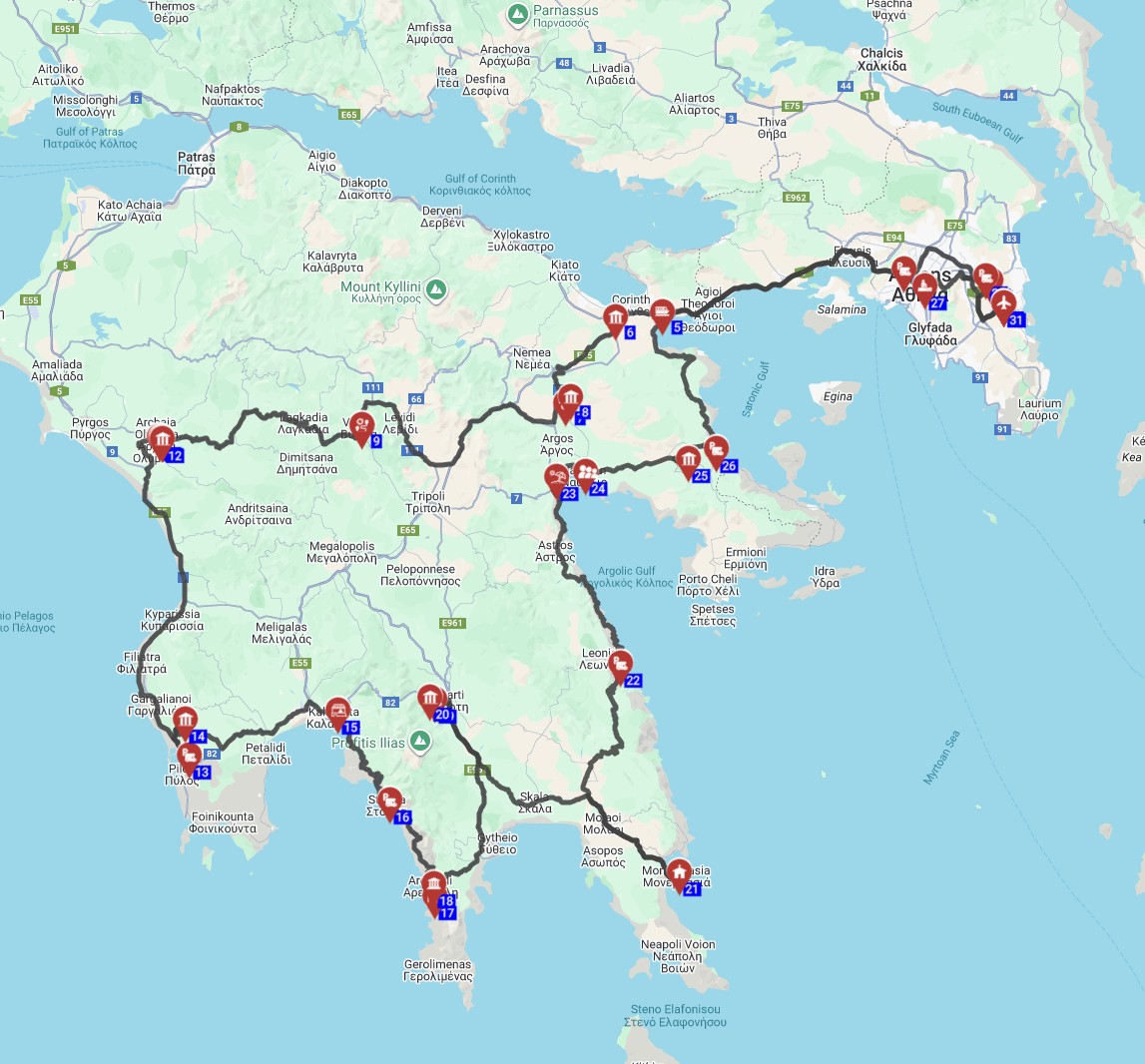
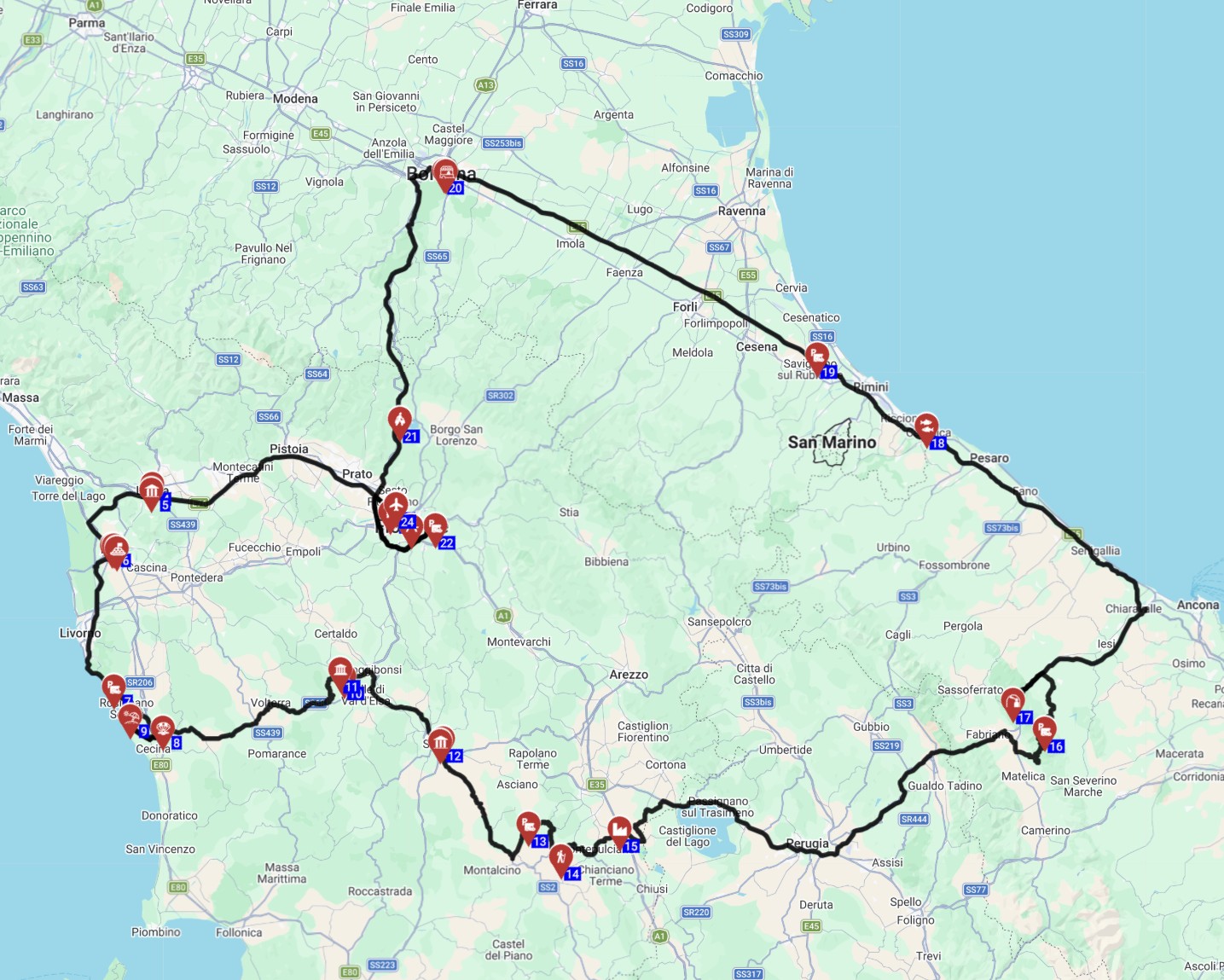
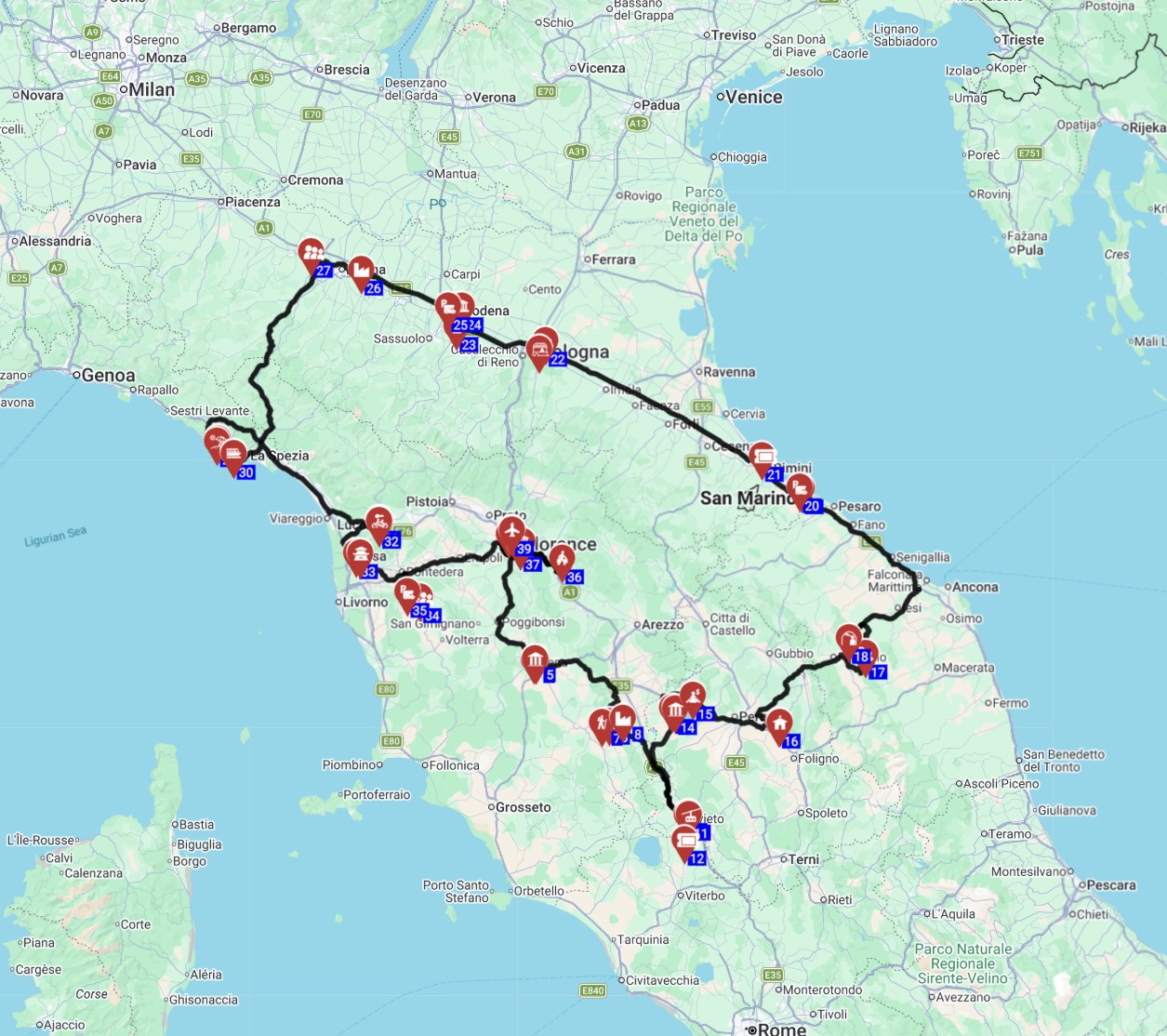
Consider a fantastic 10-day coastal journey from Lisbon, Portugal, to Seville, Spain, allowing you to explore the stunning beaches of the Algarve and immerse yourself in Andalusian culture, with overnight stops at picturesque coastal campsites and historic towns like Faro or Cadiz. Alternatively, a two-week adventure from Milan, Italy, to Dubrovnik, Croatia, could take you through the dramatic Italian Dolomites, past the Venetian Lagoon, and along the breathtaking Dalmatian Coast, utilizing ferries for seamless transitions between Italy and Croatia. For a classic exploration of vineyards and charming villages, a one way route through Southern France from Bordeaux to Nice offers ample opportunities for both designated RV sites and picturesque free overnight stays. Another compelling option is a grand tour through Greece, perhaps starting in Thessaloniki and winding down to Athens, with detours to Meteora and the Peloponnese, integrating ferry trips to visit popular islands like Crete or Corfu, though careful RV ferry booking is essential.
What is the best way to travel around South Europe?
Traveling around South Europe by RV offers unparalleled freedom and flexibility, enabling you to discover hidden gems and adapt your itinerary on the fly, making it one of the most rewarding ways to explore the region's diverse offerings. Compared to traditional hotel stays and relying on public transport, an RV provides a 'home on wheels,' often saving on accommodation costs and offering the convenience of having your belongings and familiar comforts with you at all times. While trains and planes are faster for covering long distances between major cities, they inherently limit spontaneity and access to the more rural, scenic areas that are often the true heart of Southern Europe; an RV, however, excels at reaching national parks, secluded beaches, and charming, off-the-beaten-path villages. Ultimately, the 'best' way to travel depends on your priorities: an RV is ideal for those seeking adventure, self-sufficiency, and a deeper immersion into the varied landscapes and cultures of Southern Europe.
What are the disadvantages of renting an RV?
One notable disadvantage of renting an RV in Southern Europe can be the potential for higher overall costs. This includes not only the rental fees but also significant expenses for fuel, tolls, and campsite fees, which, when combined, can sometimes exceed the cost of budget hotel stays and train travel. RV travel can also be slower-paced than other modes of transport, particularly on winding mountain roads or when navigating narrow city streets, potentially limiting the number of destinations you can visit within a set timeframe. Maneuvering and parking a large vehicle in crowded urban areas or tight spots can be challenging, and finding suitable overnight parking or campsites, especially during peak season, requires advance planning. Additionally, RV travel involves responsibilities such as managing waste (grey and black water), refilling fresh water tanks, and performing basic vehicle checks, which may not appeal to all travelers.
Is it cheaper to rent an RV one way? How much does it cost to rent an RV for one way in Europe?
Generally, renting an RV one way in Europe is not inherently cheaper than a round-trip rental due to the additional relocation fees or 'one way drop-off fees' that rental companies often charge to transport the vehicle back to its original depot. The cost of a one way RV rental in Southern Europe is highly variable, depending on the RV class, rental duration, season, specific pick-up and drop-off locations, and the distance between them, typically ranging from approximately €80 to €250+ per day for the rental itself. Beyond the daily rate and the one way fee (which can range from €300 to over €1000 depending on the factors mentioned), a comprehensive budget must realistically account for fuel (a significant expense for long distances), tolls, campsite fees (averaging €20-€50 per night), insurance, food, and any planned activities. For a comfortable journey, budgeting realistically for €150-€350+ per day for a mid-range RV, encompassing all major expenses, is advisable.
Safety and Security for RV Travelers in South Europe
Prioritize your safety by always parking your rented RV in secure, well-lit campsites or designated overnight parking areas, especially when traveling through urban environments or popular tourist destinations. When leaving your vehicle unattended, ensure all windows and doors are securely locked, keep valuable items out of sight, and consider using additional security measures like alarms or steering wheel locks for added peace of mind. Be particularly cautious of opportunistic theft in crowded tourist areas; it's wise to keep passports, large sums of cash, and essential documents on your person or in a secure, hidden compartment within the RV. In rural areas, stay aware of local wildlife and environmental conditions, and always have emergency contact numbers readily available, including local police and roadside assistance services, to ensure you're prepared for any situation.
Practical Logistics: Water, Dumping Stations & Ferry Crossings
Managing essential practical logistics such as securing fresh water and accessing dumping stations for grey and black water is a crucial aspect of RV travel in South Europe. These facilities are commonly found at official campsites, designated 'aree di sosta' (stopover areas, particularly in Italy), and sometimes at larger petrol stations or service areas. Utilizing RV-specific apps like Park4Night or Campercontact can be incredibly helpful for locating the nearest service points, as these facilities might not be as ubiquitous as in some Northern European countries. Planning ferry crossings, especially for reaching popular islands in Greece, Italy, or Spain, requires careful booking in advance, as space for larger vehicles can be limited and prices fluctuate significantly based on vehicle length and season. When booking ferries, accurately declare your RV's exact dimensions (length and height) to avoid issues at embarkation, and factor in potential delays at ports during peak travel times.
Traveling with Pets in a One Way RV: Rules and Tips
Embarking on a one way RV journey across Southern Europe with pets requires careful attention to specific national and EU regulations concerning pet passports, microchipping, and rabies vaccinations. Ensure your pet possesses a valid EU pet passport, is microchipped, and has received up-to-date rabies vaccinations at least 21 days prior to travel. Some countries may have additional treatment requirements, such as tapeworm treatments, particularly if your itinerary includes destinations like the UK or Ireland. It's essential to research pet-friendly campsites, attractions, and restaurants in advance, as access rules for animals vary considerably across Southern European countries and even within different regions. Always keep your pet leashed in public areas, carry proof of their vaccinations and health records, and ensure they have adequate ventilation and water, especially during the hot Southern European summers.
Cultural Immersion and Local Etiquette for RV Travelers
To truly embrace cultural immersion during your South European RV adventure, make an effort to learn basic phrases in the local languages, such as Spanish, Italian, French, Greek, or Croatian. Even a simple 'hello' or 'thank you' can significantly enhance interactions and demonstrate respect for the local culture. Observe and respect local etiquette, which may include dressing modestly when visiting religious sites, understanding local meal times (often later in the day throughout Southern Europe), and refraining from loud conversations in quiet public spaces. Seek out unique culinary experiences beyond the typical tourist traps; visit local markets for fresh produce, ask locals for recommendations for authentic tavernas or trattorias, and be sure to try regional specialties. Look for opportunities to engage with lesser-known local festivals or traditions happening during your visit, as these often provide the most authentic glimpse into the culture and create memorable experiences for RV travelers seeking more than just landmarks.
Sustainable and Responsible RV Travel in South Europe
Practicing sustainable RV travel is key to preserving the beauty of South Europe for future visitors. Minimize your environmental footprint by using water sparingly, properly disposing of all waste at designated points, and ensuring you never litter. Support local communities by purchasing goods from small businesses, dining at local eateries, and participating in eco-friendly tours or activities that benefit the region's economy and conservation efforts. Strictly adhere to wild camping rules and avoid parking overnight in sensitive ecological areas or on private land without explicit permission to protect natural landscapes. Opt for slower, more fuel-efficient driving habits, maintain your rented RV properly to reduce emissions, and educate yourself on local conservation initiatives to be a respectful and responsible traveler.
Where can I find one way RV rentals in South Europe?
You can find one way RV rentals in Southern Europe through major international rental platforms, specialized European RV rental agencies, and sometimes directly from local operators. Reputable platforms like Bandana offer a wide selection of vehicles from various suppliers across South Europe, allowing you to easily filter for one way options and compare prices and availability. It's also worth checking aggregators or the direct websites of large rental companies that have multiple depots in countries like Spain, France, Italy, and Portugal. To ensure you secure the best rates and your preferred pick-up and drop-off locations, it's highly recommended to book your one way rental several months in advance, especially if you are traveling during peak season.
Final Thoughts
Embarking on a one way RV rental in South Europe opens up a world of possibilities for exploration and adventure. By carefully considering the driving conditions, local regulations, and choosing the right vehicle for your needs, you're setting the stage for an incredible journey. Remember to travel slowly, savor the experiences, and embrace the freedom that only an RV can provide.
We're here to help you find the perfect rented RV for your South European escapade. Compare options, plan your route, and get ready for an unforgettable road trip!
Discover top destinations, planning tips, and essential advice all in one place. Start planning your dream RV adventure today!