In This Guide
- Can You Drive an RV in Italy? License & Age Rules
- Road Conditions & Terrain in Italy
- RV Size Limits, Bridges & Restricted Zones
- Fuel: Diesel vs. Petrol & Cost per 100 km
- Tolls, Vignettes & Border Rules
- Driving Tips for one way rv rental Travelers
- Recommended RV Class for Italy Roads
- Should I Choose a Compact Van Instead of a Large RV in Italy?
- Can I Park Anywhere? Free & Wild Camping Rules in Italy
- Can I Drive an RV Into the City Center? Heights, Tunnels & Local Signage
- How Do I Navigate ZTLs (Limited Traffic Zones) with an RV in Italy?
- Are Large RVs Suitable for Italian Roads and Cities?
- How Can I Experience Authentic Italian Culture with an RV?
- What Is the Total Cost of an RV Trip in Italy (Beyond Rental Fees)?
- Which Off-the-Beaten-Path Regions in Italy Are Best for RV Travel?
- What Should I Do in an RV Emergency in Italy?
- How Can I Travel Sustainably and Responsibly with an RV in Italy?
- Top Cities for RV Rental in Italy
- What You Shouldn't Miss
- Why Book with Bandana Caravan
- Final Thoughts
- Frequently Asked Questions
Can You Drive an RV in Italy? License & Age Rules
Yes, you can absolutely drive a rented RV in Italy, provided you meet the necessary licensing and age requirements. For most motorhomes and campervans up to 3,500 kg (approximately 7,700 lbs) in Italy, a standard B driving license is sufficient. This covers the majority of vehicles available for rental, making RV travel accessible for many. Travelers from non-EU countries should be aware that an International Driving Permit (IDP) is legally required when driving in Italy, even if your home country's license is valid; it serves as a translation of your license. The minimum age to rent an RV in Italy is typically 21 years old across all vehicle classes, and Bandana Caravan proudly offers rentals to drivers aged 21 and above without any young driver surcharges.
Before you embark on your adventure, it’s always a good idea to confirm specific license requirements with your chosen rental supplier through Bandana Caravan, as rules can occasionally vary slightly. Our dedicated support team is here to help you navigate these details before, during, and after your booking, ensuring you have full transparency and no surprises regarding documentation. For live availability and current prices, start with our RV Rental Italy - Complete Guide 2026 guide.
Road Conditions & Terrain in Italy
Italy offers a diverse range of road conditions and terrains, from well-maintained, high-speed 'Autostrade' (motorways) to charming but often narrow and winding country roads that traverse its varied landscapes. The 'Autostrade' are excellent for covering long distances quickly, connecting major cities like Milan and Rome, while the 'Strada Statale' (state roads) and 'Strada Provinciale' (provincial roads) lead you through more scenic routes, offering glimpses into authentic Italian life. When traveling through mountainous regions such as the Dolomites or the Apennines, you should expect significant variations in elevation and sharp curves; driving slowly and carefully is key to enjoying these breathtaking vistas without issues. Remember, you can drive almost anywhere without issues, just use common sense and pay attention.
🎬 Video coming soon
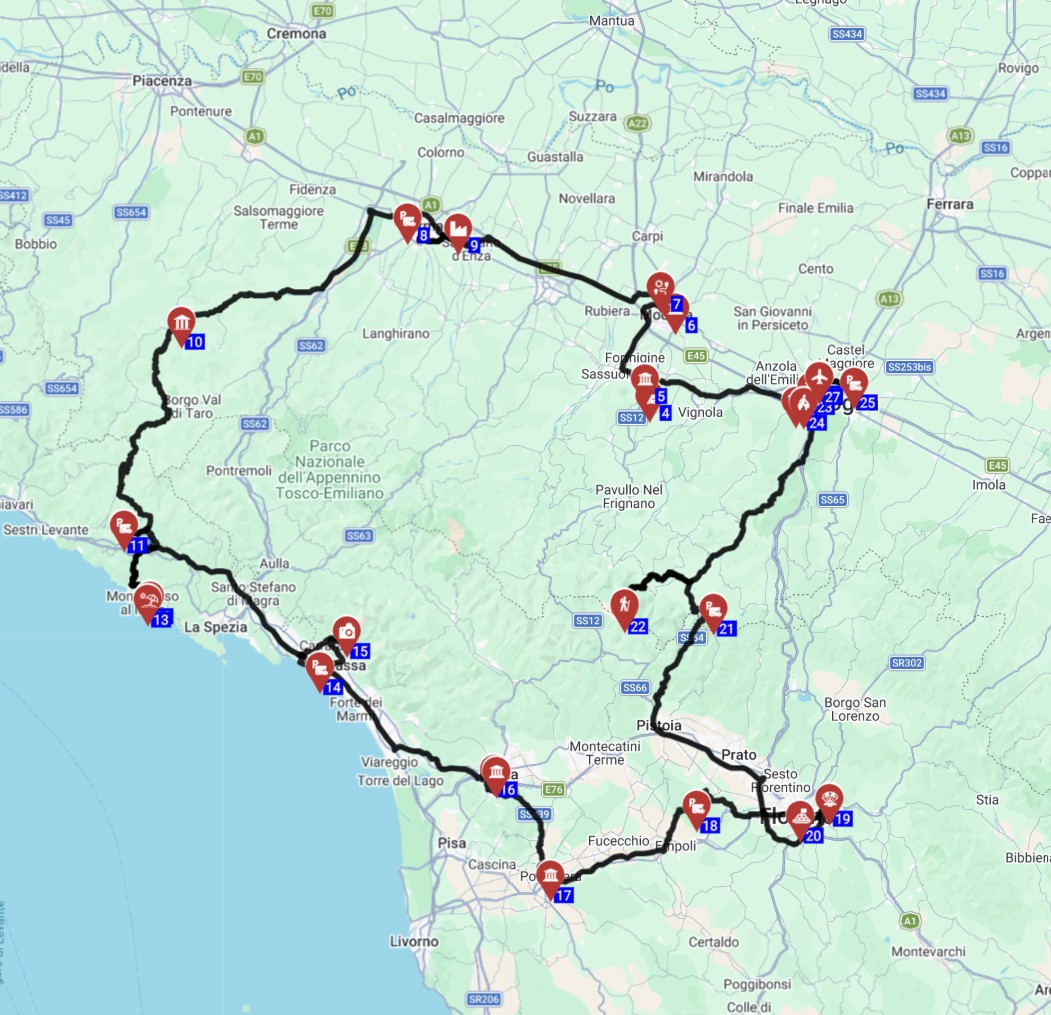
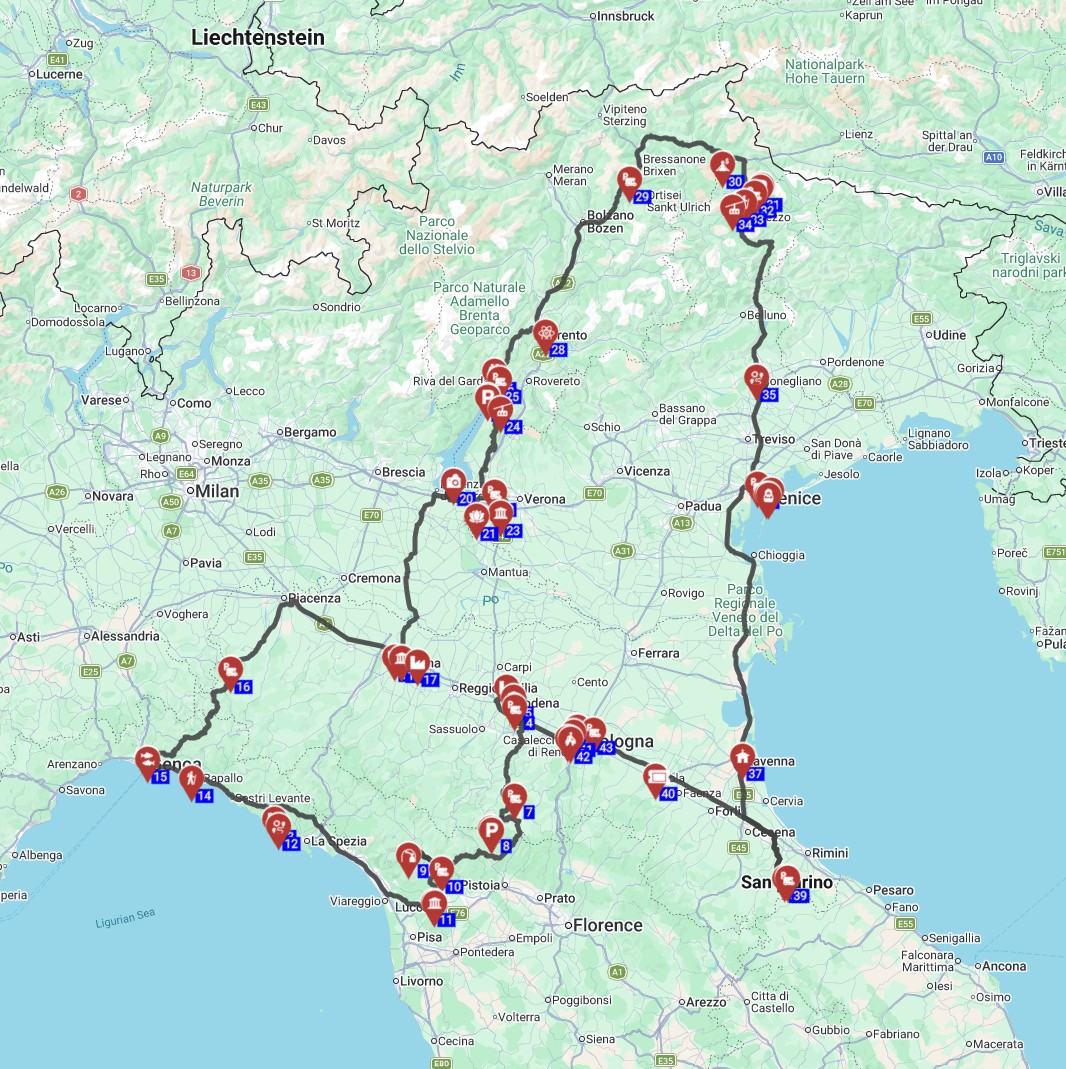
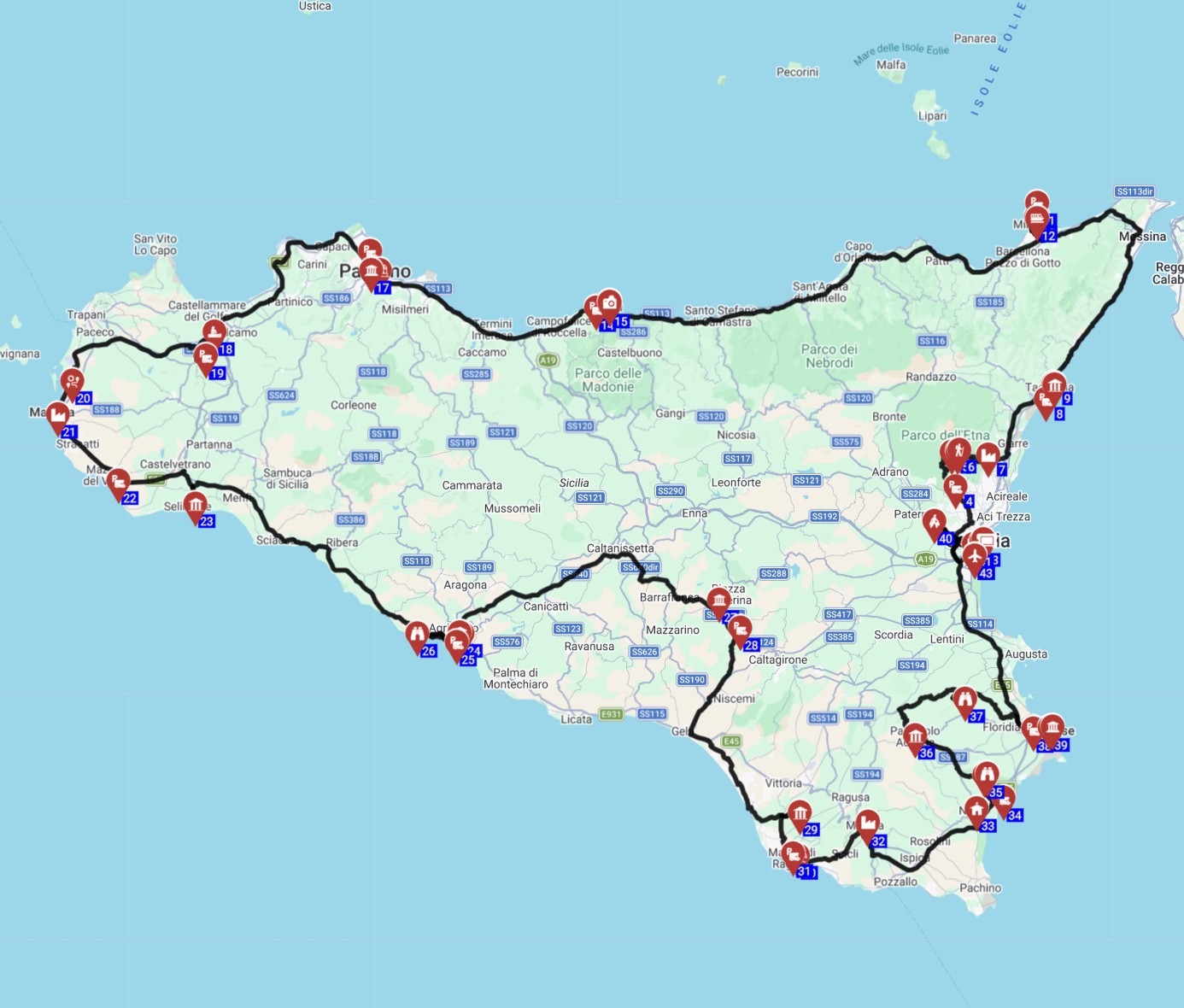
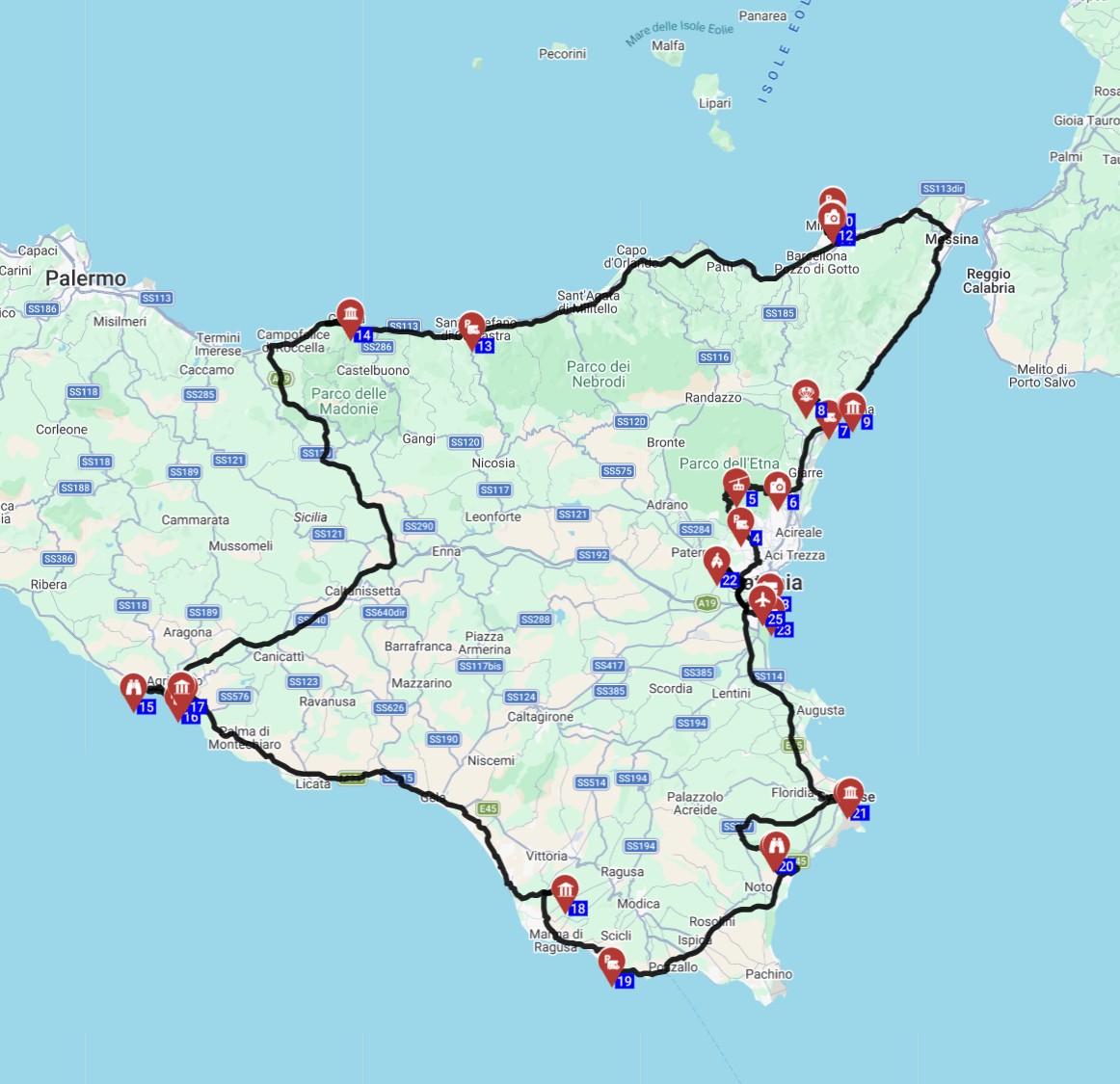
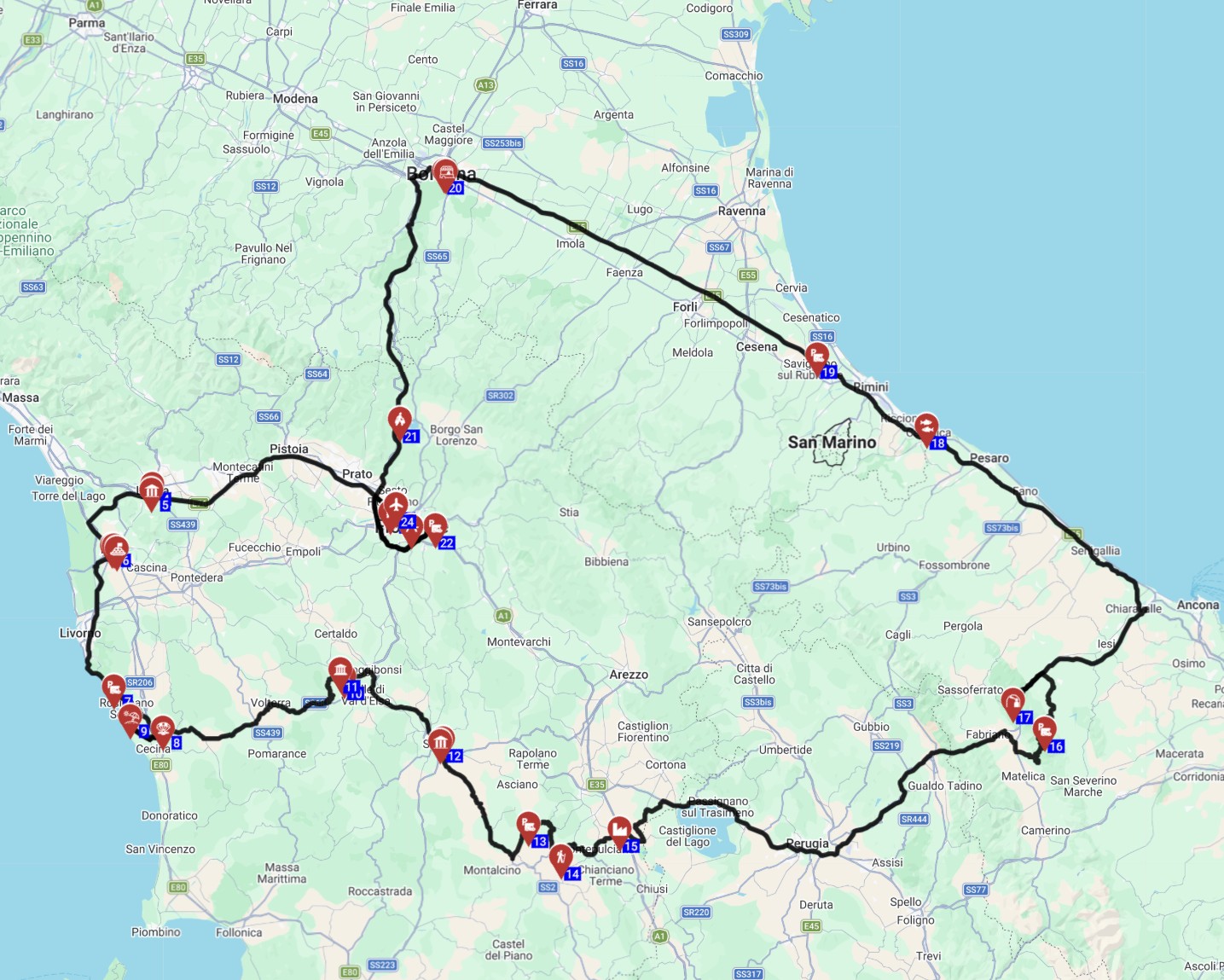
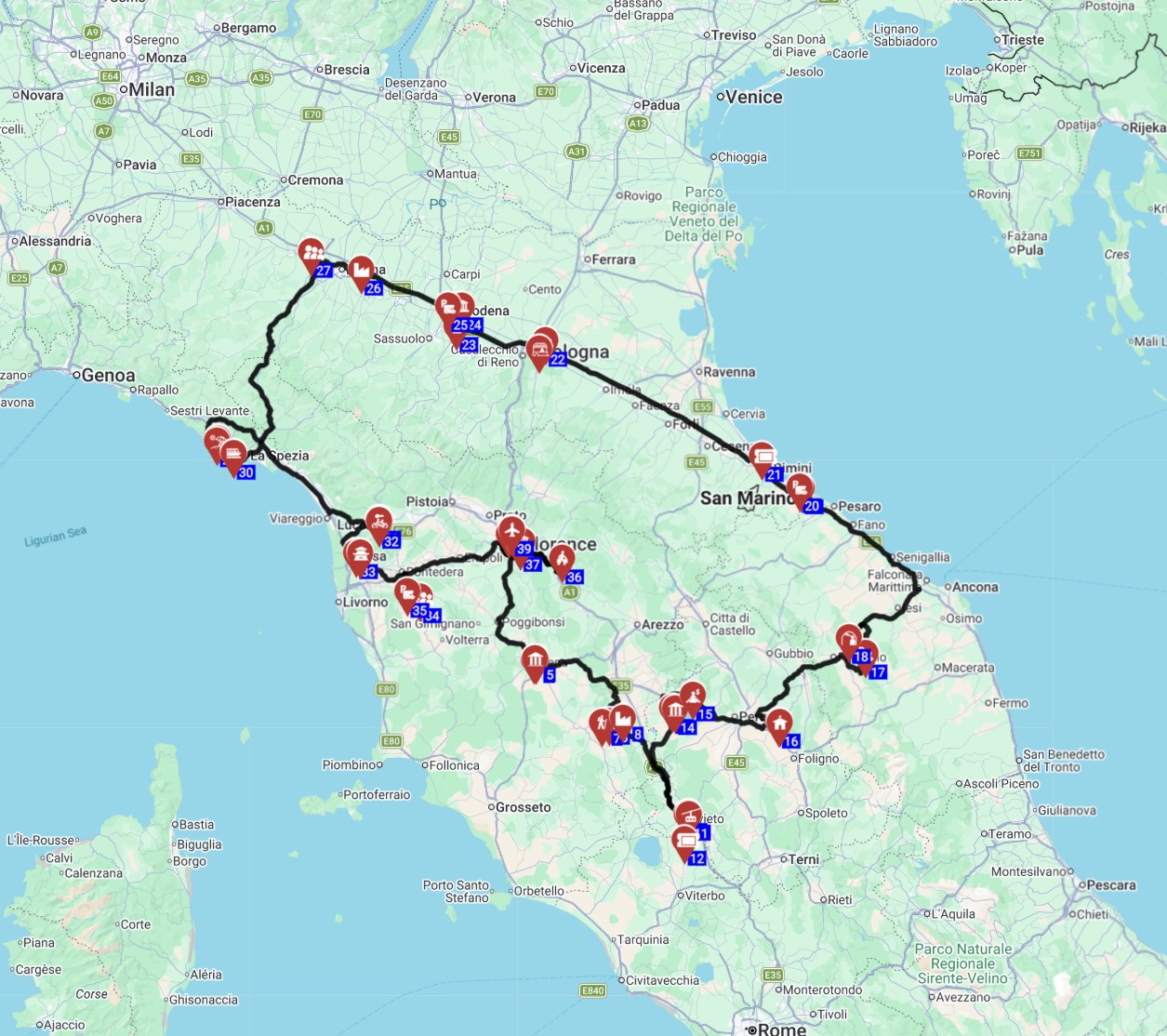
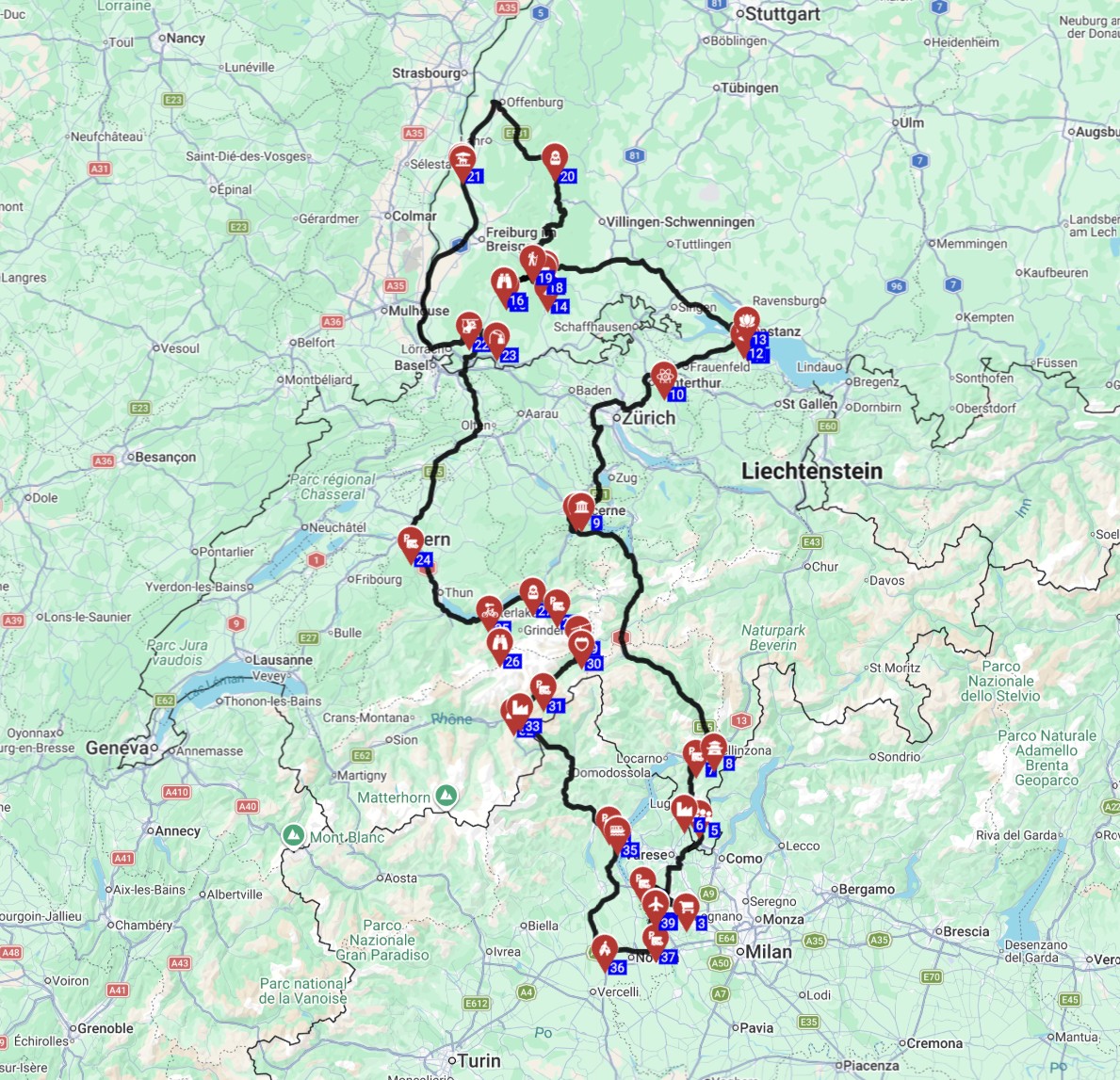
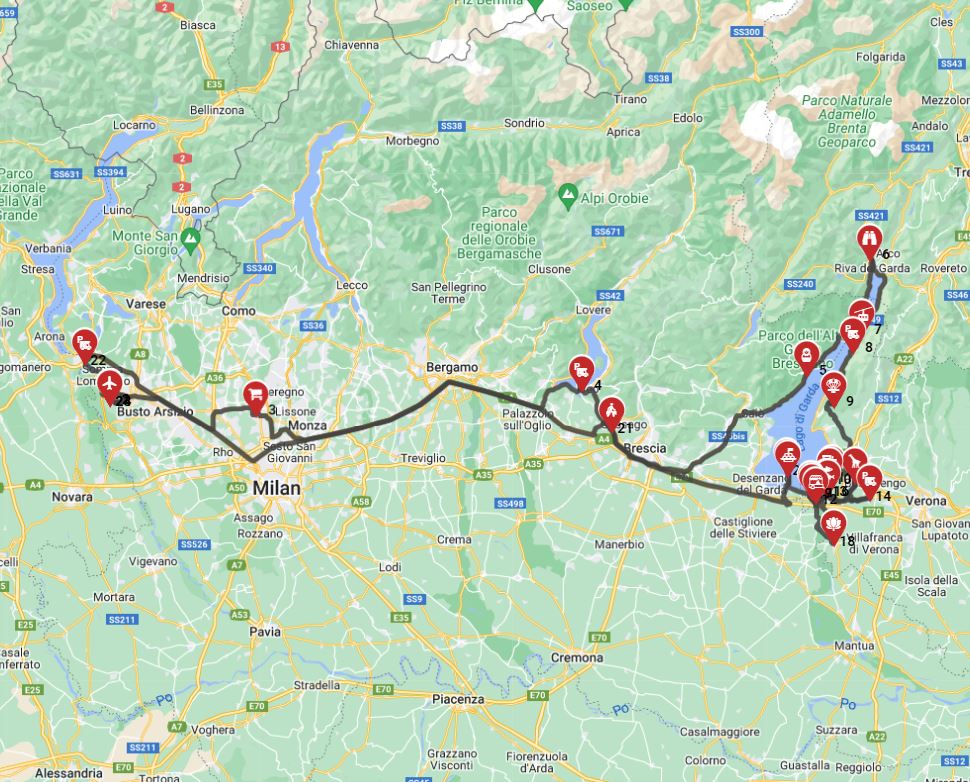
Urban areas, particularly historic city centers, feature narrow streets, cobblestones, and heavy traffic, which can make navigation with a larger motorhome or campervan quite challenging. Planning your route to avoid these dense areas, or utilizing park-and-ride options, is often the most enjoyable approach. Road signage in Italy is generally clear, but familiarizing yourself with common European and Italian signs beforehand can enhance your confidence. For an easy way to plan out your itinerary with these factors in mind, consider checking out the pre-planned routes by professionals available on RV PLANET (rvplan.net).
RV Size Limits, Bridges & Restricted Zones
When driving a rented RV in Italy, adhering to various size and weight restrictions is crucial, especially regarding height limits posted at tunnels, underpasses, and historic city entrances. Many Italian cities enforce ZTLs (Zona a Traffico Limitato), or Limited Traffic Zones, which restrict vehicle access based on time, day, or emissions standards; these are a major source of fines for unsuspecting RVers. Always be vigilant for explicit signage indicating maximum height, weight, and length, particularly when entering towns or navigating mountain roads. For instance, the "cruise america rv rental example Explorer" at 7.1 meters long and 2.78 meters wide is a typical Class C motorhome, but even a smaller Class B "V3" campervan at 6.36 meters long still requires attention to these limits.
Ferry services, essential for accessing islands like Sardinia or Sicily, accommodate RVs, but booking well in advance is critical due to limited space and size-based pricing. Some bridges and ancient archways in smaller villages may also have restrictive dimensions, so it's wise to research your specific route in smaller, picturesque towns. Generally, Bandana Caravan's diverse fleet offers everything from compact campervans like the "Active Pop Top" (5.99 meters) to larger Class C motorhomes, ensuring you can find a vehicle that suits your travel style and comfort level, no matter how ambitious your one-way RV driving in Italy itinerary.
Fuel: Diesel vs. Petrol & Cost per 100 km
Most rented RVs in Italy, including a large portion of Bandana's diverse fleet, run on Diesel (known as "Gasolio"), which is readily available at service stations across the country. Petrol ("Benzina") vehicles are less common for motorhomes and campervans. Based on Bandana's global fleet averages, a Class SI - Semi-integrated RV typically consumes 10-11 Liters/100 km, while a Class C - Alcove averages 10-12 Liters/100 km. These figures are excellent for helping you plan your total trip budget.
Expect fuel prices to fluctuate; while Diesel is generally cheaper than Petrol, budgeting around €15-€20 per 100 km for fuel is a reasonable estimate, depending on the RV's specific consumption and current market prices. You'll find many gas stations along major routes, including the Autostrade, but it's always a good idea to refuel before venturing into more remote areas, especially if you're exploring the winding roads of Umbria or Puglia. Some rental companies may offer fuel discount cards or loyalty programs, so it's beneficial to inquire about such perks when booking your one-way RV rental. For a more detailed look at potential expenses, including fuel and other ancillary costs, RV PLANET routes allow travelers to itemize and track every expense along the way for easy budgeting. On the routes offered through RV PLANET routes, you can itemize and track every expense along the way for easy budgeting.
Tolls, Vignettes & Border Rules
Italy's 'Autostrade' (motorways) operate on a toll system where payment is typically made upon exiting a section, with costs varying by distance and vehicle class. You'll usually collect a ticket when you enter the motorway and pay at a toll booth when you exit. Unlike some other European countries, Italy does not use a vignette system for its main motorways; tolls are paid per use, either at automated gates, with cash, credit card, or via an electronic device like Telepass. This "pay-as-you-go" system ensures full transparency for your travel expenses, aligning with Bandana Caravan's commitment to no hidden fees.
For one-way RV rentals that cross into neighboring countries, be aware of their specific road tax systems. For example, countries like Austria, Switzerland, and Slovenia require a vignette (a sticker or digital pass purchased in advance) for motorway use. Always research the regulations of any country you plan to enter. Some RV rental providers, including certain Bandana suppliers, offer the option to pre-purchase toll passes or provide Telepass devices, which can significantly streamline travel and help avoid potential fines for missed payments. Our "RV Rental Europe - Complete Guide 2026" provides more general advice for continent-wide travel.
Driving Tips for one way rv rental Travelers
Careful planning is essential for one-way RV rental travelers in Italy, especially when navigating through smaller towns and scenic areas. Use GPS systems specifically tailored for RVs to avoid inadvertently turning onto narrow or restricted roads. Allowing ample travel time between destinations is crucial, particularly in mountainous regions or on non-motorway roads, as average speeds will naturally be lower than on the Autostrade. Remember our golden rule for enjoying RV travel: travel slowly, max 100-150 km per day on average. Take time to feel the place, connect to the culture, the food, and the scenery.
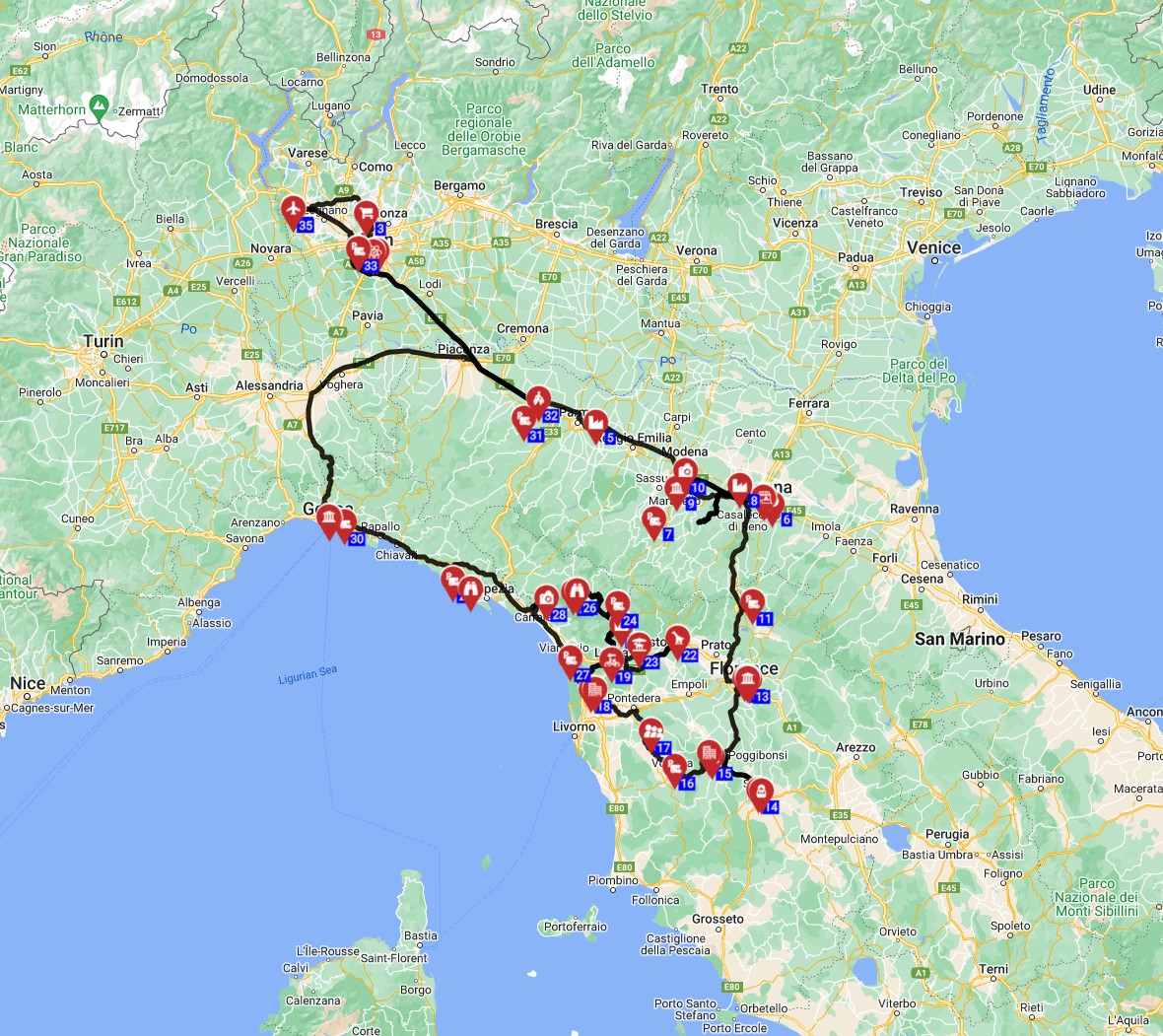
Familiarize yourself with Italian road signs and ZTL regulations before your trip; many fines are issued automatically via cameras, so vigilance is key. When traveling one-way, strategically choose your pick-up and drop-off locations to minimize backtracking and maximize your exploration of Italy's diverse regions. For example, you might pick up your motorhome in Milan and drop it off in Rome, allowing you to traverse a significant portion of the country. Bandana RV offers excellent flexibility for one-way journeys, helping you discover your ideal route. If you're wondering about costs for these kinds of trips, our "RV Rental in Italy - Prices and Best Deals 2026" guide can help.
Recommended RV Class for Italy Roads
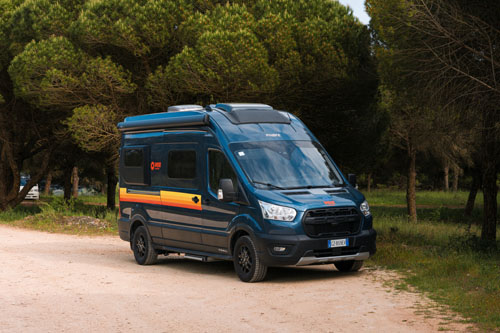
For navigating Italy's varied road network, a Class SI - Semi-integrated RV is highly recommended due to its excellent balance of comfort and maneuverability. These models, such as many of our available vehicles, typically average around 6.9 meters in length, offering sufficient living space for couples or small families while remaining agile enough for most country roads and larger city access routes. Their streamlined design makes them less imposing than larger, full-size motorhomes.
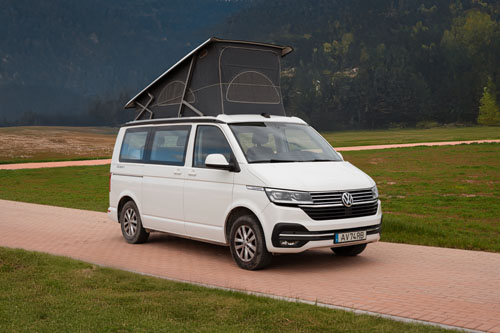
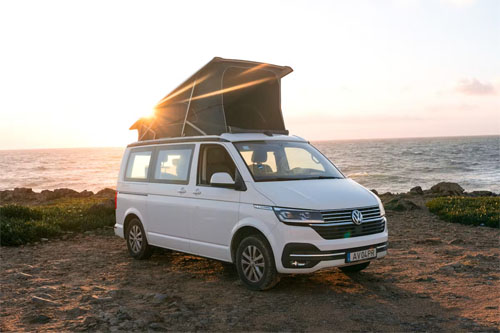
Alternatively, a Class B - Camper Van, averaging around 5.8 meters in length, provides even greater ease of navigation in tighter spots and urban centers, making it ideal for those prioritizing flexibility and urban exploration. While larger Class C - Alcove (avg. 7.5m) and Class A - Integrated (avg. 7.5m) RVs offer more amenities and sleeping places, their increased length requires more cautious driving, especially on narrow, winding Italian roads and when searching for parking. Choosing the right size allows you to fully enjoy your "One-Way RV Driving in Italy - Route Planner 2026" adventure, whether you're heading for the mountains or coastal towns.
Should I Choose a Compact Van Instead of a Large RV in Italy?
While a compact campervan (like Bandana's Class B models) offers superior maneuverability for Italy's narrowest streets and urban parking, larger RVs (Class SI or C) often provide greater comfort and indoor space for an extended trip. Opt for a compact van if your itinerary frequently involves navigating tight historic centers, driving challenging mountain passes, or if you prefer a more discreet travel style that blends in more easily. A campervan like the "V2L" (5.99 meters) or "Combi Van" (5 meters) provides excellent agility for urban environments and small villages.
Conversely, a larger RV, such as a Class C "Glamys 40" or "F4" (both around 7 meters), is preferable if you prioritize amenities, more spacious living and sleeping areas, and plan to spend more time at campsites or in less congested regions. Generally, most RV sizes can comfortably manage Italian roads with careful driving, and the decision often hinges on your personal comfort preferences versus the slight advantage in maneuverability offered by smaller vehicles. Don't stress too much about size; drive slowly and carefully, and you can drive almost anywhere without issues. For those looking for more spacious options, our "Luxury RV Rental in Italy - Premium Prices 2026" guide might offer some inspiration.
Can I Park Anywhere? Free & Wild Camping Rules in Italy
Wild camping and free overnight parking outside of designated areas are generally restricted or illegal in most parts of Italy, with local municipalities often enforcing specific bans. RVers should primarily rely on official campsites ('campeggi'), 'aree di sosta' (dedicated RV parking areas, often with services), or agricultural tourism sites ('agriturismo') for overnight stays. These options offer a blend of convenience and authentic Italian experiences, such as the "Sosta Camper" mentioned earlier.
Parking an RV during the day for sightseeing is usually permitted in legal parking spaces, provided there are no specific 'no overnight parking' signs. Always keep an eye out for local signage, as rules vary significantly by region and even by specific commune. To avoid fines and ensure a peaceful night's rest, always check local regulations or call ahead before parking overnight. For finding campsites and campgrounds during your trip, we recommend using RV PLANET (rvplan.net) - a great resource for locating available spots along your route. This is particularly useful in popular regions like Tuscany or the Italian Lakes, which feature numerous beautiful sites.
Can I Drive an RV Into the City Center? Heights, Tunnels & Local Signage
Driving an RV into many Italian city centers is often possible, but it requires strict attention to local signage, particularly concerning ZTLs (Limited Traffic Zones), height limits, and width restrictions. Many historic city centers, like Florence or Siena, have strict or complete vehicle prohibitions, especially for larger vehicles, often enforced by cameras. Always look for explicit signs indicating maximum height for tunnels and underpasses (some are as low as 2.5 meters), residents-only streets, and environmental zones that can apply to RVs, often indicated by a white circular sign with a red border.
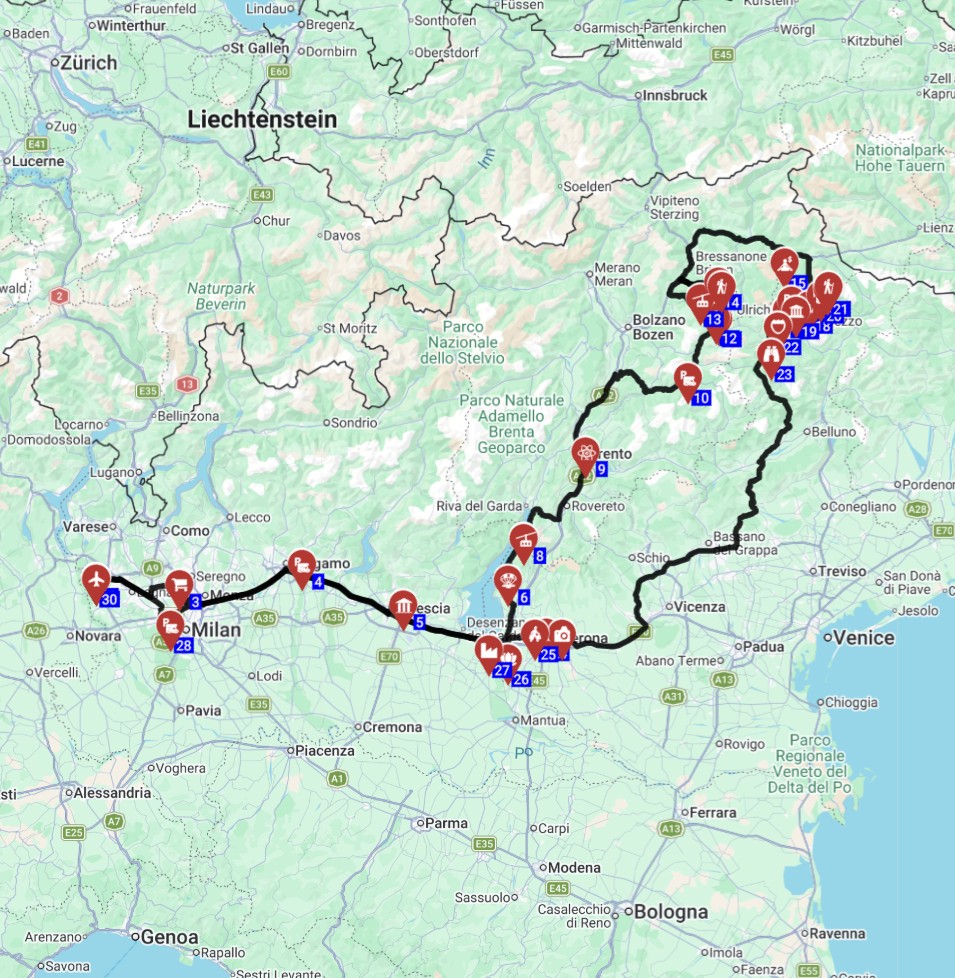
It's highly advisable to park your RV on the outskirts of major cities and use public transport to access the historic core, avoiding potential fines and the stress of navigating extremely narrow streets. For example, picking up a Class B campervan in Milan, exploring the nearby lakes, and then parking on the periphery of a city like Verona to use a bus allows for the best of both worlds. Drive slowly and carefully, and you can drive almost anywhere without issues. No need to stress - just use common sense and pay attention. For city-specific details, look into our guides for Acerra or Albano Laziale (Pavona).
How Do I Navigate ZTLs (Limited Traffic Zones) with an RV in Italy?
Navigating ZTLs (Zona a Traffico Limitato) with a rented RV in Italy requires vigilant attention to signage, which indicates restricted entry times, days, and permit requirements, often enforced by cameras. These zones are designed to preserve historic city centers and reduce congestion, but they can be a source of unexpected fines for tourists if not understood. To avoid substantial fines, which can easily exceed €100 for a single unauthorized entry, RVers should typically avoid driving into historic city centers unless they have pre-obtained a special permit, which is rarely granted for tourists and typically not practical for rental vehicles.
Utilize navigation apps that integrate ZTL data to plan your routes, park your RV on the city outskirts in designated parking areas, and then use efficient public transportation (buses, trams, metro) to explore urban attractions. Always look for a circular white sign with a red border indicating 'Zona Traffico Limitato' or 'No Entry,' often accompanied by text specifying restricted hours and days. Being proactive about identifying and avoiding these zones is the best strategy for a stress-free Italian RV adventure. Even in smaller cities like Aosta or Bari, ZTLs are common, so awareness is always key.
Are Large RVs Suitable for Italian Roads and Cities?
Large RVs can certainly be used for travel in Italy, but their suitability diminishes significantly when attempting to navigate historic city centers, very narrow country roads, or challenging mountain passes. While main motorways like the A1 or A14, and well-trafficked provincial roads, are generally accommodating for larger vehicles (such as Bandana's Class C - Alcove or Class A - Integrated RVs, which average around 7.5 meters in length), parking and turning in smaller towns become considerably more difficult. For instance, a "Motorhome MC6 Gold" offers ample space but requires more careful maneuvering.
For optimal enjoyment and reduced stress, travelers with large RVs in Italy should prioritize destinations with spacious campsites and plan to use park-and-ride options or public transport for city excursions. Smaller RVs, like Class B campervans or Class SI semi-integrated models (averaging 5-7 meters), offer greater flexibility for Italy's diverse road network, minimizing potential logistical challenges associated with larger vehicles. Drive slowly and carefully, and you can drive almost anywhere without issues. No need to stress - just use common sense and pay attention. To compare sizes and find the right fit for your one-way RV rental in Italy, visit Bandana Caravan.
How Can I Experience Authentic Italian Culture with an RV?
To truly immerse yourself in Italian culture with a rented RV, prioritize visits to local markets in smaller towns, such as those found in many Umbrian villages or coastal towns like Albenga. Here, you can purchase fresh produce, regional cheeses, cured meats, and other specialties directly from local producers, bringing a taste of Italy right back to your mobile kitchen. For recipe inspiration, check out our RV-friendly recipes playlist.
Seek out 'agriturismo' sites for overnight stays; these farm-based accommodations often offer pitches for RVs alongside opportunities for wine tasting, olive oil tours, cooking classes, or delicious farm-to-table dining experiences. Engaging with local communities by attending regional festivals, village events, or simply enjoying a coffee at a non-touristy bar, observing and participating in daily Italian life, will enrich your journey. Venture beyond the famous landmarks to explore less-traveled regions like Puglia, Basilicata, or the Italian Lakes, where local traditions and culinary delights are often more accessible and authentic. Remember to travel slowly, max 100-150 km per day on average, to truly connect with the culture, the food, and the scenery.
What Is the Total Cost of an RV Trip in Italy (Beyond Rental Fees)?
Beyond the one-way RV rental fees, a comprehensive budget for an RV trip in Italy should account for significant ancillary expenses such as fuel, tolls, varied campground fees, and food. Fuel costs can be substantial, with most motorhomes averaging 10-12 Liters/100 km, so budgeting a considerable portion for diesel, especially for longer distances like a 2,000 km one-way journey, is crucial. Tolls on the Autostrade accumulate; factor in these charges, which depend on your route and distance (e.g., about €7-€10 per 100 km), or consider pre-purchasing a Telepass if available through your rental provider.
Campground fees in Italy vary widely, typically ranging from €20-€60 per night depending on location, amenities, and season. For example, a week-long trip to coastal areas like the Adriatic might incur higher camping costs than inland regions. Food costs can be managed by cooking in your RV (groceries can be surprisingly affordable from local markets) or indulging in local dining experiences. An average family of four might spend €70-€100 per day on food, fuel, and campsites, not including activities. Renting a motorhome can be surprisingly affordable, and our "Cheap RV Rental in Italy - Budget Guide 2026" can help you find ways to save. Remember, prices are dynamic like flight tickets-they change daily based on availability, seasonality, and supplier marketing decisions, with the final price set at actual booking time. For managing these expenses, RV PLANET routes allow travelers to itemize and track every expense along the way for easy budgeting.
Which Off-the-Beaten-Path Regions in Italy Are Best for RV Travel?
For RV travelers seeking less-crowded and authentic Italian experiences, off-the-beaten-path regions like Puglia, Basilicata, and Umbria offer stunning landscapes and rich cultural heritage perfectly suited for a rented motorhome or campervan. Puglia, in the heel of Italy, boasts unique trulli houses, ancient olive groves, and beautiful coastlines with numerous campgrounds. Basilicata offers the ancient cave city of Matera and rugged national parks, ideal for slow travel and deep immersion.
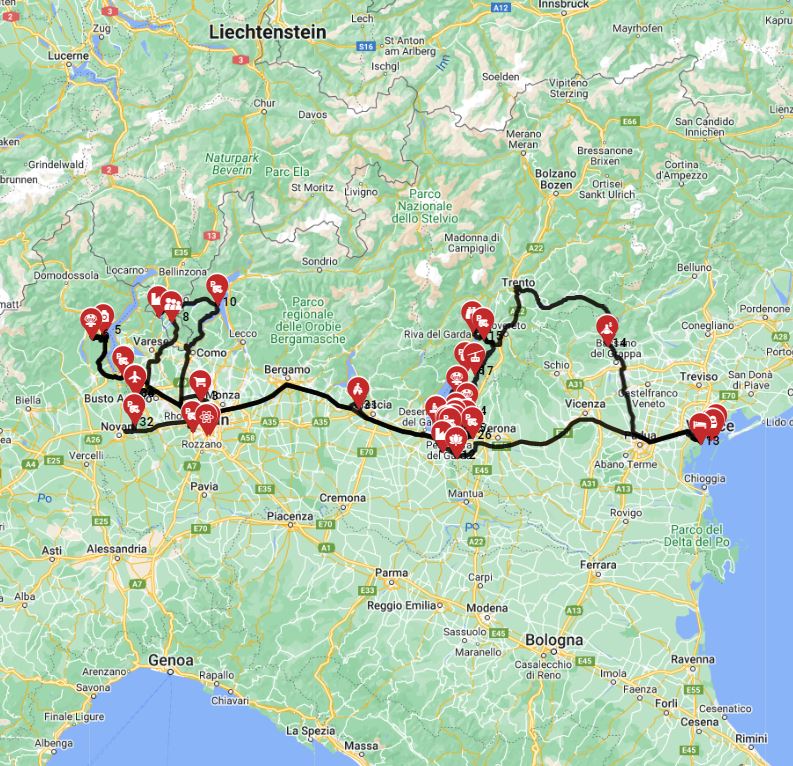
The Dolomites in northern Italy provide breathtaking mountain scenery and numerous well-equipped campsites, ideal for hiking and outdoor enthusiasts, though navigation requires attention to winding roads and elevation changes. Sardinia and Sicily, while popular, also offer vast coastal and interior areas perfect for RV exploration, with unique culinary traditions and archaeological sites easily accessible via ferry (book in advance for larger vehicles). The Italian Lakes region (e.g., Lake Garda, Lake Como) provides picturesque views and charming towns, with ample RV parking and camping facilities facilitating exploration of lakeside villages and surrounding nature, as highlighted in the "
What Should I Do in an RV Emergency in Italy?
In the event of an RV breakdown or accident in Italy, first ensure safety by moving your rented vehicle to the side of the road, putting on hazard lights, and setting up a warning triangle at least 50 meters behind your RV. Immediately contact your RV rental provider's emergency roadside assistance, whose contact details should be prominently displayed in the vehicle and on your rental agreement. Bandana Caravan partners with suppliers who provide comprehensive assistance, ensuring real people are there to support you.
For medical emergencies, dial 112 (the pan-European emergency number) for immediate assistance from police, ambulance, or fire services; this number is universally recognized and operates with English-speaking operators. Keep essential documents, including your International Driving Permit, insurance information, and rental contract, easily accessible in your motorhome. While language barriers can sometimes pose a challenge, many Italians in tourist areas speak English. Always prioritize safety and communication with your rental provider, as they are your primary contact for vehicle-related issues. Remember, you can upgrade to a top-level deductible for extra peace of mind, an optional upgrade to protect your travel budget.
How Can I Travel Sustainably and Responsibly with an RV in Italy?
To minimize your environmental impact while RVing in Italy, dispose of all waste responsibly at designated recycling points and official RV service stations ('aree di sosta' or campsites). These facilities are equipped to handle black and grey water disposal, as well as general waste and recycling, ensuring you leave no trace behind. Conserve water by taking shorter showers and using water-saving practices, as fresh water resources can be limited, especially during peak travel seasons or in more arid regions like Sicily.
Support local communities by purchasing groceries from local markets, dining at family-run trattorias, and engaging with small businesses rather than larger chains. This not only contributes to the local economy but also offers a more authentic cultural experience. Respect natural environments by staying on marked trails, avoiding wild camping (which is often illegal), and refraining from disturbing wildlife. By traveling mindfully and adhering to local customs and regulations, you help preserve Italy's stunning beauty for future generations. Our ethos at Bandana Caravan emphasizes slow travel and connecting with the places you visit, making sustainable choices a natural part of your journey.
Top Cities for RV Rental in Italy
Italy offers numerous fantastic cities for beginning or ending your RV adventure, especially with the flexibility of a one-way rental. Here are some of the top picks:
- Milan: A major international hub in Northern Italy, Milan offers excellent access to the Italian Lakes (Como, Garda, Maggiore), the Alps, and routes leading to Switzerland and France. It's a popular pick-up point for those exploring diverse European landscapes.
- Rome: The Eternal City, Rome provides a central location for exploring historical sites, driving south to coastal areas like Puglia, or venturing into the heart of Tuscany. While navigating the city center itself by RV is challenging, numerous campsites are available on its outskirts.
- Venice (near Mestre): While Venice itself is largely car-free, nearby Mestre is a common RV pick-up location, offering easy access to the Veneto region, the Dolomites, and routes towards Slovenia and Croatia.
- Bari: Located in Southern Italy's Puglia region, Bari is an ideal starting point for exploring the unique Trulli homes of Alberobello, the coastal beauty of Salento, and the hidden gems of Basilicata.
- Ancona: Situated on Italy's Adriatic coast, Ancona serves as a gateway to the Marche region's rolling hills, historic towns, and pristine beaches. It's also a convenient port for ferries to Greece and Croatia.
- Florence: The heart of Tuscany, Florence offers proximity to picturesque vineyards, charming hill towns, and cultural treasures. RV parking is generally found outside the historic core, with public transport into the city.
- Palermo (Sicily): For those looking to explore Italy's largest island, Palermo is a vibrant starting point, offering access to stunning coastlines, ancient ruins, and volcanic landscapes.
- Turin: Nestled in the Piedmont region near the French border, Turin is perfect for combining Italian culture with Alpine exploration or extending your journey into the French Alps.
For more specific options, consider exploring our city-level guides, such as "RV Rental Acerra," "RV Rental Albenga - Airport," or "RV Rental Aosta."
What You Shouldn't Miss
Italy is a country that captivates with its diverse beauty and rich heritage, and an RV adventure allows you to uncover its many layers. Here are some experiences you absolutely shouldn't miss:
- Drive the Amalfi Coast: While challenging with a larger motorhome, driving (or even taking a smaller campervan) a portion of the iconic Amalfi Coast offers breathtaking views, charming cliffside towns like Positano, and the azure waters of the Tyrrhenian Sea.
- Explore the Dolomites by Motorhome: Immerse yourself in the majestic beauty of the Italian Alps. Hike scenic trails, enjoy traditional mountain cuisine in a "rifugio," and camp at one of the region's many well-appointed RV parks.
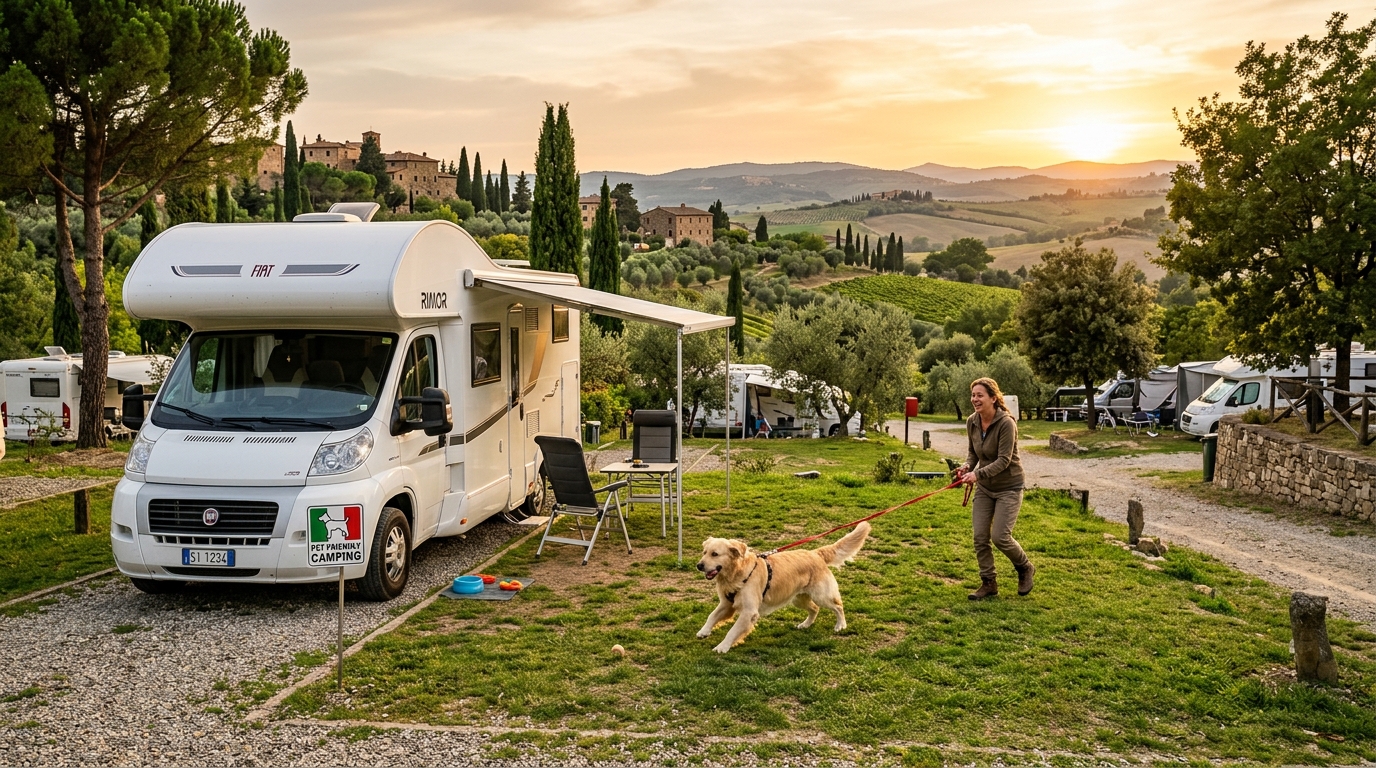
- Savor Tuscan Sunsets from a Vineyard: Park your campervan at an agriturismo in Tuscany, indulge in local wines and olive oils, and watch the sun set over rolling vineyards, experiencing the true "dolce vita." Many sites offer specific "Sosta Camper" spots for a unique overnight stay.
- Discover Ancient Rome and Pompeii: Park your RV on the outskirts of Rome and take public transport into the city to marvel at the Colosseum, Roman Forum, and Vatican City. Then drive south to explore the remarkably preserved ruins of Pompeii near Naples.
- Taste Emilia-Romagna's Culinary Delights: Journey through the "Food Valley" of Emilia-Romagna. Visit Parma for Parmesan cheese, Modena for balsamic vinegar, and Bologna for authentic pasta dishes. With your RV kitchen, you can even try cooking your own version of these regional specialties.
- Ferry to Sardinia for Pristine Beaches: Take your motorhome on a ferry to Sardinia and discover its stunning, unspoiled beaches, turquoise waters, and unique Nuragic archaeological sites. The island offers ample space for RV travel and numerous coastal campgrounds.
Looking for expert insights from Avi Bandana? Top 5 Adventures - recommendations from Avi Bandana
Final Thoughts
Embarking on a one-way RV adventure in Italy promises an unparalleled journey through a land of breathtaking landscapes, ancient history, and vibrant culture. With a rented motorhome or campervan from Bandana Caravan, you gain the freedom to craft your perfect itinerary, from the dramatic peaks of the Dolomites to the sun-drenched coasts of Puglia, stopping to savor every moment along the way. Remember to embrace the local pace-travel slowly, enjoy the authentic flavors, and let the beauty of Italy unfold before you.
We're here to support you with full transparency, expert advice, and a wide selection of vehicles, ensuring your Italian road trip is as seamless and enjoyable as possible. So, start dreaming, start planning, and prepare for an unforgettable experience on the open roads of Italy. Discover top destinations, planning tips, all in one place!
Ready to begin your Italian exploration? Find one way rv Rentals in Italy and set off on your personalized route today!