In This Guide
- Can You Drive an RV in East Canada? License & Age Rules
- Road Conditions & Terrain in East Canada
- RV Size Limits, Bridges & Restricted Zones
- Fuel: Diesel vs. Petrol & Cost per 100 km
- Tolls, Vignettes & Border Rules
- Driving Tips for one way rv rental Travelers
- Recommended RV Class for East Canada Roads
- Should I Choose a Compact Van Instead of a Large RV in East Canada?
- Can I Park Anywhere? Free & Wild Camping Rules in East Canada
- Can I Drive an RV Into the City Center? Heights, Tunnels & Local Signage
- Can you take an RV from the USA to Canada?
- What is the 3-3-3 rule for RV travel?
- Is there such a thing as a one-way RV rental?
- How much is RV insurance in Ontario?
- Can you rent an RV to drive across Canada?
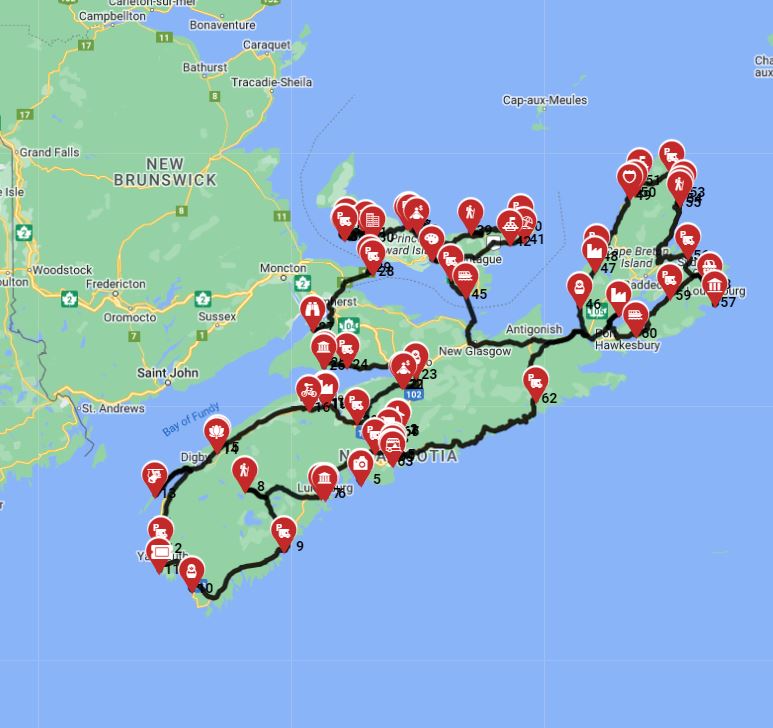
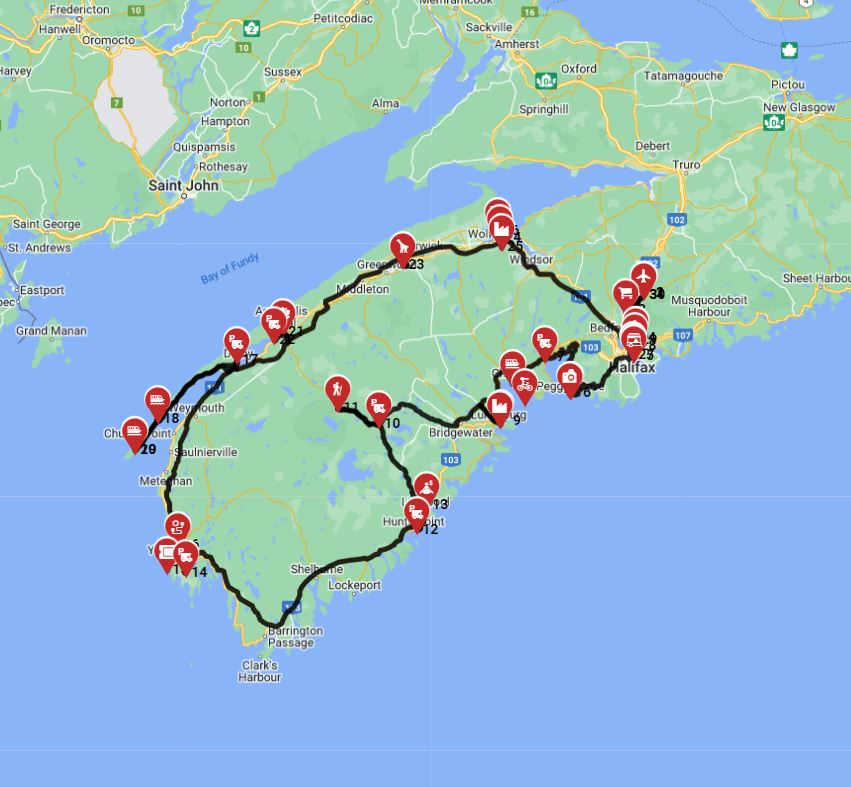
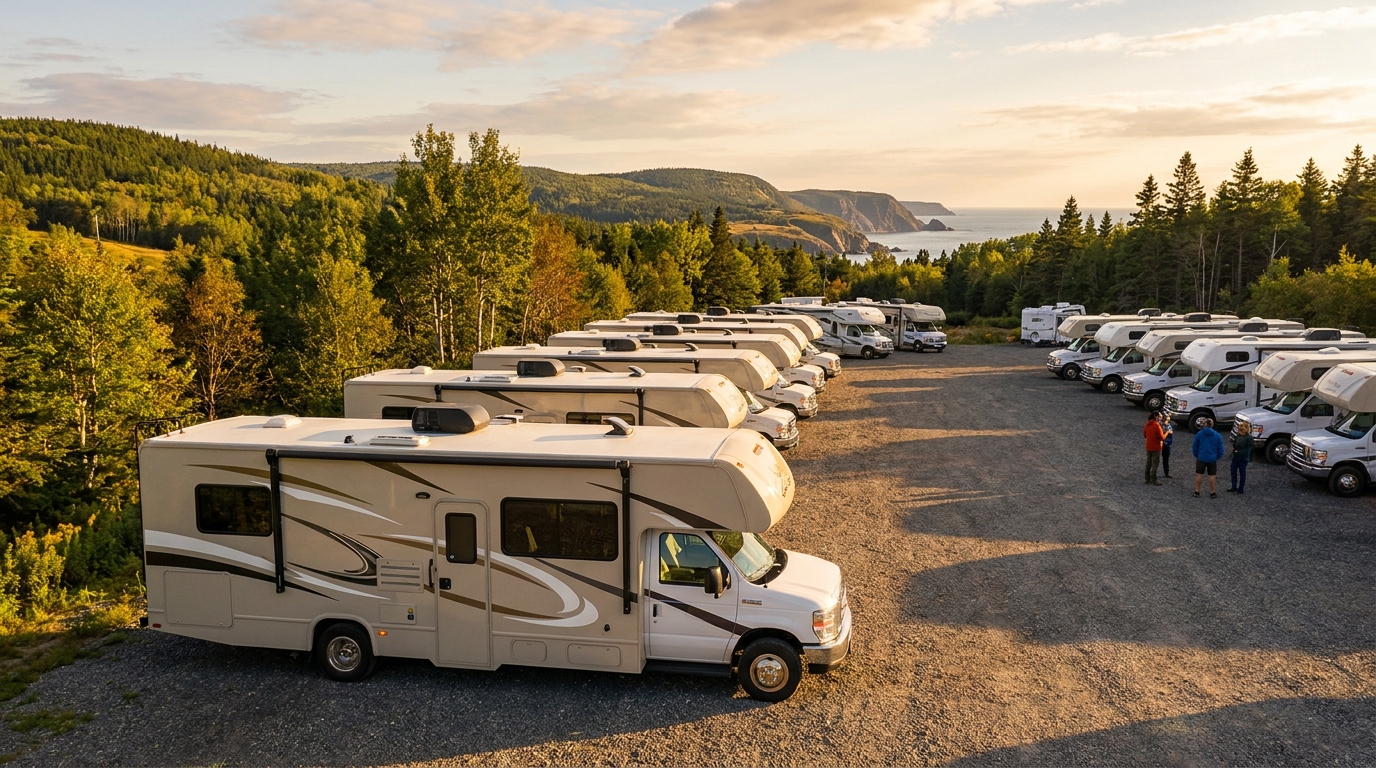
Embarking on a one-way RV rental adventure through East Canada is an experience like no other, offering the freedom to explore diverse landscapes from vibrant cities to serene coastal villages. Imagine the flexibility of picking up your mobile home in Montreal and leisurely winding your way to Halifax, or even further to St. John's, without the need to circle back. For live availability and current prices, start with our RV Rental East Canada - Complete Guide 2026 guide.
At Bandana Caravan, we specialize in making these incredible journeys accessible and worry-free. As true RV specialists, we offer full transparency with no hidden fees or surprises, ensuring that what you see is truly what you pay. Our goal is to empower you to discover the charm and natural beauty of East Canada at your own pace, providing 24/7 support for all your pre-booking and post-booking coordination needs.
Can You Drive an RV in East Canada? License & Age Rules
Yes, you can absolutely drive an RV in East Canada, and a standard car driver's license is typically all you need for most recreational motorhomes. This includes popular Class B campervans, Class C motorhomes, and many Class A units, as long as the vehicle weighs under 11,000 kg (24,250 lbs), which covers almost all rental RVs. The minimum driver age for renting an RV in Canada, including East Canada, is 21 years old across our partner suppliers, with no young driver surcharges or vehicle class restrictions based on age. Foreign drivers should carry a valid driver's license from their home country and an International Driving Permit (IDP) for translation, especially if their license is not in English or French. Always confirm any specific provincial regulations with your chosen rental provider, though general rules are quite consistent across the region.
Road Conditions & Terrain in East Canada
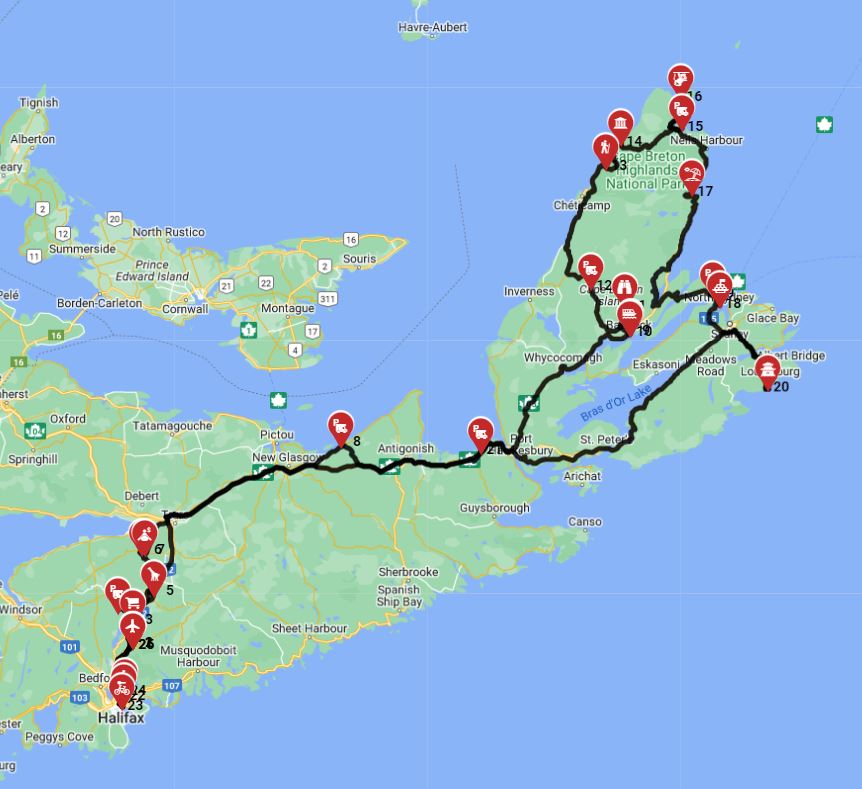
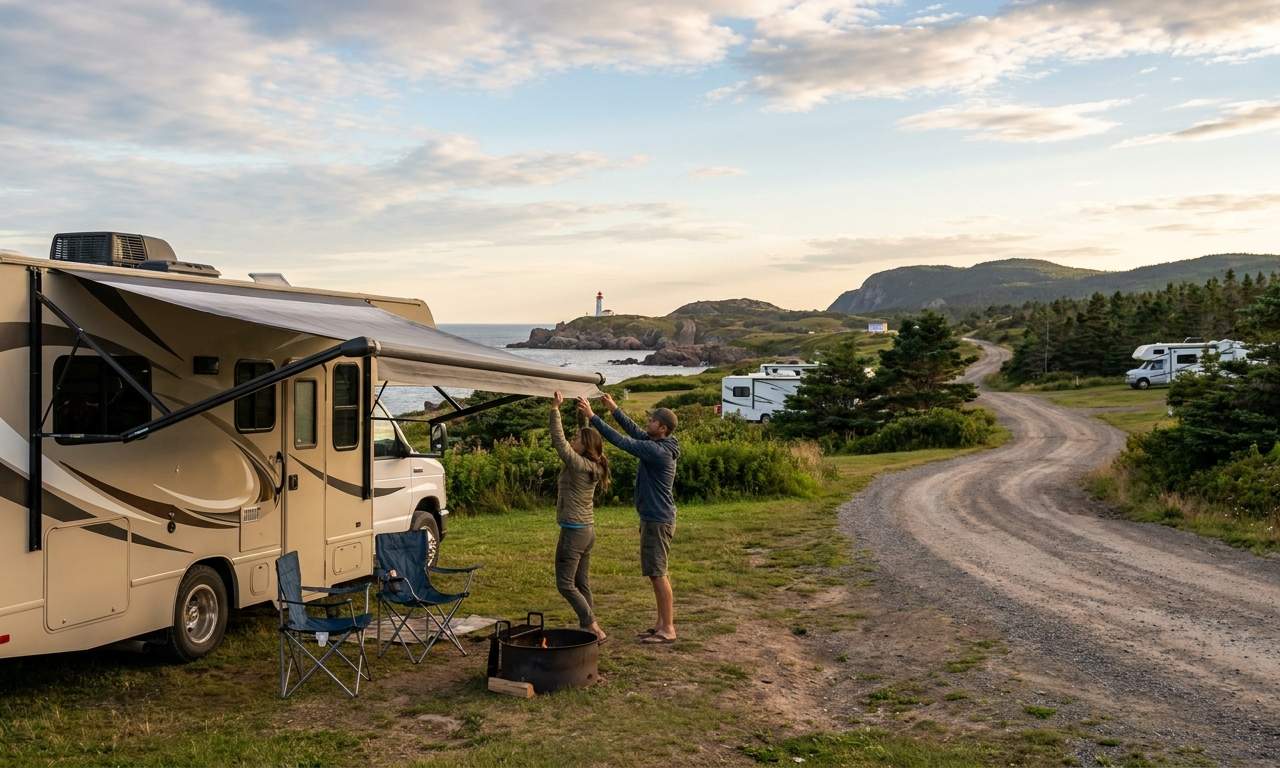
East Canada features a diverse range of road conditions and terrains, from smooth, multi-lane highways to winding coastal routes and some well-maintained gravel roads. You'll encounter the stunning mountainous vistas of Cape Breton Island, particularly along the 300 km Cabot Trail, the picturesque rolling hills of New Brunswick, and the flatter, more urbanized areas surrounding major cities like Montreal and Halifax. Driving a rented motorhome through these varied landscapes means you'll want to take your time; we always recommend slow travel, averaging a maximum of 100-150 km per day. This allows you to truly feel the place, connect with the local culture, savor the food, and immerse yourself in the incredible scenery, making your one-way RV trip a relaxing journey, not a race. Many of these routes are ideal for exploring with a mobile home, such as the `Weekly RV Rental in East Canada - Pricing 2026` options we offer.
RV Size Limits, Bridges & Restricted Zones
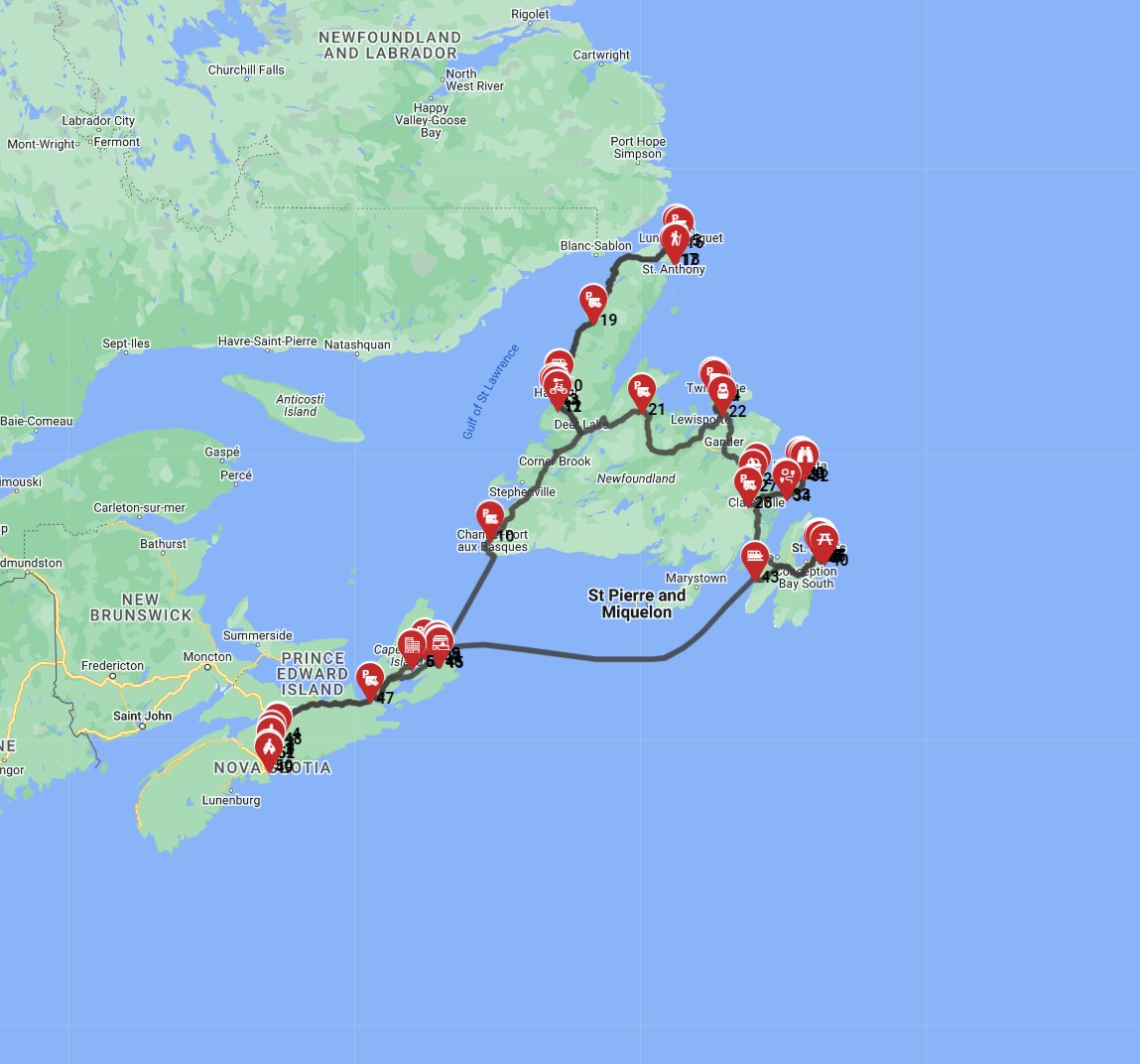
Most highways in East Canada are designed to easily accommodate standard RV sizes, but it’s crucial for drivers to watch out for posted height and weight restrictions, especially near older bridges, underpasses, and in charming, historic town centers. Bridge clearances across Canada typically range from 4.1 to 4.9 meters (13.5 to 16 feet), yet specific signage should always be heeded for any lower clearances to ensure safe passage. For travelers considering islands like Newfoundland or Prince Edward Island, remember that ferry services may impose specific length and weight limits for motorhomes, and booking well in advance is highly advisable. While East Canada doesn't have widespread environmental zones similar to some European cities, certain national parks or protected areas might have specific vehicle restrictions or require special permits, so check park regulations before you go.
Fuel: Diesel vs. Petrol & Cost per 100 km
Most rental motorhomes in East Canada operate on either petrol (gasoline) or diesel, with Class B campervans and smaller Class C units typically using petrol, while larger Class A motorhomes and some bigger Class C RVs often run on diesel. Fuel availability is generally good along major highways and in populated areas, but it becomes scarcer in very remote regions, particularly for diesel, making careful route planning essential for your one-way RV trip. Based on Bandana Caravan's global fleet averages, a Class B - Camper Van typically consumes 8-10 Liters/100 km, while a Class SI - Semi-integrated RV uses 10-11 Liters/100 km, and a Class C - Alcove motorhome uses 10-12 Liters/100 km. As of 2026, budgeting roughly $1.60-$2.00 CAD per liter for fuel is a reasonable estimate, translating to approximately $16-$24 CAD per 100 km for most RVs. When planning your budget, remember that you can itemize and track every expense along the way for easy budgeting using RV PLANET routes. On the routes offered through RV PLANET routes, you can itemize and track every expense along the way for easy budgeting.
🎬 Video coming soon
Tolls, Vignettes & Border Rules
East Canada has relatively few toll roads, making your road trip largely free of unexpected charges, unlike some regions globally. Notable exceptions include specific sections of Highway 407 ETR in Ontario, which is an electronic toll road, and a few bridges, such as the Confederation Bridge connecting New Brunswick to Prince Edward Island, which has a toll of approximately $50 CAD for RVs upon exiting PEI. Unlike some European countries, Canada does not use a vignette system; tolls are typically paid per-use, either electronically or at toll booths. If your one-way RV rental involves crossing the USA-Canada border, ensure all occupants have valid passports, and carry your driver's license along with the RV rental agreement and vehicle registration documents provided by Bandana Caravan or your supplier, as these are critical for smooth border crossings. Always be aware of Canadian customs regulations concerning prohibited items, including firearms and certain food products, to avoid any issues.
Driving Tips for one way rv rental Travelers
To truly enjoy your one-way RV rental in East Canada, pace yourself by planning for shorter driving days, ideally no more than 100-150 km per day. This approach allows ample time to soak in the incredible scenery and make spontaneous stops, fully embracing the spirit of slow travel. Before hitting the road, practice maneuvering and backing up your rented motorhome in an open space, as some campgrounds and attractions in East Canada might have tighter spots. Regularly check your fuel levels, especially when venturing into rural areas where stations can be sparse, and consider using a fuel price app to manage costs. While cell service is generally reliable along major routes, remote areas may have spotty connectivity; download offline maps and consider a satellite communication device for emergencies. Many national and provincial parks, particularly during peak season, highly recommend pre-booking campsites, though 25-30% of spots are often held for first-come-first-serve arrivals, so call ahead if you're a spontaneous traveler. For curated route plans and finding campsites during your trip, we recommend using RV PLANET (rvplan.net) - a great resource for locating available spots along your route.
Recommended RV Class for East Canada Roads
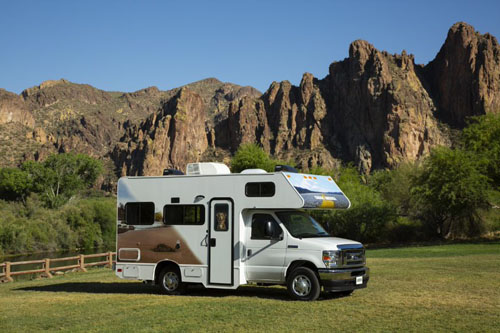
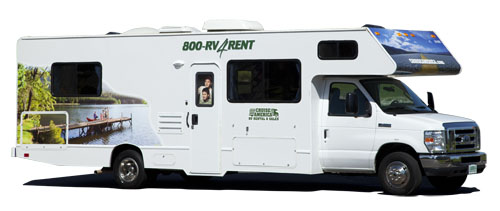
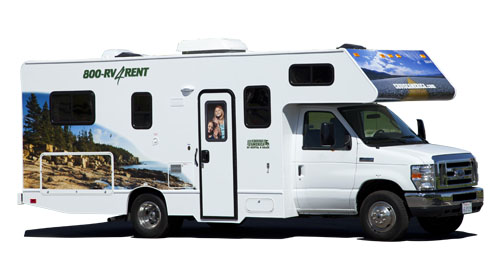
For navigating East Canada's blend of well-maintained highways and scenic, sometimes winding, coastal roads, Class C - Alcove and Class SI - Semi-integrated RVs offer an excellent balance of comfort and maneuverability. A Class C - Alcove, with an average length of 7.5 meters (approx. 24 feet) and sleeping up to 4-5 adults, provides ample living space and sleeping capacity for families, while still being manageable on most provincial roads. A Class SI - Semi-integrated RV, typically around 6.9 meters (approx. 22 feet) long and accommodating 3-4 adults, offers a more streamlined profile, easier handling for couples or smaller families, and generally better fuel efficiency. While larger Class A units can easily handle main highways, their size might limit access or parking in smaller towns or specific attractions. Conversely, Class B Camper Vans are perfect for solo travelers or couples prioritizing agility and discreet parking in urban areas or narrow routes like portions of the Cabot Trail. Our `RV Rental in East Canada - Prices and Best Deals 2026` can help you find the ideal model.
Should I Choose a Compact Van Instead of a Large RV in East Canada?
For most East Canada one-way RV rental travelers, a larger motorhome like a Class C or Semi-integrated unit often provides superior comfort and amenities without significant maneuverability issues on major routes, as roads are generally quite accommodating. A compact Class B - Camper Van, averaging around 5.8 meters (19 feet) in length, truly excels in specific situations. These situations include navigating the tight, historic streets of Quebec City, finding convenient parking in crowded urban centers, or tackling very narrow mountain passes with sharp turns. However, the trade-off with a compact van is reduced indoor space, fewer amenities (like a smaller washroom or less kitchen counter space), and less storage, which could become a compromise on a longer trip where you might be preparing meals often. If cooking on the go is important, check out our RV-friendly recipes playlist for inspiration. If your one-way itinerary prioritizes city exploration, discreet parking, and agile driving, a compact campervan is beneficial; otherwise, a larger RV provides a more comfortable 'home on wheels' experience for East Canada's varied landscapes.
Can I Park Anywhere? Free & Wild Camping Rules in East Canada
While the allure of free camping, often referred to as 'boondocking' or 'wild camping,' is strong in East Canada, it is generally restricted. This applies especially within city limits, provincial and national parks, and private lands, requiring adherence to local bylaws to avoid fines. Designated rest areas along highways may permit short overnight stays for travelers, but these are not intended for extended camping. Some private landowners or businesses, such as large retail stores or casinos, might allow overnight parking with prior permission, so always ask first to be a courteous traveler. For truly remote, unserviced 'wild camping' experiences, research Crown Land regulations in each specific province, as rules vary significantly and often require permits or specific permissions for extended stays. Always check local regulations and follow local laws before parking overnight to ensure safety and prevent unexpected issues on your one-way RV adventure in East Canada.
Can I Drive an RV Into the City Center? Heights, Tunnels & Local Signage
Yes, you can drive a rented RV into city centers across East Canada, but it requires careful attention to local signage, especially concerning height limits, weight restrictions, and available parking. Drive slowly and carefully, and you can drive almost anywhere without issues. No need to stress-just use common sense and pay attention. You must pay close attention to height restrictions for tunnels, underground parking garages (which are almost always inaccessible for RVs due to clearance), and low bridges, particularly in older, historic districts like those found in Quebec City or Old Montreal. Some cities have narrower streets and limited RV-friendly parking, necessitating prior research for designated RV parking areas or using public transport from the outskirts. Always watch for environmental zone signs (though less common in Canada than in parts of Europe), residents-only streets, and clear no-parking indicators to avoid fines and ensure smooth navigation on your East Canada one-way journey. For example, exploring `Top Cities for RV Rental` would highlight areas like Montreal, Quebec City, and Halifax.
Can you take an RV from the USA to Canada?
Yes, you can certainly take an RV from the USA to Canada for your one-way adventure, provided you have all the necessary documentation for yourself and the vehicle, and your rental agreement explicitly permits cross-border travel. Essential documents include a valid passport for all occupants, your personal driver's license, the RV rental agreement stating permission for international travel, and vehicle registration papers (which your Bandana Caravan rental supplier will provide). Be prepared to declare all goods to Canadian Customs, especially food items (some fruits, vegetables, and meats are restricted), alcohol, tobacco, and any firearms, to ensure a smooth entry. It is also wise to confirm that your RV insurance policy provides comprehensive coverage in Canada; most reputable rental companies will include this, but always verify before your one-way RV rental journey. For broader trips, our "RV Rental USA - Complete Guide 2026" offers helpful context for planning travel between countries.
What is the 3-3-3 rule for RV travel?
The '3-3-3 rule' is a popular guideline for RV travel that suggests driving no more than 300 miles (approximately 480 km) per day, arriving at your destination by 3 PM, and staying a minimum of 3 nights at each campsite. This rule is designed to promote a relaxed, enjoyable pace, significantly reduce driving fatigue, and allow ample time to set up camp, explore the local area, and truly immerse yourself in your destination. Adhering to the 3-3-3 rule is particularly beneficial for one-way RV rentals in East Canada, as it encourages soaking in the scenic drives, cultural experiences, and delicious maritime food without feeling rushed. While it's a flexible guideline, adopting the '3-3-3 rule' helps ensure safety, prevents burnout, and maximizes the vacation aspect of an extended road trip through East Canada's diverse provinces.
Is there such a thing as a one-way RV rental?
Yes, one-way RV rentals are a very popular and convenient option, allowing travelers to pick up a motorhome in one city and drop it off in another, which is ideal for exploring a vast region like East Canada without having to retrace your steps. One-way rentals are particularly well-suited for linear itineraries, such as driving from Toronto to Halifax, or from Montreal to St. John's, enabling a seamless exploration of multiple provinces. However, it's important to know that one-way rentals typically incur a "one-way fee" or "relocation fee" to cover the cost of returning the vehicle to its original depot, and this fee can vary significantly based on the rental company, the specific route, and seasonal demand. Booking one-way RV rentals well in advance is highly advisable, especially for popular routes or during peak summer season, as availability can be limited. For more details on budgeting these trips, refer to `One-Way RV Rental in East Canada - Price Guide 2026`.
How much is RV insurance in Ontario?
For an RV rental in Ontario, basic liability insurance is typically included as a mandatory part of your rental agreement, covering third-party damages, though often with a standard deductible. The cost of supplemental RV insurance, which reduces your deductible or provides additional coverage (e.g., for damage to the rental motorhome itself, roadside assistance, personal effects), varies widely based on the level of protection you choose and the rental company's policy. Expect to pay anywhere from $20 to $60 CAD per day for additional rental RV insurance coverage. Bandana Caravan always offers you the option to upgrade to a top-level deductible reimbursement for extra peace of mind, protecting you from significant out-of-pocket expenses in case of an incident. It is also wise to review your personal auto insurance policy and credit card benefits, as some may offer secondary coverage for rental vehicles, potentially helping you save money on your one-way RV rental in East Canada.
Can you rent an RV to drive across Canada?
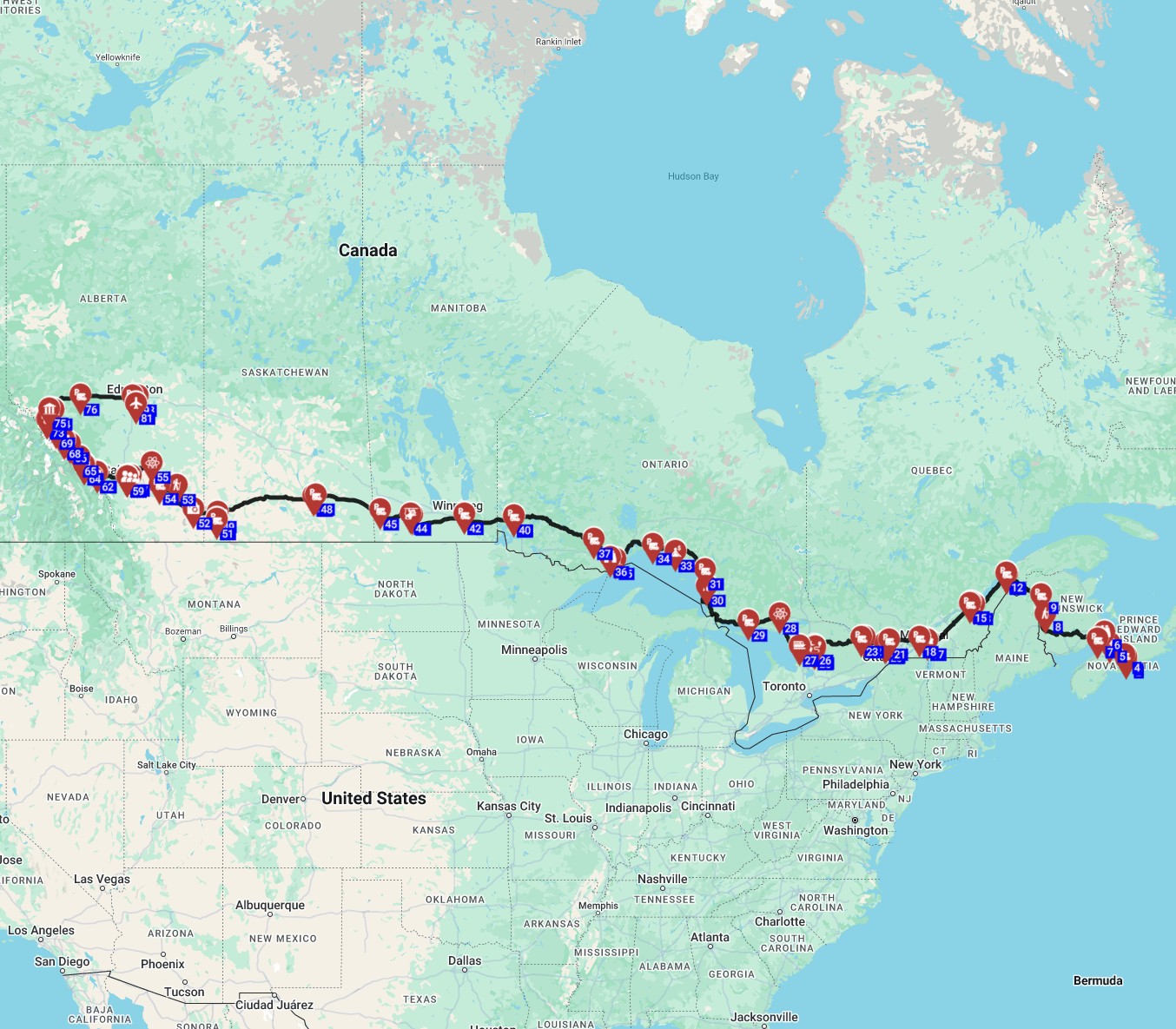
Yes, it is absolutely possible to rent an RV to drive across Canada, transforming an epic cross-country journey into a comfortable and convenient adventure. Many of Bandana Caravan's partner rental companies offer one-way options that facilitate these extensive cross-Canada journeys, allowing you to pick up a mobile home in, say, Vancouver and drop it off in Halifax. Such a vast trip allows for unparalleled exploration of Canada's diverse landscapes, from the Pacific coast to the Atlantic shores. Thorough planning is essential for a journey of this magnitude, including careful budgeting for fuel, which can be a significant cost over long distances, and accounting for the one-way fees. Extensive campground reservations across multiple provinces are also highly recommended, especially during the busy summer months. Availability for cross-Canada one-way RV rentals can be seasonal and depends heavily on fleet distribution, so booking well in advance with major rental providers like El Monte, Cruise America, Apollo, or Britz is strongly recommended. For details on special deals, consider checking `RV Rental Deals in East Canada - Latest Offers 2026`.
What You Shouldn't Miss
- Drive the Cabot Trail in Cape Breton, Nova Scotia: This 300 km (186 mile) scenic highway offers breathtaking coastal views, winding through the Cape Breton Highlands National Park, ideal for a 3-4 day leisurely drive.
- Experience the Bay of Fundy's Tides: Witness the world's highest tides at Hopewell Rocks in New Brunswick, where you can walk on the ocean floor at low tide (up to 15 meters lower) and kayak among the "flowerpot rocks" at high tide.
- Explore Historic Quebec City: Wander through the cobblestone streets of Old Quebec, a UNESCO World Heritage site, and immerse yourself in European charm, perhaps extending your stay for 2-3 nights.
- Hunt for Icebergs in Newfoundland: Take a detour along "Iceberg Alley" from late May to early July, particularly around Twillingate, Newfoundland, to spot colossal icebergs drifting past, some over 100,000 years old.
- Discover the Anne of Green Gables Heritage Place on Prince Edward Island: Immerse yourself in the world of L.M. Montgomery's beloved character in Cavendish, a charming stop that appeals to families and couples alike.
- Savour the Seafood of Nova Scotia: Indulge in fresh lobster rolls, succulent scallops, and local oysters at waterfront restaurants throughout the maritime provinces, providing an incredible culinary experience on your rented motorhome adventure.
Looking for expert insights from Avi Bandana? Top 5 Adventures - recommendations from Avi Bandana
Final Thoughts
Embarking on a one-way RV adventure through East Canada offers an unparalleled sense of freedom and discovery. Imagine waking up to the sound of ocean waves in Nova Scotia, hiking through the majestic Highlands of Cape Breton, and then cruising through the historic charm of Quebec, all without having to retrace your steps. This region is truly a gem for RV travelers seeking a blend of natural beauty, rich culture, and delicious cuisine, and a one-way rental allows you to experience it all efficiently.
Remember, the key to a stress-free trip is thorough planning, but don't forget to leave room for spontaneity. Bandana Caravan is here to support you every step of the way, from comparing the best motorhome options to ensuring you have all the information for a smooth journey. We pride ourselves on full transparency and expert knowledge, so you can trust you're in good hands.
So, pack your bags, set your sights on the horizon, and get ready for an unforgettable East Canada one-way RV journey. Discover top destinations, planning tips, all in one place! Find your perfect one way rv rental in East Canada and plan a trip itinerary in advance with minimal effort and maximum enjoyment through Bandana Caravan.