In This Guide
- Can You Drive an RV in Denver? License & Age Rules
- Road Conditions & Terrain in Denver
- RV Size Limits, Bridges & Restricted Zones
- Fuel: Diesel vs. Petrol & Cost per 100 km
- Tolls, Vignettes & Border Rules
- Driving Tips for rv rental Travelers
- Recommended RV Class for Denver Roads
- Should I Choose a Compact Van Instead of a Large RV in Denver?
- Can I Park Anywhere? Free & Wild Camping Rules in Denver
- Can I Drive an RV Into the City Center? Heights, Tunnels & Local Signage
- Do you need a special license to drive an RV in Colorado?
- Do you have to have a CDL to drive a 30 ft RV?
- Do you need a license to get an RV?
- How much is RV insurance in Colorado?
Can You Drive an RV in Denver? License & Age Rules
Yes, you can absolutely drive a rented RV in Denver with a standard driver's license. For most rental recreational vehicles, including all Class B and Class C motorhomes under 26,001 pounds Gross Vehicle Weight Rating (GVWR), your regular car license is all that is required in Colorado. No special endorsements or commercial licenses are needed for your vacation adventure.
At Bandana Caravan, we make the process clear and simple. The minimum age to rent a motorhome is just 21, and we partner with suppliers who do not add young driver surcharges. This opens up the freedom of the open road to a wider range of adventurers. For our international guests, we recommend carrying an International Driving Permit (IDP) along with your valid national license. While not always mandatory, it serves as a universally recognized translation and can make interactions with authorities or the rental depot smoother.
Imagine picking up your mobile home base just outside the city and knowing you have all the right credentials to head straight for the mountains. We are true RV specialists, founded in 2001, and our decades of experience mean we've streamlined the booking process to be completely transparent. We'll help you compare the rules across our 50+ trusted suppliers like Cruise America and El Monte, ensuring there are no surprises about license requirements when you arrive. Get inspired for your next trip and leave the details to us!
Road Conditions & Terrain in Denver
The road conditions in and around Denver are excellent, featuring well-maintained urban roads that quickly give way to spectacular mountain terrain just west of the city. While city driving is straightforward, your adventure truly begins as you climb into the Rockies, where you’ll encounter steep grades, winding passes, and breathtaking vistas. It's an environment that demands and rewards a slower pace of travel.
One of the most important factors for RV travel here is the altitude. Denver itself sits at 5,280 feet, and mountain passes like the Eisenhower Tunnel on I-70 exceed 11,000 feet. This elevation will affect your rented motorhome's engine performance, fuel efficiency, and braking, so it’s wise to use lower gears on descents to save your brakes. Weather can also change in a flash; a sunny afternoon can turn into a chilly thunderstorm with hail, even in summer. Always check the forecast before heading into the high country.
As you explore, you might find that some Forest Service roads are unpaved. These are generally manageable if you drive slowly and carefully. The key is to embrace the journey. We always recommend traveling no more than 100-150 km per day on average. This gives you time to safely navigate the diverse terrain, pull over at scenic overlooks, and truly connect with the majestic landscape of Colorado. For more details on routes, our RV Rental Denver - Complete Guide 2026 has great suggestions.
RV Size Limits, Bridges & Restricted Zones
Most rental motorhomes easily fit within Colorado's standard highway limits, but it's essential to always be aware of your vehicle's specific dimensions and watch for local signage. Typically, state maximums are around 13 feet 6 inches in height, 8 feet 6 inches in width, and 45 feet in length for a single vehicle. Whether you're in a compact Class B campervan or a spacious Class C motorhome, you'll be well within these limits.
Your primary focus should be on localized restrictions. Pay close attention to bridge clearance signs, especially on older county roads or scenic backroads that might take you off the main interstates. Tunnels can also have specific rules; for instance, the Eisenhower Tunnel on I-70 has regulations regarding propane tanks, which are standard on almost all rented RVs. These are usually straightforward and simply require you to ensure your propane is turned off before entering. Planning your route with an RV-aware GPS can help you avoid any potential issues with low clearances. On the routes offered through RV PLANET routes, you can itemize and track every expense along the way for easy budgeting.
Fortunately, Colorado does not have widespread environmental zones that restrict RV access, unlike some European cities. You can drive your rented camper freely. The main "restricted zones" are a matter of practicality. Certain extremely narrow or winding mountain passes, like parts of the historic Million Dollar Highway, can be challenging for very large vehicles. However, with slow, careful driving, you can navigate almost anywhere without issues. No need to stress-just use common sense and pay attention to your surroundings.
Fuel: Diesel vs. Petrol & Cost per 100 km
Rental RVs in Denver are available with both petrol (gasoline) and diesel engines, with petrol being more common for many Class C and Class B models. The popular Class C motorhomes, which average around 7.9 meters in length, typically consume about 23 liters of petrol per 100 kilometers (roughly 7-10 miles per gallon). Diesel engines, often found in larger Class A motorhomes or certain campervan models, may offer slightly better mileage but fuel prices can vary.
Calculating your fuel budget is a key part of trip planning. You can estimate your cost per 100 km by checking current local fuel prices and multiplying that by your rented motorhome's expected consumption rate. It's one of the main ancillary costs to consider beyond the rental fee itself. For precise budgeting, the pre-planned RV PLANET routes allow you to itemize and track every single expense along the way, from fuel and campground fees to groceries and tolls, giving you total financial control.
Before you hit the road, always double-check which type of fuel your vehicle requires. Filling a diesel engine with petrol or vice versa can cause serious damage. Petrol is available at virtually every gas station, while diesel is also widely available, especially at larger stations and truck stops along major highways like I-70 and I-25. Some rental suppliers may offer fuel discount cards, which can be a nice bonus for managing costs on an extended road trip. For more tips on saving money, our guide to Cheap RV Rental in Denver - Budget Guide 2026 offers some great advice.
Tolls, Vignettes & Border Rules
In Colorado, you will primarily encounter electronic tolls on express lanes and specific highways around the Denver metropolitan area, such as the E-470 beltway and the Northwest Parkway. There are no traditional toll booths; instead, tolls are collected electronically via transponders or by capturing a photo of the vehicle's license plate. The bill is then sent to the registered owner, which in this case is the RV rental company.
To handle this, rental companies have simple, transparent systems in place. They will typically offer you a toll pass for a small daily fee or will bill you for the tolls you incur plus a small administrative fee after your trip is complete. This ensures you can use the fastest routes without worrying about receiving unexpected fines later. It's part of our commitment to full transparency, so you know all potential costs upfront. You also won't need to worry about vignettes (pre-paid road use stickers), as they are not used anywhere in the United States.
When traveling in a rented motorhome within the US, there are no special border rules or checkpoints when you cross from Colorado into neighboring states like Utah, Wyoming, or Kansas. You are free to roam across the country. If your grand adventure includes plans to cross into Canada or Mexico, it is critical that you verify the rental supplier's cross-border policy beforehand, as specific restrictions and additional insurance requirements may apply.
Driving Tips for rv rental Travelers
When driving your rented motorhome in the mountains near Denver, always use lower gears for both climbing and descending steep passes. This helps maintain control, prevents your brakes from overheating on long downhill stretches, and reduces strain on the engine during ascents. The high altitude reduces engine power, so a steady, patient approach is your best friend on roads like I-70 west of the city.
🎬 Video coming soon
The Rocky Mountain weather is famously unpredictable. Be prepared by packing layers of clothing and checking forecasts frequently, as a sunny day can quickly become a cold, rainy, or even snowy one at high elevations, even in July. This preparedness extends to your health; stay well-hydrated to help mitigate the effects of altitude sickness. For families, scheduling frequent stops every two or three hours is a great way to keep everyone comfortable and the driver refreshed and focused.
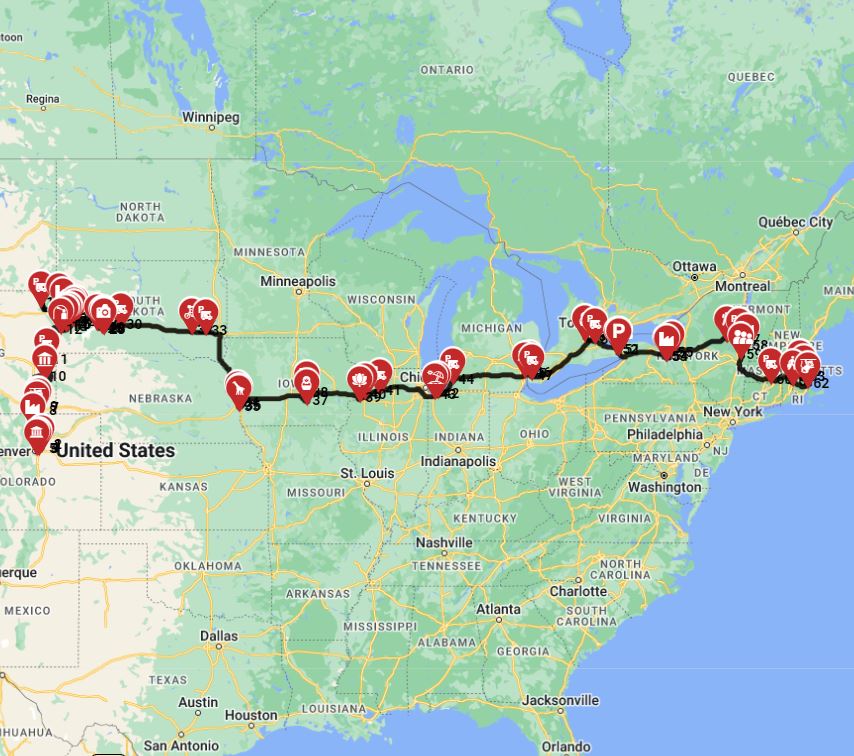
Navigating within Denver itself is very manageable. Drive slowly and carefully, and you can drive almost anywhere without issues. No need to stress-just use common sense and pay attention to your surroundings, particularly for any signs indicating height or weight restrictions. Planning your route in advance and identifying a large parking lot or RV-friendly area near your destination can make city excursions even smoother. A great option for a long-distance journey is a one-way trip, which you can learn more about in our One-Way RV Rental in Denver - Price Guide 2026.
Recommended RV Class for Denver Roads
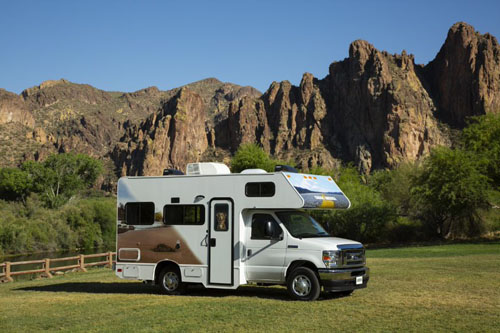
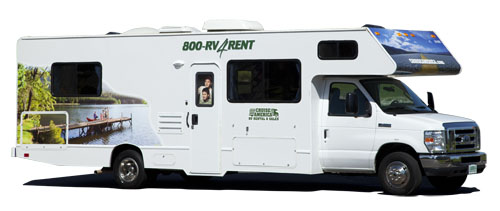
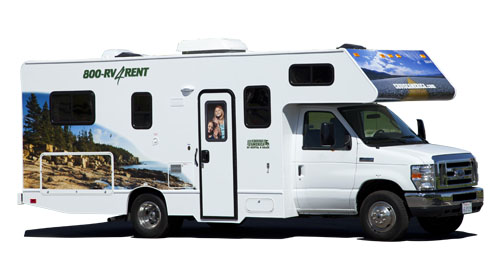
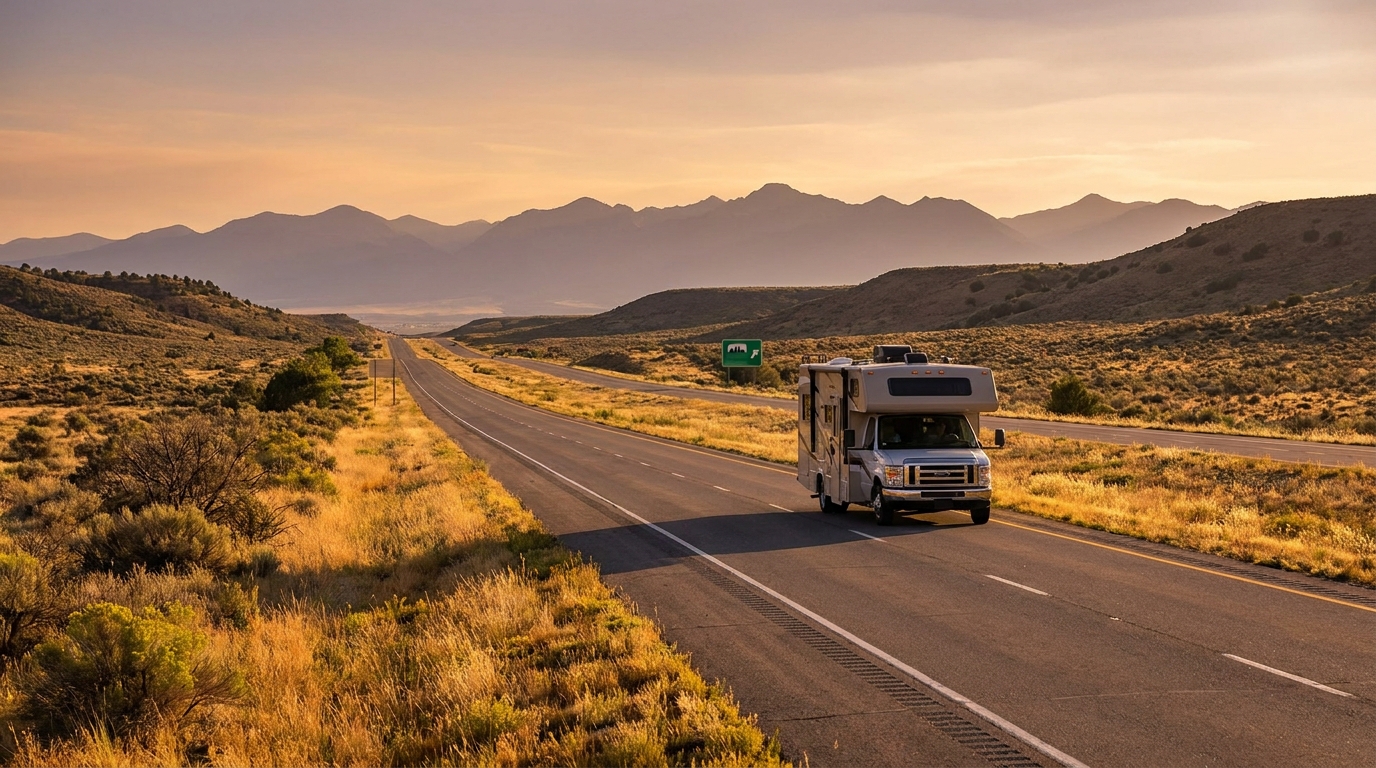
A Class C motorhome is an excellent and highly recommended choice for traveling on Denver's roads and into the surrounding Rocky Mountains. These vehicles, which average about 7.9 meters in length and can sleep up to six people, strike the perfect balance between spacious living quarters and maneuverability. They offer all the comforts of home-including a kitchen, bathroom, and separate sleeping areas-while still being agile enough to handle scenic mountain byways and navigate through towns like Estes Park or Breckenridge.
For couples or small families who prioritize driving ease and fuel economy, a Class B campervan is another fantastic option. Averaging around 6.1 meters, these vans are incredibly easy to drive and park, making them ideal for both urban exploration in Denver and venturing down narrower forest service roads to find that perfect secluded spot. They are nimble, efficient, and provide a cozy, self-contained base for your adventures.
While our fleet also includes larger Class A motorhomes perfect for big families seeking a Luxury RV Rental in Denver - Premium Prices 2026, the Class C and Class B models offer the most versatility for the varied terrain Colorado is famous for. From the wide-open plains east of the city to the tight switchbacks of a mountain pass, these rented RVs give you the confidence to explore it all. With Bandana, you can compare prices and layouts across dozens of models to find the perfect fit for your group and travel style.
Should I Choose a Compact Van Instead of a Large RV in Denver?
Choosing between a compact campervan and a larger motorhome for your Denver adventure depends entirely on your travel priorities. A compact campervan, like a Class B model, offers unmatched agility and ease of parking, which can be a real advantage for exploring Denver's vibrant neighborhoods or navigating the tight parking lots at popular trailheads. If your plan involves a lot of city time or venturing onto less-traveled, narrower mountain roads, the van is an excellent choice.
On the other hand, a larger rented RV, such as a Class C motorhome, provides significantly more interior living space, storage, and amenities. For families with kids or groups traveling together on a week-long trip, this extra room is often a top priority. Having a more spacious kitchen for preparing meals, a dedicated dining area, and more personal space can make the journey much more comfortable, especially on rainy days or during downtime at the campground. Cooking your own meals can be a huge part of the fun, and our RV-friendly recipes playlist has plenty of great ideas.
Ultimately, there's no wrong answer. A medium-sized Class C is perfectly manageable on all major roads and highways in the Rockies. The decision boils down to a simple trade-off: do you prefer the nimbleness and parking ease of a van, or the expanded comfort and living space of a larger motorhome? Consider your group size, trip duration, and planned activities to make the best choice for your personal road trip style.
Can I Park Anywhere? Free & Wild Camping Rules in Denver
Within the city limits of Denver and its immediate suburbs, free or "wild" camping (also known as boondocking or dispersed camping) in an RV is generally prohibited. For overnight stays in the metro area, you must use designated RV parks or private campgrounds. These facilities, like the popular Cherry Creek State Park campground, offer amenities like water, electricity, and dump stations, providing a convenient and secure base for exploring the city.
The real opportunity for free camping begins once you head into the mountains. Much of the land surrounding Denver is managed by the U.S. Forest Service and the Bureau of Land Management (BLM), and dispersed camping is permitted in many of these areas. This allows you to find beautiful, secluded spots for free. Key to this is following "Leave No Trace" principles-pack out everything you pack in, use existing fire rings, and respect the environment. Always check local regulations, as rules on maximum stay (often 14 days) and fire restrictions can change based on conditions.
For finding campsites and campgrounds during your trip, we recommend using RV PLANET (rvplan.net)-a great resource for locating available spots along your route. You can find both paid campgrounds and information on dispersed camping areas. Whether you're a pre-planner who books everything in advance or a spontaneous traveler, you will find a spot. If the first campground is full, the next one likely has an opening. It’s always a good idea to call ahead before driving a long distance to a specific location.
Can I Drive an RV Into the City Center? Heights, Tunnels & Local Signage
Yes, you can generally drive a rented motorhome into downtown Denver, as the major roads are built to accommodate large vehicles. The key to a stress-free experience is vigilance. Always be aware of your vehicle's height and keep a sharp eye out for local signage indicating low bridges, height-restricted underpasses, or narrow streets, particularly in older, historic districts like LoDo (Lower Downtown).
While driving through is possible, parking a large RV in central Denver is extremely limited. The best strategy is often to park on the city's outskirts and use public transportation. Many of the large RV parks in the metro area, such as those near Golden or Aurora, are located near RTD Light Rail "Park-n-Ride" stations. This allows you to leave your motorhome in a secure spot and take a quick, easy train ride right into the heart of downtown to explore places like the 16th Street Mall or the Denver Art Museum.
Remember, the golden rule of city driving in any size of rented RV is to go slow, be patient, and plan ahead. An RV-specific GPS can be a great tool, as it allows you to input your vehicle's dimensions to help you avoid low clearances. With a bit of common sense and careful attention to your surroundings, navigating Denver's streets is perfectly manageable, letting you enjoy both the urban energy and the mountain wilderness on your trip.
Do you need a special license to drive an RV in Colorado?
For the vast majority of rental recreational vehicles in Colorado, a standard Class R driver's license, the same one you use for a car, is all you need. This is because state law does not require a special endorsement for personal-use RVs with a Gross Vehicle Weight Rating (GVWR) under 26,001 pounds. This generous threshold covers nearly every vehicle you'll find in a rental fleet.
Whether you're looking at a nimble Class B campervan, a versatile Class C motorhome, or even many larger Class A models, your standard license is sufficient. This makes renting an RV an incredibly accessible way to travel for anyone over 21. We believe in making things easy, which is why we provide full transparency on all requirements during the booking process, ensuring you're fully prepared for your adventure.
When you pick up your rented RV from a supplier like Apollo or Britz, they will simply verify your valid standard license. It's one less thing to worry about as you plan your journey through the stunning landscapes of the Rocky Mountains. Get inspired for your next trip and hit the road with confidence!
Do you have to have a CDL to drive a 30 ft RV?
No, you generally do not need a Commercial Driver's License (CDL) to drive a 30-foot RV for personal, recreational use in Colorado. The requirement for a CDL is based on the vehicle's Gross Vehicle Weight Rating (GVWR) and its intended use, not simply its length. As long as the RV's GVWR is under the 26,001-pound threshold, a standard driver's license is sufficient.
A typical 30-foot rental motorhome, which usually falls into the Class C or smaller Class A category, almost always has a GVWR well below this limit. These vehicles are specifically designed for recreational travel and are built to be operated by any licensed driver. CDLs are reserved for heavy commercial trucks, buses, or vehicles designed to transport hazardous materials.
This simple licensing rule makes renting even a spacious, family-friendly RV an easy and accessible option for your vacation. When you compare options on our platform, you can travel with peace of mind knowing that every vehicle offered is drivable with your standard car license. For more details on pricing, check out our RV Rental in Denver - Prices and Best Deals 2026 guide.
Do you need a license to get an RV?
Yes, you absolutely need a valid driver's license to rent and operate any motorhome. Just like a car, a rented RV is a motor vehicle that will be driven on public roads, so a valid license is a legal and safety requirement. When you arrive at the rental depot in Denver, the first thing the staff will do is verify your license to ensure you are legally permitted to drive.
For most travelers, a standard car driver's license (Class R in Colorado or its equivalent from your home state or country) is all that's required. The minimum age for rental is 21, and this allows you to drive all classes of motorhomes. For international visitors, especially those from non-English-speaking countries, carrying an International Driving Permit (IDP) alongside your national license is highly recommended to provide an official translation.
As true RV specialists, we ensure this process is as smooth as possible. Our booking platform provides all the necessary information, and our pre-booking support team can answer any questions you have about documentation, ensuring a seamless pickup experience so you can start your adventure without delay.
How much is RV insurance in Colorado?
The cost of insurance for a rented RV in Colorado is typically included as part of your rental agreement, with options to purchase additional coverage for greater peace of mind. Every rental from our trusted suppliers includes basic liability and collision coverage that meets state requirements. The price for this basic coverage is already factored into the daily rental rate you see when you compare options on our platform.
You will also have the opportunity to reduce your financial responsibility in case of an accident by purchasing supplemental insurance or upgrading your deductible. For example, you can upgrade to a top-level deductible for extra peace of mind, which significantly lowers the maximum amount you would have to pay out-of-pocket for damages. The cost of these upgrades depends on the vehicle's value-a large Class A motorhome will have higher insurance costs than a compact Class B campervan-and the level of coverage you select.
We pride ourselves on full transparency, so all insurance options and costs are clearly detailed during the booking process. There are no hidden fees or surprise charges at the counter. It's always a good idea to check with your personal auto insurance provider as well, as some policies may offer additional coverage for rental vehicles.
What You Shouldn't Miss
With a rented motorhome from Denver, the Rockies are your playground. Here are a few can't-miss experiences to anchor your itinerary:
- Trail Ridge Road in Rocky Mountain National Park: Drive the highest continuous paved road in North America, climbing to over 12,000 feet. The views of tundra and towering peaks are unforgettable. Park your RV at Moraine Park Campground and use the free park shuttle to explore.
- Historic Georgetown Loop Railroad: Just an hour from Denver, park your RV and step back in time on this narrow-gauge steam train that winds through a stunning mountain valley. It’s a perfect family-friendly day trip.
- Clear Creek Canyon Park: For a quick nature escape, this canyon just west of Golden offers hiking, fishing, and scenic pull-offs right off Highway 6. It’s an easy and beautiful drive, perfect for the first or last day of your trip.
- Mount Evans Scenic Byway: Challenge your driving skills on the highest paved road in North America. While the final summit section isn't recommended for large RVs, the drive to Summit Lake at 12,830 feet is spectacular and manageable.
- Explore Idaho Springs: This historic mining town is a fantastic stop for a local meal, a walk along its charming main street, or even a tour of the Argo Gold Mill and Tunnel.
Looking for expert insights from Avi Bandana? Check out his Top 5 Adventures for personalized recommendations that will make your trip truly special.
Final Thoughts
A one-way RV trip starting or ending in Denver is more than a vacation; it's an immersion into the heart of the American West. It’s the freedom to wake up to a mountain sunrise, to follow a winding road just to see where it leads, and to have your home with you every step of the way. From the urban energy of the Mile High City to the silent majesty of the Rockies, every day brings a new horizon.
At Bandana Caravan, we've spent over two decades helping travelers like you experience this freedom. We believe in honest service, expert guidance, and the simple joy of the open road. Your perfect adventure is out there waiting. Let us help you find the wheels to get you there.
Find Motorhome Rentals in Denver