In This Guide
- Can You Drive an RV in California? License & Age Rules
- Road Conditions & Terrain in California
- RV Size Limits, Bridges & Restricted Zones
- Fuel: Diesel vs. Petrol & Cost per 100 km
- Tolls, Vignettes & Border Rules
- Driving Tips for rv rental Travelers
- Recommended RV Class for California Roads
- Should I Choose a Compact Van Instead of a Large RV in California?
- Choosing a Class SI - Semi-integrated RV for California
- Choosing a Class C - Alcove RV for California
- Choosing a Class B - Camper Van for California
- Choosing a Class A - Integrated RV for California
- Choosing a Class TC - Truck Camper for California
- Can I Park Anywhere? Free & Wild Camping Rules in California
- Can I Drive an RV Into the City Center? Heights, Tunnels & Local Signage
- How Much Does an RV Trip in California Cost?
- What is the Best Time of Year to RV in California?
- Are There Specific RV Route Challenges in California's Parks?
- Do I Need Reservations for California National Parks with an RV?
- How Do I Manage RV Logistics (Water, Dump, Propane) in California?
- What is Cell Service Like for RVers in California?
- How to Prepare for Emergencies While RVing in California?
Can You Drive an RV in California? License & Age Rules
Yes, you can absolutely drive an RV in California! For most recreational vehicles weighing under 26,000 lbs, a standard Class C driver's license is sufficient for rental. This applies to the majority of motorhomes and campervans, including Class A, B, and C models offered by Bandana. If you're looking at larger, commercial-grade motorhomes that exceed this weight threshold or involve heavy towing, you might require a Class A or B commercial license, though these are rarely encountered in typical RV rentals. The minimum driver age for RV rentals is generally 21 years old, though some rental companies may stipulate a minimum age of 25 for larger Class A motorhomes. For international travelers, your valid home country driver's license is usually accepted, and an International Driving Permit (IDP) is often recommended, though not always mandatory, to assist with translation.
Road Conditions & Terrain in California
California's diverse terrain presents a variety of road conditions that RV drivers should be prepared for. Major interstate highways, such as the I-5 and US-101, are generally well-maintained and suitable for all RV sizes, offering smooth travel across the state. However, scenic routes like the famed Highway 1 along the coast, or mountain roads in the Sierra Nevada, can feature steep grades, sharp, winding turns, and potential seasonal closures due to snow or landslides. Desert areas, like those found in Death Valley or Joshua Tree National Park, typically have flat roads but can experience extreme heat and strong winds, requiring careful planning for vehicle and personal comfort. Urban centers, particularly Los Angeles and the San Francisco Bay Area, are known for their significant traffic congestion, especially during peak hours. We always encourage slow, scenic driving; take your time to navigate the varied terrain safely, enjoying the journey as much as the destination. This approach is key to a relaxed and enjoyable California RV adventure.
RV Size Limits, Bridges & Restricted Zones
California has specific size limits for vehicles on its roadways. Generally, the maximum length for a single vehicle is 40 feet, and for combinations (like a vehicle pulling a trailer), it's 65 feet. However, it's crucial to note that certain national and state parks, such as Yosemite and Sequoia National Park, have their own stricter length restrictions on specific roads or within campgrounds. Always observe posted height and weight limits, especially on older bridges, tunnels, and less-traveled secondary roads, as these can pose a hazard to larger RVs. While California doesn't widely implement environmental zones that restrict RV access based on emissions, be aware that some urban areas might have idling restrictions. Certain scenic roads, particularly winding stretches of Highway 1 in Big Sur, may carry advisories or even restrictions for larger RVs due to their narrowness and sharp turns. Always consult park-specific information and local signage before proceeding with larger vehicles.
Fuel: Diesel vs. Petrol & Cost per 100 km
Most larger RVs in Bandana's global fleet, including Class A, C, and many Class SI motorhomes, are powered by diesel engines. Diesel generally offers better fuel efficiency compared to petrol, which is advantageous for the longer distances often covered in California. While both diesel and petrol fuel types are widely available across the state, diesel pumps might be slightly less common in extremely remote or very rural areas, so keeping an eye on your fuel gauge is always wise. For Bandana's Class SI and C RVs, typical fuel consumption averages around 10-12 liters per 100 km. Class B camper vans are generally more fuel-efficient, often achieving 8-10 liters per 100 km, while larger Truck Campers might consume between 12-17 liters per 100 km, depending on the specific model and driving conditions. Fuel prices in California tend to be higher than the national average, so factoring this into your budget is important. Some rentals may even include fuel discount cards to help offset these costs.
Tolls, Vignettes & Border Rules
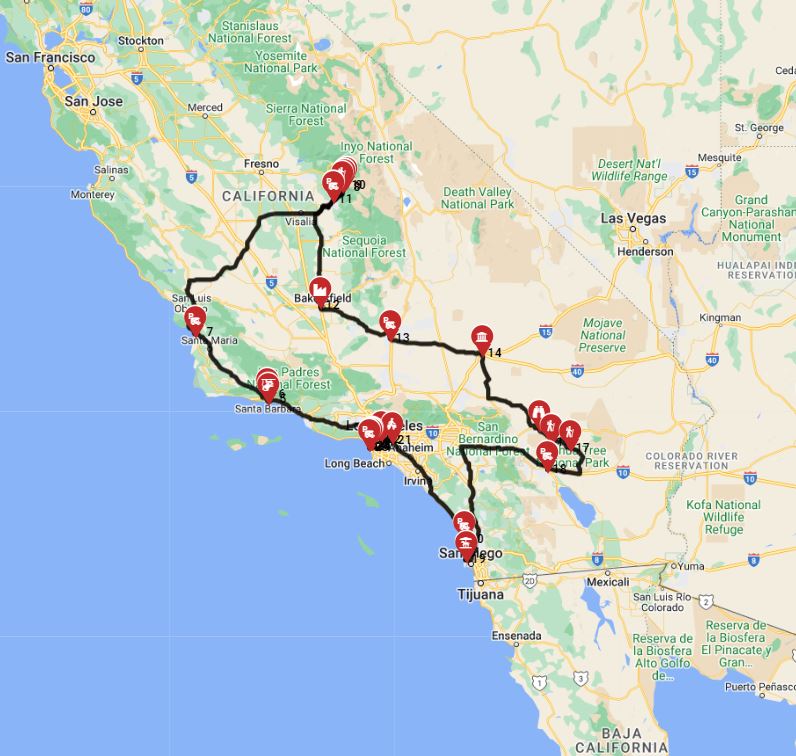
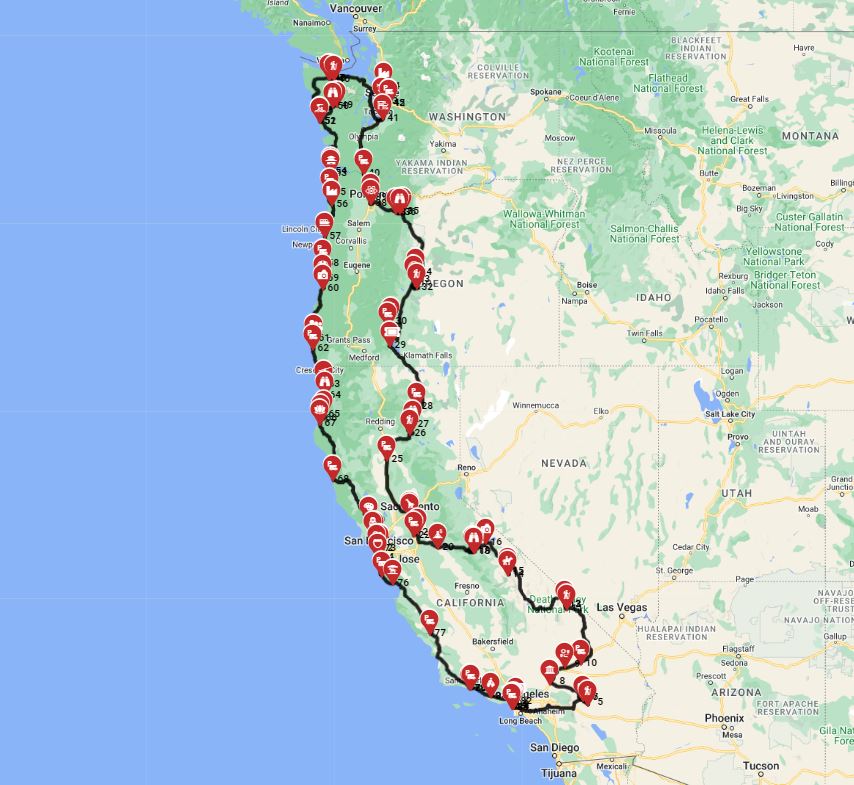
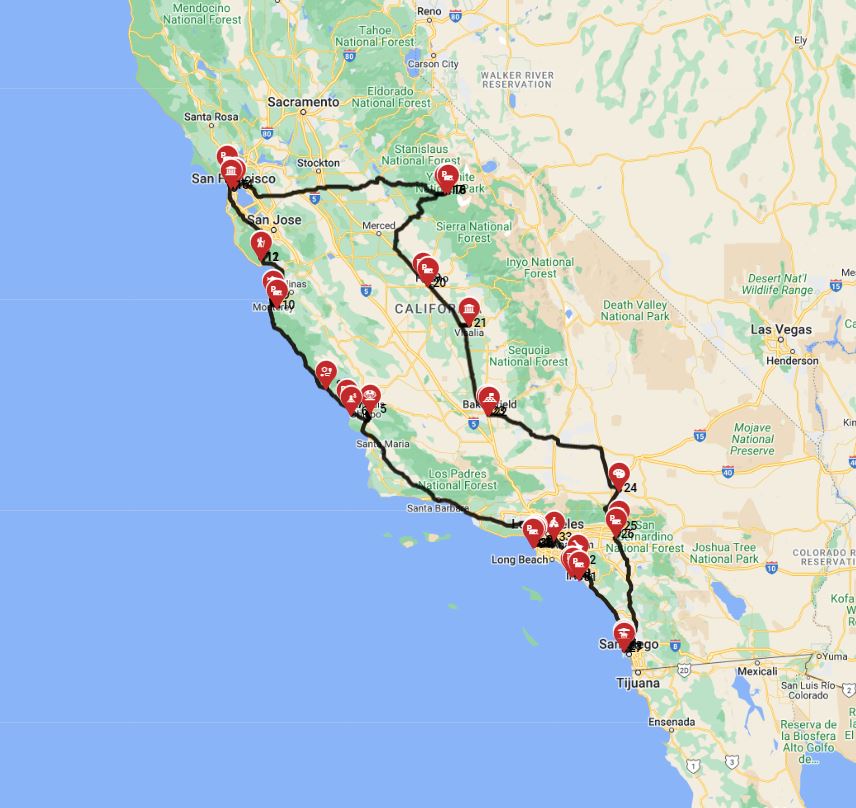
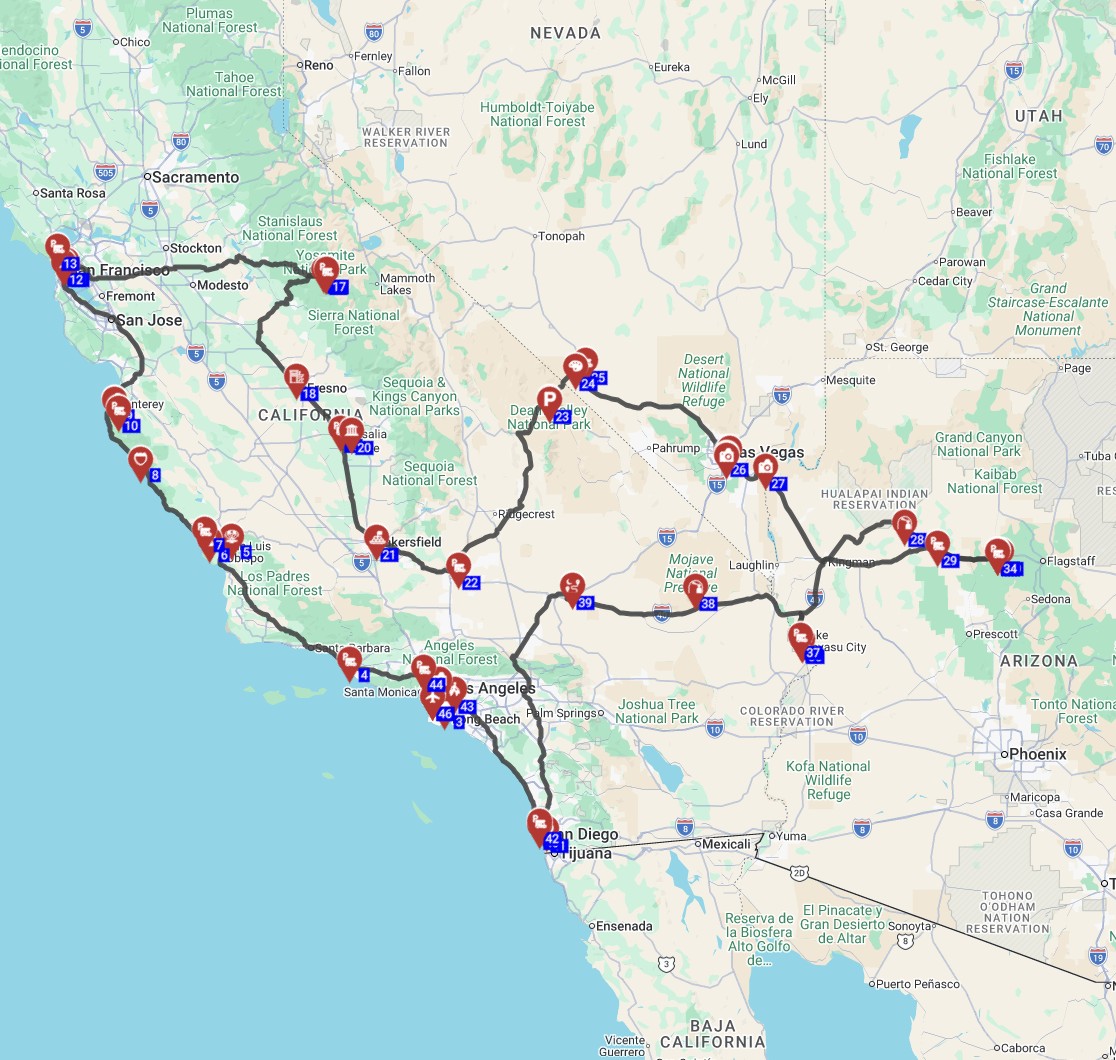
California primarily utilizes electronic toll roads, especially in the heavily trafficked San Francisco Bay Area and Southern California regions. These tolls are often found on bridges, express lanes on freeways, and some tunnels. Notably, major toll bridges, such as the iconic Golden Gate Bridge, are electronic-only, meaning cash is not accepted. Many rental RVs can be equipped with transponders to simplify toll payments, or you may be able to pay online after your passage through a toll zone. California does not employ a vignette system for general road access. Traveling between California and its neighboring US states is typically seamless, with no special border requirements for RV rentals. If you plan to cross an international border, such as into Mexico, ensure your rental agreement permits this and be prepared for standard customs documentation and clearance procedures. On the routes offered through RV PLANET routes, you can itemize and track every expense along the way for easy budgeting.
Driving Tips for rv rental Travelers
Navigating California in a rented RV is a rewarding experience, but a few tips can make it even smoother. Utilize RV-specific GPS navigation apps that account for vehicle dimensions and potential route restrictions to avoid low bridges or weight-limited roads. Remember to pace yourself on California's vast network of roads; take frequent breaks, especially if traveling with family, to combat driver fatigue. Practice wide turns and be acutely aware of your RV's blind spots. When parking or backing up, it's invaluable to have a spotter guide you. Regularly monitor your fuel, fresh water, and propane levels, particularly when heading towards more remote destinations where services might be sparse. Finally, stay informed about California's rapidly changing weather conditions and potential wildfire risks, especially during the dry summer and fall months, as these can impact road access and air quality.
Recommended RV Class for California Roads
For exploring California's diverse landscapes in a rented RV, Class SI (Semi-integrated) and Class C (Alcove) motorhomes offer an excellent balance of comfort, amenities, and maneuverability. Class SI RVs, averaging around 6.9 meters in length, provide a comfortable living space for 2-4 people and generally handle well on various routes, including coastal drives. Class C Alcove RVs, averaging about 7.5 meters, are often ideal for families needing more space, offering a cab-over sleeping area and ample living space. These models typically handle most major roads and established campgrounds across California with ease, providing adequate clearance and reasonable maneuverability. While larger Class A motorhomes offer the most space and luxury, the SI and C classes are often more practical for accessing a wider range of destinations and navigating varied road conditions throughout the Golden State.
Should I Choose a Compact Van Instead of a Large RV in California?
The choice between a compact van (Class B) and a larger RV in California hinges on your travel priorities. A compact campervan excels in maneuverability, making it ideal for navigating tight city streets, finding parking, and accessing narrower scenic routes or more remote trailheads. Class B camper vans, averaging a compact 5.8 meters in length, are also notably fuel-efficient (often 8-10 liters per 100 km) and provide a driving experience closer to that of a car. However, larger RVs, such as Class SI, C, or A motorhomes, offer significantly more living space, a wider range of amenities, and greater overall comfort, especially for longer trips or families. Most of California's primary roads and established campgrounds are well-equipped to accommodate larger RVs comfortably. Ultimately, the decision balances the ease of driving and urban access offered by a compact van against the superior interior space and amenities of a larger RV, with most travelers opting for the latter for enhanced trip quality.
Choosing a Class SI - Semi-integrated RV for California
If you're considering a Class SI (Semi-integrated) motorhome for your California road trip, Bandana's global fleet offers models averaging 6.9 meters in length, providing a versatile option that balances comfort with good maneuverability. These RVs typically feature comfortable living spaces for 3-4 adults, with an average sleeping capacity of around 3.8 places, making them suitable for couples or small families. Their average load capacity for personal belongings is approximately 72.2 kg. With diesel engines, they generally consume between 10-11 liters per 100 km, offering good fuel efficiency for exploring diverse routes, from coastal highways to mountain passes. Class SI RVs are best suited for travelers who appreciate a good blend of comfort and ease of driving, allowing access to a wide array of scenic routes and established campgrounds across California.
Choosing a Class C - Alcove RV for California
For families planning an RV adventure in California, a Class C Alcove motorhome is often an excellent choice. Bandana's fleet includes Class C models averaging 7.5 meters in length, providing ample living and sleeping space with an average of about 5.8 sleeping places, ideal for accommodating around 4.4 adults comfortably. These RVs offer a generous average load capacity of approximately 42.4 kg for your luggage and gear. Powered by diesel engines, they typically consume between 10-12 liters per 100 km, offering reasonable efficiency for their size. Class C motorhomes are highly recommended for families prioritizing space, amenities, and comfort, ensuring a pleasant journey to California's diverse attractions, from national parks to vibrant coastal cities.
Choosing a Class B - Camper Van for California
For those prioritizing agility and a more intimate travel experience, a Class B camper van is an ideal companion for exploring California. Bandana's fleet features Class B models averaging a compact 5.8 meters in length, offering maximum maneuverability and making city parking a breeze. These are perfect for solo travelers or couples, with an average of around 3.2 sleeping places and a load capacity of about 37 kg. Their standout feature is fuel efficiency, typically consuming only 8-10 liters per 100 km, which significantly reduces running costs. Camper vans are excellent for urban exploration and accessing narrower scenic routes where larger RVs might be restricted. They prioritize flexibility and a car-like driving experience over extensive interior space, making them a fantastic choice for adventurers who want to get off the beaten path.
Choosing a Class A - Integrated RV for California
For the ultimate in spaciousness and luxury during your California RV journey, consider a Class A Integrated motorhome. Bandana's fleet includes Class A models averaging 7.5 meters in length, providing the most generous living space and comfortable accommodations. These RVs typically offer around 4.4 sleeping places, comfortably accommodating up to 4 adults, and boast a high average load capacity of approximately 209.5 kg, allowing you to bring plenty of gear and personal items. While their fuel consumption can range from 8-12 liters per 100 km due to their size, they are best suited for travelers seeking maximum comfort, high-end amenities, and extended stays, particularly at full-service RV resorts or campgrounds where their larger size is less of a concern.
Choosing a Class TC - Truck Camper for California
For the adventurous spirit looking to explore California's diverse backcountry, a Class TC Truck Camper offers a rugged and versatile solution. Bandana's fleet includes truck campers averaging 5.5 meters in length, which are best suited for 2 adults, providing an average of about 2.4 sleeping places. Their fuel consumption typically ranges from 12-17 liters per 100 km, which can be higher due to the truck base, but they offer unparalleled access. These campers are ideal for those seeking off-road capability (especially if mounted on a 4x4 truck) and easier access to more remote, less developed campsites. They effectively combine compact living quarters with enhanced accessibility, allowing you to venture further off the main roads and discover California's hidden gems.
Can I Park Anywhere? Free & Wild Camping Rules in California
Legally parking your RV for free overnight, often referred to as boondocking or dispersed camping, is possible in California, but it requires careful adherence to specific rules. Free overnight parking is permitted on designated public lands managed by the Bureau of Land Management (BLM) and within National Forests for short stays. These areas typically offer no amenities and may have a 14-day limit within a 28-day period. Wild camping on private property without explicit permission, or overnight RV parking on city streets and public lots, is generally illegal and can result in fines. It's essential to utilize resources like iOverlander or Campendium apps to locate legal free camping spots and verify specific regional regulations, as rules can vary significantly. Always prioritize safety, follow Leave No Trace principles, and confirm local ordinances before deciding where to park overnight.
1.Can I Drive an RV Into the City Center? Heights, Tunnels & Local Signage
Driving an RV into most California city centers is generally feasible on main thoroughfares, but careful attention to local signage is paramount. You must be vigilant about posted height restrictions for low bridges and tunnels, as well as specific parking regulations. The primary challenge in urban environments is often finding suitable, legal parking for an RV; street parking and multi-story garages are frequently unsuitable for larger vehicles. California cities do not have broad environmental zones that restrict RV access based on emissions. For easier city exploration without the parking hassle, consider parking your RV at an outlying RV park that offers convenient access to public transportation, allowing you to reach city centers and attractions more readily.
How Much Does an RV Trip in California Cost?
The cost of an RV trip in California can vary significantly based on your chosen RV class, rental duration, travel season, and planned activities. Major expenses include rental fees, which are higher during peak season (typically summer and holidays), and fuel, with larger RVs consuming around 10-12 liters per 100 km common for larger RVs. Campground fees also add to the budget, ranging from $20-$80+ per night, depending on the location and amenities. Don't forget national park entry fees, which are usually around $35 per vehicle for a 7-day pass; the America the Beautiful Pass is highly recommended if you plan to visit multiple parks. For budget-conscious travelers, opting for smaller RVs, utilizing free dispersed camping options where available, and cooking most meals onboard can significantly reduce costs. Conversely, luxury trips with larger Class A RVs, high-end resorts, and frequent dining out will naturally incur higher expenses. For ideas you can prep on the road, watch our RV-friendly recipes playlist on YouTube.
What is the Best Time of Year to RV in California?
Spring (April-May) and fall (September-October) are generally considered the ideal times for RVing in California, offering mild weather across most regions, fewer crowds, and more moderate rental prices. Summer (June-August) is the peak season, providing warm weather statewide and full accessibility to mountain passes, but it demands booking accommodations and rentals 6-12 months in advance and carries a higher risk of wildfire activity. Winter (November-March) is best suited for exploring California's desert areas, as coastal regions can be cool and rainy, and mountain passes may require caution or snow chains. Remember that regional weather patterns vary dramatically: desert climates are extremely hot in summer, mountains experience significant snowfall in winter, and coastal areas generally maintain moderate temperatures year-round. Always check regional forecasts and wildfire conditions, especially during drier months.
Are There Specific RV Route Challenges in California's Parks?
Many of California's renowned national and state parks present unique challenges for RV travelers, including steep grades, tight turns, and strict length restrictions. For instance, Yosemite's Tioga Pass (Highway 120 East) and the Generals Highway in Sequoia National Park feature significant grades and vehicle length limits; always check the latest park advisories before planning your route. Sections of the iconic Highway 1, particularly through Big Sur, are notoriously narrow and winding, potentially requiring careful navigation or detours for larger RVs. It is essential to verify specific RV length and size restrictions for park roads and campgrounds, as these vary considerably. Be mindful of tunnel clearances on older park roads and prepare for sustained steep inclines when driving mountain routes.
Do I Need Reservations for California National Parks with an RV?
Yes, securing reservations for both campgrounds and, at times, timed entry permits is highly recommended and often essential for popular California national and state parks, especially during peak seasons. Popular national park campgrounds, such as those in Yosemite, frequently book out 6-12 months in advance through platforms like recreation.gov. California State Park RV campgrounds also necessitate advance reservations, typically managed through ReserveCalifornia.com. Some of the most sought-after parks may implement timed-entry reservation systems during peak visitor times to manage capacity and visitor flow. While a limited number of first-come, first-served sites exist, they are generally not a reliable option for RVs during busy periods; booking well in advance is the most strategic approach.
How Do I Manage RV Logistics (Water, Dump, Propane) in California?
Proactive planning is crucial for managing RV logistics like locating water refill stations, dump stations, and propane in California, as these services can be sparse in remote areas. Water refills and dump stations are commonly found at RV parks (often for a fee), truck stops, and some national and state park facilities. Propane is widely available at RV dealerships, truck stops, and larger gas stations; it's always best to refill your propane tank before heading into remote regions. When venturing into more isolated areas, conserve resources by taking shorter showers, minimizing dishwashing, and using propane efficiently for heating and cooking. Utilize RV-specific apps like RV LIFE Trip Wizard or iOverlander to locate nearby services and plan your stops effectively along your route.
What is Cell Service Like for RVers in California?
Cell service in California is generally excellent within urban areas and along major interstate highways, especially for major providers like Verizon, AT&T, and T-Mobile. However, connectivity can become very spotty or completely non-existent when you venture into remote national parks, mountainous regions, or vast desert areas. It's crucial to plan accordingly by downloading maps and essential information offline for areas where you anticipate having no service. For improved signal strength, consider using a cell booster or a dedicated mobile hotspot. For genuine emergencies in completely unserviced zones, a satellite communication device is a reliable option. Never rely solely on cell service for emergency communication; always carry physical maps and inform someone of your itinerary and expected return time.
How to Prepare for Emergencies While RVing in California?
Preparation is key for navigating California's unique risks while RVing, including wildfires and earthquakes. Stay informed by monitoring wildfire conditions through Cal Fire alerts and always have an evacuation route planned. Keeping your RV's fuel tank full can be critical for a quick departure if needed. In the event of an earthquake, secure your RV's contents, and know how to safely shut off the propane supply. If you're driving during an earthquake, pull over to a safe location as soon as possible. Always carry a comprehensive emergency kit stocked with extra water, non-perishable food, blankets, a first-aid kit, and a full spare tire. For remote travel, consider a satellite communication device for reliable contact, and always share your itinerary and expected return time with a trusted contact.
What You Shouldn't Miss
- Drive a portion of Highway 1: Experience the stunning coastal views of Big Sur, but be prepared for narrow roads and potential closures, especially with larger RVs. Consider driving sections or using a smaller campervan.
- Explore Yosemite National Park: Marvel at granite cliffs, giant sequoias, and waterfalls. Remember to check RV size restrictions for roads like Tioga Pass and book campsites well in advance.
- Visit the Deserts: Discover the unique landscapes of Death Valley and Joshua Tree National Parks. Plan for extreme temperatures, especially in summer, and ensure you have adequate water and fuel.
- Discover Gold Rush History: Step back in time at Bodie State Historic Park or Calico Ghost Town for a glimpse into California's pioneering past.
- Experience a Superbloom: If your visit coincides with optimal conditions, witnessing California's desert wildflowers erupt in color is a truly magical RV travel experience.
Final Thoughts
Renting an RV and exploring California offers an unparalleled sense of freedom and discovery. From the majestic mountains to the stunning coastline and unique desert landscapes, the Golden State is a dream destination for motorhome travel. By planning ahead, understanding the road conditions, and choosing the right vehicle for your needs, you're set for an incredible adventure.
Remember that slow travel is often the most rewarding. Take your time to truly soak in the diverse scenery and cultures California has to offer. With Bandana Caravan, you're not just renting an RV; you're gaining a partner dedicated to making your journey as smooth and memorable as possible, from the initial booking to your final stop.
Get inspired for your next trip! Discover top destinations, planning tips, and make your California RV adventure a reality. We're here to help you plan an itinerary in advance with minimal effort and maximum enjoyment.