In This Guide
- Can You Drive an RV in Alaska? License & Age Rules
- Road Conditions & Terrain in Alaska
- RV Size Limits, Bridges & Restricted Zones
- Fuel: Diesel vs. Petrol & Cost per 100 km
- Tolls, Vignettes & Border Rules
- Driving Tips for RV Rental Travelers
- Recommended RV Class for Alaska Roads
- Should I Choose a Compact Van Instead of a Large RV in Alaska?
- Can I Park Anywhere? Free & Wild Camping Rules in Alaska
- Can I Drive an RV Into the City Center? Heights, Tunnels & Local Signage
- What is the 3-3-3 rule for RV living?
- Can you sleep in an RV while driving in the USA?
- Can I take my RV to Alaska?
- Can you turn left on a red light in Alaska?
- How do I transfer my license to Alaska?
- Do I need to register my trailer in Alaska?
Embarking on a rented RV adventure through Alaska offers unparalleled freedom to explore its majestic landscapes at your own pace. As true RV specialists, Bandana Caravan, founded in 2001, brings over two decades of experience helping tens of thousands of travelers navigate destinations like Alaska, ensuring you receive honest, transparent information from real people. For live availability and current prices, start with our RV Rental Alaska - Complete Guide 2026 guide. We’re here to support you every step of the way, from comparing pre-booking options to coordinating your post-booking needs, ensuring there are no hidden fees and no surprises.
Can You Drive an RV in Alaska? License & Age Rules
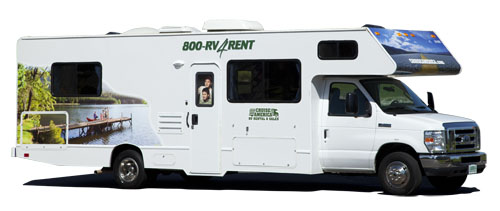
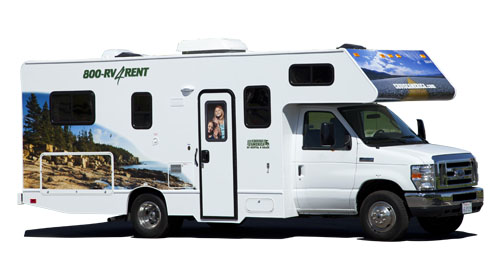
Yes, most rental motorhomes in Alaska, including those up to 30 feet in length, typically only require a standard Class D driver's license for both residents and visitors. The primary criterion for a non-commercial license in the U.S., including Alaska, is a Gross Vehicle Weight Rating (GVWR) under 26,001 pounds (approximately 11,794 kg). Bandana’s diverse fleet, featuring Class C - Alcove motorhomes (averaging 7.5 meters / 24.6 feet) and Class SI - Semi-integrated models, falls comfortably below this weight threshold, meaning a special license is not generally needed for operation. The minimum driver age for renting an RV in Alaska is 21 years old, and Bandana Caravan proudly offers rentals without any young driver surcharges or vehicle class restrictions based on age, making grand Alaskan adventures accessible to a broader range of travelers. For international visitors, a valid driver's license from your home country is sufficient, and while an International Driving Permit (IDP) is recommended for non-English licenses, it is not legally mandatory in most cases within Alaska.
Road Conditions & Terrain in Alaska
Alaska's road conditions present a varied driving experience, ranging from well-maintained paved highways to gravel roads, all winding through stunning mountainous and scenic terrain. Major arteries like the Alaska Highway and the Parks Highway are predominantly paved and entirely suitable for any rented RV. However, be prepared to encounter sections of gravel road, especially if your adventure takes you to more remote locations or national park access roads. Expect winding roads, significant ascents, and descents through mountain passes, which necessitate careful and attentive driving. Given Alaska’s abundant wildlife, such as moose, caribou, and bears, practicing defensive driving and maintaining constant awareness for animals on or near the roadway is paramount. Remember to travel slowly, averaging a maximum of 100-150 km per day, allowing you to fully absorb the majestic Alaskan landscape and prioritize safety above all else.
RV Size Limits, Bridges & Restricted Zones
While Alaska's main thoroughfares are generally accommodating for rented RVs, specific size limitations may apply to certain state-maintained routes, park roads, and segments of the Alaska Marine Highway System. The general maximum legal length for a single motorhome in Alaska is 40 feet (approximately 12.2 meters). Fortunately, low bridges are uncommon on primary RV routes, so standard rental RV heights, typically under 13 feet, 6 inches (4.1 meters), usually do not pose an issue. Environmental zones or widespread vehicle restrictions are rare on Alaska's public road system, though some popular national parks, like Denali, enforce specific private vehicle limits. If your itinerary includes traveling on the Alaska Marine Highway System, it is crucial to confirm your RV's exact dimensions in advance, as ferry limits and pricing are strictly based on vehicle length and height. Drive slowly and carefully, and you can drive almost anywhere without issues. No need to stress - just use common sense and pay attention.
Fuel: Diesel vs. Petrol & Cost per 100 km
Both petrol (gasoline) and diesel fuels are readily available across Alaska, although service stations can be quite far apart in the state's more remote regions, and prices are typically higher than in the lower 48 states. Bandana's fleet data indicates that popular models like the Class SI - Semi-integrated, Class C - Alcove, and Class B - Camper Van typically achieve fuel consumption rates of 10-12 Liters/100 km. While petrol is more universally available, diesel is common at most larger service stations and in major towns. When budgeting for your trip, anticipate higher fuel costs; current prices suggest an estimated cost of $15-25 USD per 100 km, depending on your chosen vehicle's efficiency and real-time fluctuations at the pump. For efficient budgeting and expense tracking for your entire trip, including fuel, campground fees, and more, remember that RV PLANET routes allow travelers to itemize every expense along the way. On the routes offered through RV PLANET routes, you can itemize and track every expense along the way for easy budgeting.
Tolls, Vignettes & Border Rules
Alaska itself does not impose state-wide road tolls or require any special vignettes for driving on its public roads. The vast majority of Alaska's road network is entirely toll-free, simplifying your journey within the state. However, many travelers driving a rented motorhome to Alaska will journey through Canada via the famed Alaska Highway. For these cross-border trips, it is essential to have proper documentation, including valid passports for all occupants, ready for U.S.-Canada border crossings. Familiarize yourself with Canadian customs regulations regarding items such as alcohol, firearms, and specific food products to avoid any complications at the border. Also, always confirm that your RV rental's insurance policy provides coverage for driving in Canada; many Bandana partner suppliers offer specific Canadian insurance add-ons for comprehensive peace of mind during international travel.
Driving Tips for RV Rental Travelers
Driving a rented RV in Alaska requires a blend of preparation and awareness to fully enjoy the journey. Firstly, **Prioritize Wildlife Awareness:** Drive cautiously and maintain a keen eye for animals, especially during dawn and dusk, as encounters with moose, bears, and other wildlife are common on Alaskan roads. Secondly, **Plan Your Fuel Stops Wisely:** Distances between service stations can be extensive, particularly on less-traveled routes; always refuel when your tank is half-full to avoid running low in remote areas. Thirdly, **Reduce Speed on Gravel Roads:** Many scenic access roads, especially within parks, may be unpaved. Slow down considerably on gravel to maintain optimal control, minimize dust for visibility, and prevent potential vehicle damage. Fourthly, **Be Prepared for Rapid Weather Changes:** Alaskan weather can be highly unpredictable, even during the summer months. Pack versatile layers, carry essential emergency supplies, and a basic toolkit for minor roadside needs. Finally, **Schedule Regular Breaks:** For families or longer trips, plan frequent stops, ideally every 2-3 hours, at scenic overlooks, designated rest areas, or charming small towns to stretch your legs, refresh, and soak in the breathtaking scenery. Remember, slow travel, averaging 100-150 km per day, is the best way to experience Alaska truly.
Recommended RV Class for Alaska Roads
For navigating Alaska's incredibly diverse road network, Class SI - Semi-integrated and Class C - Alcove motorhomes from Bandana's global fleet offer an excellent blend of comfort, living capacity, and suitability for varying road conditions. The Class SI - Semi-integrated models, with an average length of 6.9 meters (22.6 feet) and sleeping capacity for around 3.8 people, provide ample agility for most Alaskan roads while ensuring a comfortable living space and generally good fuel efficiency. Meanwhile, Class C - Alcove RVs, averaging 7.5 meters (24.6 feet) in length and accommodating up to 5.8 people, are ideal for families or groups. These vehicles offer generous interior room and typically robust construction, making them well-suited for both paved highways and well-maintained gravel sections. Both of these popular rental classes provide sufficient ground clearance and maneuverability for the vast majority of publicly accessible roads in Alaska, ensuring your adventure is smooth and enjoyable.
Should I Choose a Compact Van Instead of a Large RV in Alaska?
For most of Alaska's road network, the decision between a compact campervan and a larger motorhome primarily comes down to your personal preference for interior comfort and onboard amenities, as road conditions rarely restrict larger vehicles. Compact campervans, such as Bandana's Class B - Camper Vans (averaging 5.8 meters / 19 feet), offer enhanced maneuverability and better fuel economy. These attributes can be advantageous for navigating tighter parking spots or certain narrower routes within towns. However, it's important to note that Alaska's primary roads and infrastructure are generally well-equipped to handle larger RVs. The added living space, increased storage capacity, and more extensive amenities found in a Class C or Semi-integrated RV often significantly enhance the travel experience, especially for extended road trips or families needing more room. A compact van might only provide a genuine benefit in very specific situations, such such as extremely tight private campgrounds or for solo travelers or couples seeking a truly minimalist and agile travel style. Otherwise, embrace the space and comfort a larger motorhome offers.
Can I Park Anywhere? Free & Wild Camping Rules in Alaska
While Alaska boasts abundant opportunities for stunning overnight stops, specific rules and regulations govern free camping and wild camping, requiring travelers to adhere to local ordinances and respect public and private lands. Dispersed camping, often referred to as boondocking, is generally permitted on many National Forest lands (like the Chugach National Forest) and Bureau of Land Management (BLM) areas, typically with a stay limit of 14 days in any single location. Many Alaska State Parks and Recreation Sites also offer designated campsites for a fee, and some may allow primitive or overnight parking in specific non-designated areas, provided you observe any posted rules. Overnight parking in roadside pullouts can be permissible for a single night of rest, but always check for explicit signage prohibiting such use before settling in. It is absolutely crucial to obtain explicit permission before parking or camping on any private property. Wherever you choose to stop, always practice 'Leave No Trace' principles, ensuring you pack out all trash and leave your site as pristine as you found it. Rules can vary significantly by region and land management agency, so always check local regulations and follow local law diligently before parking overnight.
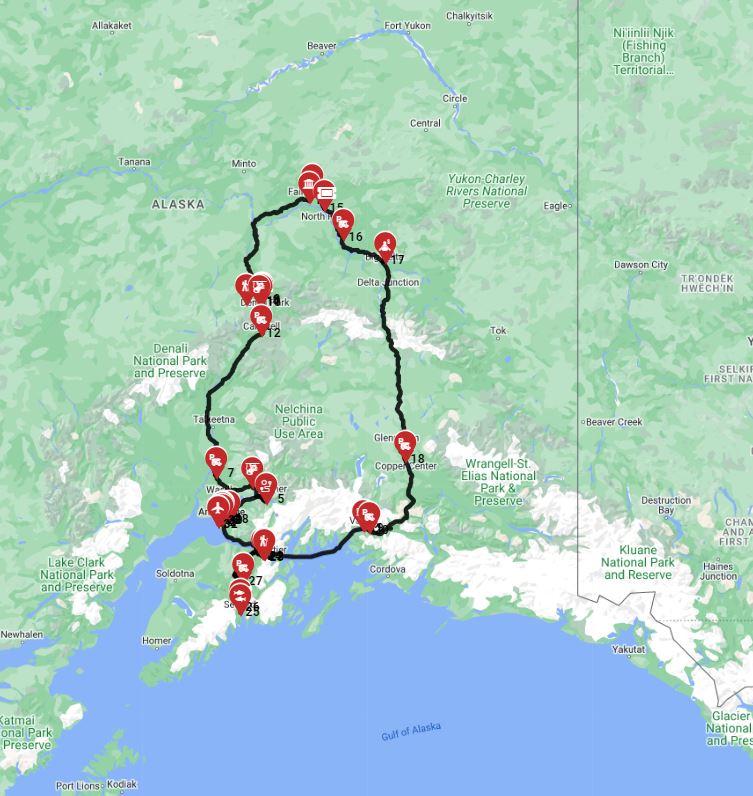
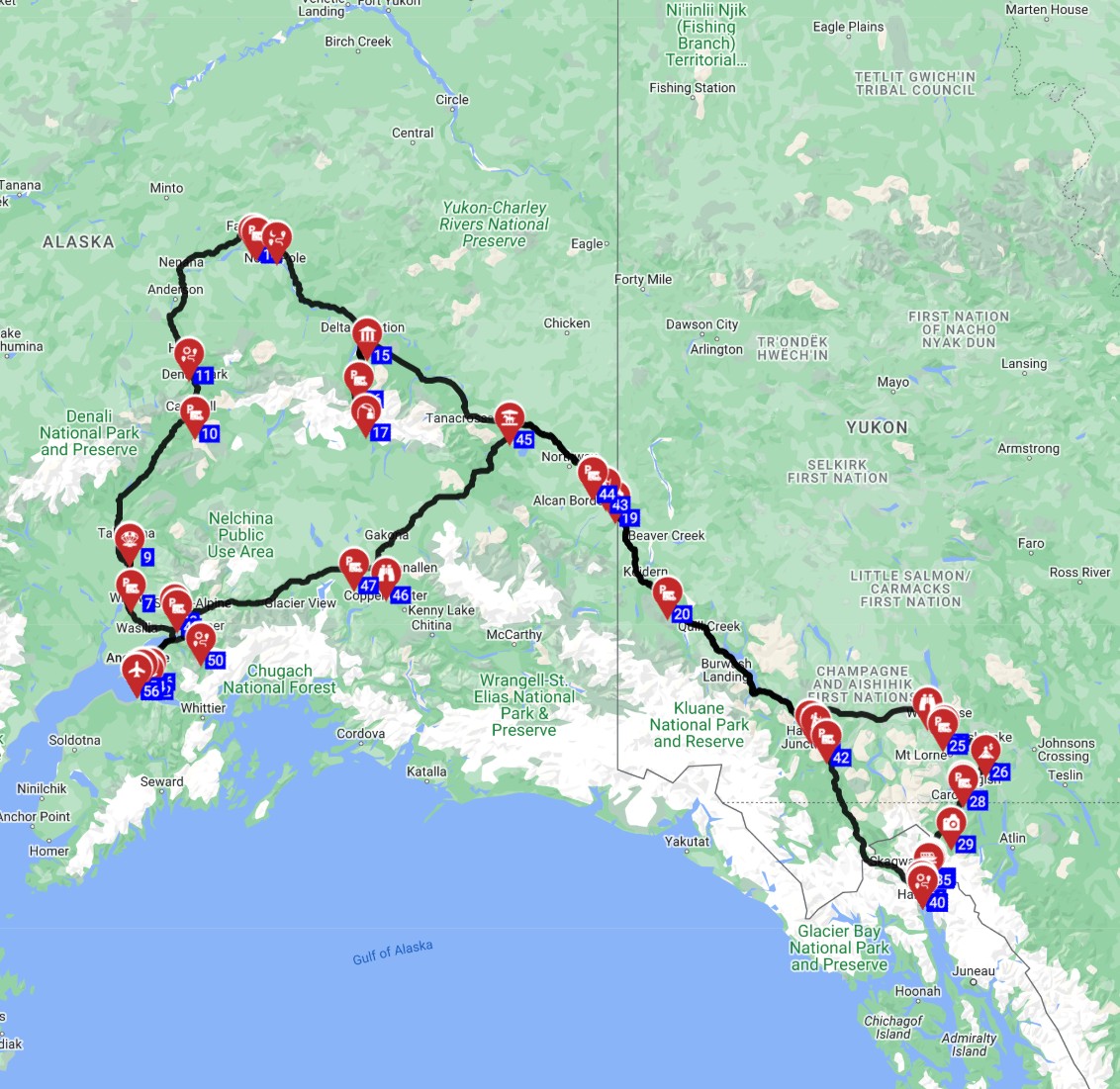
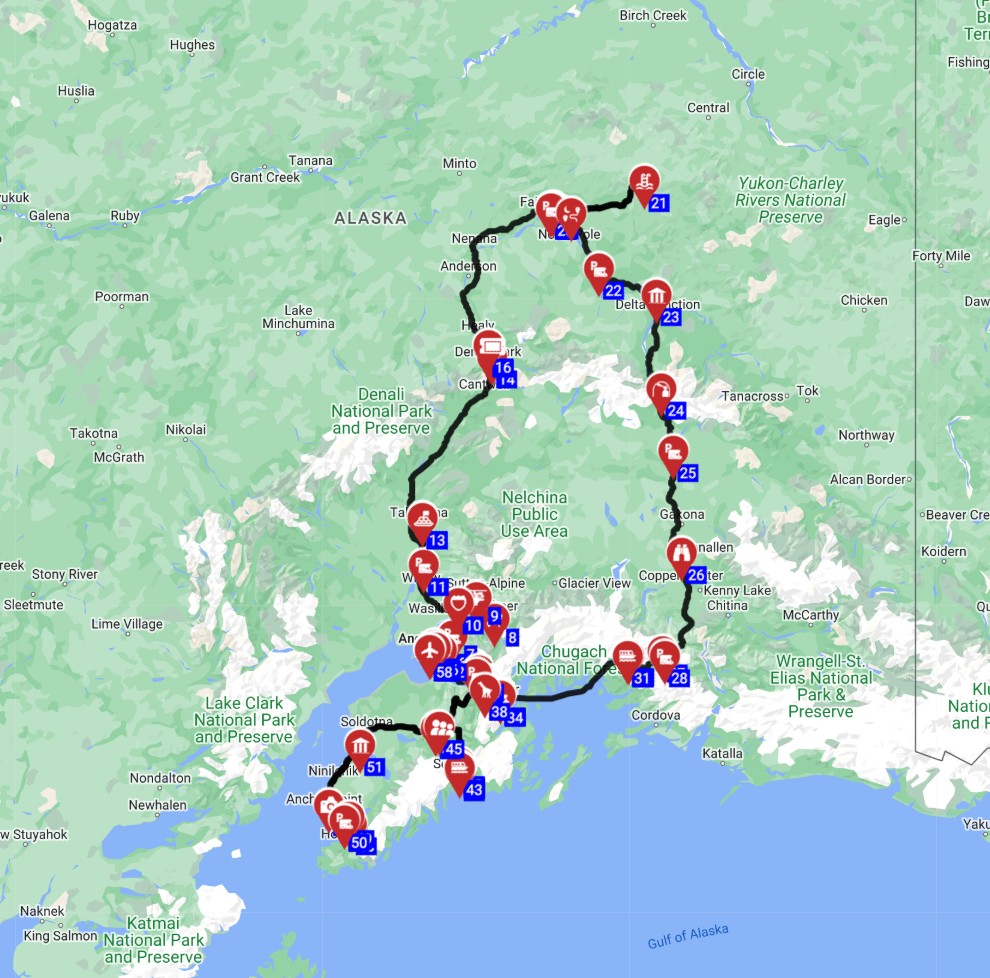
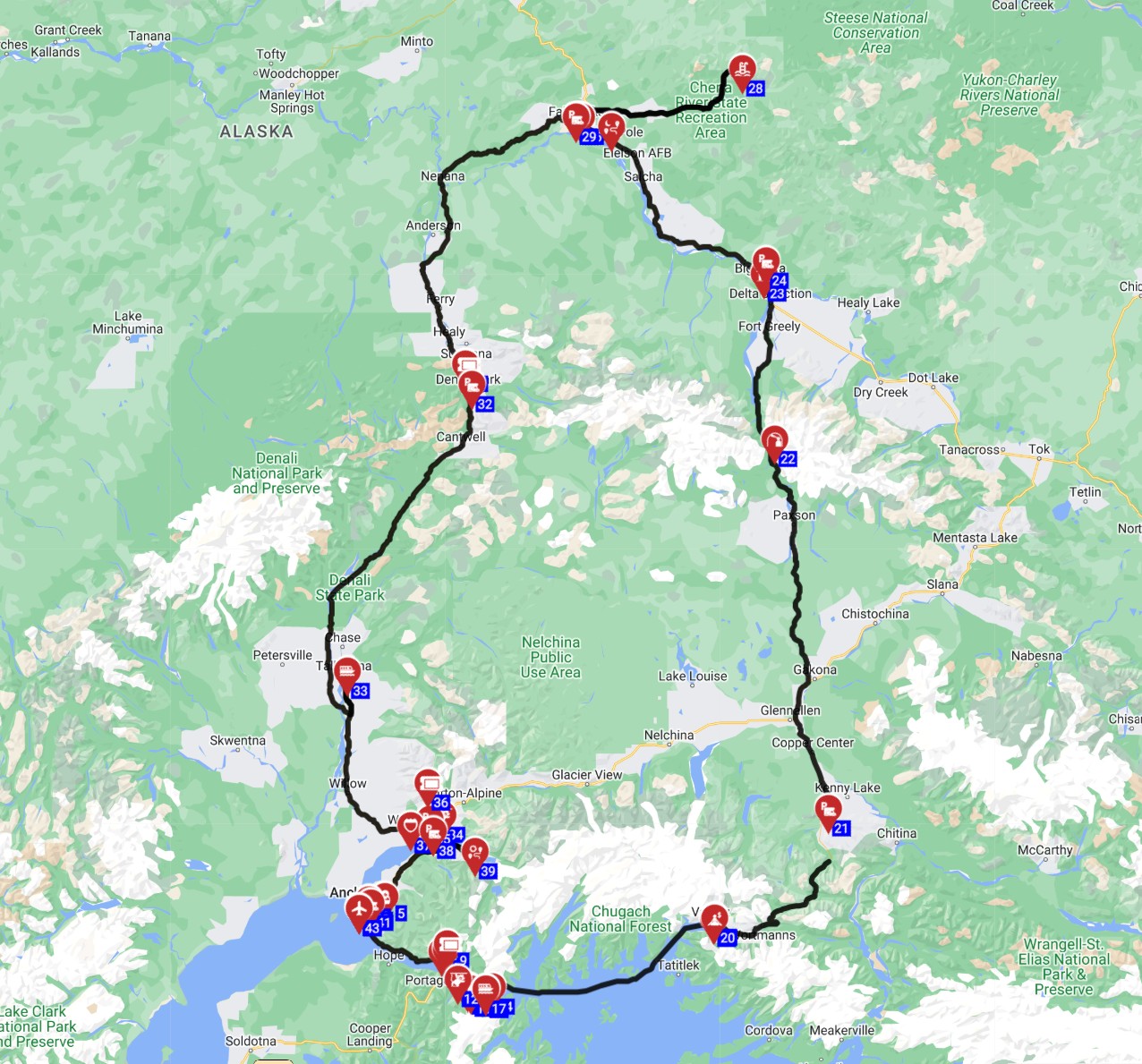
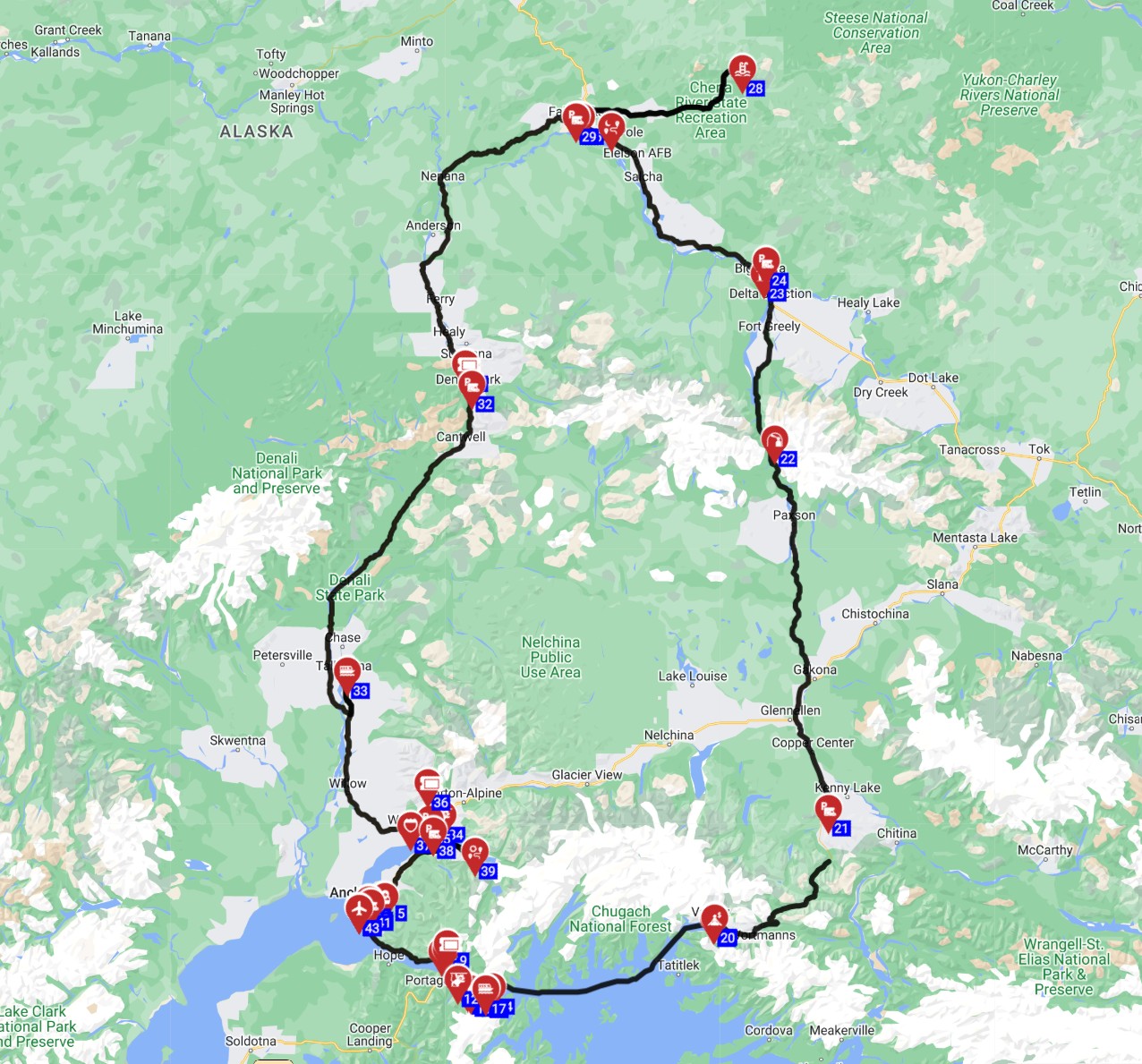
To help you find suitable campsites and plan your route, consider using RV PLANET (rvplan.net), a great resource for locating available spots and crafting detailed route plans. For instance, the "
Can I Drive an RV Into the City Center? Heights, Tunnels & Local Signage
Driving a rented RV into most Alaskan city centers, including popular destinations like Anchorage and Fairbanks, is generally permissible without major issues. Unlike some older, more densely populated urban areas, Alaskan cities typically feature wider roads and are designed with the capacity to handle larger vehicles. Tunnels or bridges with restrictive height limits are exceptionally rare on main urban routes, meaning standard RV heights usually pose no concern for navigation. The primary considerations for RV drivers in city centers revolve around finding suitable parking availability and carefully navigating busier intersections or one-way streets. Always pay close attention to local signage, which may indicate specific "no RV parking" zones, resident-only streets, or temporary restrictions. Remember to drive slowly and carefully, and you can drive almost anywhere without issues. No need to stress - just use common sense and pay attention.
What is the 3-3-3 rule for RV living?
The "3-3-3 rule" is a popular guideline for RV travelers that advocates for a relaxed and immersive travel pace, recommending that you drive no more than 300 miles (approximately 480 km) a day, arrive at your destination by 3 PM, and stay for at least 3 nights in each location. This driving limit helps prevent driver fatigue, allows for spontaneous stops at intriguing points of interest, and ensures you have ample time to truly appreciate Alaska's vast and stunning scenery. Arriving by 3 PM provides plenty of daylight to safely set up your campsite, perform any necessary chores, and begin exploring your new surroundings before dusk, which is particularly beneficial in unfamiliar Alaskan terrain. Finally, staying at least 3 nights in one spot reduces the constant stress of packing and unpacking, enabling a deeper exploration of an area, opportunities for rest and relaxation, and easier access to local services like laundry or provisioning. This rule perfectly aligns with Bandana Caravan's philosophy of slow travel, encouraging you to connect to the culture, the food, and the scenery of Alaska.
Can you sleep in an RV while driving in the USA?
It is illegal and highly unsafe for passengers to sleep or remain unbelted in a rented RV's living area while the vehicle is in motion anywhere in the USA, including Alaska. All passengers, regardless of age, must be seated in designated seating positions that are equipped with operational seatbelts, and they must wear these seatbelts whenever the RV is being driven. This regulation is a critical safety measure, as unrestrained occupants face a severe risk of injury in the event of sudden stops, evasive maneuvers, or an accident. Modern RVs are thoughtfully designed with specific, belted seating for travel that is distinct from the sleeping berths, which should only be utilized when the vehicle is safely parked and stationary.
Can I take my RV to Alaska?
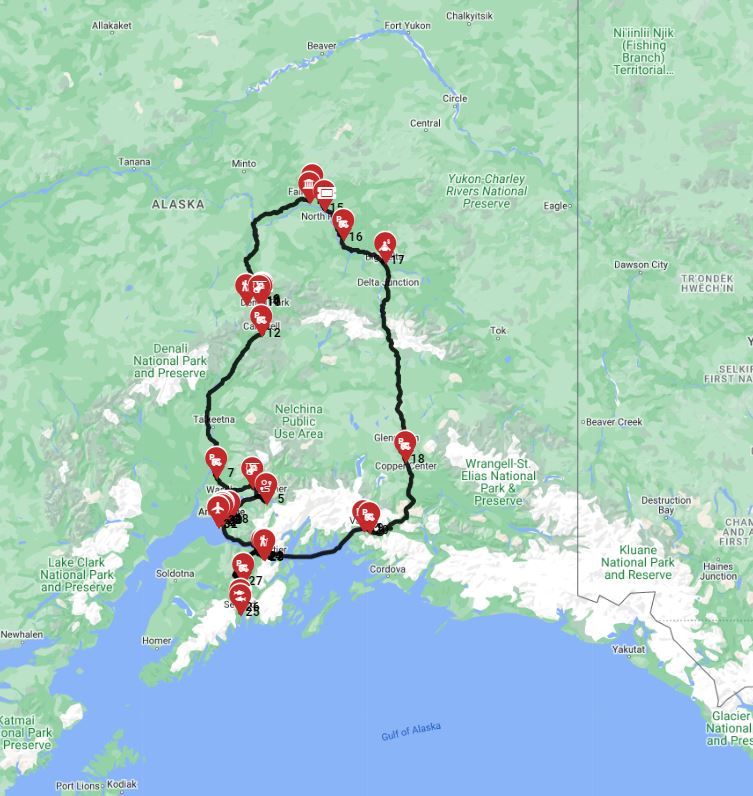
Yes, you can absolutely enjoy an RV adventure in Alaska; it is a highly popular and recommended mode of travel for experiencing the state's vast wilderness, often involving a memorable journey through Canada. The primary route for driving a rented RV to Alaska from the lower 48 states is via the iconic Alaska Highway, which traverses British Columbia and Yukon Territory in Canada. Before setting off, ensure your rented motorhome is in excellent mechanical condition, with good tires (including a spare), and always carry essential emergency supplies, as services can be sparse on long stretches of the highway. The ideal time for an RV trip to Alaska is typically from late May through early September when roads are generally clear of snow and ice, and most visitor services and campgrounds are fully operational. Driving your RV offers unparalleled freedom to explore Alaska's diverse landscapes and allows for incredibly flexible itinerary planning, enabling you to truly soak in the "Last Frontier." Consider exploring route plans like the "
Can you turn left on a red light in Alaska?
In Alaska, it is generally permissible to make a left turn on a red light exclusively when turning from a one-way street onto another one-way street, provided there are no signs explicitly prohibiting the turn. Before executing such a turn, drivers are legally required to come to a complete stop and yield to all opposing traffic and pedestrians. Always be vigilant for "No Turn on Red" signs, which clearly override this general permission for a left turn on red. Drivers of rented RVs should exercise extreme caution due to the vehicle's size and potential blind spots when making any turn, especially on a red light, ensuring the intersection is entirely clear before proceeding.
How do I transfer my license to Alaska?
Transferring a driver's license to Alaska is a process strictly relevant for individuals establishing permanent residency in the state, not for temporary visitors renting an RV for a vacation trip. If you are moving to Alaska and officially become a resident, you are typically required to obtain an Alaska driver's license within 90 days of establishing your residency. The procedure usually involves presenting your out-of-state license, along with valid proof of identity and proof of Alaskan residency, and subsequently passing a vision test. In some cases, a written knowledge test or even a driving test may also be required. For RV rental purposes, however, visitors from other U.S. states or foreign countries only need to possess a valid driver's license from their home jurisdiction, as clearly outlined in the "Can You Drive an RV in Alaska? License & Age Rules" section of this guide.
Do I need to register my trailer in Alaska?
For travelers who are renting an RV in Alaska, the rental company handles all aspects of vehicle registration; therefore, you do not need to concern yourself with it. However, if you are bringing your personal RV or trailer into Alaska, the registration requirements will depend on your residency status. When you rent an RV from a trusted provider like Bandana Caravan, the vehicle is already legally registered and properly insured by the company. Visitors bringing their own RV or trailer from another state or country for a temporary trip generally do not need to register it in Alaska, provided its current registration is valid in their home jurisdiction for the entire duration of their stay. If you decide to move to Alaska and establish residency, you are then legally required to register all your personal vehicles, including any trailers and RVs, with the Alaska Division of Motor Vehicles (DMV) within a specified timeframe after becoming a resident. Always ensure your personal RV or trailer's home-state registration remains current and valid for the entire duration of your unforgettable Alaska adventure.
What You Shouldn't Miss
- **Denali National Park and Preserve:** Drive the scenic Park Road (seasonal restrictions apply for private vehicles beyond Savage River) to witness North America's highest peak, Denali, and abundant wildlife.
- **The Kenai Peninsula:** Explore charming coastal towns like Seward and Homer, offering incredible opportunities for fishing, glacier cruises, and wildlife viewing.
- **Fairbanks and the Northern Lights:** Journey to Fairbanks, a prime location for viewing the aurora borealis, especially from late August through April.
- **Anchorage City and Surrounds:** Discover the state's largest city, offering cultural attractions, stunning mountain views, and easy access to Chugach State Park for hiking and outdoor activities.
- **Matanuska Glacier:** Take a guided tour to walk on this accessible and breathtaking glacier, located just a couple of hours' drive northeast of Anchorage.
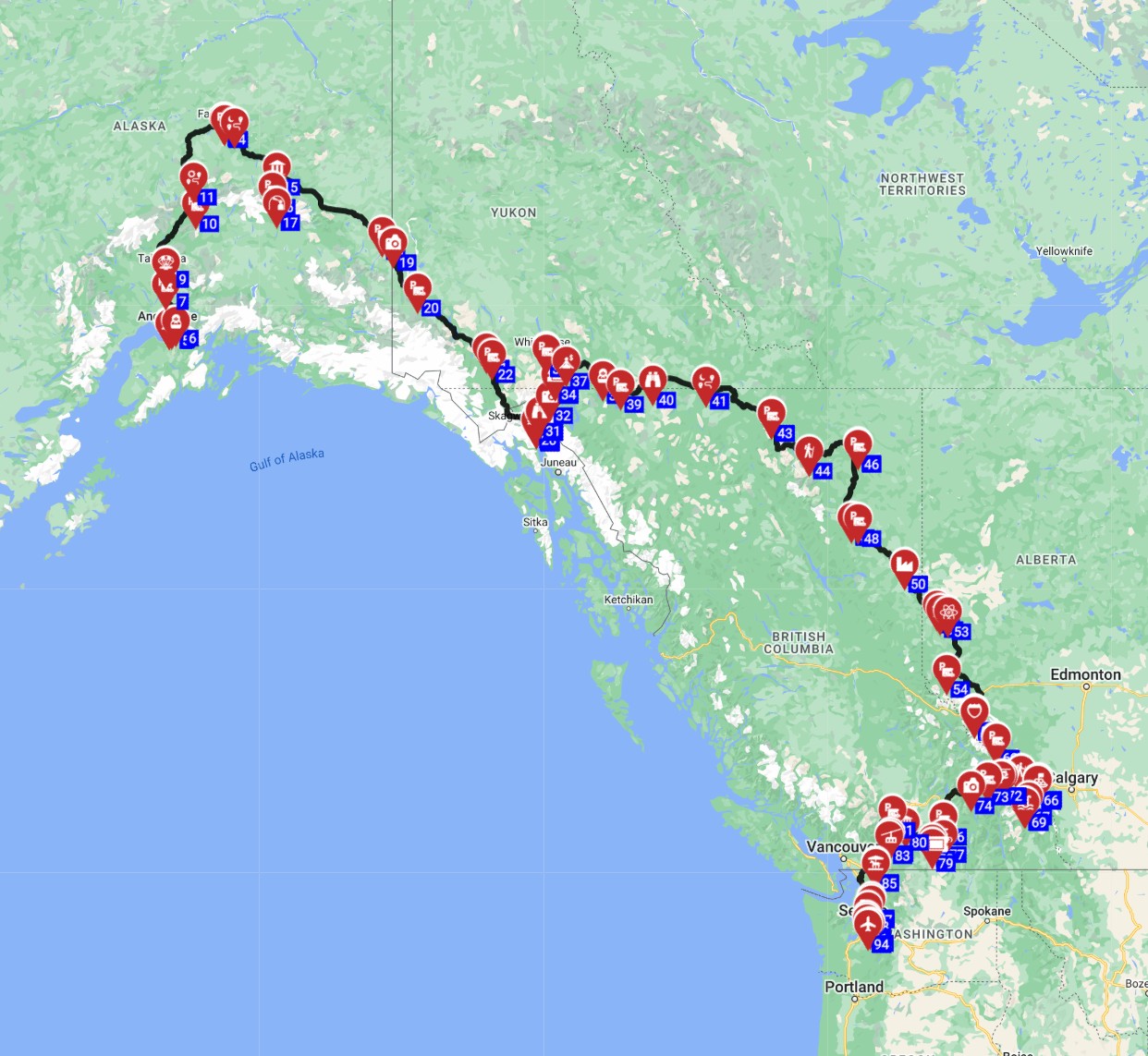
- **Alaska Highway Journey:** If coming from outside the state, experience the iconic drive through Canada on the Alaska Highway, a legendary route filled with stunning scenery and historical significance.
For more detailed route plans and expert insights, consider our RV Travel Guide to Alaska - Tips and Top Spots 2026. Additionally, RV PLANET offers a specific "Anchorage Roundtrip Heading North - The Great Alaskan Wilderness Road Trip" (15 days, 1929.9 km) that highlights 2 wildlife viewings, 2 museums, and 4 tourist attractions, giving you a professional, pre-planned route for an unforgettable journey.
Final Thoughts
Alaska, the Last Frontier, beckons with its unparalleled natural beauty and vast wilderness, offering an RV adventure like no other. From navigating scenic highways to discovering remote campgrounds, a rented motorhome or campervan provides the ultimate flexibility to immerse yourself in this incredible state. Remember to embrace the spirit of slow travel, allowing yourself the time to truly connect with the awe-inspiring landscapes, rich culture, and diverse wildlife that Alaska presents.
At Bandana Caravan, we are passionate about making your RV rental experience as seamless and joyful as possible. With our commitment to full transparency, expert pre-booking support, and a wide array of quality vehicles, you're well-equipped for an unforgettable journey. So, pack your bags, prepare for wonder, and let the open roads of Alaska lead you to extraordinary moments.
Ready to plan your Alaskan odyssey? Discover top destinations and planning tips all in one place, or explore available rentals now!