In This Guide
- Top 5 Tips for RV Rental in Madrid
- Before You Book - Class, Dates, Insurance
- Pre-Trip Prep - Packing Checklist for Madrid
- On the Road - Driving, Fueling, Navigation
- At the Campground - Setup, Hookups & Etiquette
- RV Rental-Specific Tips for Madrid
- Common Mistakes to Avoid in Madrid
- What are the new motorhome rules in Spain?
- Is Spain campervan friendly?
- What do I need to take my motorhome to Spain?
- Can you rent an RV in Spain?
- What is the 3-3-3 rule when RVing?
- What do I need to know before renting an RV?
- What are the drawbacks of renting an RV?
Madrid, Spain's vibrant capital, offers an unparalleled starting point for a motorhome adventure, providing access to rich history, diverse landscapes, and delicious cuisine. To truly experience the magic of Spain with the freedom of a rented motorhome or campervan, savvy planning is key, especially when navigating a major city like Madrid. For live availability and current prices, start with our RV Rental Madrid - Complete Guide 2026 guide.
Top 5 Tips for RV Rental in Madrid
Navigating Madrid in a rented RV requires specific local knowledge to ensure a smooth and enjoyable trip, particularly concerning city access and parking regulations. Understanding these rules is crucial for avoiding fines and making the most of your adventure. Drive slowly and carefully, and you can drive almost anywhere without issues. No need to stress - just use common sense and pay attention.
- **Understand Madrid's Low Emission Zones (ZBE):** Madrid has strict environmental regulations for vehicles entering its central areas, known as Zonas de Bajas Emisiones (ZBE). All RVs need a DGT environmental sticker to access these zones, though most modern rental vehicles come equipped with the appropriate "C" or "ECO" label. Always verify your rental's sticker and plan routes that skirt the city center or utilize public transport from peripheral parking.
- **Pre-book RV parking or campsites on Madrid's outskirts:** Designated RV parking or campsites on Madrid's periphery, such as Camping Madrid Arco de Gredos or Camping Internacional Aranjuez, offer secure spots with easy public transport links into the city center. For finding campsites and campgrounds during your trip, we recommend using RV PLANET (rvplan.net) - a great resource for locating available spots along your route.
- **Plan Madrid as a base for day trips, avoiding driving the RV into the city center:** Use your rented motorhome as a comfortable hub parked on the outskirts, and explore Madrid's attractions like the Prado Museum, Retiro Park, or Plaza Mayor by metro or bus. This approach eliminates the stress of urban RV parking and navigation, allowing for relaxed daily excursions.
- **Familiarize yourself with local municipal bylaws regarding RV parking and overnight stays:** While national DGT rules permit RVs to park where cars can, individual municipalities, especially around Madrid, may have specific restrictions on overnight stays or 'wild camping.' Always check local signage and regulations in advance for areas like the Sierra de Guadarrama or nearby towns like Toledo.
- **Prioritize safety and security for your RV and valuables when parked near the city:** When parking your motorhome or campervan, especially overnight, choose well-lit, secure, and official locations. Utilize all vehicle locks, close windows, and keep valuables out of sight to deter potential theft, ensuring peace of mind during your Madrid adventure.
Before You Book - Class, Dates, Insurance
Choosing the right motorhome or campervan for your Madrid adventure depends on your group size, comfort preferences, and driving confidence in European settings. Bandana Caravan streamlines this process by offering full transparency and comparing options from over 50 leading RV suppliers worldwide, ensuring no hidden fees or surprises.
For city-adjacent travel in Madrid, a smaller, more nimble RV like the "rv rental denver example Category Van" or a "Paradise Camper 4x4 double cab" is often preferred. These Class B campervans, typically under 6 meters in length, offer easier maneuverability and parking on the city's outskirts compared to larger Class A motorhomes. The "V2L" model, for example, is 5.99m long with a 2-burner gas stove, ideal for a couple and offers 100 liters of fresh water storage.
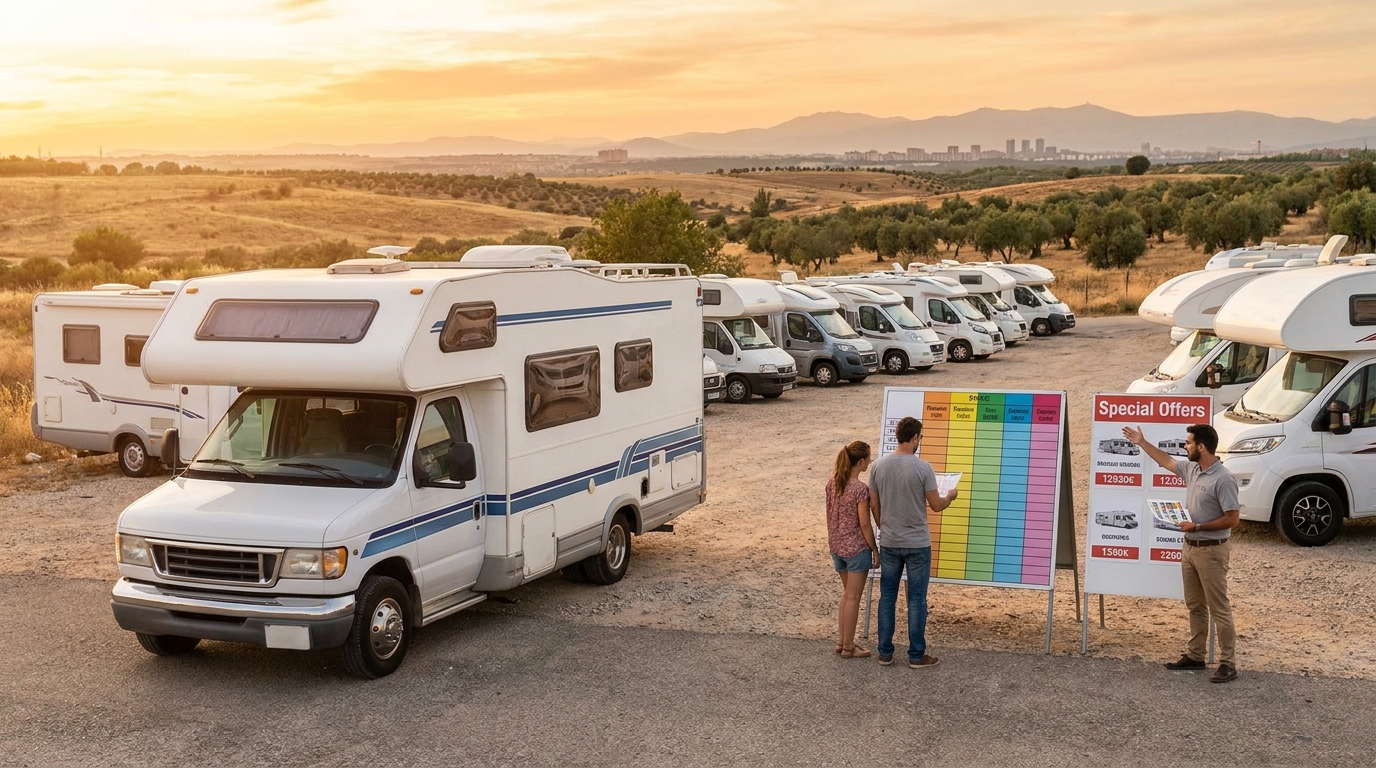
Booking your rental motorhome well in advance, especially for popular seasons like spring (April-June) and autumn (September-October) in Madrid, can secure better rates and a wider selection of vehicles. We generally recommend booking 3-6 months ahead for peak travel. Basic insurance is included with all rentals; however, you can select comprehensive options during your search on Bandana to see full prices, including features like top-level deductible reimbursement for extra peace of mind. Our 24/7 support is always available to help you understand coverage details and roadside assistance options before you confirm your booking.
Pre-Trip Prep - Packing Checklist for Madrid
A comprehensive packing checklist ensures you're fully prepared for your RV rental adventure in Madrid, covering everything from essential documents to practical on-the-road items. Having your documents in order, like a valid driving license (your national license is sufficient, though an International Driving Permit is recommended for non-EU visitors for ease of translation) and your passport, is crucial for smooth border crossings and rental pickups.
Don't forget the practical essentials for Spanish roads, including a DGT environmental sticker for Madrid's Low Emission Zones (ZBE), a high-visibility vest, and two warning triangles, which are legally mandatory. A robust GPS system with updated European maps and pre-loaded RV dimensions will be invaluable for navigating Spain's road network, especially around Madrid, which is the historical "Km 0" for all major national roads. Consider also packing travel adapters for European outlets, a first-aid kit, layered clothing for varying Spanish climates, comfortable walking shoes for city exploration, and sun protection for sunny days. For cooking on board your rented RV, basic cooking essentials, refillable water bottles, and reusable bags will enhance your self-sufficient travel style. You might even find some inspiration for meals from our RV-friendly recipes playlist.
On the Road - Driving, Fueling, Navigation
Driving your rented motorhome or campervan in Spain, particularly around Madrid, involves adhering to specific road rules and practicing attentive navigation. RVs generally have lower speed limits than cars on Spanish roads; for example, on conventional roads, the limit for vehicles over 3,500 kg is typically 80 km/h, while on motorways it's 90 km/h. Fueling is straightforward, with "Gasóleo" or "Diésel" widely available at service stations throughout the country. Prices can fluctuate, so keep an eye out for competitive rates, especially outside major cities.
Navigating near Madrid requires careful attention to its Low Emission Zones (ZBE), which restrict access for vehicles without appropriate DGT environmental stickers. A GPS system that allows input of your RV's dimensions (height, width, length) is highly recommended to avoid narrow streets, low bridges, and restricted zones within urban centers. Many RV PLANET routes include detailed navigation notes. When approaching Madrid, consider using ring roads like the M-30 and M-40 to bypass the city center and head directly to pre-booked campsites or Áreas de Autocaravanas on the periphery, such as the ones found near the A-2 or A-4 highways.
At the Campground - Setup, Hookups & Etiquette
Setting up your rented RV at a campground near Madrid is a straightforward process, but understanding the local etiquette enhances the experience. Upon arrival at your designated pitch, carefully position and level your motorhome using ramps or blocks to ensure comfort and proper drainage. Connecting hookups typically follows a sequence: first, attach your fresh water hose to the potable water supply, then connect your electricity cable, and finally, secure your waste hoses to the grey and black water disposal points.
Spanish campsites, like Camping El Escorial (about 50 km from Madrid), often observe quiet hours, including evening periods (usually 11 PM to 8 AM) and a midday 'siesta' from around 2 PM to 5 PM. During these times, keep noise levels down and be mindful of your neighbors. Familiarize yourself with specific campsite rules regarding waste disposal, recycling, and children's play areas to ensure a harmonious stay. Most well-equipped campsites, such as Camping Alpha just south of Madrid, offer shower facilities, toilets, and laundry services. Remember that all ancillary trip costs, including campground fees and fresh water refills, can be itemized and tracked through RV PLANET routes for easy budgeting. On the routes offered through RV PLANET routes, you can itemize and track every expense along the way for easy budgeting.
RV Rental-Specific Tips for Madrid
Tailoring your RV rental experience to your travel style in Madrid ensures a more personalized and enjoyable trip. For families with children, a larger Class C motorhome like the "MHC28" (7.3m long with sleeping for 7 people and a 210-liter waste water tank) provides ample space, multiple beds, and a full kitchen for preparing meals (don't forget to check our RV-friendly recipes playlist). Planning shorter drives between attractions and integrating kid-friendly spots like the Parque Warner Madrid amusement park will keep everyone happy. Retired couples might prefer a compact, automatic campervan such as the "Active Standard Auto" for ease of driving and parking, focusing on relaxed sightseeing and campsites with direct public transport links to Madrid's cultural sites.
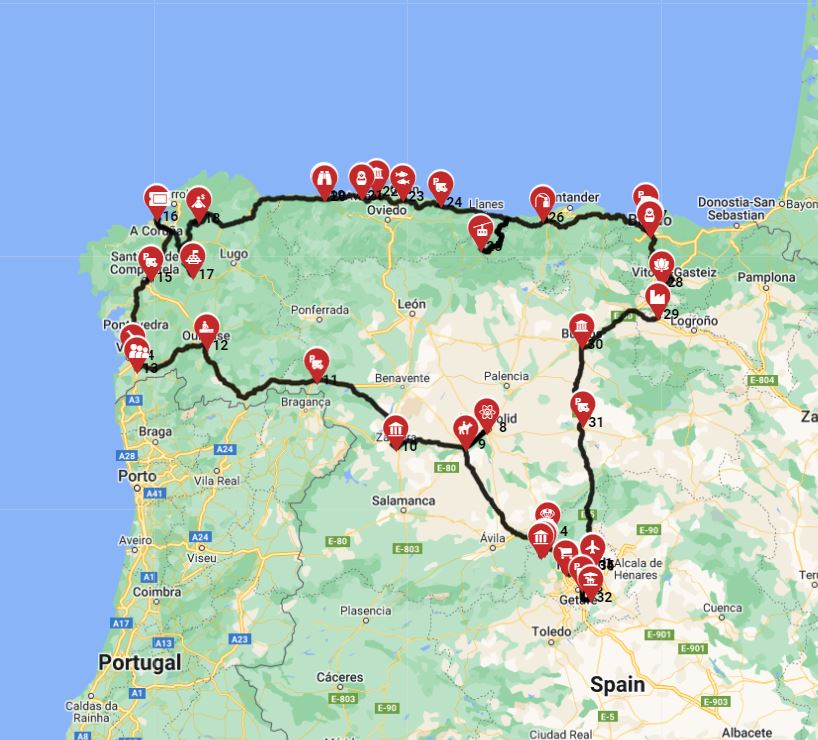
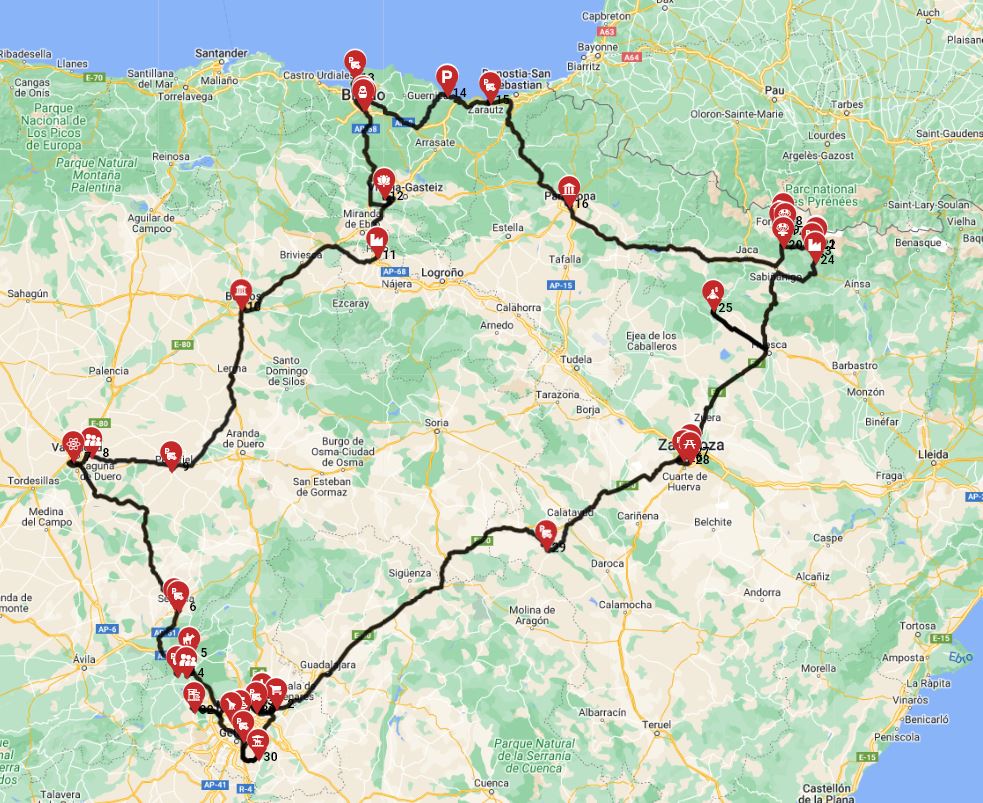
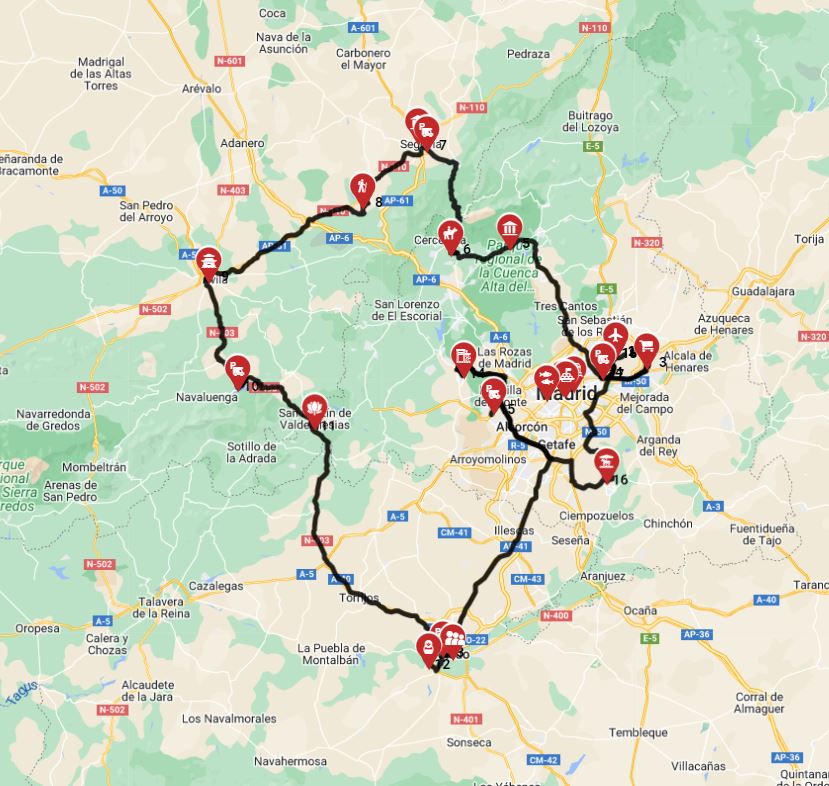
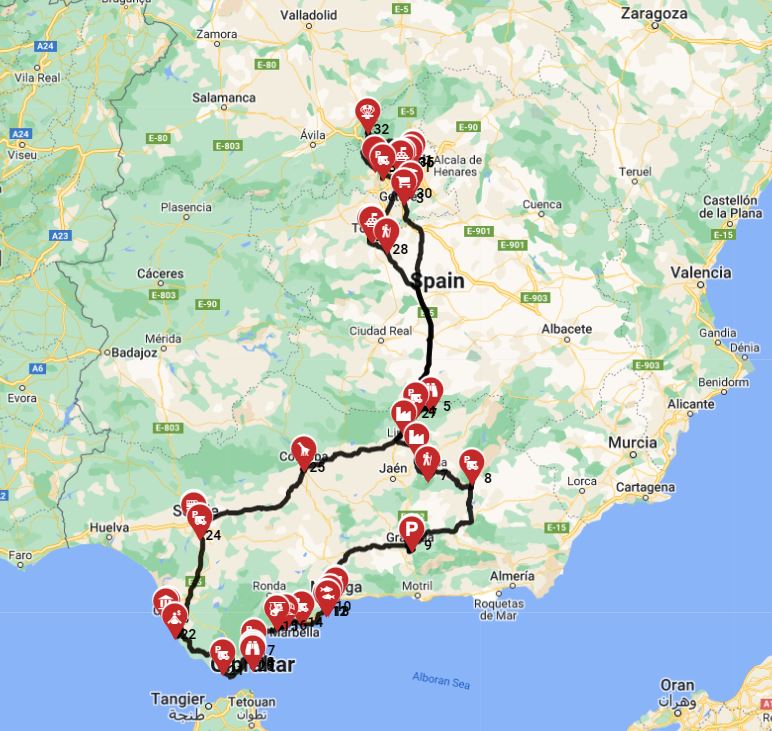
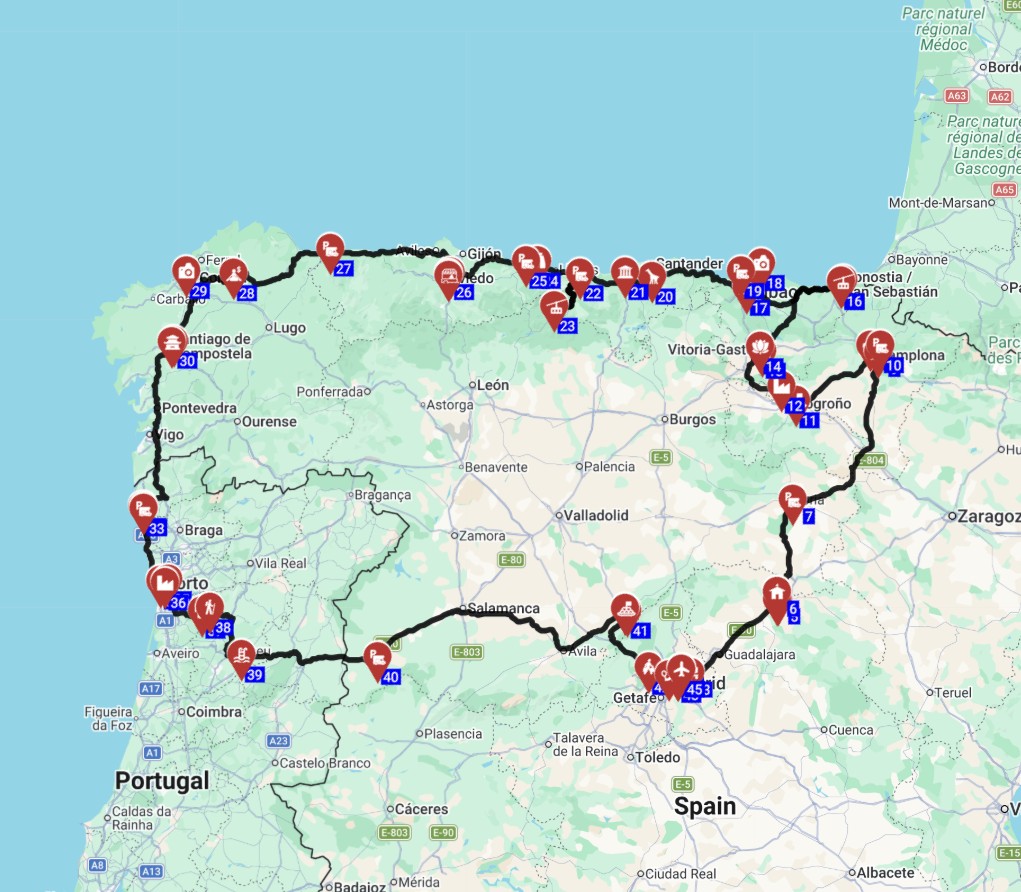
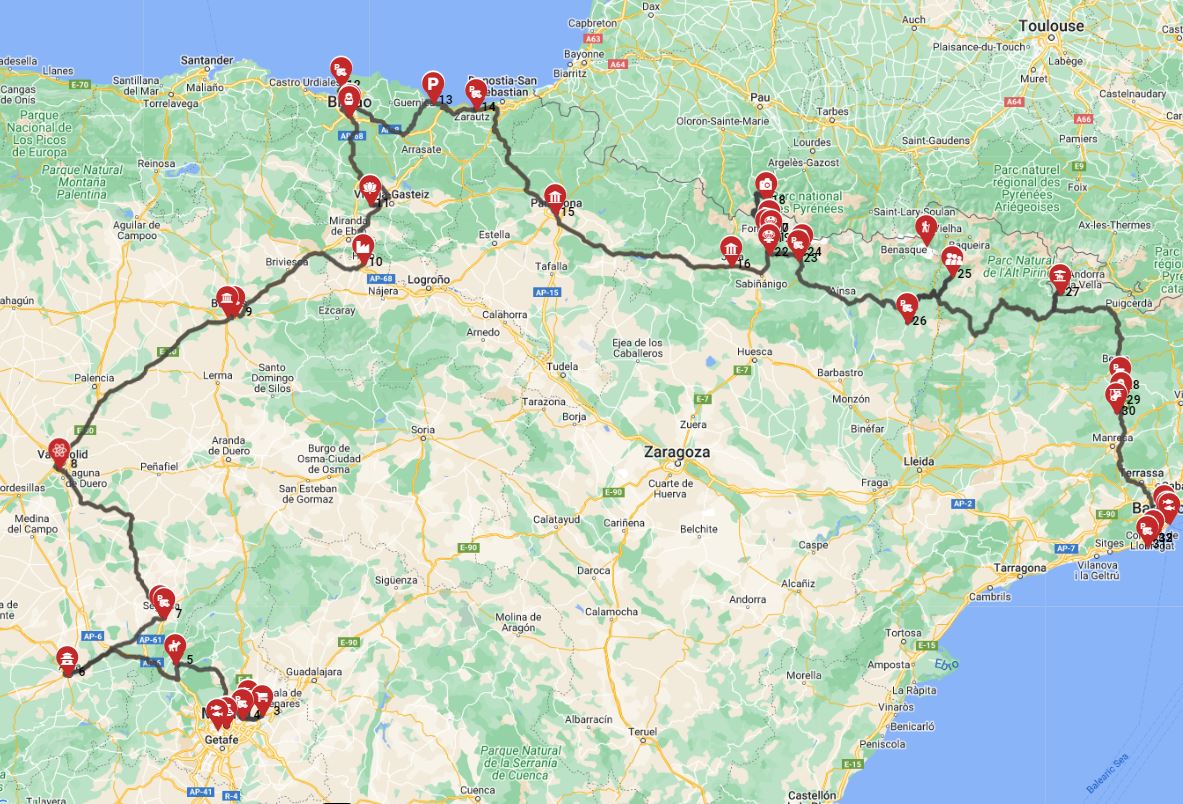
Budget travelers can significantly cut costs by utilizing *Áreas de Autocaravanas* for overnight stays, which often provide basic services like fresh water and waste disposal at minimal or no charge. Cooking most meals in your RV's kitchen and relying on Madrid's extensive public transport system for city exploration further reduces expenses. Conversely, luxury seekers can indulge in premium Class A integrated motorhomes (like the "Comfort Luxury" model with a 100-liter fresh water tank) and book full-service campsites offering amenities like swimming pools and gourmet restaurants, complementing their experience with pre-booked private tours to locations like the Royal Palace of Madrid or El Escorial. Consider embarking on the "Madrid Roundtrip" route, an 8-day, 562.4 km journey curated by professionals.
Common Mistakes to Avoid in Madrid
First-time RV renters in Madrid can easily avoid common pitfalls with a bit of foresight and adherence to local regulations. A significant mistake is attempting to drive a larger RV directly into Madrid's central ZBE without the correct DGT environmental sticker, which can result in fines ranging from €90 to €200. Always opt for public transport from an outer parking area like those near Metro stations on the M-40 ring road. Another common error is underestimating the challenge of RV parking in the city; secure, pre-booked spots at designated *Áreas de Autocaravanas* or private campgrounds on the outskirts are essential for peace of mind.
Furthermore, travelers sometimes fail to secure valuables adequately or choose unlit, unofficial parking areas, increasing the risk of theft. Always use all available locks and keep important items out of sight, especially near tourist hotspots. Lastly, a frequent oversight is not researching local municipal bylaws for overnight parking or 'wild camping,' which vary significantly around Madrid. While national law is generally permissive for parking, specific town ordinances, particularly in popular natural areas or coastal regions (though not directly applicable to Madrid, it's a common Spanish RV rule), can prohibit overnight stays outside official campgrounds. Consulting resources like RV PLANET before your trip can help you identify compliant spots and avoid unexpected issues.
What are the new motorhome rules in Spain?
Spain's motorhome rules have evolved to clarify the distinction between "parking" and "camping," with key regulations affecting access to Low Emission Zones (ZBE) in cities like Madrid. The general DGT rule states that a motorhome can park anywhere a car can, provided it is properly parked within marked lines and no external elements (like awnings, tables, or leveling jacks) are extended. This clarifies that merely existing in a parked state is usually permitted, but setting up camp is not.
However, local municipalities, particularly around major urban centers like Madrid, retain the authority to impose stricter parking and overnight stay restrictions. Madrid's ZBE, for instance, requires RVs to display specific DGT environmental stickers (B, C, ECO, or 0) for access, with penalties for non-compliance. Additionally, all vehicles traveling in Spain must carry mandatory safety equipment, including a high-visibility vest for each occupant and two warning triangles, ready for use in case of a breakdown.
Is Spain campervan friendly?
Spain is generally very campervan friendly, offering a fantastic infrastructure for RV travel, though urban centers like Madrid present specific challenges requiring forethought. The country boasts an extensive network of campsites and dedicated *Áreas de Autocaravanas* (motorhome service areas) that provide essential services such as fresh water, waste disposal, and often electricity. These facilities are particularly abundant along popular touring routes and in proximity to national parks, such as the Sierra de Guadarrama near Madrid.
Despite this general friendliness, local restrictions, especially within Madrid's ZBE and specific municipal bylaws on overnight parking, necessitate advance planning. While Spanish road infrastructure is excellent, some rural or historic village roads can be quite narrow for larger rented motorhomes, making compact campervans (like the "Active Classic" model with basic amenities) a preferred choice for exploring more secluded regions. Overall, with a bit of research and adherence to local rules, a motorhome or campervan trip through Spain is a highly rewarding experience.
What do I need to take my motorhome to Spain?
To embark on a memorable motorhome journey in Spain, especially with Madrid as your starting point, ensure you have all the necessary documents and safety equipment. You will need a valid driving license (for EU citizens, your national license is sufficient; for non-EU visitors, an International Driving Permit is highly recommended alongside your national license) and all rental vehicle documents (registration, insurance papers). Your rented RV will be provided with all required paperwork by the rental company.
Legally required safety equipment for all vehicles in Spain includes a high-visibility vest for every occupant and two warning triangles to be placed in front of and behind your vehicle in case of a roadside stop. Furthermore, for entry into Madrid's Low Emission Zones (ZBE) and other restricted urban areas, your RV must display the correct DGT environmental sticker, which is usually pre-applied by the rental company. Recommended additional items include a first-aid kit, European breakdown cover (often included with rental insurance), and a spare set of light bulbs, though many modern RVs use LED lights that do not require spare bulbs.
Can you rent an RV in Spain?
Yes, you can absolutely rent an RV in Spain, with numerous reputable rental companies operating across the country, particularly in major cities like Madrid and Barcelona. Bandana Caravan partners with over 50 leading suppliers worldwide, including popular names like El Monte, Cruise America, Apollo, and Britz, to offer a vast selection of vehicles in Spain.
Travelers can choose from a wide range of RV types to suit their needs, from compact campervans ideal for couples or solo adventurers, such as the "rv rental denver example Category Van," to spacious Class C motorhomes perfect for families or groups, like the "Euro Deluxe" model (a Class C motorhome featuring 3 double beds). Renting an RV in Spain provides unparalleled flexibility, allowing you to explore diverse Spanish landscapes, from the historical sites surrounding Madrid to the coastal regions and mountain ranges, all at your own pace. Most rental packages include basic insurance and breakdown assistance, and with Bandana's full transparency, you'll encounter no hidden fees or surprises.
What is the 3-3-3 rule when RVing?
The 3-3-3 rule is a popular guideline among RV travelers that promotes a relaxed, enjoyable pace, especially beneficial for exploring regions like Madrid and its surroundings. This principle suggests driving no more than 300 kilometers (approximately 186 miles) per day, ensuring you don't spend excessive hours behind the wheel.
It also advises arriving at your chosen destination or campground by 3 PM, allowing ample time to set up your rented motorhome, explore the local area before dark, and relax without feeling rushed. Finally, the rule recommends staying for at least 3 days at each location, encouraging deeper immersion in the local culture, food, and scenery rather than simply passing through. Adhering to the 3-3-3 rule helps minimize driving fatigue, maximizes leisure time, and allows for more spontaneous discoveries, such as visiting a local market near Madrid or taking a leisurely hike in a nearby natural park. We generally recommend slow travel, averaging 100-150 km per day, to truly feel the place.
What do I need to know before renting an RV?
Before you commit to an RV rental in Madrid, understanding several key aspects of the rental process and vehicle operation is essential for a smooth journey. First, consider the different RV classes available: Class B campervans (like the "V3" model, a 2-berth with an automatic transmission and 100L fresh water tank) are compact and maneuverable, ideal for city fringes, while larger Class C motorhomes (such as the "Category Family 5" model, 7m long, with sleeping for 6) offer more living space for families. Carefully read the rental agreement regarding mileage limits, fuel policies (return full or incur a fee), and cleaning requirements to avoid unexpected charges. Bandana ensures full transparency, so you'll always know these details upfront.
Review your insurance options thoroughly. While basic third-party liability is usually included, upgrading to a top-level deductible reimbursement option provides enhanced peace of mind. Furthermore, research local driving rules, such as Spain's mandatory high-visibility vests and warning triangles, and be aware of specific city regulations like Madrid's Low Emission Zones (ZBE) which require appropriate DGT environmental stickers. Knowing these details in advance allows you to choose the right vehicle and prepare for a stress-free trip.
What are the drawbacks of renting an RV?
While RV rental offers incredible freedom and flexibility, travelers should be aware of potential drawbacks, especially when planning a trip around a major city like Madrid. One significant consideration is the overall trip cost, which can accumulate beyond just the rental fee to include fuel (a 75-liter tank like on the "V2L" Class B motorhome might require frequent refills on longer journeys), campground fees, propane, dump fees, and tolls. On average, a week-long RV trip can cost €1000-€1500 including rental and ancillary expenses. Managing these additional costs can be simplified through RV PLANET routes, where you can itemize and track every expense.
Another challenge is the learning curve associated with driving and maneuvering a larger vehicle, particularly in unfamiliar urban environments such as Madrid. While you can drive almost anywhere without issues if you drive slowly and carefully, narrow streets, bustling traffic, and strict Low Emission Zones can be intimidating. Finding suitable parking and overnight spots in popular city centers or residential areas of Madrid can also be difficult, often requiring pre-booking at dedicated *Áreas de Autocaravanas* on the outskirts. These factors mean that while RV travel in Spain is rewarding, it requires careful planning to mitigate these potential disadvantages.
What You Shouldn't Miss
Looking for expert insights from Avi Bandana? Top 5 Adventures - recommendations from Avi Bandana
- Explore the Royal Palace of Madrid: The largest royal palace in Western Europe, with over 3,418 rooms, is a must-see. Park your RV at a peripheral campsite (like Camping Alpha) and take public transport directly to Opera Station, just a short walk away.
- Wander through Retiro Park: This vast and beautiful park in the heart of Madrid offers a peaceful escape with its Crystal Palace, rose gardens, and a tranquil lake where you can row boats. It’s perfect for a leisurely afternoon after a morning of city exploration.
- Day Trip to Toledo: A UNESCO World Heritage city, Toledo is just an hour's drive south of Madrid and an excellent RV-friendly excursion. You can park your motorhome at the dedicated 'Área de Autocaravanas' near the bus station (coordinates 39.8604, -4.0200) and explore its medieval streets, impressive cathedral, and El Greco masterpieces.
- Savor Tapas in La Latina: Experience authentic Madrid by enjoying tapas in the historic La Latina neighborhood. Park your RV at a secure location outside the city, take the metro, and immerse yourself in the lively atmosphere, hopping from bar to bar for small plates and local wines.
- Hike in Sierra de Guadarrama National Park: Just an hour's drive north of Madrid, this national park offers stunning mountain landscapes, hiking trails, and the chance to spot local wildlife like deer and various bird species. There are RV-friendly parking areas and campgrounds on the park's fringes, providing a refreshing natural contrast to city life.
- Visit the Prado Museum: Home to masterpieces by Spanish and European masters like Goya, Velázquez, and El Greco, the Prado is one of the world's finest art museums. Combine this cultural immersion with a stay at a campsite connected by public transport for easy access.
Final Thoughts
Renting an RV for your Madrid adventure opens up a world of possibilities, from exploring the city's iconic landmarks to embarking on scenic day trips to historical gems like Toledo or the natural beauty of Sierra de Guadarrama. By understanding local regulations, planning your parking, and choosing the right vehicle from our extensive fleet of motorhomes and campervans, you'll be well-equipped for an unforgettable journey.
Remember, the key to a stress-free trip is embracing slow travel, averaging 100-150 km per day, allowing you to truly connect with Spain's culture and landscapes. At Bandana Caravan, we are with you every step of the way, offering transparent pricing, expert advice, and comprehensive support so you can focus on making incredible memories. Get inspired for your next trip!
Find Motorhome Rentals in Madrid