In This Guide
- Top 5 Tips for RV Rental in Alaska
- Before You Book — Class, Dates, Insurance
- Pre-Trip Prep — Packing Checklist for Alaska
- On the Road — Driving, Fueling, Navigation
- At the Campground — Setup, Hookups and Etiquette
- RV Rental-Specific Tips for Alaska
- Common Mistakes to Avoid in Alaska
- What is the 3-3-3 rule for RVs?
- What is the 4-4-4 rule for RV travel?
- Should I rent an RV in Alaska?
- What do I need to know before renting an RV?
- How much rent RV in Alaska average cost?
- Is it cheaper to rent an RV or stay in a hotel?
- What is the 3 3 3 rule for rving?
- What is the 4 4 4 rule for RV?
- What is the best time of year to RV to Alaska?
- What not to forget on an RV trip?
Top 5 Tips for RV Rental in Alaska
Renting an RV for an Alaskan adventure offers unparalleled freedom and immersion in nature. To make the most of your journey, consider these essential tips. For live availability and current prices, start with our RV Rental Alaska - Complete Guide 2026 guide.
1. Book Well in Advance: Alaska's popularity means securing your preferred RV and campsites 6-12 months ahead is crucial, especially for the peak summer season (mid-June to mid-August). This ensures the best selection and rates, particularly for larger RVs or specific park locations. Consider booking during shoulder seasons like May or September for fewer crowds and potential savings.
2. Factor in Longer Drive Times: Alaska's distances are immense, and road conditions can vary. What might look like a short drive on a map can take significantly longer due to winding roads, potential construction, and the irresistible urge to stop for wildlife viewing or breathtaking scenery. Plan for shorter daily drives, averaging 100-150 km, to truly savor the experience and avoid fatigue.
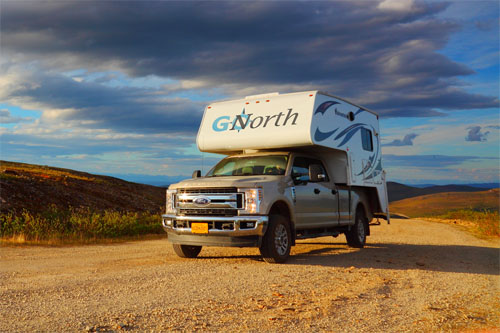
3. Choose the Right RV for the Terrain: While most paved roads are well-maintained, some popular routes may include gravel sections. If your itinerary could venture onto less-maintained roads, opt for an RV with good ground clearance. Always check your rental agreement for specific restrictions on gravel or unpaved roads, as traveling on them may void your insurance.
4. Pack for All Seasons: Alaskan weather is notoriously unpredictable. Even in summer, temperatures can fluctuate dramatically, and rain or wind can appear with little warning. Pack versatile, layered clothing, including waterproof and windproof outer layers, warm sweaters or fleeces, insulated hats, and gloves. Sturdy, waterproof hiking boots are also a must.
5. Prioritize Wildlife and Bear Safety: Alaska is home to incredible wildlife, but also bears. Familiarize yourself with bear safety protocols, which include proper food storage in your RV, making noise while hiking, and carrying bear spray, especially in more remote areas. Always be aware of your surroundings and give wildlife plenty of space.
Before You Book — Class, Dates, Insurance
Selecting the right RV class, securing optimal dates, and understanding insurance options are crucial steps before finalizing your Alaska RV rental. Choosing wisely sets the foundation for a stress-free and enjoyable journey through the Last Frontier. For guidance on finding the perfect vehicle and dates, explore our RV Rental in Alaska - Prices and Best Deals 2026 guide.
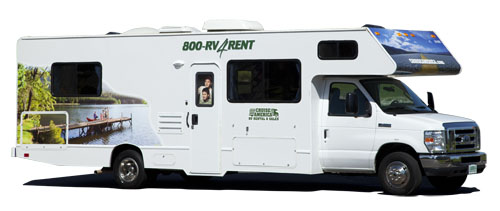
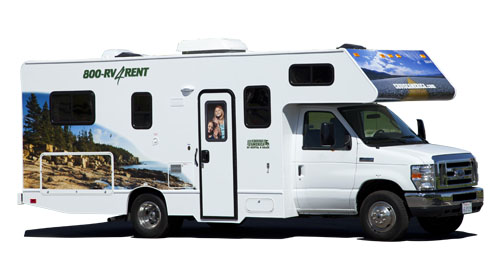
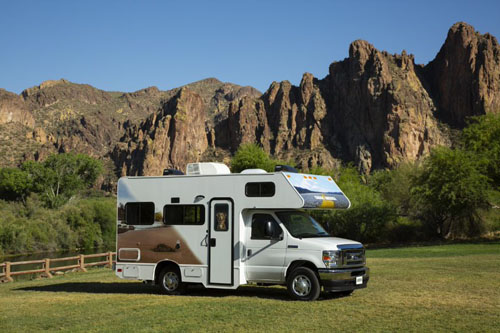
RV Class Considerations: The primary RV classes available are Class A, B, and C motorhomes. For families or groups, a Class C often provides a good balance of space and amenities, typically featuring a cab-over bunk for extra sleeping. A Class B campervan is more compact, offering better maneuverability and easier parking, ideal for couples or smaller groups. Class A motorhomes are the largest and most luxurious, offering ample living space and premium features, though they require more careful handling on winding Alaskan roads.
Optimal Dates and Booking: The peak season for RV travel in Alaska is from mid-June to mid-August, when the weather is generally warmest and daylight hours are longest. However, this is also when demand is highest, making early booking essential. Shoulder seasons, May and September, offer fewer crowds and potentially lower rental rates, though weather can be cooler and some services might have reduced hours. For spontaneous travelers, it's still possible to find last-minute deals, but flexibility with dates and vehicle types is key. If you’re considering a rental near the airport, our RV Rental Near Alaska Airport - Pickup Pricing 2026 guide can help.
Insurance and Gravel Road Usage: Basic insurance is always included with your RV rental to cover essential damages. However, we strongly recommend considering additional coverage options for enhanced peace of mind. This can include comprehensive damage waivers for a lower deductible and roadside assistance. Crucially, Alaska's unique road conditions mean you must confirm your rental agreement's policy on gravel road usage. Many rental companies have restrictions or specific surcharges for gravel roads, which are common in remote areas. Ensure your insurance covers any planned travel on such routes, as failing to do so can void your coverage.
Pre-Trip Prep — Packing Checklist for Alaska
A comprehensive packing checklist tailored to Alaska's diverse climate and remote conditions is essential for a comfortable and safe RV trip. By being well-prepared, you can focus on enjoying the stunning landscapes and unique experiences Alaska offers, rather than worrying about missing essentials. Remember to check what amenities are typically included with your rental; often, bedding, basic kitchenware, and cleaning supplies are provided, but verify this with your supplier.
- Waterproof/Windproof Outerwear (jacket & pants)
- Warm Layers (fleece, wool sweaters)
- Insulated Hat, Gloves/Mittens
- Sturdy Hiking Boots (waterproof)
- Moisture-Wicking Base Layers
- Sunscreen and Sunglasses
- Insect Repellent (high DEET percentage for mosquitoes)
- First-Aid Kit (comprehensive, including blister treatment)
- Bear Spray (rent or buy locally, know how to use it)
- Binoculars for Wildlife Viewing
- Maps (physical and downloaded offline maps)
- Portable Power Bank for Devices
- Headlamp or Flashlight
- Water Bottle/Hydration Pack
- Reusable Shopping Bags
- Prescription Medications and Copies
- Driver's License and Passport/ID
- RV Rental Agreement and Insurance Documents
- Credit Cards and some Cash
- Entertainment for Downtime (books, games)
- Camera and Extra Batteries/Memory Cards
For tips tailored to your specific trip, talk to rent-motorhome.
On the Road — Driving, Fueling, Navigation
Navigating Alaska's vast and often remote roadways requires specific considerations for driving, fueling, and navigation to ensure a smooth and safe RV journey. Being prepared for Alaska's unique driving environment is key to a successful trip. For planning your routes, consider the detailed itineraries available on RV PLANET (rvplan.net), which can help you map out distances and points of interest.
Road Conditions and Wildlife: Be prepared for varied road conditions, including potential frost heaves, construction zones, and, if your rental agreement permits, gravel stretches. Maintain safe speeds, especially on unfamiliar routes, and remain vigilant for wildlife. Moose and bears are common road hazards, particularly at dawn and dusk. Avoid sudden swerving; if an animal is unavoidable, brake firmly. If you're planning a scenic adventure, our
Fueling Strategy: Due to the long distances between services, it's always wise to top off your fuel tank whenever you have the opportunity. Service stations can be sparse on remote stretches, and fuel prices are generally higher in rural areas. Don't let your tank get too low; plan your fueling stops strategically.
Navigation Essentials: While GPS is helpful, cell service for navigation can be unreliable outside of major towns and cities. Supplement your GPS with physical maps (like Alaska's milepost guides) or pre-downloaded offline maps on your navigation devices. This ensures you can navigate even in areas with no cellular coverage.
At the Campground — Setup, Hookups and Etiquette
Setting up your RV, connecting hookups, and observing campground etiquette are straightforward processes that contribute to a pleasant stay in Alaska's scenic parks and private facilities. Understanding the basics ensures a comfortable and respectful experience for everyone. For finding excellent campgrounds along your route, explore RV PLANET (rvplan.net) for detailed listings and amenities.
RV Setup: Upon arrival at your chosen site, select a level spot. Use leveling blocks under the wheels if necessary to ensure your RV is stable before proceeding with any hookups. This is important for the proper functioning of appliances like refrigerators and for comfortable living.
Hookup Order: For full hookups, connect in the following order: first, the sewer hose (using gloves and ensuring a secure connection), then the fresh water hose (always using a pressure regulator and a water filter), and finally, the electrical connection, matching the amperage of your RV with the site's power pedestal. If the amperage doesn't match, use an appropriate adapter.
Disconnecting: When it’s time to leave, disconnect in the reverse order: electricity first, then water, and finally, thoroughly flush and disconnect the sewer hose. Ensure all connections are secure and caps are replaced properly.
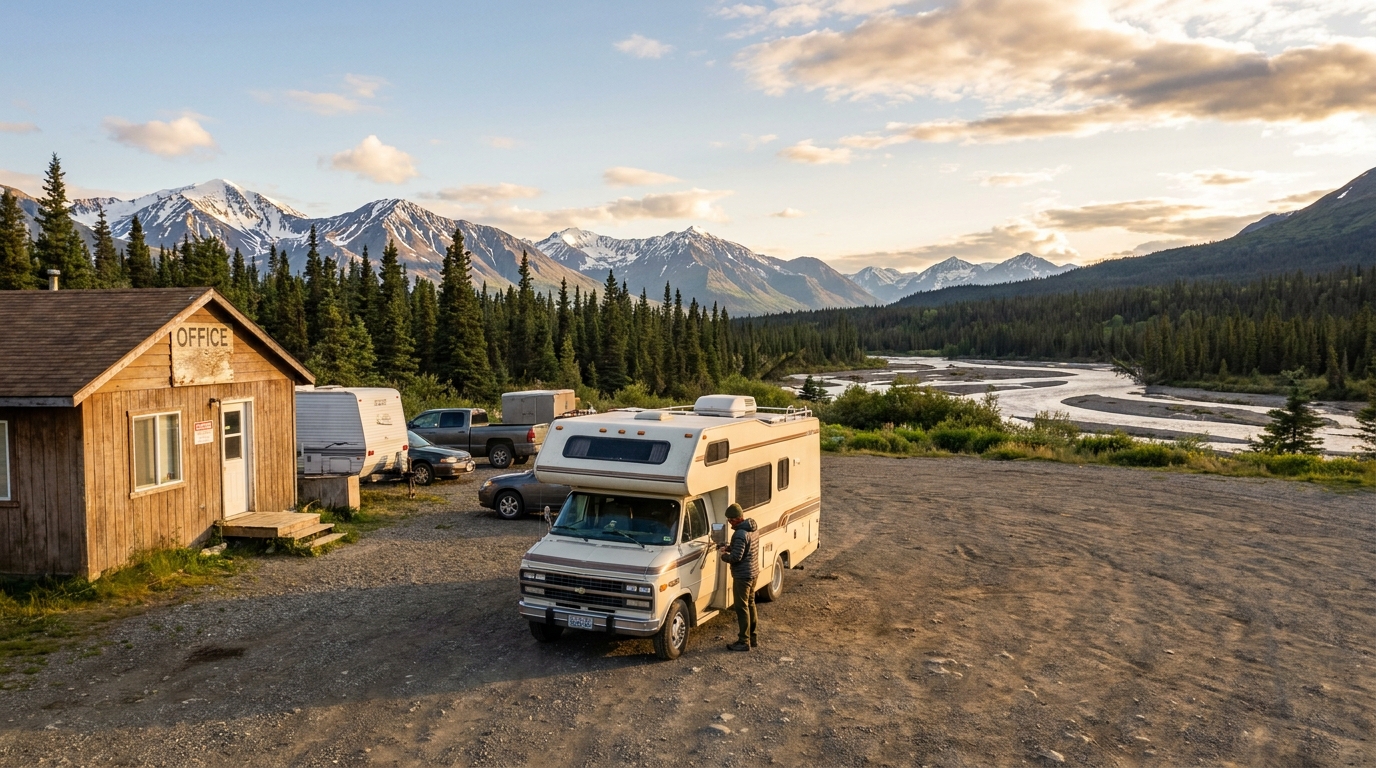
Boondocking and Etiquette: When boondocking or dispersed camping on Alaska's vast public lands, strictly adhere to Leave No Trace principles. This includes packing out everything you pack in, minimizing campfire impacts, and respecting wildlife. Always practice bear safety protocols for food storage, and be aware of specific regional regulations regarding overnight stays. Observe quiet hours (typically 10 PM to 7 AM), keep pets leashed, properly dispose of trash, and respect your fellow campers' privacy and space.
RV Rental-Specific Tips for Alaska
Tailoring your RV rental experience to specific traveler profiles can enhance an Alaska adventure, whether you're a family, senior, budget-conscious traveler, or luxury seeker. Understanding these nuances can help you choose the perfect vehicle and plan a more fulfilling trip. If you're a family planning an adventure, consider the
For Families: Select RVs with flexible sleeping arrangements, such as those with convertible dinettes or bunk beds. Pack plenty of entertainment options for children during longer drives, and seek out campgrounds with amenities like playgrounds or family-oriented activities. Many of Alaska's state and national parks offer stunning, accessible campgrounds perfect for families.
For Seniors: Opt for smaller Class B or C RVs for easier driving and parking, or choose a larger Class A for enhanced space and accessibility. Plan for shorter daily drives and consider longer stays at each location to minimize fatigue and maximize relaxation. Exploring scenic routes at a leisurely pace is a hallmark of RV travel in Alaska.
For Budget Travelers: Save money by booking your RV and popular campsites during the shoulder seasons (May or September). Take advantage of Alaska's dispersed camping opportunities on public lands where permitted, and plan to cook most of your meals in your RV's kitchen. This significantly reduces dining-out costs. For ideas you can prep on the road, watch our RV-friendly recipes playlist on YouTube.
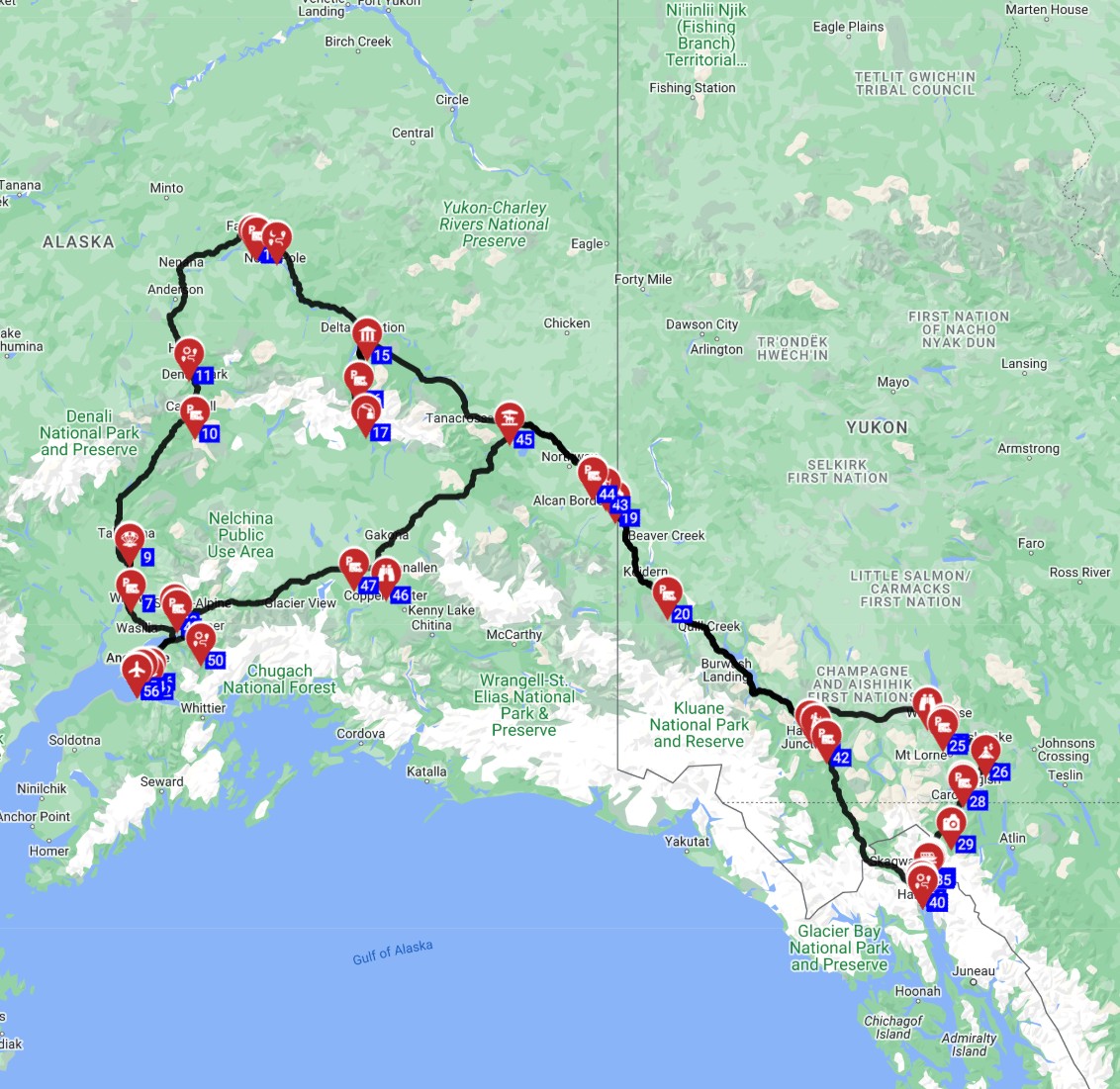
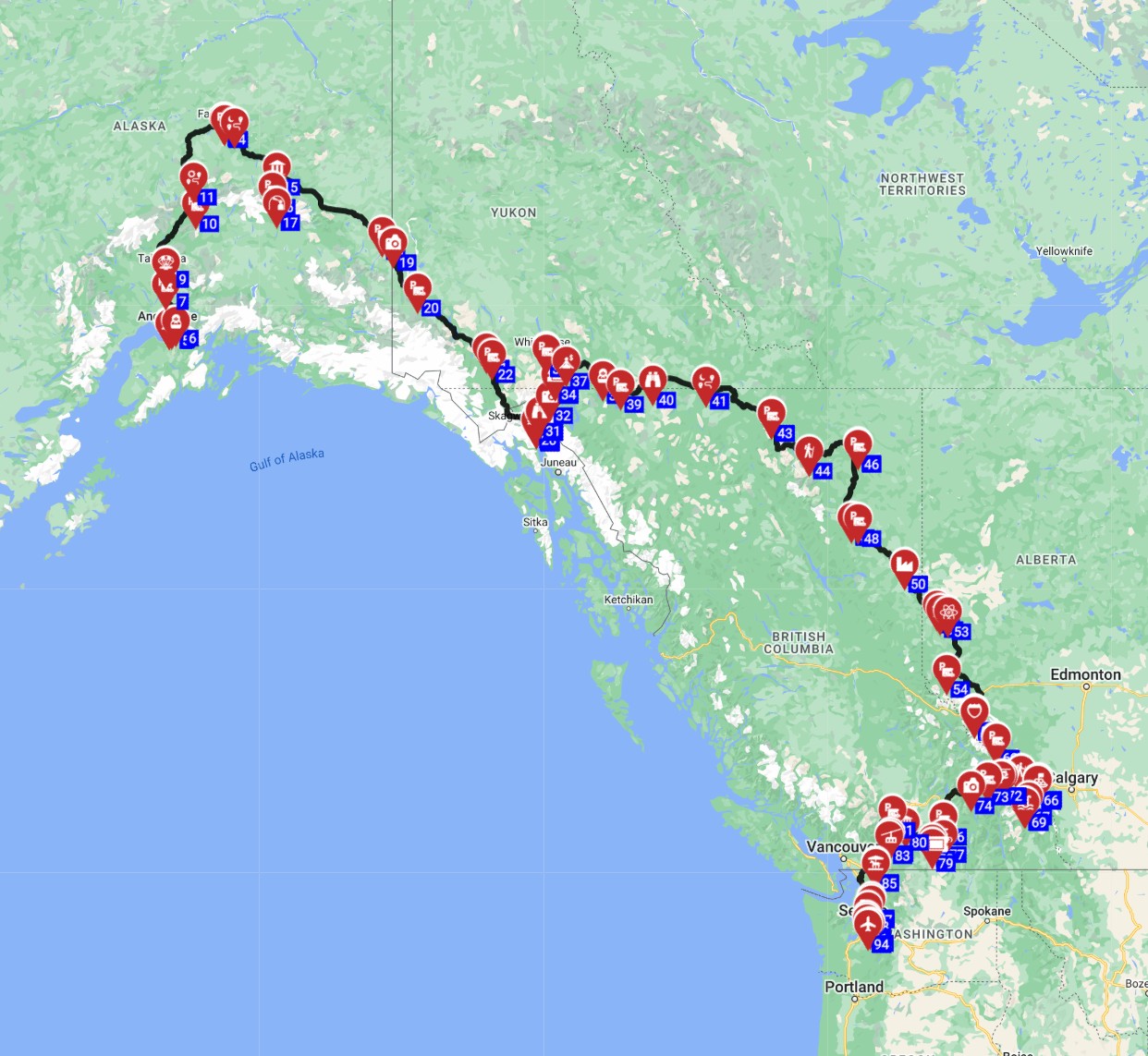
For Luxury Seekers: Choose larger Class A motorhomes with premium features like king-size beds, multiple slide-outs, and enhanced kitchen amenities. Consider add-ons such as unlimited mileage packages and premium kitchen or linen kits for a more pampered and convenient experience. For an extended, luxurious exploration, the Anchorage Roundtrip - Alaska-Yukon Discovery Trail (23 days, 3539 km) offers an in-depth Alaskan experience.
Common Mistakes to Avoid in Alaska
Avoiding common pitfalls can significantly improve your RV trip to Alaska, ensuring a smoother and more enjoyable experience amidst the state's unique challenges and vast landscapes. Learning from the experiences of others can help you bypass unnecessary stress and maximize your adventure. For travelers seeking more detailed itinerary planning, our RV Trip Planner to Alaska - Tips and Top Spots 2026 can provide valuable insights.
Underestimating Drive Times: Alaska's sheer size means drives are longer than they appear on maps. Instead of rushing, plan for shorter daily distances (e.g., 150-250 miles) to account for varied road conditions, frequent scenic stops, and limited services between towns. This relaxed pace is crucial for enjoying Alaska.
Last-Minute Bookings: Alaska is a popular destination, especially for RV travel. Instead of waiting until the last minute, book your RV rental and sought-after campsites 6-12 months in advance, particularly if you're traveling during the summer peak season, to secure your preferred dates, RV model, and locations.
Ignoring Road Restrictions: Not all roads in Alaska are suitable for all RVs. Instead of assuming all roads are paved, thoroughly review your rental agreement for restrictions on gravel roads. Key highways like the Dalton or McCarthy Highway may be off-limits or require specific insurance coverage, so ignorance here can lead to voided insurance or costly penalties.
Inadequate Clothing: Alaska's weather can change rapidly. Instead of packing only for warm summer days, bring versatile layers, including waterproof and warm clothing, as you might encounter rain, wind, and cooler temperatures even in July or August.
Over-Reliance on Cell Service: Cell coverage is sporadic in remote Alaskan areas. Instead of relying solely on your phone for communication or navigation, consider carrying satellite communication devices (like a Garmin inReach or SPOT) for emergencies and essential off-grid communication.
Complacency with Wildlife: Alaska's wildlife is magnificent, but bears and moose are serious hazards. Instead of being complacent, learn and practice proper bear awareness, including securing food properly and carrying bear spray, especially when hiking or camping in wilderness areas. Be constantly aware of your surroundings.
What is the 3-3-3 rule for RVs?
The 3-3-3 rule for RVs is a popular guideline for pacing your travel, suggesting you drive no more than 300 miles in a day, arrive at your destination by 3 PM, and stay for at least 3 nights. This approach is particularly beneficial for experiencing Alaska's vastness without feeling rushed.
Adhering to the 300-mile limit helps manage driver fatigue, allowing ample time to appreciate Alaska's expansive landscapes. The state’s unique road conditions, such as frost heaves, can also slow travel times, making this a realistic daily mileage cap. Arriving by 3 PM ensures sufficient daylight for leisurely campsite setup, exploring the immediate surroundings, and addressing any RV-related issues before dusk, which is crucial given the extended daylight hours during Alaskan summers.
Staying for at least 3 nights at each location reduces the stress of constant packing and unpacking, providing a more immersive and relaxed experience of specific Alaskan regions. This allows for deeper exploration of local attractions, hiking, or simply enjoying the tranquility of your surroundings. This rule is especially beneficial for managing the unique driving challenges and maximizing the experiential value of an RV trip across Alaska's extensive distances.
What is the 4-4-4 rule for RV travel?
The 4-4-4 rule for RV travel is another practical guideline for trip pacing, advising travelers to avoid driving more than 4 hours a day, arrive at your campground by 4 PM, and stay for a minimum of 4 nights. This more conservative pacing promotes a highly relaxed and immersive way to experience Alaska.
Limiting daily driving to 4 hours is particularly beneficial in Alaska, as it significantly reduces driver fatigue, allows for more spontaneous stops, and enhances safety on unfamiliar roads with potential wildlife encounters. An arrival by 4 PM provides even more buffer than the 3-3-3 rule for campsite selection, comfortable setup, and initial exploration of the area, especially as daylight shortens in the shoulder seasons. Staying for a minimum of 4 nights at each stop allows for deeper immersion in a destination, providing ample time for extended activities like hiking, fishing, or simply enjoying the campground amenities without the constant pressure to move.
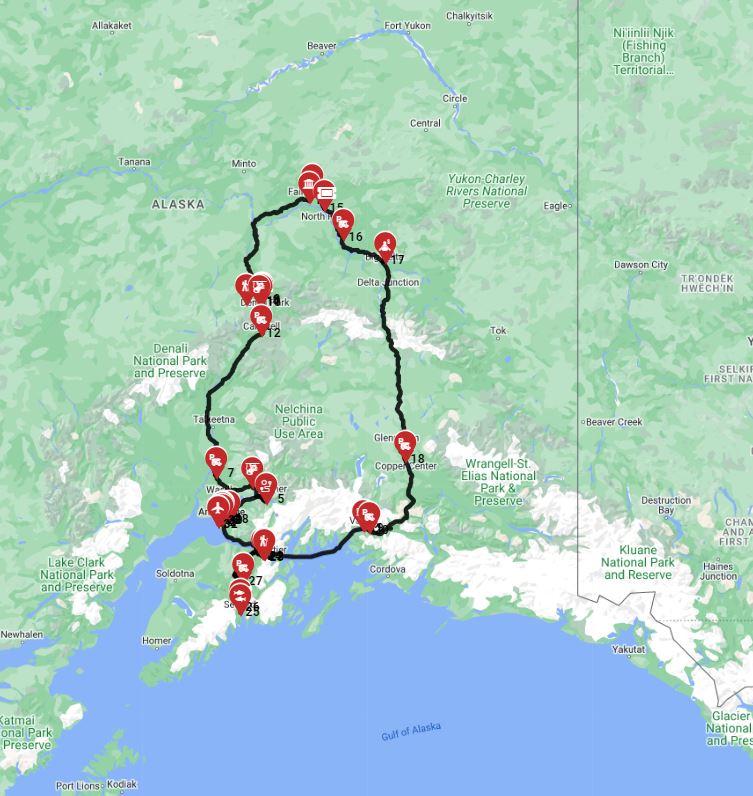
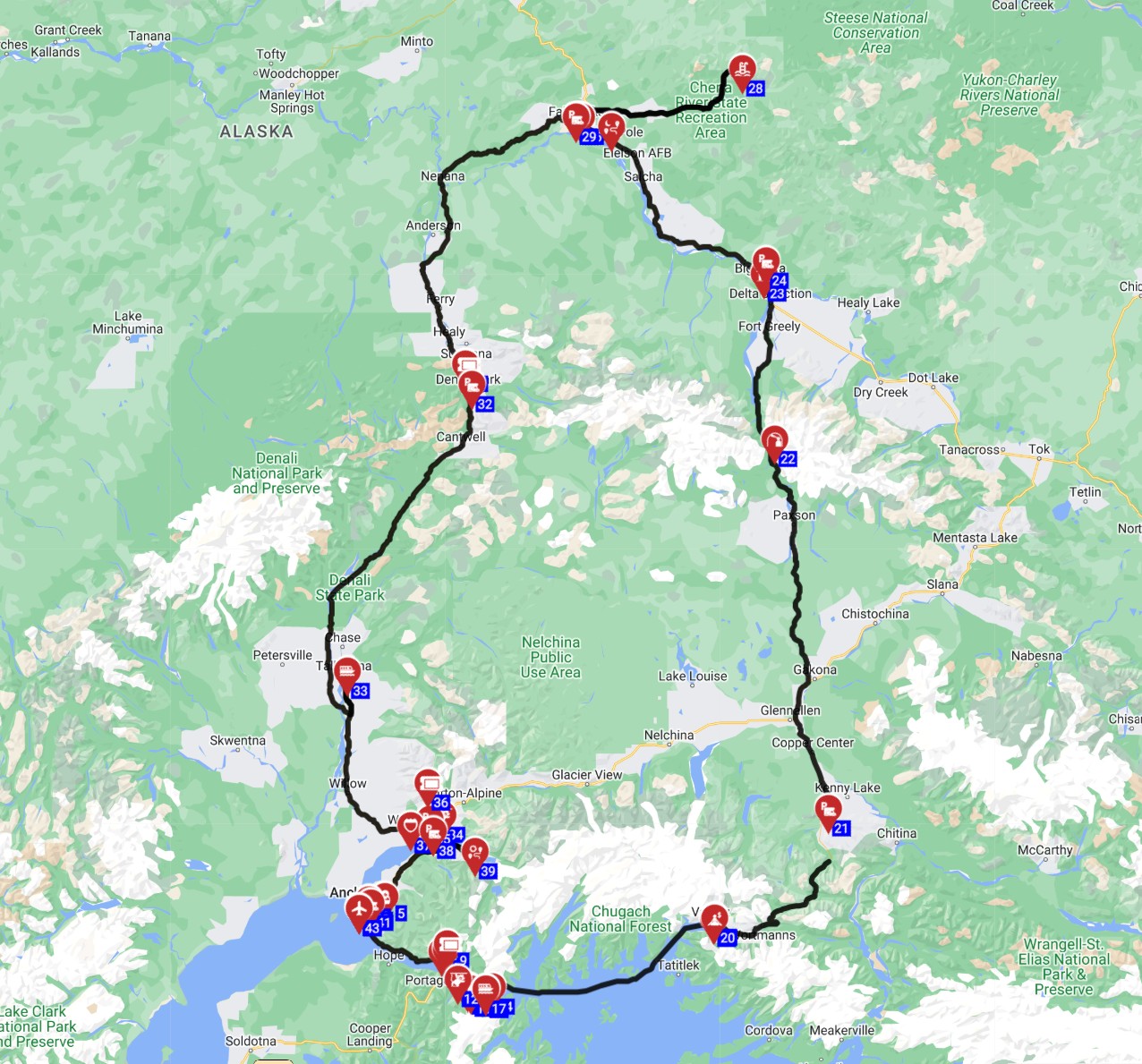
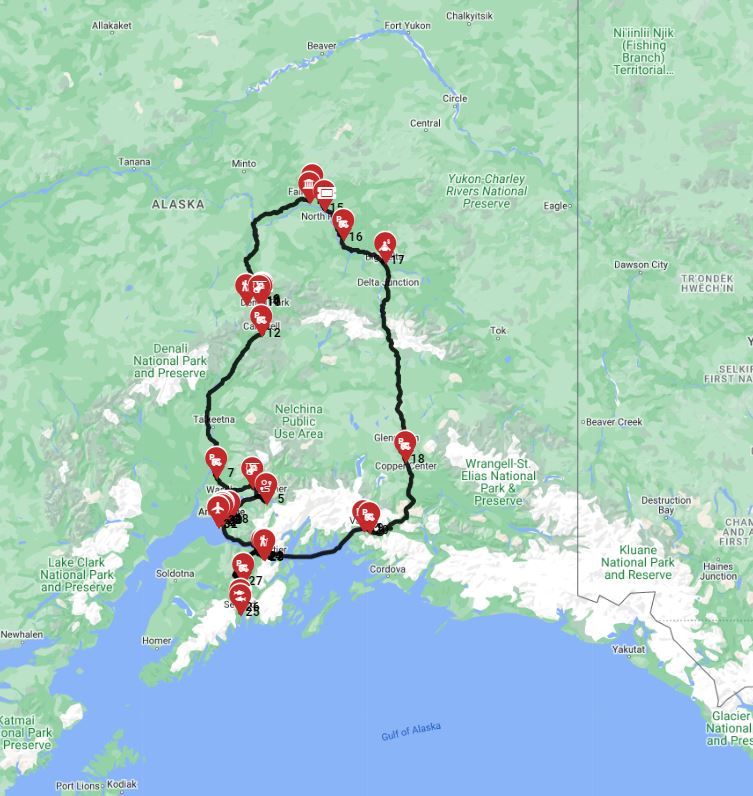
This rule is particularly beneficial for RVers aiming for a less rushed, more in-depth exploration of Alaska's major attractions, addressing the strong user need for practical, structured advice on trip pacing in a vast and unique travel destination. For a comprehensive trip plan that incorporates these pacing principles, explore the Anchorage Roundtrip - Alaska (11 days, 1928.5 km) route.
Should I rent an RV in Alaska?
Renting an RV in Alaska is an excellent choice for travelers seeking flexibility, immersive natural experiences, and the ability to explore remote areas at their own pace. It offers a unique and comfortable way to discover the state's vast wilderness, wildlife, and stunning landscapes.
An RV provides unparalleled freedom to adjust your itinerary on the fly, chase favorable weather, or extend stays at particularly scenic locations without the constraints of fixed hotel reservations. It grants direct access to national and state parks, allowing you to camp within the natural environment, often leading to closer wildlife viewing opportunities and more authentic experiences. For families or groups, an RV can be a more cost-effective option by combining accommodation and transportation, along with significant savings from preparing your own meals.
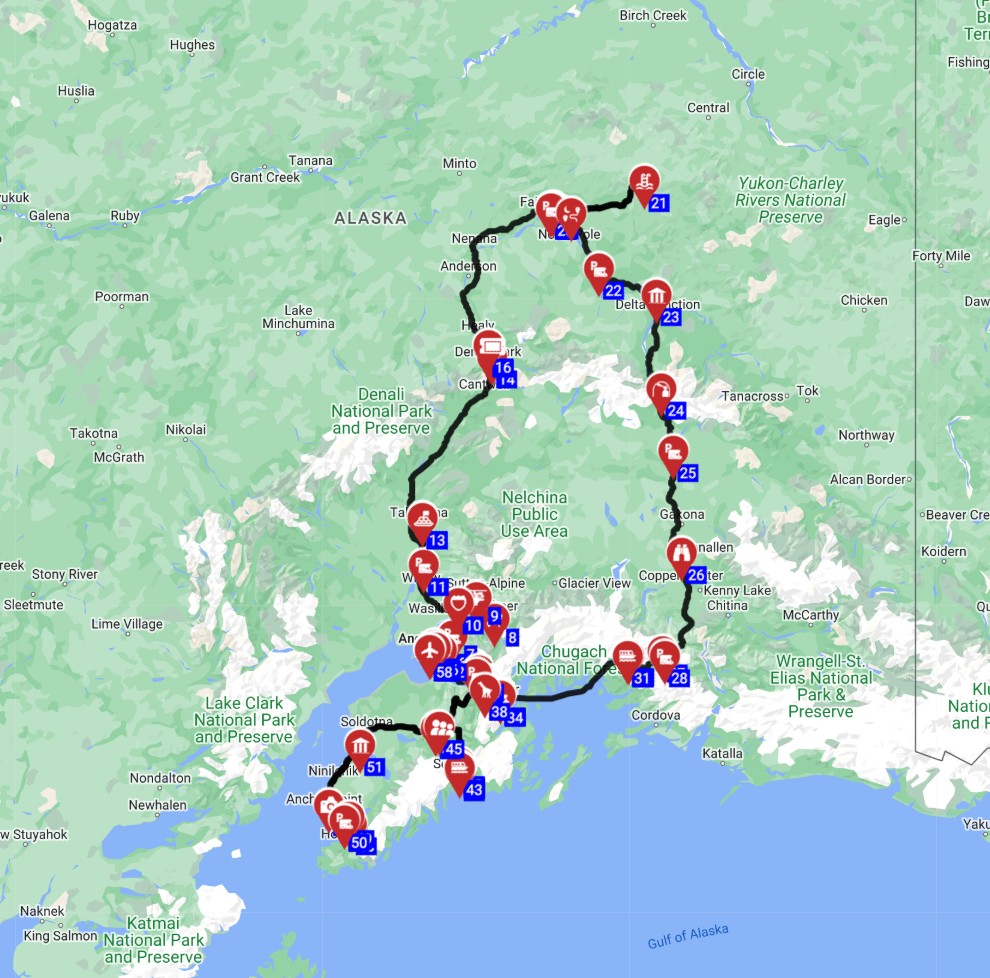
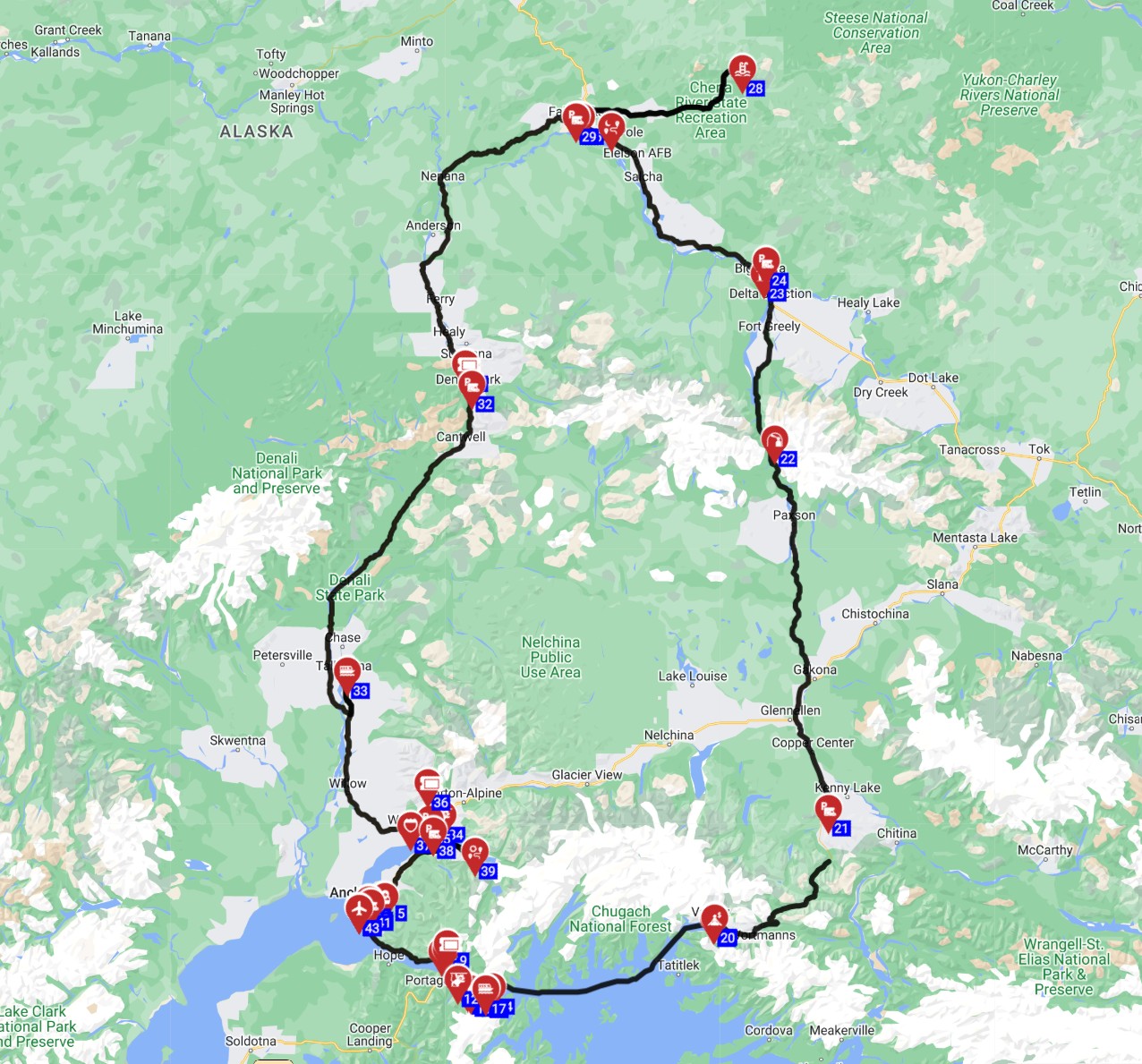
The comfort of having a private kitchen and bathroom, even in remote areas, significantly enhances the overall travel experience, offering amenities often absent in other forms of lodging. If you are comfortable with driving a larger vehicle and value independence, self-sufficiency, and a deeper connection with nature, renting an RV is highly recommended for an unforgettable Alaskan journey. If you are considering a rental near Anchorage, the Anchorage Roundtrip - The Great Alaskan Wilderness Road Trip (15 days, 1929.9 km) is an excellent choice.
What do I need to know before renting an RV?
Before renting an RV for an Alaskan adventure, it's vital to understand rental terms, insurance options, vehicle capabilities, and Alaska-specific nuances like road restrictions and remote service availability. Thorough preparation is key to a successful and enjoyable trip.
Rental Agreement Details: Thoroughly review the rental agreement for specifics on mileage limits (and associated fees if exceeded), generator usage fees, pet policies, and cancellation terms to avoid unexpected costs or issues. Many rental companies offer unlimited mileage packages, which can be cost-effective for extensive Alaskan travel.
Insurance Coverage: Beyond basic insurance, carefully consider additional coverage for roadside assistance, damage waivers (reducing your financial liability in case of accidents), and personal liability. Crucially, confirm if travel on gravel roads (common on scenic byways and access roads) is permitted and covered by your chosen insurance. Alaska's unique road conditions necessitate this diligence.
Vehicle Selection: Match the RV class to your group size, budget, and comfort level with driving a larger vehicle. Keep in mind that some Alaskan itineraries might benefit from an RV with good ground clearance, subject to rental restrictions. Smaller Class B campervans offer agility, while larger Class C motorhomes provide more living space.
Driving Challenges: Be aware of Alaska's unique driving challenges, including potential frost heaves on paved roads, long distances between services, and increased wildlife encounters. Plan your route accordingly, and always drive defensively. Understanding your RV's fuel efficiency and fresh/waste water capacities is also crucial, as planning regular stops for refills and dumps can be essential in remote Alaskan regions.
Familiarization: Request a detailed walkthrough of the RV's systems (water, electrical, sewer, appliances) before departure. Ensuring you are comfortable operating everything on the road, especially given Alaska's remote conditions, is paramount for a hassle-free experience.
How much rent RV in Alaska average cost?
The average cost to rent an RV in Alaska varies significantly, typically ranging from $150 to $400 per night for a standard Class C RV. Luxury models or rentals during peak season can push these costs higher, and this figure generally excludes fuel, mileage fees, and campground expenses.
Rental prices are highest during the peak summer months (mid-June to mid-August) due to high demand. Conversely, shoulder seasons (May and September) generally offer lower rates and better availability, although weather can be cooler and some attractions may have limited operating hours. The specific RV class chosen heavily influences the price, with smaller Class B camper vans often being more economical than larger, feature-rich Class A motorhomes.
Additional costs to budget for include mileage fees (if not opting for an unlimited mileage plan, these often range from $0.30-$0.75 per mile), fuel (which can be significantly higher in Alaska, especially in remote areas), campground fees (ranging from $30-$80+ per night for sites with full hookups), and optional add-ons like kitchen kits, linens, or enhanced insurance. For a typical 7-day mid-season trip, total estimated costs including rental, estimated mileage, fuel, and basic campground fees could range from $3,000 to over $4,500, highlighting the importance of detailed budgeting that accounts for fuel price volatility and specific Alaskan campground costs. On the routes offered through RV PLANET routes, you can itemize and track every expense along the way for easy budgeting.
Is it cheaper to rent an RV or stay in a hotel?
Whether renting an RV is cheaper than staying in a hotel in Alaska depends heavily on trip duration, group size, travel style, and specific choices for accommodation and dining. However, RVs often offer potential savings for longer trips or larger groups by combining lodging and transportation costs.
Alaskan hotel prices in popular tourist areas can range from $150 to over $400 per night, often excluding meal costs and requiring separate car rental expenses. An RV rental combines these costs, potentially offering savings by eliminating car rental fees and reducing dining expenses through self-catering in the RV's kitchen. Significant cost savings with an RV can also be realized by utilizing boondocking or dispersed camping opportunities on Alaska's vast public lands, which are often free or low-cost compared to consistent hotel prices.
For families or larger travel groups, sharing the cost of an RV rental and preparing meals can be considerably more economical than booking multiple hotel rooms and eating out for every meal. However, RVs incur higher fuel costs due to their size and lower fuel efficiency. Potential mileage, generator, and higher campground fees (for full hookups) must also be factored into the overall budget. A comprehensive cost breakdown is essential for accurate budgeting, especially considering the variable fuel prices and specific Alaskan campground costs.
What is the 3 3 3 rule for rving?
The 3-3-3 rule for RVing emphasizes safe and enjoyable travel pacing by recommending driving no more than 300 miles, arriving by 3 PM, and staying at least 3 nights. This guideline is particularly relevant for the vast and scenic landscapes of Alaska, helping travelers to truly experience their surroundings.
This guideline primarily aims to mitigate driver fatigue, a common concern on long RV journeys, by encouraging realistic daily driving limits. This approach enhances safety on Alaska's unique roads, which can feature wildlife and frost heaves. Arriving by 3 PM allows RVers ample time to comfortably set up camp, connect utilities, and address any unexpected issues before dark, maximizing the use of valuable daylight hours.
Staying for at least 3 nights at each destination minimizes the repetitive process of packing and unpacking the RV, fostering a deeper connection with the environment and allowing travelers to experience a true sense of 'home on the road' in the Alaskan wilderness. For RVers in Alaska, adapting this rule to even shorter daily drives (e.g., 150-200 miles) can further enhance the experience, prioritizing scenic exploration over covering maximum distance.
What is the 4 4 4 rule for RV?
The 4-4-4 rule for RV travel is a more conservative adaptation of travel pacing, recommending driving no more than 4 hours daily, arriving at your destination by 4 PM, and staying for a minimum of 4 nights. This offers a highly relaxed and immersive way to experience Alaska.
Limiting daily driving to 4 hours is an ideal approach for an Alaskan RV trip, ensuring drivers remain fresh, have ample time for spontaneous roadside discoveries, and can better navigate potential challenges like wildlife on the road or varying conditions. An arrival by 4 PM provides an extensive window for campsite selection, unhurried setup, and initial exploration of the area, allowing RVers to fully settle in before evening. Staying 4 or more nights at a location reduces the frequency of RV setup and teardown, fostering a deeper connection with the environment and providing sufficient time for multi-day activities or simply enjoying the campground amenities.
This rule is particularly beneficial for RVers aiming for a less rushed, more in-depth exploration of Alaska's major attractions, addressing the need for structured advice on trip pacing in a vast and unique travel destination. For example, consider a trip like the Anchorage Roundtrip - Alaska-Yukon Discovery Trail (23 days), which allows for extended stays at key locations.
What is the best time of year to RV to Alaska?
The best time of year to RV to Alaska largely depends on your priorities, with peak season spanning mid-June to mid-August for the warmest weather and maximum daylight, while shoulder seasons offer unique advantages like fewer crowds and specific wildlife viewing opportunities.
Mid-June to Mid-August (Peak Season): This period offers the longest daylight hours (up to 20+ hours), warmest temperatures (typically in the 50s-70s°F or 10-20s°C), and ensures that most services and attractions are fully operational. It's ideal for general tourism, fishing, and glacier viewing.
May (Spring Shoulder Season): This month provides fewer crowds, potentially lower prices, dramatic snow-capped scenery, and early wildlife viewing opportunities, such as bears emerging and migratory birds returning. However, some services may still be limited, and temperatures are generally cooler.
Late August to September (Autumn Shoulder Season): This is an excellent time for viewing fall foliage, experiencing fewer mosquitoes, and prime aurora borealis viewing (especially in September). Salmon runs also attract bears during this period, offering great wildlife watching. While daylight hours decrease and temperatures cool, the reduced crowds and prices are significant advantages.
When planning, consider your specific activity interests, tolerance for crowds, and weather preferences. For example, September's cooler temperatures are perfect for aurora viewing, directly addressing the need for detailed seasonal and weather planning beyond just considering the months.
What not to forget on an RV trip?
Beyond standard packing, an RV trip to Alaska requires remembering critical items for safety, communication, and self-sufficiency due to the state's vast, remote, and often wild environment. Being overprepared is far better than being caught short in a place where services can be hours apart.
Communication Devices: Crucially, do not rely solely on cell phones. Pack a satellite communication device (like a Garmin inReach or SPOT) for emergency contact, as mobile service is highly unreliable outside of Alaska's major towns and along many highways.
Bear Safety Gear: Bring comprehensive bear safety gear, including bear spray (and know how to use it), along with bear-resistant food containers or strategies for securing food. This is essential for anyone planning to hike or camp in remote areas.
Navigation Tools: Supplement digital navigation with physical maps (like Alaska's milepost guides) and downloaded offline maps. GPS signals can be intermittent, and cell data non-existent in many remote Alaskan regions, making traditional maps a vital backup.
Vehicle Preparedness: Carry an enhanced vehicle preparedness kit. This should include a tire repair kit, basic tools, jumper cables, and extra fuses, as roadside assistance can be hours away in remote Alaska. Understanding basic tire maintenance is also highly recommended.
First-Aid and Supplies: Pack an extensive first-aid kit that includes items for treating blisters, insect bites, minor cuts, and a wilderness first-aid guide. Anticipate limited immediate medical access. Always have extra water and non-perishable food supplies beyond your immediate needs, especially when traveling long stretches between services where stores may be infrequent or closed.
Power and Lighting: Ensure you have portable power banks and a reliable inverter for charging essential devices like phones, cameras, and laptops, given the potential for limited hookups and power access at some campsites. Headlamps or flashlights with extra batteries are indispensable for varying daylight hours and navigating the RV or campsite after dark, enhancing safety and convenience.
What You Shouldn't Miss
- Drive the Seward Highway: This scenic byway offers breathtaking views of Turnagain Arm, with opportunities to spot beluga whales and Dall sheep.
- Explore Denali National Park: Take a bus tour into the park for a chance to see grizzly bears, caribou, moose, and the majestic Denali itself. Many campgrounds are available within or near the park.
- Visit Kenai Fjords National Park: Accessible from Seward, take a boat tour to witness glaciers calving, sea otters, puffins, and whales in their natural habitat.
- Experience the Alaska Marine Highway: For a unique perspective, consider driving your RV onto a state ferry to explore coastal towns and islands not reachable by road.
- Hike the Harding Icefield Trail in Kenai Fjords: This challenging hike rewards you with stunning views of Exit Glacier and the vast Harding Icefield.
- Drive the Glenn Highway Scenic Byway: Enjoy dramatic mountain vistas, glaciers, and access to hiking trails and charming roadside attractions. Consider the Anchorage Roundtrip - The Great Alaskan Wilderness Road Trip (15 days) for a route incorporating such highlights.
Final Thoughts
Embarking on an RV adventure in Alaska is an unparalleled way to experience the raw beauty and vast wilderness of this incredible state. From the towering mountains and sprawling glaciers to the abundant wildlife and charming coastal towns, an RV provides the ultimate freedom and comfort to explore it all.
By planning ahead, choosing the right vehicle, packing wisely, and being mindful of the unique driving and safety considerations, you'll be well-equipped for an unforgettable journey. Remember to embrace the slow travel ethos, savoring each moment and allowing the spirit of Alaska to truly captivate you. Your dream Alaskan RV adventure awaits!