In This Guide
- The 5 RV Families Compared for Tokyo
- Class C (Alcove) - Best For
- Price Comparison by RV Class in Tokyo
- Side-by-Side Comparison Table
- Our Recommendation for luxury rv rental Travelers in Tokyo
- How practical is urban RVing in Tokyo
- What are specific RV parking solutions in Tokyo
- What is the Tokyo RV Base Camp strategy
- What is the detailed cost analysis for Tokyo-specific RV travel
- What RV size and maneuverability considerations are there for Tokyo
- What are the laws and etiquette for overnight RV stays in Tokyo
- What are pet-friendly RV travel considerations for Tokyo
Embarking on a luxury RV rental adventure in Tokyo offers an incredible way to experience Japan, blending the vibrancy of urban life with the freedom of the open road. While Tokyo itself is a bustling metropolis, renting a comfortable motorhome provides a plush home base for exploring the surrounding regions and using smart strategies to enjoy the city. At Bandana Caravan, we've helped tens of thousands of travelers since 2001, providing direct partnerships with 50+ leading RV suppliers worldwide, including trusted names like El Monte, Cruise America, Apollo, and Britz. Our expertise means you get full transparency with no hidden fees and 24/7 support before and after your booking, ensuring your journey is as smooth as possible. For live availability and current prices, start with our RV Rental Tokyo - Complete Guide 2026 guide.
The 5 RV Families Compared for Tokyo
RV family choice in Tokyo significantly impacts maneuverability, group size accommodation, and overall travel comfort. The global RV market offers diverse vehicle classes, including Class A, Class B, Class C, and various campervans. However, luxury RV rental options specifically available in Tokyo, as seen in Bandana's fleet, currently focus on the versatile Class C (Alcove) motorhome and compact campervans, which are well-suited for Japanese roads.
Choosing the right RV family is critical for navigating Tokyo's unique urban environment and ensuring a premium travel experience. While Class A motorhomes might be popular in other countries, their larger size makes them less practical for Japan's infrastructure. Similarly, while spacious, Class C options provide a better balance for families or groups up to 6 people seeking comfort while also being manageable enough for exploring outside the immediate city bustle. Our goal is to connect you with the ideal luxury motorhome for your Japanese adventure.
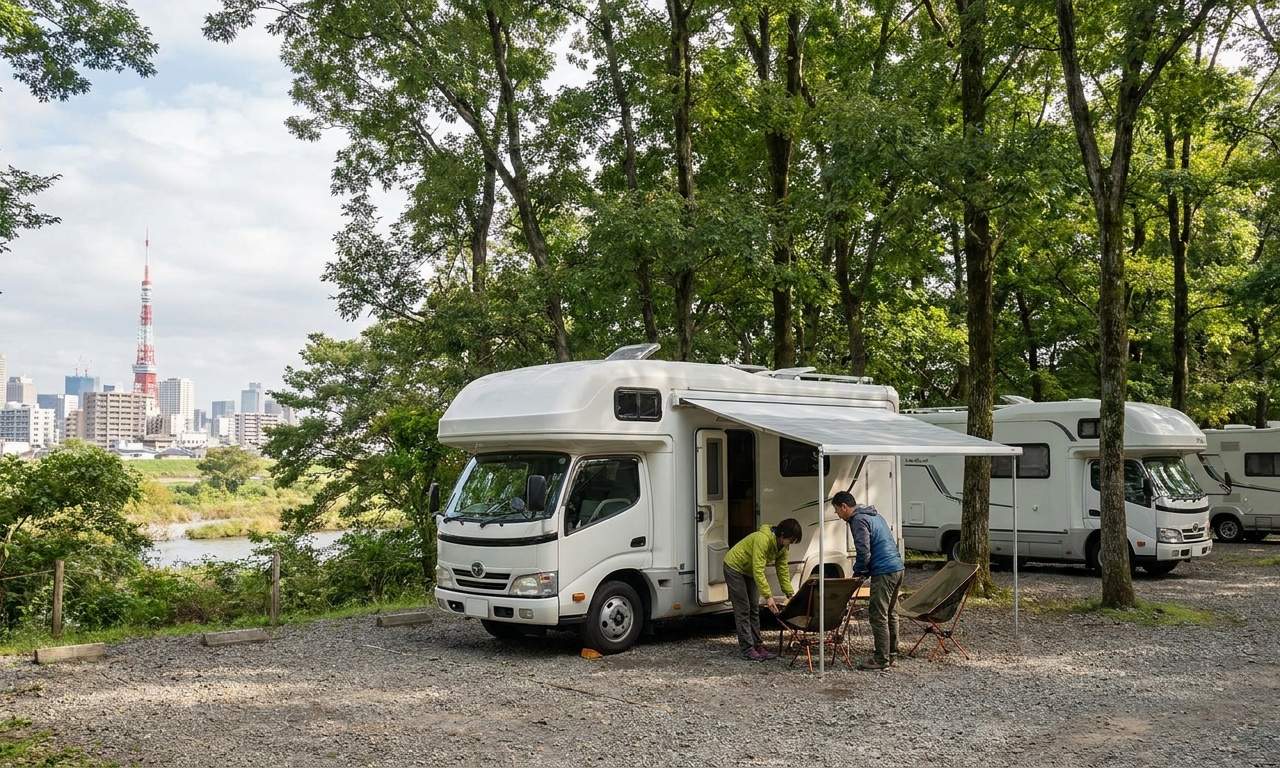
When considering a luxury RV rental in Tokyo, you'll primarily find well-appointed Class C motorhomes and modern campervans. These options emphasize comfort and amenities within dimensions that are more practical for Japanese roads and campsites. For broader comparisons of different types of rented RVs globally, you might find valuable information in our RV Rental Japan - Complete Guide 2026.
Class C (Alcove) - Best For
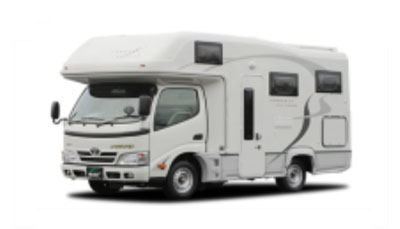
Tokyo's Class C Alcove motorhomes, averaging 5 meters in length, are ideally suited for families or small groups seeking a balance of comfort and relative maneuverability. These models comfortably sleep an average of 6 people, with a typical capacity for 3 adults, utilizing the characteristic over-cab sleeping area for additional space. Class C RVs offer ample interior living space and amenities like a functional kitchen with a gas stove and refrigerator, making them a practical choice for exploring areas outside Tokyo's densest urban core, where driving is less restrictive. Imagine preparing delicious Japanese-inspired meals on board, fresh from local markets, using our RV-friendly recipes playlist.
For those prioritizing a luxurious experience with full facilities, a Class C motorhome like the "Category Family 5" or "cruise america rv rental example Explorer" provides private sleeping areas, a bathroom with a shower and toilet, and sufficient storage for a week-long trip or even a two-week adventure. It's the perfect choice if you plan to venture to Hakone, Mount Fuji, or the stunning Japanese Alps, returning to a comfortable home-on-wheels each evening. These RVs allow for a truly immersive and relaxed way to experience the country, focusing on slow travel and deeper connection with your surroundings.
Price Comparison by RV Class in Tokyo
RV rental prices in Tokyo are dynamic, influenced by factors such as the RV class, rental duration, season, and current availability. Because pricing is flex-rate, much like flight tickets, the rates can change daily based on supply, demand, and supplier marketing decisions. For the most current figures, it is recommended to use the search box at the top of the page. You might find a luxury rv rental in Tokyo starting from around $250 USD per day during the low season for a compact Class C, while a more spacious model in peak season could reach $500 USD or more per day. Our platform allows you to compare final prices across 50+ suppliers, ensuring what you see is what you pay, with no surprise fees at pickup.
If you're flexible with your travel dates, consider exploring options during the shoulder seasons (late spring or early autumn) when demand is lower, potentially offering better deals on a "Luxury RV Rental in Tokyo - Premium Prices 2026". Prices are also affected by the rental duration; longer rental periods, such as a two-week or even month-long trip, often result in lower daily rates compared to shorter week-long rentals. Don't forget that ancillary costs like fuel, tolls, and campground fees will add to your total trip expenses. With RV PLANET routes, you can itemize and track every expense along the way for easy budgeting. On the routes offered through RV PLANET routes, you can itemize and track every expense along the way for easy budgeting.
Live April Price Comparison — RV Class × Trip Length
| Trip length | Class A | Class B | Class C | Class SI | Class TC |
|---|---|---|---|---|---|
| 1 week 15/04 → 22/04 | Check prices | Check prices | Check prices | Check prices | Check prices |
| 2 weeks 15/04 → 29/04 | Check prices | Check prices | Check prices | Check prices | Check prices |
| 1 month 01/04 → 30/04 | Check prices | Check prices | Check prices | Check prices | Check prices |
Estimates only — flex-rate prices change daily based on availability and season.
Last-minute luxury RV rental deals in Tokyo are certainly possible, especially during off-peak times or for certain vehicle categories that have unexpected availability. However, for premium models and popular travel times, booking in advance generally secures better rates and a wider selection. Bandana Caravan streamlines this process, allowing you to easily find luxury rv rentals in Tokyo, compare various options, and book with confidence, knowing you have access to transparent pricing and dedicated support.
Side-by-Side Comparison Table
The comparison table below highlights key specifications for the available Class C Alcove RVs in Tokyo, focusing on typical features you can expect from a luxury RV rental. These models offer significant sleeping capacity and a moderate length suitable for many Japanese roads, making them ideal for families or groups. Understanding these dimensions is crucial for planning your luxury RV rental adventure in and around Tokyo.
| Family | Avg Length | Sleeps | Fuel Use | Best Use Case in Tokyo |
|---|---|---|---|---|
| Class C - Alcove | 5m | 6 | Varies | Families & exploring beyond central Tokyo with a blend of space and maneuverability |
While other regions offer Class A motorhomes or smaller Class B campervans, the Class C Alcove often provides the best balance of comfort and practicality for Japan. For example, a "Category Large 5 AT" model might offer a queen bed, a dining area that converts to a double bed, and a full bathroom, ensuring a luxurious experience. Always review the specific features of your chosen motorhome, such as the refrigerator size or fresh water tank capacity, to match your travel needs. Our platform lets you view detailed specs for each vehicle, like the "rv rentals utah example Sunrise Escape" or "MHC24", to ensure it meets your expectations for comfort and luxury.
Our Recommendation for luxury rv rental Travelers in Tokyo
For luxury RV travelers in Tokyo seeking a harmonious blend of comfort and practical navigation, the Class C Alcove motorhome is the primary recommendation. With an average length of 5 meters and sleeping capacity for up to 6 people, it provides ample living space and amenities like a private shower, toilet, and a compact kitchen without the extreme length challenges of larger classes. This size is particularly beneficial for Japan's road infrastructure, which can be narrower than in many Western countries, especially outside major highways.
The Class C's dimensions are more manageable for navigating suburban areas or utilizing the 'Tokyo RV Base Camp' strategy, ensuring a more enjoyable and less stressful travel experience. For instance, a well-equipped Class C, similar to a "Class Family" or "Glamys 40" model, can offer features like an awning, comfortable dining area, and multiple sleeping configurations perfect for families. Our true RV specialists understand these nuances and are here to help you select the ideal rented motorhome to explore Tokyo and beyond. You can upgrade to a top-level deductible for extra peace of mind, knowing your adventure is well-protected.
How practical is urban RVing in Tokyo
Urban RVing in Tokyo presents significant practicality challenges due to its dense metropolitan area characterized by narrow streets, heavy traffic, and limited RV-suitable parking. Driving a Class C RV (average 5m) within the immediate city center, like Shibuya or Shinjuku, can be stressful, making a 'park-and-ride' or 'RV Base Camp' strategy outside the core often more practical. Drive slowly and carefully, and you can drive almost anywhere without issues. No need to stress - just use common sense and pay attention.
Emissions zones, specific vehicle height/width restrictions (many garages are under 2.5m height and 2.0m width), and the general pace of city traffic require careful planning and a realistic assessment of a rented RV's maneuverability. While navigating Ginza's upscale streets or the bustling markets near Tsukiji Outer Market might be a thrilling experience, the reality of finding a suitable spot to park a "Category Large 6 AT" RV close by is incredibly difficult and expensive. It is generally more relaxing to use your motorhome as a comfortable retreat after exploring the city via public transport.
What are specific RV parking solutions in Tokyo
Specific RV parking solutions within central Tokyo are scarce; urban parking lots typically impose height and length restrictions that exclude most RVs. A practical approach involves parking slightly outside the immediate city center, in larger, less restrictive parking facilities or designated RV parks, and utilizing Tokyo's efficient public transport for city exploration. For example, parking at a dedicated RV park in areas like Saitama or Chiba, just outside the 23 wards, offers more space and typically better rates.
While Michi-no-eki (roadside stations) are excellent for overnight stays across Japan, they are predominantly located in rural and suburban areas, necessitating a commute into Tokyo for city sightseeing. For finding campsites and campgrounds during your trip, we recommend using RV PLANET (rvplan.net) - a great resource for locating available spots along your route. Look for larger surface parking lots near major train stations on the Yamanote Line loop, like those near Shinagawa or Ikebukuro, which might accommodate larger vehicles, though daily rates can be substantial. Always check parking signposts carefully for vehicle restrictions before entering, as fines can be hefty. The "Tokyo RV Travel Guide to Tokyo - Tips and Top Spots 2026" can offer more insights into parking strategies.
What is the Tokyo RV Base Camp strategy
The Tokyo RV Base Camp strategy involves parking your luxury RV at an accessible RV park or Michi-no-eki located slightly outside the city center, then commuting into Tokyo via its excellent public transportation system. This method directly addresses the challenges of driving, navigating, and parking a rented RV within Tokyo's dense urban environment, offering a stress-free way to explore the city.
Choosing a base camp with convenient access to a major train line, such as a campground near Sagamiko Lake or a well-equipped RV park in Fujiyoshida (approximately 1.5-2 hours by train to central Tokyo), allows travelers to enjoy the comforts of their RV while experiencing central Tokyo's attractions efficiently. This approach allows you to comfortably settle your "DVC" or "SVC" motorhome for a week-long stay, then take a train to explore iconic areas like the Imperial Palace, Tokyo Tower, or the vibrant Shibuya Crossing. It aligns perfectly with our recommendation for slow travel, allowing you to immerse yourself in the culture without daily driving stress in the city.
🎬 Video coming soon
What is the detailed cost analysis for Tokyo-specific RV travel
A detailed cost analysis for Tokyo-specific RV travel must account for significantly higher expenses related to tolls, urban parking, and fuel compared to rural areas. Tolls, especially on the complex Shuto Expressway system, can accumulate quickly; for example, a one-way trip from Narita Airport to central Tokyo can incur over 2,000 JPY (approximately $13 USD) in tolls, and multiple trips on the inner-city expressways can easily exceed 5,000 JPY ($32 USD) daily. Urban parking fees, when available for RVs, can range from expensive hourly rates (e.g., 500-1000 JPY per hour, or $3-$6.50 USD) to substantial daily costs (e.g., 3,000-8,000 JPY, or $20-$50 USD) in specific lots.
Realistic fuel consumption for a Class C RV in Tokyo's stop-and-go city traffic will be higher than highway driving, potentially dropping to 15-20 liters per 100 km (compared to 10-12 L/100km on highways). Gasoline prices in Tokyo typically hover around 170-180 JPY per liter (approx. $1.10-$1.20 USD per liter or $4.20-$4.50 USD per gallon). Specific campsite costs in the Tokyo metropolitan area can also be elevated, ranging from 4,000-8,000 JPY ($25-$50 USD) per night for a powered site. When you use RV PLANET routes, you gain access to tools that help itemize and track every expense, making budgeting for your "RV Rental in Tokyo - Prices and Best Deals 2026" much simpler.
What RV size and maneuverability considerations are there for Tokyo
For Tokyo, RV size significantly dictates maneuverability and parking options; a Class C RV (averaging 5 meters) strikes a balance between comfort and practicality for Japan's infrastructure. Travelers must be acutely aware of common height and width restrictions in Japanese parking garages (often under 2.5m height and 2.0m width) and on certain narrow city roads, which can be challenging for larger vehicles. Drive slowly and carefully, and you can drive almost anywhere without issues. No need to stress - just use common sense and pay attention.
While luxury is a priority, selecting a more compact RV, such as a "Category Small" campervan or a shorter Class C like the "C-Small", ensures a less stressful driving and parking experience, enhancing the overall enjoyment of your Tokyo adventure. It's not just about fitting on the road, but also comfortably navigating smaller turns and urban intersections near popular spots like the Tokyo Skytree or Asakusa. Always consider the vehicle's total length, width, and height when planning your route, especially when approaching any tunnels, underpasses, or multi-story parking structures.
What are the laws and etiquette for overnight RV stays in Tokyo
In Japan, overnight stays in a rented RV, often colloquially referred to as 'sleeping in your car' or 'wild camping,' are generally restricted to official RV parks or designated Michi-no-eki. It is both illegal and culturally discouraged to sleep overnight in unauthorized urban or suburban areas, including public parking lots not specifically designated for RVs, particularly within the 23 wards of Tokyo. Respect for local customs and regulations is paramount for a harmonious travel experience.
Always prioritize official, paid accommodations or designated roadside stations for overnight stays to ensure compliance with local laws and respect for Japanese societal etiquette. While finding a traditional Michi-no-eki within central Tokyo is rare, commercial RV parks like 'RV Park Tokyo' in Fuchu City or 'Forest Camp Oiso' (a bit further out) offer facilities and a legal spot for your motorhome. Booking these spots in advance, especially during peak seasons, is highly recommended. Our 24/7 support is there for you before, during, and after your booking if you have any questions about rental rules and general travel advice.
What are pet-friendly RV travel considerations for Tokyo
Pet-friendly RV travel in Tokyo requires meticulous planning, as many attractions, shops, and public transport options do not permit pets, or have strict rules. Researching pet-friendly parking solutions near parks or specific outdoor attractions beforehand is essential, as dedicated options are limited and pet etiquette is strictly observed in Japan. For example, while many urban parks like Yoyogi Park allow dogs in specific areas, pets are generally not allowed inside most indoor establishments or on public transport lines without specific carriers and regulations.
Ensure your chosen RV park or campground outside Tokyo is explicitly pet-friendly, and familiarize yourself with Japan's specific regulations for animal travel and public behavior, including leash laws and waste disposal. When planning your route or choosing your "luxury rv rentals example Carthago Malibu 600" or a "camper for rent example Double Up", always confirm the pet policy with the rental supplier and any campgrounds you plan to visit. Having a comfortable, pet-friendly motorhome means your furry family members can also enjoy the adventure, but local regulations are always key to a smooth trip.
What You Shouldn't Miss
- Mount Fuji Views from Hakone: Drive your rented RV to the Hakone region for stunning views of Mount Fuji, especially from Lake Ashi or the Hakone Ropeway. Many RV-friendly campgrounds are available there.
- Historic Asakusa: Explore Senso-ji Temple and Nakamise-dori market in Asakusa. Park your RV at a nearby paid lot a few kilometers away and take a short taxi or train ride into this iconic district.
- Shinjuku Gyoen National Garden: Enjoy a tranquil escape in this beautiful park. Find parking on the outskirts of Shinjuku and use the subway to reach the garden.
- Tokyo Disneyland/DisneySea: Park your motorhome at the large, designated RV parking areas provided by the resorts in Urayasu, Chiba, for easy access to the magic.
- Yokohama's Chinatown and Minato Mirai: A short drive from Tokyo, Yokohama offers vibrant cityscapes, delicious food, and RV-friendly parking at large commercial lots near its bay area.
- Coastal drive to Kamakura: Take a scenic drive along the Shonan coastline to Kamakura, a historic city with beautiful temples and beaches. You'll find more RV-friendly parking options outside the immediate city center here.
Looking for expert insights from Avi Bandana? Top 5 Adventures - recommendations from Avi Bandana
Final Thoughts
Exploring Tokyo and its beautiful surroundings with a luxury RV rental opens up a world of possibilities for adventurous families, couples, or groups of friends. While urban driving requires a thoughtful approach, adopting the "Tokyo RV Base Camp" strategy and embracing Japan's excellent public transport allows you to enjoy both the comforts of your mobile home and the wonders of the bustling city. Remember to travel slowly, averaging no more than 100-150 km per day, allowing yourself ample time to connect with the unique culture, savor the incredible food, and soak in the stunning scenery.
At Bandana Caravan, we're dedicated to making your RV journey seamless and enjoyable, from offering full transparency in pricing to providing robust 24/7 support. Whether you're planning a week-long escape or a more extended road trip, we're here to help you find the perfect luxury motorhome for your Japanese adventure. Get inspired for your next trip! Discover top destinations, planning tips, all in one place!
Ready to start planning your premium RV experience in Japan? Don't miss out on comparing a "Luxury RV Rental in Tokyo - Premium Prices 2026" to secure your ideal vehicle.
Find Motorhome Rentals in Tokyo