In This Guide
- The 5 RV Families Compared for Netherlands
- Class A (Integrated) — Best For
- Class SI (Semi-integrated) — Best For
- Class C (Alcove) — Best For
- Class B (Campervan) — Best For
- Class TC (Truck Camper) — Best For
- Side-by-Side Comparison Table
- Our Recommendation for luxury rv rental Travelers in Netherlands
- What is the True Cost of a Luxury RV Rental Trip in the Netherlands?
- What is the Best Time of Year to Rent a Luxury RV in the Netherlands?
- Can I Bring My Pet on a Luxury RV Rental Trip in the Netherlands?
- How Can I Practice Eco-Conscious RVing in the Netherlands?
- What Unique Destinations Can I Explore with a Luxury RV in the Netherlands?
- What are the Rules for Wild Camping and Overnight RV Parking in the Netherlands?
- How Do I Navigate Cities Like Amsterdam with a Luxury RV?
For live availability and current prices, start with our RV Rental Netherlands - Complete Guide 2026 guide.
The 5 RV Families Compared for Netherlands
Choosing the right RV family is crucial for a luxury trip in the Netherlands, influenced by the country's unique landscape, compact cities, and well-developed infrastructure. Consider factors like group size, desired comfort level, trip duration, and ability to navigate narrower roads when selecting an RV. Each RV class offers distinct advantages and trade-offs that directly impact your travel experience in the Netherlands.
Class A (Integrated) — Best For
Class A integrated motorhomes, typically averaging 7.5 meters in length and sleeping around 4.4 people according to Bandana's global fleet data, are best suited for luxury RV travelers in the Netherlands seeking maximum comfort, spacious living, and premium amenities for longer trips or larger groups. These vehicles offer expansive interiors, often resembling small apartments, with ample storage (average load capacity 209.5 kg) making them ideal for families (averaging 4 adults) or those desiring the highest level of luxury. While providing unparalleled comfort, their large size can present challenges on narrow Dutch roads and in historic city centers, requiring careful planning and often reliance on Park & Ride (P+R) facilities. Bandana's fleet typically shows a fuel consumption of 11-12 Liters/100 km for Class A motorhomes.
Class SI (Semi-integrated) — Best For
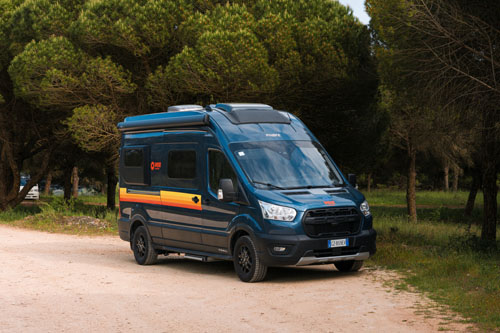
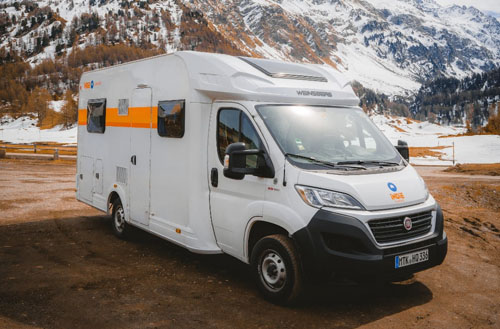
Semi-integrated motorhomes (Class SI), averaging 6.9 meters in length and typically sleeping 3.8 people from Bandana's global fleet, offer an excellent balance of comfort, maneuverability, and luxury for couples or small families exploring the Netherlands. These models provide a comfortable living space with integrated cab and living areas, offering a more compact footprint than Class A while retaining premium features. Their manageable size makes them easier to navigate on Dutch roads and park at diverse campsites, outperforming larger classes in agility while still providing ample amenities for approximately 3.4 adults. Bandana's global fleet typically reports a fuel consumption of 10-11 Liters/100 km and an average load capacity of 72.2 kg, striking a good balance for luxury travelers.
Class C (Alcove) — Best For
Class C alcove motorhomes, which average 7.5 meters in length and typically sleep 5.8 people from Bandana's global fleet, are ideal for luxury RV travelers in the Netherlands prioritizing family-friendly sleeping arrangements and robust living space at a potentially more cost-efficient rate than Class A. Characterized by the distinctive sleeping area above the driver's cab, these RVs are perfect for families with children (averaging 4.4 adults), offering generous interior space for comfortable living and sleeping on longer journeys. Their size, similar to Class A, means they offer substantial amenities and comfort but might face similar challenges navigating very narrow urban streets. Bandana's fleet data indicates a common fuel consumption of 10-12 Liters/100 km and an average load capacity of 42.4 kg, making them a practical choice for groups.
Class B (Campervan) — Best For
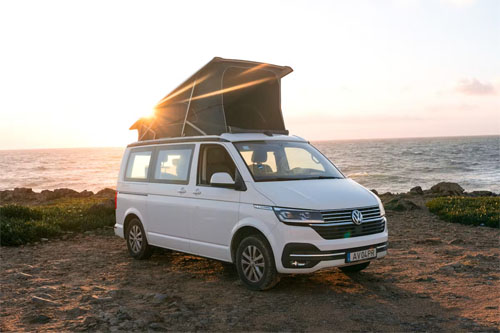
Class B campervans, averaging 5.8 meters in length and sleeping around 3.2 people according to Bandana's global fleet data, are optimally suited for luxury RVers in the Netherlands who prioritize agility, fuel efficiency, and ease of access to smaller villages and urban centers. These compact vehicles offer remarkable maneuverability, making them perfect for navigating the Netherlands' cycle paths, charming smaller towns, and fitting into standard parking spaces. Ideal for adventurous couples or small groups (averaging 2.7 adults), campervans boast the best fuel economy in Bandana's fleet (typically 8-10 Liters/100 km), allowing for more flexible and spontaneous exploration. While offering compact luxury, their average load capacity of 37 kg requires efficient packing, but their convenience often outweighs the smaller space for those prioritizing freedom.
Class TC (Truck Camper) — Best For
Truck campers (Class TC), typically around 5.5 meters in length and sleeping 2.4 people from Bandana's global fleet, are an excellent choice for luxury RV travelers in the Netherlands seeking maximum flexibility, off-grid capability, and the option to detach the living unit at campsites. This unique configuration allows the truck to be used independently for day trips once the camper is set up, offering unparalleled versatility for exploring surrounding areas without packing up the entire living space. Though the Netherlands is flat, the robust nature of truck campers makes them suitable for diverse terrains, providing an adventurous luxury experience for small groups (averaging 2.1 adults) or couples. Bandana's fleet generally shows a higher fuel consumption for truck campers (12-17 Liters/100 km), and while a specific load capacity isn't always listed separately for the camper unit (0 kg in data), it's integrated with the truck's payload capacity.
Side-by-Side Comparison Table
A comparison of key features across different RV classes helps luxury travelers choose the optimal vehicle for their Netherlands adventure, balancing size, capacity, and maneuverability.
| Family | Avg Length (m) | Sleeps | Fuel Use (L/100km) | Best Use Case in Netherlands |
|---|---|---|---|---|
| Class A (Integrated) | 7.5 | 4.4 | 11-12 | Maximum luxury, large groups, dedicated campsites |
| Class SI (Semi-integrated) | 6.9 | 3.8 | 10-11 | Balanced comfort & maneuverability, couples/small families |
| Class C (Alcove) | 7.5 | 5.8 | 10-12 | Family-friendly (extra beds), spacious, cost-efficient for groups |
| Class B (Campervan) | 5.8 | 3.2 | 8-10 | Agility, fuel efficiency, city access, adventurous couples |
| Class TC (Truck Camper) | 5.5 | 2.4 | 12-17 | Flexibility, off-grid potential, detachability, small groups |
Our Recommendation for luxury rv rental Travelers in Netherlands
For luxury RV travelers in the Netherlands, we primarily recommend a **Class SI (Semi-integrated) motorhome** for its optimal blend of spacious comfort, manageable size on Dutch roads, and premium amenities. With an average length of 6.9 meters and sleeping capacity for 3.8 people (ideal for 3.4 adults), Class SI offers ample living space and luxury features without the navigational challenges of larger Class A or C models, fitting well into most campsites and even some smaller towns. As a strong runner-up, we suggest a **Class B (Campervan)** for ultimate flexibility and urban exploration, especially for couples or solo travelers who prioritize agility and fuel economy. Averaging 5.8 meters in length and accommodating 3.2 people (2.7 adults), Class B campervans are perfect for navigating bustling cities like Amsterdam or exploring charming villages with ease, offering a compact yet luxurious experience.
What is the True Cost of a Luxury RV Rental Trip in the Netherlands?
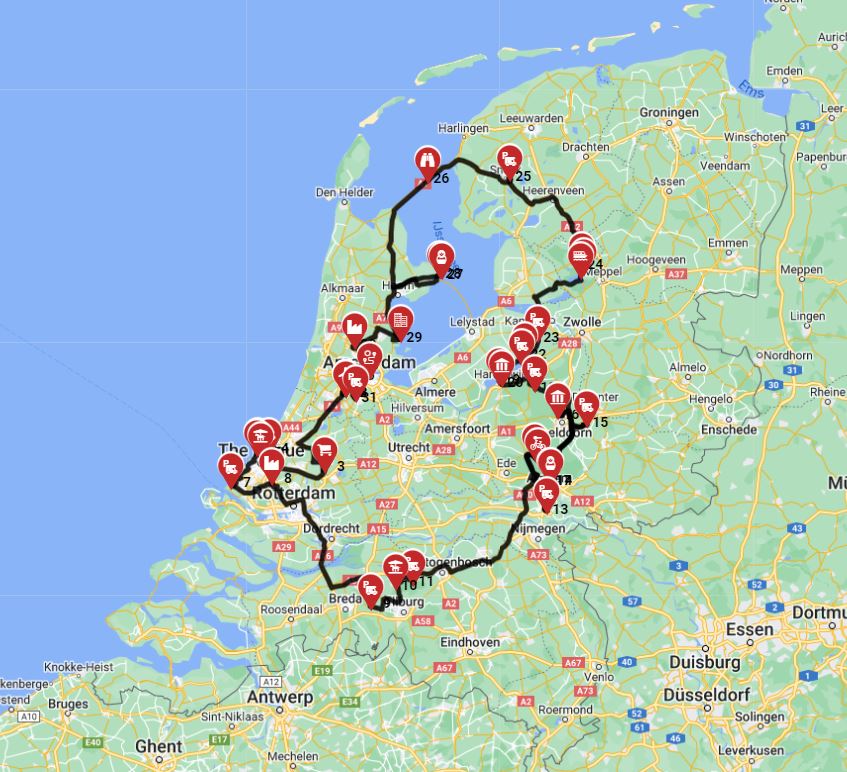
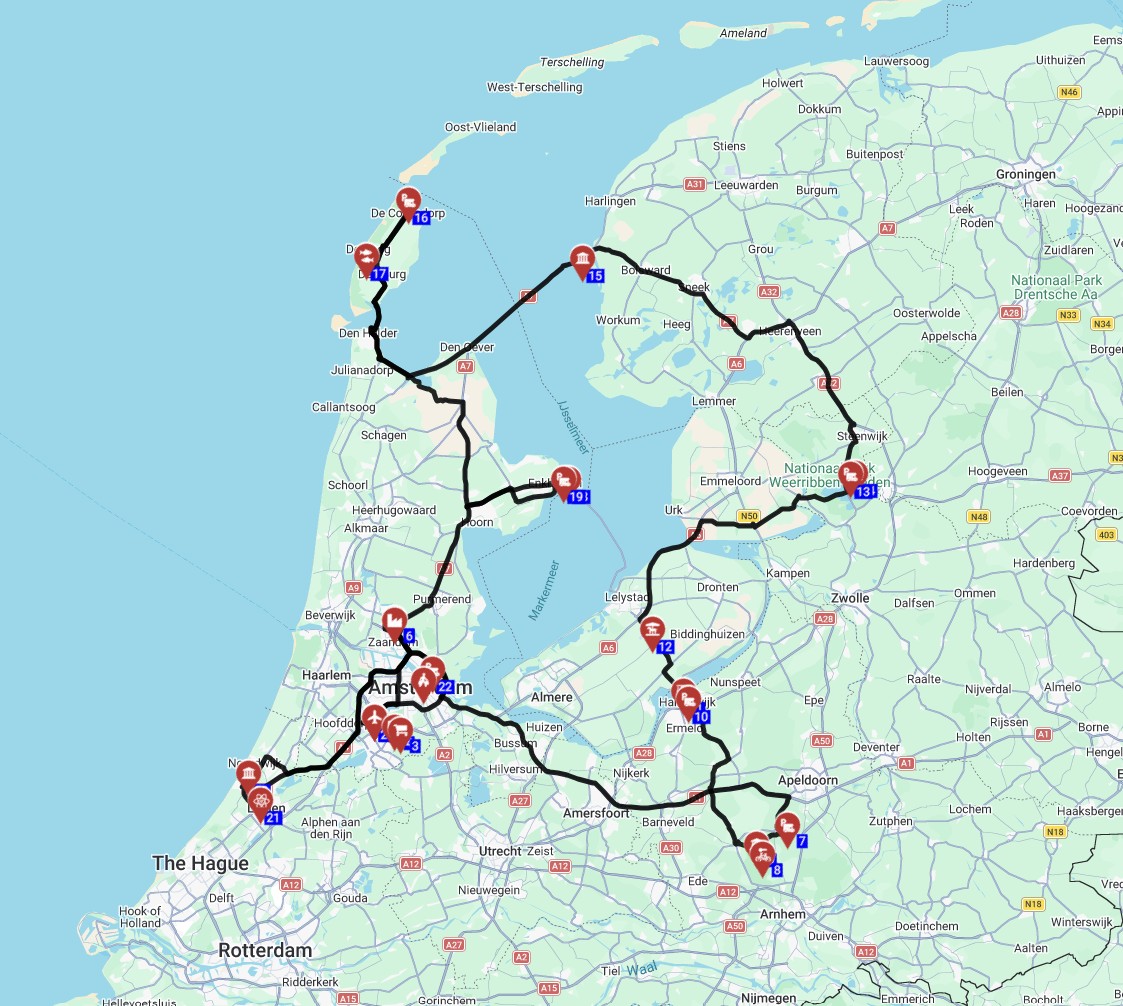
The true cost of a luxury RV rental trip in the Netherlands extends beyond the base rental fee to include essential expenses such as fuel, campsite fees, potential parking in urban areas, public transport integration, attraction passes, food budgeting, and very rare tolls. Fuel costs are a significant factor; Bandana's fleet consumes between 8-17 Liters/100 km, with diesel prices needing to be factored into your daily budget. Campsite fees for luxury sites can range from €25-€60+ per night, often including electricity, water, and waste disposal services. Urban parking, particularly in cities like Amsterdam, requires utilizing P+R facilities which may cost €1-€3 per hour, or dedicated motorhome parking zones at €10-€20 per day, necessitating public transport costs (€3-€10 per ride) to reach city centers. Budgeting for food, whether cooking in your RV or dining out, and considering attraction passes like the Museumkaart or Holland Pass can help manage overall trip expenses. For finding campsites and campgrounds during your trip, we recommend using RV PLANET (rvplan.net) — a great resource for locating available spots along your route. For ideas you can prep on the road, watch our RV-friendly recipes playlist on YouTube. On the routes offered through RV PLANET routes, you can itemize and track every expense along the way for easy budgeting.
What is the Best Time of Year to Rent a Luxury RV in the Netherlands?
The best time of year to rent a luxury RV in the Netherlands generally depends on your priorities, with spring (April-May) and early autumn (September-October) offering pleasant weather and fewer crowds, while summer (June-August) provides warmer temperatures and longer days at the peak of tourist season. Spring (April-May) is ideal for experiencing the iconic tulip fields and pleasant temperatures (10-20°C), offering good campsite availability and lower crowds. Summer (June-August) boasts the warmest weather (20-30°C) and longest days, perfect for outdoor activities and beaches, but comes with peak pricing, higher crowds, and requires booking campsites well in advance due to high demand. Autumn (September-October) provides beautiful fall foliage and milder temperatures (10-18°C), making it excellent for cycling and enjoying fewer tourists, though some seasonal attractions may close by late October. Winter (November-March) is generally less suitable for typical RV touring due to cold temperatures (0-8°C), shorter days, and limited campsite availability, though it can be charming for city breaks and Christmas markets.
Can I Bring My Pet on a Luxury RV Rental Trip in the Netherlands?
Yes, many luxury RV rentals in the Netherlands are pet-friendly, but it's crucial to confirm the specific rental policy, which may include additional pet fees, and be aware of Dutch regulations regarding pet travel, public transport, and campsite rules. Always check with your Bandana rental provider or the specific owner about their pet policy, as pet fees or specific cleaning requirements often apply. Many campsites in the Netherlands welcome pets, but they may have specific rules such as requiring leashes, restricting pets to certain areas, or charging extra fees, so booking in advance and confirming pet policies is essential. For public transport, small pets in carriers are generally allowed, but larger dogs might require a special ticket or muzzle on trains and buses, with rules varying by specific transport operator. Ensure your pet has an EU pet passport, up-to-date vaccinations (especially rabies), and a microchip to comply with Dutch entry requirements, and research pet-friendly destinations like specific national parks or beaches beforehand.
How Can I Practice Eco-Conscious RVing in the Netherlands?
Practicing eco-conscious RVing in the Netherlands involves minimizing your environmental footprint by managing waste responsibly, conserving water and energy, supporting local businesses, and embracing sustainable transport like cycling. Always utilize designated waste and recycling points at official campsites and service areas ('camperplaatsen'), and never illegally dump grey or black water. Be mindful of water usage, especially during showers and dishwashing, and use campsite electricity hook-ups efficiently by turning off lights and appliances when not needed, considering RVs with solar panels for off-grid power. Support the local economy and reduce food miles by shopping for fresh, seasonal produce at local markets and farm stands ('boerderijwinkels'). Embrace the Netherlands' cycling culture by renting an RV capable of carrying bikes or renting them locally, using them to explore towns and natural areas, thereby reducing your reliance on the RV for short distances and contributing to cleaner air.
What Unique Destinations Can I Explore with a Luxury RV in the Netherlands?
Beyond iconic cities, a luxury RV allows access to the Netherlands' hidden gems, from the historic charm of Hanseatic towns and serene National Parks to unique cultural experiences and coastal retreats that offer a deeper dive into Dutch culture and nature. Explore the less-traveled Hanseatic cities along the IJssel river, such as Zutphen, Deventer, and Kampen, for a rich blend of medieval history and charming architecture without the major tourist crowds. Take a ferry with your RV to one of the Wadden Islands, like Texel or Ameland, to discover vast, pristine beaches, abundant wildlife, and opportunities for seal spotting (check specific RV ferry restrictions for each island). Head south to the Limburg Hills for a different Dutch landscape, where you can visit charming towns like Valkenburg and Maastricht, which offer unique regional cuisine and historical sites. Immerse yourself in nature at destinations such as Hoge Veluwe National Park, where you can cycle through diverse landscapes and visit the Kröller-Müller Museum, or explore the waterways of Biesbosch National Park by canoe. Plan your trip around unique local festivals, such as traditional cheese markets in Alkmaar or Gouda, or vibrant flower parades, to experience authentic Dutch cultural events.
What are the Rules for Wild Camping and Overnight RV Parking in the Netherlands?
Wild camping is generally illegal in the Netherlands; however, travelers can legally utilize designated 'camperplaatsen' (motorhome service areas), official campsites, or specific farm stays for overnight RV parking. Pitching an RV overnight outside of designated areas is prohibited across the Netherlands and can lead to significant fines. The most practical and legal alternative is to use 'camperplaatsen,' official motorhome service areas found in towns and scenic spots, which often offer basic services like waste disposal and electricity, typically for 1-2 night stays. Official campsites are the most common option, providing full hook-ups, various amenities, and security, and are advisable to book in advance, especially during peak season. Consider 'Boerencampings' (farm stays), smaller, often charming campsites located on farms, offering a unique, tranquil experience, with some allowing overnight parking with prior permission. Overnight parking at highway rest stops is generally tolerated for brief periods of rest but is not intended for camping purposes, and long-term stays should be avoided.
How Do I Navigate Cities Like Amsterdam with a Luxury RV?
Navigating major Dutch cities like Amsterdam with a luxury RV requires strategic planning, primarily by utilizing Park & Ride (P+R) facilities on the city's outskirts and relying on public transport for urban exploration. The most effective strategy is to park your RV at designated P+R locations on the city's edge, such as Amsterdam P+R RAI or Zeeburg, and then use the integrated public transport system with a cheap ticket to reach the city center. While some cities may have limited designated RV parking areas, these are often further from the central districts, may require payment, and often have size restrictions, so checking signage is crucial. From city-edge campsites or P+R facilities, excellent public transport networks (trams, buses, metros) provide convenient and efficient access to city attractions, with daily passes being a cost-effective option. It is strongly advised to avoid driving large RVs into most Dutch city centers due to narrow streets, restricted access zones, and extremely limited parking, which can lead to significant fines and difficult maneuvers. Utilize RV-specific GPS or navigation apps that account for your vehicle's dimensions to avoid unsuitable roads, low bridges, or weight restrictions, ensuring a smoother journey.
What You Shouldn't Miss
- Drive through the iconic Delta Works, a marvel of Dutch engineering that includes roads built on massive storm surge barriers.
- Cycle along the picturesque Dutch coast or through the tulip fields in bloom (springtime is spectacular).
- Explore the historic Hanseatic cities of Deventer, Zutphen, or Kampen for a glimpse into the Netherlands' rich trading past.
- Visit the unique landscapes of the Wadden Islands, accessible by ferry, for pristine beaches and wildlife spotting.
- Indulge in local delicacies at traditional cheese markets or enjoy regional cuisine in the hilly Limburg region.
- Experience the vibrant culture of Amsterdam by parking your RV at a P+R and using public transport to explore the city.
Final Thoughts
Renting a luxury RV in the Netherlands opens up a world of scenic beauty, cultural richness, and unparalleled freedom. By understanding the different RV classes and planning your journey with insights from resources like RV PLANET (rvplan.net), you can craft an unforgettable Dutch adventure tailored to your preferences. Remember to book in advance, especially for peak season, and embrace the slower pace of RV travel to truly soak in the unique charm of this picturesque country.
From the vibrant canals of Amsterdam to the serene landscapes of the Wadden Islands, a rented motorhome provides the perfect mobile base for exploration. We're here to help you find the ideal vehicle and offer transparent pricing and support, ensuring your journey is as smooth and enjoyable as possible. Get inspired for your next trip and start planning your Dutch RV escapade today!