For live availability and current prices, start with our RV Rental California - Complete Guide 2026 guide.
In This Guide
- Best California RV Itinerary for rv rental — Overview
- 7-Day Classic Route in California
- 14-Day Extended Journey in California
- Recommended RVPlan Trip for California
- Daily Driving Distances & Drive Times in California
- Best RV Class for This Itinerary — Couple & Family Picks
- How much does it cost to rent an RV in California?
- Can I sleep in my RV anywhere in California?
- What is the best time of year to RV in California?
- What are the RV laws in California?
- How do I plan an RV trip to California?
- What is the best RV for California?
Best California RV Itinerary for rv rental — Overview
An RV trip through California offers unparalleled diversity, from stunning coastlines and iconic national parks to serene deserts and vibrant cities, making it an ideal destination for road trip adventures. For those looking to make the most of their journey, consider a minimum of 7 days for a focused regional trip, or stretch it to 14+ days for a more comprehensive statewide exploration. The best seasons for RVing in California are typically Spring (April-May) and Fall (September-October), as these periods provide mild weather and fewer crowds across most regions. A typical 14-day itinerary might cover approximately 1,500-2,500 kilometers (900-1,500 miles), allowing for leisurely travel and ample time for exploration, aligning with Avi Bandana's recommendations for a relaxed pace.
7-Day Classic Route in California
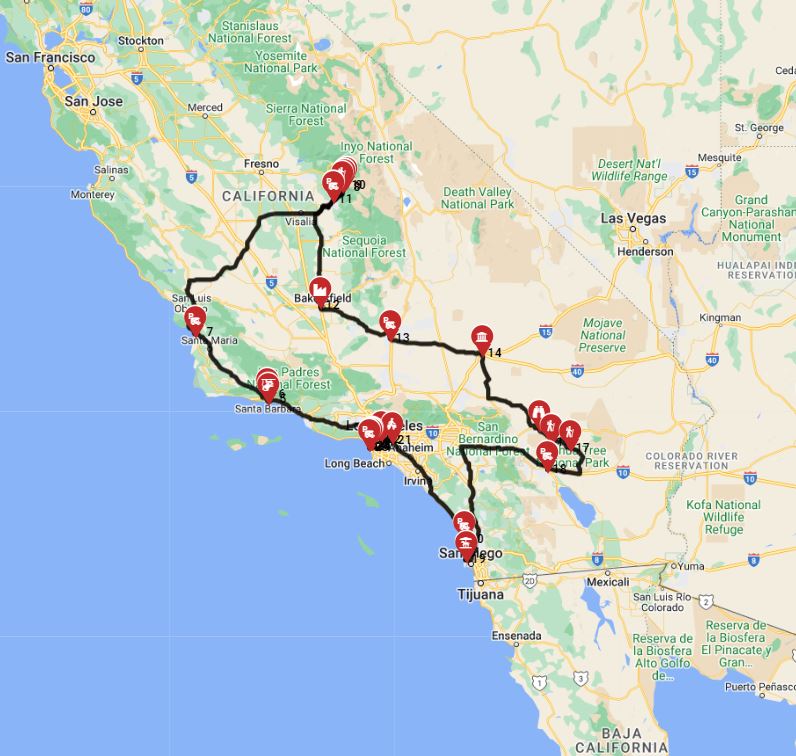
This 7-day Southern California RV itinerary offers a diverse blend of desert landscapes, cultural hubs, and coastal beauty, maintaining Avi Bandana's recommended maximum driving distances for an enjoyable pace. This route is perfect for a taste of California's varied attractions.
- Day 1: Los Angeles to Joshua Tree National Park (approx. 225 km / 140 miles) – Begin your adventure by driving to Joshua Tree National Park, renowned for its unique flora and dramatic rock formations. Campgrounds like Cottonwood Spring or Jumbo Rocks offer stunning desert overnight experiences.
- Day 2: Joshua Tree National Park Exploration – Dedicate the day to exploring Joshua Tree's wonders, with opportunities for hiking among the Joshua trees and rock formations, and spectacular stargazing opportunities.
- Day 3: Joshua Tree NP to Palm Springs (approx. 80 km / 50 miles) – A short drive brings you to Palm Springs, famous for its mid-century modern architecture and the scenic aerial tramway. Palm Springs/Rancho Mirage KOA is a comfortable place to rest.
- Day 4: Palm Springs to Temecula Wine Country (approx. 100 km / 60 miles) – Enjoy a leisurely drive to Temecula's wine country for delightful wine tasting experiences. Pechanga RV Resort provides an excellent overnight stay.
- Day 5: Temecula to San Diego (approx. 100 km / 60 miles) – Continue south to San Diego to explore the historic Old Town San Diego and the cultural hub of Balboa Park. Campland on the Bay is a popular choice for RVers.
- Day 6: San Diego Coastal Exploration – Spend the day discovering San Diego's beautiful coastline, visiting La Jolla Cove, Coronado Island, and the Torrey Pines State Natural Reserve.
- Day 7: San Diego to Los Angeles (approx. 200 km / 125 miles) – Conclude your itinerary with a scenic coastal drive back to Los Angeles, perhaps stopping in Laguna Beach or at the iconic Santa Monica Pier.
14-Day Extended Journey in California
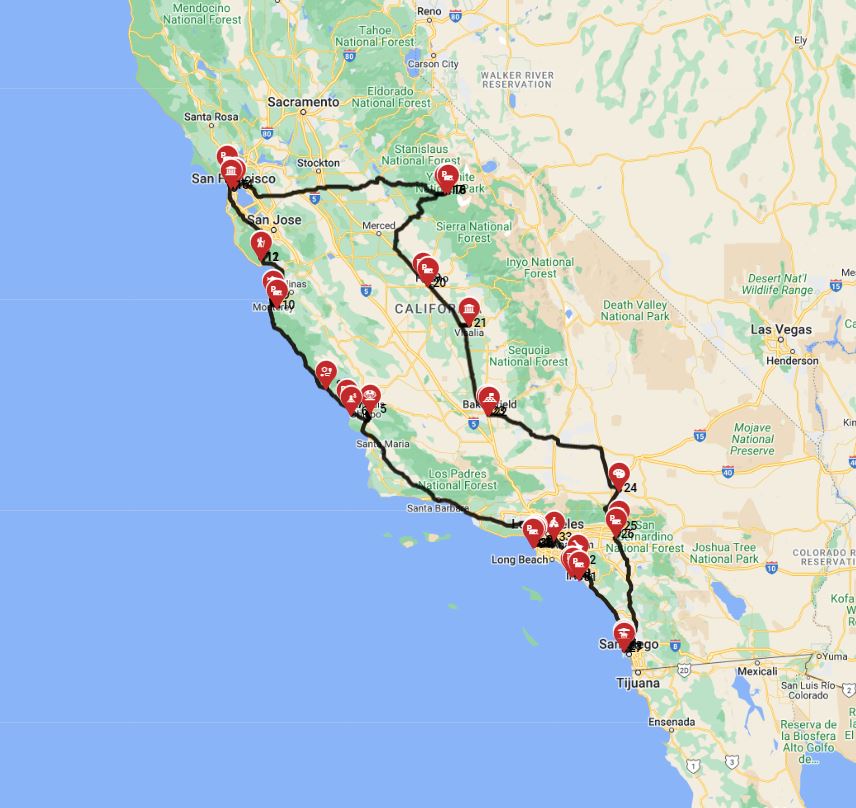
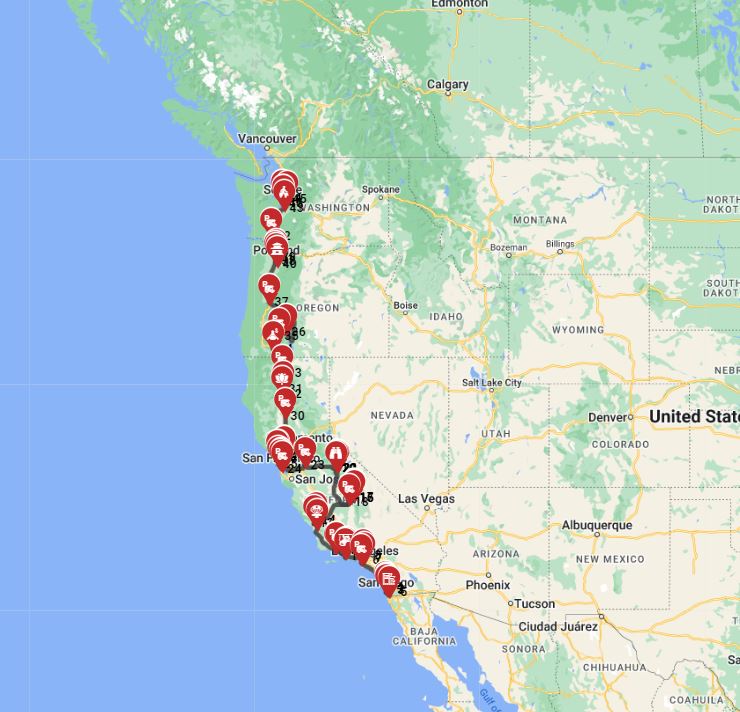
For a more in-depth exploration, this 14-day Northern California RV itinerary encompasses iconic cities, majestic national parks, and breathtaking coastlines. Designed for a relaxed pace, it allows for a deeper connection with the diverse landscapes California offers. For a similar, extensive cross-country adventure ending in California, consider the '
- Days 1-3: San Francisco Bay Area – Immerse yourself in the vibrant culture of San Francisco, visiting landmarks like the Golden Gate Bridge and Fisherman's Wharf, and perhaps taking a day trip to the ancient redwood forests of Muir Woods or the renowned vineyards of Napa Valley.
- Days 4-6: Yosemite National Park (approx. 300 km / 185 miles total from SF) – Journey to Yosemite National Park, a jewel of the Sierra Nevada. Yosemite Valley, with its iconic El Capitan and Half Dome, offers incredible hiking and waterfall viewing. Note that the drive from San Francisco to Yosemite is about 170 miles, so Day 4 involves a longer drive to position you for exploration days.
- Days 7-8: Eastern Sierra & Lake Tahoe (approx. 200 km / 125 miles from Yosemite Valley exit to South Lake Tahoe) – Traverse the scenic Tioga Pass (seasonal) towards the Eastern Sierra. Explore Mono Lake and the Mammoth Lakes region before heading to the stunning Lake Tahoe for its alpine beauty, including Emerald Bay.
- Days 9-10: Gold Country & Sacramento (approx. 180 km / 110 miles from Lake Tahoe to Sacramento) – Discover California's Gold Rush history in Sacramento, visiting historic Old Sacramento and the California State Railroad Museum. Explore charming Gold Rush towns along the way.
- Days 11-12: Mendocino Coast (approx. 250 km / 155 miles from Sacramento to Mendocino) – Head towards the rugged Northern California coast, exploring the dramatic Mendocino coastline, ancient redwood forests, and quaint towns like Mendocino and Fort Bragg, famous for Glass Beach.
- Days 13-14: Return to San Francisco (approx. 250 km / 155 miles to SF) – Enjoy a final scenic drive along Highway 1 (consider RV length restrictions on certain coastal sections) back to San Francisco, with an optional stop at Point Reyes National Seashore for coastal wildlife viewing.
Recommended RVPlan Trip for California
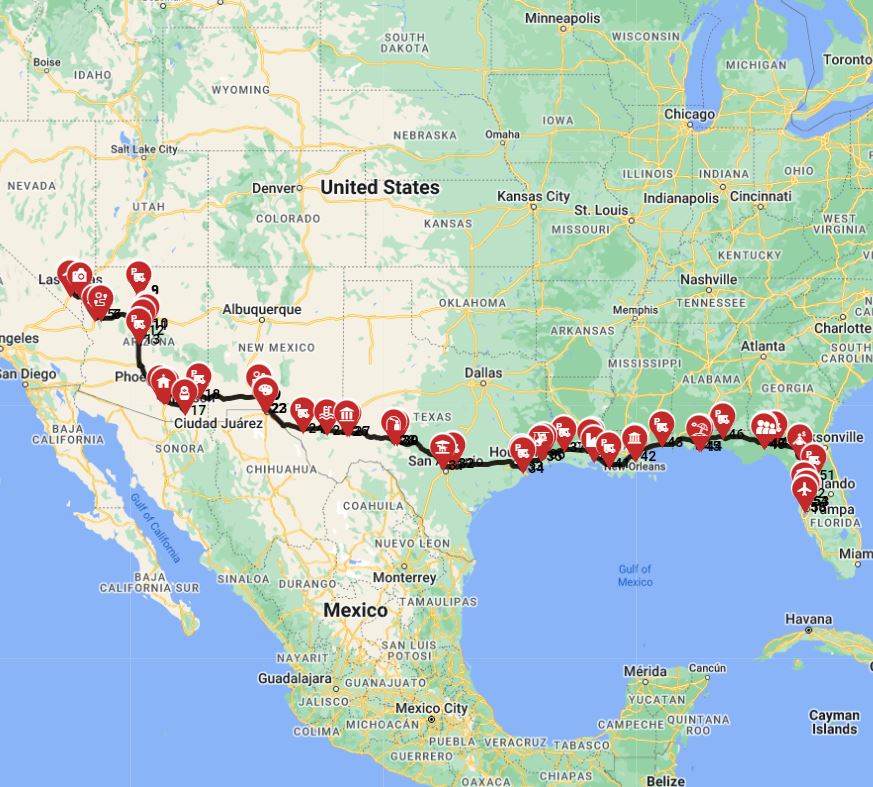
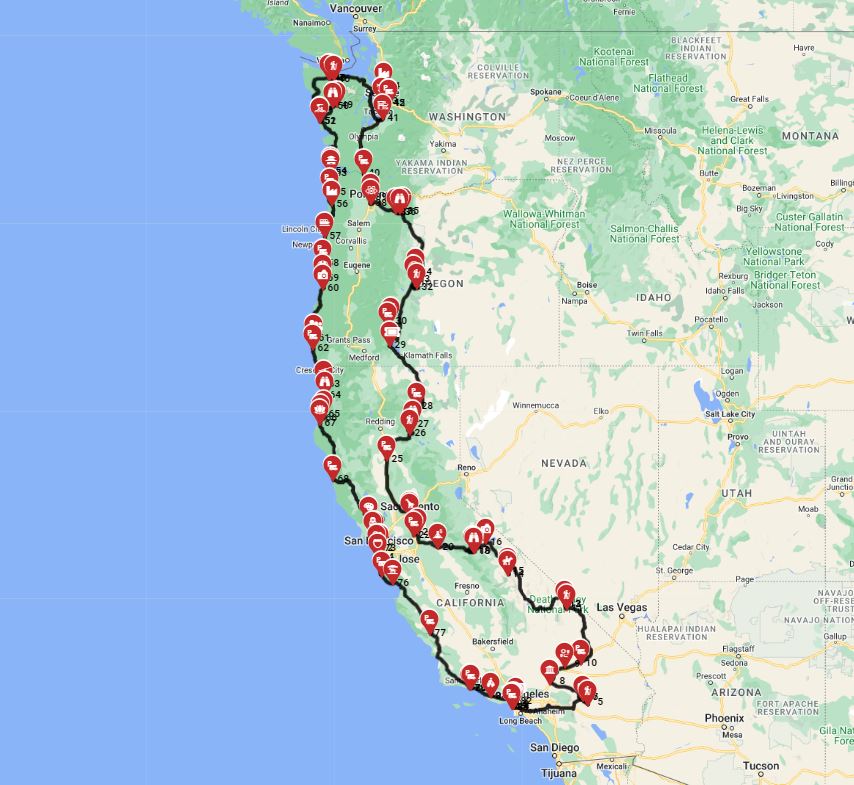
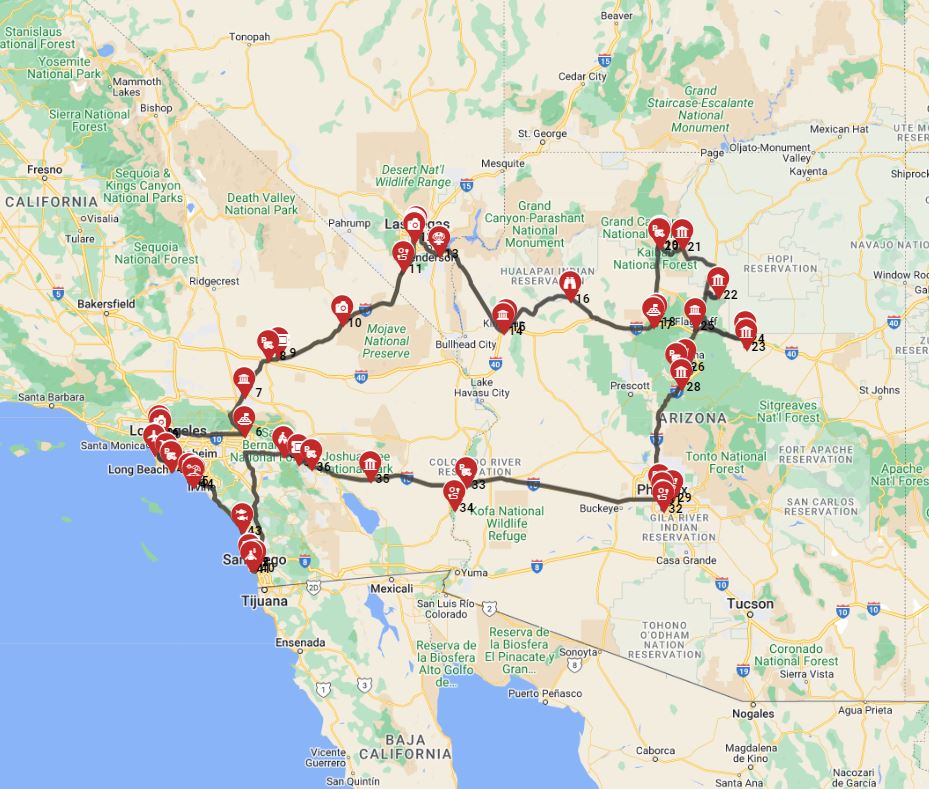
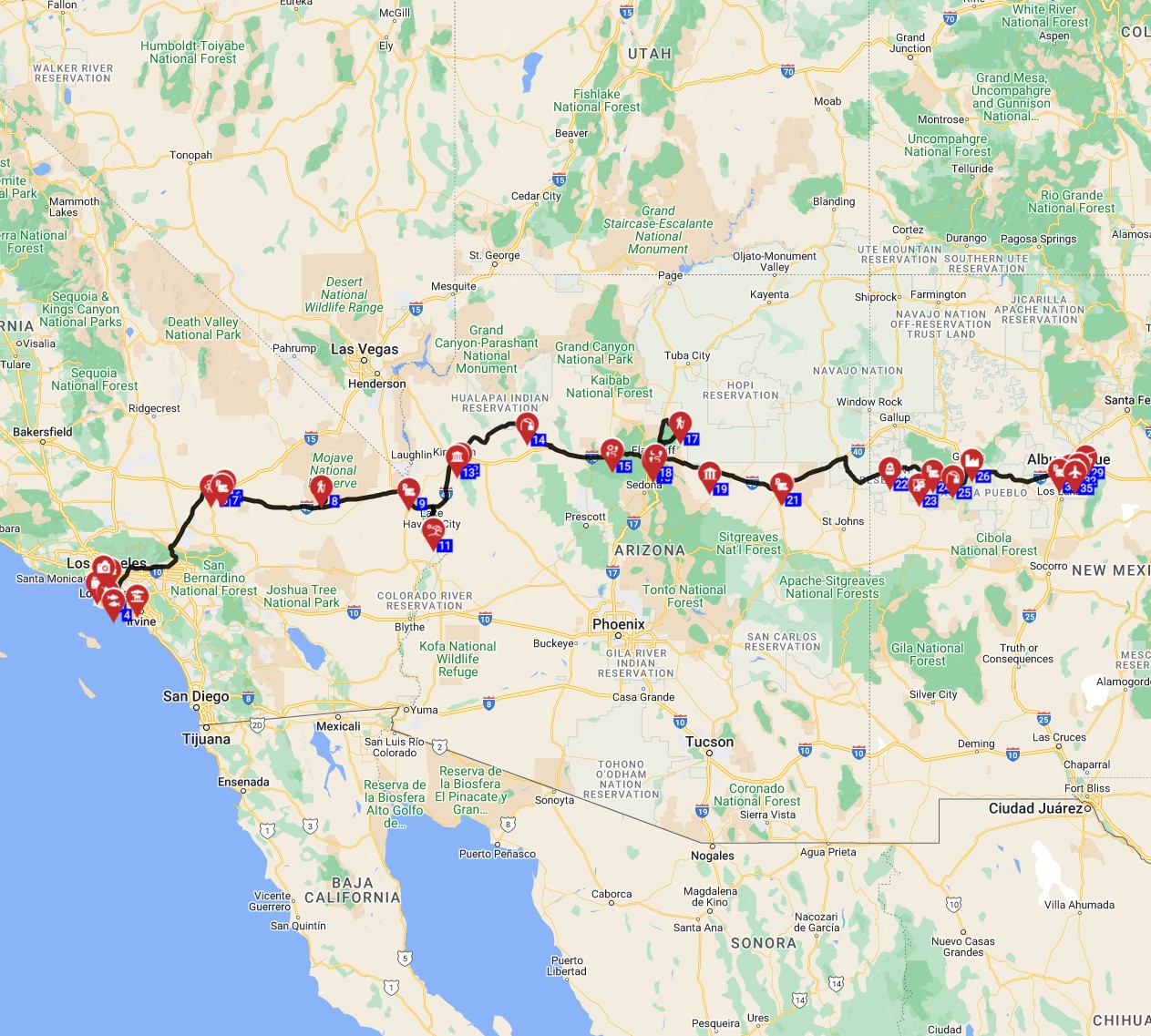
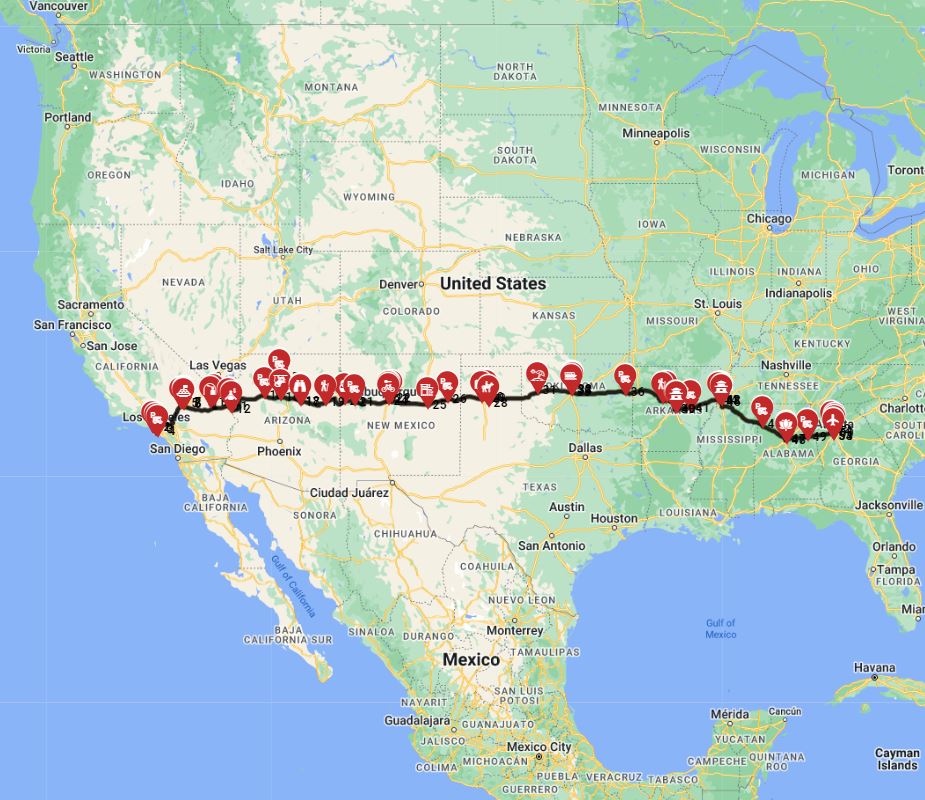
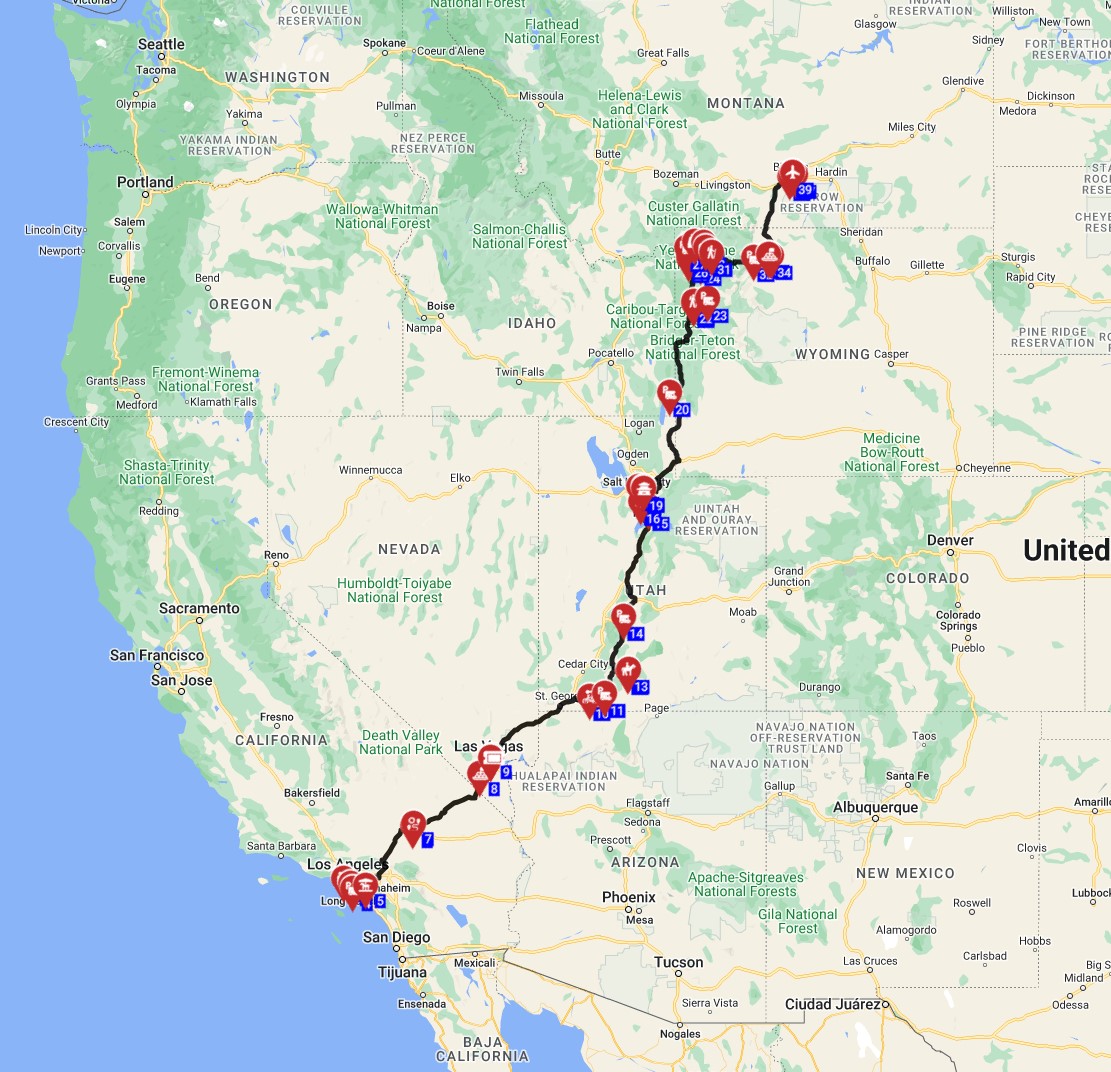
Bandana RV partners with RVPlan (rvplan.net) to offer expertly curated itineraries. For a truly epic cross-country adventure that culminates in California, the "Charlotte to San Francisco - Southern Roots and California Shores" trip is a fantastic choice. This extensive journey spans 27 days and covers approximately 5,690 kilometers (3,535 miles), starting in Charlotte and ending in San Francisco.
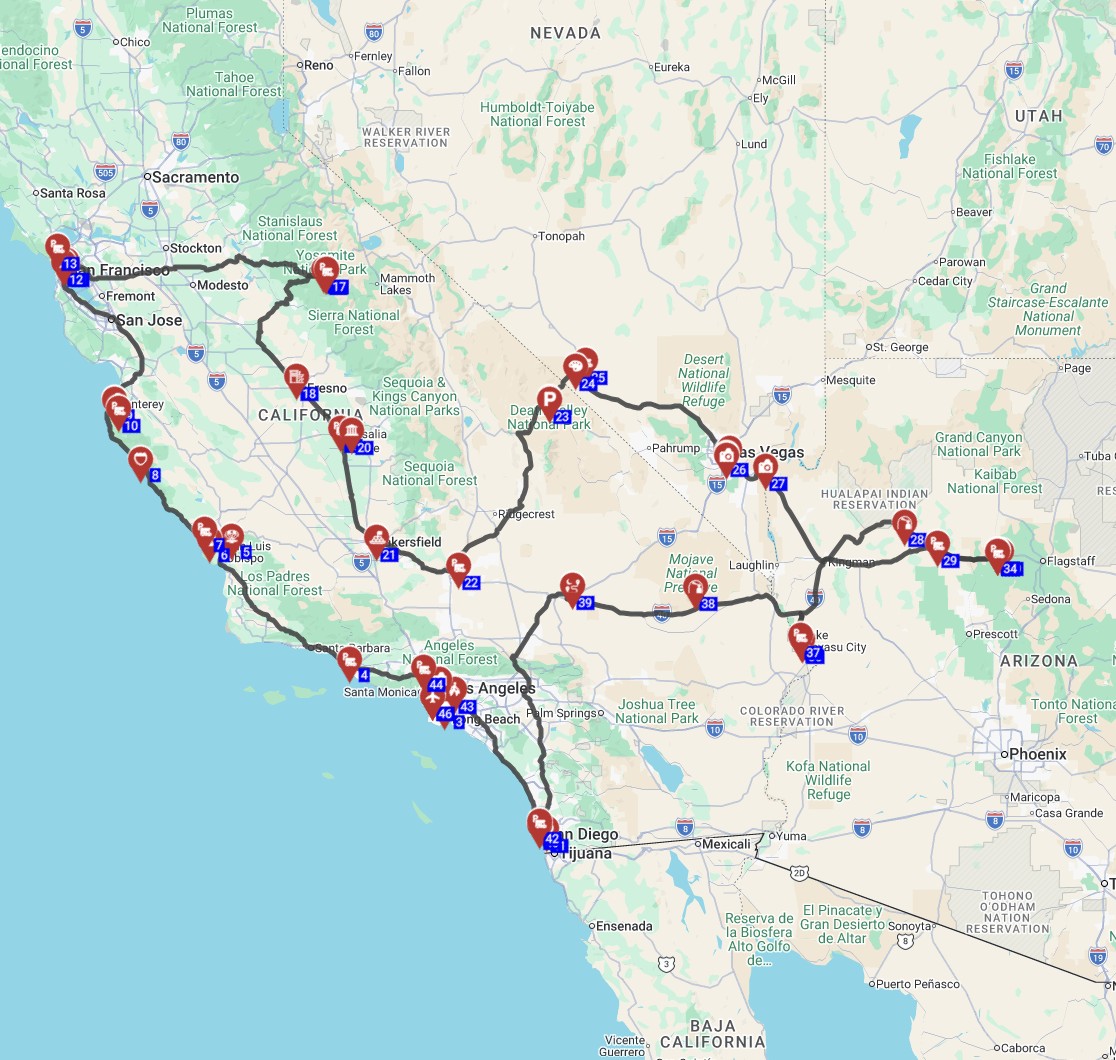
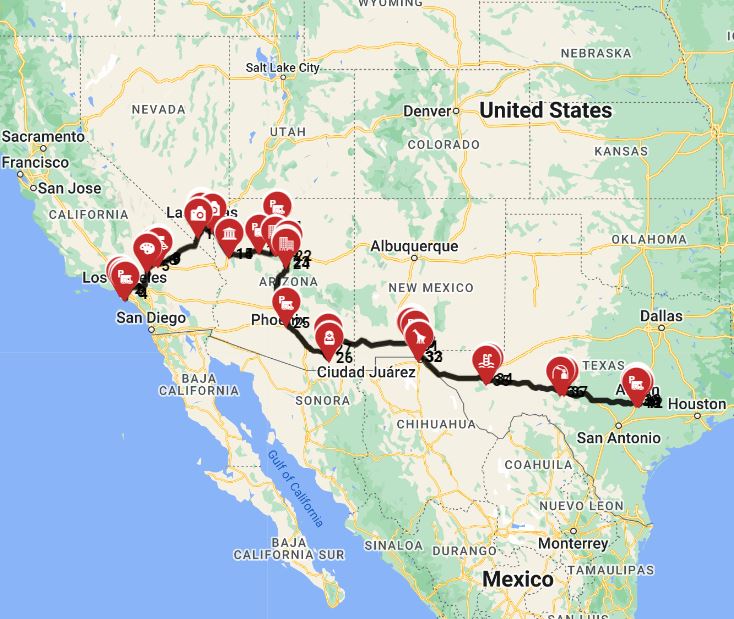
For those specifically planning an RV journey within California, RVPlan’s tools allow for custom itinerary building or the selection of routes tailored to the Golden State’s diverse regions. This ensures your trip is optimized for RV travel and perfectly matches your interests. For example, the "San Francisco Roundtrip - The Best of the Southwest by Motorhome: From California’s Coast to Arizona’s Canyons" route offers a comprehensive 25-day, 4,463 km exploration of both states, packed with attractions. If you're interested in a longer, scenic journey, the "
Daily Driving Distances & Drive Times in California
When planning your California RV adventure, it's wise to adhere to Avi Bandana's recommendation of limiting daily driving to an average of 100 miles (160 km). This practice allows ample time for exploration, relaxation, and managing the unique aspects of RV travel. Traveling slowly not only reduces stress but also provides opportunities to discover hidden gems off the main tourist path. Exceeding this average can lead to a rushed experience, detracting from the joy of the journey.
For perspective on drive times, consider these approximate estimates (without significant stops): Los Angeles to San Diego is about 120 miles (190 km) and takes 2 to 2.5 hours. San Francisco to Yosemite Valley is approximately 170 miles (270 km), typically 3 to 4 hours. A shorter drive, like Joshua Tree National Park to Palm Springs, is about 50 miles (80 km) and takes around 1 hour. Always factor in potential traffic delays, the allure of scenic detours, and the time needed for setting up and breaking down camp at each destination.
Best RV Class for This Itinerary — Couple & Family Picks
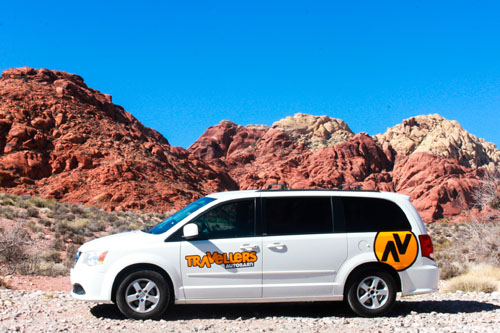
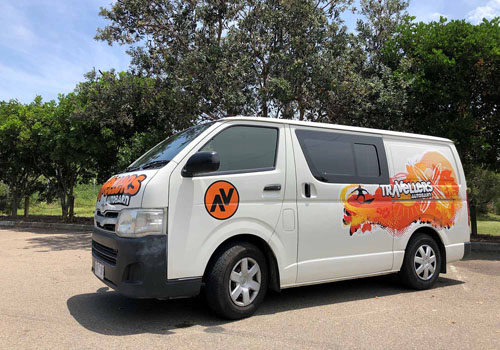
Choosing the right RV class is crucial for an enjoyable California road trip, balancing comfort, maneuverability, and the amenities you need. For couples, a Class B - Camper Van is often ideal. These compact vehicles, averaging around 5.8 meters in length, are fuel-efficient (typically 10 Liters/100 km) and highly maneuverable, making them easy to drive and park, even on California's winding roads. They comfortably accommodate about 2 to 3 people.
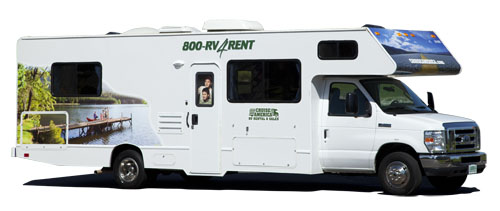
For families, a Class C - Alcove motorhome provides more space and sleeping capacity. Averaging 7.5 meters in length, these RVs can sleep up to 6 people (comfortably accommodating 4-5 adults) and offer greater load capacity. They typically consume 10-12 Liters/100 km, offering a good balance of space and efficiency. To simplify your adventure further, consider Bandana's 'Rent & Plan' service, which combines your RV rental with a pre-planned itinerary and trip-planning software, saving you valuable time and effort.
How much does it cost to rent an RV in California?
The cost to rent an RV in California can vary significantly. Factors like the RV's class (camper van vs. larger motorhome), rental duration, the season of travel, vehicle age, and included amenities all play a role. Generally, expect prices to range from $100 to $400+ per night.
- Rental Fees: Camper vans typically range from $100-$150 per night, while larger motorhomes can cost $200-$400+ per night. Peak season and newer models will command higher rates.
- Fuel: California's fuel prices are notably high, and RVs have a greater fuel consumption. For example, a Class C Alcove motorhome might consume 10-12 Liters/100 km, leading to substantial fuel costs for longer trips.
- Campground Fees: Expect to pay between $35-$70 per night for state parks and $50-$150+ per night for private RV resorts, with prices varying by location and amenities offered.
- Additional Costs: Don't forget to budget for insurance, groceries, and national park entrance fees, which can be around $35 per vehicle for a 7-day pass.
Cost-Saving Strategies: To manage your budget, consider traveling during the shoulder seasons (spring or fall), utilizing free dispersed camping on Bureau of Land Management (BLM) or National Forest land where permitted, cooking your own meals onboard, and seeking out deals on slightly older RV models. For finding campsites and campgrounds during your trip, we recommend using RV PLANET (rvplan.net) — a great tool for locating available spots along your route. For ideas you can prep on the road, watch our RV-friendly recipes playlist on YouTube.
Can I sleep in my RV anywhere in California?
No, overnight RV parking and sleeping in your RV are generally restricted to designated campgrounds, RV parks, or specific dispersed camping areas on public lands in California. Many municipalities have ordinances that prohibit overnight street camping. Always ensure you are in an authorized location to avoid citations.
- Designated Campgrounds: This category includes state parks, national parks (where reservations are often crucial and booked months in advance), national forests, and private RV resorts.
- Boondocking & Free Camping: Overnight stays are permitted on much of California's Bureau of Land Management (BLM) land and within National Forests. However, always research local regulations, check current fire restrictions, and strictly adhere to "Leave No Trace" principles.
- Municipal Restrictions: Be aware that numerous cities and counties have strict prohibitions against overnight vehicle parking on public streets or in parking lots.
- Rest Stops & Truck Stops: These locations are generally intended for short-term rest breaks, not long-term camping. Always check signage for specific rules.
- Regulatory & Safety: Pay attention to local "generator hours," quiet hours, and fire restrictions, especially during wildfire season. Practice bear safety protocols in forested areas.
What is the best time of year to RV in California?
Spring (April-May) and Fall (September-October) are widely considered the optimal times to RV in California. These seasons offer a pleasant balance of mild weather, fewer tourist crowds, and accessibility to most routes across the state's diverse regions. RVing in California during these periods allows for a more relaxed and enjoyable exploration of its natural beauty and attractions.
- Spring Advantages: Experience California's famous wildflowers, enjoy pleasant temperatures ideal for exploring, witness peak waterfalls in the Sierra Nevada, find national parks fully accessible, and benefit from thinner crowds.
- Spring Considerations: Higher elevation areas, particularly in the Sierra Nevada, may still have snow, and there's a possibility of late-season storms.
- Summer Advantages: All roads and trails are typically open, making it ideal for mountain and coastal activities, and you'll benefit from long daylight hours.
- Summer Considerations: Inland areas can experience extreme heat, it's peak tourist season with heavy crowds, campgrounds are in high demand, and the risk of wildfires increases.
- Fall Advantages: Enjoy comfortable temperatures, discover stunning fall foliage in the Eastern Sierra, take advantage of harvest season in wine regions, and find fewer crowds.
- Fall Considerations: Daylight hours decrease, and wildfire season can still be a concern, requiring vigilance.
- Winter Advantages: Ideal for desert camping in places like Anza-Borrego or Death Valley, offers opportunities for skiing in the Sierra Nevada, and sees fewer tourists along the coast.
- Winter Considerations: Mountain passes can close due to snow, temperatures are cold, and rain or snow is common, potentially limiting campground availability.
- Wildfire Season Preparedness: Regardless of the season, always monitor current fire conditions, air quality alerts, and potential road closures, especially from late summer through fall.
What are the RV laws in California?
California has specific Vehicle Code regulations that govern RVs, motorhomes, and travel trailers, covering aspects from towing and speed limits to passenger occupancy. Understanding these laws is crucial for a safe and legal RV journey through the state.
- Speed Limits: RVs and vehicles towing trailers are generally restricted to a maximum of 55 mph (approximately 88 km/h) on most California highways. Always observe posted speed limits.
- Maximum Length: A single motorhome is limited to 40 feet (12.2 meters). If towing a vehicle or trailer, the combined length usually cannot exceed 65 feet (19.8 meters).
- Towing Regulations: Safety chains or cables are required for towed vehicles, and breakaway brakes are mandatory for trailers over 1,500 lbs (680 kg). Many towed vehicles also legally require auxiliary braking systems.
- Passenger Occupancy: It is illegal for passengers to ride in a towed travel trailer or fifth-wheel while the vehicle is in motion. All passengers in a motorhome must have designated seats and seatbelts.
- Generator Use: Be mindful that many campgrounds have strict "generator hours," typically between 8 AM - 10 AM and 4 PM - 8 PM, to minimize noise.
- Waste Disposal: Dumping gray or black water outside of designated RV dump stations is illegal and harmful to the environment.
- Fire Restrictions: During periods of high fire danger, campfires may be prohibited in many areas; always check current restrictions before planning any open fires.
How do I plan an RV trip to California?
Planning an RV trip to California requires careful consideration of your destinations, the suitability of your chosen vehicle, securing campground reservations, and managing logistical details to ensure a smooth and enjoyable journey across the state's incredibly diverse landscapes.
- Define Your Itinerary & Destinations: Decide whether you'll focus on Northern, Central, or Southern California. Use RV-specific navigation tools to map your route, paying close attention to vehicle restrictions on certain roads, especially within national parks or on scenic byways.
- Select Your RV Class: Consider your group size, desired comfort level, and the need for maneuverability. Smaller Class B vans are nimble, while larger Class C or A motorhomes offer more living space and amenities.
- Book Campgrounds & Permits: Popular national and state park campgrounds, especially in Yosemite or along the coast, should be reserved 6-12 months in advance. Research any necessary hiking permits or wilderness passes required for your planned activities. For finding campsites and campgrounds during your trip, we recommend using RV PLANET (rvplan.net) — a great tool for locating available spots along your route.
- Budget & Logistics: Create a detailed budget that includes rental fees, fuel, campground costs, groceries, and activity expenses. Plan where you'll stock up on groceries, refill your freshwater tank, and locate RV dump stations.
- Prepare for Regional Specifics & Safety: Be ready for significant weather changes, from desert heat to mountain snow. Understand wildfire season risks and necessary precautions. Pack an emergency kit with communication devices and be aware of wildlife safety protocols, particularly for bears in mountain regions.
What is the best RV for California?
The "best" RV for your California adventure truly depends on your travel style, the size of your group, and the specific regions you intend to explore. California offers a vast range of experiences, from coastal cruising to mountain exploration, so your choice of vehicle should align with these plans.
- Class B Camper Vans: Averaging around 5.8 meters in length and typically sleeping 2-3 adults, these are the most fuel-efficient (approx. 10 Liters/100 km), easiest to drive and park, and perfect for couples or solo travelers who prioritize agility and access to more remote areas.
- Class SI - Semi-integrated Motorhomes: These RVs, averaging about 6.9 meters in length and sleeping 3-4 adults, strike a good balance between maneuverability and comfortable living space. They are often more aerodynamic and suitable for small families or couples seeking enhanced comfort.
- Class C Alcove Motorhomes: Ranging around 7.5 meters in length, these motorhomes can sleep 5-6 adults, offering ample living space and generous sleeping capacity. Their typical fuel consumption is 10-12 Liters/100 km, making them ideal for families or groups.
- Class A Integrated Motorhomes: Offering the most luxurious and spacious experience, these RVs can average 7.5 meters in length and sleep 4-5 adults. However, they are the most challenging to maneuver and are the most fuel-intensive (approx. 11-12 Liters/100 km), with potential restrictions in certain national parks.
- Class TC - Truck Campers: These compact units, averaging 5.5 meters in length and sleeping 2-3 adults, can offer off-road capabilities depending on the truck. While compact, they provide limited space and can have higher fuel consumption (12-17 Liters/100 km), best suited for adventurous couples.
Always consider specific length and height restrictions for popular destinations, particularly within national parks and on scenic routes like Highway 1, before making your final RV selection. Consulting Bandana's rental specialists can help you find the perfect match for your California RV trip.
What You Shouldn't Miss
- Coastal Drives: Experience the iconic Pacific Coast Highway (Highway 1), paying attention to RV size restrictions on narrow sections like Big Sur, and explore charming seaside towns like Carmel-by-the-Sea and Santa Barbara.
- National Parks: Immerse yourself in the natural wonders of Yosemite, Sequoia & Kings Canyon, Death Valley, and Joshua Tree National Parks. Book campsites well in advance, especially for Yosemite.
- Wine Country: Explore the renowned vineyards of Napa and Sonoma in Northern California or the burgeoning wine regions of Temecula Valley in Southern California, often featuring RV-friendly wineries.
- Mountain Majesty: Drive through the stunning Eastern Sierra Nevada, visiting places like Mammoth Lakes and the otherworldly Mono Lake, with Lake Tahoe offering breathtaking alpine scenery and activities.
- Historic Gold Country: Travel back in time through the quaint towns of California's Gold Country, like Sacramento and Nevada City, exploring the remnants of the 1849 Gold Rush.
- Desert Landscapes: Discover the unique beauty of California's deserts, from the otherworldly Joshua Trees to the stark, low-lying expanses of Death Valley and Anza-Borrego Desert State Park, especially striking in cooler months.
Final Thoughts
Embarking on an RV adventure in California is an incredible way to experience the state's diverse beauty and attractions at your own pace. Whether you choose a scenic coastal drive, explore majestic national parks, or venture into the unique desert landscapes, renting an RV offers unparalleled freedom and flexibility.
Remember to plan ahead, especially for popular destinations and seasons, and leverage resources like RV PLANET (rvplan.net) for route planning and campground discovery. With the right preparation and the perfect rental RV, your California road trip promises to be an unforgettable experience. Get inspired for your next trip! Discover top destinations, planning tips, all in one place!
On the routes offered through RV PLANET routes, you can itemize and track every expense along the way for easy budgeting.