For live availability and current prices, start with our RV Rental Alaska - Complete Guide 2026 guide.
In This Guide
- Best Alaska RV Itinerary for rv rental - Overview
- 7-Day Classic Route in Alaska
- 14-Day Extended Journey in Alaska
- Recommended RVPlan Trip for Alaska
- Must-See Stops Along the Way (Avi Bandana Picks)
- Daily Driving Distances & Drive Times in Alaska
- Best RV Class for This Itinerary - Couple & Family Picks
- What is the 3-3-3 rule for RV travel?
- What is the best route to Alaska by RV?
- What is the best time of year to RV to Alaska?
- What should I not miss in Alaska?
- Can I park my RV anywhere in Alaska?
Imagine yourself winding through colossal mountain ranges, spotting majestic wildlife, and waking up to the fresh, crisp air of the Last Frontier. A luxury RV itinerary in Alaska offers an unparalleled blend of freedom, comfort, and breathtaking natural beauty. As true RV specialists, we at Bandana RV know that exploring Alaska in a rented motorhome or campervan is more than just a trip; it's an immersive experience designed to connect you deeply with nature and culture.
For live availability and current prices, and to embark on your ultimate Alaskan adventure, start with our RV Rental Alaska - Complete Guide 2024. This guide provides comprehensive insights into securing your ideal home-on-wheels and planning an unforgettable journey. We believe in full transparency, which means no hidden fees or surprises - what you see is truly what you pay.
Best Alaska RV Itinerary for rv rental - Overview
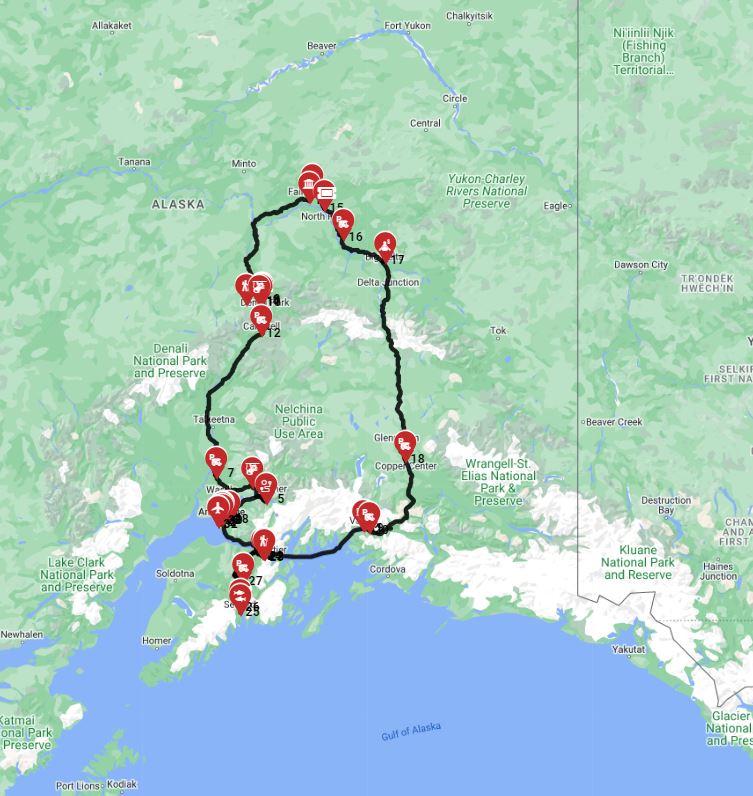
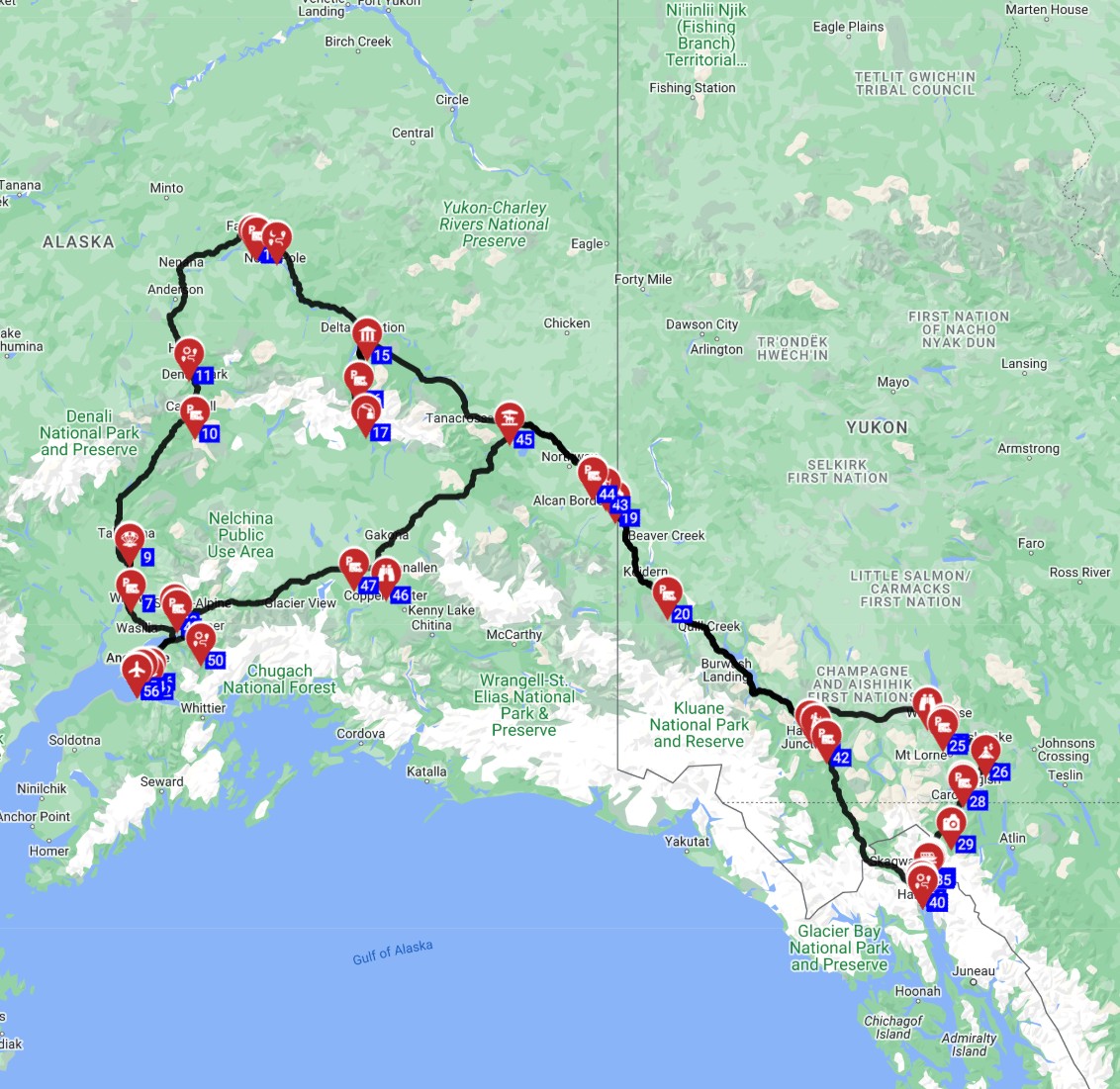
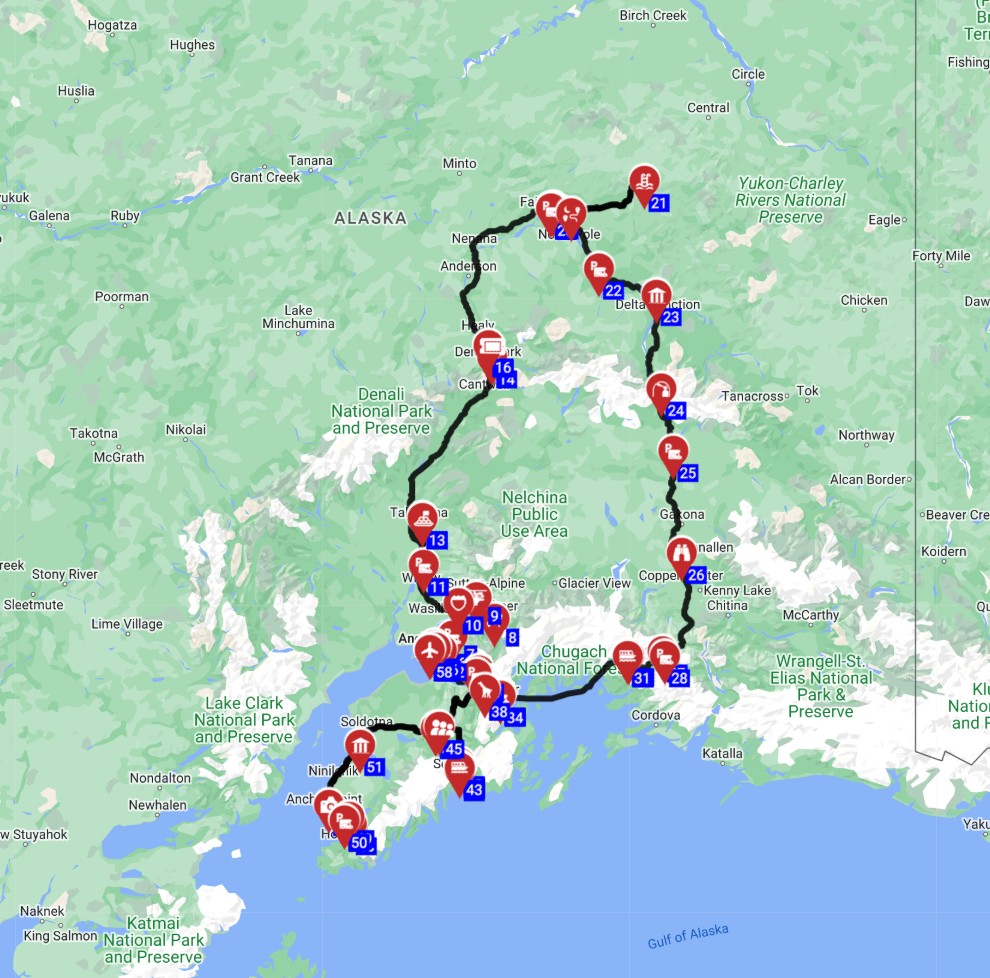
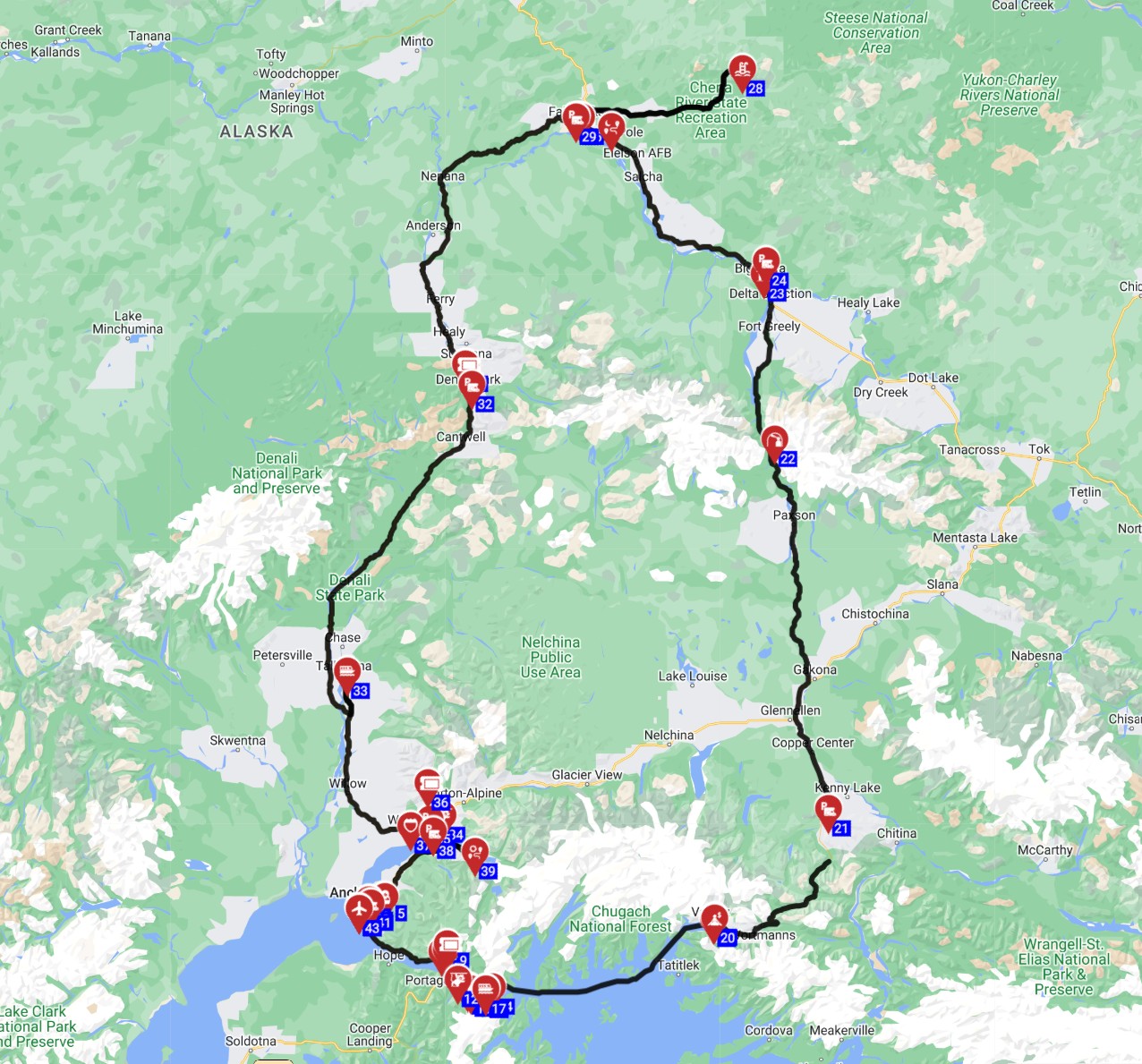
A typical Alaska RV itinerary provides a unique blend of natural wonders and cultural experiences, making it perfect for an extended road trip. A recommended duration for a comprehensive trip is a minimum of 7 days, with 14-23 days allowing for deeper exploration of the state's vast landscapes and diverse attractions. The optimal travel season for enjoying Alaska's natural beauty and accessible facilities is from late May to early September, as this period offers the best weather and maximum access to parks and visitor services. For instance, a popular extended journey, like the Anchorage Round Trip - Alaska-Yukon Discovery Trail, covers approximately 3,539 kilometers (2,199 miles) over 23 days, showcasing an extensive range of activities from amusement parks and botanical gardens to multiple hiking areas and museums.
7-Day Classic Route in Alaska
A classic 7-day motorhome route in Alaska allows you to experience key highlights without feeling rushed, prioritizing slow travel to savor each destination. This itinerary keeps daily driving distances manageable, largely adhering to the recommended maximum of 100-150 km (60-90 miles) per day.
- Day 1: Anchorage to Talkeetna (approx. 180 km / 112 miles) - Drive north from Anchorage to the charming, artistic town of Talkeetna. Here, you can enjoy stunning, distant views of Denali, North America's highest peak, weather permitting. Settle your rented RV for the night at a local campground like Talkeetna Campground.
- Day 2: Talkeetna to Denali National Park (approx. 240 km / 150 miles) - Embark on a scenic drive along the iconic George Parks Highway. The route offers spectacular vistas as you head towards Denali National Park's entrance. Reservations are essential for campsites within the park, such as Riley Creek Campground, especially during peak season.
- Day 3: Denali National Park - Dedicate a full day to exploring Denali National Park with a bus tour, which offers the best opportunities for wildlife viewing and witnessing the park's majestic landscapes. Return to Riley Creek Campground for another night under the Alaskan sky.
- Day 4: Denali National Park to Fairbanks (approx. 200 km / 125 miles) - Continue your journey north to Fairbanks, often called the "Golden Heart City." Take time to visit the University of Alaska Museum of the North or explore its gold rush history. An overnight stay at Chena River State Recreation Site provides a comfortable end to the day.
- Day 5: Fairbanks to Valdez (approx. 580 km / 360 miles, a longer day for coastal access) - This day involves a more extensive drive through incredible mountain passes, leading you to the scenic Prince William Sound and the port town of Valdez. The journey is well worth the distance for the stunning coastal beauty awaiting you. Valdez Glacier Campground is a great option for overnight RV parking.
- Day 6: Valdez to Palmer (approx. 400 km / 250 miles) - Travel back inland to the Matanuska Valley, a lush agricultural region. Explore the charming town of Palmer, perhaps visiting a local farm or market. Matanuska River Park Campground offers convenient amenities for your final full night on the road.
- Day 7: Palmer to Anchorage (approx. 70 km / 44 miles) - Enjoy a short, relaxing drive back to Anchorage. Spend your final hours exploring city sights, perhaps visiting the Alaska Native Heritage Center, before returning your rented RV.
This route provides a well-rounded taste of Alaska, ensuring you experience a variety of landscapes and attractions within a week-long trip.
14-Day Extended Journey in Alaska
For those with more time, a 14-day extended journey in Alaska allows for deeper exploration and a more relaxed pace, fully embracing the slow travel philosophy. This route incorporates additional regions, ensuring an average of 100-150 km (60-90 miles) per day for driving, with ample time for immersive experiences.
- Days 1-3: Anchorage & Kenai Peninsula - Begin by exploring Anchorage, then drive south to Seward (approx. 200 km / 125 miles) for marine wildlife tours and glacier viewing. Continue to Homer (approx. 270 km / 168 miles), known for its fishing and scenic beauty. Enjoy marine wildlife tours, fishing, and scenic beauty, perhaps catching a fresh seafood dinner to cook in your rented campervan. Don't forget to check out our RV-friendly recipes playlist for delicious meal ideas on the road!
- Days 4-6: Interior Alaska (Denali & Fairbanks) - From Homer, head back north towards Denali National Park. This might be a longer travel day split over two segments. Spend two full days immersing yourself in Denali, taking advantage of wildlife viewing opportunities. Afterward, proceed to Fairbanks (approx. 200 km / 125 miles) to delve into its gold rush history and culture.
- Days 7-9: Eastern Alaska (Delta Junction & Wrangell-St. Elias) - Drive east from Fairbanks to Delta Junction (approx. 160 km / 100 miles), the official end of the Alaska Highway. Consider a detour towards Wrangell-St. Elias National Park, a vast wilderness area; the Nabesna Road offers RV access to certain parts of the park for remote camping and hiking.
- Days 10-12: Southcentral Coast (Valdez & Mat-Su Valley) - Travel from eastern Alaska to Valdez. This could be another longer segment, potentially broken up with an overnight stop, offering spectacular glacier views and opportunities for coastal activities like kayaking. Then, drive towards Palmer/Wasilla in the Mat-Su Valley (approx. 400 km / 250 miles) for agricultural sights and local charm.
- Days 13-14: Return to Anchorage - Enjoy a final relaxed day exploring the Mat-Su Valley or take the short drive back to Anchorage to prepare for your departure. This itinerary provides deeper dives into regions, respecting an average of 100 miles or 150 km per day for driving, with dedicated time for exploration rather than constant transit.
Recommended RVPlan Trip for Alaska
For an extensive Alaskan RV adventure that takes the guesswork out of planning, consider a professionally curated itinerary from our sister company, RV PLANET. They offer meticulously planned routes that cater to various interests and durations. With Bandana, you get a 25% planning discount when you use rvplan.net to create your dream trip, a fantastic reward for using our comprehensive planning tools!
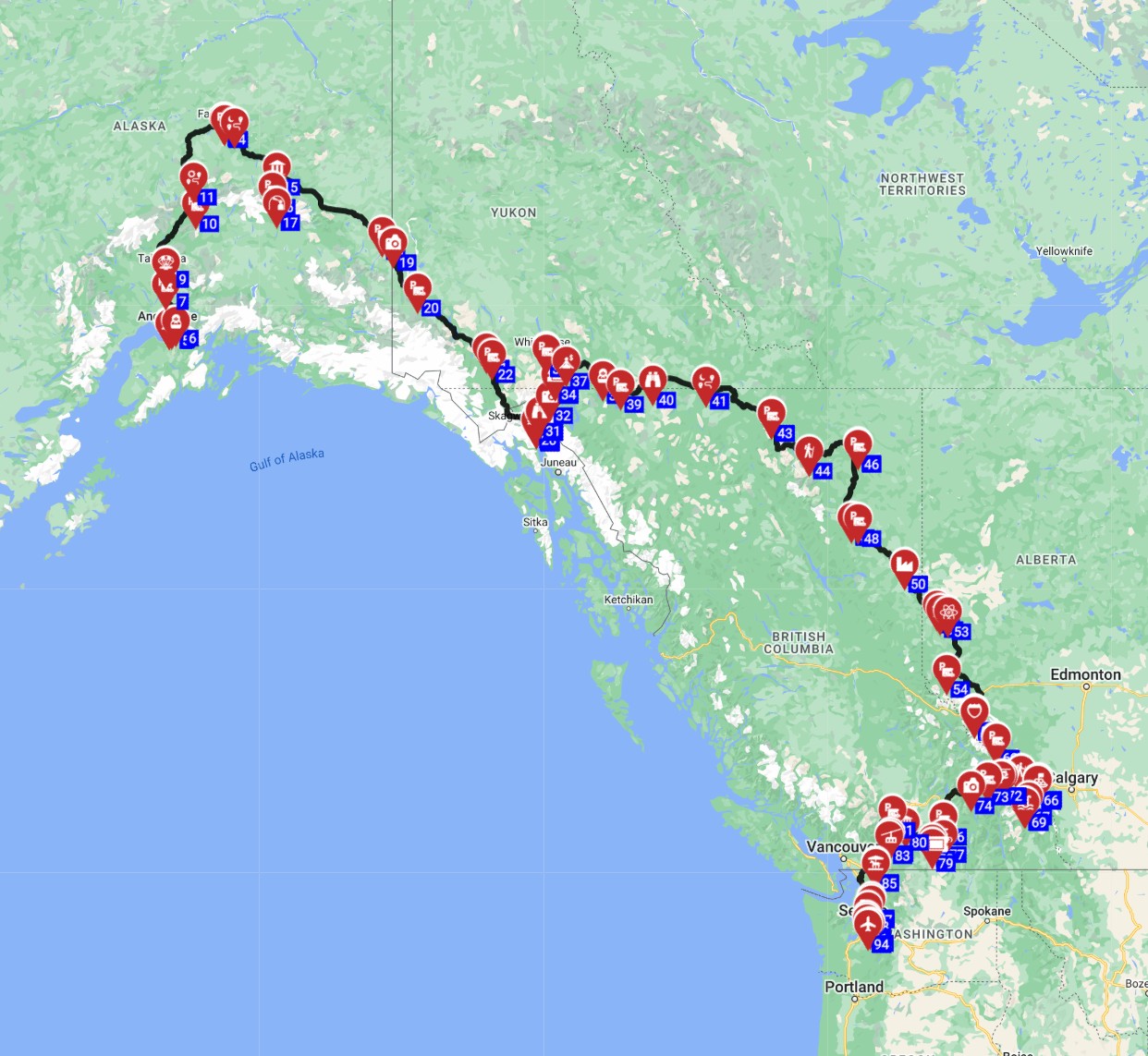
A standout option is the "Anchorage Round Trip - Alaska-Yukon Discovery Trail," a comprehensive journey spanning 23 days and covering a total distance of 3,539.2 kilometers. This route starts and ends in Anchorage, offering a convenient loop. It includes an amusement park, a botanical garden, canoe/kayak/rafting, a cave, three cruise terminal/sailing excursions, three day tours, one extreme activity, one family activity, one heritage site, three hiking areas, one historical site, three museums, two natural features, one night tour, one park, three points of interest, one science site, one tourist attraction, one traditional restaurant/fine dining, and one traditional visit. You can itemize and track every expense along the way for easy budgeting with RV PLANET routes. On the routes offered through RV PLANET routes, you can itemize and track every expense along the way for easy budgeting.
Another excellent option for an extended road trip is the "
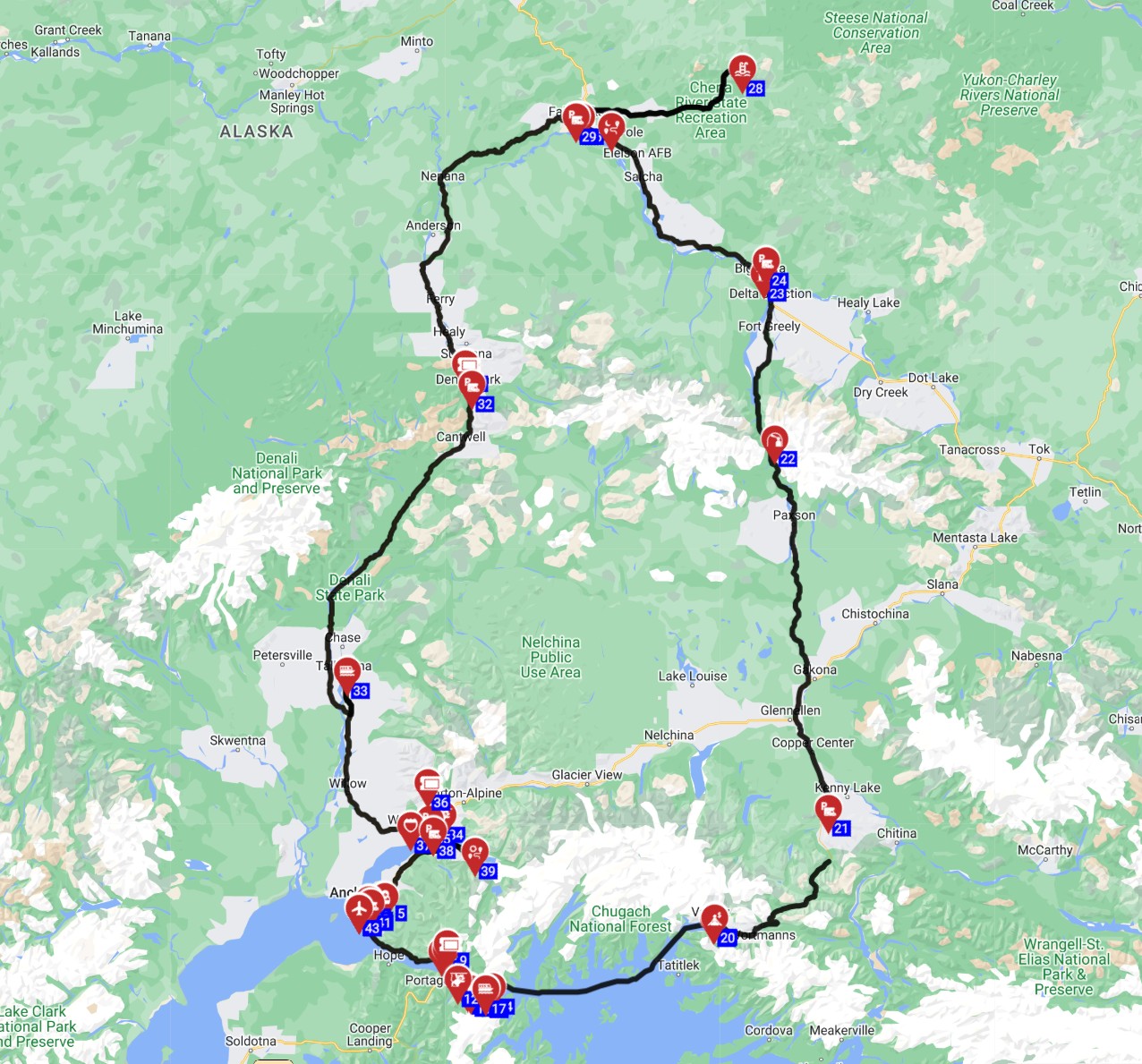
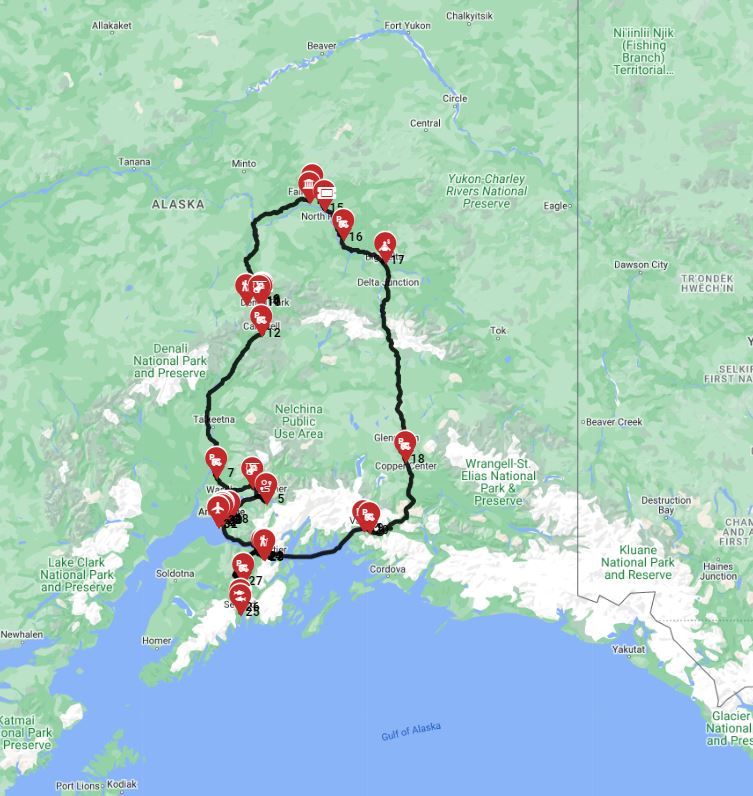
For a shorter, yet equally rich experience, consider the "
Must-See Stops Along the Way (Avi Bandana Picks)
Avi Bandana recommends prioritizing unique cultural and culinary experiences on your Alaska RV trip, ensuring you connect with the heart of the region. The Alaska Native Heritage Center in Anchorage offers a powerful "Traditional Visit" to understand indigenous cultures through traditional dances, storytelling, and artisan demonstrations. For a taste of local cuisine, seek out a "Traditional Restaurant / Fine Dining" experience, such as those found near Fairbanks or Anchorage, to savor fresh Alaskan seafood like king crab and salmon, an unforgettable culinary highlight. Exploring historical sites like the Independence Mine State Historical Park, a well-preserved gold mine in the Matanuska-Susitna Valley, provides a fascinating look into Alaska's mining past and the rugged lives of early settlers. Don't miss a "Traditional Visit" to a local market in charming towns like Homer or Seward to find artisanal crafts, fresh produce, and unique Alaskan souvenirs, supporting local communities during your extended road trip. Additionally, consider exploring our RV Travel Guide to Alaska - Tips and Top Spots 2024 for more expert recommendations.
🎬 Video coming soon
Daily Driving Distances & Drive Times in Alaska
Avi Bandana strongly recommends a maximum of 100-150 km (60-90 miles) per day on average to truly savor the Alaskan landscape and minimize driver fatigue. This deliberate slower travel pace allows ample time for spontaneous stops, wildlife viewing, unexpected photo opportunities, and connecting with the remote beauty of Alaska without the stress of rushing to the next destination. For instance, the drive from Anchorage to Talkeetna is roughly 2.5-3 hours for 180 km (112 miles), leaving a relaxed morning and afternoon for local exploration and settling into your campsite. Similarly, traveling from Fairbanks to the Denali National Park entrance takes approximately 2.5 hours for 200 km (125 miles), providing ample time for park entry procedures and setting up your rented motorhome at a campground. It's crucial to remember that road conditions can vary significantly in Alaska, especially on unpaved sections like parts of the McCarthy Road or during unexpected weather events, making conservative daily driving plans essential for a safe and enjoyable trip. Always pay attention and use common sense on the roads, and you can drive almost anywhere without issues.
Best RV Class for This Itinerary - Couple & Family Picks
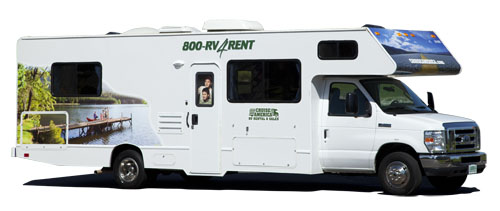
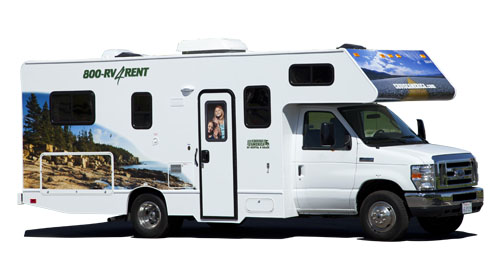
Choosing the right RV class significantly enhances your Alaskan adventure, whether you're a couple or a family. For couples, a Class B - Camper Van is an excellent choice for an Alaska RV trip, offering superior agility and ease of parking in smaller spaces, including city areas. Bandana's global fleet average for Class B campervans shows an average length of 5.8 meters (approximately 19 feet) and sleeping places for 3.2 individuals, comfortably accommodating 2.7 adults, making it perfect for intimate and flexible travel. These vehicles, like an rv rental denver example Category Van or a luxury rv rentals example Carthago Malibu 600, often feature essential amenities like a shower and toilet, front air conditioning, and are ideal for a couple. On the other hand, for families, a Class C - Alcove RV is highly recommended due to its spaciousness and increased sleeping capacity. Bandana's global fleet average for Class C alcove RVs boasts an average length of 7.5 meters (approximately 24.6 feet) and sleeping places for 5.8, ideal for 4.4 adults, providing ample room and comfort for a family adventure. Models such as the 24' Class C Motorhome or the C-30 offer multiple sleeping areas, including a bed over the cab and convertible dining areas, perfect for families with kids. Remember, a standard car driver's license is sufficient for operating any of these motorhome classes.
Bandana offers a 'Rent&Plan' service where you can rent your ideal RV and receive a ready-made itinerary by travel experts with full access to trip-planning software, removing the headache of meticulous planning. This makes preparing for your Alaskan journey as seamless as possible.
What is the 3-3-3 rule for RV travel?
The 3-3-3 rule for RV travel advocates driving no more than 300 miles (approximately 480 km) in a day, stopping by 3 PM, and staying for at least 3 nights to foster a relaxed and immersive travel experience in Alaska. This guideline, and its variation, the 4-4-4 rule (stopping after 4 hours of driving, by 4 PM, and staying 4 nights), helps prevent driver fatigue and allows ample time for campsite setup and local exploration, which is especially beneficial in Alaska's vast and remote areas. Adhering to these rules is particularly advantageous in places where services might be sparse and road conditions can be unpredictable, making early stops and longer stays pragmatic for safety and enjoyment. Before setting out, prioritize in-depth vehicle preparation and maintenance specific to Alaskan conditions, including checking tire types (all-terrain are often recommended), understanding basic emergency repairs, and carrying specific tools for common issues. Cold weather preparedness is also crucial if traveling during shoulder seasons, ensuring your rented RV is equipped with proper heating and insulation. Ensuring your motorhome is well-maintained significantly reduces the risk of breakdowns in areas with no cell service, aligning perfectly with the spirit of conservative and safe travel suggested by these rules.
What is the best route to Alaska by RV?
The best route to Alaska by RV is overwhelmingly considered the Alaska Highway, also known as the "Alcan," which officially begins in Dawson Creek, British Columbia, Canada. This iconic highway, stretching over 2,200 kilometers (1,390 miles), provides a well-established and scenic path through Canada's Yukon Territory before finally reaching Alaska. When planning this journey, detailed border crossing procedures for US-Canada are crucial: ensure all travelers have valid passports, be aware of customs regulations regarding food items (e.g., fresh produce, raw meats), firearms, and other prohibited items to avoid delays. For those traveling with pets in their rented campervan, carry their vaccination records, especially rabies certificates, and be prepared for potential inspections by border officials. Alternative routes include the Stewart-Cassiar Highway (Highway 37) in British Columbia, which offers a more remote and rugged experience with fewer services but equally stunning scenery, eventually connecting with the Alaska Highway further north. Regardless of the route, preparing for long stretches between services and embracing the journey itself are key to a successful Alaskan motorhome adventure. One-way RV Rental in Alaska - Price Guide 2024 can help you plan your journey from distant pick-up points.
What is the best time of year to RV to Alaska?
The best time of year to RV to Alaska is generally from late May to early September, aligning with the peak summer season when daylight hours are maximized, and temperatures are mild, typically averaging 10-24°C (50-75°F). During this period, most tourist facilities and campgrounds are fully operational, offering the best access to attractions and services. June and July specifically offer the longest daylight, sometimes nearly 24 hours in the northern parts of the state, perfect for maximizing outdoor activities and scenic drives. The shoulder seasons, such as late May and early September, can provide advantages like fewer crowds and potentially lower prices for a weekly RV rental in Alaska - Pricing 2024, and in September, the chance to see the mesmerizing Northern Lights begins to increase. When planning your trip, a realistic cost breakdown for an RV trip to Alaska should factor in fuel estimates (which can be significantly higher in remote areas, sometimes $0.50-$1.00 more per gallon), campground fees (ranging from $20-$60 per night), potential ferry costs if you plan to visit places like Juneau, activity budgets (e.g., glacier tours, fishing charters), groceries for onboard meals, and a contingency for unexpected expenses. Early spring and late fall bring colder temperatures and increased chances of snow, which can impact road conditions and access to certain areas, requiring specific vehicle preparedness and vigilance.
What should I not miss in Alaska?
When RVing in Alaska, travelers should not miss the opportunity to explore Denali National Park, renowned for its majestic peak (Denali, North America's highest mountain) and incredible wildlife viewing opportunities. Access into the park's interior is typically via shuttle bus, providing a prime chance to spot grizzly bears, moose, caribou, and Dall sheep. The Kenai Peninsula offers stunning coastal scenery and abundant marine wildlife; key attractions include Kenai Fjords National Park near Seward for breathtaking glacier and whale watching tours, and Homer, famously known as the 'Halibut Fishing Capital of the World.' Engaging with the rich cultural history in cities like Anchorage, with its Alaska Native Heritage Center, and Fairbanks, known for its gold rush history and proximity to the Arctic Circle, provides valuable insights into the state's heritage. Driving the Seward Highway, a designated National Scenic Byway between Anchorage and Seward, is an essential experience for its breathtaking views of mountains, glaciers, and the dramatic Turnagain Arm. A comprehensive wildlife safety briefing is paramount for any Alaskan RV rental adventure: practice bear etiquette by making noise on trails, understand proper food storage in RVs and campsites (using bear-resistant containers and never leaving food unattended), dispose of all waste properly, and know what to do in the unlikely event of an animal encounter to ensure both your safety and the wildlife's well-being. Looking for expert insights from Avi Bandana? Check out his Top 5 Adventures - recommendations from Avi Bandana.
Can I park my RV anywhere in Alaska?
No, you cannot park your RV just anywhere in Alaska; while the state offers extensive opportunities for boondocking or dispersed camping on public lands managed by agencies like the Bureau of Land Management (BLM) and the U.S. Forest Service, it's crucial to understand and adhere to specific regulations and property rights. Specifics of boondocking/dispersed camping in Alaska include identifying legal areas, often found along highways in national forests or state parks, but always check local signs for restrictions. Respecting Leave No Trace principles is paramount to protect Alaska's sensitive ecosystems, meaning packing out all trash, minimizing campfire impacts, and staying on durable surfaces. Safety considerations for remote camping involve informing others of your itinerary, being prepared for isolation, and understanding that cell service dead zones are common throughout much of Alaska. Address connectivity challenges by considering satellite communication options (like Garmin inReach or Starlink RV) for emergency communication, as public Wi-Fi is often limited to larger towns and established campgrounds. Emergency preparedness unique to remote Alaskan travel should include carrying a satellite messenger for distress signals, extra fuel and water beyond immediate needs, a wilderness-specific first aid kit, and knowing breakdown procedures for areas without cell service or immediate assistance. Always call ahead to campgrounds for availability, even those that offer first-come-first-serve spots, as "you'll find a spot; if not at the first campground, then the next one." Drive slowly and carefully, and you can drive almost anywhere without issues. No need to stress - just use common sense and pay attention.
What You Shouldn't Miss
- Visit the breathtaking Exit Glacier in Kenai Fjords National Park near Seward, an easily accessible glacier offering stunning views and hiking trails.
- Drive the scenic Byway of the Denali Highway, a mostly gravel road offering remote wilderness views, wildlife sightings, and numerous opportunities for dispersed camping, providing an authentic off-grid experience.
- Take a scenic flightseeing tour over Denali, offering unparalleled aerial views of North America's highest peak and the surrounding Alaska Range.
- Explore the Knik Glacier via an ATV tour or boat trip from Palmer, immersing yourself in the raw power and beauty of this massive glacier system.
- Experience a deep-sea fishing charter in Homer, where you can try your hand at catching world-famous Alaskan halibut or salmon, a true local experience.
- Looking for expert insights from Avi Bandana? Top 5 Adventures - recommendations from Avi Bandana.
Final Thoughts
Embarking on a luxury RV itinerary in Alaska promises an unforgettable journey filled with magnificent landscapes, abundant wildlife, and profound cultural encounters. From the moment you pick up your rented motorhome to the final drive back, the freedom of the open road in the Last Frontier is truly unparalleled. Remember to embrace the spirit of slow travel, allowing yourself the time to truly feel the place, connect with the local culture and food, and immerse yourself in the awe-inspiring scenery.
Whether you opt for a week-long exploration or an extended three-week adventure through the Alaska-Yukon Discovery Trail, every day will bring new discoveries. At Bandana RV, we're dedicated to making your planning process effortless and your trip extraordinary, ensuring full transparency and continuous support. We partner directly with over 50 leading RV suppliers worldwide, including trusted names like El Monte and Cruise America, to offer you the best selection and competitive prices across 50+ countries.
So, why wait? Your ultimate Alaskan adventure is calling. Discover top destinations, planning tips, and all the tools you need in one place. Explore our "RV Rental Deals in Alaska - Latest Offers 2024" to find the perfect motorhome for your journey, and let Bandana help you plan a trip itinerary in advance with minimal effort and maximum enjoyment. Compare final prices across suppliers with us- what you see is what you pay, with no surprise fees at pickup.
Find RV Rentals in Alaska