For live availability and current prices, start with our RV Rental Scandinavia - Complete Guide 2026 guide.
In This Guide
- Can You Drive an RV in Scandinavia? License & Age Rules
- Road Conditions & Terrain in Scandinavia
- RV Size Limits, Bridges & Restricted Zones
- Fuel: Diesel vs. Petrol & Cost per 100 km
- Tolls, Vignettes & Border Rules
- Driving Tips for Luxury RV Rental Travelers
- Recommended RV Class for Scandinavia Roads
- Should I Choose a Compact Van Instead of a Large RV in Scandinavia?
- Can I Park Anywhere? Free & Wild Camping Rules in Scandinavia
- Can I Drive an RV Into the City Center? Heights, Tunnels & Local Signage
- What is the 3-3-3 rule for RV travel?
- Are Americans allowed to drive in Sweden?
- Is Norway RV friendly?
- What do I need to take my motorhome to Europe?
- What is the 333 rule for campervan?
- Do people drive RVs in Europe?
- Is Sweden campervan friendly?
- What is the largest RV you can drive without a special license?
- Can you park a motorhome anywhere in Norway?
- RV Rental Insurance for Scandinavia Trips
- Campsites & Overnight Stays in Scandinavia
- Budgeting for Your Scandinavia RV Trip
- Staying Connected: SIM Cards & Wi-Fi in Scandinavia
- Nature Trips & Wildlife Safety for RVers
Can You Drive an RV in Scandinavia? License & Age Rules
A standard B driving license is generally sufficient for RVs with a Maximum Authorised Mass (MAM) up to 3,500 kg (7,700 lbs) across Scandinavia, covering many popular campervan and smaller motorhome rentals. For luxury RVs that exceed this weight threshold, such as larger Class C (alcove) or Class A (integrated) models, a Category C1 license or equivalent might be necessary depending on the specific country's regulations and the vehicle’s Gross Vehicle Weight (GVW). Non-EU/EEA drivers, including those from the United States, are typically required to carry an International Driving Permit (IDP) alongside their valid domestic license to legally operate a rented RV. Most luxury RV rental providers in Scandinavia also enforce a minimum driver age, commonly 21 or 23 years old, and may require a minimum of one to three years of driving experience with a clean driving record.
Road Conditions & Terrain in Scandinavia
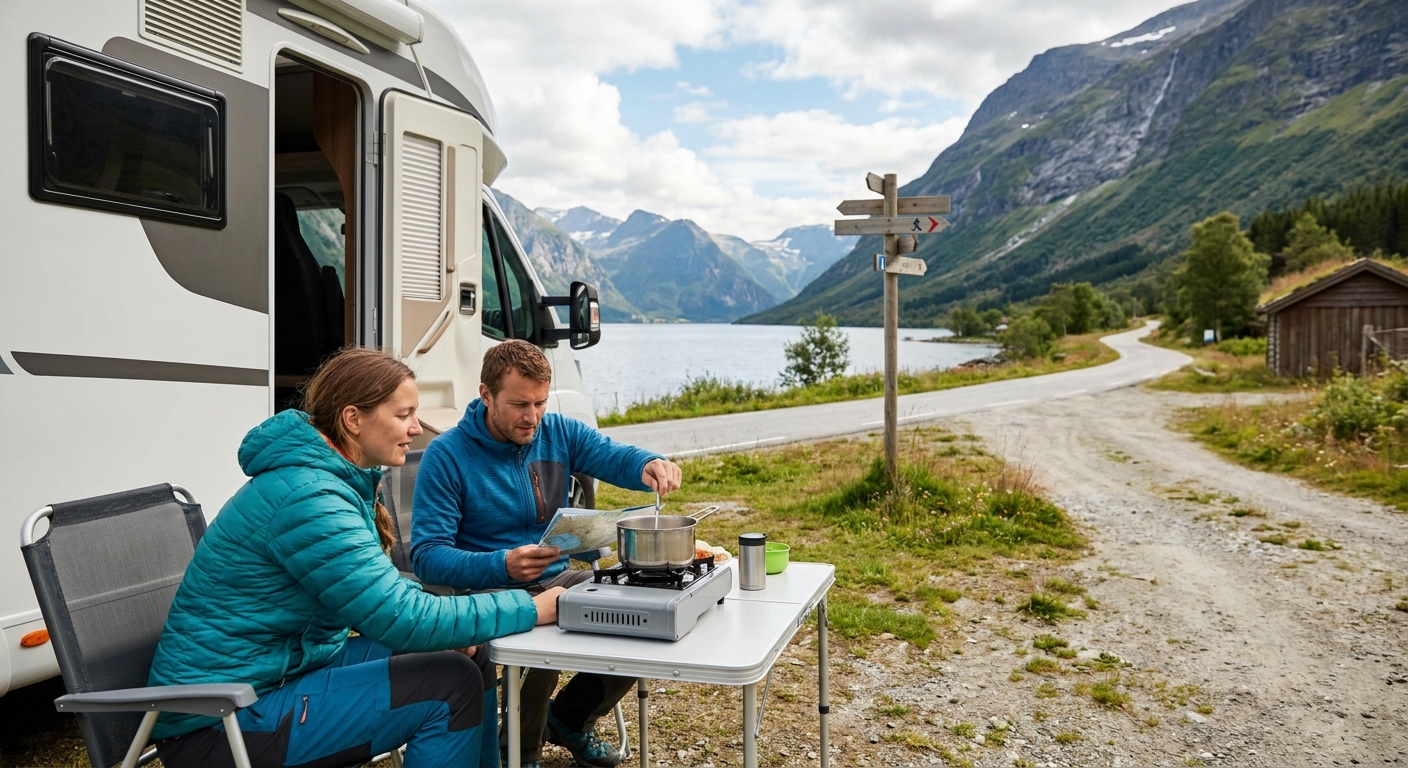
Scandinavian roads are renowned for their excellent maintenance, generally offering a smooth and comfortable travel experience for luxury RVs, though road quality can vary in more remote or mountainous regions. You'll encounter diverse terrain, from flat coastal highways and bustling urban centers to winding mountain passes and numerous ferry connections, particularly essential when exploring Norway's fjord regions. Many roads, especially within Norway's dramatic fjords and historic towns, can be narrow with tight turns, requiring careful and slower navigation, particularly for larger RV models. Embrace a more relaxed pace to fully appreciate the stunning, ever-changing landscapes and safely manage these challenging, yet rewarding, stretches of road.
RV Size Limits, Bridges & Restricted Zones
When navigating Scandinavia in a luxury RV, it's crucial to be aware of specific height and weight restrictions, particularly for tunnels, low bridges, and certain ferry services. Environmental zones, known as 'miljözoner' or 'miljøsoner', are present in major Scandinavian cities like Stockholm, Gothenburg, Oslo, and Copenhagen, and may impose restrictions or fees on certain vehicle types, so always check ahead. It's also essential to verify the specific rules from ferry operators regarding maximum RV length, height, and weight to ensure compliance with popular routes, especially for those crossing Norway's famous fjords. Be vigilant for road signs indicating these restrictions, which are clearly marked in meters for height and tons for weight, to avoid any issues.
Fuel: Diesel vs. Petrol & Cost per 100 km
The vast majority of luxury RVs in Scandinavia are powered by diesel fuel, which is widely available at service stations throughout the region. Be prepared for fuel costs in Scandinavia to be generally higher than the European average; diligent budgeting for fuel is a critical aspect of planning your luxury RV trip. Bandana's global fleet data indicates that Class B camper vans typically consume between 8-10 Liters/100 km, while semi-integrated (Class SI) RVs average around 10-11 Liters/100 km. Larger Class C (alcove) and Class A (integrated) motorhomes generally average between 10-12 Liters/100 km. It's always worth inquiring with your rental provider about any potential fuel discount cards or programs that might help manage these costs during your travels. On the routes offered through RV PLANET routes, you can itemize and track every expense along the way for easy budgeting.
Tolls, Vignettes & Border Rules
Norway operates an extensive automatic toll road network managed by the AutoPASS system; foreign-registered vehicles are advised to register online in advance to ensure smooth passage and to expect invoices for toll usage. Sweden incorporates congestion charges in Stockholm and Gothenburg, along with bridge tolls for the Øresund Bridge (connecting to Denmark) and the Sundsvall Bridge. Denmark has tolls for major bridges, most notably the Øresund Bridge and the Great Belt Fixed Link (Storebælt), but does not generally require a physical vignette for RVs on its motorways. Notably, unlike many Central and Eastern European countries, Scandinavia does not typically require physical vignettes for RVs on its motorways.
Driving Tips for Luxury RV Rental Travelers
When embarking on your Scandinavian RV adventure, allocate ample time for your journey. Scenic routes often involve winding roads and numerous opportunities for breathtaking photos, which naturally slow down travel. Pre-booking popular ferry crossings in Norway, especially during peak season, is highly recommended to guarantee space for your RV and potentially avoid longer wait times. Familiarize yourself with unique Scandinavian road signs, such as those warning of wildlife like moose ('elg') or reindeer ('rein'), which are common hazards. For a more relaxed driving experience on Scandinavia's varied terrain, consider opting for an RV with an automatic transmission. Crucially, always carry essential travel documents, including your driver's license, IDP (if applicable), passport, rental agreement, and insurance papers.
Recommended RV Class for Scandinavia Roads
For a balance of spaciousness and maneuverability across Scandinavia's diverse road network, Class SI (Semi-integrated) RVs, typically averaging around 6.9 meters in length in Bandana's fleet, offer an excellent choice. If your focus is on navigating narrower roads, accessing more remote areas, or simplifying city parking, the Class B camper van, averaging 5.8 meters, is ideal for adventurous couples. Larger Class C (alcove, averaging 7.5m) and Class A (integrated, averaging 7.5m) RVs provide superior comfort and amenities for families or groups, though they demand more cautious driving on tight turns and mountain passes. Ultimately, the best choice depends on your comfort level with navigation and your preference for interior luxury versus ease of maneuverability on specific, potentially challenging, Scandinavian routes.
Should I Choose a Compact Van Instead of a Large RV in Scandinavia?
While a compact camper van (Class B) offers superior maneuverability and easier parking in tight urban centers or on very narrow mountain passes, a larger luxury RV generally provides unmatched comfort, living space, and amenities for extended trips. It's important to note that most main roads and popular tourist routes in Scandinavia are perfectly suitable for larger RVs, meaning the perceived challenge of driving a bigger vehicle is often overstated. If your itinerary heavily involves off-the-beaten-path gravel tracks, very old town centers with strict access, or if you prioritize nimbleness above all else, then a compact van is a sensible choice. However, for a true luxury experience with features like separate sleeping areas, full kitchens, and more robust heating for cooler Scandinavian evenings, a larger RV typically offers better value and comfort.
Can I Park Anywhere? Free & Wild Camping Rules in Scandinavia
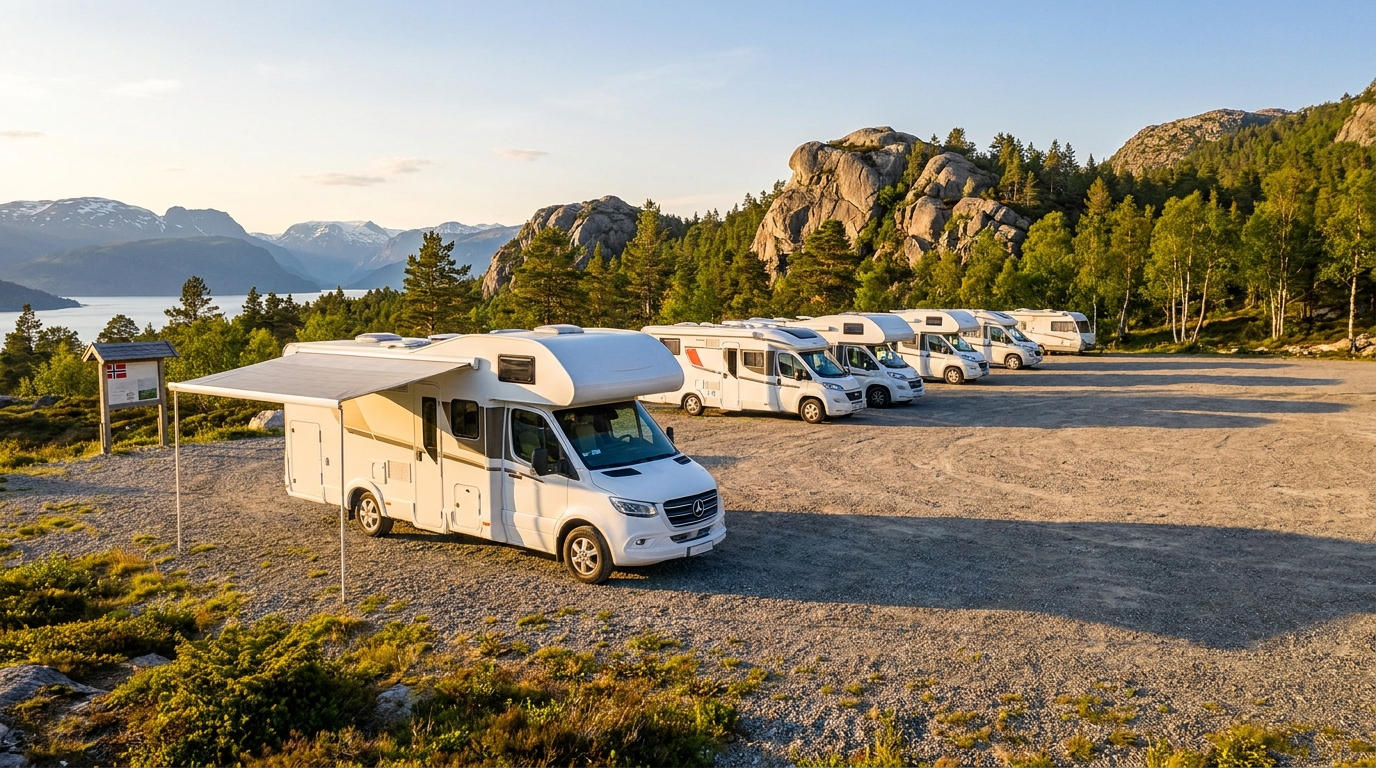
Scandinavia's famed 'Right to Roam' (Allemansrätten in Sweden/Finland, Allemannsretten in Norway) primarily grants access for non-motorized activities and does not generally extend to wild camping with RVs on public land. While Norway and Sweden are more permissive than Denmark, overnight RV parking is largely restricted to designated campsites, 'stellplatz' or 'bobilparkering' (motorhome parking areas), or private land with explicit owner consent. It's vital to respect private property, adhere to 'Leave No Trace' principles, and follow local signage regarding overnight parking to avoid fines and environmental damage. Remember that rules can vary significantly by region and municipality, so always check local regulations and follow local law before parking your RV overnight.
Can I Drive an RV Into the City Center? Heights, Tunnels & Local Signage
Yes, you can generally drive an RV into Scandinavian city centers, but meticulous attention to local signage is paramount due to specific access restrictions. Be vigilant for height restrictions ('høydebegrensning' or 'höjdbegränsning') indicated for tunnels, low bridges, and multi-story parking garages, which are common in older urban areas. As mentioned, environmental zones ('miljözoner' or 'miljøsoner') in cities like Oslo, Stockholm, and Gothenburg may restrict access for older or non-compliant vehicles, sometimes requiring pre-registration or payment. Always observe local road signs indicating 'residents-only' parking, 'no entry' for specific vehicle types, weight limits, or restricted turning maneuvers to ensure a smooth urban experience.
What is the 3-3-3 rule for RV travel?
The 3-3-3 rule for RV travel is a widely adopted guideline suggesting drivers aim to drive no more than 300 miles a day, arrive at their campsite by 3 PM, and stay for a minimum of 3 nights. This rule is designed to promote a more relaxed and enjoyable travel pace, minimizing driving fatigue and maximizing the time spent exploring each destination. For a truly luxurious RV rental experience in Scandinavia, adhering to this guideline is highly beneficial, allowing ample opportunity to soak in the scenic beauty and engage with local culture. You might even adapt it to a 2-2-2 rule (200 miles, 2 PM arrival, 2 nights stay) for an even deeper immersion in fewer locations, which can be particularly suitable for some of the winding Scandinavian routes.
Are Americans allowed to drive in Sweden?
Yes, Americans are allowed to drive in Sweden, provided they carry a valid U.S. driver's license and an International Driving Permit (IDP). The IDP serves as an official translation of your U.S. license into multiple languages and is a legal requirement for non-EU/EEA residents driving in Sweden. It is imperative to carry both your physical U.S. driver's license and your IDP at all times while operating any vehicle in Sweden. Ensure your U.S. license remains valid for the entire duration of your trip and that you meet the minimum age requirements specified by your chosen RV rental company.
Is Norway RV friendly?
Norway is exceptionally RV-friendly, offering unparalleled natural beauty, generally excellent roads, and a robust infrastructure that warmly supports motorhome travel, including numerous campsites and designated scenic overnight parking areas. The country’s deep appreciation for outdoor recreation ensures ample opportunities for RV adventurers, from spectacular coastal roads like the Atlantic Ocean Road to challenging mountain passes and frequent ferry crossings in the stunning fjords. While Norway has an extensive network of toll roads, the AutoPASS system makes them manageable for RVers, and the country boasts a comprehensive network of service stations. Despite potential navigation challenges on narrower fjord roads, the breathtaking scenery and welcoming attitude towards RV tourism solidify Norway as a premier destination for luxury RV adventures.
What do I need to take my motorhome to Europe?
To legally drive your motorhome in Europe, or when renting a luxury RV in Scandinavia, essential documents include your valid driver's license, an International Driving Permit (if from a non-EU/EEA country), your passport, and the rental agreement with full insurance details. Mandatory safety equipment typically requires a reflective safety vest, a warning triangle, and sometimes a first-aid kit and fire extinguisher (always check country-specific rules). You will also need a valid credit card for the rental deposit, reliable navigation tools (GPS with European maps is highly recommended), and appropriate adapter plugs for European electrical hook-ups. For non-EU registered vehicles, a 'Green Card' (proof of international motor insurance) might be necessary, though comprehensive rental insurance usually covers this for rental RVs.
What is the 333 rule for campervan?
The '333 rule for campervan' travel is precisely the same guideline as the 3-3-3 rule for RV travel, advising campervan users to drive no more than 300 miles per day, arrive at their destination by 3 PM, and stay for at least 3 nights. This principle is particularly valuable for campervan travelers in Scandinavia, encouraging a slower pace to fully enjoy nature and local experiences without feeling rushed. It effectively helps prevent traveler burnout, especially on longer itineraries, and allows more time for hiking, exploring charming towns, or simply relaxing at a scenic campsite. For a campervan, the flexibility of shorter drives and earlier arrivals can be even more appealing, making an extended stay at a comfortable spot a more valuable part of the experience.
Do people drive RVs in Europe?
Yes, RV travel is incredibly popular and a widely embraced mode of exploration across Europe, with millions of Europeans and international visitors opting to tour the continent by motorhome or campervan each year. Europe offers an exceptional diversity of landscapes, an extensive network of well-maintained roads, and robust infrastructure, including countless campsites and dedicated service areas, all catering to RV enthusiasts. Scandinavia, in particular, stands out as a premier destination for RV travel due to its stunning natural beauty, excellent road quality, and abundant opportunities for outdoor adventures. The enduring popularity of RVs in Europe is driven by the unparalleled freedom, flexibility, and cost-effectiveness they offer for independent and immersive travel experiences.
Is Sweden campervan friendly?
Sweden is very campervan friendly, boasting excellent roads, numerous scenic routes, and a strong national culture of outdoor recreation that warmly welcomes motorhome and campervan travelers. The country provides a good network of both basic and full-service campsites, along with designated overnight parking spots ('ställplatser') often situated in picturesque natural settings. While Sweden's 'Right to Roam' (Allemansrätten) permits public access to nature, specific regulations apply to motor vehicles, generally requiring the use of designated areas for overnight parking. Its expansive forests, pristine lakes, and extensive coastline make it an ideal destination for campervan adventurers seeking nature-focused luxury trips and peaceful retreats.
What is the largest RV you can drive without a special license?
In most European countries, including Scandinavia, the largest RV you can typically drive without a special license is one with a Maximum Authorised Mass (MAM) or Gross Vehicle Weight (GVW) of up to 3,500 kg (7,700 lbs). This weight category generally falls under a standard Category B driving license, which most car drivers possess. Many popular luxury Class SI (Semi-integrated) and Class B (Camper Van) models are specifically designed to remain within this 3,500 kg limit, making them accessible to a wide range of drivers. Always verify the specific GVW of your chosen luxury RV rental in Scandinavia and ensure your personal driving license category permits you to operate it legally.
Can you park a motorhome anywhere in Norway?
No, you cannot park a motorhome just anywhere in Norway; while the 'Right to Roam' (Allemannsretten) offers broad access to nature, it has specific limitations regarding motor vehicles and overnight stays. Overnight parking for motorhomes is generally restricted to designated campsites, official 'bobilparkering' (motorhome parking areas), or private land with explicit owner permission. Parking on public roadsides for more than 24 hours (or sometimes 48 hours in very remote areas) is often prohibited, and local municipal regulations vary significantly. Always look for specific signage, respect private property, and utilize the ample network of paid and free designated parking spots to ensure responsible, sustainable travel and avoid fines.
RV Rental Insurance for Scandinavia Trips
Standard RV rentals in Scandinavia typically include basic third-party liability insurance, which covers damage to other vehicles or property. However, it is highly recommended to consider supplementary insurance, such as a Collision Damage Waiver (CDW) or a comprehensive package, to significantly reduce your deductible (excess) in case of damage to your rental RV. Carefully review what is covered for theft, fire, roadside assistance, and personal belongings, as these often require additional, optional coverage. It's crucial to understand the specific liability terms outlined in your rental agreement, particularly regarding exclusions for damage caused by negligence or violation of rental terms, before commencing your luxury RV journey.
Campsites & Overnight Stays in Scandinavia
Scandinavia offers a wide array of campsites, ranging from basic, nature-focused pitches to full-service resorts equipped with electricity, water, waste disposal, and other luxury amenities. Booking campsites in advance is highly advisable, especially during the peak summer season (June-August) and for popular areas like Norway's fjords or the outskirts of major cities. 'Ställplatser' (Sweden) or 'bobilparkering' (Norway) are designated overnight parking areas specifically for motorhomes, often simpler than full campsites but providing essential services at a lower cost. To efficiently locate both official campsites and alternative overnight parking options across the Scandinavian region, utilize mobile apps like Campercontact or Park4night.
Budgeting for Your Scandinavia RV Trip
Beyond the luxury RV rental cost and fuel, be sure to budget for significant additional expenses such as toll roads, frequent ferry crossings, and campsite fees, which can accumulate quickly. Food costs in Scandinavia are generally higher than in many other European countries; therefore, utilizing your RV's kitchen for self-catering can lead to substantial savings. Allocate funds for desired activities and attractions, which can range from museum entries and cultural tours to scenic fjord cruises and adventurous outdoor pursuits. Including a buffer for potential miscellaneous costs like internet connectivity, occasional restaurant meals for a treat, and souvenirs will help ensure a comfortable and financially stress-free luxury trip. For ideas you can prep on the road, watch our RV-friendly recipes playlist on YouTube.
Staying Connected: SIM Cards & Wi-Fi in Scandinavia
Purchasing a local SIM card upon arrival is often the most cost-effective way to ensure reliable mobile data for navigation, communication, and streaming throughout your Scandinavian journey. Thanks to EU/EEA roaming regulations, a SIM card bought in one Scandinavian country generally works across Norway, Sweden, and Denmark at no additional charge. While many campsites and some rest stops offer Wi-Fi, the connectivity quality can be variable, particularly in more remote or mountainous regions. For consistent connectivity that enhances the luxury experience, consider a portable Wi-Fi hotspot or inquire if your rental RV offers a built-in internet option.
Nature Trips & Wildlife Safety for RVers
Scandinavia offers unparalleled access to pristine nature; pack appropriate gear for hiking, fishing, or any specific outdoor activities you plan to enjoy during your luxury RV adventure. Be highly aware of the local wildlife, particularly moose ('elg' in Norwegian/Swedish) and reindeer, which frequently cross roads and pose significant hazards; drive cautiously, especially at dawn and dusk. Always practice 'Leave No Trace' principles: pack out all trash, stay on designated paths, avoid disturbing wildlife, and ensure campfires are only lit in permitted areas. Researching specific national park rules is also wise, as some protected areas may have stricter regulations regarding RV parking, open fires, or overnight stays than general 'Right to Roam' principles.
What You Shouldn't Miss
- Drive Norway's Atlantic Ocean Road (Atlanterhavsveien), a spectacular 8.3 km (5.2 miles) stretch of road that winds over islands and skerries, connected by iconic bridges.
- Explore the Norwegian Fjords: Take a ferry with your RV through the Geirangerfjord or Nærøyfjord, marveling at the dramatic cliffs and cascading waterfalls.
- Experience the Swedish Archipelago: Discover the beauty of the Stockholm or Gothenburg archipelago by RV, with many islands accessible via scenic drives or short ferry hops.
- Witness the Northern Lights (Aurora Borealis) in Northern Scandinavia (ideally September-March) – a truly magical experience best viewed away from city lights.
- Hike in a National Park: Choose from countless stunning parks like Abisko National Park (Sweden) for hiking amidst the aurora, or Jotunheimen National Park (Norway) for dramatic mountain scenery.
- Visit Scandinavian Cities by RV: Enjoy the vibrant cultures of Copenhagen (Denmark), Oslo (Norway), or Stockholm (Sweden), utilizing city-friendly parking facilities or Park & Ride options.
Final Thoughts
Embarking on a luxury RV adventure through Scandinavia offers an unparalleled way to experience the region's breathtaking landscapes and vibrant cultures. From the majestic fjords of Norway to the serene archipelagos of Sweden, your rented motorhome becomes your comfortable basecamp for exploration.
Remember to plan ahead for ferry crossings and popular campsites, especially during peak season, and always stay informed about local road rules and environmental zone regulations. With a little preparation, your Scandinavian RV journey promises to be an unforgettable experience, filled with natural wonders and cultural discoveries.
Get inspired for your next trip! Discover top destinations, planning tips, all in one place! Plan a trip itinerary in advance with minimal effort and maximum enjoyment.