In This Guide
- Can You Drive an RV in Philadelphia? License & Age Rules
- Road Conditions & Terrain in Philadelphia
- RV Size Limits, Bridges & Restricted Zones
- Fuel: Diesel vs. Petrol & Cost per 100 km
- Tolls, Vignettes & Border Rules
- Driving Tips for rv rental Travelers
- Recommended RV Class for Philadelphia Roads
- Should I Choose a Compact Van Instead of a Large RV in Philadelphia?
- Can I Park Anywhere? Free & Wild Camping Rules in Philadelphia
- Can I Drive an RV Into the City Center? Heights, Tunnels & Local Signage
Can You Drive an RV in Philadelphia? License & Age Rules
Yes, you can drive an RV in Philadelphia, provided you meet the licensing and age requirements. Most rental RVs, typically weighing under 26,001 pounds Gross Vehicle Weight Rating (GVWR), only require a standard non-commercial driver's license, such as a Class C in Pennsylvania. For larger or heavier motorhomes, or those with specific towing configurations, a non-commercial Class B or Class A license might be necessary. Always verify the GVWR of your chosen rental RV, usually found on a sticker inside the doorjamb. The minimum rental age for an RV is typically 21, although many rental companies have a minimum age of 25. International drivers will need a valid license from their home country, and while not always mandatory, an International Driving Permit (IDP) is often recommended for clarity and smoother interactions with local authorities.
Road Conditions & Terrain in Philadelphia
Navigating Philadelphia in an RV requires awareness of its diverse road conditions and terrain. Within the city, roads range from well-maintained highways and major boulevards to narrower, often uneven streets in historic districts. The terrain within Philadelphia is generally flat, but the surrounding areas feature rolling hills. Be prepared for significant traffic congestion, especially during peak hours, and potential challenges in navigating older, denser neighborhoods with tight turns and complex intersections. Driving slowly and cautiously, utilizing an RV-specific GPS, and paying close attention to local signage for one-way streets and vehicle restrictions are essential for a smooth experience.
RV Size Limits, Bridges & Restricted Zones
When driving an RV in Philadelphia, be acutely aware of potential size limitations, especially concerning low bridges and overpasses. Numerous low clearances exist, particularly on local city streets, and it's critical to know your RV's exact height. Major highways like I-95 generally accommodate RVs, but secondary routes may have clearances as low as 10-12 feet. While weight limits are less common for standard rental RVs on most routes, some older bridges might have restrictions. Certain historic areas or residential zones may also impose limitations on oversized vehicles or require special permits for access.
Fuel: Diesel vs. Petrol & Cost per 100 km
Most rental RVs, including Class A, Class C, and often Class SI models, operate on diesel fuel, which is widely available at stations throughout the Philadelphia area. Class B camper vans typically use petrol. Fuel consumption varies by RV class, generally ranging from 8-17 Liters per 100 km; for example, Class B camper vans might average 8-10 L/100km, while larger Class C or A motorhomes could be 10-17 L/100km. In 2026, the average cost per 100 km for RV fuel is estimated to be between $9 and $18, depending on current prices and the specific RV's efficiency. Some rental providers may offer fuel discount cards to help manage these costs.
Tolls, Vignettes & Border Rules
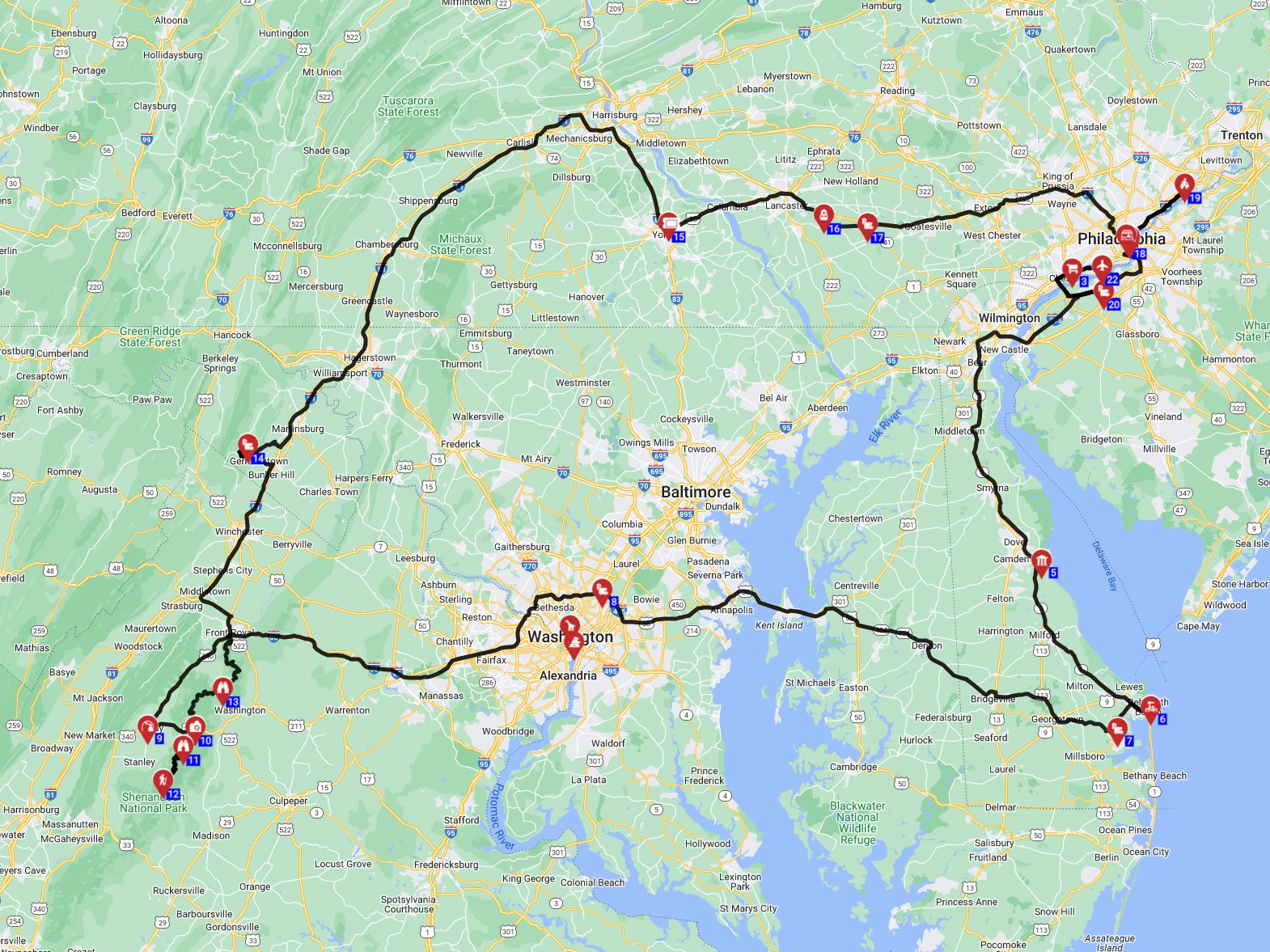
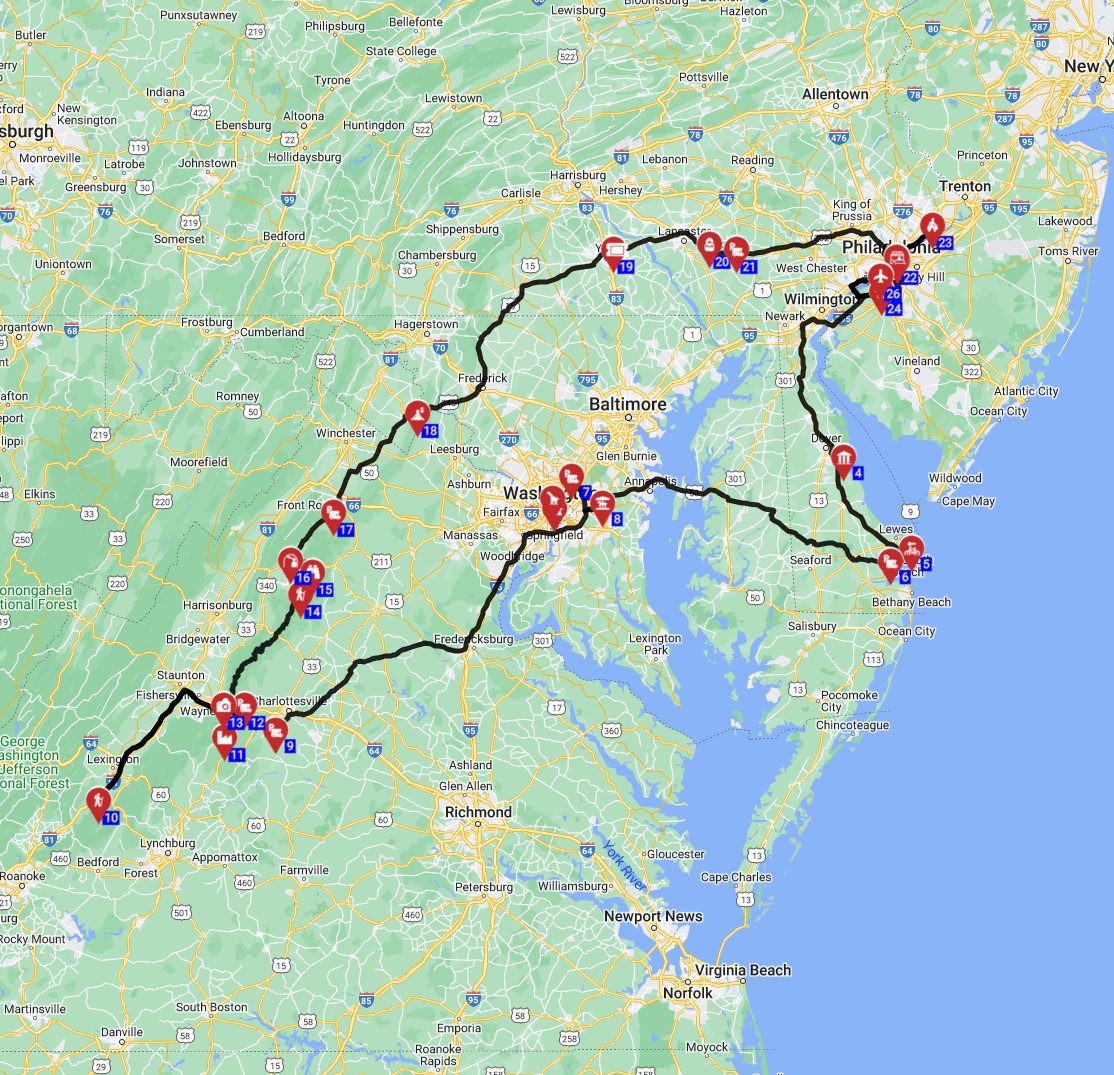
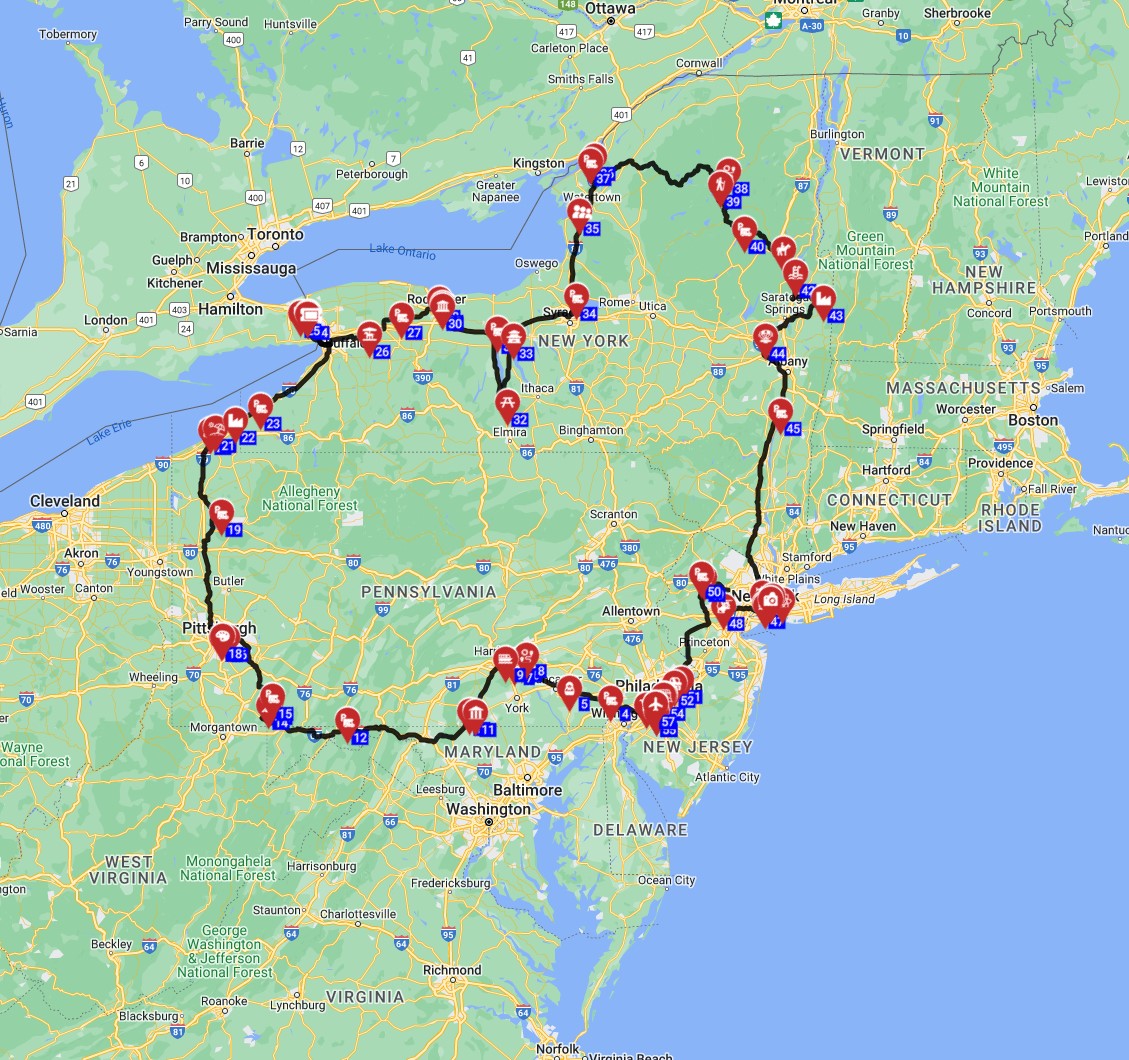
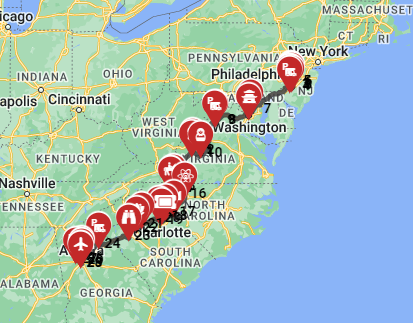
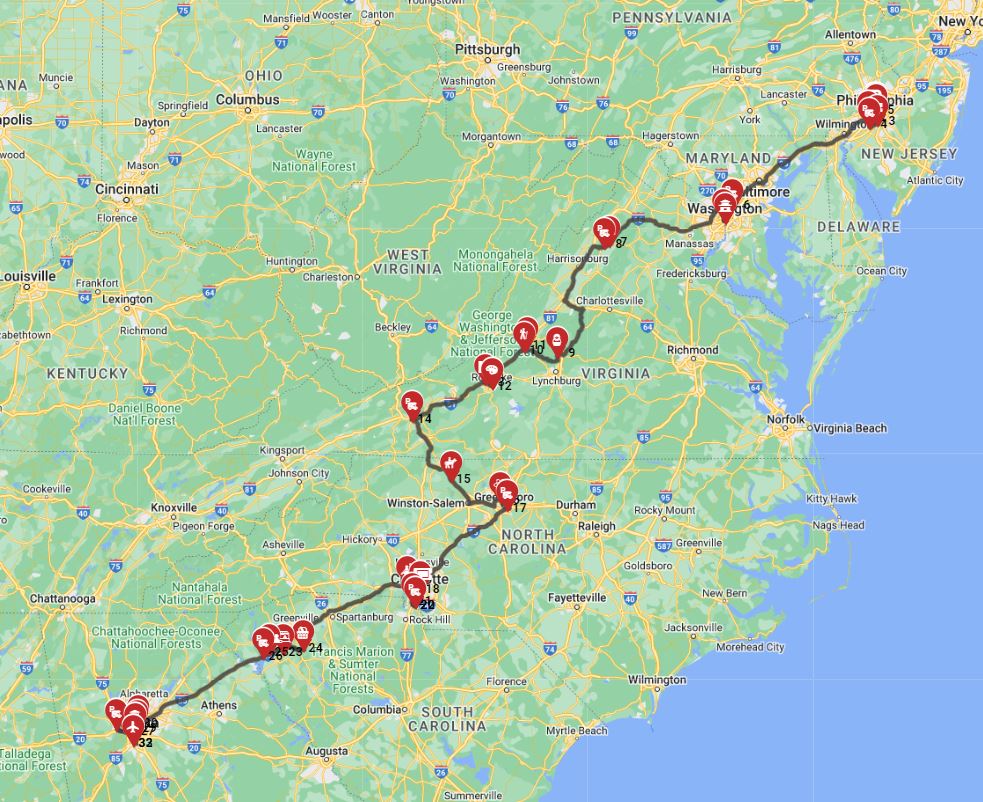
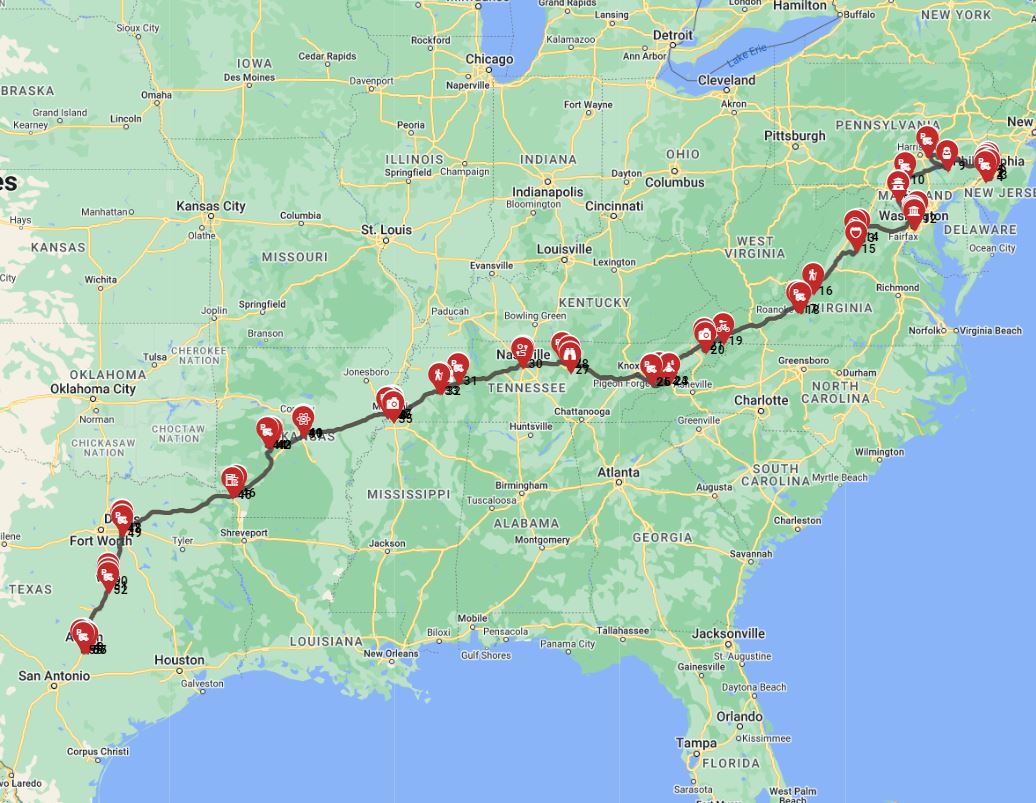
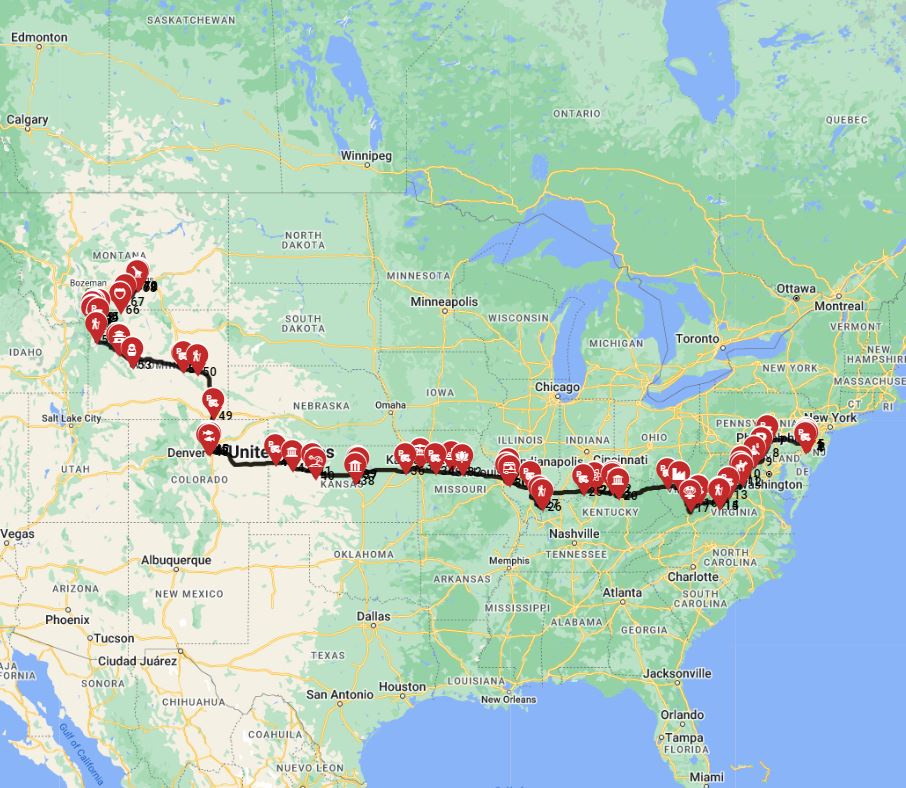
Tolls are a common feature on Pennsylvania's major highways, such as the Pennsylvania Turnpike, and on bridges connecting to neighboring states like New Jersey. These tolls are primarily managed through electronic systems like E-ZPass or 'Toll By Plate.' Vignette systems, which are common in some European countries, are not used for RVs in Pennsylvania or other U.S. states. To avoid higher 'Toll By Plate' fees and potential fines, it's advisable to pre-purchase an E-ZPass transponder from your RV rental provider if available. There are no specific border rules or checkpoints when traveling between U.S. states adjacent to Pennsylvania. On the routes offered through RV PLANET routes, you can itemize and track every expense along the way for easy budgeting.
Driving Tips for rv rental Travelers
When driving a rented RV in Philadelphia, remember to prioritize safety and planning. Always know your RV's exact dimensions (height, length, and width) and consider using an RV-specific GPS to help navigate around low bridges and restrictive turns. Allow ample travel time, as Philadelphia traffic can be dense and challenging, particularly for larger vehicles during peak hours. Familiarize yourself with one-way street patterns and complex intersections in historic areas to plan your routes in advance. For exploring the city center, it's often best to utilize RV-friendly parking facilities on the outskirts or at designated campgrounds, and then use Philadelphia's excellent public transportation system (SEPTA) to get around the most congested areas. Before each drive, perform a quick walk-around inspection to ensure all equipment and belongings are securely stowed.
Recommended RV Class for Philadelphia Roads
For navigating Philadelphia's urban landscape, Class B camper vans, typically around 5.8 meters in length, are highly recommended due to their superior maneuverability and ease of parking. These compact vehicles are ideal for city streets and accessing attractions. Class SI semi-integrated RVs, averaging about 6.9 meters, offer a good balance of comfort and manageability, suitable for exploring the city's outskirts and nearby attractions. While larger Class C (around 7.5m) and Class A RVs provide more living space and amenities, they are best suited for parking at campgrounds outside the immediate city center, with public transportation used for downtown exploration.
Should I Choose a Compact Van Instead of a Large RV in Philadelphia?
The choice between a compact camper van and a larger RV in Philadelphia largely depends on your travel style and itinerary. Compact Class B camper vans excel in urban environments like Philadelphia, offering easier parking and navigation on narrower streets. Conversely, larger RVs (Class C, SI, A) provide greater comfort, more amenities, and increased living space, which is preferable for extended trips or if you plan to spend significant time at campgrounds. While most RV sizes can manage Philadelphia's main roads, compact vans truly shine when it comes to parking and navigating the most historic and tightly packed areas.
Can I Park Anywhere? Free & Wild Camping Rules in Philadelphia
Free or 'wild' camping is generally prohibited within Philadelphia's city limits. Strict ordinances are in place against overnight RV parking on public streets, and violations typically result in significant fines and potential towing. The only legal options for overnight RV stays in Philadelphia are at designated RV parks, private campgrounds, or authorized private lots. If you're looking for alternative overnight parking near Philadelphia, consider options like certain Walmart or casino parking lots (always seek permission first), or explore locations affiliated with programs like Harvest Hosts for unique, non-traditional stays outside the immediate urban core.
Can I Drive an RV Into the City Center? Heights, Tunnels & Local Signage
Yes, you can drive an RV into Philadelphia's city center, but extreme vigilance regarding local signage is required. Always pay close attention to height limits indicated on bridges, underpasses, and in tunnels, as well as signs for one-way streets and commercial vehicle restrictions. Knowing your RV's exact height is crucial to prevent accidents. Be prepared for heavy traffic and potentially tight turns. For the densest parts of the city center, consider parking your RV on the outskirts and using public transportation, such as SEPTA, to navigate.
What You Shouldn't Miss
- Explore the historic charm of **Old City** by RV, parking on the outskirts and walking to sites like Independence Hall and the Liberty Bell.
- Drive the **Benjamin Franklin Parkway** in your RV for a unique perspective on the city's museums and monuments, perhaps stopping at an RV-friendly lot near the **Philadelphia Museum of Art** for iconic photos.
- Take a scenic day trip west of Philadelphia to **Pennsylvania Dutch Country** for a taste of Amish culture, enjoying the rolling hills and farm landscapes.
- Venture just 1.5-2 hours away to the **Delaware Water Gap National Recreation Area** for RV-friendly camping and outdoor activities, offering a natural escape within easy reach of the city.
- Embark on a self-guided 'mural tour' through Philadelphia's neighborhoods, discovering over 4,000 public art pieces that showcase the city's vibrant creative spirit.
Final Thoughts
Renting an RV and exploring Philadelphia offers a unique blend of historical immersion and urban adventure. By understanding the driving nuances, licensing requirements, and parking considerations, you can ensure a smooth and enjoyable journey.
Remember to book your ideal RV class, whether it's a nimble camper van for city exploration or a spacious motorhome for extended comfort, and take advantage of our transparent pricing for a hassle-free experience.
Find Motorhome Rentals in Philadelphia