In This Guide
- Can You Drive an RV in North Europe? License & Age Rules
- Road Conditions & Terrain in North Europe
- RV Size Limits, Bridges & Restricted Zones
- Fuel: Diesel vs. Petrol & Cost per 100 km
- Tolls, Vignettes & Border Rules
- Driving Tips for Luxury RV Rental Travelers
- Recommended RV Class for North Europe Roads
- Should I Choose a Compact Van Instead of a Large RV in North Europe?
- Can I Park Anywhere? Free & Wild Camping Rules in North Europe
- Can I Drive an RV Into the City Center? Heights, Tunnels & Local Signage
- What is the 3-3-3 rule for RV travel?
- Can you sleep anywhere in a campervan in Europe?
- What is the 444 rule for RV?
- Do I need speed stickers on my motorhome in France?
- Is Europe RV friendly?
- What is the 333 rule for campervan?
- What do Europeans call an RV?
- What is the 3-3-3 rule for RV living?
- Do you need a special license to drive a classy motorhome?
- What is the best travel insurance company for Europe?
- Top Cities for RV Rental in North Europe
- Practical Info for RV Travel in North Europe
- What You Shouldn't Miss
- Why Book with Bandana Caravan
- Final Thoughts
- Frequently Asked Questions
North Europe, with its dramatic fjords, pristine lakes, vast forests, and vibrant cities, offers an unparalleled experience for luxury RV travelers seeking adventure and comfort. Imagine waking up to the serene views of a Norwegian fjord, enjoying a gourmet breakfast in your rented motorhome, and then setting off to explore charming coastal towns or ancient Viking sites. This region, encompassing countries like Norway, Sweden, Finland, Denmark, Iceland, and the Baltic States, is incredibly welcoming to motorhome travel, providing excellent infrastructure and breathtaking routes. For live availability and current prices, start with our RV Rental North Europe - Complete Guide 2026 guide.
Can You Drive an RV in North Europe? License & Age Rules
Most standard luxury RVs (up to 3,500 kg Maximum Permissible Mass, or MPM) can be driven in North Europe with a regular Category B driver's license from your home country, provided it's valid for at least two years and accompanied by an International Driving Permit (IDP) if your license is not in English or an EU language. For rented motorhomes exceeding 3,500 kg MPM, a Category C1 license (up to 7,500 kg MPM) or Category C license (over 7,500 kg MPM) is generally required, often with specific driving experience or advanced testing. The minimum driver age for renting a luxury RV in North Europe is typically 21 years old; Bandana is proud to confirm there are no young driver surcharges or vehicle class restrictions based on age. Non-EU/EEA license holders should always carry an International Driving Permit (IDP) alongside their national license for legal compliance and easier communication with authorities.
Road Conditions & Terrain in North Europe
Road conditions in North Europe are generally excellent, featuring well-maintained highways and secondary roads, though gravel or unpaved sections can be encountered in more remote areas, especially in the Nordic countries like Iceland or the far north of Norway. The terrain varies significantly from the flat plains of Denmark and parts of Sweden to the dramatic fjords and mountains of Norway, requiring careful driving and appropriate vehicle selection for steep ascents and descents. Luxury RVs, such as a Class SI (Semi-integrated) or Class A (Integrated) model, are well-suited for the scenic routes found across North Europe, encouraging a slower pace to enjoy the diverse landscapes, from coastal drives to forest roads. During winter months, road closures due to snow or ice are common in mountainous regions, and winter tires are legally required or highly recommended in many countries, impacting maneuverability and safety. Always check local road conditions before setting out, especially in less populated areas.
RV Size Limits, Bridges & Restricted Zones
While most North European roads can comfortably accommodate typical luxury RVs, drivers must be vigilant for size restrictions, particularly height limits in older city centers, tunnels, and on some smaller bridges. Standard rented motorhomes usually fit under common European height limits, which are often 3.5m to 4m, but always check local signage, especially when entering urban areas or designated scenic routes. Environmental zones (Low Emission Zones - LEZs) are prevalent in many North European cities, such as Copenhagen, Oslo, Stockholm, and Berlin, restricting access for vehicles that do not meet specific emission standards; many modern luxury RVs comply, but registration or permits may be required. Ferry crossings, common to reach islands or bypass long drives (e.g., between Denmark and Sweden, or within Norway's fjords), price based on vehicle length, so longer RVs incur higher costs; booking these in advance during peak season is advisable.
Fuel: Diesel vs. Petrol & Cost per 100 km
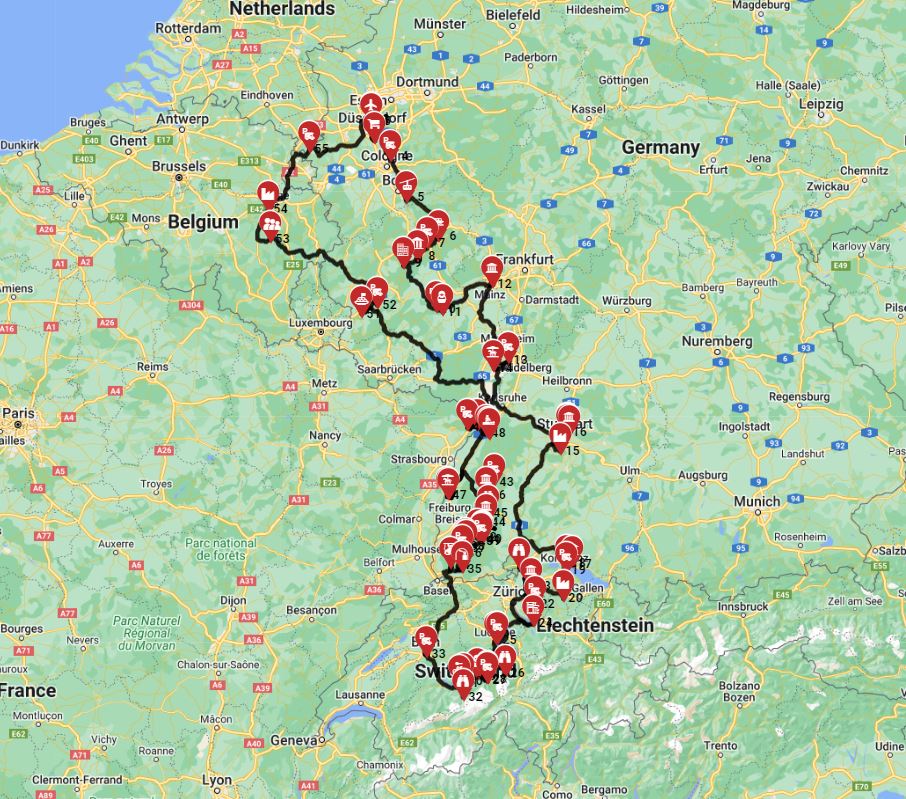
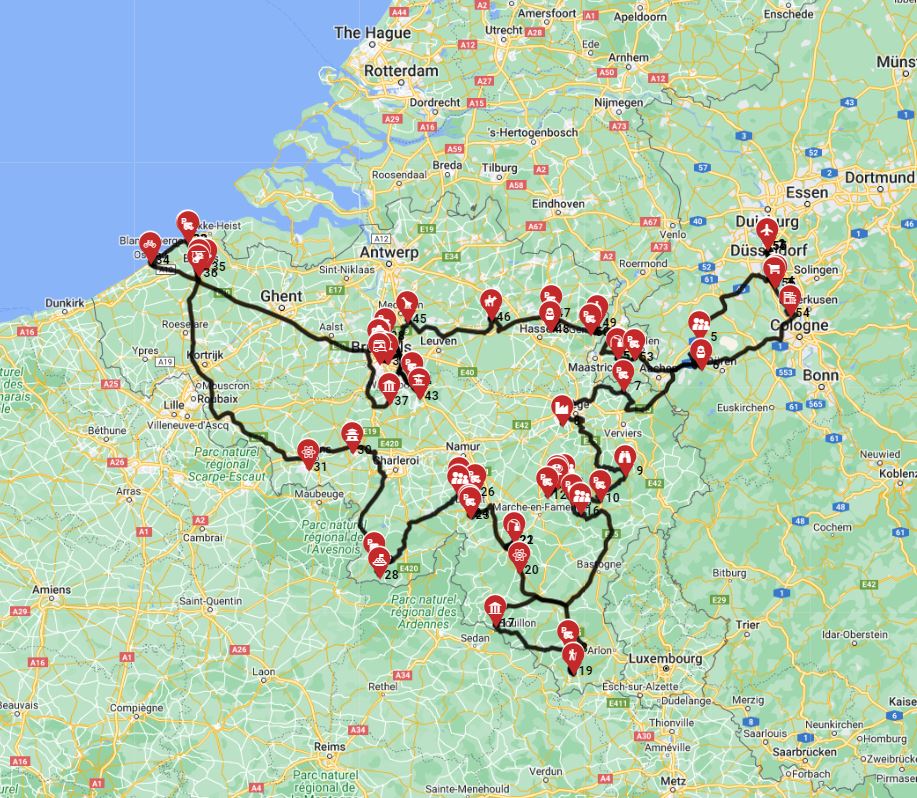
The vast majority of luxury RVs and campervans for rental in North Europe run on diesel, which is widely available at service stations across the region. Based on Bandana's global fleet averages, luxury RVs typically consume between 8-12 liters of diesel per 100 km, depending on the class, driving style, and terrain. Assuming an average diesel price of approximately €1.80 per liter in North Europe for 2026, the fuel cost for a rented RV can range from €14.40 to €21.60 per 100 km. While some rental companies may offer fuel discount cards, fuel remains one of the most significant variable costs of an RV trip in North Europe. For those planning their budget, remember that you can itemize and track every expense along the way for easy budgeting on RV PLANET routes, helping you maintain full transparency on your total trip cost. On the routes offered through RV PLANET routes, you can itemize and track every expense along the way for easy budgeting.
Tolls, Vignettes & Border Rules
Tolls are prevalent in specific North European countries, particularly Norway with its extensive network of automated toll roads, tunnels, and bridges. Denmark and Sweden feature significant toll bridges, such as the Øresund Bridge and Storebælt Bridge, which can often be paid electronically or at a booth; unlike some Central European countries, vignettes (pre-paid stickers for road use) are not typically used in North Europe. Border crossings between Schengen Area countries in North Europe (e.g., Denmark, Sweden, Norway, Finland) are usually seamless with no passport checks, but you should always carry your passport, driver's license, and RV rental documents. Some Bandana partner suppliers offer rented motorhomes that allow pre-purchasing toll passes (like AutoPASS for Norway) or electronic payment devices, which can help avoid fines and streamline travel.
Driving Tips for Luxury RV Rental Travelers
Embrace the Scenic Route: North Europe's true beauty often lies off the main highways, and a luxury RV rental allows comfortable exploration of secondary roads, but be mindful of their narrower width and winding nature. Plan Your Stops: For longer trips, especially with family, plan regular breaks every 2-3 hours to prevent driver fatigue and allow passengers to stretch and explore. Pre-Pay Tolls: Utilize electronic toll passes or pre-registered accounts where available (e.g., AutoPASS in Norway) to save time and avoid potential fines on automated toll roads. Master RV Maneuvering: Practice reversing and tight turns in an empty lot before heading out, especially with a larger luxury RV, as European parking spaces and roads can be more compact. Understand Road Signs: Familiarize yourself with common European road signs for speed limits, height/weight restrictions, environmental zones, and parking regulations, as they can differ from your home country's.
🎬 Video coming soon
Recommended RV Class for North Europe Roads
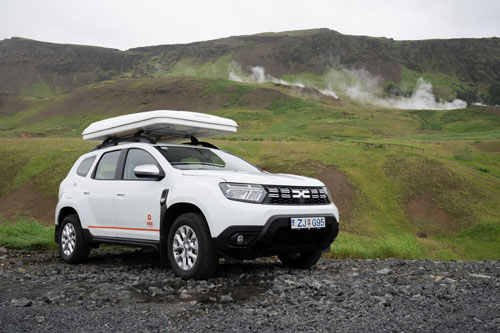
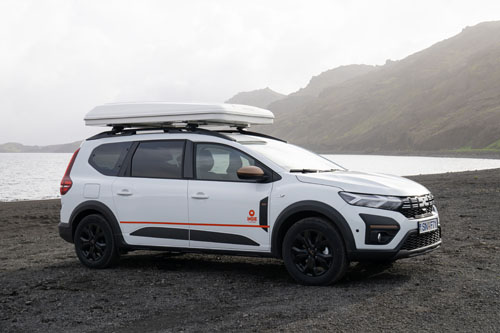
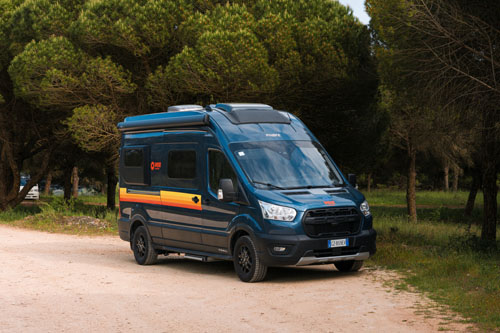
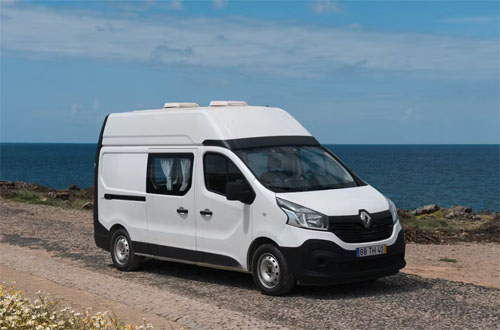
For luxury RV rental in North Europe, the Class SI (Semi-integrated) and Class A (Integrated) models are highly recommended due to their balance of comfort, amenities, and maneuverability. Class SI RVs, with an average length of 6.9 meters, offer ample living space and luxury features while remaining relatively agile for navigating smaller towns and winding scenic roads. For example, a model like the "2 Berth Rover" or "Active Standard Auto" is often chosen by couples. Class A RVs, averaging 7.5 meters in length, provide the ultimate luxury experience with spacious interiors and a panoramic driving view, suitable for travelers prioritizing comfort on longer journeys across well-maintained North European highways. Both classes typically offer diesel engines and modern amenities, ensuring a smooth and luxurious travel experience even on varied North European terrain. As true RV specialists, we at Bandana can help you compare final prices across a wide range of these vehicles to ensure you find what you need.
Should I Choose a Compact Van Instead of a Large RV in North Europe?
While compact campervans (Class B, averaging 5.8 meters) offer superior maneuverability and easier parking in urban centers, most luxury RVs can be comfortably driven and enjoyed across North Europe without significant issues. The primary advantage of a larger luxury RV (Class SI or Class A) lies in enhanced comfort, spacious living areas, private bathrooms, and larger kitchens, which significantly improve the quality of a longer road trip. For instance, a "Motorhome MC4 Gold" offers substantial living amenities. A compact van genuinely helps in very specific situations, such as navigating extremely narrow historic city streets (where you might park on the outskirts anyway) or very tight mountain passes that are rare on common RV routes. Drive slowly and carefully, and you can drive almost anywhere without issues. No need to stress - just use common sense and pay attention. For those prioritizing indoor comfort, dedicated sleeping areas, and extensive amenities for a luxury experience, sticking with a larger RV like a Class SI or Class A is often the better trade-off, as North Europe's main roads are well-suited for them.
Can I Park Anywhere? Free & Wild Camping Rules in North Europe
Wild camping rules for RVs in North Europe vary significantly by country, with the Nordic nations (Norway, Sweden, Finland) offering more liberal 'Right to Roam' (Allemansrätten) access, though with important restrictions for motor vehicles. In Norway, Sweden, and Finland, you can generally park overnight in a rented RV for a short period (1-2 nights) in undeveloped areas, provided you are not on private land, cultivated fields, or too close to residential properties, and always leave no trace. Conversely, countries like Denmark, Germany, the Netherlands, Belgium, the UK, and Ireland have much stricter rules, generally prohibiting wild camping in an RV outside of designated campsites or official 'stellplätze' (motorhome parking areas). Rules vary by region; always check local regulations and follow local law before parking overnight, as fines for illegal wild camping can be substantial. For finding campsites and campgrounds during your trip, we recommend using RV PLANET (rvplan.net), a great resource for locating available spots along your route.
Can I Drive an RV Into the City Center? Heights, Tunnels & Local Signage
Most luxury RVs can be driven into North European city centers, but drivers must pay close attention to local signage regarding height limits, weight restrictions, environmental zones, and specific no-entry or residents-only streets. Height limits are common for parking garages, underpasses, and some historic city gates or tunnels, so always consult navigation systems with RV dimensions programmed and watch for signs indicating maximum vehicle height. Many North European cities have established Low Emission Zones (LEZs) or congestion charges (e.g., London, Stockholm, Oslo), requiring certain vehicle emission standards or pre-registration; check specific city regulations before entering. Utilize park-and-ride options on the outskirts of major cities to avoid navigating tight streets, finding suitable parking, and paying potential congestion or environmental zone charges while still accessing city attractions easily via public transport. Drive slowly and carefully, and you can drive almost anywhere without issues. No need to stress - just use common sense and pay attention.
What is the 3-3-3 rule for RV travel?
The 3-3-3 rule for RV travel is a widely adopted guideline that advises travelers to drive no more than 300 miles (or 480 km) per day, arrive at their destination by 3 PM, and stay for at least 3 nights. This rule is designed to promote a relaxed pace of travel, reduce driver fatigue, allow ample time for setting up and enjoying campsites, and avoid rushing between destinations. For luxury RV travelers in North Europe, adhering to this rule helps minimize stress, maximizes enjoyment of the scenic routes, and provides opportunities to explore local areas in depth. While a general guideline, the rule can be adapted based on personal preferences, road conditions, and the specific attractions in North Europe.
Can you sleep anywhere in a campervan in Europe?
No, you generally cannot sleep anywhere in a campervan or luxury RV across all of Europe, as regulations regarding overnight parking and wild camping vary significantly by country and even by specific region. While Nordic countries like Norway, Sweden, and Finland offer more permissive 'Right to Roam' laws that allow for short-term overnight parking in certain undeveloped areas (with strict 'leave no trace' principles), most other North European nations (e.g., Denmark, Germany, UK, Netherlands) strictly require you to stay in designated campsites or authorized motorhome parking spots. Parking overnight on private land without explicit permission is illegal, and fines for unauthorized wild camping or overnight parking can be substantial, so always research local regulations or use apps like Park4Night to find approved spots. Even in countries with more relaxed rules, it is crucial to avoid blocking access, disturbing residents, and always ensuring proper waste disposal to maintain a positive relationship with local communities and the environment.
What is the 444 rule for RV?
The 444 rule for RV travel is an alternative or extended guideline that suggests driving no more than 400 miles (or 640 km) per day, arriving at your destination by 4 PM, and staying for at least 4 nights. This rule, similar to the 3-3-3 rule, aims to provide a comfortable travel pace, allowing more time for travel than the 3-3-3 rule but still emphasizing relaxation and immersion at each stop. It balances covering more ground with ensuring adequate time for setup, exploring the surroundings, and enjoying the luxury RV rental experience without feeling rushed. The 444 rule might be preferred by luxury RV travelers in North Europe who wish to cover a larger geographical area over a longer week-long trip while still maintaining a leisurely pace. Remember, we always recommend slow travel - max 100-150 km per day on average - to truly feel the place.
Do I need speed stickers on my motorhome in France?
Yes, if your motorhome (RV) weighs over 3.5 tonnes (3,500 kg) and is driven in France, you are legally required to display specific speed limit stickers indicating the maximum speeds allowed for your vehicle type. These stickers, which typically show '80' and '90' (km/h) for different road types, must be displayed on the rear of the vehicle, even if you are only transiting through France to reach North Europe. This regulation applies regardless of your vehicle's country of registration, making it an important consideration for anyone renting a larger luxury RV for a trip that includes France. While North Europe-focused, many travelers pass through France, making it essential to be aware of this specific French requirement to avoid fines.
Is Europe RV friendly?
Yes, Europe is generally very RV friendly, offering an extensive network of high-quality roads, dedicated campsites, motorhome parking areas (stellplätze or aires), and a culture that embraces motorhome tourism. North Europe, in particular, boasts stunning natural landscapes, well-maintained infrastructure, and unique cultural experiences that are ideally explored by luxury RV rental, from the coastal roads of Norway to the serene lakes of Finland. The widespread availability of modern amenities, including fresh water refill points, waste disposal facilities, and electricity hook-ups at most campgrounds, makes RV travel convenient and comfortable. While navigating city centers can sometimes present challenges due to size restrictions or environmental zones, park-and-ride options and the overall ease of inter-country travel within the Schengen Area contribute to a highly positive RV experience. Our "RV Rental Europe - Complete Guide 2026" offers a broader overview for continent-wide adventures.
What is the 333 rule for campervan?
The '333 rule for campervan' is identical to the '3-3-3 rule for RV travel,' advocating that travelers drive a maximum of 300 miles (or 480 km) per day, arrive at their chosen destination by 3 PM, and stay for at least 3 nights. This guideline is particularly beneficial for campervan users who value flexibility and a relaxed pace, preventing burnout from excessive driving and allowing more time to enjoy each location. Applying the 333 rule helps campervan travelers in North Europe immerse themselves in the local culture, engage with nature, and appreciate the freedom of their rented mobile home journey without constant pressure to move. The simplicity of the rule makes it easy to incorporate into trip planning, ensuring a more enjoyable and less stressful luxury campervan adventure. For more options on luxury RV rentals in North Europe, consider exploring "Luxury RV Rental in North Europe - Premium Prices 2026".
What do Europeans call an RV?
In Europe, what Americans commonly refer to as an 'RV' (Recreational Vehicle) is most commonly known as a 'motorhome' or 'campervan', depending on its size and configuration. Larger, integrated vehicles with extensive living facilities are typically known as 'motorhomes,' while smaller, often more compact vehicles built on van chassis are called 'campervans.' Other terms you might hear include 'camping-car' (French) or 'Wohnmobil' (German). When discussing your rental or asking for directions in North Europe, using 'motorhome' or 'campervan' will be universally understood. Bandana offers a wide range of these vehicles to suit every traveler's needs.
What is the 3-3-3 rule for RV living?
The '3-3-3 rule for RV living' is a popular guideline for maintaining a balanced and enjoyable extended RV journey, suggesting travelers aim to drive no more than 300 miles (or 480 km) per day, arrive at their campsite by 3 PM, and stay for a minimum of 3 nights. This rule is fundamental for preventing travel fatigue, providing ample time for campsite setup and tear-down, and allowing for thorough exploration of the surrounding areas rather than just passing through. For those enjoying a luxury RV rental in North Europe, adhering to this principle enhances the experience by fostering deeper engagement with local culture and natural beauty, reducing the feeling of being constantly on the move. It also allows for practical considerations like laundry, grocery shopping, and vehicle maintenance, contributing to a more sustainable and less stressful vacation.
Do you need a special license to drive a classy motorhome?
Whether you need a special license to drive a 'classy motorhome' (often implying a larger, luxury RV) depends on its Maximum Permissible Mass (MPM), not its perceived luxury or class. In Europe, a standard Category B driver's license generally allows you to drive vehicles with an MPM up to 3,500 kg; most smaller to mid-sized luxury RVs fall into this category. However, many larger, 'classy' or fully integrated luxury motorhomes, such as a "MHLUX" model, exceed 3,500 kg MPM, requiring a higher license category such as a C1 (for vehicles between 3,500 kg and 7,500 kg) or a C license (for vehicles over 7,500 kg). Always verify the MPM of the specific luxury motorhome you intend to rent and ensure your existing driver's license category is valid for that weight, or obtain the necessary international equivalent and endorsements.
What is the best travel insurance company for Europe?
Identifying the 'best' travel insurance company for Europe depends on individual needs, trip duration, pre-existing conditions, desired coverage levels (e.g., medical, cancellation, personal belongings), and specific luxury RV rental protection requirements. It is crucial to look for policies that offer comprehensive coverage, including emergency medical treatment, repatriation, trip cancellation/interruption, baggage loss, and, importantly for RV travel, liability for the rental vehicle and roadside assistance tailored for European conditions. Reputable international travel insurance providers such as World Nomads, SafetyWing, Allianz Travel Insurance, and Travel Guard often have flexible policies suitable for European travel, but always compare quotes and read the fine print carefully. Ensure your policy covers the specific activities planned for your luxury RV adventure in North Europe, and consider adding extra coverage for high-value items or unique travel risks. Remember, Bandana also offers top-level deductible reimbursement as an optional upgrade for extra peace of mind during your journey.
Top Cities for RV Rental in North Europe
North Europe offers fantastic starting points for your motorhome adventure, each city providing a unique gateway to stunning landscapes and rich culture. While a "One-Way RV Rental in North Europe - Price Guide 2026" can offer flexibility, starting and ending in the same city often makes logistics easier.
- Oslo, Norway: The capital city is nestled between the Oslofjord and vast forests, making it perfect for combining urban exploration with nature. Pick up your rented motorhome and head straight for the fjords!
- Stockholm, Sweden: Built across 14 islands, Stockholm is a beautiful city with easy access to the Swedish archipelago and the vast wilderness of the north.
- Copenhagen, Denmark: This vibrant, bicycle-friendly city serves as an excellent base for exploring Denmark’s charming coastal towns and is a convenient hub for trips further into Scandinavia or continental Europe.
- Helsinki, Finland: A modern city with strong ties to nature, Helsinki is the ideal starting point for exploring Finland’s thousands of lakes and national parks.
- Reykjavik, Iceland: The world's northernmost capital is the gateway to Iceland's famous Ring Road, offering unique access to geothermal wonders, glaciers, and black sand beaches in your campervan.
- Berlin, Germany: While not strictly Nordic, Berlin is a major rental hub offering convenient access to Denmark and the Baltic Sea coast, blending historical depth with a vibrant, modern atmosphere.
- Amsterdam, Netherlands: Another continental city providing excellent access to Northern Germany and Scandinavia, Amsterdam offers a beautiful backdrop before your extended road trip.
Practical Info for RV Travel in North Europe
Embarking on a luxury RV rental trip through North Europe requires a bit of practical knowledge to ensure a smooth journey. Remember, travel slowly, max 100-150 km per day on average, and take time to feel the place, connect to the culture, the food, and the scenery.
Road Rules and Driving Customs
In all North European countries, you drive on the right side of the road, and seatbelts are mandatory for all passengers. Speed limits generally range from 50 km/h in urban areas to 80-90 km/h on rural roads, and 110-130 km/h on motorways, though these can vary. Always obey posted signs. Headlights are often required to be on even during the day, particularly in Nordic countries. For specific visual tips, consult our "RV Travel Guide to North Europe - Tips and Top Spots 2026".
Emergency Numbers
The universal emergency number across all EU and Schengen Area countries, including North Europe, is 112. This number connects you to police, ambulance, and fire services.
SIM Card and Connectivity
Staying connected is easy with local SIM cards available at airports, supermarkets, and phone shops. Many providers offer affordable data plans. Within the EU/EEA, roaming charges are often abolished, meaning a SIM card bought in one EU country can be used in others without extra cost. This allows for easy navigation using online maps, researching campsites, and staying in touch with loved ones back home.
What You Shouldn't Miss
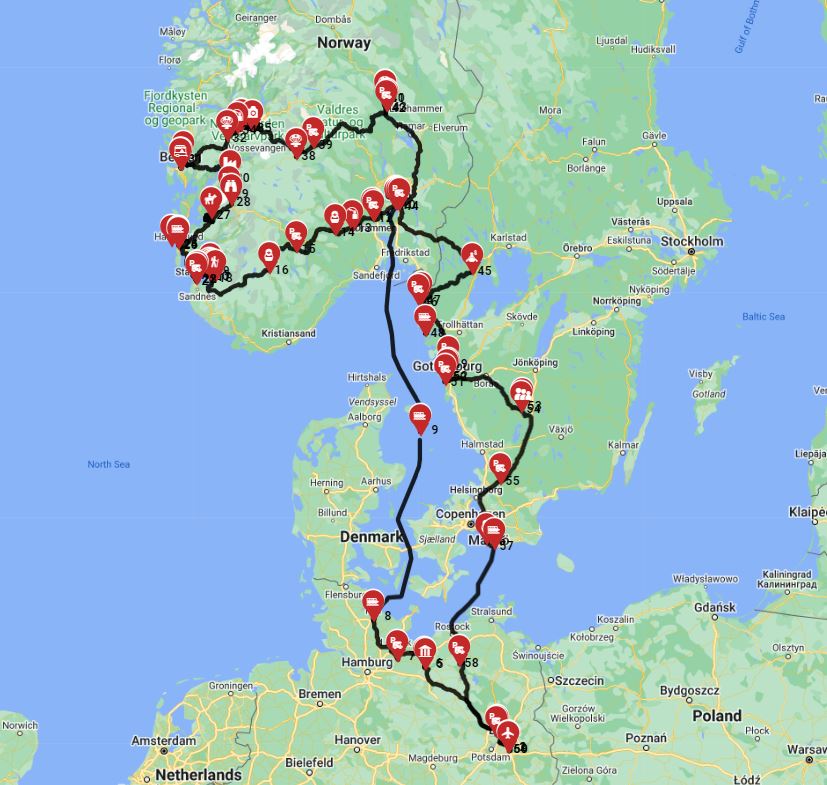
- Norwegian Fjords Road Trip: Drive through iconic fjords like Geirangerfjord and Sognefjord, stopping at charming villages. The dramatic landscapes are best experienced at your own pace from a comfortable rented motorhome.
- Explore Iceland's Golden Circle: A classic route from Reykjavik, visiting the Gullfoss waterfall, the Geysir geothermal area, and Þingvellir National Park. It's a perfect week-long trip for first-time RVers.
- Swedish Lapland and the Northern Lights: Head north to Abisko National Park in Sweden for a chance to witness the spectacular Aurora Borealis, especially from September to March. A "Winter RV Rental in North Europe - Pricing Guide 2026" can help plan this unique adventure.
- Danish Coastlines: Explore the picturesque beaches and seaside towns of Denmark, such as Skagen, where the North Sea and Baltic Sea meet. Enjoy fresh seafood caught that day and prepare it in your fully equipped RV kitchen. Looking for ideas? Check our RV-friendly recipes playlist!
- Hike in Finnish National Parks: Discover the tranquil beauty of Finland's national parks like Koli or Nuuksio, offering serene lakes and dense forests ideal for hiking and wildlife spotting.
Looking for expert insights from Avi Bandana? Top 5 Adventures - recommendations from Avi Bandana
Avi Bandana, our founder, always emphasizes that the true luxury of RV travel is the freedom it provides. "My personal favorite in North Europe is the remote beauty of the Lofoten Islands in Norway. The combination of dramatic peaks, turquoise waters, and charming fishing villages makes for an unforgettable motorhome journey. Don't rush it; truly soak in every moment."
Final Thoughts
A luxury RV rental in North Europe isn't just a trip; it's an opportunity to immerse yourself in stunning natural beauty and rich cultural experiences at your own pace. With Bandana, you get the confidence of full transparency, dedicated support, and access to the best vehicles and pre-planned routes from RV PLANET. Imagine the freedom of setting your own itinerary, cooking delicious meals in your mobile home, and waking up to a new, breathtaking view every day. We’re here to help you make those dreams a reality, ensuring your journey is as smooth and enjoyable as the open roads of Scandinavia and beyond.
So, whether you're dreaming of the Midnight Sun or the magical Northern Lights, a luxury motorhome rental in North Europe offers an unforgettable way to explore. Don't let logistical questions hold you back. Let's make your North European RV adventure a journey of a lifetime.
Discover top destinations, planning tips, all in one place! Find Luxury RV Rentals in North Europe.