In This Guide
- Can You Drive an RV in North Canada? License & Age Rules
- Road Conditions & Terrain in North Canada
- RV Size Limits, Bridges & Restricted Zones
- Fuel: Diesel vs. Petrol & Cost per 100 km
- Tolls, Vignettes & Border Rules
- Driving Tips for Luxury RV Rental Travelers
- Recommended RV Class for North Canada Roads
- Should I Choose a Compact Van Instead of a Large RV in North Canada?
- Can I Park Anywhere? Free & Wild Camping Rules in North Canada
- Can I Drive an RV Into the City Center? Heights, Tunnels & Local Signage
- What is the 3-3-3 rule for RVs?
- Can Americans RV in Canada?
- Do you need a CDL to drive a luxury RV?
- What are some luxury RV campgrounds in Canada?
- What licence do I need to drive an RV in Canada?
- How much does RV insurance cost in Canada?
- What company has the best RV insurance?
- Can you buy an RV in Canada and bring it to the US?
- What You Shouldn't Miss
Embarking on a luxury RV rental adventure through North Canada, encompassing the vast and wild territories of Yukon, Northwest Territories, and Nunavut, promises an unforgettable journey into untamed wilderness and breathtaking landscapes. Imagine waking up to the serene silence of a northern lake, brewing your morning coffee in your comfortable mobile home, and stepping out to crisp, clean air with endless horizons stretching before you. This comprehensive guide provides all the practical information you need to confidently plan and enjoy a high-end motorhome experience in this spectacular region. For live availability and current prices, start with our RV Rental North Canada - Complete Guide 2026 guide.
Can You Drive an RV in North Canada? License & Age Rules
Yes, you can absolutely drive a rented RV in North Canada, with most non-commercial motorhomes under 11,000 kg (24,250 lbs) requiring only a standard provincial or state Class 5 (or equivalent) driver's license. This means that for the vast majority of available rental RVs, your existing driver's license is perfectly adequate. For foreign visitors, including those from the United States, a valid driver's license from your home country is accepted for up to 90 days. While not mandatory in most cases, an International Driving Permit (IDP) is highly recommended for licenses that are not in English or French, as it provides a standardized translation that can be helpful in unforeseen circumstances.
The minimum driver age for luxury RV rental in North Canada is 21 years old across most Bandana RV partners. Unlike some regions, there are typically no young driver surcharges or specific vehicle class restrictions for renters aged 21 and above. This policy makes luxury RV travel accessible to a broader range of adventurous adults ready to explore. RVs exceeding 11,000 kg Gross Vehicle Weight Rating (GVWR) may require a higher class of license, such as a Class 2 or 3 in some Canadian provinces; however, such exceptionally large vehicles are generally not found within standard rental fleets for North Canada.
Road Conditions & Terrain in North Canada
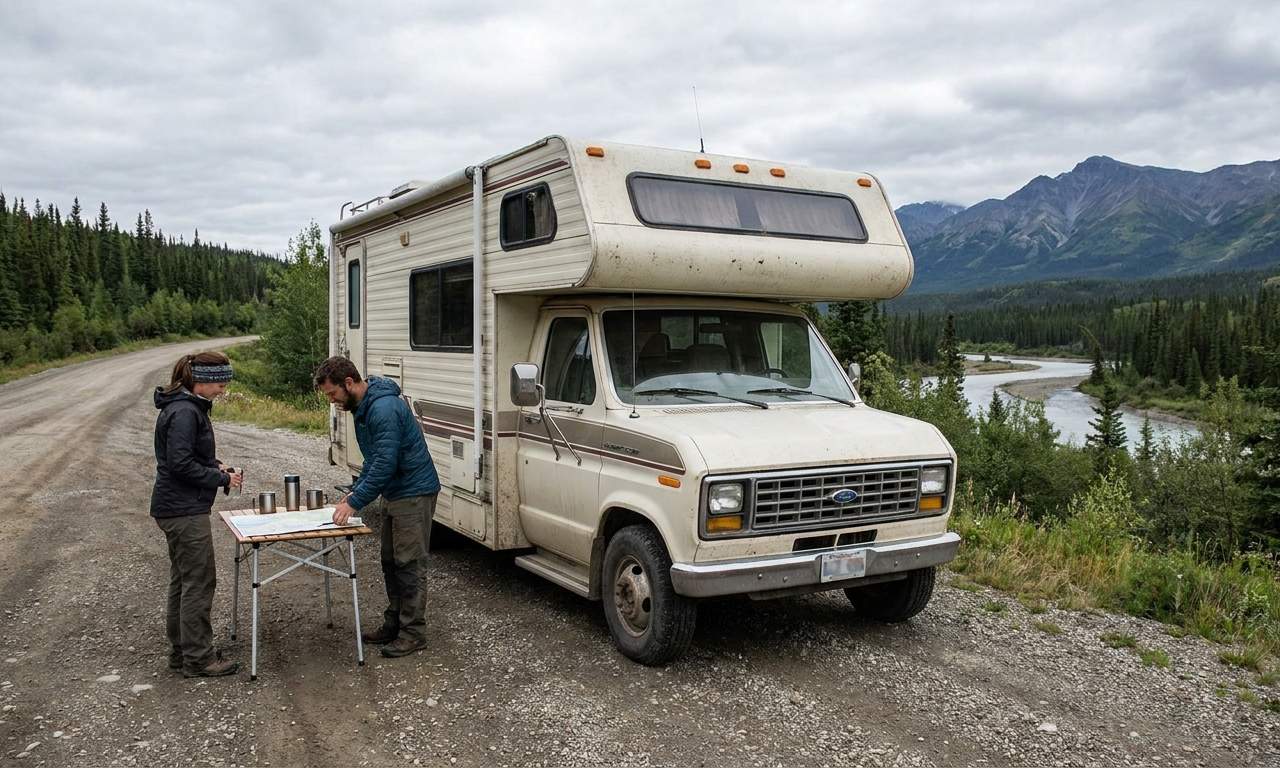
Road conditions in North Canada, especially in the Yukon, Northwest Territories, and Nunavut, vary significantly from well-maintained paved highways to extensive stretches of gravel and unpaved roads, presenting unique driving experiences for luxury RV travelers. Major routes, such as the famous Alaska Highway, offer mostly paved surfaces but can still feature unexpected frost heaves and narrow sections, requiring a focused and unhurried pace. For more adventurous routes, like large sections of the Dempster Highway, you'll encounter predominantly gravel surfaces with potential for washboards and loose rocks, making slower speeds and increased following distances crucial for safety.
The terrain across North Canada is incredibly diverse, ranging from mountainous and forested landscapes in the Yukon to vast tundra and taiga in the Northwest Territories. This means you’ll encounter steep grades and winding roads in some areas, and long, straight, but remote stretches in others. Distances between services can be considerable, making preparedness essential. Be aware that remote areas are prone to unpredictable weather changes, including sudden heavy rains that can turn gravel roads muddy, or early snowfalls, which can impact accessibility. Always check local road conditions and weather forecasts before setting out, as this information is vital for a smooth journey.
RV Size Limits, Bridges & Restricted Zones
While North Canada generally accommodates a wide range of RV sizes, drivers should always be mindful of specific height and weight restrictions on certain bridges, ferry limits, and unique road conditions, especially in more remote areas. The good news is that these vast northern regions typically lack the dense urban infrastructure of larger, older cities, meaning you'll find very few low bridges or strict urban environmental zones that would normally restrict larger luxury RVs. However, vigilance for local signage is always advised, particularly for any posted limitations.
Ferry services, which are sometimes necessary to reach remote communities or cross significant waterways (such as the Peel and Mackenzie River ferries on the Dempster Highway), frequently impose strict length, height, and weight limits. Securing reservations for larger vehicles on these ferries is not just recommended but often mandatory, and booking well in advance is crucial, especially during peak season. On some unpaved or wilderness access roads, there might be informal recommendations or even temporary restrictions against very large or heavy vehicles, especially during prolonged wet periods when road surfaces become soft. Always confirm specific requirements for your route to ensure a hassle-free journey.
Fuel: Diesel vs. Petrol & Cost per 100 km
Both diesel and petrol (gasoline) are widely available in North Canada's larger communities and along major highways, though fuel costs are generally higher than in southern Canada or the contiguous US due to remote logistics. For larger motorhomes, diesel is often preferred for its better torque and fuel efficiency. Smaller campervans typically use petrol. It's prudent to budget for CAD $1.80 - $2.50 per liter, with prices often increasing significantly in more isolated locations. On the routes offered through RV PLANET routes, you can itemize and track every expense along the way for easy budgeting.
Fuel consumption for rental RVs can vary, but for common classes suitable for North Canada, you can expect an average of 10-14 Liters per 100 km for Class SI (Semi-integrated) and Class C motorhomes. Larger Class A motorhomes, like some "cruise america example U 29-32" models, might consume up to 25 Liters per 100 km. Planning your fuel stops meticulously is crucial, as distances between gas stations can be extensive – hundreds of kilometers on routes like the Dempster Highway. Carrying extra fuel in approved containers is often recommended for remote travel to ensure peace of mind. Remember, managing your ancillary trip costs like fuel is made easier with RV PLANET routes, which allow you to itemize and track every expense along your journey for easy budgeting.
Tolls, Vignettes & Border Rules
North Canada (Yukon, Northwest Territories, Nunavut) is entirely free of toll roads or vignette systems, meaning RV travelers will not encounter any fees for road usage within these territories. This simplifies budgeting and route planning, allowing you to focus on the spectacular scenery without worrying about unexpected charges. However, if your journey includes travel through southern Canadian provinces like British Columbia or Alberta, be aware that some of these provinces do have toll roads or bridges, which some rental motorhomes may offer pre-purchased passes for. You can find more information about this in our "One-Way RV Rental in North Canada - Price Guide 2026" if you're planning an extended journey.
When crossing the US-Canada border into or out of North Canada, all occupants must present valid passports, and RVs must comply with Canadian customs regulations. These regulations include restrictions on certain food items, firearms, and alcohol, so it's wise to check current guidelines before your trip. For Americans RVing into Canada, always ensure your vehicle insurance is valid for Canadian travel; some policies require a Canadian Non-Resident Inter-Province Motor Vehicle Liability Insurance Card (often called a 'Canadian ID card' or 'Yellow Card') to prove adequate coverage. This helps ensure a smooth crossing and adherence to local laws.
Driving Tips for Luxury RV Rental Travelers
Driving a luxury RV in North Canada offers unparalleled freedom, but it requires a mindful approach to truly enjoy the journey. Firstly, **Pace Yourself**: Embrace the '3-3-3 rule', aiming to drive no more than 300 miles (approximately 480 km) per day, arrive by 3 PM, and stay at least 3 nights at each destination. This philosophy aligns with our recommendation to travel slowly-max 100-150 km per day on average, allowing you to truly feel the place, connect to the local culture, savor the food, and immerse yourself in the scenery.
**Wildlife Awareness** is paramount in the North; be constantly vigilant for large animals like moose, caribou, and bears, especially during dawn, dusk, and nighttime hours, as collisions are a significant risk. **Emergency Preparedness** cannot be overstated: carry extra fuel, a full-size spare tire, a comprehensive first-aid kit, and a satellite communication device since cell service is sparse. For gravel roads, reduce speed, maintain extra distance from other vehicles to minimize stone chips, and be prepared for dusty conditions; consider temporary protective films for the front of your luxury RV. Lastly, **Waste Management** is critical: utilize designated dump stations at campgrounds or service centers. For wild camping, strict 'Leave No Trace' principles are essential, including packing out all waste, due to the fragile northern environment.
Recommended RV Class for North Canada Roads
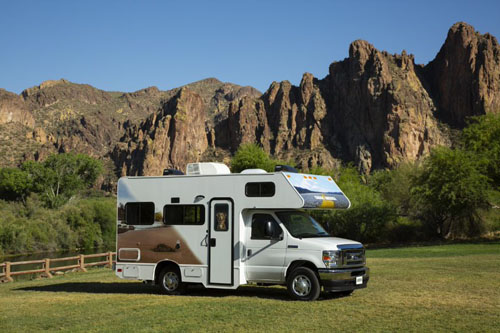
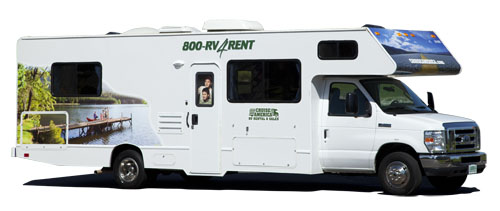
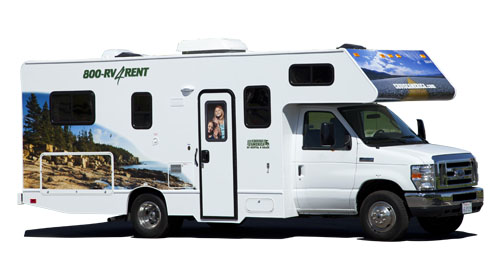
For a luxury RV rental in North Canada, a Class C Alcove or Class SI Semi-integrated motorhome offers an excellent balance of comfort and capability for navigating the diverse northern roads. A Class C Alcove, with an average length of 7.5 meters and typically sleeping 4-5 adults, provides ample living space, storage, and robust construction, making it ideal for families or groups seeking comfort on major northern highways. These vehicles often feature comfortable dining areas and fully equipped kitchens for preparing meals, giving you the flexibility to cook your own RV-friendly recipes playlist anywhere.
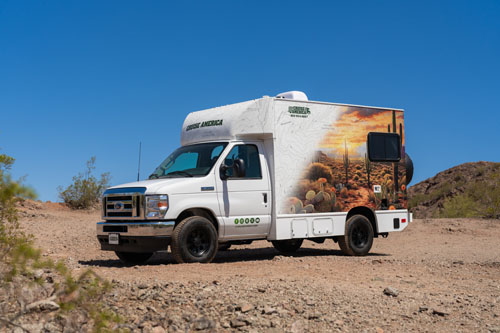
Alternatively, a Class SI Semi-integrated motorhome, averaging 6.9 meters in length, presents a more streamlined profile which can offer slightly better fuel economy, making it agile enough for varying road conditions while still providing luxury amenities for 3-4 adults. For those planning to venture onto more challenging or extensive unpaved routes, a Class TC Truck Camper is highly recommended. These robust 4x4 vehicles, averaging 5.5 meters in length, provide superior maneuverability and ground clearance, perfect for accessing more remote and rugged areas, albeit with less internal space than larger motorhomes. Consider the "TC-A" model, a 3-berth truck camper with a 125-liter fresh water tank and a 144-liter fuel tank, ideal for extended journeys.
Should I Choose a Compact Van Instead of a Large RV in North Canada?
While a compact campervan (Class B) offers superior maneuverability and fuel efficiency, a larger luxury RV (Class C, SI, or A) is often the preferred choice for exploring North Canada due to the vast distances, unpredictable weather, and the desire for enhanced comfort and space. The primary advantages of a compact van, such as easy parking and navigating narrow city streets, are less relevant in North Canada, where urban density is low and spacious roads are common. Drive slowly and carefully, and you can drive almost anywhere without issues. No need to stress - just use common sense and pay attention.
Larger motorhomes, like a "cruise america rv rental example Explorer" at 7.1 meters long with its 82-liter fresh water tank and 75-liter fuel tank, provide more robust heating systems, greater fresh water and waste tank capacities, and superior insulation. These features are critical for comfort and self-sufficiency during extended periods in the often harsh and remote Northern Canadian environment. A compact van may be genuinely beneficial if your itinerary focuses exclusively on very narrow off-road tracks. However, for general touring of North Canada's main attractions and highways, the enhanced living space, amenities, and capabilities of a larger luxury RV or even a robust Class C "C-MEDIUM" motorhome are typically more advantageous for a comfortable journey. For specific pricing on different vehicle classes, check out "Luxury RV Rental in North Canada - Premium Prices 2026".
Can I Park Anywhere? Free & Wild Camping Rules in North Canada
In many remote areas of North Canada, particularly on Crown Land outside of established parks or private property, free or 'wild camping' is often permissible, offering unparalleled opportunities for solitude and immersion in nature. This allows you to truly embrace the freedom of a rented RV adventure, discovering hidden gems and enjoying incredible stargazing without the constraints of traditional campgrounds. However, this privilege comes with significant responsibilities and requires thorough preparedness to ensure both your safety and the preservation of the delicate northern environment.
Responsible wild camping mandates strict adherence to 'Leave No Trace' principles, including packing out all waste, proper disposal of human waste away from water sources, and minimizing environmental impact. While widespread, wild camping is not universally allowed; national parks, territorial parks, and private land strictly prohibit unauthorized overnight parking. Rules can vary by region, so it is always crucial to check local regulations and follow local laws, especially regarding fire bans, wildlife precautions, and permitted camping zones, before parking your motorhome overnight. Remember, you'll find a spot. If not at the first campground, then the next one. Call ahead before driving to ensure availability.
Can I Drive an RV Into the City Center? Heights, Tunnels & Local Signage
Driving a luxury RV into most city centers in North Canada, such as Whitehorse (Yukon) or Yellowknife (Northwest Territories), is generally not an issue, as these communities are well-accustomed to large vehicles and typically lack the restrictive infrastructure of larger, older metropolises. Unlike major cities further south, Northern Canadian cities do not feature numerous low tunnels, tight bridges, or residents-only streets that would commonly impede RV access, making city exploration by rented RV relatively straightforward. Drivers should always pay close attention to local signage, particularly for any posted height limits on underpasses or specific parking regulations, but these are rare impediments in the North.
While city access is usually easy, finding suitable parking for a large RV can still be a challenge in busier areas. Planning ahead for designated RV-friendly parking lots or utilizing periphery parking and local public transport into the very core of a town is advisable. This allows you to enjoy the city's amenities without worrying about maneuvering a larger vehicle. Whether you're exploring the historic streets of Dawson City or the modern appeal of Whitehorse, a little planning will ensure a seamless experience. If you're wondering about other practical aspects of your journey, our "RV Travel Guide to North Canada - Tips and Top Spots 2026" offers more valuable insights.
What is the 3-3-3 rule for RVs?
The 3-3-3 rule for RVs is a popular guideline designed to promote safe and enjoyable travel, especially on longer road trips like those in North Canada, by encouraging a balanced pace and sufficient rest. This rule advises RVers to drive no more than **300 miles (approximately 480 km)** in a single day, which helps prevent driver fatigue and allows for more relaxed sightseeing. It encourages focusing on quality experiences rather than rushing through destinations.
The rule also suggests arriving at your chosen destination by **3 PM**, providing ample time to set up your rented motorhome at the campground, scout out the local area, and relax before it gets dark. This is particularly beneficial in remote northern areas where campsite availability might be more fluid and daylight hours vary dramatically by season. Finally, the 3-3-3 rule recommends staying at least **3 nights** in each location, allowing you to truly immerse yourself in the surroundings, connect to the culture, and avoid the constant cycle of packing and unpacking, enhancing the luxury RV experience. This slow travel philosophy is something we wholeheartedly support at Bandana RV.
Can Americans RV in Canada?
Yes, Americans can RV in Canada, provided they meet standard entry requirements, carry appropriate documentation for themselves and their rented vehicle, and comply with Canadian driving laws. All US citizens must present a valid passport to enter Canada, and if traveling with minors, appropriate consent letters may be required if both parents are not present. It's always a good idea to confirm the latest entry requirements on official government websites before your trip.
Your RV must be properly registered and insured. It is crucial to confirm that your US vehicle insurance policy provides adequate coverage in Canada; some policies may require a Canadian Non-Resident Inter-Province Motor Vehicle Liability Insurance Card (often called a 'Yellow Card' or 'Canadian ID card') as proof. For extended stays longer than 90 days, or if operating a business, additional permits or visas may be necessary. Rest assured, Bandana has been helping tens of thousands of travelers explore the world by RV since 2001, including many Americans journeying into Canada, ensuring a smooth and transparent booking process.
Do you need a CDL to drive a luxury RV?
No, you typically do not need a Commercial Driver's License (CDL) to drive a luxury RV in North Canada or the rest of Canada, as long as the rented RV is for personal use and its Gross Vehicle Weight Rating (GVWR) is below the commercial threshold. In Canada, a standard Class 5 (or equivalent) driver's license, which is what most people hold for regular passenger vehicles, is sufficient for driving the vast majority of non-commercial RVs, including large luxury models.
This standard license applies as long as the RV's GVWR does not exceed 11,000 kg (approximately 24,250 lbs), which encompasses all rental motorhomes and campervans available through Bandana RV. A CDL is specifically required for commercial vehicles, large trucks, or buses, or for non-commercial vehicles exceeding specific weight or passenger capacity limits, which most rental luxury RVs, like a 6-berth "MHC24" with its 150-liter fresh water tank and 200-liter fuel tank, do not meet. So, you can confidently book your luxury RV rental in North Canada with your standard license.
What are some luxury RV campgrounds in Canada?
While 'luxury' campgrounds with extensive resort-style amenities are less common in the remote North Canada territories compared to southern Canada, there are several well-serviced and scenic campgrounds that offer a premium experience suitable for luxury RVs. In Yukon, sites like the Whitehorse Campground provide essential hookups (electric, water), larger sites for comfort, and convenient access to the capital's attractions. Further afield, though technically in northern British Columbia but a common and highly recommended stop for northbound travelers, Liard River Hot Springs Provincial Park offers stunning natural hot springs and well-appointed campsites.
For the Northwest Territories, campgrounds around Yellowknife, such as the Fred Henne Territorial Park, stand out with full hookups, beautiful lakefront sites on Long Lake, and amenities including showers and dump stations, offering a high-quality base for exploring the area. For finding campsites and campgrounds during your trip, we recommend using RV PLANET (rvplan.net) - a great resource for locating available spots along your route. When choosing campgrounds in the North, focus on territorial parks and private campgrounds that offer full or partial hookups, spacious sites, and access to amenities like showers, laundromats, and perhaps Wi-Fi, as these offerings qualify as luxury in the context of the remote Northern environment.
What licence do I need to drive an RV in Canada?
To drive most recreational vehicles (RVs) in Canada, including luxury models, you typically need a standard Class 5 (or equivalent) driver's license from your home province, state, or country, as extensively detailed in the "Can You Drive an RV in North Canada? License & Age Rules" section. This standard car license is generally valid for driving motorhomes and campervans with a Gross Vehicle Weight Rating (GVWR) of up to 11,000 kg (24,250 lbs), which covers almost all rental luxury RVs.
For non-Canadian drivers, a valid driver's license from your country of origin is usually accepted for up to three months of travel. However, an International Driving Permit (IDP) is highly recommended for licenses that are not in English or French. While an IDP is not a standalone license, it serves as a valuable translation document, which can prove helpful when dealing with local authorities or in case of an accident. Always confirm specific licensing requirements with your rental company, like Bandana RV, and local provincial/territorial regulations, especially if you have any unique circumstances or plan to operate an exceptionally large or heavy RV.
How much does RV insurance cost in Canada?
The cost of RV insurance in Canada varies significantly based on multiple factors, such as the RV's value, class, age, the driver's history, chosen coverage limits, and the province or territory of registration. For a luxury RV rental through Bandana RV, a basic insurance cost is typically incorporated into the overall rental fee, providing fundamental coverage. Renters then have the option to purchase additional collision damage waivers or enhanced protection for extra peace of mind, which we highly recommend, especially when exploring the vast and unique landscapes of North Canada. You can upgrade to a top-level deductible for extra peace of mind, minimizing your out-of-pocket expenses in unforeseen circumstances.
If you own an RV, annual insurance premiums can range from CAD $500 to over $2,000, with more luxurious or expensive models, particularly larger Class A motorhomes, generally incurring higher costs. For travel in North Canada, specific coverages for remote travel are highly recommended. These might include robust roadside assistance with extended towing distances, comprehensive coverage for potential wildlife collisions (a real possibility in the North), and protection against extreme weather damage, as these are critical considerations in remote northern environments. This specialized coverage will influence premium costs but offers invaluable security. For deeper insights into pricing, consult our "RV Rental in North Canada - Prices and Best Deals 2026" guide.
What company has the best RV insurance?
Determining the 'best' RV insurance company in Canada ultimately depends on individual needs, the specific type of RV (e.g., a luxury Class C motorhome like "MHC28" or a nimble Class B campervan), particular coverage requirements for Northern travel, and customer service preferences. For rental RVs, Bandana RV partners with leading suppliers like El Monte, Cruise America, and Apollo, who provide comprehensive basic insurance as part of your rental package. We always advise reviewing their specific terms and considering purchasing any supplemental insurance or collision damage waivers offered, or checking if your personal auto or travel insurance provides adequate coverage for a rental RV.
For owned RVs, leading Canadian insurance providers such as TD Insurance, Intact Insurance, and Aviva Canada often offer specialized RV insurance policies that can be tailored for comprehensive coverage. When planning a trip to North Canada, seek out providers that offer robust emergency roadside assistance with high limits for towing, strong comprehensive coverage for potential damages from road hazards or wildlife encounters, and protection against extreme weather, as these features are critical in the remote northern environments. We sell the way we'd like to buy - with full transparency and support, ensuring you understand all your options.
Can you buy an RV in Canada and bring it to the US?
Yes, you can buy an RV in Canada and legally import it into the United States, but the process involves specific documentation and adherence to US import regulations, including environmental and safety standards. The RV must meet US Environmental Protection Agency (EPA) emissions standards and Department of Transportation (DOT) safety standards. Generally, RVs older than 25 years are exempt from DOT requirements, and those older than 21 years are exempt from EPA requirements, which can simplify the import process for classic or older models.
To successfully import a Canadian RV, you will need to complete several forms, including the EPA Form 3520-1 and DOT Form HS-7. You must present the Canadian registration and the bill of sale at the US border. Additionally, you will be required to pay any applicable duties and taxes upon entry, which vary based on the RV's value and type. It is highly recommended to consult with a customs broker or directly with US Customs and Border Protection (CBP) for the most current and accurate information, as import requirements can be complex and are subject to change. Bandana RV focuses exclusively on RV rentals for vacation travel, ensuring a hassle-free experience without the complexities of ownership.
🎬 Video coming soon
What You Shouldn't Miss
- Drive the Dempster Highway: This iconic 736 km gravel highway is Canada's only road crossing the Arctic Circle, offering incredible views, wildlife, and the unique experience of reaching the Arctic Ocean at Tuktoyaktuk.
- Explore Kluane National Park and Reserve, Yukon: Home to Canada's highest peak, Mount Logan (5,959m), and vast glaciers, this UNESCO World Heritage Site offers stunning hiking, wildlife viewing, and unparalleled wilderness.
- Experience the Midnight Sun in Inuvik, NWT: During summer months, witness the surreal phenomenon of 24-hour daylight above the Arctic Circle, perfect for extended outdoor activities and unique camping.
- Visit Yellowknife, Northwest Territories: Discover the 'Diamond Capital of North America', explore its vibrant Old Town, Floatplane Row, and enjoy the stunning Aurora Borealis if traveling in late summer or early fall.
- Relax in Liard River Hot Springs, British Columbia: A natural oasis along the Alaska Highway, these undeveloped hot springs offer a therapeutic soak amidst a lush boreal forest, often frequented by moose.
- Pan for Gold in Dawson City, Yukon: Step back in time to the Klondike Gold Rush era, explore historic buildings, and try your luck at gold panning in this charming and legendary town.
Final Thoughts
A luxury RV rental in North Canada isn't just a vacation; it's an expedition into one of the world's last great wildernesses, offering breathtaking scenery, abundant wildlife, and a deep sense of peace and freedom. With the right preparation and a comfortable motorhome from Bandana RV, you're set to create memories that will last a lifetime. Remember, traveling slowly – around 100-150 km per day – will allow you to fully appreciate the unique beauty and culture of the Yukon, Northwest Territories, and Nunavut.
From navigating gravel highways to experiencing the magic of the Midnight Sun, your journey through North Canada promises adventure at every turn. We at Bandana RV are passionate about helping you discover these incredible experiences, offering transparent pricing, dedicated support, and expert knowledge to ensure your trip is as smooth and enjoyable as possible. Get inspired for your next trip and find the perfect luxury RV to explore North Canada today!
Compare Luxury RV Prices for North Canada now and begin planning your extraordinary Northern adventure!