In This Guide
- Can You Drive an RV in Japan? License & Age Rules
- Road Conditions & Terrain in Japan
- RV Size Limits, Bridges & Restricted Zones
- Fuel: Diesel vs. Petrol & Cost per 100 km
- Tolls, Vignettes & Border Rules
- Driving Tips for Luxury RV Rental Travelers
- Recommended RV Class for Japan Roads
- Should I Choose a Compact Van Instead of a Large RV in Japan?
- Can I Park Anywhere? Free & Wild Camping Rules in Japan
- Can I Drive an RV Into the City Center? Heights, Tunnels & Local Signage
- What is the average cost to rent an RV in Japan?
- What are the best RV routes in Japan?
- How do you dispose of garbage in Japan RV?
- What are Michi-no-Eki and can you stay overnight?
- Are there RV parks in Japan with showers?
- Is RV travel popular in Japan?
- Best time to RV Japan
- Long-term RV rental Japan
Imagine yourself traversing serene Japanese landscapes, from ancient temples veiled in mist to vibrant cherry blossom alleys, all from the comfort of your own luxury motorhome. Japan, a country renowned for its efficient infrastructure and breathtaking natural beauty, offers an exceptional experience for those choosing a luxury RV rental. Our aim at Bandana RV is to ensure your adventure is as seamless and inspiring as the destinations you'll discover. For live availability and current prices, start with our RV Rental Japan - Complete Guide 2026 guide.
Can You Drive an RV in Japan? License & Age Rules
Foreigners can indeed drive a rented RV in Japan, provided they hold a valid International Driving Permit (IDP) issued in their home country, which must be presented alongside their original driver's license. A standard car driver's license (Class B equivalent) is generally all that's needed for most rental motorhomes, including Bandana's Class A, Class B, and Class C categories, as they typically fall below the 3.5-ton weight limit. The minimum age for a luxury RV rental in Japan is 21, and thankfully, there are no young driver surcharges or vehicle class restrictions based on age, making this adventure accessible to a wide range of travelers. Ensure your IDP remains valid for your entire trip; direct use of foreign licenses without an IDP is usually not accepted in Japan. Planning ahead for these requirements will save you any surprises upon arrival.Road Conditions & Terrain in Japan
Japan boasts exceptional road infrastructure with well-maintained highways and paved roads, which makes RV travel generally smooth and comfortable across the country. The terrain offers significant variety, from the flat coastal plains and intricate urban networks of Honshu to the majestic mountainous regions found throughout Japan, and the expansive, open landscapes of Hokkaido. While main roads are typically wide and easy to navigate, expect narrower streets in charming rural villages and some historic city centers. We always recommend driving slowly and carefully in these areas to truly soak in the scenic views and local atmosphere. Luxury motorhomes are designed to handle Japan's diverse conditions with ease, ensuring your journey, even through winding mountain passes, is always in comfort.RV Size Limits, Bridges & Restricted Zones
Most main roads and highways in Japan are well-equipped to accommodate standard RV sizes, allowing for broad exploration. However, drivers of rented motorhomes should remain attentive to height restrictions posted for tunnels, underpasses, and particularly in multi-story parking garages, especially in bustling urban centers. Japanese bridges and ferries provide clear signage for weight and size limits, but be aware that larger Class C or Class A motorhomes might encounter more limited ferry options or higher associated costs. Certain historic districts or extremely narrow mountain roads might have local restrictions or present a challenge for larger vehicles, though these areas are typically clearly marked. Always pay close attention to local signage, especially in residential zones or near older infrastructure, where clearances can be lower. We believe in full transparency, so knowing these details upfront helps ensure a smooth trip without unexpected surprises.Fuel: Diesel vs. Petrol & Cost per 100 km
Both diesel and petrol (gasoline) are readily available at fuel stations across Japan, with many Bandana luxury motorhomes running efficiently on diesel. Our global fleet averages show that Class SI - Semi-integrated RVs typically consume 10-11 Liters/100 km, Class C - Alcove models around 10-12 Liters/100 km, and Class B - Camper Vans are the most fuel-efficient at 8-10 Liters/100 km. Fuel costs in Japan are comparable to many Western countries, so budgeting for approximately 10-12 Liters per 100 km will provide a realistic estimate for your travel expenses. Some RV rentals may include or offer access to Electronic Toll Collection (ETC) cards which, while not a fuel discount, streamline toll payments and can indirectly help manage overall trip costs. To track these and other ancillary costs like campground fees and groceries, check out RV PLANET routes, where you can itemize every expense for easy budgeting.Tolls, Vignettes & Border Rules
Japan's extensive highway network primarily operates on a toll system, with charges varying based on the distance traveled and the vehicle class of your rented motorhome. There are no general vignettes for road use in Japan. For convenience, tolls can be paid in cash or with credit cards at manned booths, but the most efficient method is using an Electronic Toll Collection (ETC) card, which many luxury RV rentals offer pre-installed. Using an ETC card not only speeds up your journey by allowing seamless passage through toll gates but can also provide discounts on certain routes or during specific times. As an island nation, Japan does not have land borders, so considerations for cross-border RV travel are not applicable; your focus will be on customs and immigration upon entry into the country.Driving Tips for Luxury RV Rental Travelers
Driving a luxury RV in Japan offers incredible freedom, but there are a few key tips to ensure a smooth journey. Remember that Japan drives on the left side of the road, with the steering wheel on the right; this takes some adjustment for drivers accustomed to right-hand traffic. Most luxury RV rentals come equipped with advanced navigation systems, which often include English language options and up-to-date maps, proving invaluable for route planning. It's crucial to adhere strictly to speed limits and traffic laws, as enforcement is diligent, and fines can be substantial. Japanese drivers are generally courteous and follow rules, so reciprocate with respectful driving. We recommend planning stops every 2-3 hours, especially when traveling with family, to enjoy Japan's numerous Michi-no-Eki (Roadside Stations). These offer excellent facilities, local food, and great spots to stretch your legs. Many luxury rentals also feature automatic transmissions, which makes driving less fatiguing across Japan's varied terrain. Consider preparing simple meals in your RV's kitchen to enhance your travel experience; our RV-friendly recipes playlist offers inspiration for delicious, easy meals on the go.Recommended RV Class for Japan Roads
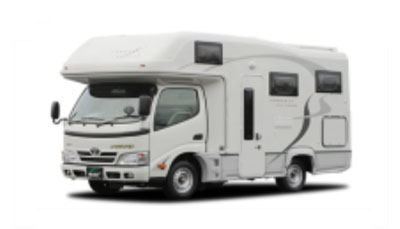
For RV travel in Japan, Class SI - Semi-integrated RVs are highly recommended, striking a superb balance between spacious comfort and excellent maneuverability. These models, with an average length of 6.9 meters from Bandana's global fleet, are agile enough for varied Japanese roads while providing ample living space. Class B - Camper Vans are also an excellent choice, averaging 5.8 meters in length, offering nimble handling perfect for narrower roads and urban exploration, all while providing luxury amenities. For larger groups or those prioritizing maximum interior space, Class C - Alcove RVs (typically around 7.5 meters) provide generous sleeping arrangements but might require a bit more caution on smaller, less traveled routes. All these motorhome classes offer sufficient ground clearance for most Japanese road conditions, ensuring a comfortable journey whether you're on a well-maintained highway or a scenic mountain route.Should I Choose a Compact Van Instead of a Large RV in Japan?
There is no inherent issue driving any RV size in Japan, as the country's main roads and infrastructure are robust and accommodating. A compact van, such as a Class B Camper Van, might offer a slight advantage in navigating extremely tight historic centers or very narrow mountain passes, and potentially in finding city parking a bit easier. However, luxury motorhomes, including semi-integrated (Class SI) or alcove (Class C) models, provide significantly more indoor space, enhanced comfort, and a wider range of amenities. For many travelers seeking a premium experience with full facilities like a private shower, toilet, and a more extensive kitchen, these benefits often outweigh the minor maneuverability differences of a smaller van on typical travel routes. Drive slowly and carefully, and you can drive almost anywhere without issues. No need to stress - just use common sense and pay attention.Can I Park Anywhere? Free & Wild Camping Rules in Japan
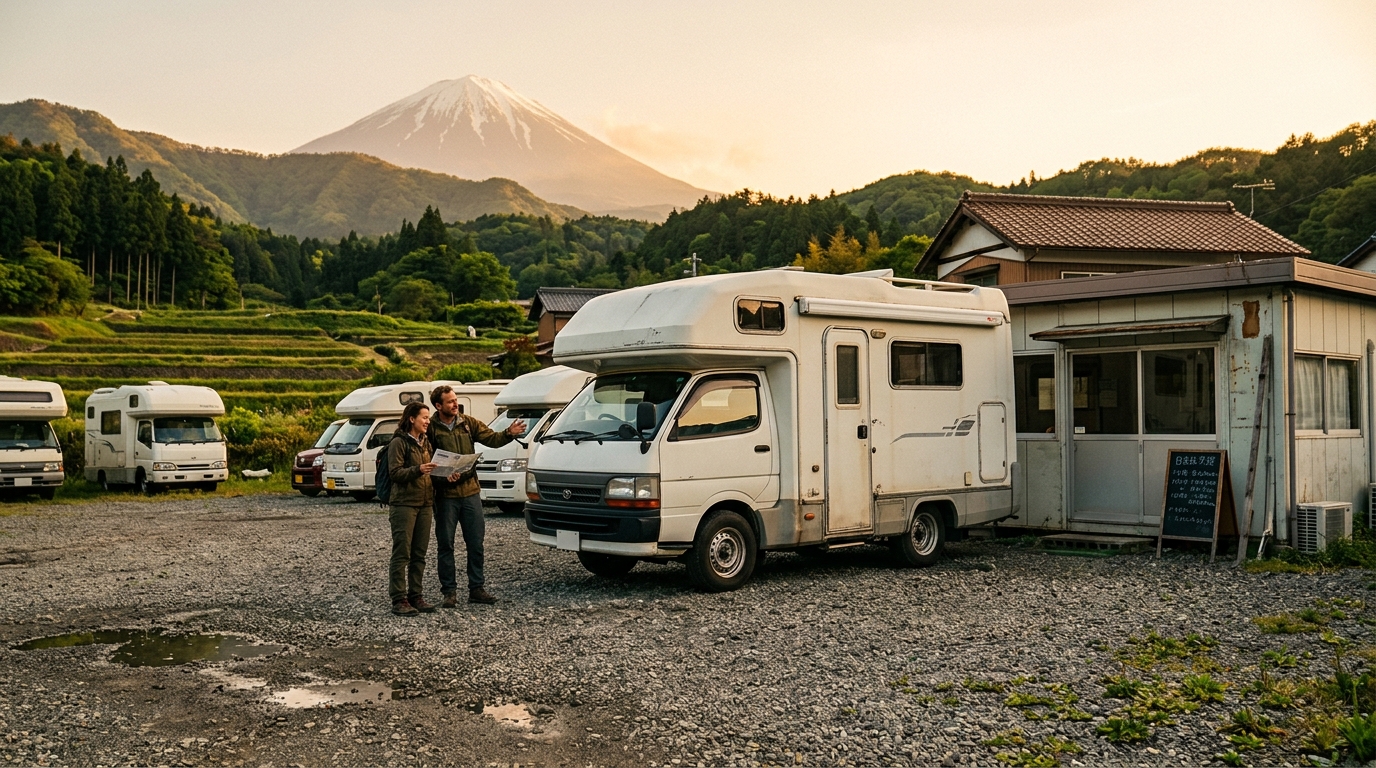
Wild camping (free camping outside designated areas) is generally not permitted or culturally accepted in Japan, and it is best avoided to respect local customs and regulations. Overnight parking is often tolerated at Michi-no-Eki (Roadside Stations), making them a popular and convenient option for RVers. However, these are designed as rest stops, not formal campgrounds, so discretion and quiet etiquette are expected; refrain from extending awnings or setting up outdoor furniture. Designated RV parks and campgrounds are the most appropriate and respectful choices for overnight stays, as they offer amenities like power hookups, waste disposal, and security. Rules can vary by region, so always check local regulations and adhere to them before parking overnight. For finding campsites and campgrounds during your trip, we recommend using RV PLANET (rvplan.net) - a great resource for locating available spots along your route. You'll find a spot. If not at the first campground, then the next one. Call ahead before driving.Can I Drive an RV Into the City Center? Heights, Tunnels & Local Signage
Yes, you can generally drive a rented RV into city centers in Japan, though it requires careful attention to signage. It is crucial to be highly aware of height limits on overhead structures such as tunnels, low bridges, and particularly multi-story parking garages, which often have lower clearances than typical RV heights. Also, keep an eye out for local signage indicating environmental zones, streets reserved for residents, or specific restrictions on larger vehicles, especially in older or historic urban areas like Kyoto or parts of Tokyo. For extensive city exploration, a practical strategy is to park your RV on the outskirts of major urban centers at dedicated RV parks or large Michi-no-Eki and then utilize Japan's famously excellent public transport system to navigate urban hubs. Drive slowly and carefully, and you can drive almost anywhere without issues. No need to stress - just use common sense and pay attention.What is the average cost to rent an RV in Japan?
The average cost to rent a luxury RV in Japan typically ranges from ¥15,000 to ¥35,000 per day (approximately $100-$250 USD), depending on the RV class, the season of your trip, the rental duration, and the specific amenities included. Prices are dynamic, similar to flight tickets, and change daily based on availability, seasonality, and supplier marketing decisions; the final price is set at the actual booking time. For a week-long trip, a Class B campervan might start from around $700, while a larger Class C motorhome could be $1,200-$1,750. A two-week adventure might cost $1,400-$3,500, and a month-long luxury RV trip could be $2,800-$7,000 or more. Remember to budget for ancillary costs such as fuel (Bandana's semi-integrated RVs consume 10-11 L/100km), tolls, campground fees, food, and activities. Booking several months in advance, especially for peak seasons like cherry blossom or autumn foliage, usually secures a wider selection of luxury models and potentially better rates. One-way rentals are available with most suppliers, but usually incur a drop-off fee that can range from ¥10,000 to ¥50,000 or more.What are the best RV routes in Japan?
Japan offers an incredible array of diverse and scenic RV routes, allowing travelers to explore everything from the volcanic landscapes of Hokkaido to the coastal beauty of Kyushu and the cultural richness of Honshu. Popular routes include a comprehensive Hokkaido loop, ideal for those seeking vast open spaces and numerous national parks like Shiretoko and Daisetsuzan. Another fantastic option is Japan's "Golden Route," which can be extended to combine iconic cities like Tokyo, Kyoto, and Osaka with stunning scenic drives through Hakone, known for its views of Mount Fuji, or the breathtaking Japanese Alps. The island of Kyushu is perfect for its abundance of natural hot springs (onsen) and unique geological features, easily accessible by RV. Regional differences are notable: Hokkaido offers wider, less congested roads and fewer tolls, while Honshu requires navigating more densely populated areas and winding mountainous terrain. For optimal travel, plan to move slowly, averaging a maximum of 100-150 km per day, allowing ample time to feel the place, connect to the culture, the food, and the scenery. For finding detailed itineraries and route plans, RV PLANET (rvplan.net) offers more than 1,300 pre-planned routes across 5 continents, including many for Japan, providing professional insights and saving you planning time.How do you dispose of garbage in Japan RV?
Proper garbage disposal in Japan is a unique challenge that requires careful adherence to local rules, as meticulous sorting is mandatory and collection methods vary significantly by municipality. RVers must be prepared for the fact that most Michi-no-Eki (Roadside Stations) and campgrounds typically do not provide public garbage bins. This means you should plan to manage and store your waste within your rented motorhome until you can locate appropriate disposal points. Travelers should meticulously separate waste into categories such as burnable, non-burnable, plastics, cans, and glass. Disposal often occurs at designated collection points, sometimes found at convenience stores, larger supermarkets (which may require purchasing specific local garbage bags), or your RV rental depot upon return. Cultural etiquette specific to RV travel in Japan emphasizes minimizing waste, being discreet with any temporary roadside disposal, and always respecting local waste management systems to maintain cleanliness and avoid inconveniencing local communities.What are Michi-no-Eki and can you stay overnight?
Michi-no-Eki are government-designated roadside stations spread across Japan, serving as much more than just rest stops; they are local produce markets, tourist information centers, and frequently feature restaurants or specialty shops. While their primary function is for daytime rest and local commerce, overnight parking for motorhomes is generally tolerated at Michi-no-Eki, making them a popular choice for RVers. It is important to remember they are not formal campgrounds and typically lack utility hookups or dedicated RV services. When staying overnight, strict etiquette applies: maintain low noise levels, do not extend awnings or set up outdoor furniture, use your RV's onboard facilities discreetly, and always ensure you leave no trace. They differ from traditional campgrounds by not offering designated camping pitches, electrical or water hookups, or comprehensive shower facilities, though most do provide clean restrooms and vending machines. Many travelers find them to be a safe and convenient option for a night's rest on their luxury RV adventure.Are there RV parks in Japan with showers?
Yes, many dedicated RV parks and campgrounds across Japan offer essential amenities for a comfortable stay, including showers, laundry facilities, and often power hookups. These formal campgrounds are the best option for multi-day stays, allowing you to fully utilize the facilities of your rented motorhome. Beyond dedicated RV parks, travelers can also embrace Japan's extensive and cherished network of public baths (sento) and hot springs (onsen). These are not just practical solutions for showering and hygiene on the road, but also offer a unique, culturally rich experience to relax and rejuvenate, typically costing only a few hundred yen. Planning your daily logistics for RV travel often involves strategically combining stops at formal RV parks with visits to a local sento or onsen. When researching RV parks or campgrounds, always check their specific amenity lists, as offerings can vary widely from basic to luxurious.Is RV travel popular in Japan?
RV travel is experiencing a steady surge in popularity across Japan, appealing significantly to both domestic and international tourists seeking a flexible and immersive way to explore the country. This growing trend is fueled by Japan's impeccably maintained road infrastructure, the widespread availability and utility of Michi-no-Eki, and the country's stunning natural beauty, from the northern island of Hokkaido to the southern beaches of Okinawa. The market for luxury RV rentals is also expanding, catering to travelers who desire premium comfort and convenience as they experience Japan's diverse landscapes. This unique blend of rich cultural experiences, incredibly scenic drives, and abundant outdoor activities makes Japan an increasingly ideal destination for memorable RV adventures.Best time to RV Japan
The best time for a luxury RV trip in Japan largely depends on your preferred activities and the regions you plan to visit, with spring (March-May) and autumn (September-November) generally considered the most ideal seasons. Spring offers wonderfully pleasant weather perfect for viewing the iconic cherry blossoms and ensures comfortable driving conditions across most of Japan. Autumn treats travelers to spectacular fall foliage, cooler temperatures excellent for hiking, and enjoyable RVing without the intense summer heat. Summer (June-August) can be hot and humid, particularly in Honshu and Kyushu, but it is an excellent time for exploring Hokkaido, which offers milder temperatures and vibrant greenery. Winter (December-February) is a magical time for snow sports enthusiasts, especially in Hokkaido and the Japanese Alps, but requires a rented RV well-equipped for cold weather and careful driving on snowy roads. For longer trips, consider a "luxury rv rental in Japan" for superior comfort in any season.Long-term RV rental Japan
Long-term RV rental in Japan is an increasingly viable and attractive option for foreigners who wish to explore the country extensively, offering greater flexibility and often more cost-effective rates compared to multiple shorter rentals. While many competitors primarily focus on short-term rentals, Bandana RV collaborates with specialized luxury providers who offer discounted rates for longer durations, such as rentals extending beyond 30 days or even several months. When considering longer-term RV travel, it's important to understand visa requirements for extended stays and to secure comprehensive insurance coverage, which you can upgrade to a top-level deductible for extra peace of mind. Additionally, plan for routine vehicle maintenance and cleaning, including waste disposal management as discussed earlier. For foreigners considering a very long-term stay, attempting to buy a campervan in Japan can involve navigating complex local vehicle registration, insurance, and roadworthiness checks, often requiring Japanese language proficiency. Renting provides a hassle-free alternative.What You Shouldn't Miss
- Drive the Hokkaido Coastal Loop: Experience wide-open roads, dramatic cliffs, and fresh seafood, especially during the mild summer months, in a Class C motorhome like the "Euro Deluxe" for ample space.
- Explore the Historic Villages of Shirakawa-go & Gokayama: Navigate carefully through these UNESCO World Heritage sites, famous for their unique gassho-zukuri farmhouses, and find nearby RV parking.
- Relax in Hakone with Mount Fuji Views: Park your RV at a nearby Michi-no-Eki and take public transport to enjoy an onsen with iconic views of Japan's most famous peak.
- Discover the Spiritual Trails of Kumano Kodo: Use your Class B campervan to access trailheads for ancient pilgrimage routes in the Kii Peninsula, blending nature with deep history.
- Indulge in Kyushu's Onsen Culture: Take a two-week adventure through Kyushu, stopping at various hot springs in Beppu or Kurokawa, utilizing your RV as a mobile base for relaxation and exploration.
- Looking for expert insights from Avi Bandana? Top 5 Adventures - recommendations from Avi Bandana.
Final Thoughts
Embarking on a luxury RV adventure in Japan is an experience unlike any other, blending modern comfort with timeless cultural immersion and breathtaking natural beauty. From the meticulous road infrastructure to the unique Michi-no-Eki system, Japan is surprisingly well-suited for exploration by motorhome, offering a depth of travel that traditional methods can't match.
Remember, the key to a truly unforgettable journey is thoughtful planning and an open heart ready for discovery. Embrace the local customs, savor the dynamic scenery, and let your rented RV be your personal gateway to the wonders of Japan. We're here to support you every step of the way, ensuring your luxury RV rental in Japan is nothing short of spectacular.
So, why wait? Discover top destinations, planning tips, all in one place! Find luxury RV Rentals in Japan and start planning your escape today!
On the routes offered through RV PLANET routes, you can itemize and track every expense along the way for easy budgeting.