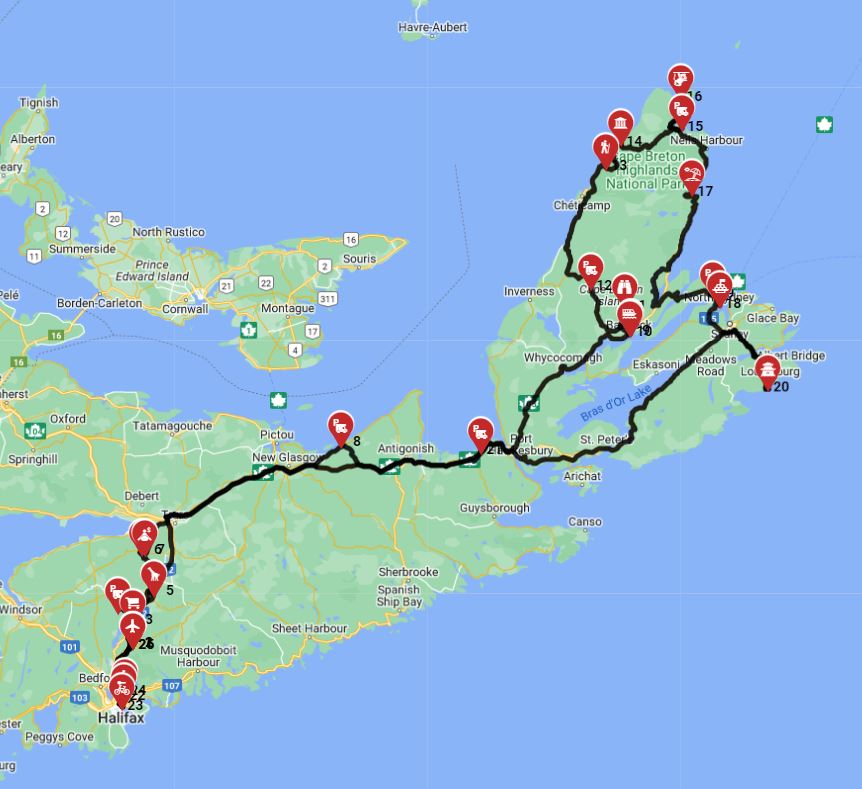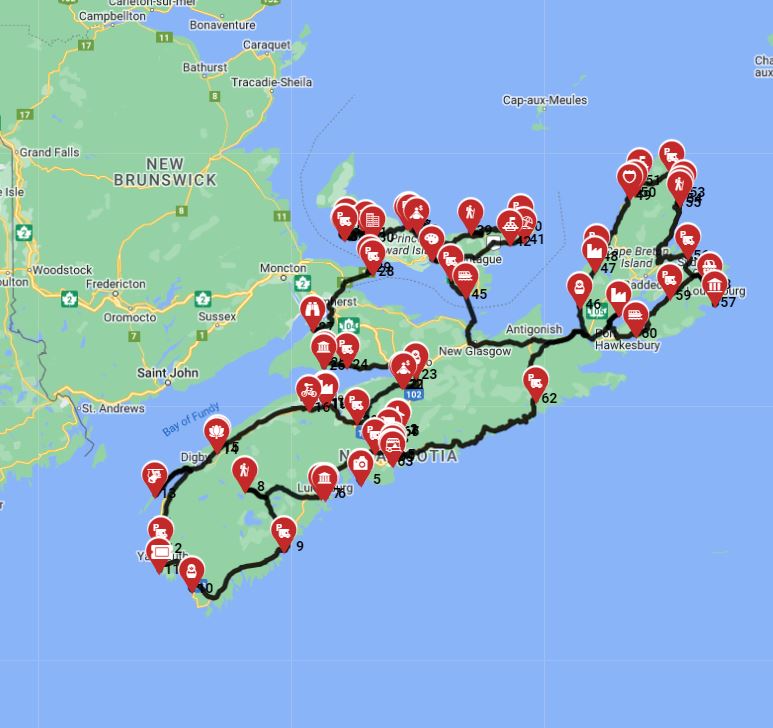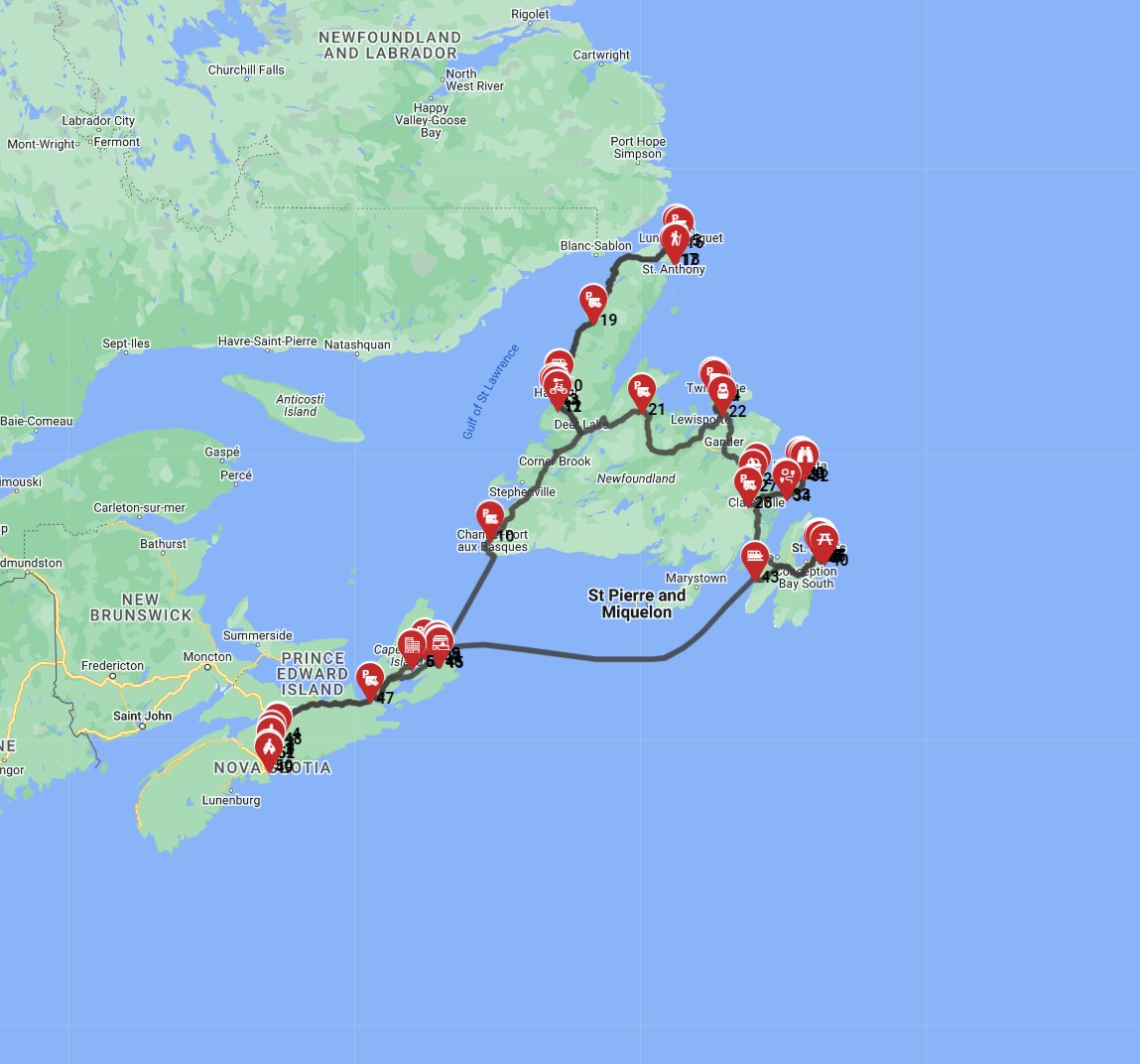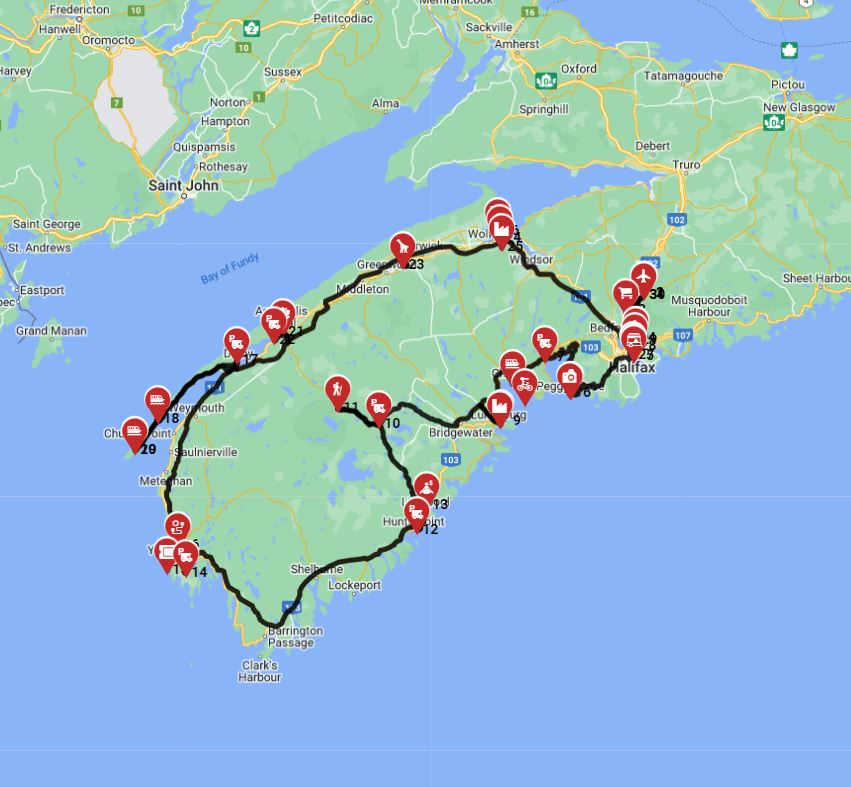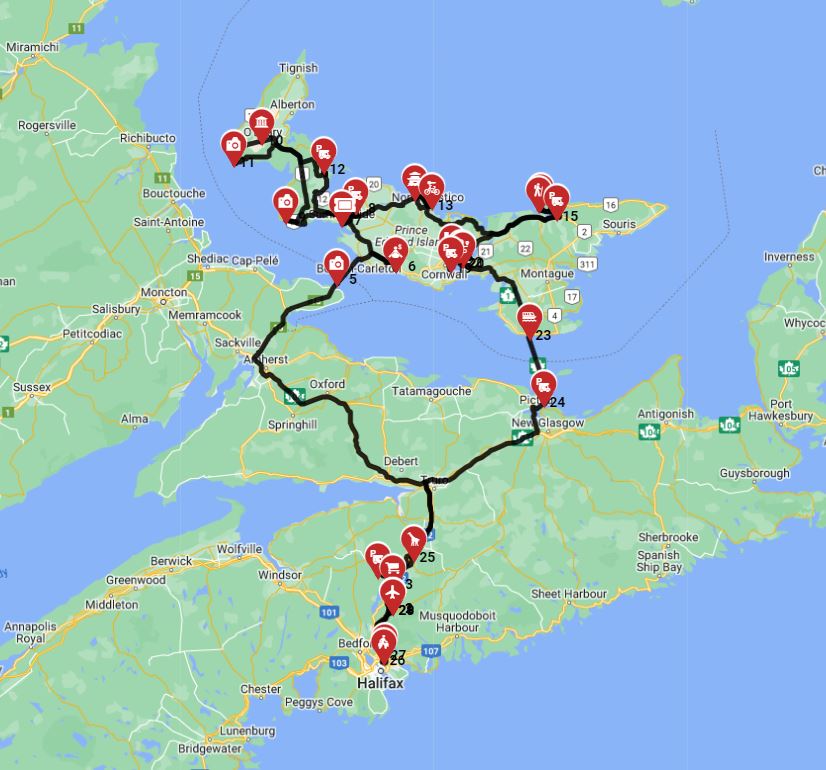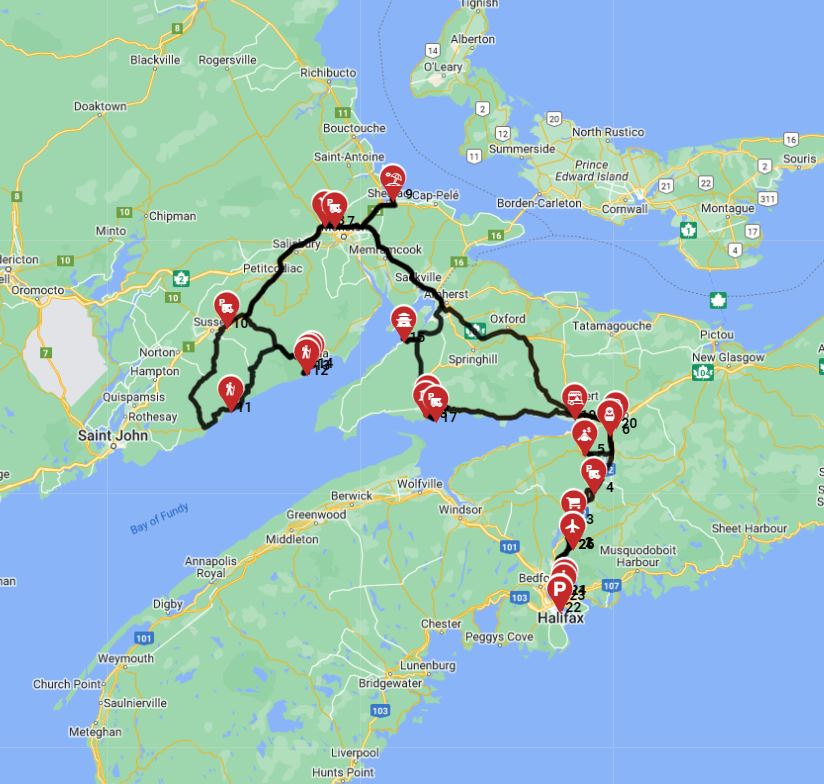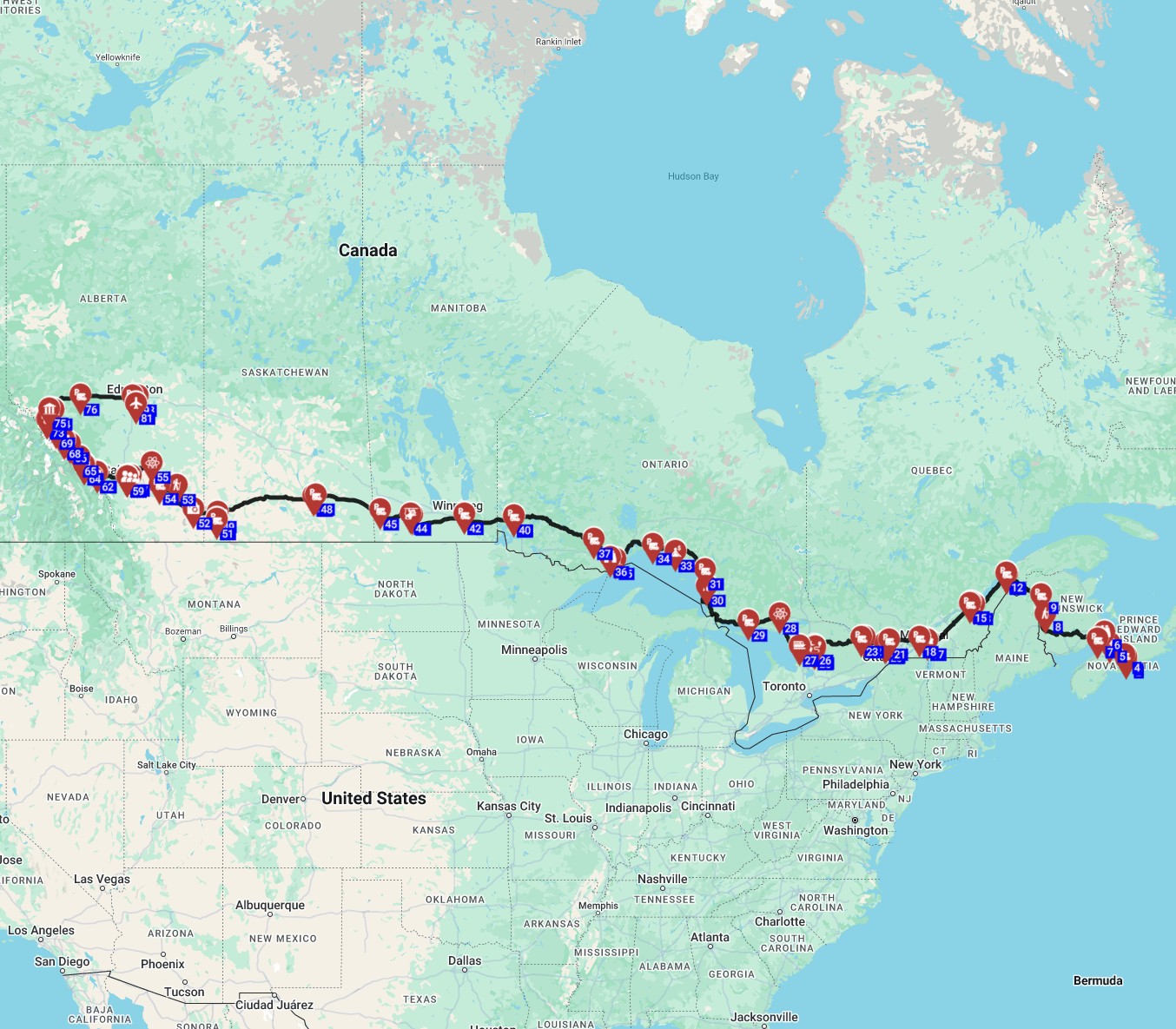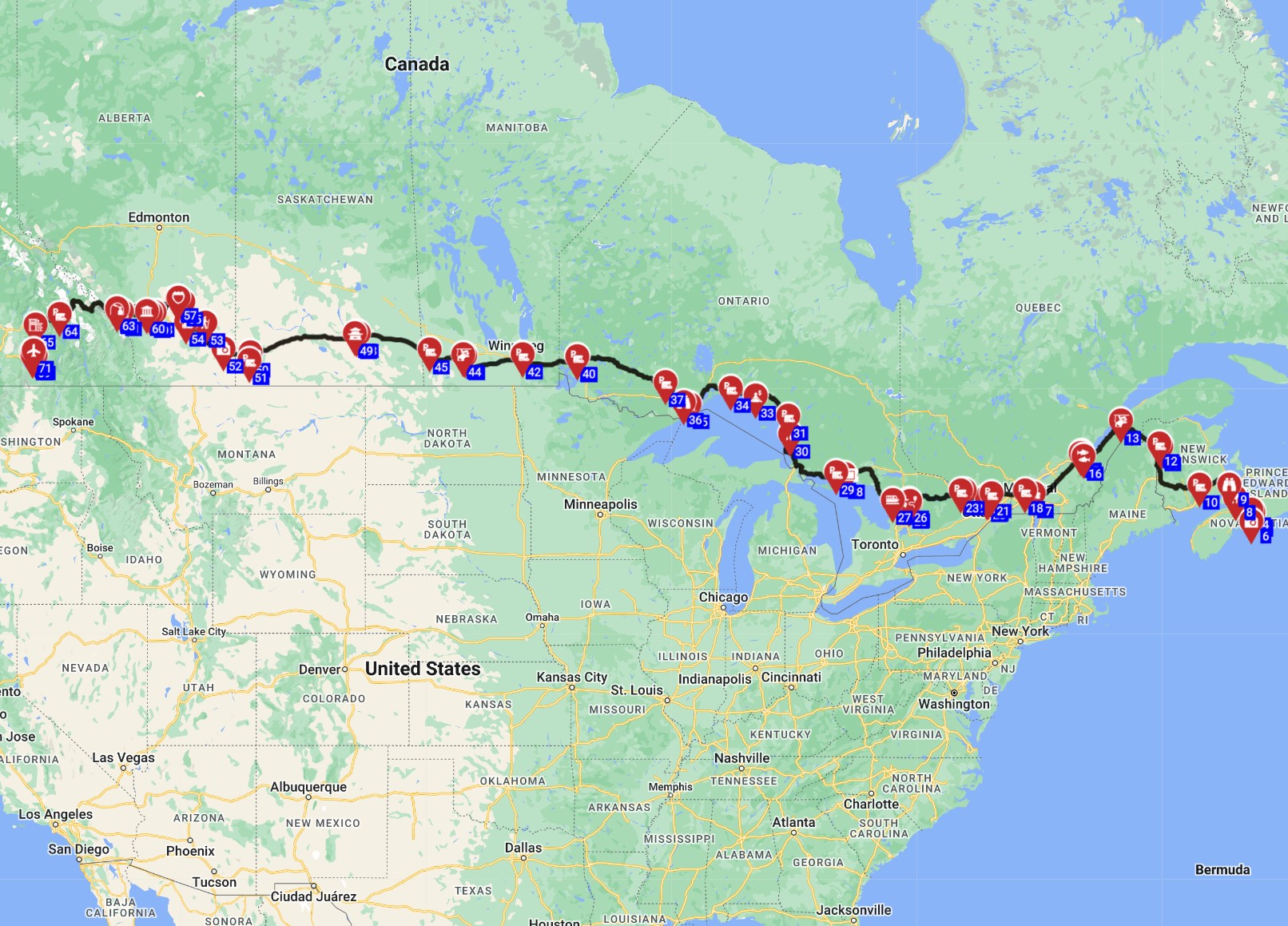
For live availability and current prices, start with our RV Rental East Canada - Complete Guide 2026 guide.
In This Guide
- Can You Drive an RV in East Canada? License & Age Rules
- Road Conditions & Terrain in East Canada
- RV Size Limits, Bridges & Restricted Zones
- Fuel: Diesel vs. Petrol & Cost per 100 km
- Tolls, Vignettes & Border Rules
- Driving Tips for Luxury RV Rental Travelers
- Recommended RV Class for East Canada Roads
- Should I Choose a Compact Van Instead of a Large RV in East Canada?
- Can I Park Anywhere? Free & Wild Camping Rules in East Canada
- Can I Drive an RV Into the City Center? Heights, Tunnels & Local Signage
- What is the 3-3-3 rule for RV travel?
- Can Americans RV in Canada?
- Do you need a CDL to drive a luxury RV?
- Do they search your RV at the Canadian border?
- What licence do I need to drive an RV in Canada?
- How much is RV insurance in Canada?
- Can you buy an RV in Canada and bring it to the US?
- Who are the top 5 insurance companies in Canada?
Embarking on a luxury RV adventure through East Canada offers unparalleled freedom and breathtaking scenery, allowing you to experience everything from rugged coastlines to charming historic towns at your own pace. With Bandana RV, you're choosing a true RV specialist, founded in 2001, with over two decades of experience helping tens of thousands of travelers explore the world by rented motorhome. We're committed to full transparency with no hidden fees and provide supportive service from the moment you start comparing prices until your booking is confirmed. For live availability and current prices, start with our RV Rental East Canada - Complete Guide 2024 guide, which provides comprehensive information to kickstart your journey.
Can You Drive an RV in East Canada? License & Age Rules
Most rented RVs in East Canada, typically those under 11,000 kg (24,250 lbs), can be driven with a standard Class 5 (or equivalent) driver's license from your home province, state, or country. Foreign visitors should always carry a valid driver's license from their home country, and an International Driving Permit (IDP) is highly recommended, especially if your license is not in English or French, to avoid any communication barriers with local authorities. The minimum age for RV rental and driving in East Canada is 21 years old across our network of suppliers like El Monte and Cruise America, with no young driver surcharges or vehicle class restrictions based on age, making luxury RV travel accessible to a wider audience.
For larger, specialized RVs that might exceed 11,000 kg, a commercial driver's license (such as a CDL in the US or a Class 1, 2, or 3 in Canada, depending on the specific province) could be required. However, the vast majority of motorhomes and campervans available for rental through Bandana RV, including luxurious Class A, Class B, and Class C models, fall comfortably within the standard license requirements. We ensure you have all the necessary information to confidently choose your perfect rented motorhome for exploring East Canada, providing guidance and support before, during, and after your booking.
Road Conditions & Terrain in East Canada
East Canada offers a diverse range of road conditions, from well-maintained highways to scenic, winding coastal roads and occasional gravel sections in more remote areas, all of which are manageable with a rented luxury RV. The terrain varies significantly, presenting rolling hills in Nova Scotia and Prince Edward Island, to the mountainous regions of the Gaspé Peninsula in Quebec and parts of New Brunswick, all requiring careful driving. For instance, routes like the famous Cabot Trail in Cape Breton, Nova Scotia, are known for their spectacular views and winding, sometimes narrow, sections.
Luxury RVs, with their robust build and comfortable interiors, handle most East Canadian roads very comfortably. Drivers should simply be prepared for roads that might be narrower or less maintained, particularly when exploring provincial parks or charming rural routes. We always recommend driving slowly and carefully, allowing yourself time to fully appreciate the region's beauty and safely navigate varied conditions, especially with larger vehicles. Remember, the journey itself is a significant part of the adventure, so take your time and savor every moment.
RV Size Limits, Bridges & Restricted Zones
While East Canada generally accommodates large RVs, drivers must always pay close attention to posted height and weight restrictions, particularly on older bridges, underpasses, and within charming historic town centers. For example, specific areas like some provincial park campsites may have length restrictions for larger RVs, making it important to check campground details when making reservations. When planning a unique ferry journey, such as to Newfoundland or Prince Edward Island, be aware that ferry operators like Marine Atlantic and Northumberland Ferries have strict size and weight limits, and booking well in advance is essential to secure your spot and avoid disappointment.
Environmental zones are rare for general RV travel in East Canada, but it is always wise to observe local signage for any temporary or specific vehicle restrictions. Drive slowly and carefully, and you can drive almost anywhere without issues. No need to stress - just use common sense and pay attention. We ensure you're equipped with all the essential information to navigate these aspects, promising full transparency and no surprises during your luxury RV rental in East Canada. Our true RV specialists have the knowledge to help you plan seamlessly.
Fuel: Diesel vs. Petrol & Cost per 100 km
In East Canada, both diesel and petrol (gasoline) are widely available, with most larger rented RVs typically running on diesel for better fuel economy and torque on long scenic drives. As of 2024, the average cost per 100 km for an RV in East Canada can range from approximately $16.65 CAD for a smaller Class B Camper Van to about $26.83 CAD for a larger Class TC Truck Camper, based on an average fuel price of $1.85 CAD/liter. Bandana's global fleet offers various fuel-efficient options; for example, a Class SI Semi-integrated RV typically consumes 10-11 L/100 km, while a Class C Alcove might use 10-12 L/100 km. Smaller Class B Camper Vans are more efficient at 8-10 L/100 km, Class A Integrated RVs range from 8-12 L/100 km, and Class TC Truck Campers are around 12-17 L/100 km.
When planning your route and budgeting for your luxury RV adventure, considering fuel costs is key. On RV PLANET routes, travelers can itemize and track every expense along the way for easy budgeting, ensuring no surprises. While some luxury RV rental providers might offer fuel discount cards, it's always wise to factor fuel into your total trip cost from the outset. Our commitment to full transparency extends to helping you understand all potential costs upfront, so you can enjoy your East Canada journey with peace of mind. On the routes offered through RV PLANET routes, you can itemize and track every expense along the way for easy budgeting.
Tolls, Vignettes & Border Rules
Tolls are not widespread in East Canada, but they do exist on specific infrastructure such as the Confederation Bridge to Prince Edward Island, some bridges in Nova Scotia, and historically on parts of highways in New Brunswick (though many highway tolls have been removed). Vignettes, which are common in parts of Europe for highway access, are not used for RV travel in East Canada; tolls are typically pay-as-you-go or electronic. For travelers coming from the US, border crossings into East Canada require all occupants to have valid passports or enhanced driver's licenses, and you must be prepared to declare all goods to Canada Border Services Agency (CBSA) officers.
When crossing the border with a rented RV, always carry your RV registration, proof of insurance, and the rental agreement. Some luxury RV rental companies might offer options for pre-purchasing toll passes or electronic transponders, which can significantly streamline your travel and help you avoid unexpected fines. Our supportive team is here to assist with any pre-booking comparison questions regarding these details. If you're looking for detailed route plans that consider such factors, check out our selection of RV PLANET routes for East Canada, which are curated by professionals.
Driving Tips for Luxury RV Rental Travelers
Carefully planning your route is crucial for a successful luxury RV rental journey through East Canada, especially during peak seasons when popular attractions and campsites can fill up quickly. Always research road conditions, ferry schedules (if traveling to islands like Newfoundland or PEI, book passages well in advance as RV spots are limited), and campsite availability. Practice safe driving habits: maintain safe speeds, particularly on winding coastal roads and through national parks where wildlife, such as moose, can be present, and remember that larger luxury RVs require more stopping distance.
🎬 Video coming soon
Staying connected can be a challenge in remote regions of East Canada despite good cell service in many urban areas, so consider downloading offline maps and planning for Wi-Fi access at campgrounds or visitor centers. Also, budget for seasonal considerations such as black fly season (late spring/early summer), which can impact outdoor activities, and be aware of shoulder season campsite availability. We recommend slow travel, averaging a maximum of 100-150 km per day, allowing you to truly immerse yourself in the culture, local food, and stunning scenery. Our team of true RV specialists can offer tailored advice to make your extended road trip enjoyable and stress-free. For more inspiration, explore our "RV Travel Guide to East Canada - Tips and Top Spots 2024" resources.
Recommended RV Class for East Canada Roads
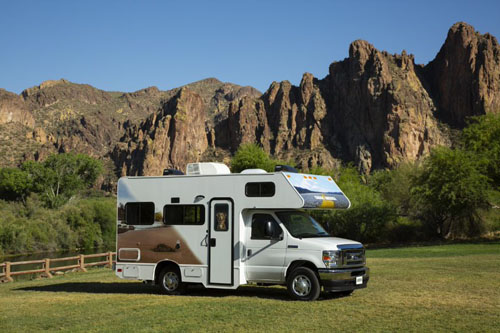
For comprehensive comfort and reasonable maneuverability on East Canada's varied roads, Class SI Semi-integrated RVs or Class C Alcove RVs are highly recommended due to their balanced design. Class SI Semi-integrated RVs, with an average length of 6.9 meters from Bandana's global fleet, offer a superb balance of living space and amenities for 3-4 adults while remaining manageable on winding provincial roads and through charming towns. These models often feature a comfortable double bed, a functional kitchen with a 3-burner gas stove, a refrigerator, and a private shower and toilet, ensuring a luxurious travel experience.
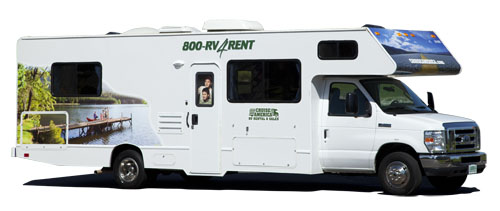
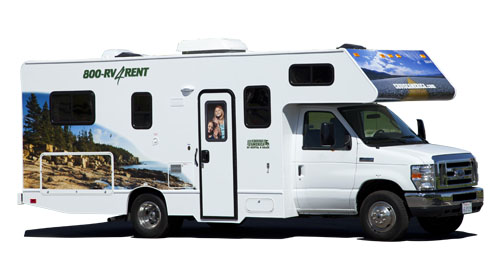
Alternatively, Class C Alcove RVs, averaging 7.5 meters in length and accommodating 4-5 adults, provide even more ample space for families or groups, making them particularly suitable for longer trips across diverse terrains. Despite their slightly larger footprint, these Class C rentals are still well-suited for East Canada's roads, including those leading into provincial parks, offering features like a bed over the cab, multiple dining seats, and generous fresh water tanks (e.g., 100-150 liters). Both options strike an excellent balance between spacious interiors and a size that navigates most East Canadian driving conditions without significant issues, providing a true home-away-from-home experience.
Should I Choose a Compact Van Instead of a Large RV in East Canada?
There is generally no inherent issue driving any RV size in East Canada; the choice between a compact campervan and a larger motorhome ultimately comes down to your personal preference for comfort and indoor space versus maximum agility. A compact Class B Camper Van, averaging 5.8 meters in length, might genuinely be a good choice if your itinerary primarily focuses on navigating very tight historic city centers, parking in urban areas like Halifax or St. John's, or frequently driving exceptionally narrow mountain passes on routes such as specific sections of the Cabot Trail. These vans often feature an efficient diesel engine, a compact kitchen with a 2-burner stove, a small refrigerator, and some even include a shower and toilet, like the V3 model with single beds and a 100-liter fresh water tank.
However, for most East Canada travel, particularly if seeking a truly luxury RV experience for an extended road trip, sticking with a larger Class C or Semi-integrated RV is often the better trade-off. Vehicles like a "Paradise Family 5" (5.6 meters) or an "Explorer" (7.1 meters) offer superior living space, more comprehensive amenities (like a microwave and full dining area), and enhanced comfort for a family of 2+2 or even 2 couples. Drive slowly and carefully, and you can drive almost anywhere without issues. No need to stress - just use common sense and pay attention. A larger RV provides a more spacious and comfortable mobile headquarters for exploring the region's diverse landscapes and truly enjoying your adventure.
Can I Park Anywhere? Free & Wild Camping Rules in East Canada
Free or wild camping (often referred to as boondocking) in East Canada is generally restricted and not as widely permitted as in some other regions, often requiring explicit permission or being confined to designated areas. In most East Canadian provinces, overnight parking or camping on public land, including roadsides or undeveloped areas, is typically prohibited without specific authorization or permits. You'll find that provincial parks, like those along the Bay of Fundy, offer designated campsites with varying amenities, from basic sites to those with electrical hookups, but these require reservations and fees; overnight parking outside these designated areas is usually not allowed.
Always research specific provincial and municipal regulations for your planned route, as rules can vary significantly by region. It's best practice to check local regulations and follow local law before parking overnight anywhere outside of established campgrounds. Even if a spot seems appealing for a night, verify its legality to avoid fines or disruptions. Reassurance: You'll find a spot. If not at the first campground, then the next one. Call ahead before driving. For finding campsites and campgrounds during your trip, we recommend using RV PLANET (rvplan.net) - a great resource for locating available spots along your route. This level of honesty and transparency is what makes Bandana RV your trusted partner.
Can I Drive an RV Into the City Center? Heights, Tunnels & Local Signage
Yes, you can almost always drive a rented RV into city centers in East Canada, though careful attention to local signage is paramount for a smooth experience. Be particularly vigilant for posted height limits on bridges, in tunnels, and when considering entering parking garages, as many older urban infrastructures may not accommodate taller vehicles like a Class A motorhome. For instance, downtown areas of cities like Halifax, Nova Scotia, or Saint John, New Brunswick, might have older, narrower streets and overhead clearances.
Local signage in Canadian cities will clearly indicate any environmental zones (which are rare for general RVs), residents-only streets, or specific vehicle restrictions; always observe these to avoid fines. While large RVs can navigate city streets, finding suitable parking can be a significant challenge. Often, it requires planning to use designated RV-friendly lots, or parking further out and utilizing local public transport to explore the city center. Drive slowly and carefully, and you can drive almost anywhere without issues. No need to stress - just use common sense and pay attention. Our 24/7 support means real people are behind you to help with any pre-trip logistical queries.
What is the 3-3-3 rule for RV travel?
The '3-3-3 rule' for RV travel is a widely recommended guideline for new and experienced RVers to ensure a safe and enjoyable journey: drive no more than 300 miles (approximately 480 km) a day, arrive at your destination by 3 PM, and stay for at least 3 nights. This guideline actively helps prevent driver fatigue, particularly important when navigating East Canada's scenic yet varied terrain, and ensures ample time for setting up camp and truly relaxing. By arriving by 3 PM, you maximize your chances of securing desirable campsites, especially since many national and provincial parks reserve only 25-30% of spots, leaving the rest for first-come-first-serve arrivals.
Adhering to the '3-3-3 rule' can significantly reduce stress, provide buffer time for unexpected delays or spontaneous exploration, and encourage a slower pace to fully experience each destination, which aligns perfectly with our recommendation for slow travel in East Canada. While it's a guideline, adapting the rule to your specific itinerary, seasonal weather conditions, and travel preferences in East Canada can greatly enhance your luxury RV experience. Plan a trip itinerary in advance with minimal effort and maximum enjoyment using RV PLANET routes.
Can Americans RV in Canada?
Yes, Americans can absolutely RV in Canada, provided they meet standard entry requirements and adhere to Canadian customs regulations for both individuals and their recreational vehicles. US citizens need a valid passport to enter Canada and should carry their RV registration, proof of insurance, and the rental agreement (if applicable) for presentation to Canadian Border Services Agency (CBSA) officials. Most US auto insurance policies extend coverage to Canada, but it's essential to confirm this with your provider before crossing the border, ensuring you have adequate protection for your rented motorhome.
Be mindful of what items are permissible to bring into Canada, as strict restrictions apply to firearms, certain food items (e.g., fresh produce, specific meats), and excessive quantities of alcohol or tobacco. Being truthful and cooperative with border officials, and having all your documents readily accessible, can help ensure a smoother border crossing experience into East Canada. Bandana RV offers full transparency, so you'll have all the necessary information and support to plan your international luxury RV trip seamlessly.
Do you need a CDL to drive a luxury RV?
No, you typically do not need a Commercial Driver's License (CDL) to drive most luxury RVs in Canada or from the US, as long as the RV's Gross Vehicle Weight Rating (GVWR) is below the commercial license threshold. In Canada, a standard car driver's license (Class 5 or equivalent) is sufficient for RVs with a GVWR of up to 11,000 kg (approximately 24,250 lbs), which covers the vast majority of luxury Class A, Class B, and Class C motorhomes available for rent. This means that a rented motorhome like a Class C "Explorer" (sleeping 4, with a 7.1m length) or even a larger Class A "MHLUX" (sleeping 7, with a 10.7m length) can be driven with a regular license.
Only very specialized or extremely heavy RVs exceeding this weight threshold, or those operated for commercial purposes, would necessitate a higher class of license, such as a Class 1, 2, or 3, depending on the province. Always confirm the GVWR of your specific luxury RV rental with the supplier and verify provincial licensing requirements to ensure full compliance. Our true RV specialists are knowledgeable about these regulations and can provide precise guidance during the booking process, ensuring you're ready for your East Canada adventure.
Do they search your RV at the Canadian border?
Yes, Canadian Border Services Agency (CBSA) officers have the authority to search your rented RV at the border, though the extent of the search depends on various factors and the officer's discretion. Routine border crossings for RVs typically involve questions about citizenship, purpose of visit, length of stay, and declarations of goods, much like crossing in a regular vehicle. However, officers may conduct a more thorough inspection if they deem it necessary, for example, if there are inconsistencies in declarations or other indicators.
Be prepared for potential inspections of compartments, refrigerators, and other storage areas for prohibited or restricted items, such as firearms, certain agricultural products (like fresh produce or specific meats), and excessive undeclared alcohol or tobacco. Being truthful, cooperative, and having all your documents readily accessible (passport, RV registration, rental agreement, and any permits) can help ensure a smoother and quicker border crossing experience into East Canada. Our supportive team is dedicated to providing full transparency and assisting you with preparing all necessary documentation.
What licence do I need to drive an RV in Canada?
To drive most rented RVs in Canada, you typically need a standard Class 5 (or equivalent) driver's license from any Canadian province or US state, provided the RV's Gross Vehicle Weight Rating (GVWR) does not exceed 11,000 kilograms (24,250 pounds). This standard car driver's license is sufficient for the vast majority of commonly rented luxury RVs, including Class A, B, and C motorhomes, and semi-integrated models available through our partners like El Monte and Apollo. For non-Canadian drivers, a valid driver's license from your home country is usually acceptable, but an International Driving Permit (IDP) is strongly recommended if your license is not in English or French, to ensure clear communication.
Always confirm the specific weight classification of your rented RV and consult provincial Ministry of Transportation guidelines if you have any uncertainties, as very large or specialized vehicles might have different requirements. However, you can rest assured that for standard RV rentals, no special license, CDL, or additional permits are required. At Bandana RV, our true RV specialists provide upfront, authoritative information, so you'll never face surprises regarding licensing requirements for your East Canada adventure.
How much is RV insurance in Canada?
The cost of RV insurance in Canada varies significantly based on factors such as the RV's type and value, the driver's history, chosen coverage limits, and the province of residence or rental location. For Canadian residents owning an RV, annual premiums can range from $500 CAD to over $3,000 CAD, depending on comprehensive coverage and claims history; luxury RVs, with their higher value, typically fall on the higher end of this spectrum. However, for foreign visitors renting an RV in Canada through Bandana RV, basic insurance coverage is usually included in your rental agreement. This typically covers basic liability and collision with a deductible, offering peace of mind.
To enhance your travel security, purchasing supplementary coverage, such as our top-level deductible reimbursement option, is often recommended. This upgrade allows you to travel with a $0 CAD deductible, minimizing your financial exposure in case of an incident, for example, with a "MH-A" luxury Class A motorhome. It's crucial for both renters and owners to understand their policy details, especially regarding deductibles and roadside assistance, to avoid any surprises. We believe in full transparency, ensuring you know exactly what your insurance covers for your luxury RV rental in East Canada.
Can you buy an RV in Canada and bring it to the US?
Yes, it is possible to buy an RV in Canada and bring it into the United States, but the process involves specific documentation and adherence to US import regulations, making it a complex undertaking not directly related to RV rentals. The RV must meet US safety and emissions standards set by the Environmental Protection Agency (EPA) and the Department of Transportation (DOT), often requiring a Letter of Conformity from the manufacturer. Duties and taxes may also apply upon importation, adding to the overall cost.
To complete the import process with US Customs and Border Protection (CBP), you will need the RV's Canadian registration, bill of sale, and concrete proof that it meets all US standards. It is highly recommended to research these specific requirements with the US EPA, DOT, and CBP well in advance, as the process can be complex and expensive if the RV does not meet all criteria. As Bandana RV specializes exclusively in RV rentals for vacation travel, we focus on making your rental experience smooth and hassle-free, leaving ownership logistics to other specialists.
Who are the top 5 insurance companies in Canada?
While specific rankings can fluctuate and depend on coverage type and customer reviews, some of Canada's top and most reputable insurance companies that offer RV insurance include Intact Insurance, TD Insurance, Desjardins Insurance, Aviva Canada, and Wawanesa Insurance. These companies typically provide a range of RV-specific policies tailored for motorhomes, campervans, and specialized risks associated with recreational vehicles, whether for full coverage or more basic liability. When you are a Canadian resident seeking RV insurance, it's always advisable to obtain quotes from several of these providers to compare coverage options, deductibles, and premiums that are best suited to your specific RV and travel plans in East Canada.
For international travelers, remember that Bandana RV works directly with over 50 leading RV suppliers worldwide, including major North American partners. Rental agreements typically include standard insurance, but we offer optional upgrades like our top-level deductible reimbursement to provide maximum peace of mind. As true RV specialists, we prioritize full transparency, ensuring our customers understand their insurance options without any hidden fees or surprises. Our team handles the details, so you can live the journey.
What You Shouldn't Miss
- **Drive the Cabot Trail, Nova Scotia:** This 298 km (185 mile) scenic highway on Cape Breton Island offers breathtaking ocean vistas, winding roads through the Cape Breton Highlands National Park, and charming coastal communities. It's a prime example of slow travel at its best.
- **Explore Fundy National Park, New Brunswick:** Witness the world's highest tides firsthand, hike through lush forests to stunning waterfalls, and kayak in the Bay of Fundy. Many excellent campgrounds here accommodate RVs of all sizes.
- **Discover Gros Morne National Park, Newfoundland:** A UNESCO World Heritage Site, this park offers dramatic fjords, glacier-carved mountains, and unique geological formations like the Tablelands. It's an unforgettable experience for any luxury RV rental traveler.
- **Visit Prince Edward Island's North Shore:** Enjoy red sand beaches, picturesque lighthouses, and the iconic Anne of Green Gables sites. Access the island via the Confederation Bridge (mind the wind warnings!) or a relaxing ferry ride.
- **Wander through Old Quebec City, Quebec:** Park your RV outside the historic walls and explore North America's only fortified city on foot. Immerse yourself in its European charm, cobblestone streets, and delicious French-Canadian cuisine.
- **Experience the Viking Trail (Route 430), Newfoundland:** Drive along this spectacular coastal route to L'Anse aux Meadows, the only authenticated Viking settlement in North America. It's a journey through ancient history and stunning landscapes, perfect for an extended road trip in a rented motorhome.
Looking for expert insights from Avi Bandana? Top 5 Adventures - recommendations from Avi Bandana
Final Thoughts
Exploring East Canada with a luxury RV rental offers an unparalleled way to connect with stunning natural beauty, rich history, and vibrant culture. From the highest tides in the Bay of Fundy to the rugged grandeur of Gros Morne, your rented motorhome or campervan provides the flexibility and comfort to uncover these gems at your leisure. Remember to embrace the spirit of slow travel, allowing 100-150 km per day on average, and let the magic of the Maritimes and Quebec unfold around you.
At Bandana RV, we are dedicated to making your luxury RV adventure in East Canada as seamless and enjoyable as possible. With our commitment to full transparency, expert guidance from true RV specialists, and supportive service every step of the way, you can embark on your journey with absolute confidence. So, imagine yourself on the route, cooking a delicious meal in your RV's kitchen, perhaps from our RV-friendly recipes playlist, with a view of the Atlantic Ocean and the freedom of the open road ahead.
Discover top destinations, planning tips, all in one place! Your extraordinary East Canada RV experience awaits. Compare Luxury RV Rentals for East Canada now, and let Bandana RV help you make those dreams a reality. Life is now - go live it!