For live availability and current prices, start with our RV Rental Atlanta - Complete Guide 2026 guide.
In This Guide
- Can You Drive an RV in Atlanta? License & Age Rules
- Road Conditions & Terrain in Atlanta
- RV Size Limits, Bridges & Restricted Zones
- Fuel: Diesel vs. Petrol & Cost per 100 km
- Tolls, Vignettes & Border Rules
- Driving Tips for luxury rv rental Travelers
- Recommended RV Class for Atlanta Roads
- Should I Choose a Compact Van Instead of a Large RV in Atlanta?
- Can I Park Anywhere? Free & Wild Camping Rules in Atlanta
- Can I Drive an RV Into the City Center? Heights, Tunnels & Local Signage
- Do you need a CDL to drive a luxury RV?
- Road Conditions & Terrain in Atlanta
- RV Size Limits, Bridges & Restricted Zones
- Fuel: Diesel vs. Petrol & Cost per 100 km
- Tolls, Vignettes & Border Rules
- Driving Tips for luxury rv rental Travelers
- Recommended RV Class for Atlanta Roads
- Should I Choose a Compact Van Instead of a Large RV in Atlanta?
- Can I Park Anywhere? Free & Wild Camping Rules in Atlanta
- Can I Drive an RV Into the City Center? Heights, Tunnels & Local Signage
- Do you need a CDL to drive a luxury RV?
- Do you need a CDL to drive a class A RV in Georgia?
- What is the 3-3-3 rule when rving?
- Can you live full-time in a luxury RV?
- What RV brands are considered luxury?
- Do you need a special license to drive an RV in GA?
- Who insures expensive motorhomes?
- How much is insurance on a $200,000 RV?
- How can I lower my RV insurance premium?
Can You Drive an RV in Atlanta? License & Age Rules
In Georgia, a standard Class C driver's license is generally sufficient for driving most RVs for personal use, provided the Gross Vehicle Weight Rating (GVWR) is under 26,001 pounds. For larger RVs exceeding 26,000 pounds GVWR or combination vehicles with heavy trailers, higher class non-commercial licenses like Class E or F might be necessary according to Georgia regulations. The typical minimum driver age for renting a luxury RV in Atlanta is between 21 and 25, varying by rental company policies and insurance requirements. Foreign drivers with a valid license from their home country, ideally accompanied by an International Driving Permit (IDP) if their license isn't in English, are generally permitted to drive in Georgia for up to 90 days.
Road Conditions & Terrain in Atlanta
Atlanta's road network primarily consists of well-maintained interstates like I-75, I-85, and I-20, complemented by an extensive system of urban streets. While major routes are generally in good condition, surface quality can vary on smaller roads in the surrounding areas. The terrain around Atlanta is characterized by gentle rolling hills and slopes, posing no significant challenges in terms of steep grades or mountainous passes for luxury RVs. However, be prepared for considerable traffic congestion, particularly during weekday rush hours, typically from 7-10 AM and 4-7 PM. Opting for mid-day or weekend travel can offer a more relaxed driving experience. Georgia's summer months are known for extreme heat and humidity, often accompanied by frequent thunderstorms, making it crucial for RVers to ensure their air conditioning systems are functioning optimally and to consistently monitor weather forecasts for safe travel planning.
RV Size Limits, Bridges & Restricted Zones
While Georgia doesn't impose strict overarching length or width restrictions that typically impede RV travel, drivers of luxury RVs must remain vigilant for local height clearances, especially in urban areas. Certain low bridges and underpasses, particularly in Atlanta's older downtown core, can have height restrictions, often around 12 feet 0 inches or 13 feet 6 inches, which are always clearly marked and must be heeded by larger vehicles. There are no designated environmental zones or specific weight-restricted zones within Atlanta that are relevant for typical RV travel beyond standard bridge load limits. To navigate these potential challenges smoothly, it is highly recommended to use an RV-specific GPS or mapping tool that accounts for vehicle dimensions, helping you avoid unexpected height or weight restrictions on your route through Atlanta.
Fuel: Diesel vs. Petrol & Cost per 100 km
Both diesel and petrol (gasoline) fuels are readily available at numerous service stations throughout Atlanta and the wider state of Georgia. Diesel fuel is typically found at larger stations and truck stops. Many luxury RVs, particularly Class A motorhomes and larger Class C models, operate on diesel, which generally offers better fuel economy for heavier vehicles. For a Class C Alcove RV similar to those available from Bandana, which averages approximately 23 liters per 100 km (translating to about 7-10 miles per gallon), the estimated fuel cost per 100 km in Atlanta would likely range from $25 to $30, based on current average diesel prices of $4.00-$4.50 per gallon. When refueling, it's advisable to seek out truck-friendly gas stations or travel centers that provide larger pumps, wider lanes, and higher canopies to comfortably accommodate your luxury RV. On the routes offered through RV PLANET routes, you can itemize and track every expense along the way for easy budgeting.
Tolls, Vignettes & Border Rules
Atlanta and Georgia primarily utilize an electronic tolling system for their Express Lanes, which requires a Peach Pass transponder or other compatible electronic payment methods. Traditional cash toll booths are virtually nonexistent on these routes. Importantly, there are no vignettes required for driving an RV in Georgia, and no international border rules are a consideration when traveling solely within the state. To streamline your journey and avoid potential fines, many luxury RV rental companies, including Bandana, offer options to pre-purchase toll passes or provide transponders for seamless use of Georgia's tolled lanes. If you prefer to avoid tolls, routes that bypass the Express Lanes can be planned, though they may add travel time, especially during peak traffic conditions around Atlanta.
Driving Tips for luxury rv rental Travelers
When navigating Atlanta in a luxury RV rental, pre-planning your routes with an RV-specific GPS is essential to account for your vehicle's dimensions and avoid low bridges, tight turns, and steep inclines. Practice defensive driving at all times, as Atlanta traffic can be heavy; maintain ample following distance, signal lane changes well in advance, and be acutely aware of your blind spots. Schedule regular breaks every 2-3 hours to prevent driver fatigue, which is crucial when driving a larger vehicle that requires increased focus. Research RV-friendly parking options in advance for attractions or city visits, and consider using park-and-ride facilities or staying at campgrounds near public transit for easier city exploration. Lastly, always check weather forecasts, as Georgia's weather can be unpredictable, especially during summer storm season, and be prepared to adjust your travel plans for a safer journey.
Recommended RV Class for Atlanta Roads
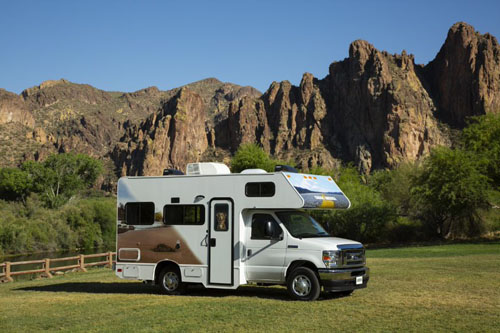
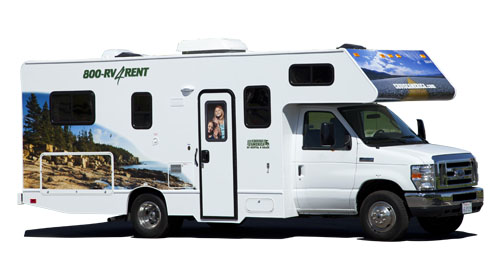
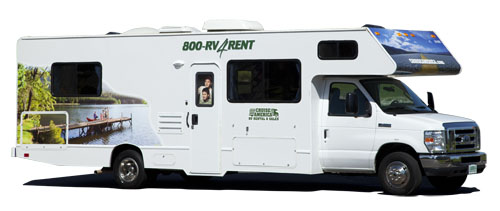
For navigating Atlanta's roads and enjoying a premium experience, Bandana highly recommends both the Class C - Alcove and Class A - Integrated RV categories from our local fleet. These options provide an excellent balance of spaciousness, comfort, and suitability for the area's infrastructure. For instance, Bandana's Class C Alcove RVs, averaging around 7.9 meters (approximately 26 feet) in length and comfortably sleeping up to 4-6 people, are manageable for most Georgia roads while offering a good blend of luxury and maneuverability. If ultimate luxury and maximum living space are priorities, Bandana's Class A Integrated RVs, averaging about 8.9 meters (approximately 29 feet) and accommodating up to 8 people, are an outstanding choice, particularly when staying at well-equipped RV parks. While Class A RVs are larger, Atlanta's main highways and access roads to RV parks are well-suited for their size, ensuring a comfortable and luxurious base for exploring the region.
Should I Choose a Compact Van Instead of a Large RV in Atlanta?
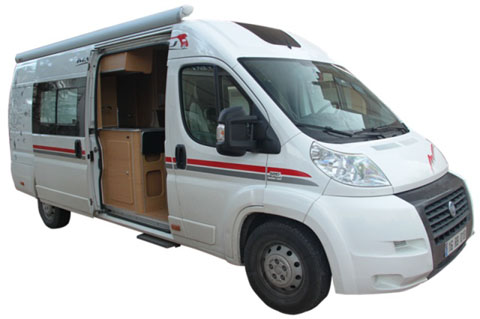
Generally, for a luxury RV rental experience in Atlanta, opting for a larger RV, such as a Class A or Class C motorhome, is recommended over a compact van. The increased comfort and amenities typically outweigh any minor trade-offs in maneuverability. Atlanta's main road infrastructure is well-equipped to handle larger RVs, and most popular attractions offer accessible parking options or are best reached from RV parks via ride-sharing or public transport, mitigating potential parking challenges. A compact van, like Bandana's Class B Camper Vans (averaging about 6.1 meters or 20 feet), excels in agility and easier parking for very tight city centers or unpaved remote roads, scenarios less common for luxury travelers in Atlanta. If your priority is ample indoor space, premium features, and comfortable living for extended stays, a larger Class C or A RV will undoubtedly provide a more luxurious and satisfying experience, which is the hallmark of a premium RV rental.
Can I Park Anywhere? Free & Wild Camping Rules in Atlanta
No, free or 'wild' camping is generally not permitted within Atlanta city limits or on developed public lands in Georgia. Attempting to do so is strongly discouraged due to safety concerns and legal implications. Overnight RV parking in Atlanta is typically restricted to licensed RV parks, commercial campgrounds, or private properties where explicit permission has been granted. While some large retail chains, like Walmart or Cracker Barrel, may permit overnight RV parking in other regions, this practice is often restricted or not allowed in metropolitan areas like Atlanta, so always seek manager permission first. For secure and amenity-rich overnight stays, travelers should plan to book spots at one of the many well-regarded RV parks and campgrounds located conveniently near Atlanta.
Can I Drive an RV Into the City Center? Heights, Tunnels & Local Signage
Driving an RV into Atlanta's city center is generally feasible, but it requires careful planning and diligent attention to local signage, particularly regarding height restrictions and available parking for larger vehicles. Be especially vigilant for posted height limits on tunnels and older underpasses around downtown, Midtown, and specific historic districts; these restrictions are always clearly marked (e.g., 12'0" or 13'6"). Atlanta does not have environmental zones that would restrict RV access based on emissions, offering freedom of movement for all luxury RV types. While accessible, dedicated RV parking within the immediate city center is quite limited. For exploring downtown attractions, it's often more practical to park at an RV park on the outskirts and utilize public transportation or ride-sharing services for easier access and navigation.
Do you need a CDL to drive a luxury RV?
A Commercial Driver's License (CDL) is typically not required to operate a luxury RV for personal use in the United States, provided its Gross Vehicle Weight Rating (GVWR) remains below 26,001 pounds. Most luxury RVs, including many spacious Class A motorhomes, fall within these weight limits, necessitating only a standard Class C driver's license. A CDL is primarily designated for operating commercial vehicles, school buses, or vehicles transporting hazardous materials, none of which apply to recreational RV use. It's always advisable for drivers to verify the specific GVWR of the RV they intend to operate and check their state's Department of Motor Vehicles regulations, as a non-commercial Class B or A license might be needed for very heavy RVs in some states.
Do you need a CDL to drive a class A RV in Georgia?
No, a Commercial Driver's License (CDL) is generally not required to drive a Class A RV for personal use in Georgia, provided its Gross Vehicle Weight Rating (GVWR) does not exceed 26,000 pounds. However, for Class A RVs with a GVWR over 26,000 pounds, Georgia mandates a non-commercial Class E (for single vehicles exceeding 26,000 lbs) or Class F (for combination vehicles meeting specific weight criteria) license. These are considered 'special licenses' but are distinct from a CDL, as they are tailored for larger personal vehicles rather than commercial operations. It is crucial for drivers to know the exact GVWR of their Class A RV to ensure compliance with Georgia's licensing laws, which prioritize safety for these larger recreational vehicles. Consulting the Georgia Department of Driver Services (DDS) website for the most current regulations on non-commercial license classes is always recommended before operating a large RV.
What is the 3-3-3 rule when rving?
The '3-3-3 rule' is a popular guideline among RVers aimed at promoting a relaxed and safe travel experience. It suggests driving no more than 300 miles per day, arriving at your campground by 3 PM, and staying for a minimum of 3 nights at each stop. This rule is particularly beneficial for preventing driver fatigue, especially when operating a large luxury RV, and ensures ample daylight remains for setting up camp and addressing any minor issues upon arrival. Adhering to the 3-3-3 rule allows sufficient time to unpack, explore the local area around Atlanta, and truly relax without feeling rushed, significantly enhancing the overall enjoyment of your luxury RV trip. Ultimately, it's a flexible guideline designed to encourage slow travel and deeper immersion in each destination rather than constant movement.
Can you live full-time in a luxury RV?
Yes, living full-time in a luxury RV is a viable and increasingly popular lifestyle that offers significant freedom and mobility. However, it comes with specific legal and practical considerations, especially regarding establishing domicile in Georgia. To establish domicile as a full-time RVer in Georgia, one typically needs to obtain a Georgia driver's license, register their vehicle in the state, and secure a permanent mailing address, often through a mail forwarding service. Local zoning regulations in Atlanta and most surrounding counties generally prohibit long-term RV parking or residency on private residential property; consequently, full-time RVers typically reside in dedicated RV parks or campgrounds. Practical considerations for full-time RV living in Georgia include preparing for the intense summer heat with robust air conditioning and managing moisture effectively, as well as being aware of hurricane season (June-November) and general storm preparedness.
What RV brands are considered luxury?
Several esteemed RV brands are recognized for their exceptional luxury, high-end craftsmanship, premium materials, and advanced features, catering to discerning travelers seeking a refined experience. In the luxury Class A motorhome segment, brands like Tiffin Motorhomes (e.g., Allegro Bus, Zephyr), Newmar (e.g., Dutch Star, King Aire), Entegra Coach (e.g., Anthem, Cornerstone), and Foretravel stand out for their elaborate interiors and robust chassis. For those seeking elevated comfort and sophisticated designs in Class C and B options, brands such as Winnebago (particularly their higher-end View/Navion or Travato models), Airstream (e.g., Interstate touring coaches), and Renegade Verona offer state-of-the-art technology and premium finishes. When considering a luxury RV rental in Atlanta, looking for models from these manufacturers or those offering comparable high-end finishes and amenities will ensure a truly premium travel experience.
Do you need a special license to drive an RV in GA?
A standard Class C driver's license is sufficient to operate most recreational vehicles in Georgia for personal use, provided the vehicle's Gross Vehicle Weight Rating (GVWR) does not exceed 26,000 pounds. However, if an RV has a GVWR over 26,000 pounds or if you are towing a trailer weighing over 10,000 pounds with an RV, Georgia requires a non-commercial Class E (for single vehicles over 26,000 lbs) or Class F (for combination vehicles meeting specific weight criteria) license. These are considered 'special licenses' but are distinct from a Commercial Driver's License (CDL), as they are tailored for operating larger personal vehicles rather than commercial operations. It is crucial to verify the specific weight ratings of any RV you plan to rent or purchase against the Georgia Department of Driver Services (DDS) requirements to ensure you hold the appropriate license.
Who insures expensive motorhomes?
Expensive motorhomes are typically insured by a combination of major national insurance carriers and specialized RV insurance providers who offer tailored policies for high-value recreational vehicles. Companies such as National General, Progressive, GEICO, Foremost, and specialized providers like Good Sam RV Insurance are well-known for offering comprehensive coverage options for luxury motorhomes. These policies often include specialized coverages beyond standard auto insurance, such as full-timer's liability, personal effects coverage, total loss replacement, and roadside assistance specifically designed for RVs. When renting a luxury RV in Atlanta, the rental company usually includes basic insurance coverage, but it is advisable to review the policy details and consider supplemental rental insurance or a personal auto policy rider for additional protection.
How much is insurance on a $200,000 RV?
The annual insurance premium for a $200,000 RV can vary significantly based on multiple factors, but typically ranges from approximately $1,000 to $4,000 for a comprehensive policy. Key determinants of the insurance cost include the RV's specific make and model, the owner's driving record and age, the primary storage location, the frequency and mileage of use, and the chosen deductible and coverage limits. Additional factors like the RV's safety features, security systems, and whether it is used full-time or seasonally for pleasure travel will also influence the premium. To obtain an accurate estimate for insuring a $200,000 luxury RV, it is highly recommended to request quotes from several specialized RV insurance providers, as rates can differ substantially between them.
How can I lower my RV insurance premium?
To potentially lower your RV insurance premium, consider increasing your deductible, as a higher deductible typically results in a lower monthly or annual payment. Bundling your RV insurance with other policies, such as your home or auto insurance, through the same provider can often qualify you for significant multi-policy discounts. Maintaining a clean driving record, free of accidents and violations, is one of the most effective ways to secure lower insurance rates. Don't hesitate to inquire about specific RV-related discounts, such as those for installing anti-theft devices, participating in safe driver programs, or for memberships in organizations like AAA, AARP, or Good Sam. Adjusting your coverage to reflect actual usage, for example, by opting for lay-up coverage during storage months or utilizing lower mileage discounts if you're not using the RV full-time, can also lead to savings on your luxury RV insurance premium.
What You Shouldn't Miss
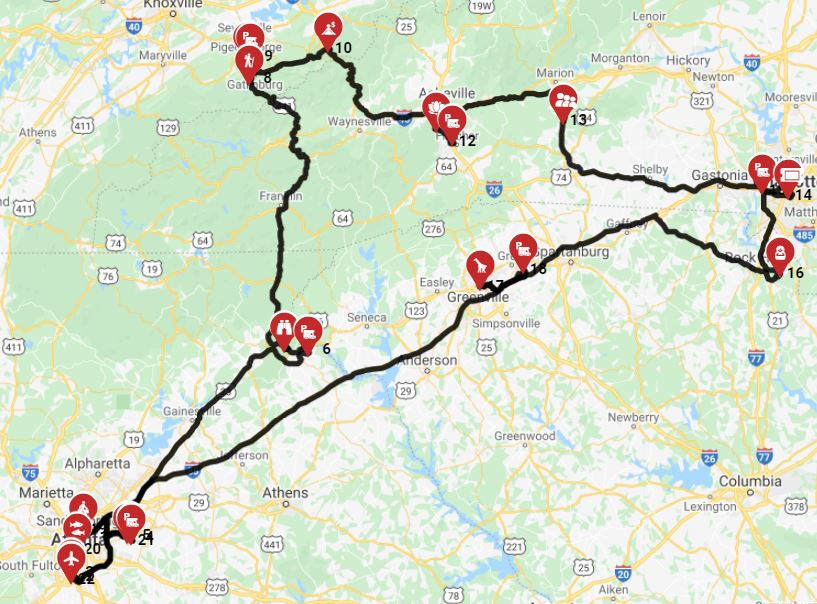
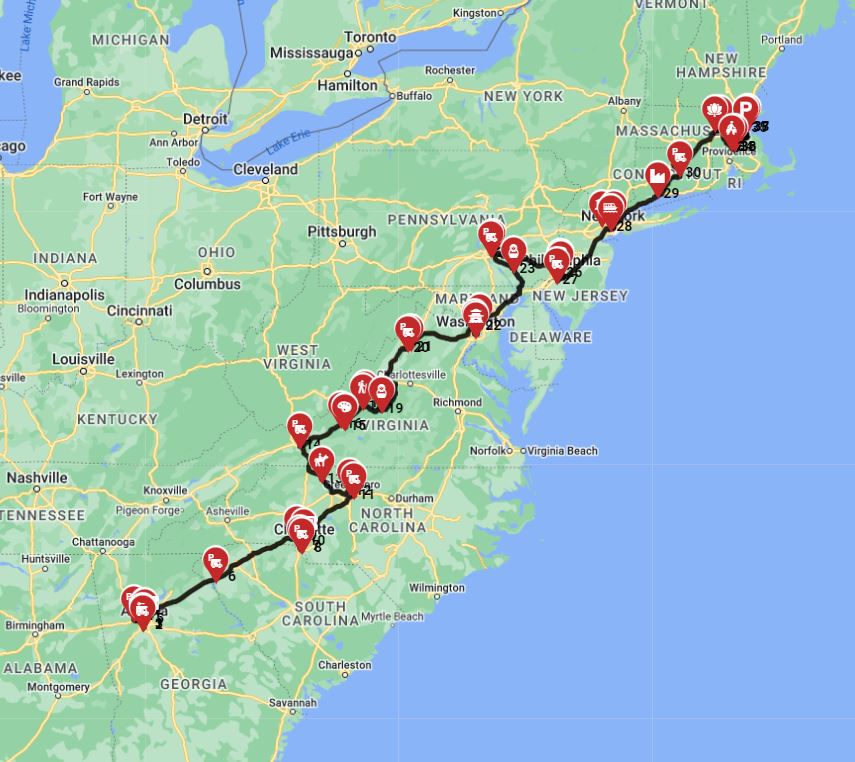
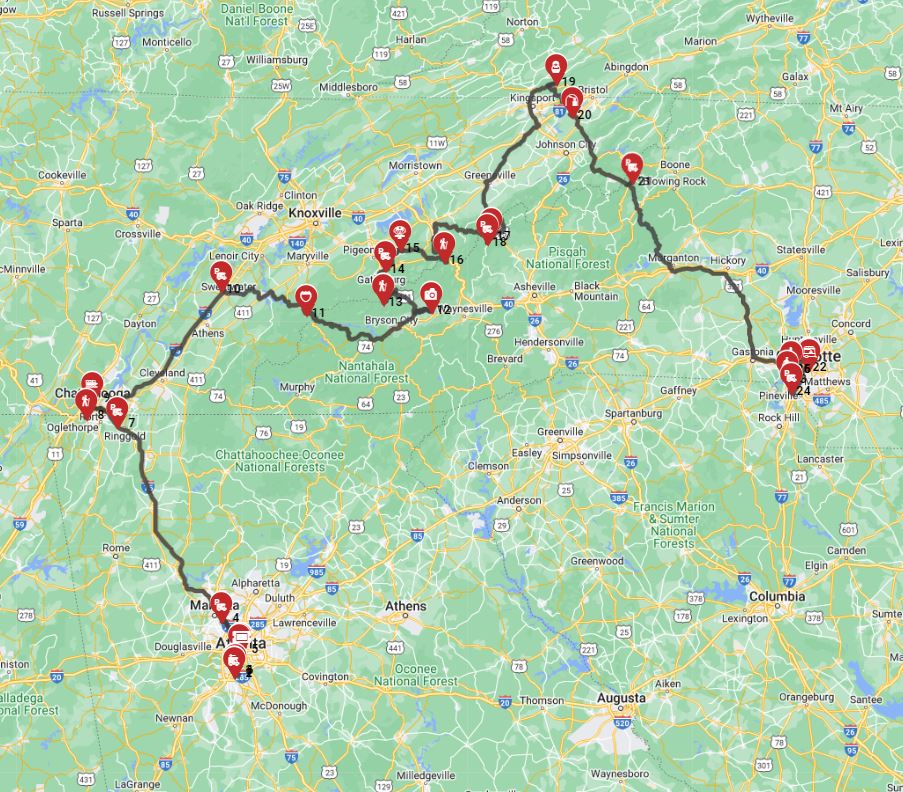
- Atlanta to Charlotte via the Smoky Mountains: This 8-day, 1,326 km route offers a scenic journey through the Appalachian Trail, including hiking areas, museums, and points of interest.
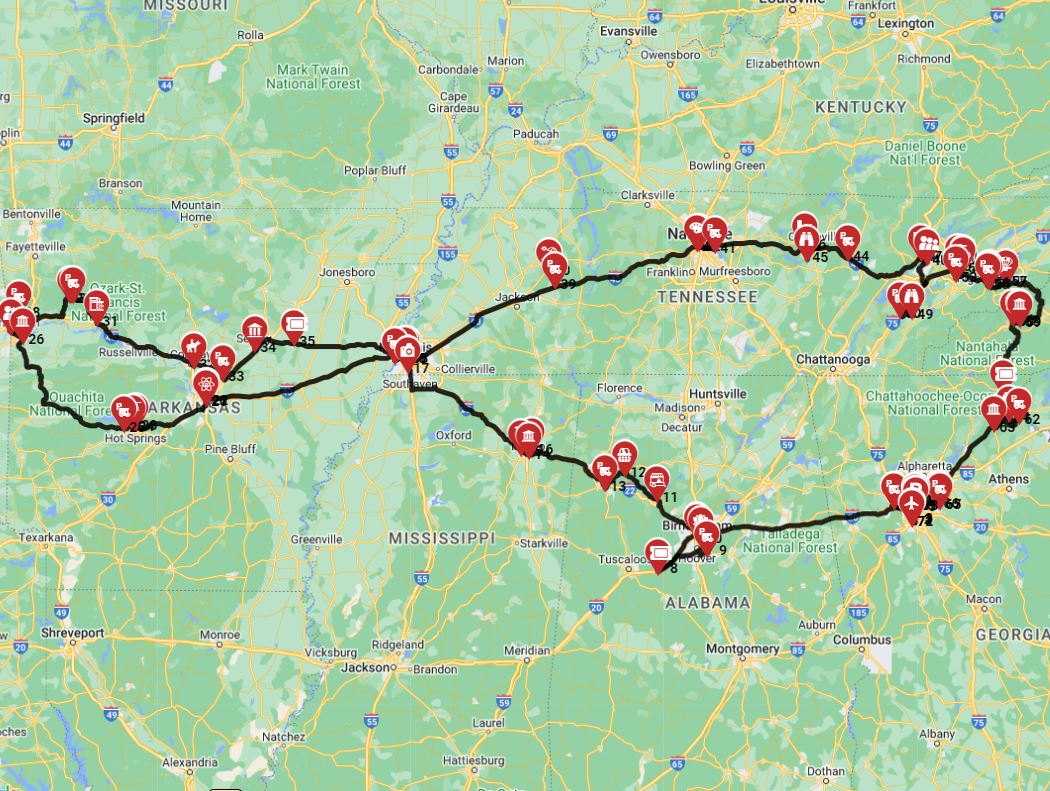
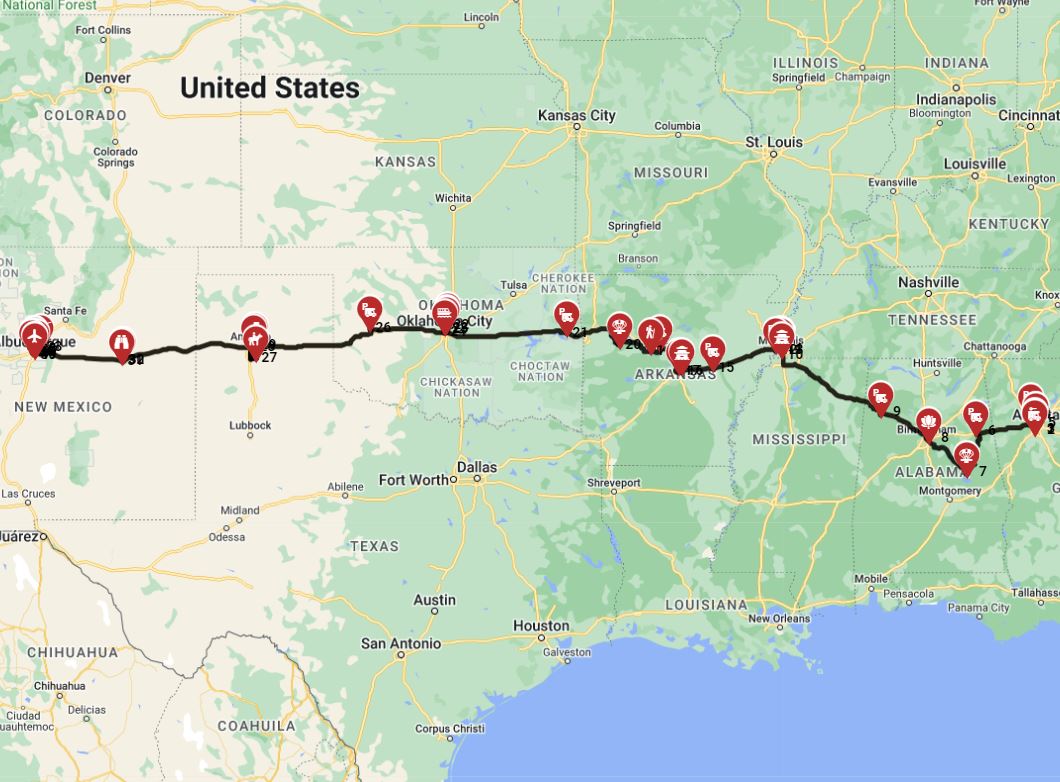
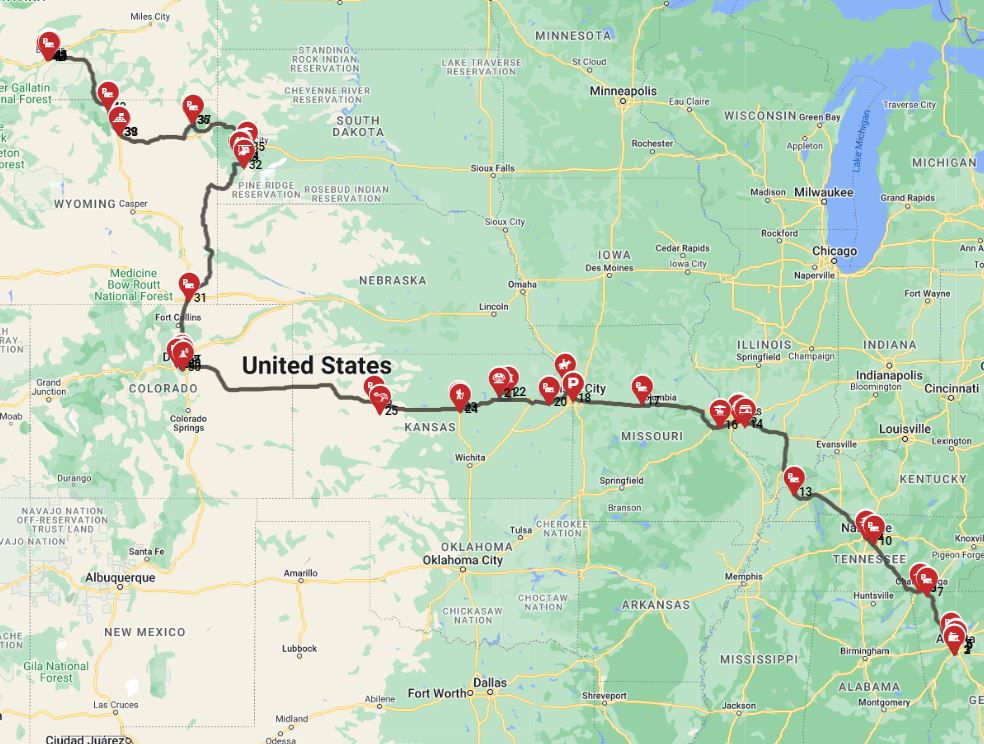
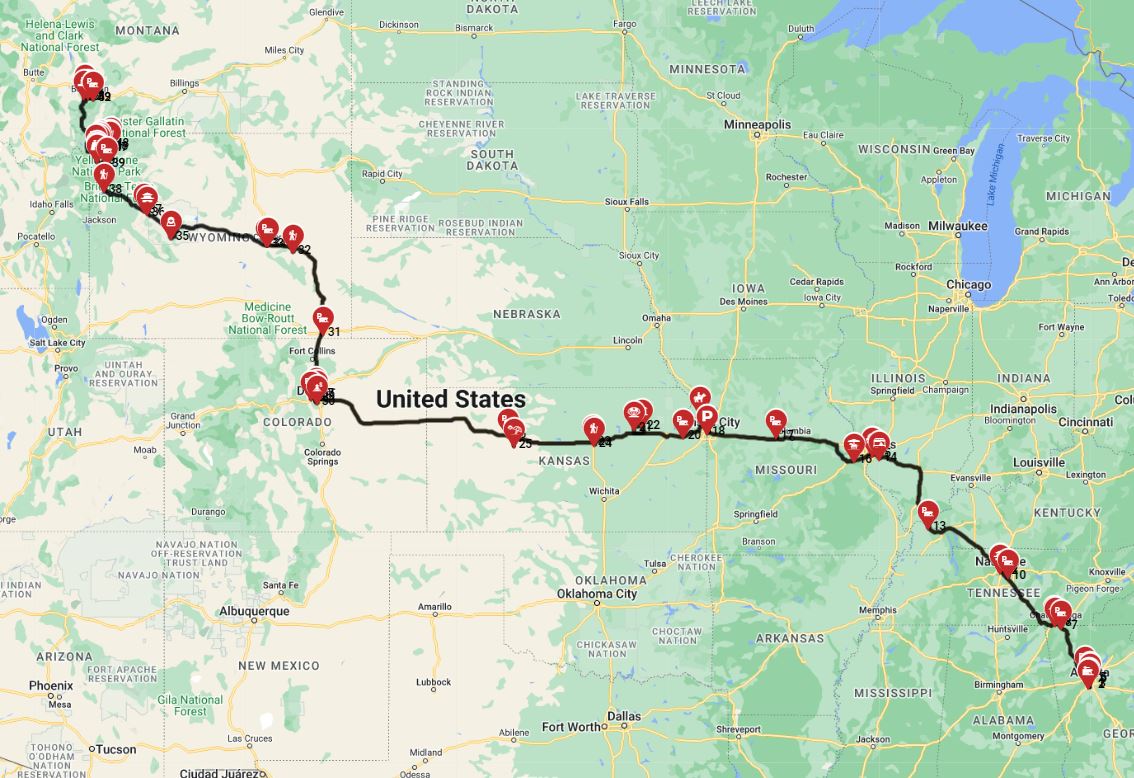
- Billings to Atlanta Road Trip: A 20-day, 4,440 km adventure, this family-friendly route connects diverse attractions from aquariums and botanical gardens to heritage sites and zoos, offering a comprehensive American road trip experience.
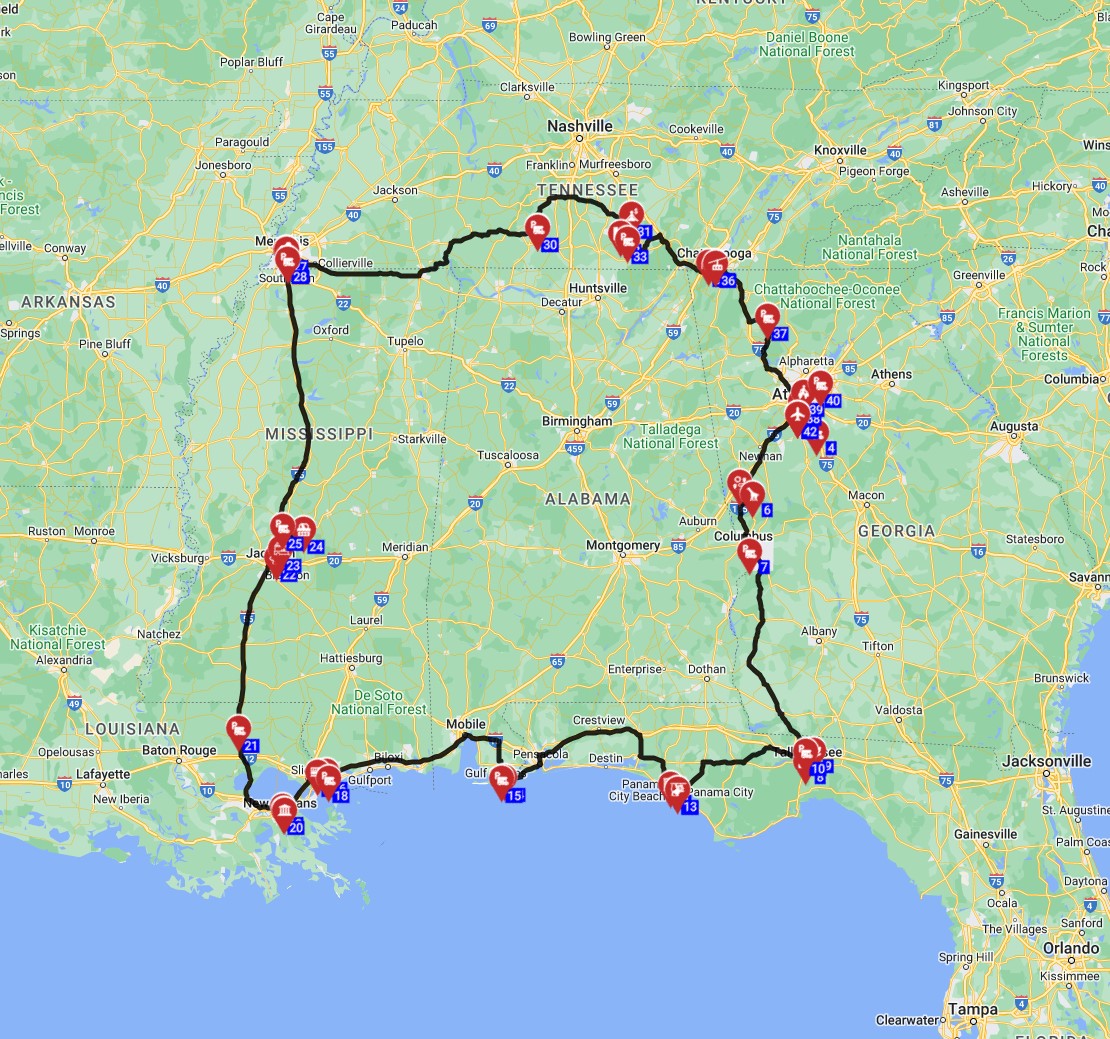
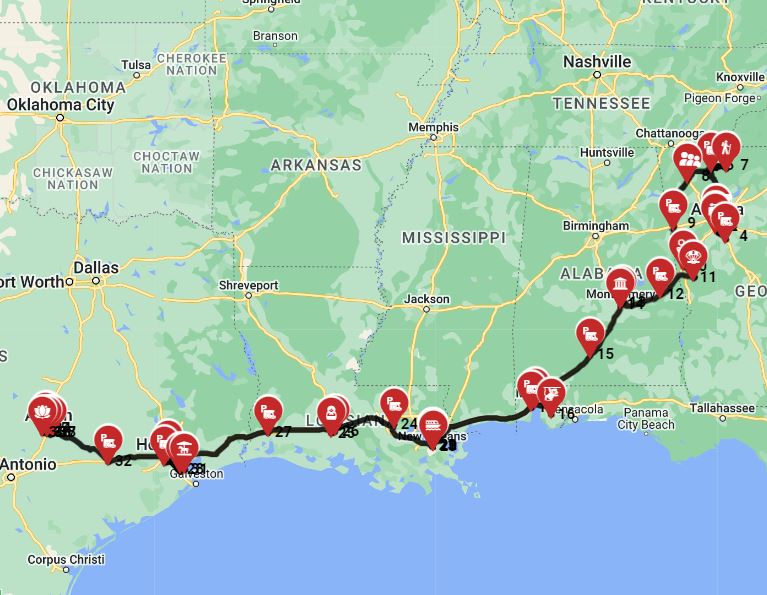
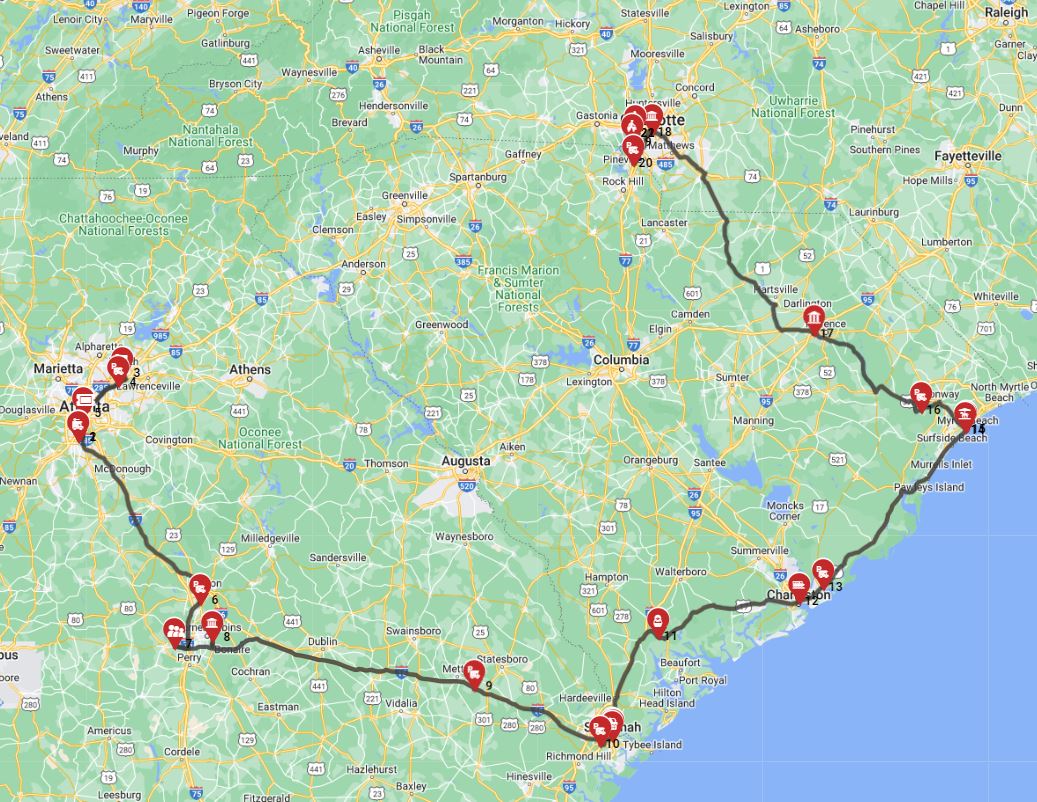
- Atlanta Roundtrip - South West: This 14-day, 3,029 km itinerary circles out of Atlanta, covering a wide array of attractions including wildlife viewing, beaches, family activities, and historical sites, providing a diverse exploration of the region.
Final Thoughts
Renting a luxury RV in Atlanta opens up a world of possibilities for exploring the vibrant city and its picturesque surroundings. By understanding the local driving nuances, licensing requirements, and the benefits of choosing the right vehicle class, you can ensure a seamless and enjoyable adventure.
Remember to leverage resources like RV PLANET (rvplan.net) for detailed route planning, helping you discover hidden gems and optimize your trip with detailed itineraries. Whether you're drawn to the scenic beauty of the Appalachian Mountains or the cultural attractions within Atlanta itself, a rented RV provides the ultimate freedom and comfort for your journey.
Find Motorhome Rentals in Atlanta